Support

Pucallpa

About

Nestled in the heart of the Amazon rainforest, Pucallpa is a dynamic and rapidly growing city that serves as the capital of the Ucayali Region. Located on the banks of the majestic Ucayali River, a major tributary of the Amazon, this city acts as a vital commercial and transportation hub in eastern Peru. With a population of approximately 326,000 inhabitants, it offers a unique blend of urban energy and raw natural beauty, making it an essential gateway for travelers venturing into the deep jungle.

The name Pucallpa translates to "Red Earth" in the Quechua language, a reference to the rich, reddish soil found in the area. While the city itself appears relatively modern, the history of Pucallpa is deeply intertwined with the indigenous cultures of the region and the colonization of the Amazon basin. Unlike many other jungle towns that are only accessible by air or river, Pucallpa is connected by road to the Andes and the coast, making it a convenient and accessible starting point for Amazonian adventures.
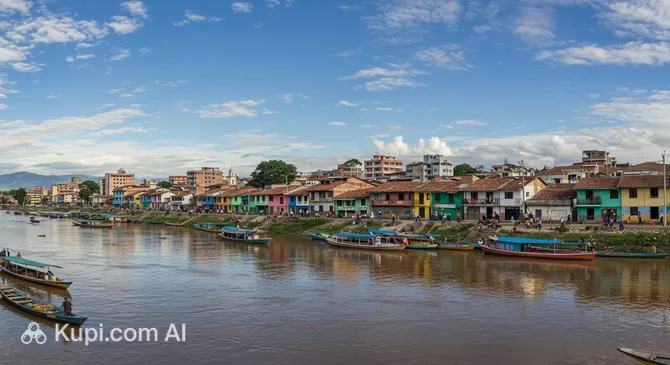
Pucallpa. Source: Kupi.Binoculars

Visitors are often drawn to the stunning Lake Yarinacocha, located just a short distance from the city center. This expansive oxbow lake is a haven for wildlife, where you can spot pink river dolphins, exotic birds, and sloths while enjoying a traditional boat ride. The region is also celebrated for its vibrant indigenous art, particularly the intricate geometric designs of the Shipibo-Conibo people, which can be admired and purchased in local markets. In the city center, the modern cathedral with its distinctive ogival architecture stands as a striking landmark near the bustling Plaza de Armas.

Whether you are seeking an immersion into indigenous traditions, eager to explore the biodiversity of the rainforest, or simply looking for a lively tropical atmosphere, Pucallpa provides an unforgettable experience. It is a destination that perfectly balances the conveniences of a major city with the wild allure of the Amazon, inviting every traveler to discover its warm hospitality and breathtaking surroundings.
Weather Overview

Pucallpa experiences a tropical climate characterized by consistent warmth and distinct seasonal rainfall patterns, typical of its location in the Amazon basin. Visitors can expect a humid atmosphere year-round, with average monthly temperatures generally hovering between 26°C and 28°C. The city remains verdant and lush thanks to the regular precipitation, although the intensity of the rain varies significantly depending on the time of year.

To help plan your trip, it is useful to check the detailed weather in Pucallpa before packing. The wet season is most pronounced from October through April, with December and March often seeing up to 24 wet days per month. Conversely, the period from June to August offers a drier window for travel, with July and August recording as few as 8 wet days, making this an excellent time for outdoor excursions.

Expect warm days with occasional heavy showers during the rainy season and slightly cooler, drier conditions during the middle of the year. September is typically the hottest month, with maximum temperatures reaching 33.0°C, while June is generally the coolest, with an average temperature of 25.9°C. Regardless of when you visit, lightweight clothing and reliable rain gear are essential for staying comfortable.

Interesting Facts

Beyond the main attractions, Pucallpa holds many fascinating secrets that reveal its unique position between the modern world and ancient Amazonian traditions. Here are some intriguing details about this vibrant jungle metropolis:
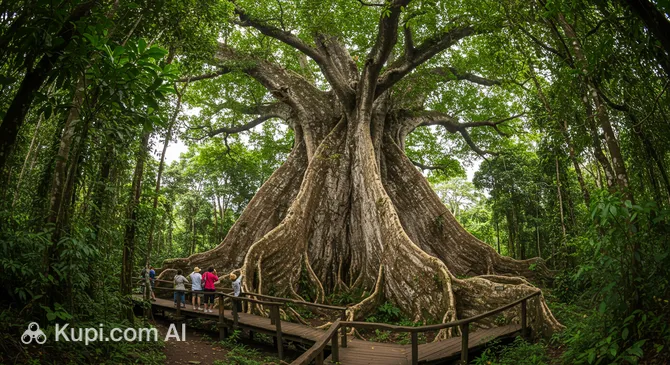
  • The city is home to a living historical monument known as the Lupuna Tree, which stands majestically within the urban area. Estimated to be roughly 200 years old, this towering giant is the only one of its species remaining in the city center and is surrounded by local legends claiming it acts as a guardian spirit for the residents.

  • Pucallpa serves as a critical geographic frontier; it is the final destination of the Federico Basadre Highway. This makes it the last major city in the Peruvian Amazon accessible by paved road from the capital, Lima, meaning that any travel further north into the deep jungle towards Iquitos must be continued solely by river or air.

  • The intricate geometric patterns seen decorating the city, known as Kené, are far more than simple artistic motifs. Originating from the Shipibo-Conibo people, these designs are traditionally believed to be visual representations of the cosmos and songs perceived during shamanic visions, serving as a map of the spiritual universe.

  • While many cathedrals follow European designs, the local cathedral was built with a distinctive shape often compared to the tail of a caiman or the petals of a tropical flower. This unique architecture was intentionally chosen to reflect the biodiversity of the Amazon and to ensure the structure remains cool and ventilated amidst the jungle heat.

Lupuna Tree. Source: Kupi.Binoculars

How to Get There

Reaching the heart of the Peruvian Amazon is an adventure in itself, with air travel being the most efficient method for most visitors. However, unlike many other jungle cities, this destination is also unique because it is connected to the rest of the country by a major highway. For a complete overview of all transport options, including road and river travel, you can check our detailed guide on how to get to Pucallpa.

The primary gateway for air travelers is Capitan Rolden Airport (PCL). Conveniently located within Pucallpa itself, it sits just 1.9 km from the city center. This proximity makes arrival incredibly smooth; a taxi or motor-taxi ride to the main plaza or downtown hotels typically takes only about 25 minutes. As a key regional hub, it handles a significant volume of passengers annually, connecting the city with Lima and other Peruvian destinations.

If flights to Pucallpa are unavailable, a closer alternative is Tingo Maria (TGI), located in the city of Tingo Maria. However, it is important to note that this airport is approximately 185.1 km away from Pucallpa. Traveling from Tingo Maria involves a scenic but lengthy overland journey through the high jungle, taking around 5 hours by car or bus. Another major regional hub is Cad. FAP Guillermo del Castillo Paredes Airport (TPP) in Tarapoto, though it is significantly further at 287.2 km away, making it a less practical option unless you plan to explore the wider region.

For clarity, here is a summary of the main airports serving the region:

Airport Name City Passenger Traffic Km from City
Cad. FAP Guillermo del Castillo Paredes Airport Tarapoto High 287.2
Capitan Rolden Airport Pucallpa Medium 1.9
Huanuco Airport Huanuco Medium 242.5
Campo Internacional Airport Cruzeiro do Sul Small 218.3
Tingo Maria Tingo Maria Small 185.1

While there are no railway services connecting to Pucallpa, the city is famously accessible via the Federico Basadre Highway, which links it directly to Lima across the Andes. This road trip offers spectacular views but requires significant travel time. Additionally, as a major river port, Pucallpa receives passengers arriving by boat along the Ucayali River from Iquitos and other Amazonian towns, a slow but culturally immersive way to travel.

Main Attractions

While Pucallpa is often viewed as a gateway to the Amazon, the city itself boasts several interesting spots where visitors can soak up the local culture, enjoy modern amenities, and taste regional flavors. From historical parks to bustling commercial centers, here are some of the key places to visit within the city limits.

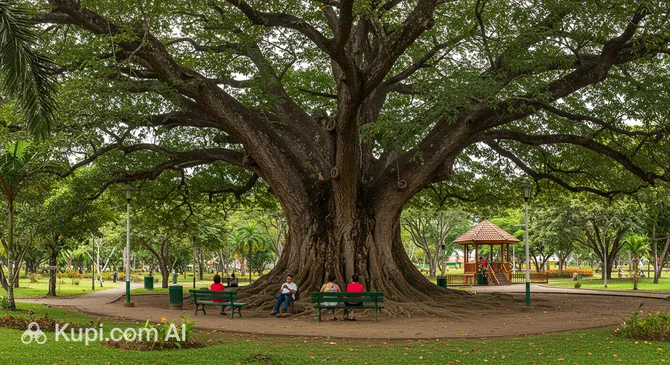
One of the most symbolic locations in the city is La Lupuna Park. This historical park is a cultural landmark for the residents, serving as a green sanctuary amidst the urban environment. It is famous for housing a majestic tree that has stood watch over the area for centuries, but the park itself is also a pleasant space for a stroll. It offers tourists a chance to connect with the local legends and see how nature is integrated into the daily life of the city.

La Lupuna Park. Source: Kupi.Binoculars

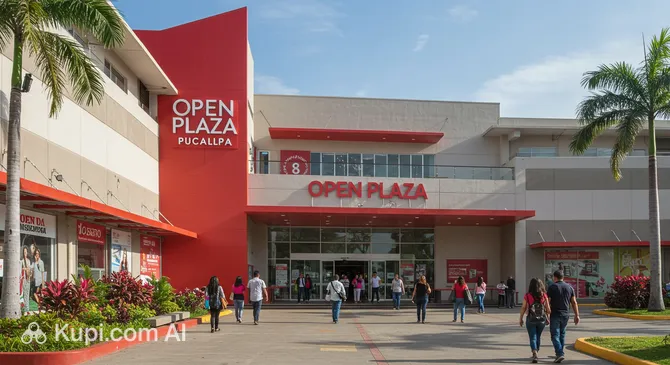
For travelers seeking a break from the tropical heat or looking to stock up on supplies, Open Plaza Pucallpa is the premier destination. As a major modern shopping mall in the region, it features a wide array of international and national retail stores, a cinema, and diverse dining options. It is a bustling hub of activity where you can enjoy a comfortable, air-conditioned atmosphere and experience the modern side of this Amazonian capital.

Open Plaza Pucallpa. Source: Kupi.Binoculars

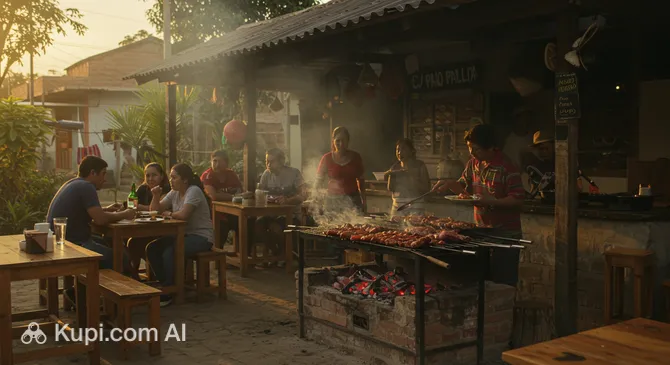
No visit to the Peruvian jungle is complete without experiencing its culinary traditions, and Al Palo y la Parrilla is an excellent place to start. This restaurant specializes in grilled meats, a cooking style that is deeply rooted in the region's gastronomy. It is a favorite among locals and tourists alike for its hearty portions and authentic flavors, making it a perfect spot to enjoy a relaxing meal after a day of sightseeing.

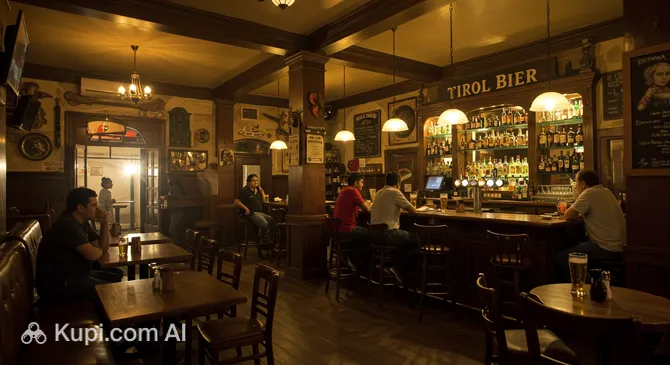
If you are looking for a place to unwind in the evening, Tirol Bier offers a vibrant social atmosphere. It is a popular venue to enjoy refreshing drinks and socialize, reflecting the lively spirit of Pucallpa's nightlife. Whether you want to try a local brew or simply sit back and observe the local scene, it provides a welcoming environment for visitors.

Local Cuisine

The gastronomy of Pucallpa is a vibrant reflection of the Amazon rainforest, offering flavors that are distinct from the coastal and Andean cuisines of Peru. The food here revolves around fresh ingredients sourced directly from the Ucayali River and the surrounding jungle. Travelers can expect a culinary adventure filled with exotic fruits, massive river fish like the Paiche, and hearty plantain-based dishes that define the region's identity.

One of the most iconic dishes to try is Juane, a savory parcel of rice, chicken, olives, and hard-boiled egg wrapped in bijao leaves, which impart a unique aroma during cooking. Another staple is Tacacho con Cecina, featuring mashed roasted bellaco plantains mixed with pork lard, served alongside smoked pork. For seafood lovers, the Patarashca is a must; this traditional preparation involves grilling fish seasoned with local spices inside banana leaves, preserving its moisture and flavor.

Al Palo y la Parrilla. Source: Kupi.Binoculars

To quench your thirst in the tropical heat, local beverages are essential. Camu Camu juice is incredibly popular, made from a small Amazonian fruit known for having one of the highest Vitamin C contents in the world. You might also encounter Aguajina, a refreshing drink made from the aguaje palm fruit, or Masato, a traditional fermented yuca drink that holds deep cultural significance for indigenous communities.

The dining scene in Pucallpa ranges from bustling open-air markets, where you can taste authentic street food, to modern establishments. For those looking for a variety of dining options in a comfortable setting, Pucallpa Mall offers a selection of eateries that cater to different tastes. However, the city is particularly known for its love of grilled meats and rustic flavors, often enjoyed in open-air restaurants that celebrate the abundance of the region.

Travel Tips

Traveling to Pucallpa offers a thrilling immersion into the Peruvian Amazon, but the unique jungle environment requires a bit of specific preparation to ensure a smooth journey. To help you navigate the "Red Earth" with confidence and ease, we have compiled a list of essential practical tips for your adventure.

  1. Clothing and Gear: The climate is hot and humid year-round, so prioritize lightweight, breathable fabrics like cotton or linen. However, you should also pack long-sleeved shirts and long trousers to protect against mosquitoes, especially during excursions. A sturdy rain poncho is indispensable, as sudden downpours are common. Comfortable, waterproof walking shoes are best for exploring, and don't forget a hat and high-SPF sunscreen.
  2. Transportation: The most popular and ubiquitous way to get around Pucallpa is by mototaxi (a three-wheeled motorcycle rickshaw). They are affordable and agile, perfect for short distances within the city. Regular taxis are also available but less common. Always agree on the fare with the driver before getting in, as meters are rarely used. For longer trips to surrounding attractions, private drivers or organized tours are recommended.
  3. Finances: The local currency is the Peruvian Sol (PEN). While major hotels, supermarkets like Open Plaza, and upscale restaurants accept credit cards (Visa and Mastercard are most common), cash is absolute king in local markets, smaller eateries, and for paying mototaxis. It is wise to carry small denominations (coins and 10 or 20 sol notes), as breaking large bills can be difficult for small vendors.
  4. Health and Safety: Insect repellent containing DEET is your most important accessory here to prevent bites and tropical diseases. Pharmacies are plentiful in the city center, but carry a basic first-aid kit for remote trips. Never drink tap water; always opt for bottled or purified water to avoid stomach issues. In terms of safety, Pucallpa is generally welcoming, but exercise standard caution: avoid poorly lit areas at night and keep an eye on your belongings in crowded markets.
  5. Communication: Spanish is the primary language spoken in Pucallpa. English is not widely spoken outside of the airport and high-end tourist establishments. Learning a few basic phrases in Spanish (such as greetings and numbers for negotiating prices) will be incredibly helpful. Buying a local SIM card (Claro or Movistar have good coverage) is recommended for maps and translation apps, as Wi-Fi can be spotty in remote areas.
  6. Local Etiquette: People in the jungle region are known for their warmth and charisma. A friendly greeting of "Buenos días" or "Buenas tardes" when entering a shop or taxi is customary and appreciated. If you plan to visit indigenous communities, always ask for permission before taking photographs of people, and show respect for their traditions and private spaces.
  7. What to Avoid: Avoid swimming in the river or lakes unless a local guide explicitly confirms it is safe, as currents can be strong and wildlife unpredictable. Also, refrain from purchasing souvenirs made from endangered animal parts (like feathers, skins, or teeth), as this is illegal and harmful to the ecosystem.
  8. Market Insight: For the freshest experience, visit the local river markets early in the morning. This is when the fishermen arrive with their catch from the Ucayali River. It is a chaotic but fascinating spectacle where you can see massive fish like the Paiche being unloaded, giving you a true taste of daily Amazonian life.

By keeping these practical tips in mind, you will be well-equipped to handle the tropical heat and vibrant pace of Pucallpa. Embrace the laid-back jungle lifestyle, stay hydrated, and get ready for an unforgettable experience in the heart of the Peruvian Amazon.

Entertainment & Nightlife

Pucallpa offers a vibrant slice of Amazonian nightlife that reflects the city's energetic spirit. As the sun sets and the tropical heat subsides, the streets fill with locals looking to unwind. The atmosphere is generally relaxed and unpretentious, with a strong focus on socializing, music, and cold drinks. You will find that the dress code is casual, suited to the warm climate, and the crowds are a mix of residents and travelers soaking up the jungle vibes. The areas surrounding the Plaza de Armas and the riverfront often serve as hubs for evening activity.

For a taste of the local bar scene, you might want to visit Tirol Bier. It is a popular spot to enjoy a refreshing beverage and experience the local social culture. Whether you prefer a quiet conversation or a livelier environment, the city's bars often feature a mix of Latin pop, salsa, and the region's distinctive cumbia music, creating a festive backdrop for your night out.

Tirol Bier. Source: Kupi.Binoculars

Dining late is also part of the experience here. Before hitting the bars, consider a meal at Al Palo y la Parrilla, where you can savor hearty grilled dishes that are a staple of the region. Many restaurants and restobars remain open late, especially on weekends, allowing for a leisurely evening of food and entertainment. It is common for locals to start their evening with a substantial dinner before moving on to music venues or dance halls.

When it comes to practicalities, nightlife usually picks up after 9:00 PM and can go on until the early morning hours on Fridays and Saturdays. Prices are generally affordable compared to larger capitals. For transportation, "mototaxis" (three-wheeled motorcycles) are the most common way to get around. However, for safety at night, it is advisable to use official taxi companies or ride-hailing apps rather than hailing random vehicles on the street. Stick to well-lit, busy areas and avoid displaying expensive valuables.

While the nights are for socializing, daytime entertainment in Pucallpa offers a different pace. You can explore modern amenities at Pucallpa Mall for shopping and cinema, or visit La Lupuna Park to see the historic Lupuna tree and enjoy a bit of nature within the city limits. These spots provide a relaxing contrast to the lively nocturnal energy of the city.

Parks & Museums

Pucallpa offers a fascinating mix of Amazonian biodiversity and indigenous culture, reflected in its green spaces and artistic venues. The city provides opportunities to explore local flora and immerse yourself in the artistic traditions of the jungle without venturing far from the urban center.

One of the most significant natural landmarks within the city limits is La Lupuna Park. This historical park is centered around a massive specimen known as the Lupuna Tree, which is hundreds of years old. Locals regard this giant tree with great respect, often associating it with legends and considering it a guardian of the forest. It stands as a solitary reminder of the immense rainforest that surrounds the region and offers a shaded respite for visitors.

Lupuna Tree. Source: Kupi.Binoculars

Just outside the immediate city center lies the Yarinacocha Lagoon, which serves as the primary natural recreational area for the region. This expansive oxbow lake is fringed with vegetation and is the perfect place to observe wildlife, including river dolphins and diverse bird species. It functions as a massive open-air park where you can take boat rides or simply relax by the water to enjoy the breeze and the view of the jungle horizon.

In terms of cultural institutions, the Usko-Ayar School of Painting is a unique gallery that defines the artistic identity of Pucallpa. Founded by the renowned artist Pablo Amaringo, this school is famous for "Amazonian visionary art," a style characterized by intricate details and neon-bright colors that depict the flora, fauna, and spiritual cosmology of the Amazon. It provides a captivating window into the indigenous worldview.

For those interested in sculpture, the gallery of Agustin Rivas is another key cultural stop. Rivas was a master woodcarver known for transforming twisted renaco roots into expressive figures from Amazonian mythology. His work is celebrated for its ability to reveal the spirits hidden within the wood, offering a different perspective on local craftsmanship and folklore.

Architecturally, the city is dominated by the modern Pucallpa Cathedral located at the Plaza de Armas. Unlike the colonial style found in other Peruvian cities, this structure features a distinctive ogival design meant to resemble the roots of a giant jungle tree or hands joined in prayer. The stained glass windows beautifully incorporate Amazonian motifs, blending religious symbolism with the local environment.

For a closer look at the region's fauna, the Pucallpa Natural Park serves as both a zoo and a botanical reserve. It houses species such as jaguars, tapirs, and monkeys in a setting that mimics their natural habitat. An insider tip for a truly authentic experience is to visit the bustling river port markets early in the morning, where you can witness the arrival of exotic fruits like camu camu and aguaje fresh from the river communities.

Getting Around

Navigating Pucallpa offers a distinctively Amazonian experience, quite different from the structured public transport systems found in larger metropolises. The city does not have a metro, tram, or train network. Instead, the streets are dominated by a flow of three-wheeled motorized vehicles and minibuses. The atmosphere on the road is energetic and can seem chaotic to newcomers, but it follows a local rhythm that keeps the city moving.

The most ubiquitous form of transport is the mototaxi, often referred to locally as a "motocar." These are motorcycles with a carriage attached to the back, covered by a canvas roof. They function like taxis but are much cheaper and more agile in traffic. You will see thousands of them buzzing around the city. They are ideal for short to medium distances and offer a breezy, open-air way to see the sights, though they lack air conditioning and seatbelts.

For slightly longer distances or travel along main avenues, you can use colectivos (shared taxis) or minibuses. These follow specific routes, usually displayed on the windshield or shouted out by an assistant hanging out the door. They are the most economical way to travel, costing just a fraction of the price of a private ride. While they can be crowded and stop frequently to let passengers on and off, they provide an authentic glimpse into local daily life.

Standard taxis (regular cars) are available but are significantly outnumbered by mototaxis. They are the preferred option if you are traveling with heavy luggage, heading to the airport, or prefer the comfort of air conditioning during the midday heat. It is also safer to use standard taxis or registered radio taxis at night rather than hailing a mototaxi on a deserted street.

Regarding payment, cash is king in Pucallpa's transport system. There are no travel cards, passes, or tap-to-pay systems for public transit. You must pay the driver or the fare collector (cobrador) directly. It is essential to carry small change (coins and small bills in Soles), as drivers often struggle to break large banknotes. For mototaxis and standard taxis that do not use meters, you must negotiate and agree on the fare before getting into the vehicle to avoid disputes later.

Given Pucallpa's location on the banks of the Ucayali River, water transport is a vital extension of the public transit network. From the port of Yarinacocha, you can catch a peque-peque, a long, narrow wooden boat powered by a motor with a long propeller shaft. These act as water taxis, ferrying locals and tourists to nearby communities and lakeside attractions. For longer journeys into the deep jungle, larger ferries and cargo boats (lanchas) serve as the primary link to the rest of the Amazon.

Tourists should be aware that traffic rules are often interpreted loosely. Pedestrians do not always have the right of way, so proceed with caution when crossing streets. Transport operates from early morning until late at night, but frequency drops significantly after 10:00 PM. If you plan to stay out late, arrange a ride with a trusted taxi service or ask your hotel or restaurant to call one for you.

Accommodation

Accommodation in Pucallpa caters to a mix of business travelers, traders, and tourists heading into the Amazon rainforest. The city offers a range of options, from budget-friendly hostels and guesthouses ("hospedajes") to comfortable mid-range hotels and resort-style lodges. While you will not find ultra-luxury international hotel chains here, there are several establishments that offer excellent amenities, including swimming pools and air conditioning, which are highly appreciated in the tropical heat.

There are two main areas where visitors typically choose to stay, each offering a very different experience. The city center, particularly around the Plaza de Armas and the main commercial streets, is the most convenient location if you want easy access to banks, restaurants, and shops. Staying here places you in the heart of the action, where the streets are bustling with mototaxis and daily commerce. It is a practical choice for those who want to explore the urban side of Pucallpa or have business to attend to.

For a more scenic and tranquil stay, many travelers prefer the Yarinacocha district, located a short drive from the downtown area. This neighborhood sits on the banks of the Yarinacocha Lagoon and serves as the city's main tourist hub. Accommodations here often take the form of eco-lodges or bungalows surrounded by vegetation. Staying in Yarinacocha allows you to wake up to views of the water and enjoy a closer connection to nature, making it the ideal base for boat trips and wildlife watching.

When booking, it is essential to check for air conditioning, as the jungle humidity can be intense day and night. Many budget options may only provide a fan, so it is worth paying a little extra for a climate-controlled room. Wi-Fi is generally available in most hotels, though speeds can vary compared to the coast. Prices in Pucallpa are generally affordable compared to Lima or Cusco, with plenty of value-for-money options available in the mid-range bracket.

While you can often find a room by simply walking in, booking in advance is highly recommended if you are visiting during the Festival of San Juan in late June. This is the biggest celebration in the Peruvian Amazon, and the city fills up quickly with visitors from all over the country. For the rest of the year, online booking platforms work well for the larger hotels, while smaller, family-run hostels may prefer direct contact via phone or WhatsApp.

Nearby Cities

For those looking to explore the surroundings, Pucallpa serves as an excellent base for day trips to several interesting nearby locations. While the vast Amazonian landscape often requires longer travel times, there are specific destinations that offer a perfect escape into nature and a glimpse of the region's diversity.

One of the most popular excursions is to the town of Aguaytía, located roughly 160 kilometers from Pucallpa along the Federico Basadre Highway. This trip takes you towards the "high jungle" and is famous for the breathtaking Boquerón del Padre Abad, a deep canyon that cuts through the Blue Mountains. The area is renowned for its spectacular waterfalls, most notably the towering Velo de la Novia (Bride's Veil), which cascades into a natural pool surrounded by lush vegetation. It is a refreshing contrast to the lowland heat and offers stunning photographic opportunities.

Another fascinating option for adventure seekers is a visit to the district of Honoria, which serves as the gateway to the legendary Boiling River, locally known as Shanay-timpishka. Hidden deep within the rainforest, this geothermal river flows at scalding temperatures and is a site of great spiritual significance for local indigenous communities. The journey typically involves a drive followed by a boat ride, providing a true immersive experience in the Amazonian environment.

For travelers planning to venture further afield, the following table lists major cities and towns in the wider region, which serve as key connections for extended journeys:

City Population Distance (km)
Tarapoto 240,453 289
Huanuco 196,627 249
Huaraz 118,836 347
Yurimaguas 62,903 323
Cerro de Pasco 58,899 311

These nearby destinations offer a glimpse into the diverse culture and landscapes of the region, ranging from the humid rainforests of Tarapoto to the Andean highlands of Huanuco.

Shopping & Souvenirs

Shopping in Pucallpa offers a vivid contrast between modern retail convenience and the bustling trade of a jungle port city. While it may not be a destination for high-end luxury fashion, it serves as the commercial hub of the Ucayali region. Visitors can experience a mix of air-conditioned shopping centers and vibrant local markets where the spirit of the Amazon is on full display. Whether you are looking for practical travel gear or unique indigenous art, the city provides a variety of options to suit different needs.

The commercial heartbeat of the city is concentrated in the streets surrounding the Plaza de Armas. Jirón Tarapacá and Jirón Ucayali are two of the main thoroughfares where trade flourishes. These streets are lined with a multitude of small shops selling clothing, electronics, and shoes. It is a lively area where mototaxis buzz by, and street vendors set up stalls on the sidewalks, creating an energetic atmosphere typical of Peruvian commercial districts.

For those seeking a modern shopping experience with familiar brands and air conditioning, the city has developed significant retail infrastructure. Open Plaza Pucallpa is one of the largest and most popular shopping centers in the region. It houses a large supermarket, a home improvement store, a cinema, and a food court, making it a one-stop destination for both shopping and entertainment. It is an excellent place to cool off and pick up supplies in a comfortable environment.

Open Plaza Pucallpa. Source: Kupi.Binoculars

Another key location is Pucallpa Mall, which also offers a range of clothing stores, banking services, and eateries. These malls are popular gathering spots for local families and provide a sharp contrast to the rustic charm of the riverfront. They are the best places to find imported goods, toiletries, and electronics that might be harder to locate in smaller shops.

However, the most unique shopping experience is found in the local markets, particularly those specializing in regional crafts. The waterfront area of Yarinacocha is the premier destination for souvenirs. Here, you will find an artisan market dedicated to the work of the Shipibo-Conibo people. This is the best place to purchase authentic Amazonian handicrafts directly from the makers, ensuring that your money supports the local indigenous communities.

When looking for souvenirs, the most iconic items to bring back are Shipibo textiles and ceramics. These are famous for their intricate geometric patterns, known as kené, which represent the cosmology and visions of the indigenous culture. Other popular items include intricate wood carvings made from tropical hardwoods, colorful seed jewelry, and paintings inspired by Amazonian mythology. You might also find local medicinal products, such as "Sangre de Grado" (Dragon's Blood) or natural oils, which are staples in local households.

Regarding practicalities, the large shopping malls typically operate from 10:00 AM to 10:00 PM daily. In contrast, local markets start buzzing as early as 6:00 AM and may close by late afternoon. While malls and larger supermarkets readily accept credit and debit cards, cash is essential when visiting artisan markets or street stalls. It is advisable to carry smaller denominations of Peruvian Soles, as vendors often have difficulty changing large bills. Tax-free shopping (refunds for tourists) is generally not available in the local markets or standard shops in Pucallpa, so the price you see is the price you pay.

Reached the end of the page?

That means the route is fully explored