Support

Cruzeiro do Sul

About

Cruzeiro do Sul is a captivating destination nestled in the heart of the Amazon rainforest, often referred to affectionately as the Little Princess of Juruá. As the second-largest city in the state of Acre, it serves as a vital cultural and economic hub for the region while maintaining a welcoming atmosphere. Travelers exploring Brazil will find this city to be an authentic gateway to some of the country's most pristine wilderness, offering a unique blend of urban life and raw nature.

Geographically, the city is situated along the winding banks of the Juruá River, surrounded by lush vegetation and diverse wildlife. With a population of approximately 82,000 residents, it balances essential amenities with close proximity to the jungle. The climate is typically tropical, creating a lush environment year-round. To truly appreciate the local culture and development, it is worth delving into the history of Cruzeiro do Sul, which is deeply rooted in the rubber boom era and the resilience of its people.
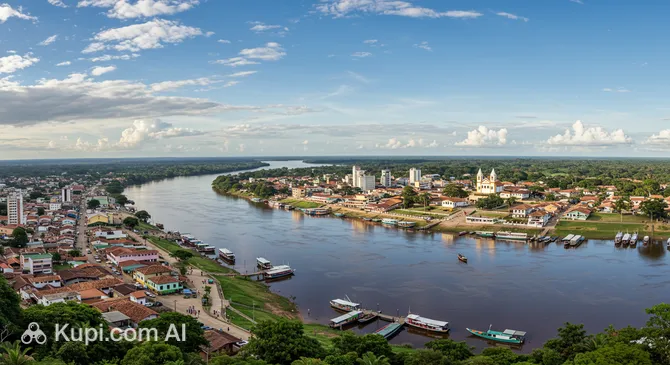
Cruzeiro do Sul. Source: Kupi.Binoculars

One of the main reasons tourists visit this area is to access the magnificent Serra do Divisor National Park. Located near the Peruvian border, this park is a biodiversity hotspot known for its unique geological formations, waterfalls, and rare species. Within the city limits, the Cathedral of Our Lady of Glory (Catedral Nossa Senhora da Glória) is a significant landmark, noted for its distinctive architecture that reflects German influences. Additionally, taking a boat trip along the Juruá River offers a truly immersive way to observe the local ecosystem and the traditional riverside lifestyle.

Whether you are an adventurer seeking the depths of the Amazon or a traveler looking for a peaceful retreat, Cruzeiro do Sul promises an unforgettable experience. We invite you to discover the charm, warmth, and natural splendor of this remarkable Brazilian city.

Weather Overview

Cruzeiro do Sul experiences a tropical climate characterized by consistent warmth and distinct variations in rainfall throughout the year. Temperatures remain generally high, with average daily maximums ranging from 29°C to 33°C. September is typically the hottest month, seeing highs around 33.0°C, while the coolest nights occur in June and July, when temperatures can dip to approximately 21°C.

Rainfall patterns are a key factor for travelers to consider. The first half of the year is significantly wetter, with March seeing up to 28 wet days, making rain gear essential. In contrast, the period from June to August offers drier conditions, with the number of wet days dropping to as low as nine in July. For a more comprehensive breakdown of the climate conditions for your specific travel dates, you can view the detailed weather in Cruzeiro do Sul. Overall, expect warm temperatures year-round with frequent showers in the early months and clearer, drier skies during the middle of the year.

Interesting Facts

Beyond the main attractions, Cruzeiro do Sul holds many fascinating secrets that offer a deeper glimpse into life in the western Amazon. Here are a few unique aspects of the city that often surprise visitors:

  • The city is famous for producing what is widely considered the best manioc flour in the country. The Farinha de Cruzeiro do Sul is so distinct in its quality and crunchy texture that it was the first product in the Amazon region to be awarded a Geographical Indication seal, protecting its artisanal production method.

  • During the dry season, the Juruá River reveals temporary sandy beaches known locally as "croas". These ephemeral islands appear in the middle of the river and become the city's primary recreational spots for swimming and festivals, only to vanish completely when the water levels rise again.

  • The region is often described as the "Amazonian Andes" because of the Serra do Divisor. Unlike the flat terrain typical of the Amazon basin, this area features true mountains and canyons, creating a unique ecosystem that supports one of the highest concentrations of primate and bird biodiversity in the rainforest.

How to Get There

Reaching this remote Amazonian destination is an adventure in itself, often involving a flight over the vast rainforest canopy. While road access exists via the BR-364 highway, it can be challenging depending on the season, making air travel the most reliable option for most visitors. You can find detailed information on all ways to reach the city to help plan your journey effectively.

The primary and most convenient entry point is Campo Internacional Airport (IATA: CZS). Located within Cruzeiro do Sul itself, this regional hub is situated just 10.9 km from the city center. It is a smaller airport with an annual passenger traffic of around 48,000 people, offering a welcoming and uncomplicated arrival experience. A taxi or bus ride from here to the downtown area typically takes approximately 35-40 minutes, allowing you to quickly settle in and start exploring.

Travelers looking at maps might notice Capitan Rolden Airport (IATA: PCL) located roughly 225 km away. However, it is crucial to understand that this airport is in Pucallpa, Peru, and there is no road connection through the dense rainforest to Cruzeiro do Sul. Despite the linear proximity, the lack of ground infrastructure makes it practically inaccessible for those heading to the Brazilian side. Therefore, visitors should focus exclusively on flights arriving directly into Cruzeiro do Sul.

For clarity, here is a summary of the airports in the broader region:

Airport Name City Passenger Traffic Km from City
Campo Internacional Airport Cruzeiro do Sul Small 10.9
Capitan Rolden Airport Pucallpa (Peru) Medium 225.2

Main Attractions

Catedral Nossa Senhora da Glória is the city's most iconic architectural landmark and a symbol of local faith. Located in the city center, this cathedral stands out for its unique German-influenced design, a legacy of the Spiritan missionaries who arrived in the region in the early 20th century. The structure is octagonal, but its most fascinating feature is the roof, which was constructed entirely on the ground and then raised into place using hydraulic jacks—an engineering marvel for its time (1965). Inside, visitors can admire a striking panel painting of the Woman of the Apocalypse, adding a touch of artistic grandeur to the spiritual atmosphere.

For nature lovers, the Serra do Divisor National Park is the ultimate destination. Often called the "Amazonian Andes," this vast protected area on the border with Peru offers a landscape unlike anywhere else in the Amazon, with true mountains and waterfalls rising from the rainforest. The journey itself is part of the adventure, requiring a scenic boat trip along the Moa River to reach the park's base. Once there, travelers can hike through pristine trails, spot rare wildlife, and visit beautiful waterfalls like the Buraco da Central, making it a paradise for eco-tourism and scientific research.

A magical spot closer to the city is the Rio Croa, a river renowned for its dark, mirror-like waters and stunning aquatic vegetation. During certain times of the year, the river surface becomes covered with a "green carpet" of water lilies and Victoria Amazonica (Vitória-Régia), creating a surreal and photogenic landscape. The local community manages tourism here, offering guided boat tours that allow visitors to glide silently through the forest, observe exotic birds, and experience the tranquility of the Amazon in a deeply personal way.

To cool off from the tropical heat, locals and tourists alike flock to Igarapé Preto. This popular bathing spot is famous for its cold, dark waters—colored by natural organic matter from the forest—and its white sandy bottom. Located just a short drive from the city center near the airport, it is the perfect place to relax, enjoy a swim, and sample local snacks at the nearby kiosks. It offers a genuine slice of daily life in Cruzeiro do Sul, combining leisure with the refreshing embrace of nature.

Local Cuisine

The culinary scene in Cruzeiro do Sul is a vibrant reflection of the Amazon's bounty, blending indigenous ingredients with the hearty traditions of Northeastern settlers. Visitors to this part of Brazil will discover a cuisine defined by fresh river fish, exotic fruits, and the region's most famous staple: manioc flour.

No meal in the city is complete without the renowned Farinha de Cruzeiro do Sul. Considered by many to be the best in the country, this artisanal manioc flour is celebrated for its unique crunchiness and distinct flavor. It is typically served as a side dish to add texture to stews and grilled meats, or even eaten simply with bananas, showcasing the immense local pride in this high-quality product.

For a truly authentic dining experience, travelers must try Baixaria. This beloved dish is the traditional breakfast of Acre, featuring a hearty combination of corn couscous, ground beef, scallions, and a fried egg on top. It is widely available in local markets and offers a comforting start to the day, fueling locals and tourists alike for their jungle adventures.

The Juruá River plays a central role in the local diet, providing an abundance of fresh fish. Tambaqui ribs, often grilled over charcoal, and the massive Pirarucu, served in rich coconut milk sauces or as fried fillets, are culinary highlights. To finish on a sweet note, the region offers a dazzling array of Amazonian fruits, including Cupuaçu, Buriti, and fresh Açaí, often consumed as refreshing juices or creamy desserts.

Travel Tips

Visiting Cruzeiro do Sul offers a genuine Amazonian adventure, but the remote location and unique environment require a bit of extra preparation to ensure a smooth journey. To help you make the most of your time in the "Little Princess of Juruá," we have compiled a list of essential practicalities for your trip.

  1. Clothing and Gear: Given the hot and humid tropical climate, pack lightweight, breathable fabrics like cotton or linen to stay cool. However, long sleeves and trousers are highly recommended for jungle excursions and evenings to protect against insects. Don't forget a sturdy pair of waterproof hiking boots for the national park trails and a reliable raincoat or poncho, as showers can occur suddenly, especially in the first half of the year.
  2. Transportation: Inside the city, mototaxis (motorcycle taxis) are a very popular, fast, and affordable way to get around, though regular taxis are also available and can be hailed or booked via local contacts. Public buses cover the main urban areas but may run on infrequent schedules. For visiting attractions like the Serra do Divisor or river communities, boat travel is essential; always arrange these trips through reputable tour operators or boatmen recommended by your hotel.
  3. Finances: The local currency is the Brazilian Real (BRL). While larger hotels and supermarkets in the city center accept credit cards, cash is absolute king in Cruzeiro do Sul, especially for small vendors, mototaxis, and river tours. ATMs are available in the city center, but they can occasionally run out of cash or have network issues, so it is wise to withdraw sufficient funds upon arrival or carry enough cash for your daily needs.
  4. Health and Safety: As you are in the Amazon region, insect repellent containing DEET is your most important accessory to protect against mosquitoes. It is also advisable to check your vaccination status (especially for Yellow Fever) before traveling. Pharmacies are available in the town center, but for any serious medical issues, head to the regional hospital. In terms of safety, the city is generally peaceful, but standard precautions apply: avoid flashing valuables and stick to well-lit areas at night.
  5. Communication: Portuguese is the primary language, and you will find that English is not widely spoken, even in tourism-related businesses. Locals are patient and helpful, but carrying a phrasebook or downloading an offline translation app is crucial for smooth interactions. Learning a few basic phrases like "Bom dia" (Good morning) and "Obrigado" (Thank you) will go a long way in building rapport.
  6. Local Etiquette: People in Acre are known for their warmth and hospitality. It is polite to greet shopkeepers and drivers upon entering their establishment or vehicle. When visiting river communities or indigenous areas, always ask for permission before taking photographs of people or their homes, as a sign of respect for their privacy and culture.
  7. What to Avoid: Do not drink tap water; always stick to sealed bottled water to avoid stomach upsets. Additionally, avoid swimming in the river at unmarked or deserted locations without local guidance, as currents can be strong and wildlife may be present. Stick to known bathing spots like Igarapé Preto.
  8. Market Insight: For an authentic glimpse of local life, wake up early and visit the Mercado Municipal near the riverbank. It is the best place to see the day's fresh catch of giant Amazonian fish and to buy the famous local manioc flour directly from producers. The market is busiest and most vibrant between 5:00 AM and 8:00 AM.

By keeping these tips in mind, you will be well-equipped to navigate the unique rhythm of life in Cruzeiro do Sul. Embrace the laid-back atmosphere, respect the mighty nature surrounding you, and enjoy the warm hospitality that makes this corner of the Amazon so special.

Entertainment & Nightlife

Nightlife in Cruzeiro do Sul is a reflection of the city's warm and welcoming spirit, characterized by a relaxed, open-air atmosphere rather than high-energy nightclubs. The evening entertainment here revolves around socializing at "barzinhos" (small bars), enjoying live regional music, and savoring cold drinks to beat the tropical heat. The vibe is casual and unpretentious, making it easy for visitors to mingle with locals and experience the authentic rhythm of the Amazon after dark.

The heart of the city's nightlife can largely be found around the Boulevard Thaumaturgo and the central areas near the Juruá River. This district comes alive on weekends, where families and groups of friends gather at sidewalk tables. For those seeking a lively pub atmosphere, Ponto Alto Bier & Wein is a standout choice. It is widely appreciated for its cozy environment, variety of beers, and pub-style comfort food, offering a slightly different experience from the traditional open-air kiosks.

Another popular spot that captures the local essence is Chopp do Gomes. Known for being one of the trendier meeting points in town, it is the perfect place to enjoy a refreshing draft beer ("chopp") and engage in conversation. If you are looking for live music, particularly lively sertanejo or forró beats, keep an eye out for venues like Bar do Juca, where the energy picks up later in the evening and dancing is often encouraged.

For a more cultural evening, the Teatro dos Náuas is the city's primary artistic venue. This theater hosts a variety of performances, including plays, musical concerts, and local cultural festivals that celebrate the heritage of the Juruá region. It serves as a sophisticated alternative to the bar scene and is a great way to witness the artistic talent of Acre. During the day, visitors can also explore local history at the city's museum spaces, though evening hours are best reserved for performances.

Practical advice for enjoying a night out in Cruzeiro do Sul includes dressing for the weather; lightweight, casual clothing is the norm, even in nicer establishments. Prices are generally very affordable compared to larger Brazilian capitals. In terms of safety, the main nightlife areas are considered secure, but it is always wise to avoid walking alone in poorly lit streets late at night. The most convenient way to get around is by mototaxi, which is a quick and inexpensive mode of transport popular in the region, or by calling a regular taxi through your hotel or a local app.

Parks & Museums

Cruzeiro do Sul offers a fascinating blend of Amazonian wilderness and urban heritage, where green spaces are not just manicured gardens but gateways to the jungle, and cultural venues tell the story of the rubber boom. Visitors will find that the city's charm lies in its ability to connect the raw beauty of the forest with the historical resilience of its people.

For a relaxing experience within the city limits, Praça Orleir Cameli is the central hub of social life. Located in the heart of downtown, this revitalized square is more than just a meeting point; it features leisure areas, a playground, and spaces for physical activities, making it popular with families and fitness enthusiasts alike. It serves as a vibrant venue for local events and evening strolls, offering a glimpse into the daily rhythm of the city's residents. On a grander scale, the Serra do Divisor National Park remains the region's premier natural sanctuary. While it requires a boat trip to reach, this protected area is the crown jewel of local biodiversity, boasting waterfalls, canyons, and an ecosystem that rivals the Andes in its biological richness.

Those interested in the region's rich past should visit the Museu de Cruzeiro do Sul. Housed in a beautiful centennial building that once served as the City Hall, the museum is a treasure trove of local history. Its collection includes indigenous artifacts from the Upper Juruá tribes, sacred pieces, and items dating back to the golden age of the rubber cycle. It also hosts the Memorial José Augusto, dedicated to the first elected governor of Acre, providing a deep dive into the political and social evolution of this frontier territory.

History buffs will also appreciate the Casa dos Ruelas, a significant architectural landmark. Built in the 1940s, this structure was one of the first brick buildings in the city and belonged to a wealthy rubber baron. Although it stands today as a ruin, it offers a poignant look at the opulence and eventual decline of the rubber era, serving as an open-air monument to the city's economic roots.

For a truly local experience, venture out to the Balneário Viola Park in the Moura Piranga community. This newer leisure spot offers pools and entertainment in a more private setting, perfect for families looking to cool off. Alternatively, simply walking along the Cais do Porto (Port Wharf) at sunset provides a stunning view of the Juruá River and a chance to see the historic bustling activity of the waterfront.

Getting Around

Public transportation in Cruzeiro do Sul is relatively simple and reflects the laid-back, compact nature of this Amazonian city. Unlike large metropolises, there is no metro, tram, or train system here. Instead, the city relies primarily on a network of municipal buses and an extensive fleet of motorcycle taxis, which are the most common and efficient way for locals and visitors to get around the urban area.

The municipal bus system connects the city center (Centro) with outlying neighborhoods and rural communities. These buses are generally white or brightly colored and display their destination on the front windshield. While they are the most affordable option, frequencies can be irregular, especially during weekends or holidays. Tourists should be prepared for vehicles that may be older and less air-conditioned than those in bigger capital cities. Buses typically operate from early morning until around 9:00 PM or 10:00 PM, after which service becomes very scarce.

For payment, cash is king. There is no complex zone system or digital travel card for short-term visitors. You simply pay the fare directly to the conductor or driver upon boarding. The price is fixed and very affordable. It is highly recommended to carry small bills and coins, as breaking large notes can be difficult for bus staff. If you plan to stay for a longer period, you might see locals using passes, but for a typical tourist stay, paying per ride with cash is the standard practice.

The most popular and distinctive alternative to the bus is the mototaxi. You will see hundreds of these motorcycle taxis buzzing around the streets; they are regulated, and drivers wear official numbered vests. This is often the fastest way to navigate the city's hills and traffic. Fares are generally standardized for rides within the city limits, but it is always wise to confirm the price with the driver before hopping on. Helmets are mandatory and provided by the driver.

Standard taxis are also available and can be found at designated stands, known as "pontos de táxi," particularly near the airport, the city center, and the main market. While ride-sharing apps are becoming more common in the region, their availability can fluctuate, and the fleet is much smaller than in major hubs. Therefore, relying on traditional taxis or mototaxis is often more dependable. If you choose a regular taxi, check if they use a taximeter; if not, negotiate and agree on the fare before starting your journey.

Given the city's geography along the river, boat transport acts as a vital extension of the public transit system for reaching communities on the opposite bank or further upstream. Small motorized canoes and larger boats dock at the port area and operate somewhat like water taxis. While not part of the urban bus network, they are essential for accessing areas like the Croa River or riverside settlements, offering a scenic and practical way to travel that is unique to the region.

Accommodation

Accommodation options in Cruzeiro do Sul are primarily designed to serve practical needs, offering a range of functional and comfortable stays rather than high-end luxury. The city’s hospitality scene is dominated by mid-range hotels and family-run inns, known locally as pousadas. While you will not find international resort chains here, the local establishments are appreciated for their cleanliness, essential air-conditioning to combat the tropical heat, and the warm hospitality that is characteristic of the Acre region.

For the most convenient experience, the City Center (Centro) is the ideal area to base yourself. Staying here places you within walking distance of key landmarks like the Catedral Nossa Senhora da Glória, as well as local restaurants, banks, and the bustling port area. This central location makes it easy to arrange transport, whether you are catching a mototaxi to a meeting or organizing a boat trip up the Juruá River. Some hotels in this area also offer views of the river, providing a scenic and relaxing backdrop for your stay.

When planning your trip, it is important to check the local events calendar. August is a particularly busy month due to the Novena of Nossa Senhora da Glória, the region's largest religious festival, which attracts thousands of visitors. During this period, and throughout the peak dry season (June to September), accommodation can fill up quickly. A helpful booking tip is to reserve your room well in advance if your travel dates coincide with these times to ensure availability.

In terms of cost, lodging in Cruzeiro do Sul is generally very affordable compared to larger Brazilian capitals, with prices ranging from budget-friendly to mid-range. While the main hotels are listed on major online booking platforms, many smaller pousadas may still rely on direct bookings via phone or messaging apps. It is also worth noting that while credit cards are widely accepted at established hotels, carrying some cash is advisable for smaller guesthouses or incidental expenses.

Nearby Cities

For those looking to explore the surroundings, Cruzeiro do Sul serves as an excellent base for day trips to several interesting nearby locations. While the vast distances of the Amazon rainforest often make inter-city travel a longer endeavor, there are immediate neighbors and regional hubs that offer unique cultural and natural experiences.

Mâncio Lima is the most accessible and significant destination for a day trip. Located just about 35 kilometers away by road, it holds the title of the westernmost city in Brazil. It serves as the primary gateway for terrestrial access to the Serra do Divisor National Park and offers a quieter, small-town atmosphere compared to its larger neighbor. Visitors often head here to explore the Japiim Creek or to start their journey toward the indigenous territories and pristine forests that border Peru.

Just across the Juruá River lies the town of Rodrigues Alves. Access is typically via a short and scenic ferry or boat ride from Cruzeiro do Sul, which is an experience in itself. The town is famous for its massive religious festival honoring Saint Francis of Assisi, which draws pilgrims from all over the state. For a regular day visitor, it offers a charming glimpse into the riverside lifestyle, with local wooden architecture and a relaxed pace of life that feels worlds away from the bustle of larger cities.

For those willing to travel a bit further, Tarauaca is a notable regional center located east of Cruzeiro do Sul. Known famously as the "Land of the Giant Pineapple," this city produces fruit of impressive size and sweetness, which is a source of great local pride. Although the distance makes it a long journey for a single day, it represents the next major stop along the BR-364 highway and offers insight into the agricultural and indigenous heritage of the interior of Acre.

City Population Distance (km)
Rio Branco 413418 595
Santa Rita 134940 580
Tabatinga 67182 483
Sena Madureira 46511 470
Tarauaca 40024 219

These nearby destinations offer a glimpse into the diverse culture and landscapes of the region, ranging from the westernmost frontiers of Brazil to the riverside communities that define life in the Amazon.

Shopping & Souvenirs

Shopping in Cruzeiro do Sul offers a distinctively local experience that contrasts sharply with the commercialized retail scenes of larger metropolitan areas. Instead of sprawling luxury complexes, visitors will find a trade environment deeply connected to the Amazonian lifestyle, focusing on essential goods, regional handicrafts, and agricultural products. The city provides a genuine opportunity to engage with local producers and discover items that are unique to this corner of the rainforest.

The primary hub for retail activity is the City Center (Centro), particularly along the bustling Boulevard Thaumaturgo and the streets surrounding it. This area serves as the commercial heart of the municipality, lined with a variety of clothing boutiques, pharmacies, electronics shops, and variety stores. Walking through these streets gives tourists a sense of the local fashion and daily commerce, with plenty of options for purchasing travel essentials or casual tropical wear suitable for the climate.

Travelers looking for a more concentrated shopping experience might visit Shopping Copacabana. While it is not a "shopping mall" in the international sense with cinema complexes and food courts, it acts as a key commercial gallery in the city. It houses a collection of smaller stores and kiosks offering apparel, accessories, and gifts, providing a convenient stop for those who prefer browsing indoors away from the midday sun.

The true highlight of the shopping scene, however, is the Mercado Municipal (often referred to as the Mercado do Agricultor or Mercado da Beira Rio), located near the riverbank. This is the most vibrant and authentic place to shop in Cruzeiro do Sul. Here, the stalls overflow with fresh Amazonian fruits, river fish, and medicinal herbs. It is an explosion of scents and colors where you can observe the daily trade of the locals and find the freshest produce arriving directly from the river communities.

When it comes to souvenirs, the undisputed star is the famous Farinha de Cruzeiro do Sul. This manioc flour is renowned throughout Brazil for its high quality and crunchiness, making it the perfect edible gift to take home. Additionally, the state of Acre is famous for its exquisite marquetry (marchetaria)—intricate wooden art made from reusing forest debris. You can often find beautiful boxes, trays, and decorative items featuring geometric patterns or jungle scenes, showcasing the incredible craftsmanship of local artisans. Indigenous handicrafts, such as jewelry made from seeds and natural fibers, are also meaningful keepsakes.

Store opening hours typically follow standard Brazilian commercial schedules. Most shops in the city center open around 8:00 AM and close by 6:00 PM on weekdays, with a break for lunch often observed by smaller businesses. On Saturdays, shops usually close early, around 12:00 PM or 1:00 PM, and almost everything remains closed on Sundays. In terms of payment, major supermarkets and established stores accept credit and debit cards. However, for purchases at the Mercado Municipal, street stalls, or when buying crafts directly from artisans, carrying cash (Brazilian Real) is essential, as digital payment options may be limited.

Regarding tax refunds, tourists should be aware that a tax-free shopping system is generally not available or operational in Cruzeiro do Sul. The tax refund infrastructure found in major international travel hubs does not extend to this remote region, so the price displayed on items is the final price you will pay.

Nearby cities

Reached the end of the page?

That means the route is fully explored