Support

Rio Branco

About

Rio Branco. Source: Kupi.Binoculars

Welcome to Rio Branco, the capital of the state of Acre and a fascinating gateway to the wonders of the Amazon. Often referred to as the "Nature Capital," this city offers a unique blend of modern urban life and the lush, untamed beauty of the rainforest. With a population of over 413,000 inhabitants, it serves as the administrative and economic heart of the region, bisected by the winding waters of the Acre River which divides the city into two distinct districts.

Located in northern Brazil, Rio Branco experiences a tropical climate that keeps the surroundings vibrant and green year-round. The city is celebrated for its harmonious coexistence with nature, featuring extensive parks and preserved green areas within the urban landscape. Visitors are often struck by the welcoming atmosphere and the rich cultural tapestry that reflects the diversity of the Amazonian people.

The history of Rio Branco is deeply rooted in the rubber boom era, a period that shaped much of its early development and architecture. Walking through the city center, you can admire the Palácio Rio Branco, a stunning neoclassical building that serves as the seat of the state government and a museum detailing local heritage. Another significant landmark is the Gameleira, a historic Ficus tree located on the riverbank, marking the site where the city was founded.

For those who enjoy outdoor strolls, the Parque da Maternidade stretches across the city, offering miles of walking paths, cycling lanes, and food stalls serving local delicacies. The iconic Joaquim Macedo Footbridge connects the two sides of the river and provides a spectacular view, especially at sunset. Whether you are interested in exploring the majestic rainforest or discovering local traditions, Rio Branco invites you to experience the authentic spirit of the Amazon.
Weather Overview

The climate in this region is typically tropical, characterized by warm temperatures year-round and distinct wet and dry seasons. To plan your activities and packing list effectively, it is helpful to consult the detailed guide on the weather in Rio Branco. Generally, the city experiences consistent warmth, with average temperatures hovering between 25°C and 29°C throughout the year, making it a destination where light, breathable clothing is almost always appropriate.

The year is divided into two main periods based on rainfall. The wet season, spanning from roughly December to March, sees rain on as many as 27 to 28 days per month, although temperatures remain high with maximums reaching nearly 30°C. In contrast, the dry season, particularly from June to August, offers a reprieve from the humidity with significantly fewer wet days—dropping to as low as 3 days in July. During these cooler months, nighttime temperatures can dip to around 20°C, while daytime highs in the transition months of September and October can soar up to 34°C.

Interesting Facts

Beyond the lush greenery and historic rubber boom landmarks, Rio Branco holds several fascinating secrets that surprise many visitors. From ancient mysteries hidden in the soil to unique timekeeping quirks, the city offers layers of history and culture that go far deeper than the surface.

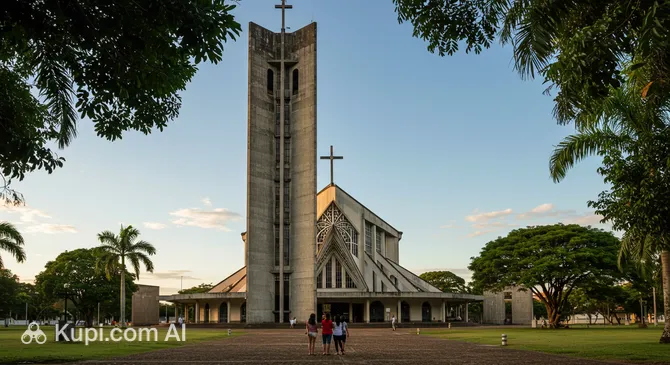
Cathedral of Our Lady of Nazareth. Source: Kupi.Binoculars
  • The region is a paleontological goldmine, having been home to the Purussaurus brasiliensis, one of the largest crocodiles to have ever lived. Fossils of this prehistoric giant, which could reach over 12 meters in length, have been found in the local riverbeds, highlighting the area's rich biodiversity millions of years ago.

  • Rio Branco operates in a time zone that is quite distinct from the rest of the country, being two hours behind the capital, Brasília. This time difference is a matter of strong local identity; the population once voted in a referendum to revert a government-imposed time change, successfully fighting to keep their clocks aligned with their geographical solar time.

  • Unlike the baroque style found in many Brazilian religious sites, the Cathedral of Our Lady of Nazareth features a design inspired by ancient Roman basilicas. Its construction involves a single nave with majestic stained glass windows, creating a distinct architectural profile in the city center.

  • The state of Acre, with Rio Branco as its capital, is world-renowned for "geoglyphs"—massive geometric earthworks discovered in the deforested areas of the rainforest. These mysterious structures suggest that complex, large-scale civilizations thrived in this part of the Amazon long before European colonization, challenging previous historical assumptions.

How to Get There

Reaching the capital of Acre involves navigating the vast landscapes of the Amazon region. For a comprehensive overview of routes and travel advice, you can check all ways to reach the city. While the city has its own air connections, travelers moving through the border areas or exploring the broader region might encounter other transport hubs nearby.

One of the regional airports located in the vicinity is E. Beltram Airport (IATA: CIJ). It is important to note that this airport is not in Rio Branco itself but in the city of Cobija, which is approximately 159 km away. The travel time from Cobija to Rio Branco by road is estimated to be around 4 hours and 20 minutes. Another option for those in the area is Gen Buech Airport (IATA: RIB), located in Riberalta. This airport is situated about 217 km from Rio Branco, and a transfer by taxi or bus would take roughly 5 hours and 45 minutes.

For clarity, here is a summary of the main airports:

Airport Name City Passenger Traffic Km from City
E. Beltram Airport Cobija Medium 158.9
Gen Buech Airport Riberalta Small 217.3

Rio Branco does not have a passenger railway station connecting it to the national rail network. Consequently, the primary alternative to air travel is the road network. The city is accessible via the BR-364 highway, which serves as the main artery connecting Acre to the rest of Brazil. Long-distance buses operate regularly, linking Rio Branco to major cities like Porto Velho and beyond, offering travelers a scenic journey through the Amazonian landscape.

Main Attractions

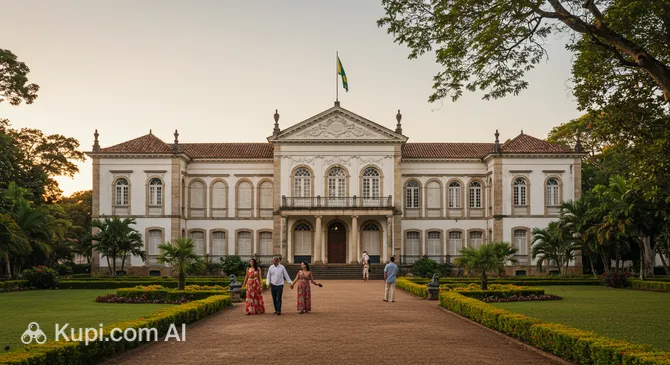
A visit to this city would be incomplete without exploring the majestic Rio Branco Palace. Built in 1930, this architectural gem draws inspiration from Greek Ionic columns and serves not only as a government seat but also as a cultural museum. Tourists are invited to wander through its halls to view exhibitions that narrate the rich history of the Acre state, making it an essential stop for history buffs and architecture enthusiasts alike.

Rio Branco Palace. Source: Kupi.Binoculars

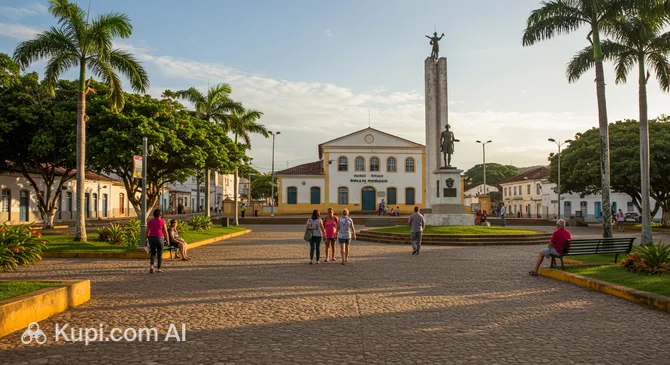
Located in the heart of the city, Revolution Square stands as a proud symbol of the region's struggle for annexation to Brazil. It is a vibrant gathering place surrounded by important government buildings and shaded by mango trees. Visitors often come here to admire the monuments dedicated to the heroes of the Acre Revolution and to soak in the lively atmosphere of the city center.

Revolution Square. Source: Kupi.Binoculars

For a taste of the region's cross-border cultural influence, the Cuzco Peruvian Cuisine Bar offers a delightful culinary experience. Given Rio Branco's proximity to the Peruvian border, the city boasts excellent Andean gastronomy. This spot is popular for its authentic ceviche and pisco sours, providing a savory break from sightseeing and a chance to enjoy the local nightlife.

Cuzco Peruvian Cuisine Bar. Source: Kupi.Binoculars

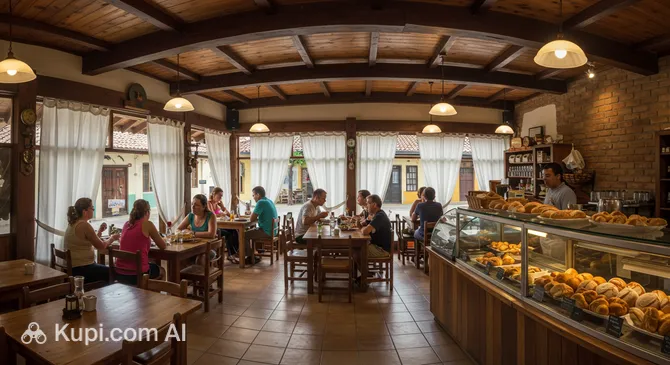
Travelers looking to experience traditional local flavors should not miss Chalet Wheat Breads and Pastries. This beloved establishment is perfect for a leisurely breakfast or a quick snack, serving a variety of freshly baked goods and regional treats. It is a great spot to sample the famous "baixaria," a typical Acrean dish, while enjoying the warm and welcoming environment that defines the city's hospitality.

Chalet Wheat Breads and Pastries. Source: Kupi.Binoculars

Local Cuisine

The culinary scene in Rio Branco is a vibrant reflection of its geographical location and history, blending indigenous Amazonian ingredients with Northeastern Brazilian traditions. The food here is hearty, flavorful, and deeply connected to the land and rivers. Visitors will find that the local gastronomy revolves heavily around freshwater fish, cassava products, and an incredible variety of exotic fruits that are unique to the Amazon rainforest.

One dish you absolutely must try is Baixaria, which is arguably the most famous culinary symbol of Acre. It is a robust dish typically eaten for breakfast but available at any time of day. Baixaria consists of steamed corn couscous served with seasoned ground beef, a fresh tomato and green onion salad, and is crowned with a fried egg. It is the ultimate comfort food for locals and provides plenty of energy for the day.

River fish play a central role in lunch and dinner menus. The Tambaqui is a local favorite, often served as "costelinha de tambaqui" (fried fish ribs) or baked to perfection. Another giant of the Amazon waters, the Pirarucu, is frequently used in various recipes, including the delicious "pirarucu de casaca," a dish typically made with layers of salted fish, fried bananas, and cassava flour. The freshness of the fish, combined with local herbs like jambu and chicória, creates a distinct flavor profile that is hard to find elsewhere.

For a refreshing break from the tropical heat, the local drinks are unparalleled. The region is rich in fruits like cupuaçu, graviola, and buriti. Fresh juices and smoothies are staples, often sold at street corners and markets. You should also try the local Açaí, which is consumed here in its purest form—thick, earthy, and often served with tapioca flour or savory sides, rather than just as a sweet dessert.

The dining atmosphere in Rio Branco is generally casual and welcoming. Locals love to eat at open-air markets and "pensões" where the food is homemade and affordable. While traditional flavors dominate, the city also embraces modern trends. For those looking for a casual evening out with hearty snacks and a lively vibe, Freguesia Burger - Camisa 10 is a popular spot to experience the local youth culture and enjoy a satisfying meal.

Freguesia Burger - Camisa 10. Source: Kupi.Binoculars

Whether you are sampling street food near the riverbanks or sitting down for a family-style meal, the cuisine of Rio Branco offers a genuine taste of the Amazon that is both exotic and comforting.

Travel Tips

Visiting Rio Branco is an adventure into the heart of the Amazon, and a little preparation goes a long way in ensuring your trip is comfortable and enjoyable. To help you navigate the unique climate and local customs of this fascinating city, here are some essential practical tips to keep in mind.

  1. Clothing and Gear: Given the tropical Amazonian climate, lightweight and breathable fabrics like cotton or linen are your best friends. High humidity is constant, so avoid heavy synthetics. Be sure to pack a sturdy umbrella or a rain poncho, as sudden, heavy downpours are common year-round. Comfortable, closed-toe walking shoes are recommended for exploring parks, and bringing a high-quality insect repellent is absolute essential to protect against mosquitoes.
  2. Transportation: While there is a public bus system, it can be confusing for visitors who do not speak the local language. The most convenient and safe way to get around is by using ride-hailing apps like Uber or 99, which are widely available and affordable. Taxis are also an option but ensure the meter is running. If you plan to explore the surrounding areas, renting a car is possible, though traffic in the city center can be somewhat chaotic during peak hours.
  3. Finances: The official currency is the Brazilian Real (BRL). Credit and debit cards are widely accepted in hotels, restaurants, and shopping malls. However, it is wise to carry some cash, especially small bills, for street food vendors, local markets, or smaller establishments. ATMs are available throughout the city, but for safety, prefer those located inside banks or shopping centers.
  4. Health and Safety: Rio Branco is generally welcoming, but standard urban precautions apply; avoid walking alone in poorly lit areas at night and keep valuables discreet. Pharmacies are plentiful, with major chains often open late or 24/7. Since tap water is not suitable for drinking, always opt for bottled or filtered water. Additionally, ensure your yellow fever vaccination is up to date before traveling to this region.
  5. Communication: The primary language is Portuguese. English is not widely spoken outside of high-end hotels and tour agencies, so learning a few basic phrases like "Bom dia" (Good morning) and "Obrigado" (Thank you) will be greatly appreciated. Downloading an offline translation app and an offline map is highly recommended. You can purchase a local SIM card at pharmacies or newsstands, but you may need your passport to register it.
  6. Local Etiquette: Locals in Acre are known for their warmth and hospitality. Greetings often involve a firm handshake or, in more informal settings, a kiss on the cheek (usually one or two). It is polite to greet shopkeepers and service staff upon entering. Time is often treated more flexibly here than in major metropolises, so a relaxed attitude toward punctuality fits the local vibe perfectly.
  7. What to Avoid: Do not assume that because you are in South America, locals speak Spanish; addressing them in Spanish can sometimes be seen as dismissive of their Portuguese heritage. Also, avoid taking photos of people, especially indigenous individuals or children, without asking for their explicit permission first.
  8. Time Zone Awareness: A specific quirk of Rio Branco is its time zone. The state of Acre is 2 hours behind the capital, Brasília, and typically 1 hour behind Manaus. Double-check your flight times and clocks upon arrival, as electronic devices do not always update automatically immediately, which can lead to confusion with schedules.

By keeping these tips in mind, you will be well-equipped to embrace the laid-back rhythm and natural beauty of Rio Branco. Enjoy the warmth of the people and the incredible biodiversity that makes this corner of Brazil so special!

Entertainment & Nightlife

As the sun sets over the Amazon, Rio Branco shifts from a bustling administrative hub to a city with a relaxed and inviting nightlife. The evening atmosphere here is defined by the warm tropical climate, encouraging locals and visitors alike to gather in open-air venues and lively public spaces. Unlike the high-energy clubs of southern metropolises, the nightlife in the Acre capital is more about socializing, enjoying live music, and savoring good food and drinks under the stars.

The heartbeat of the city's nightlife is undoubtedly the Novo Mercado Velho (New Old Market). Located on the banks of the Acre River, this revitalized historic district is the perfect place to start your evening. The area is lined with bars and kiosks that offer stunning views of the river and the iconic footbridge. On weekends, the atmosphere becomes electric with live performances of forró, samba, and sertanejo, drawing crowds who come to dance and enjoy a cold beer in the open air. Just a short walk away, the Gameleira region offers a similar vibe, with historic architecture providing a charming backdrop for night walks.

For those seeking a specific venue to unwind, the city offers diverse options ranging from casual eateries to refined bars. If you are looking for a sophisticated yet relaxed environment, Cuzco Peruvian Cuisine Bar is an excellent choice. Reflecting the region's proximity to Peru, this spot is famous for its authentic Pisco Sours and varied cocktail menu, making it a favorite for couples and groups of friends looking for a conversation-friendly setting.

If you prefer a lively atmosphere with a younger crowd, Freguesia Burger - Camisa 10 is a popular destination. While known for its food, it often carries a spirited vibe typical of Rio Branco's evening hangouts, where the line between dining and partying blurs pleasantly. It is a great spot to experience the local youth culture and enjoy a hearty meal before heading out to other spots.

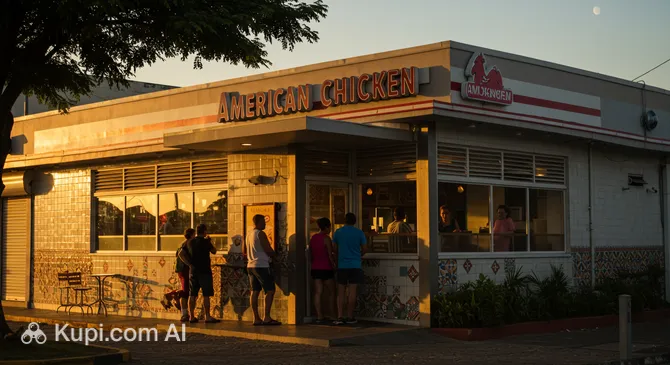
For late-night cravings or a casual meetup, American Chicken is a reliable staple in the city's dining scene. Open until late, it serves as a comfortable stop for those looking to refuel after a night of exploring the town.

American Chicken. Source: Kupi.Binoculars

Practical Tips for Nightlife:

  • Dress Code: The vibe is predominantly casual. Due to the heat, light fabrics are essential. Shorts and t-shirts are acceptable in most bars, though "sport-chic" is common in indoor venues.
  • Safety: Rio Branco is generally welcoming, but it is advisable to stick to populated areas like the Novo Mercado Velho and Gameleira. Avoid walking in deserted streets late at night.
  • Transport: The best way to get around at night is by using taxi services or ride-hailing apps like Uber and 99, which are affordable and safe.

While the nights are for socializing, the city also offers enriching daytime entertainment. Cultural enthusiasts should visit the Cine Teatro Recreio, a historic venue that hosts plays and film screenings. Museums and the city's numerous parks, such as the Parque da Maternidade, provide excellent opportunities for leisure before the sun goes down and the music starts playing by the river.

Parks & Museums

Rio Branco proudly carries the title of the "Nature Capital," offering visitors a refreshing blend of urban development and Amazonian biodiversity. The city is designed to embrace its surroundings, featuring extensive green corridors and cultural institutions that preserve the rich heritage of the forest peoples and the rubber boom era.

For a deep dive into the local flora, the Horto Florestal is a must-visit sanctuary. This serene escape functions as a botanical garden, featuring winding trails through native forest, a picturesque lake, and a vast collection of Amazonian plants. It allows visitors to appreciate the density and variety of the rainforest without leaving the city limits, offering a quiet retreat for nature lovers.

Wildlife enthusiasts should head to the Chico Mendes Environmental Park, located on the outskirts of the city. This space combines a zoo with a preservation area, housing dozens of species native to the Amazon, such as tapirs, monkeys, and jaguars. It provides a safe environment to learn about the local fauna and features a replica of a traditional rubber tapper's hut, giving insight into the daily lives of the forest workers.

To understand the unique history of this region, a visit to the Museu da Borracha (Rubber Museum) is essential. This institution provides a comprehensive look at the "Rubber Cycle," detailing the lives of the rubber tappers (seringueiros), the indigenous communities, and the economic shifts that shaped the state of Acre. Nearby, the Casa dos Povos da Floresta offers a cultural immersion into the mythology, crafts, and traditions of the Amazon's tribes, housed in a building designed to resemble a forest dwelling.

The city's social life revolves around the Parque da Maternidade, a massive linear park perfect for cycling and evening strolls. While the Rio Branco Palace stands as the primary guardian of the state's political history in the city center, these green spaces and specialized museums offer a broader perspective on the region's cultural and environmental identity.

Getting Around

The public transport system in Rio Branco is relatively simple and relies almost exclusively on a network of urban buses. Unlike larger metropolitan areas, the city does not have a metro, tram, or train system for inner-city commuting. For the majority of locals and visitors, the bus is the primary means of navigating the city's districts, connecting residential neighborhoods with the commercial center and major points of interest.

The heart of this network is the Terminal Urbano (Urban Terminal), located in the city center. This central hub serves as the main transfer point where most bus lines converge. The buses are generally distinct and numbered, displaying their destination on the front. While the fleet is functional, travelers should be prepared for vehicles that may be crowded during peak hours, particularly in the early morning and late afternoon.

Regarding payment, the system accommodates both electronic cards and cash. While local residents typically use a rechargeble transport card, tourists can easily pay their fare directly to the conductor or driver upon boarding. It is highly recommended to carry small change, as breaking large bills on the bus can be difficult. The fares are quite affordable, making it a budget-friendly option for getting around.

A popular and distinct alternative in Rio Branco, as in much of the Amazon region, is the moto-taxi. These are motorcycle taxis that offer a faster way to cut through traffic compared to cars or buses. Official drivers wear designated vests (usually numbered) and helmets. This is a convenient option for solo travelers who need to get somewhere quickly, though it is important to agree on the price beforehand or check the standard rates.

For those who prefer more comfort or are traveling in groups, ride-hailing apps like Uber and 99 are widely available and very popular. They offer a safe, air-conditioned alternative to public buses and are often competitively priced. Traditional taxis are also available at designated stands, particularly near the airport and major hotels, but using an app provides the advantage of tracking your route and knowing the cost in advance.

Public transport typically operates from the early hours of the morning, around 5:00 AM, until shortly before midnight. Service frequency decreases significantly after 10:00 PM and on weekends. For tourists planning late-night activities, relying on ride-sharing apps or taxis is a more reliable and safer choice than waiting for a bus. Additionally, the city features extensive cycle paths, particularly along the Parque da Maternidade, making bike rentals a pleasant option for leisure, though less common for strictly utilitarian transport.

Accommodation

Finding the right place to stay in Rio Branco is generally a straightforward task, as the city offers a practical selection of accommodations designed to meet the needs of business travelers, eco-tourists, and backpackers. While the city is not known for ultra-luxury resorts, it provides a variety of comfortable and hospitable options, ranging from modern mid-range hotels to charming, family-run guesthouses known locally as pousadas.

For tourists, the most convenient area to stay is undoubtedly the City Center (Centro). Choosing a hotel in this district places you within walking distance of the city's main historical landmarks, such as the Rio Branco Palace and the Cathedral of Our Lady of Nazareth. Staying central also means easy access to banks, pharmacies, and the main bus terminal. Another appealing option is the area along the banks of the Acre River, particularly near the historic Gameleira region. Hotels here often offer scenic river views and are just steps away from the lively nightlife and dining options at the Novo Mercado Velho.

Travelers who prefer modern infrastructure or are visiting for business might find the districts near the Via Verde Shopping Mall more suitable. Although slightly removed from the historic core, this area features newer hotel constructions with updated amenities and offers quick access to the highway and the airport, avoiding some of the downtown traffic.

Booking and Prices:

Accommodation prices in Rio Branco are generally quite affordable compared to Brazil's major coastal tourist destinations. The market is dominated by mid-range hotels that offer essential comforts like air conditioning—a must in the Amazonian heat—Wi-Fi, and hearty breakfast buffets. Budget travelers will find several low-cost hotels and hostels, particularly around the city center, which offer basic but clean facilities.

Travel Tip: While it is usually possible to find a room upon arrival, it is highly recommended to book in advance if you are traveling during July or August. These months coincide with the dry season and major local events like the Expoacre, causing the best hotels to fill up quickly. Most established properties are listed on major international booking platforms, allowing for easy online reservations.

Nearby Cities

For those looking to explore the surroundings, Rio Branco serves as an excellent base for day trips to several interesting nearby locations:

City Population Distance (km)
Porto Velho 428,527 450
Guajará-Mirim 47,048 285
Labrea 46,882 447
Sena Madureira 46,511 137
Sao Bento 40,736 385

Among the most accessible destinations for a true day trip is Sena Madureira. Located approximately 137 kilometers from the state capital, it holds significant historical value as one of the oldest settlements in Acre. The city offers a glimpse into the region's past with its preserved colonial-era architecture and serves as a gateway to the Iaco River, where visitors can enjoy boat rides and the serene Amazonian landscape.

For travelers willing to venture a bit further for a short visit, Porto Velho, the capital of the neighboring state of Rondônia, is a major regional hub. Although the distance makes it better suited for an overnight stay than a quick day trip, it is rich in culture and history, particularly famous for the legendary Madeira-Mamoré Railroad and the scenic banks of the Madeira River.

These nearby destinations offer a glimpse into the diverse culture and landscapes of the region.

Shopping & Souvenirs

Shopping in Rio Branco offers a unique blend of modern convenience and authentic Amazonian culture. While the city may not be a massive international retail hub, it excels in providing visitors with access to distinct regional products that are hard to find elsewhere. The shopping scene here is less about high-end luxury fashion and more about discovering the rich craftsmanship of the forest, local flavors, and the practical needs of life in the tropics.

For a traditional retail experience, the City Center (Centro) is the primary destination. The streets surrounding the main squares are lined with a variety of shops selling clothing, electronics, and footwear. This area bustles with activity during the day, offering a glimpse into the daily life of the locals. It is the best place to find affordable goods and practical items, with numerous small galleries and independent stores catering to a wide range of budgets.

Travelers looking for a modern, climate-controlled environment should head to Via Verde Shopping. As the main shopping mall in the city, it houses major national retail chains, a food court, and a cinema. It is the go-to spot for branded clothing, accessories, and electronics. The mall provides a comfortable escape from the midday heat and is a popular meeting point for families and young people, offering a standard shopping experience similar to what you would find in other Brazilian capitals.

The true soul of Rio Branco's commerce, however, lies in its markets. The Novo Mercado Velho (New Old Market), located on the banks of the Acre River, is an iconic landmark. While it comes alive at night with music and food, during the day it is an excellent place to browse for local handicrafts and medicinal herbs. Another spot worth visiting is the Mercado do Bosque, famous for its early morning breakfasts but also a great place to see local produce and interact with residents.

When it comes to souvenirs, Rio Branco offers treasures that reflect the state's identity. The most famous local craft is marquetry (marchetaria), an intricate art form using different shades of native wood to create geometric patterns and landscapes on boxes, trays, and furniture. Acre is also renowned for its rubber products, a nod to its history; you can find sustainable shoes, bags, and accessories made from natural latex. Additionally, food items like Brazil nuts (Castanha-do-Acre), cupuaçu sweets, and artisanal flours make for delicious and portable gifts.

Store opening hours in Rio Branco follow standard Brazilian patterns. Street shops in the center typically operate from 8:00 AM to 6:00 PM on weekdays and close around 1:00 PM on Saturdays, remaining closed on Sundays. The Via Verde Shopping mall stays open later, usually from 10:00 AM to 10:00 PM Monday through Saturday, with reduced hours on Sundays for stores, though the food court may open earlier.

Regarding payment, credit and debit cards are widely accepted in malls, supermarkets, and most established shops. However, if you plan to buy from street vendors or small stalls in the markets, carrying cash in Brazilian Reals is highly recommended. Tax-free shopping for tourists is generally not available or practical in this region, so the price you see on the tag is the final price you will pay.

Reached the end of the page?

That means the route is fully explored