Support

Labrea

About

Welcome to Labrea, a captivating municipality located in the southern part of the state of Amazonas. Nestled along the winding banks of the Purus River, this city offers a unique glimpse into the vast and vibrant ecosystem of the Amazon rainforest. For travelers seeking an authentic adventure off the beaten path in Brazil, Labrea serves as a fascinating gateway to the wonders of the jungle and the warmth of local riverine culture.

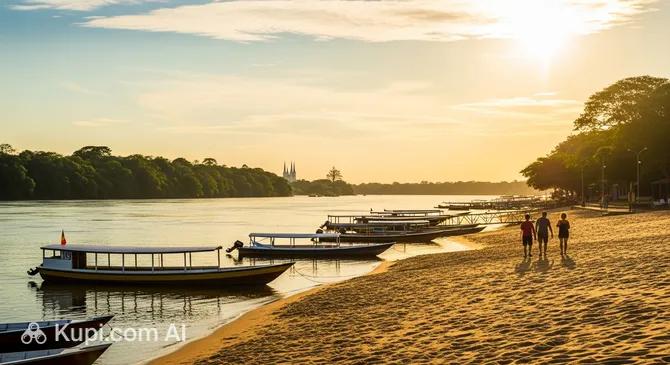
Labrea. Source: Kupi.Binoculars

The city is historically significant as the western terminus of the famous Trans-Amazonian Highway, a monumental road that traverses a significant portion of the continent. Founded in the late 19th century during the rubber boom, the town was named after Colonel Antônio da Labre. Visitors interested in the past can delve into the history of Labrea to learn how the rubber trade shaped its early development and identity. Today, it stands as a testament to the resilience and spirit of the Amazonian people.

One of the main draws for tourists is the stunning natural beauty surrounding the city. During the dry season, the Purus River recedes to reveal beautiful sandy beaches, such as the popular Praia de Lábrea. This area becomes the center of social life, especially during the Festa do Sol (Sun Festival), a vibrant annual event featuring music, sports, and cultural celebrations. Whether you are looking to explore the lush rainforest or simply relax by the river, Labrea invites you to experience the serene and enchanting atmosphere of the Amazon.

Weather Overview

The climate in Labrea is typically tropical, characterized by consistent warmth throughout the year. Visitors can expect average temperatures to hover between 26.5°C and 29.3°C depending on the month. September tends to be the warmest time, with daily highs reaching up to 34.2°C, while the coolest nights are generally experienced in July, when temperatures can dip to around 22.5°C.

Rainfall patterns vary significantly, creating distinct wet and dry periods. The early months of the year are marked by frequent rain, with January and March seeing up to 29 wet days, making an umbrella essential. Conversely, the middle of the year offers much drier conditions; July is the driest month with typically only 3 wet days. To help you pack appropriately for your trip, be sure to check the current weather in Labrea.

Interesting Facts

Beyond its scenic riverbanks and colonial history, Labrea harbors unique geographic and cultural features that surprise many visitors. Digging deeper into its identity reveals a municipality defined by its immense scale, ecological richness, and vital role in the Amazonian economy.

  • The End of a Transcontinental Giant: While it is known as the terminus of the Trans-Amazonian Highway (BR-230), few realize the sheer scale of this connection. The highway stretches approximately 4,200 kilometers from the Atlantic coast in the northeast of Brazil all the way to Labrea, physically linking the deep Amazon to the ocean.

  • A River of Endless Turns: The Purus River, which flows past the city, is renowned as one of the most meandering rivers on Earth. Its path is so tortuous that the distance traveled by boat is often nearly double the straight-line distance between two points, creating a natural defense against rapid encroachment and preserving the surrounding jungle.

  • Land of the Brazil Nut: Labrea is often cited as one of the largest producers of Brazil nuts in the country. The collection of these nutrient-rich seeds is not just an economic engine but a traditional way of life that encourages the preservation of standing forests, as the trees only thrive in a healthy ecosystem.

  • Indigenous Cultural Mosaic: The region is an important territory for several indigenous groups, including the Apurinã, Paumari, and Jamamadi peoples. Their enduring presence and deep knowledge of the forest biodiversity continue to shape the local culture, influencing everything from cuisine to regional craftsmanship.

How to Get There

Reaching the municipality of Labrea in the heart of the Amazon requires some planning, as it is located off the main tourist trails. While the journey can be an adventure in itself, understanding your transport options is essential for a smooth trip. You can find more about how to get to Labrea and the various routes available for travelers.

The city of Labrea does not have a major international hub within its immediate limits. Visitors typically fly into Porto Velho International Airport (PVH) in the city of Porto Velho. It is important to note that while the straight-line distance between the airport and Labrea is roughly 188 km, the actual overland journey is significantly longer. The route via the Trans-Amazonian Highway covers approximately 363 km. Consequently, the transfer by taxi or bus usually takes 7 to 8 hours, depending on the season and road conditions.

For clarity, here is a summary of the main regional airport:

Airport Name City Passenger Traffic Km from City (Linear)
Porto Velho International Airport Porto Velho Medium 187.8

Beyond air travel, Labrea is historically and geographically significant as the terminus of the Trans-Amazonian Highway. This road connection allows for access by bus or car, although the unpaved sections can be challenging during the rainy season. Additionally, the Purus River provides a vital waterway for boats, which remain a common and scenic mode of transport in this part of Brazil.

Main Attractions

While Labrea is often viewed as a remote outpost in the Amazon, it offers a handful of authentic attractions that allow visitors to connect with nature and local culture. The city’s tourism is deeply intertwined with the rhythms of the river and the forest, providing experiences that are simple yet profoundly memorable for those who make the journey.

The crown jewel of the city is undoubtedly Praia de Lábrea. This stunning river beach emerges during the dry season, typically between August and October, when the waters of the Purus River recede to reveal a vast stretch of white sand. It serves as the main leisure spot for locals and visitors alike, offering a perfect setting for swimming, sunbathing, and sports. During the annual Festa do Sol, the beach transforms into a vibrant festival ground with live music and food stalls, making it the best place to experience the city's festive spirit.

For a glimpse into the spiritual and architectural heritage of the region, a visit to the Catedral de Nossa Senhora de Nazaré is recommended. Dedicated to the patron saint of Labrea, this cathedral stands as a central landmark in the town. Its architecture reflects the colonial influence adapted to the Amazonian context. It is a peaceful place for reflection and offers tourists a chance to observe the strong religious traditions that bind the local community together.

No trip to this part of Brazil is complete without exploring the Purus River itself. As a "whitewater" river rich in sediments, it supports an incredible diversity of aquatic life. Tourists can arrange boat tours to navigate its winding curves, which are among the most meandering in the world. These excursions offer opportunities to spot pink river dolphins, exotic birds, and, for the adventurous, to try fishing for local species like the giant piraíba or the tucunaré.

Finally, to taste the local flavors, visitors should stop by the Mercado Municipal (Municipal Market). This bustling hub is where the bounty of the forest and river meets the city. It is an excellent spot to see the daily catch of fresh fish, buy regional fruits like cupuaçu and açaí, and purchase artisanal crafts. The market provides an unfiltered look at the daily life of the Amazonense people and is the perfect place to try authentic regional snacks.

Local Cuisine

The culinary scene in Labrea is a direct reflection of its location deep within the Amazon rainforest, offering flavors that are intense, fresh, and deeply connected to the river. The local diet revolves heavily around the bounty of the Purus River, making it a paradise for fish lovers. Visitors should not miss the opportunity to try Tambaqui, a prized fish often served grilled over charcoal (na brasa) or as tender ribs. Another staple is the massive Pirarucu, known as the "cod of the Amazon," which is frequently prepared fresh or salted and dried, sometimes served in a dish called Pirarucu à Casaca with bananas and herbs.

Beyond fish, the region is famous for its production of Brazil nuts (castanha-do-pará). As one of the largest producers in the country, Labrea incorporates these nutrient-rich nuts into various aspects of local gastronomy, from savory sauces to sweet treats and cakes. Accompaniments are simple but essential; almost every meal is served with a side of crunchy farinha (cassava flour) and spicy pepper oil made from local chilies, adding a distinct kick to the river fish stews known as caldeiradas.

To quench your thirst in the tropical heat, the local fruit juices are unbeatable. Cupuaçu, a creamy and tart fruit related to cacao, is a favorite for juices, mousses, and ice creams. Açaí is also a daily staple here, though unlike the sweetened versions found abroad, it is often consumed in its pure, earthy form, sometimes thickened with tapioca flour and eaten alongside fried fish. For those seeking an alcoholic beverage, an ice-cold beer is the standard choice to cool down, though you might also find artisanal liquors infused with Amazonian roots and barks.

Dining in the city is a casual and communal affair. The best places to experience authentic local food are often the simple, open-air eateries and the Mercado Municipal, where you can watch the daily catch being prepared right before your eyes. During the dry season, the culinary experience extends to the sandy banks of the river, where pop-up stalls on the beaches serve fried fish and snacks, allowing tourists to enjoy a meal with a stunning view of the sunset over the Purus.

Travel Tips

Visiting Labrea is a true Amazonian adventure that requires a bit of extra preparation compared to a standard city trip. To help you navigate this remote and fascinating part of the rainforest with ease, here are some practical tips to ensure your journey is safe, comfortable, and memorable.

  1. Clothing and Gear: Given the tropical climate, pack lightweight, breathable fabrics like cotton or linen to handle the heat and humidity. Long-sleeved shirts and long trousers are highly recommended, especially in the evenings and during jungle excursions, to protect against mosquitoes. Don't forget a sturdy pair of waterproof boots or comfortable walking shoes, and always carry a high-quality raincoat or poncho, as downpours can occur suddenly.
  2. Transportation: Labrea is a relatively small municipality, and you won't find a metro or extensive bus system here. The most common and convenient way to get around town is by mototaxi (motorcycle taxi), which is affordable and widely available. For longer distances or to visit riverside communities, boats and canoes are the primary mode of transport. Car rentals are not standard, so rely on local drivers or arranged tours.
  3. Finances: While some larger shops and hotels may accept credit cards, cash is absolute king in Labrea. It is crucial to withdraw sufficient Brazilian Reals (BRL) before arriving or at the few available ATMs in the town center, as connectivity issues can sometimes take machines offline. Small vendors, market stalls, and mototaxis will almost exclusively require cash. Tipping is not mandatory but rounding up the bill is appreciated.
  4. Health and Safety: The most important health precaution is protecting yourself from insect bites; bring plenty of strong insect repellent containing DEET. Drink only bottled or filtered water to avoid stomach issues. Pharmacies are available in the town center but may not be open 24/7, so bring a personal medical kit with basics like painkillers, antihistamines, and any prescription medication you need.
  5. Communication: Portuguese is the sole language spoken by the vast majority of locals. English is rarely spoken outside of specific high-end tour arrangements. It is highly advisable to learn a few basic phrases or download an offline translation app. Wi-Fi is available in hotels and some cafes, but mobile data speeds can be slow and signal coverage may be spotty outside the main urban area.
  6. Local Etiquette: The people of Labrea are generally warm and welcoming. A handshake is the standard greeting, often accompanied by a friendly "Bom dia" (Good morning) or "Boa tarde" (Good afternoon). Life here moves at a slower, more relaxed pace known as "Amazon time," so patience is a virtue. Always ask for permission before taking photos of locals, especially in indigenous areas or at the market.
  7. What to Avoid: Do not swim in the river at unmarked or deserted spots without consulting a local guide first. The currents can be deceptive, and certain areas may be home to wildlife like caimans or stingrays. Additionally, avoid drinking tap water or using ice cubes of unknown origin to prevent waterborne illnesses.
  8. Market Insight: Wake up early to visit the Mercado Municipal. The best produce and the freshest catch arrive at dawn, usually between 5:00 AM and 7:00 AM. This is not only the best time to buy local snacks but also the prime time to witness the authentic bustle of the city before the midday heat sets in.

By keeping these practicalities in mind, you will be well-equipped to embrace the unique rhythm of life in Labrea. With your logistics sorted, you can focus entirely on soaking up the stunning natural beauty and the rich culture of the Brazilian Amazon.

Entertainment & Nightlife

Nightlife in Labrea is a reflection of its warm, community-focused culture. Unlike the bustling metropolitan hubs with neon-lit nightclubs, the evening entertainment here revolves around social gatherings, open-air conversations, and the natural beauty of the Amazonian evenings. The vibe is incredibly laid-back, where locals unwind after a hot day with cold drinks, music, and hearty food. The action typically starts late in the afternoon as the sun sets over the Purus River and cools the air, continuing until around midnight on weekends.

The heart of the city's nightlife is undoubtedly the Orla Municipal (Riverfront). This promenade along the riverbank is where families, couples, and groups of friends congregate to enjoy the breeze. During the dry season, especially around the time of the Festa do Sol, this area transforms into a vibrant hub with pop-up stalls, loud music systems playing forró and sertanejo, and an energetic crowd. It is the perfect place to experience the "calor humano" (human warmth) that defines the region.

For those looking for a place to sit, eat, and drink, the city offers several welcoming options without the need for reservations. You will find numerous family-run eateries scattered throughout the center, serving grilled fish and traditional snacks in an unpretentious atmosphere. Lively snack bars on the main avenues are popular meeting points for dinner that often extends into evening drinks. If you are craving a late-night bite, simple food stands and riverfront kiosks stay open late to serve hungry night owls.

The atmosphere in these venues is casual and informal. There is no strict dress code; shorts, t-shirts, and sandals are the standard attire for everyone. You will often find plastic tables set up directly on the sidewalks, allowing patrons to people-watch and enjoy the open air. On weekends, it is common to hear live music or DJs playing regional hits, turning simple bars into impromptu dance floors where couples dance typically close together in the local style.

Practical Advice for a Night Out:

  • Best Time to Go: Friday and Saturday nights are the liveliest. Arrive around 8:00 PM to secure a good table, as popular spots can fill up quickly with locals.
  • Prices: Entertainment in Labrea is very affordable compared to larger cities in Brazil. A large bottle of beer and a portion of snacks will cost significantly less than in state capitals.
  • Getting Around: The most convenient way to move between the center and the riverfront at night is by mototaxi. They are cheap, plentiful, and the standard mode of transport. Ensure you have small change.
  • Safety: Labrea is generally safe for tourists, but street lighting can be dim in some areas. It is advisable to stick to the main illuminated streets like the Orla and the central avenues. Avoid walking alone in unlit areas on the outskirts of town late at night.

While the nightlife is the main draw after dark, visitors can also enjoy cultural activities during the day that spill over into the early evening. The town squares often host small fairs or religious processions, particularly near the cathedral. Although there are no large theaters or amusement parks, the spontaneous street culture and the welcoming nature of the local people ensure that every evening feels like a small celebration of life in the Amazon.

Parks & Museums

Immersing yourself in Labrea means stepping directly into the living heart of the Amazon. Unlike metropolises defined by manicured gardens and enclosed galleries, this city’s "parks" are vast river beaches and untouched rainforests, while its "museums" are the historic streets and sacred buildings that tell the story of the rubber boom. The cultural and natural heritage here is not hidden behind velvet ropes but is woven into the daily life of the riverbank.

Praia do Gado stands out as the city’s premier natural recreational area. Emerging only during the dry season when the Purus River recedes, this expansive river beach transforms into a bustling leisure hub. With its white sands and warm waters, it serves as a natural water park for families and visitors. It is the perfect spot to witness the grandeur of the Amazonian landscape, offering panoramic views of the forest wall on the opposite bank and the vibrant river traffic that defines local life.

In the heart of the town, Praça Coronel Labre functions as the central gathering place and a tribute to the region's biodiversity. Recently revitalized, this square is more than just a green space; it features colorful sculptures of local fauna, such as the giant pirarucu fish and the tracajá turtle, which are popular photo spots for tourists. In the evenings, the square comes alive with residents enjoying the cooler air, making it an excellent location to observe the relaxed social culture of the municipality.

For those interested in history and architecture, the Catedral de Nossa Senhora de Nazaré is the most significant cultural landmark in Labrea. Inaugurated in the early 20th century, this imposing structure is a relic of the city's golden age. It is renowned for its unique architectural mix, featuring a metallic tower imported from Hamburg, Germany, and roof tiles brought from Marseille, France. The cathedral is not merely a place of worship but a monument to the global connections that the rubber trade once brought to this remote part of the jungle.

While Labrea does not have a traditional history museum, the Centro Histórico (Historic Center) serves as an open-air gallery of the past. Walking through the streets near the port, visitors can admire the remaining colonial-style mansions and commercial houses from the rubber boom era. These structures, some still in use and others fading into time, offer a tangible connection to the late 19th century, allowing you to visualize the period when this river port was a bustling node of international trade.

For a truly authentic experience, take a stroll along the Orla Municipal at sunset. This riverfront promenade offers the best vantage point to watch the sun dip below the horizon of the Purus River, painting the sky in intense shades of orange and violet. It is here that the boundary between the city and the wild nature of Brazil seems to dissolve, offering a moment of quiet reflection amidst the vastness of the Amazon.

Getting Around

The public transport system in Labrea is quite distinct from what travelers might encounter in larger metropolitan areas. Due to the city's remote location and relatively small population, there is no metro, tram, or extensive municipal bus network. Instead, the local infrastructure is informal and highly adapted to the terrain of the Amazon. For visitors, getting around is straightforward, relying primarily on small-scale specialized services rather than mass transit systems.

The most common and efficient way to navigate the city streets is by mototaxi (motorcycle taxi). These are ubiquitous and serve as the primary mode of transport for locals. You can easily identify official drivers by their numbered, brightly colored vests. They congregate at designated stands on street corners, near the market, and at the port. Mototaxis are favored because they are inexpensive, quick, and capable of navigating both paved avenues and the dirt roads found in the outskirts.

Payment for transport is exclusively cash-based. There are no electronic travel cards, tickets, or mobile apps available for local transit. Fares for mototaxis are generally fixed for trips within the main urban area, but it is standard practice to confirm the price with the driver before the journey begins. It is highly recommended to carry small bills and coins, as drivers frequently do not have change for large denomination notes.

For those who prefer four wheels, standard car taxis exist but are far fewer in number than motorcycles. They do not typically roam the streets looking for passengers; instead, you will find them parked at specific points like the bus station or the main square. Ride-sharing apps and car rental services are not active in the city, so you should not rely on your phone to book a ride. Fortunately, the commercial center is compact, making walking a viable and pleasant option for short distances between the cathedral, hotels, and the riverfront.

A unique feature of transport here is the reliance on the river. The Purus River functions as a major highway, and for many destinations, boats are the only option. Small aluminum motorboats, known locally as voadeiras, operate as water taxis from the main port. They are essential for crossing to the other side of the river, visiting floating homes, or reaching nearby beaches during the dry season. Negotiating the price for a crossing or a private charter is customary, and these boat rides offer an authentic glimpse into how the local riverine community moves through the landscape.

Accommodation

Accommodation in Labrea reflects the municipality's remote and authentic character. Visitors should not expect international luxury chains or sprawling all-inclusive resorts. Instead, the city offers a selection of modest, comfortable, and hospitable options, primarily consisting of small hotels and family-run guesthouses known as pousadas. These establishments typically provide essential amenities such as air conditioning, private bathrooms, and breakfast, ensuring a pleasant stay amidst the rustic charm of the Amazon.

The most convenient area to stay is in the Centro (City Center), particularly near the banks of the Purus River. Staying in this vicinity places you within walking distance of key landmarks like the Catedral de Nossa Senhora de Nazaré and the bustling Mercado Municipal. Being central also means easy access to the port for river excursions and a variety of local dining spots, allowing you to immerse yourself fully in the daily life of the town without the need for long commutes.

Prices for accommodation are generally very affordable, falling into the budget to mid-range categories compared to larger Brazilian cities. However, booking methods can be quite traditional. While some hotels may appear on major online travel platforms, many local establishments rely on direct bookings via phone or messaging apps. It is highly advisable to carry sufficient cash in Brazil's currency, as smaller guesthouses may not accept credit cards or might experience connection issues with card machines.

Booking Tip: If you plan to visit during the Festa do Sol (Sun Festival), which typically takes place in the dry season around August or September, it is crucial to secure your room well in advance. This event draws visitors from all over the region, and the limited number of beds in the city can fill up quickly.

Nearby Cities

For those looking to explore the surroundings, Labrea serves as an excellent base for day trips to several interesting nearby locations. While the vast distances of the Amazon often turn "nearby" visits into overnight adventures, these cities are the closest regional hubs and offer unique cultural and historical experiences within the wider area.

City Population Distance (km)
Porto Velho 428527 193
Rio Branco 413418 447
Ariquemes 105896 351
Coari 85910 395
Tefe 62444 433

Porto Velho is the most accessible major city from Labrea and serves as a vital transport hub for the region. As the capital of the state of Rondônia, it sits along the majestic Madeira River. Visitors here can explore the historic Madeira-Mamoré Railway complex, a relic of the rubber boom era that offers a fascinating look into the industrial history of the Amazon. The city also features the Três Caixas D'Água (Three Water Tanks), a symbolic monument, and offers boat tours that provide stunning views of the sunset over the river.

Further afield lies Rio Branco, the capital of the state of Acre. Known for its harmonious blend of urban life and nature, it is often called the "Nature Capital." The city is divided by the Acre River and is famous for the Gameleira, a historic giant fig tree located on a scenic riverfront promenade perfect for evening strolls. Travelers can delve into the history of the rubber tappers at the Museu da Borracha or visit the Palácio Rio Branco to admire its neoclassical architecture.

For those interested in deep ecological immersion, Tefe is a significant destination located on the banks of the Solimões River. It is widely known as the gateway to the Mamirauá Sustainable Development Reserve, a UNESCO-recognized site teeming with wildlife, including the uakari monkey. While reaching Tefe requires a journey by boat or plane, the town itself charms visitors with its colonial architecture and the historic Seminário São José, offering a quieter, more traditional Amazonian atmosphere.

These nearby destinations offer a glimpse into the diverse culture and landscapes of the region, allowing travelers to extend their journey beyond the banks of the Purus River.

Shopping & Souvenirs

Shopping in Labrea is an authentic experience far removed from the polished aisles of international department stores. Instead of high-end fashion or huge electronics retailers, the municipality offers a commercial scene deeply rooted in the needs of the Amazonian population. Visitors will find that commerce here is functional and traditional, focusing on local produce, river supplies, and regional handicrafts. It is a place to discover goods that are unique to the rainforest, particularly food items and artisanal works that reflect the local culture.

The commercial heart of the city is concentrated in the Centro (City Center), particularly along the streets that run parallel to the Purus River. Avenida Coronel Labre serves as a principal thoroughfare where you can find a variety of small shops selling clothing, footwear, and general household goods. Walking through this area allows tourists to mingle with locals and observe the daily trade that keeps the town running, from hardware stores supplying boat parts to small boutiques offering Brazilian summer fashion suitable for the tropical climate.

Travelers should be aware that Labrea does not have modern shopping malls or large commercial complexes. The retail landscape is defined by small, family-owned businesses and variety stores known as "magazines." These establishments often stock a little bit of everything, from hammocks to kitchenware. For those accustomed to air-conditioned malls, the open-door shops here offer a charmingly different, albeit hotter, shopping environment where personal service is the norm.

The absolute highlight of the local shopping scene is the Mercado Municipal (Municipal Market). Located near the port, this vibrant market is the epicenter of local trade. Here, you can purchase the freshest products of the Amazon, including exotic river fish, cassava flour (farinha), and a dazzling array of jungle fruits like açaí and cupuaçu. It is also a fascinating place to find medicinal herbs and natural oils, such as copaiba and andiroba, which are widely used by the local population for their healing properties.

When looking for keepsakes, the best items to bring back are those that taste or feel like the Amazon. Brazil nuts (castanha-do-pará) are the city's signature product; buying them fresh and locally sourced is a must, as the quality is superior to what is found elsewhere. Additionally, look for indigenous handicrafts made by the local Apurinã and Paumari communities. These often include intricate beadwork, seed jewelry, and woven baskets. Local sweets and jellies made from regional fruits also make for excellent, edible gifts.

Stores in Labrea typically operate from 8:00 AM to 6:00 PM on weekdays, often closing for a lunch break between 12:00 PM and 2:00 PM due to the midday heat. On Saturdays, shops usually close around 1:00 PM, and most are closed on Sundays. While some larger supermarkets and hotels may accept credit and debit cards, cash is essential for small purchases, market stalls, and artisan vendors. ATMs are available but can be unreliable due to connection issues, so carrying sufficient Brazilian Reals (BRL) is highly recommended.

Tourists should note that there is no tax-free shopping or VAT refund system available in Labrea. The prices displayed on goods are final, and bargaining is generally only acceptable in informal settings like the market or when buying crafts directly from artisans. The cost of living is relatively low, so prices for local goods are usually very reasonable for international visitors.
Nearby cities

Reached the end of the page?

That means the route is fully explored