Support

Porto Velho

About

Welcome to Porto Velho, the vibrant capital of the state of Rondônia. Located in the upper Amazon basin of Brazil, this city serves as a fascinating gateway to the world's largest rainforest. With a population of approximately 428,000 inhabitants, it blends the bustling energy of an urban center with the raw beauty of the surrounding jungle, offering a unique atmosphere that captivates travelers seeking an authentic Amazonian experience.

Porto Velho. Source: Kupi.Binoculars

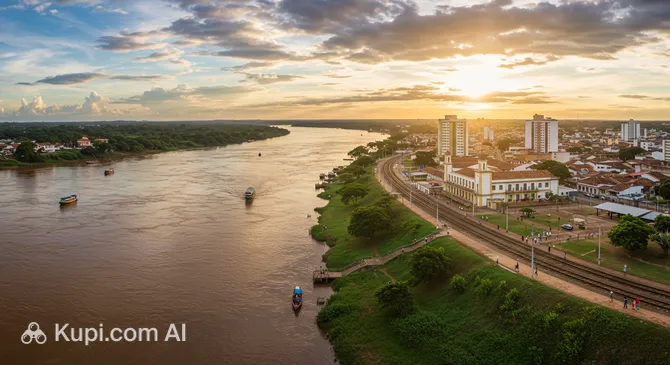
Geographically, the city sits on the eastern bank of the majestic Madeira River, one of the most significant tributaries of the Amazon. The climate here is typically tropical—warm and humid throughout the year—which supports the lush vegetation that frames the region. Exploring the history of Porto Velho reveals its origins as a settlement born from the ambitious and perilous construction of the Madeira-Mamoré Railway in the early 20th century, a project that shaped the city's identity.

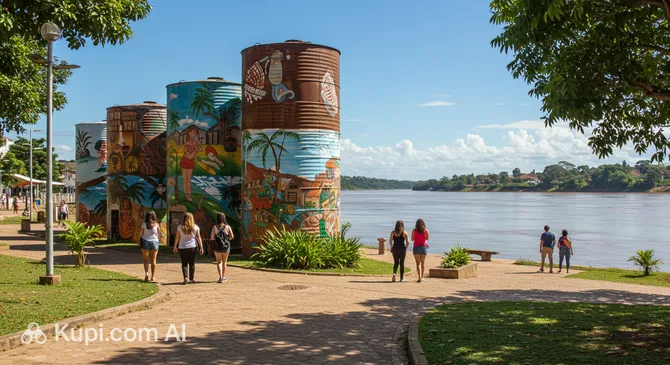
Visitors can delve into this heritage at the railway complex, where historic steam locomotives are preserved, offering a glimpse into the past. Another iconic symbol of the city is the Três Caixas D'Água (Three Water Tanks), which dominate the skyline and stand as a testament to the region's development. For nature lovers, a boat trip along the Madeira River at sunset offers an unforgettable experience, showcasing the stunning colors of the sky reflecting off the water. Porto Velho invites you to discover its rich culture, warm hospitality, and natural wonders.

Weather Overview

Travelers to Porto Velho should prepare for a hot and humid tropical climate that remains consistently warm year-round. The city generally experiences two main phases: a prolonged wet season and a distinct dry period. The rainy season dominates much of the year, spanning roughly from October to April, with precipitation being particularly frequent in March, which can see up to 30 wet days.

In contrast, the months of June, July, and August offer a break from the heavy rains. July is typically the driest month, often recording 0 wet days, making it an ideal time for outdoor activities. Temperatures are stable but high, with daily averages generally hovering between 26°C and 30°C. September is usually the warmest month, with maximum temperatures reaching up to 34.7°C. To help plan your packing list, you can check the detailed forecast and historical trends for the weather in Porto Velho.

Interesting Facts

Beyond its bustling streets and river views, Porto Velho holds historical secrets and geographical marvels that often surprise visitors. Delve into the lesser-known aspects of this Amazonian capital with these intriguing insights.
The Three Water Boxes. Source: Kupi.Binoculars
  • The municipality of Porto Velho is geographically colossal. It covers a land area larger than entire nations such as Belgium or Israel, making it the most extensive state capital in Brazil by territory.

  • The city's most famous landmark, The Three Water Boxes, has an international origin. These massive cylindrical tanks, affectionately known locally as "As Três Marias," were designed and manufactured in the United States before being shipped to the Amazon in the early 20th century.

  • Porto Velho was born from the legendary Madeira-Mamoré Railway Complex, often referred to as the "Devil's Railroad." Historical accounts suggest that workers from over 50 different nationalities participated in its construction, which was one of the most challenging engineering feats of its time due to the dense jungle and tropical diseases.

  • The name "Porto Velho" translates to "Old Port," a reference used by the Brazilian military during the Paraguayan War. Long before the city was officially founded, this spot on the Madeira River served as a strategic point for soldiers and suppliers navigating the Amazon basin.

How to Get There

Reaching this Amazonian capital is the first step of your adventure. The most common and convenient way for visitors to arrive is by air, connecting from other major Brazilian hubs. For a detailed breakdown of all transport options, routes, and tips, you can read more about how to get to Porto Velho.

The city is served by Porto Velho International Airport (PVH), also known as Governador Jorge Teixeira de Oliveira International Airport. It acts as the primary gateway to the state of Rondônia and handles a significant volume of regional passenger traffic. Located approximately 6 km from the city center, the airport is quite accessible. A trip by taxi or car from the terminal to downtown Porto Velho generally takes about 30 minutes, depending on traffic conditions. You can find more specific details on the page for Porto Velho International Airport.

For clarity, here is a summary of the main airport:

Airport Name City Passenger Traffic Km from City
Porto Velho International Airport Porto Velho Medium 6.0

While flight is the fastest option, Porto Velho is also a key transportation hub for road and river travel. The city sits at the end of the major BR-364 highway, which connects it to the southern and western regions of Brazil. Additionally, the Madeira River serves as a vital "highway" of the Amazon; many travelers arrive by boat or ferry, particularly from Manaus, enjoying a scenic, albeit longer, journey through the rainforest.

Main Attractions

Exploring Porto Velho offers a unique blend of historical heritage and authentic Amazonian culture. The city's main sights provide a window into its origins as a railway hub and its vibrant present-day life. From riverside landmarks to bustling markets, there are several key places that every visitor should include in their itinerary.

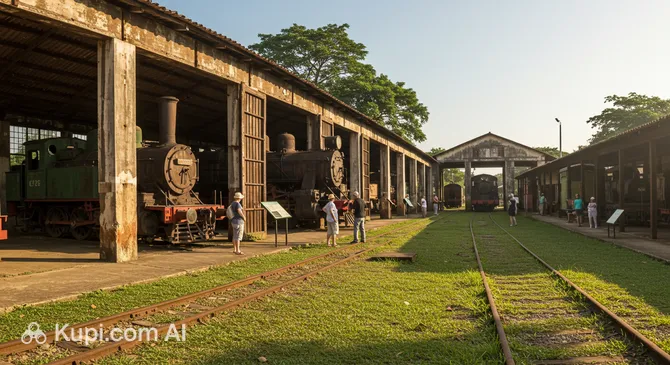
One of the most significant historical sites is the Madeira-Mamoré Railway Complex. Located right on the banks of the Madeira River, this museum and open-air exhibition preserve the legacy of the legendary railroad that led to the city's founding. Tourists can walk among the restored steam locomotives and visit the museum to understand the immense challenges faced during its construction. It is also a popular gathering spot in the late afternoon, offering one of the best views of the sunset over the river.

Madeira-Mamoré Railway Complex. Source: Kupi.Binoculars

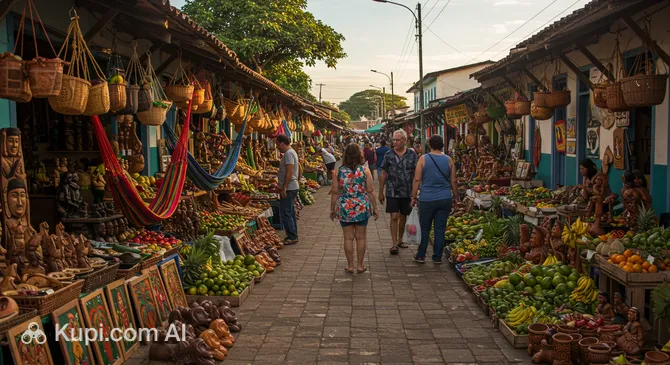
For a deep dive into local flavors and traditions, the Porto Velho Cultural Market is an unmissable stop. This lively venue, often referred to as Mercado Cultural, is the beating heart of the city's social scene. Visitors come here to sample regional delicacies such as tacacá or to enjoy a hearty Amazonian breakfast. The market frequently hosts live music, folklore presentations, and craft fairs, making it an excellent place to experience the warmth and hospitality of the local people.

Porto Velho Cultural Market. Source: Kupi.Binoculars

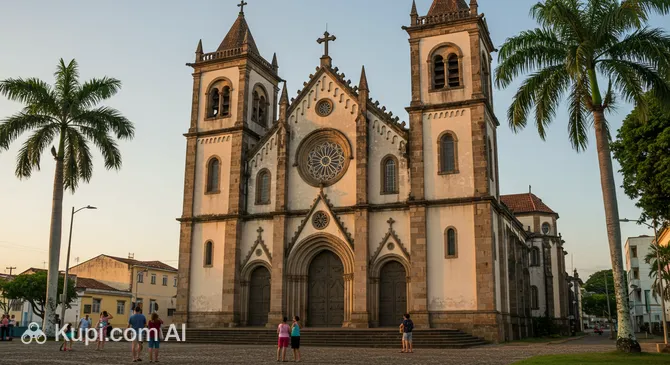
In the city center, the Sacred Heart of Jesus Cathedral stands as a major architectural and religious landmark. Construction of this imposing church began in the early 20th century, and it remains a symbol of the community's faith and resilience. The cathedral is admired for its beautiful stained glass windows and serene interior, providing a peaceful atmosphere for reflection amidst the urban bustle.

Sacred Heart of Jesus Cathedral. Source: Kupi.Binoculars

Those seeking a relaxing break in nature should head to City Park (Parque da Cidade). This expansive green area is a favorite among residents for outdoor activities and family outings. The park features a large lake, well-maintained walking paths, and plenty of space for picnics. It serves as a pleasant urban oasis where tourists can enjoy the tropical surroundings and observe local flora and fauna in a comfortable setting.

Local Cuisine

The culinary scene in Porto Velho is a vibrant reflection of its Amazonian roots, offering flavors that are bold, exotic, and deeply connected to the river and the rainforest. The cuisine here is heavily defined by the abundance of fresh fish from the Madeira River, combined with indigenous traditions and ingredients unique to the North of Brazil. For food lovers, dining in this city is an adventure into a world of distinctive tastes and textures.

River fish is the undisputed star of the local table. A must-try dish is the Costela de Tambaqui, or roasted Tambaqui ribs, typically served with rice, vinaigrette, and farofa (toasted cassava flour). The fish is known for its tender, fatty meat and rich flavor. Another favorite is Caldeirada, a hearty fish stew cooked with vegetables, eggs, and aromatic herbs, often made with Tambaqui or Tucunaré. For a truly authentic street food experience, visitors should try Tacacá, a warm soup made from tucupi (yellow manioc broth), gum, dried shrimp, and jambu—a leafy herb that causes a slight, tingling numbness in the mouth.

To quench your thirst in the tropical heat, the local fruit juices are unparalleled. You will find refreshing options made from Amazonian fruits like Cupuaçu, Graviola, and Taperebá (also known as Cajá). These are often served fresh and thick, sometimes resembling a smoothie. Regional beers and soft drinks made from Guaraná are also popular accompaniments to meals.

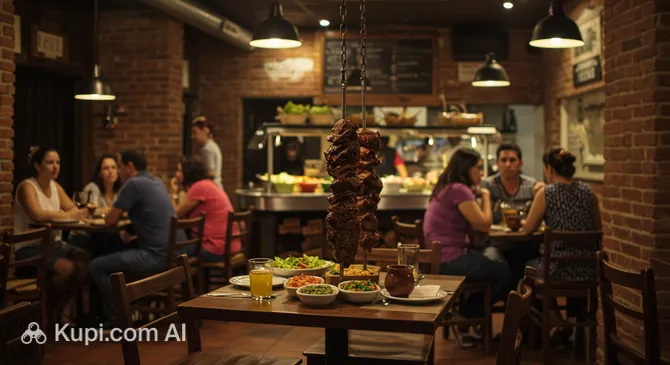
Fogo & Alma Gastronomy. Source: Kupi.Binoculars

The dining culture in Porto Velho ranges from casual street stalls to inviting restaurants. A central hub for gastronomy is the Porto Velho Cultural Market. It is the perfect place to start the day with a traditional breakfast of tapioca with cheese and tucumã (a palm fruit) or to enjoy regional snacks in a lively atmosphere. For those seeking a more formal dining experience with a variety of options, Fogo & Alma Gastronomy offers a setting where visitors can enjoy high-quality meals that celebrate local and contemporary influences.

Travel Tips

Planning a trip to Porto Velho requires a bit of preparation to fully enjoy the unique mix of urban life and Amazonian nature. These practical tips will help you navigate the local customs, climate, and logistics for a hassle-free experience in the capital of Rondônia.

  1. Clothing and Gear: Due to the tropical heat and high humidity, pack lightweight, breathable fabrics like cotton or linen. A sturdy pair of comfortable walking shoes is essential for exploring the city and parks. Since rain can occur unexpectedly, especially in the afternoons, carrying a compact umbrella or a light rain poncho is highly recommended. Don't forget high-SPF sunscreen and strong insect repellent, which are crucial for comfort in the Amazon region.
  2. Transportation: The most convenient way for tourists to get around is by using ride-hailing apps like Uber or 99, which are widely available, affordable, and generally safer than hailing taxis on the street. Public buses exist but can be crowded and confusing for those who do not speak Portuguese. Car rental is an option for exploring surrounding areas, but be prepared for chaotic traffic in the city center.
  3. Finances: The local currency is the Brazilian Real (BRL). Credit and debit cards are widely accepted in hotels, restaurants, and shops. However, it is wise to carry some cash for small purchases, street food vendors, or at the local markets like the Mercado Cultural. ATMs are available throughout the city, but it is best to use those located inside bank branches or shopping malls for security. Tipping around 10% is standard in restaurants if it's not already included in the bill.
  4. Health and Safety: Always drink bottled or filtered water; tap water is not suitable for consumption. Pharmacies (drogarias) are plentiful and easy to find for basic needs. As in many large Brazilian cities, stay vigilant with your belongings. Avoid wearing flashy jewelry or displaying expensive electronics in public, and try to stay in well-lit, populated areas, especially at night.
  5. Communication: The official language is Portuguese, and English is not widely spoken outside of major hotels or tour agencies. Learning a few basic phrases like "Bom dia" (Good morning) and "Obrigado/a" (Thank you) goes a long way. It is highly recommended to download an offline translation app and offline maps. You can easily purchase a local SIM card from major carriers like Vivo, Claro, or TIM at newsstands or pharmacies with your passport.
  6. Local Etiquette: Brazilians are generally warm and informal. A handshake is a common greeting, though you may see locals greeting friends with a hug or a kiss on the cheek. The "thumbs up" gesture is universally used to say yes, thanks, or that everything is okay. When entering shops or elevators, it is polite to greet people.
  7. What to Avoid: Avoid discussing sensitive political topics or criticizing local habits, as this can be taken personally. Also, do not take photos of people without asking for permission first, as some locals may value their privacy.
  8. Additional Tip: Embrace the local schedule. The midday heat can be intense, so many locals take it slow around noon. Plan your outdoor activities for the early morning or late afternoon. The sunset by the Madeira River is a daily ritual for many residents—join them at the railway complex for the best views and a refreshing breeze.

With these tips in mind, you are ready to embrace the warmth and vibrancy of Porto Velho. Enjoy the breathtaking sunsets over the Madeira River and the rich culture of the Brazilian North with confidence and ease.

Entertainment & Nightlife

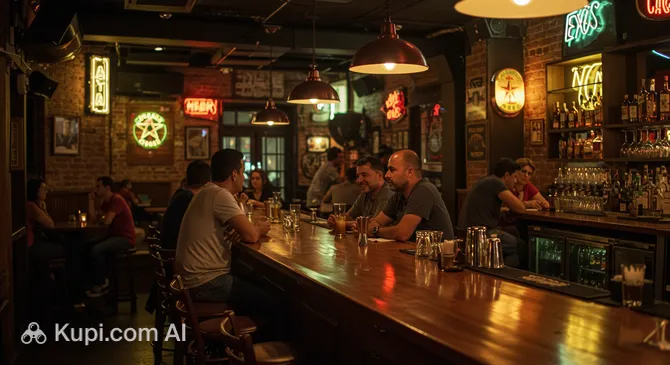
As the sun sets over the Madeira River, the heat of the day lingers, creating a warm and inviting atmosphere for nightlife in Porto Velho. The city's entertainment scene is driven by its sociable residents, who love to gather in open-air venues to enjoy cold drinks, live music, and good conversation. The vibe is generally laid-back and unpretentious, reflecting the welcoming nature of the Amazonian region.

The nightlife is concentrated in several key zones, with the area known as "Calçada da Fama" (Walk of Fame) on Avenida Pinheiro Machado being a traditional hotspot for bars and pubs. Here, you will find tables spilling onto the sidewalks and a lively crowd enjoying the evening breeze. The musical backdrop often features Sertanejo (Brazilian country music), which is extremely popular in Rondônia, as well as Forró and electronic beats.

For those looking to start the night with hearty food and drinks, Texas Grill is a bustling venue that captures the local spirit. It serves as a meeting point for friends to enjoy regional barbecue dishes and draft beer in a vibrant setting. It is an excellent place to experience the casual dining culture that transitions seamlessly into a night out.

Texas Grill. Source: Kupi.Binoculars

If you prefer a higher energy atmosphere for dancing, Villa PVH is one of the city's premier nightclubs. This venue attracts a stylish crowd and frequently hosts live concerts and parties. It is the place to go if you want to experience the modern party scene in Porto Velho, with events often running late into the night. The dress code here tends to be slightly more polished than the casual bars, so swapping flip-flops for shoes is recommended.

Villa PVH. Source: Kupi.Binoculars

Beyond the bar scene, the city offers other forms of entertainment. Families and groups looking for fun rides and games can visit Planet Park, which offers a lively amusement experience. For a more relaxed evening of shopping or watching the latest movies, Porto Velho Shopping provides a modern, air-conditioned environment with a variety of leisure options and a food court.

When planning a night out, keep in mind that the action usually starts later in the evening. Bars begin to fill up around 8:00 PM, while nightclubs peak after 11:00 PM. Prices for drinks and cover charges are generally affordable compared to larger Brazilian capitals. For safety, it is highly advisable to use ride-sharing apps like Uber or 99 to move between venues, rather than walking, especially in less busy streets. Stay within the well-lit, populated districts to ensure a safe and enjoyable experience.

Parks & Museums

Porto Velho offers a fascinating blend of urban green spaces and cultural repositories that allow visitors to connect with both the Amazonian environment and the region's rich history. Beyond the riverbanks, the city maintains several protected areas where the rainforest thrives, alongside institutions preserving the memories of its diverse population.

For a true immersion in the local flora and fauna without leaving the city limits, the Parque Natural Municipal de Porto Velho (often called the Ecological Park) is a must-visit. Spanning nearly 400 hectares, this area protects a significant fragment of the Amazon rainforest and offers visitors a chance to walk along nature trails, such as the "Trilha da Caverna." It also houses the Museu do Acervo Biológico, where curious travelers can see taxidermied examples of regional wildlife. Another excellent spot for outdoor activities is Parque Circuito. Famous for its towering rubber trees (seringueiras) that provide ample shade, this park is a favorite among locals for jogging and family picnics, offering a cool retreat from the midday heat.

City Park. Source: Kupi.Binoculars

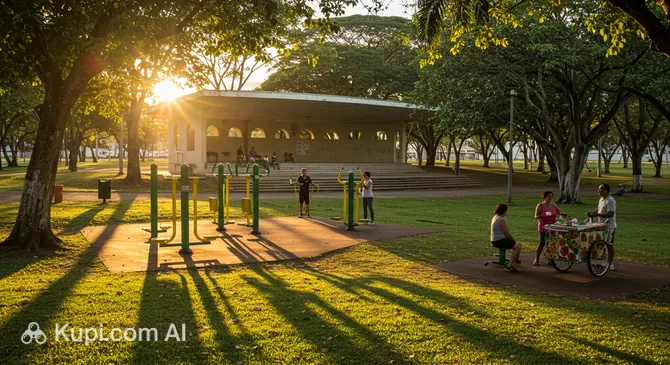
Those looking for a more manicured urban leisure area can visit City Park. Known locally as Parque da Cidade, it serves as a central gathering point for families, featuring a large lake and wide paths perfect for a relaxing afternoon stroll. It stands as a modern contrast to the wilder, more dense vegetation found in the Ecological Park.

To understand the depth of the state's history, a visit to the Museu da Memória Rondoniense (MERO) is essential. Housed in the majestic former Government Palace (Palácio Presidente Vargas), this museum showcases a vast collection ranging from geological fossils to artifacts from the Rondon Commission and the rubber boom era. It provides a comprehensive narrative of how the state of Rondônia was shaped. For something truly unique, the Museu Internacional do Presépio offers an unexpected cultural experience. This museum holds one of the largest permanent collections of nativity scenes in the world, with over 1,000 pieces from dozens of countries, displaying incredible artistic diversity.

Of course, no historical tour is complete without acknowledging the city's origins at the Madeira-Mamoré Railway Complex. While it functions as a major open-air attraction, its museum sections preserve the steam engines and machinery that earned the railway its legendary status.

Insider Tip: For a slice of local life in the evening, head to the Espaço Alternativo. It is a long, landscaped avenue near the airport where residents gather at night to exercise, skate, and enjoy street food from various kiosks, creating a lively and safe atmosphere under the city lights.

Getting Around

Public transport in Porto Velho primarily relies on a network of municipal buses that connect the city center to the outlying neighborhoods. Unlike some larger metropolitan areas, the city does not have a metro or tram system for daily commuting. The bus fleet is modern and generally equipped with air conditioning, which is a welcome feature given the region's tropical heat. The routes are quite extensive, covering most residential and commercial districts, making it a viable option for getting around if you are on a budget.

For payment, the system utilizes an electronic ticketing card known locally as the COM Card. While residents use rechargeable cards, tourists can typically pay the fare in cash directly to the driver or conductor upon boarding. The fare is affordable, usually costing a few Reais. If you plan to stay for an extended period, acquiring a card might be beneficial, but for short visits, carrying small change is the most practical solution for bus travel.

While buses are available, many visitors find that alternative transport methods offer more convenience and comfort. Ride-sharing apps, particularly Uber and 99, are extremely popular in Porto Velho. They are widely available, generally safe, and overcome the language barrier since you can input your destination directly into the app. Additionally, the city has a large fleet of mototaxis (motorcycle taxis). These are a fast and inexpensive way to navigate traffic, especially during rush hour, though they are best suited for solo travelers comfortable with riding on the back of a bike.

Practical advice for using the bus system includes checking the destination sign on the front windshield carefully, as routes can be complex. Buses typically operate from around 5:00 AM to 11:00 PM, with reduced frequency on weekends and holidays. Stops are not always clearly marked with timetables, so asking a local or using a navigation app to track the bus route is highly recommended. Boarding is done through the front door, where you pay or tap your card, and you exit through the rear.

It is important to note that while the city is famous for the historic Madeira-Mamoré Railway, this is strictly a tourist attraction and historical site, not a functioning part of the public transport network. Visitors hoping for a train ride will find preserved steam engines and museum exhibits rather than a commuter service. For crossing the Madeira River to reach communities on the other side, ferry boats and small passenger speedboats are available, offering a scenic mode of transport that doubles as a sightseeing experience.

Accommodation

Accommodation:

Porto Velho offers a practical range of accommodation options suited to both business travelers and tourists exploring the Amazon. The city's hospitality sector is primarily composed of functional mid-range hotels and cost-effective inns, reflecting its status as a commercial hub and a transit point. While you will not find ultra-luxury resorts, there are several comfortable establishments that provide modern amenities such as air conditioning—a necessity in the tropical heat—swimming pools, and reliable Wi-Fi. For budget-conscious travelers, smaller pousadas and hostels offer basic but welcoming stays.

When choosing where to stay, location is key to your experience. The most popular area for tourists is the City Center (Centro). Staying here places you within walking distance of historical landmarks like the Madeira-Mamoré Railway Complex and the lively dining scene at the Cultural Market. It is the best choice if you want to soak up the local atmosphere and enjoy views of the Madeira River. Alternatively, some visitors prefer the neighborhoods surrounding Porto Velho Shopping. This area offers a more modern environment with easy access to cinema, retail stores, and a variety of food court options, making it convenient for families or those who prefer staying near a major mall.

Porto Velho Shopping. Source: Kupi.Binoculars

Another strategic option is to look for hotels along the main avenues or near the airport, especially if you are in transit or planning to rent a car to explore the surrounding region. These locations often provide easy access to the highway and ample parking facilities.

Booking Tips and Prices: Accommodation prices in Porto Velho are generally quite affordable compared to Brazil's major tourist capitals like Rio de Janeiro or Salvador. You can typically find excellent value for money in the mid-range category. Most hotels are listed on major online booking platforms, which is the recommended method for securing a room. While availability is usually good, it is wise to book in advance if you are visiting during major local events or the peak of the dry season (June to August), when regional tourism increases.

Nearby Cities

For those looking to explore the surroundings, Porto Velho serves as an excellent base for day trips to several interesting nearby locations. The vastness of the Amazon region means that "nearby" can still involve a bit of travel, but the unique destinations make the journey worthwhile for those seeking history, nature, or even a quick international border crossing.

One of the most fascinating spots to visit is Guajará-Mirim, known as the "Green Pearl." Although it requires a longer drive, it is historically significant as the final terminus of the Madeira-Mamoré Railway. Visitors can explore the old station museum and enjoy the unique experience of taking a short boat ride across the Mamoré River to the Bolivian town of Guayaramerín, blending Brazilian and Bolivian cultures in a single trip.

For nature enthusiasts, Ariquemes offers a different appeal. As the gateway to the Jamari National Forest (Flona do Jamari), it provides opportunities for eco-tourism, including hiking and birdwatching in a protected Amazonian environment. Another interesting option is Humaitá, located to the north in the state of Amazonas. Situated on the banks of the Madeira River, it features charming colonial-style architecture and offers a quieter, riverside atmosphere perfect for a relaxing break.

City Population Distance (km)
Ji-Paraná 131,560 316
Ariquemes 105,896 158
Jaru 55,806 241
Humaita 51,302 168
Guajará-Mirim 47,048 274

These nearby destinations offer a glimpse into the diverse culture and landscapes of the region, ranging from bustling agricultural hubs to historic border towns.

Shopping & Souvenirs

Shopping in Porto Velho offers a distinct blend of modern retail convenience and authentic Amazonian trade. While the city may not be a global fashion capital, it provides a unique opportunity to purchase goods that reflect the rich culture and biodiversity of the region. Visitors can explore everything from air-conditioned malls with international brands to bustling street markets filled with local handicrafts, tropical fruits, and regional delicacies.

The heartbeat of the city's commercial life is undoubtedly Avenida Sete de Setembro. Located in the downtown area, this extensive avenue is lined with a diverse array of shops selling clothing, electronics, footwear, and household items. It is a vibrant, sometimes chaotic, district where locals do their daily shopping. Walking down this street gives tourists a genuine feel for the city's rhythm, with vendors often calling out their offers and music playing from storefronts.

For a more comfortable and modern shopping experience, Porto Velho Shopping is the premier destination. As the largest mall in the state, it houses a wide selection of national and international franchises, a large food court, and a cinema. It is also a hub for entertainment, featuring Planet Park, which makes it a popular spot for families. The mall provides a cool escape from the tropical heat and is the best place to find standard fashion, accessories, and technology.

To truly connect with the local culture, a visit to the Porto Velho Cultural Market (Mercado Cultural) is essential. While it is famous for its food and music, it is also an excellent place to find artisanal goods. Nearby, the Mercado Central offers a deep dive into Amazonian ingredients, where you can buy fresh fish, medicinal herbs, and the famous manioc flour. These markets are colorful, aromatic, and perfect for travelers looking for something authentically Brazilian.

When searching for souvenirs, focus on items that celebrate the Amazon. Bio-jewelry made from seeds, scales, and natural fibers is a beautiful and sustainable gift. Local edibles are also highly recommended; look for bags of Brazil nuts (Castanha-do-Pará), sweets made from Cupuaçu or Buriti, and bottles of artisanal Cachaça, sometimes infused with the mouth-numbing Jambu herb. Handicrafts made from rubber or wood also pay homage to the region's history.

Most shops in the city center operate from Monday to Friday, typically opening around 8:00 AM or 9:00 AM and closing by 6:00 PM, with reduced hours on Saturdays (often closing at 1:00 PM). Shopping malls, however, usually stay open from 10:00 AM to 10:00 PM throughout the week, including Sundays. Credit and debit cards are widely accepted in malls and established stores, but it is advisable to carry cash (Brazilian Reais) when visiting street markets or buying from smaller vendors.

Regarding taxes, Brazil does not typically offer a VAT refund system for international tourists similar to those found in Europe. The price you see on the tag generally includes all applicable taxes. Bargaining is not common in regular stores or malls, but it is acceptable to ask for a small discount ("desconto") when paying in cash at markets or independent street shops.
Nearby cities

Reached the end of the page?

That means the route is fully explored