Support

Ji-Paraná

About

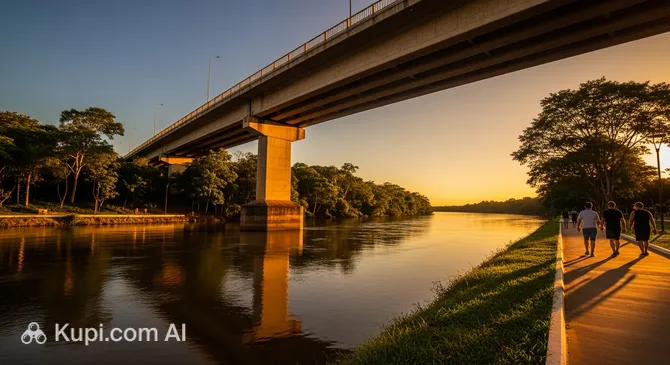
Ji-Paraná, often celebrated as the "Heart of Rondônia," is a bustling city situated in the central part of the state. As the second-most populous municipality in the region, it plays a crucial role in the economic and cultural landscape of Brazil. The city is geographically distinctive, split into two districts by the winding waters of the Machado River, which provides a scenic backdrop to the urban environment.

Ji-Paraná. Source: Kupi.Binoculars

The climate here is typically tropical, characterized by warm temperatures year-round that support the lush greenery surrounding the area. Those curious about the history of Ji-Paraná will discover a fascinating narrative linked to the expansion of telegraph lines and the pioneering spirit of the mid-20th century. Today, the city seamlessly blends its historical roots with modern development, offering a unique atmosphere for visitors.

Travelers can explore local landmarks such as the Museu das Comunicações, which honors the legacy of Marechal Rondon, or enjoy the natural beauty of the local ecological parks. The city is also known for its lively community events and the iconic bridge connecting its two main districts. Whether you are a nature enthusiast or a culture seeker, Ji-Paraná invites you to experience the warmth and vibrancy of the Amazonian frontier.

Weather Overview

The climate in this region is typically tropical, offering consistent warmth throughout the year with distinct seasonal variations in rainfall. Before packing, it is helpful to review the detailed weather in Ji-Paraná to plan your activities around the rain. Generally, you can expect average temperatures to stay between 26°C and 29°C, creating a humid and energetic atmosphere typical of the Amazon basin.

The year begins with a significant wet season. From January through March, rainfall is very frequent, with data showing up to 28 wet days per month. During this time, average temperatures hover around 26°C, and the landscape is lush and green. Travelers visiting during these months should be prepared for daily showers and high humidity.

In contrast, the middle of the year offers a dry respite. June, July, and August are the driest months, with July often seeing 0 wet days, making it an ideal time for outdoor exploration. However, the heat intensifies later in the dry season; September is typically the hottest month, with average maximum temperatures reaching nearly 35°C. Expect warm days year-round with frequent rain early in the year and dry, sunny weather from June to August.

Interesting Facts

Beyond its scenic riverbanks and busy streets, Ji-Paraná holds several fascinating details that often go unnoticed by casual visitors. This central hub of Rondônia boasts a history and geography that are truly unique to the Amazonian frontier.

  • A Name Lost in Translation: The city's name is a direct nod to its dominant geographical feature. "Ji-Paraná" is derived from indigenous Tupi languages, meaning "River of the Axe." This meaning is perfectly preserved in the Portuguese name of the river that flows through the city, the Rio Machado ("machado" translates to axe), creating a linguistic bridge between the region's native roots and modern identity.

  • Born from a Telegraph: Before it was a bustling urban center, this location was a solitary outpost in the dense jungle. The settlement originated around a telegraph station established in 1909 by the famous explorer Marechal Rondon. For decades, it was known as "Vila de Rondônia" before being renamed in 1977 to honor the river.

  • The Literal Heart: The nickname "The Heart of Rondônia" is not just a poetic slogan; it is a geographical fact. The city is located almost exactly in the geometric center of the state. This strategic position has made it a vital crossroads connecting the capital, Porto Velho, to the rest of Brazil.

  • A Tale of Two Districts: The river divides the city so effectively that it functions almost like two separate towns. The "First District" houses the historic center and public buildings, while the "Second District" has grown into a commercial powerhouse. Locals often refer to crossing the bridge as going to the "other side," with each district maintaining a distinct vibe.

How to Get There

Reaching this central hub in Rondônia is relatively straightforward due to its strategic location along the BR-364 highway. While the city is well-connected by road, air travel requires checking specific schedules. For a detailed overview of all transport options, including bus routes and driving directions, you can read more about how to get to Ji-Paraná.

The city is directly served by José Coleto Airport (IATA: JPR), which handles domestic flights and connects the region to larger national hubs. However, depending on flight availability, many travelers choose to fly into Cacoal Airport (IATA: OAL) in the neighboring municipality of Cacoal. This airport is approximately **88.3 km** away. A drive or transfer from Cacoal Airport to Ji-Paraná is quite manageable, typically taking around **1 hour and 30 minutes**.

Another option for air arrivals is Vilhena Airport (IATA: BVH), located in the city of Vilhena. It serves as a secondary regional gateway but is situated significantly further away, at a distance of about **285.9 km**. Travelers landing here should be prepared for a longer ground transfer, as the drive from Vilhena Airport usually takes approximately **4 hours** via the main highway.

Below is a summary of the regional airports often used to access the city:

Airport Name City Distance from Ji-Paraná Approx. Drive Time
Cacoal Airport Cacoal 88.3 km 1h 30m
Vilhena Airport Vilhena 285.9 km 4h 00m

For those preferring ground transport, the city is a major stop on the extensive bus network covering Rondônia. The BR-364 highway runs directly through the urban area, linking it to the state capital, Porto Velho, and other major destinations in Brazil.

Main Attractions

Exploring Ji-Paraná offers a delightful mix of historical discovery and immersion in the natural beauty of the Amazon region. While the city is a commercial hub, it retains several charming spots that reflect its unique heritage and vibrant local culture. Visitors will find that the main points of interest are easily accessible and provide a deeper understanding of how this telegraph outpost grew into the "Heart of Rondônia."

One of the most important historical landmarks is the Museu das Comunicações Marechal Rondon. Housed in the original telegraph station built by Cândido Rondon in the early 20th century, this museum is the birthplace of the city's history. It offers tourists a fascinating glimpse into the past with exhibits of old telegraph equipment, photographs, and artifacts from the Rondon Commission. It is an essential stop for anyone interested in understanding the pioneering efforts that connected this remote region to the rest of the country.

For those seeking cultural entertainment, the Teatro Dominguinhos stands out as a modern architectural gem. It is the center of the city's artistic life, hosting a variety of plays, musical performances, and community events throughout the year. The theater is named after the famous Brazilian musician Dominguinhos, and its contemporary design and comfortable facilities make it a great place to enjoy a relaxed evening of local culture.

Nature enthusiasts should not miss the Parque Ecológico Municipal. This green sanctuary within the urban area provides a refreshing escape from the city heat. It features walking trails surrounded by native vegetation, offering a safe and accessible way to experience the local flora. It is a popular spot for families and joggers, perfect for a peaceful afternoon stroll or a picnic in the shade of large trees.

Finally, the Catedral São João Bosco is a key architectural and religious site in the city center. With its distinctive design and welcoming atmosphere, it serves as a central meeting point for the community. Visitors often admire the beautiful interior and the peaceful ambiance, making it a worthy stop for photography and quiet reflection while exploring the downtown area.

Local Cuisine

The culinary scene in Ji-Paraná is a delightful reflection of its location in the heart of the Amazon basin, blending indigenous traditions with influences from migrants across Brazil. The undisputed star of the local menu is freshwater fish, particularly the Tambaqui. Visitors should not leave without trying the famous Costela de Tambaqui (tambaqui ribs), which are typically grilled or fried and known for their rich, savory flavor. Another must-try is Caldeirada, a hearty fish stew cooked with vegetables, eggs, and spices, perfect for those wanting to taste the essence of the local rivers.

For a truly authentic Northern Brazilian experience, look for Tacacá. This unique soup is served hot in a traditional gourd and is made with tucupi (a yellow broth extracted from wild manioc), dried shrimp, and jambu—a native herb famous for causing a slight, pleasant tingling sensation on the lips. It is a dish that perfectly encapsulates the exotic ingredients of the rainforest. Additionally, due to the region's strong agricultural roots and migration from the south, you will find excellent Churrasco (barbecue) steakhouses serving high-quality beef.

To combat the tropical heat, locals rely on a variety of refreshing drinks derived from Amazonian fruits. Juices made from Cupuaçu, Graviola, and Cajá (hog plum) are widely available and incredibly refreshing. A very popular social beverage is Tereré, an ice-cold infusion of yerba mate herbs often shared among friends in parks or on front porches. It is a cultural staple that reflects the relaxed pace of life in the city.

When it comes to dining out, Ji-Paraná offers a mix of family-run peixarias (specialized fish restaurants) and lively street markets. A favorite local pastime is visiting the weekly open-air markets (feiras) to enjoy a classic street food combination: a freshly fried Pastel (crispy pastry with savory fillings) paired with a glass of sweet, cold Caldo de Cana (sugarcane juice). These markets provide a vibrant atmosphere where tourists can mingle with residents and enjoy simple, delicious food at affordable prices.

Travel Tips

Visiting Ji-Paraná is an exciting opportunity to experience the authentic lifestyle of the Brazilian Amazon, but a little preparation goes a long way in this unique region. To help you navigate the "Heart of Rondônia" with ease and confidence, we have compiled a list of essential practical advice for your journey.

  1. Clothing and Gear: Due to the tropical climate, lightweight and breathable fabrics like cotton or linen are your best friends here. The heat can be intense, so pack a wide-brimmed hat, sunglasses, and high-SPF sunscreen. If you are visiting between January and March, a sturdy umbrella or a rain poncho is essential for the frequent downpours. Comfortable walking shoes are recommended for exploring parks, while sandals are fine for casual dining.
  2. Transportation: The city is spread out, so walking long distances is not always practical in the heat. Public buses exist but can be confusing for visitors. The most convenient way to get around is by using ride-hailing apps like Uber or 99, which are widely available and affordable. For a truly local experience, you can take a mototaxi (motorcycle taxi), which is a very popular and fast mode of transport in Rondônia, though safety helmets are mandatory.
  3. Finances: The local currency is the Brazilian Real (BRL). Credit and debit cards are widely accepted in hotels, restaurants, and supermarkets. However, you will definitely need cash if you plan to visit the street markets (feiras) to buy fresh fruit or snacks like pastel. ATMs are available at bank branches and some gas stations, but it is wise to withdraw money during daylight hours.
  4. Health and Safety: As this is an Amazonian region, mosquitoes can be a nuisance and a health risk; always carry and apply insect repellent, especially during the late afternoon. Pharmacies (farmácias) are plentiful and well-stocked, with some major chains open late or 24/7. Regarding safety, Ji-Paraná is generally welcoming, but standard precautions apply: avoid walking in poorly lit areas at night and keep expensive electronics out of sight.
  5. Communication: Portuguese is the primary language, and English is not widely spoken outside of high-end hotels. It is highly recommended to download an offline translation app and offline maps before you arrive. Learning a few basic phrases like "Bom dia" (Good morning) and "Obrigado" (Thank you) will be greatly appreciated by the locals. Wi-Fi is common in cafes and hotels, and prepaid SIM cards from carriers like Vivo or Claro can be bought at local kiosks with your passport.
  6. Local Etiquette: People in Rondônia are known for their warmth and hospitality. Greetings often involve a firm handshake or, among women or close acquaintances, a kiss on the cheek. It is polite to greet shopkeepers and drivers upon entering. Do not be surprised by the friendly and informal nature of locals; they are often eager to chat and help foreigners.
  7. What to Avoid: Never drink tap water; always opt for bottled or filtered water to avoid stomach issues. Additionally, avoid swimming in the river at unmarked or deserted spots, as currents can be strong and local knowledge of safe swimming areas is crucial.
  8. Bridge Logistics: A specific tip for Ji-Paraná is to be mindful of the bridge crossing the Machado River. Since it connects the First and Second Districts, traffic can get heavy during rush hours (early morning and late afternoon). If you have an appointment or a bus to catch on the other side, allow extra travel time to cross the bridge.

By keeping these tips in mind, you will be well-equipped to enjoy everything Ji-Paraná has to offer, from its delicious cuisine to its vibrant street life. Embrace the local pace, stay hydrated, and get ready for a memorable adventure in the Brazilian North.

Entertainment & Nightlife

Nightlife in Ji-Paraná reflects the city's warm, welcoming spirit, offering a mix of lively "botecos" (traditional Brazilian bars), open-air lounges, and venues pulsing with live music. The entertainment scene is casual and social, centered heavily on gathering with friends to enjoy cold drinks and local snacks. While it doesn't have the intense clubbing scene of a metropolis, the "Heart of Rondônia" knows how to enjoy the evening, with festivities often lasting well into the night, especially on weekends.

The hub of the city's nightlife is undoubtedly the Second District (2º Distrito). This area, particularly around Avenida Brasil and the "T" streets (such as T-5, also known as Avenida Maringá), is where you will find the highest concentration of bars and restaurants. The atmosphere here is relaxed and unpretentious; there is rarely a strict dress code, so casual attire like jeans and t-shirts is the norm. Locals typically head out after 9:00 PM, with the energy peaking around midnight.

For those looking to experience the local vibe, Mavericks Comida de Boteco is a popular choice. It combines the laid-back feel of a pub with a menu full of delicious appetizers, making it a great spot to start the night. If you prefer live entertainment, Roots Music Bar frequently hosts local bands playing everything from Brazilian rock to the ever-popular sertanejo (country music). Another notable venue is Apollo 11 Lounge e Bar, which offers a slightly more modern setting for cocktails and socializing.

When planning your night out, keep in mind that prices in Ji-Paraná are generally affordable compared to larger cities in Brazil. A night of drinks and food is quite budget-friendly. For transportation, it is best to avoid walking long distances at night, even though the main commercial areas are relatively safe. The most reliable way to get around is by using ride-sharing apps or calling a local taxi. If you are adventurous, you might even take a "mototaxi" for a quick hop between venues, a very common mode of transport in the region.

Beyond the nightlife, the city offers some daytime entertainment options worth checking out. The Teatro Dominguinhos is the cultural centerpiece, hosting plays and musical performances that showcase local talent. For movie lovers, the city has modern cinemas featuring the latest international and national releases. Whether you are catching a show or sipping a cold beer on a warm evening, Ji-Paraná offers a genuine slice of Amazonian hospitality.

Parks & Museums

Ji-Paraná offers a refreshing balance between urban energy and the serenity of the Amazonian landscape. While it is primarily a commercial hub, the city takes pride in its green spaces and cultural institutions that preserve the memory of its pioneers. Visitors will find that exploring the parks and museums here provides an intimate look into the history of Rondônia and the daily life of its residents.

Parque Ecológico Municipal is the premier green refuge in the city, often described as the "lungs of Ji-Paraná." Located within the urban area, this park preserves a significant fragment of the native forest, offering a cool respite from the tropical heat. It features well-maintained walking trails that wind through towering trees, making it a favorite spot for morning jogs and family picnics. For tourists, it is an excellent place to observe local flora and small wildlife without leaving the city limits.

Another popular outdoor space is the Praça da Bíblia. More than just a square, this area functions as a central gathering point for the community. It is beautifully landscaped and often hosts open-air events, fairs, and religious celebrations. In the evenings, families gather here to enjoy the cooler air, making it a perfect spot for people-watching and experiencing the local social atmosphere.

For a deep dive into the region's history, the Museu das Comunicações Marechal Rondon is an essential stop. Housed in the original telegraph post constructed in the early 20th century, this museum tells the story of the strategic expansion of telegraph lines through the Amazon jungle. The exhibits include original equipment, historical photographs, and personal artifacts from the Rondon Commission. It stands as a tribute to the determination required to connect this remote frontier with the rest of Brazil.

While not a traditional museum, the Casa do Artesão serves as a vital cultural gallery showcasing the artistic soul of the region. This venue displays and sells works by local artisans, including pottery, wood carvings, and indigenous crafts. It is a fantastic place to appreciate the cultural diversity of Rondônia, where influences from various Brazilian states merge with indigenous traditions. Visitors can often meet the artists and learn about the materials and techniques used in their creations.

Architecturally, the Catedral São João Bosco remains a significant landmark. Its unique design features a striking roof structure that mimics hands joined in prayer, a detail that fascinates many visitors. The interior is equally impressive, with stained glass and religious art that reflect the strong faith of the local community. It stands as a peaceful sanctuary amidst the bustle of the city center.

For a truly authentic experience, consider visiting one of the local Balneários (river resorts) on the outskirts of the city. These are privately owned recreational areas along the smaller rivers and creeks, such as the Rio Urupá. Locals flock to these spots on weekends to swim, barbecue, and listen to music. It is an insider tip for anyone wanting to cool off and socialize exactly like a resident of Rondônia.

Getting Around

Navigating Ji-Paraná is a relatively straightforward experience, though it differs significantly from the complex transit networks found in major metropolises. As a mid-sized city in the Amazon region, it does not possess a metro, tram, or train system. Instead, the public transport infrastructure relies entirely on road-based options, primarily consisting of buses, taxis, and the locally ubiquitous "mototaxis." For most tourists, getting around involves a mix of these services depending on the distance and the desired level of comfort.

The municipal bus system connects the city's various neighborhoods and, crucially, links the First and Second Districts across the Machado River. These buses are generally white or brightly colored and display their destination on the front marquee. While they are the most economical way to travel, schedules can sometimes be irregular, and routes may be confusing for those unfamiliar with the city's layout. Payment is typically made in cash directly to the conductor or driver upon boarding. If you plan to stay for an extended period, inquire at the central bus terminal about local transport cards, though for short visits, carrying small change in local currency is the most practical solution.

A distinctive feature of transport in this region—and often the fastest way to get around—is the mototaxi. You will see these everywhere: motorcycle taxis operated by licensed professionals who wear specific colored vests (usually orange or yellow) with identification numbers. They are an integral part of the local culture and are perfect for solo travelers who want to zip through traffic, especially across the busy bridge during rush hour. Prices are generally fixed or calculated based on zones, but it is always wise to confirm the fare before hopping on. Helmets are mandatory and provided by the driver.

For those prioritizing comfort and air conditioning, especially in the tropical heat, ride-hailing apps are the most recommended option. Services like Uber and 99 operate efficiently within the city limits. They offer the advantage of fixed pricing and route tracking, eliminating language barriers regarding directions. Traditional taxis are also available and can be found at designated stands (pontos de táxi) near the bus terminal, airport, and major squares. They use meters (taxímetro), but for longer trips or excursions to the outskirts, you can often negotiate a flat rate.

Car rentals are an excellent alternative if you plan to explore the surrounding ecological parks or neighboring towns at your own pace. Several agencies operate at the airport and in the city center. However, if you choose to drive, be mindful of the heavy motorcycle traffic and the flow across the main bridge connecting the two districts. While the city center is walkable, the distances between attractions and the intense midday sun often make motorized transport a necessity rather than a luxury.

When using public transport, keep a few practical tips in mind. Operating hours for buses generally run from early morning until around 10:00 PM or 11:00 PM, with reduced service on Sundays and holidays. If you choose to use mototaxis or traditional taxis, carrying cash is essential, as not all drivers carry card machines. Finally, during the peak hours of early morning and late afternoon, traffic congestion on the bridge can be significant, so plan your travel time accordingly if you need to cross from one district to the other.

Accommodation

Accommodation in Ji-Paraná is primarily designed to serve the needs of business travelers and those passing through along the BR-364 highway. Consequently, visitors will find a solid selection of functional and comfortable mid-range hotels rather than extensive luxury resorts or backpacker hostels. The hospitality sector here is practical and welcoming, offering reliable amenities such as Wi-Fi, breakfast, and, most importantly, air conditioning to combat the tropical heat.

When choosing where to stay, location is a key factor due to the city's division by the Machado River. The Second District (2º Distrito) is generally considered the most convenient area for tourists. It is the commercial heartbeat of the city, teeming with restaurants, bars, and shops, making it easy to find dinner or entertainment within walking distance of your hotel. The First District (1º Distrito), while historic and charming, is quieter at night, though it offers proximity to the river and government buildings.

For travelers on a road trip, there are several decent options located directly along the highway. These establishments are convenient for quick stopovers but can be noisier than those tucked away in the residential avenues of the Second District. If you are looking for a more personalized experience, there are a few smaller pousadas (guesthouses) that offer a homelier atmosphere, often run by local families who are happy to share tips about the region.

Booking Tips and Prices: Prices in Ji-Paraná are generally very affordable compared to Brazil's major tourist capitals. A comfortable room in a well-rated hotel typically falls into the budget to mid-range price category. While walk-ins are often possible, it is highly recommended to book in advance if you are visiting during major local events, such as the Expojipa agricultural fair. During these peak times, the city fills up quickly, and securing a room can be difficult without a reservation. Most established hotels are listed on major online booking platforms, but smaller venues may still rely on direct phone or WhatsApp bookings.

Nearby Cities

For those looking to explore the surroundings, Ji-Paraná serves as an excellent base for day trips to several interesting nearby locations. The region offers a mix of agricultural hubs, ecological attractions, and vibrant towns that are easily accessible by road.

City Population Distance (km)
Ariquemes 105,896 159
Vilhena 93,745 288
Cacoal 85,893 83
Jaru 55,806 75
Rolim de Moura 55,407 96

Among these destinations, Cacoal is particularly notable for a day trip. Known as the "Coffee Capital of Rondônia," it is just a short drive away and offers excellent leisure infrastructure. Visitors often flock to the Cacoal Selva Park, a well-known ecological resort featuring natural pools and water activities, making it a perfect spot for families seeking relaxation and fun.

Another accessible option is Jaru, located less than 80 kilometers from the city. It provides a quieter, more rural atmosphere, ideal for those interested in the region's agricultural lifestyle. For travelers willing to venture a bit further into the "Zona da Mata," Rolim de Moura offers a unique urban layout and serves as a gateway to exploring the vigorous development and culture of the state's interior.

These nearby destinations offer a glimpse into the diverse culture and landscapes of the region, allowing visitors to experience more of Rondônia beyond the city limits.

Shopping & Souvenirs

Shopping in Ji-Paraná reflects its status as a commercial powerhouse in the state of Rondônia. As a central hub for the region, the city offers a practical and vibrant retail scene that caters to both locals and visitors. While you won't find the high-end luxury boutiques typical of major global metropolises, you will discover a lively mix of modern conveniences, bustling street commerce, and authentic local markets that showcase the productive spirit of this part of Brazil.

The primary destination for retail therapy is the Second District (2º Distrito), which functions as the city's main commercial heart. The most famous thoroughfare here is Avenida Brasil. This extensive avenue is lined with a diverse array of shops selling everything from clothing and footwear to electronics and household goods. It is a high-energy area where music often plays from storefronts, offering a true taste of local daily life. Additionally, Avenida Maringá and Rua T-5 are distinct areas known for their concentration of boutiques, dining spots, and services, providing excellent options for those looking for specific fashion items or a nice meal after shopping.

For those seeking a more climate-controlled environment, IG Shopping Ji-Paraná is the city's most prominent mall. Located in the Second District, it provides a modern shopping experience with air conditioning—a welcome relief from the midday heat. The mall features a variety of national retail chains, a food court with diverse dining options, and a cinema, making it a popular spot for families and teenagers to gather, shop, and relax.

To experience the authentic flavors and crafts of the region, a visit to the local markets is essential. The Feira do Produtor (Producer's Market) is a highlight located in the First District. Unlike typical weekend fairs, its main operating days are usually Wednesday and Friday, where farmers sell fresh Amazonian fruits, vegetables, and artisanal cheeses. For travelers looking for a bustling weekend atmosphere, the Sunday market at T-1 is the place to be, offering a lively mix of street food, local goods, and community vibes.

When looking for souvenirs to take home, focus on items that represent the local culture and biodiversity. Rondônia has gained international acclaim for its high-quality coffee, so buying a bag of locally roasted beans is a fantastic choice for connoisseurs. Additionally, handicrafts made from Amazonian raw materials—such as wood carvings, seed jewelry, and indigenous pottery—make for unique and meaningful gifts. The Casa do Artesão is a reliable spot to find these authentic handmade goods.

Store hours in Ji-Paraná generally follow standard business schedules. Street shops typically open from 8:00 AM to 6:00 PM on weekdays and until 12:00 PM or 1:00 PM on Saturdays, with most closing on Sundays. The shopping mall operates longer hours, usually staying open until 10:00 PM, including weekends. Credit and debit cards are widely accepted in most establishments, but it is advisable to carry cash (Brazilian Reals) when visiting street markets or smaller vendors.

Tourists should be aware that tax-free shopping or VAT refund schemes for international visitors are not standard practice in this region. The prices displayed on goods are final, inclusive of all taxes. However, the cost of living and goods in Ji-Paraná is generally lower than in major tourist capitals, offering good value for money on clothing, food, and local crafts.
Reached the end of the page?

That means the route is fully explored