Support

Cacoal

About

Welcome to Cacoal, a vibrant and economically significant city often celebrated as the "Capital of Coffee" in the state of Rondônia. Known for its dynamic atmosphere and lush surroundings, the city serves as a major hub for commerce and education in the region, offering a unique blend of urban development and close proximity to the natural wonders of the Amazon basin. Its reputation for high-quality coffee production has put it on the map, attracting visitors interested in both agricultural tourism and the warm hospitality of the local community.

Geographically, the city is situated in the northern region of Brazil, enjoying a tropical climate that remains warm throughout the year. The landscape is characterized by rich greenery and rivers, typical of this part of the country. With a population of approximately 86,000 residents, it maintains a friendly, community-oriented feel while providing the amenities of a modern urban center. The warm weather makes it an ideal destination for outdoor activities and exploring the surrounding natural beauty.
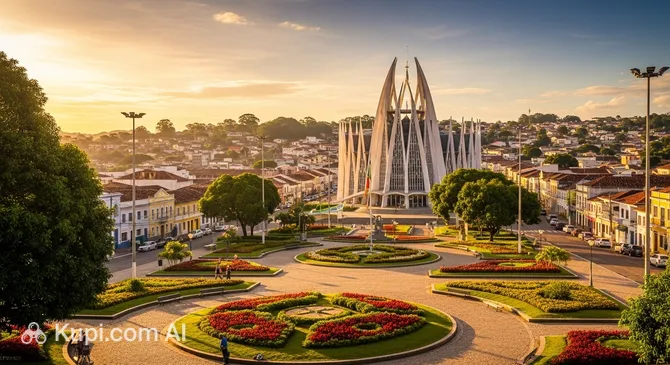
Cacoal. Source: Kupi.Binoculars

The city's development has been rapid and impressive, transforming from a small settlement into a thriving municipality. Exploring the history of Cacoal reveals how the expansion of the telegraph lines and the construction of major highways played a crucial role in its foundation and subsequent growth. Today, this heritage is reflected in the diverse cultural mix of its inhabitants, many of whom are descendants of migrants who came to cultivate the fertile land.

For tourists, Cacoal offers several distinct attractions. The Cacoal Selva Park is a standout destination, combining an ecological reserve with a water park, offering leisure and contact with nature in one place. Additionally, the region is known for its indigenous cultural heritage; visitors often have the opportunity to learn about the Paiter Suruí people, who are renowned for their sustainable coffee farming and rich traditions. The city's coffee culture itself is a major draw, with opportunities to taste locally grown, award-winning beans.

Whether you are a nature lover, a coffee enthusiast, or a traveler seeking to discover the authentic lifestyle of the Brazilian interior, Cacoal welcomes you with open arms. It is a destination that promises both relaxation and discovery, making it a memorable stop on any journey through Rondônia.

Weather Overview

Travelers planning a trip to this part of Rondônia should prepare for a tropical climate characterized by consistent warmth. The weather in Cacoal is generally hot throughout the year, with distinct wet and dry seasons that significantly shape the travel experience. Temperatures remain high year-round, ensuring that the city is a destination suitable for light clothing regardless of when you choose to visit.

The heat tends to peak around September, which is typically the warmest month with an average temperature of 29.1°C and daily highs often reaching 34.9°C. Even during the "cooler" months of June and July, the climate remains very pleasant, with average temperatures staying around 26°C and minimums rarely dropping below 20°C at night.

Rainfall patterns are the most variable factor. The beginning of the year is quite wet; for instance, January can see up to 29 wet days, bringing lush greenery to the region. In contrast, the middle of the year marks a distinct dry season. July is notably arid, often recording 0mm of precipitation and zero wet days, making it an ideal time for outdoor activities if you prefer to avoid the rain.

Interesting Facts

Beyond its reputation as a bustling agricultural hub, Cacoal holds fascinating stories that weave together history, nature, and modern innovation in unexpected ways. The city's evolution from a remote outpost to a thriving municipality is marked by unique cultural intersections and historical ironies that few visitors are aware of.

  • A Name Rooted in Irony: Although Cacoal is widely celebrated today as the "Capital of Coffee" in Rondônia, its name actually pays homage to a completely different crop. The name "Cacoal" was coined in the early 20th century by Anísio Serrão de Carvalho, a telegraph line guard, who was impressed by the abundance of native cacao trees (the raw ingredient for chocolate) growing wild along the riverbanks. It is a curious twist of fate that a city named after chocolate became famous for its coffee beans.

  • Indigenous Tech Pioneers: The local Paiter Suruí indigenous people are globally recognized not just for their culture, but for their innovative use of technology. They were among the first indigenous groups in the Amazon to partner with major tech companies to use satellite imagery and mapping tools to monitor their territory against illegal deforestation. This unique blend of ancient tradition and modern digital activism has helped them protect the forests where they cultivate their celebrated sustainable coffee.

  • Fine Robusta Revolution: While coffee is common in Brazil, Cacoal is at the forefront of a specific culinary revolution: "Robusta Amazônico." Unlike the traditional view that Robusta beans are inferior to Arabica, the coffee grown here—specifically the Conilon variety—has achieved such high quality through special fermentation and drying techniques that it has earned a Geographical Indication (GI). This recognition places Cacoal's beans among the elite specialty coffees of the world.

  • Born from a Telegraph Wire: The city's existence is directly linked to the legendary Rondon Commission, which laid telegraph lines across the Brazilian interior. Cacoal began essentially as a lonely support post for these lines in the jungle. For decades, it was merely a reference point for "wire guards" maintaining communication links, long before the highway brought the wave of migration that turned it into a city.

How to Get There

Reaching this part of Rondônia is an adventure that brings you close to the heart of the Amazon region. While the city is tucked away in the Brazilian interior, it is well-connected by air and road networks. For a comprehensive guide on planning your journey, you can read more about how to get to Cacoal, including detailed routes and transport tips.

The most convenient entry point is Cacoal Airport (IATA: OAL), located directly within the municipality. It sits just 6.8 km from the city center, making the transfer very quick and easy. A taxi or car ride from the terminal to downtown typically takes around 30 minutes. As a regional hub, it receives regular flights connecting the city to larger state capitals, serving as the primary gateway for most visitors.

If direct flights are unavailable, an alternative option is to fly into Vilhena Airport (IATA: BVH) in the neighboring city of Vilhena. However, travelers should be aware that this airport is approximately 203 km away from Cacoal. The overland journey between Vilhena and Cacoal typically takes about 5.5 hours by taxi or bus, so this option is best reserved for when flight schedules to Cacoal are not suitable.

For clarity, here is a summary of the main airports serving the region:

Airport Name City Passenger Traffic Km from City
Cacoal Airport Cacoal Regional 6.8
Vilhena Airport Vilhena Regional 203.3

Since there are no passenger railway services operating in this region of Brazil, the primary alternative to flying is road transport. Cacoal is situated along the major BR-364 highway, which is the lifeline of the state. Long-distance buses frequently connect the city with Porto Velho, the state capital, and other major hubs in the Midwest and North of the country.

Main Attractions

Exploring Cacoal offers a delightful mix of ecological adventures, cultural immersion, and agrotourism, reflecting the city's unique position in the Amazon region. While it is a bustling commercial hub, the most rewarding experiences here are often found in its connection to nature and its rich agricultural heritage. Visitors can expect a variety of activities ranging from relaxing in natural water parks to discovering the secrets behind world-class coffee production.

Cacoal Selva Park is undoubtedly the city's premier tourist destination, drawing families and nature lovers alike. Located within a preserved area of native vegetation, this complex perfectly blends leisure with ecological appreciation. It features natural swimming pools fed by fresh river water, trekking trails through the forest, and comfortable chalets for those wishing to stay overnight. It is an excellent spot to cool off from the tropical heat while observing the local flora and fauna in a safe, managed environment.

For those interested in the region's history and cultural evolution, the Museu da Imagem e do Som (Museum of Image and Sound) is a fascinating stop. This institution plays a vital role in preserving the collective memory of Cacoal and its people. The exhibits typically feature collections of historical photographs, documents, and artifacts that trace the city's development from a remote telegraph outpost to a thriving municipality. It provides valuable context on the challenges faced by early settlers and the integration of diverse cultures in Rondônia.

As the "Capital of Coffee," no visit is complete without experiencing the local Coffee Route. Agrotourism is a growing sector here, with several farms opening their doors to visitors interested in the "Robusta Amazônico." Tourists can often tour the plantations, learn about the sustainable harvesting techniques that have won international awards, and, of course, participate in tastings. It is a unique opportunity to see how the local community has elevated the quality of Robusta beans to a specialty level, rivaling traditional coffee regions.

Another significant aspect of local tourism involves the Indigenous Cultural Heritage. The region is home to the Paiter Suruí people, who are known globally for their environmental stewardship and sustainable coffee farming. While access to indigenous territories is regulated to protect the community, there are often opportunities to purchase their handicrafts or learn about their traditions through local cultural associations and events in the city, offering a profound insight into the original inhabitants of the Amazon.

Local Cuisine

The culinary scene in Cacoal is a delightful fusion of Amazonian ingredients and the hearty traditions brought by migrants from southern Brazil. This mix creates a unique gastronomy where fresh river fish shares the table with high-quality meats. The local food culture is unpretentious yet flavorful, focusing on fresh, locally sourced produce and communal dining experiences that reflect the warm hospitality of Rondônia.

When it comes to main dishes, the undisputed star is the Tambaqui, a large freshwater fish native to the Amazon basin. It is prepared in various ways, but the most famous version is the Costela de Tambaqui (grilled fish ribs), typically served with rice, vinaigrette, and pirão (a manioc flour porridge made with fish broth). Another regional favorite worth trying is Tacacá, a soup of indigenous origin made with tucupi (wild manioc broth), dried shrimp, and jambu leaves, which are known for causing a unique tingling sensation in the mouth.

Given Cacoal's reputation as the "Capital of Coffee," the local beverage scene is heavily influenced by its award-winning beans. Visitors should not miss the chance to taste the Robusta Amazônico, a specialty coffee with distinct chocolatey and woody notes, available in the city's growing number of charming cafes. To beat the tropical heat, locals frequently enjoy Tereré, an ice-cold infusion of yerba mate and herbs, often shared in a circle of friends. Fresh fruit juices made from exotic Amazonian fruits like cupuaçu, graviola, and cajá are also staples at any meal.

Tourists will find a variety of dining options ranging from specialized Peixarias (fish restaurants) to lively steakhouses known as churrascarias. In the evenings, the city's squares often host food trucks and stalls selling savory snacks and skewers, offering a casual and vibrant atmosphere. Whether you are enjoying a sophisticated coffee tasting or a hearty fish dinner, the flavors of Cacoal offer a genuine taste of the Brazilian Amazon.

Travel Tips

Planning a trip to Cacoal requires a bit of specific preparation to fully enjoy its unique Amazonian environment and vibrant local culture. Here are some essential practical tips to help you navigate the city comfortably and make the most of your stay in the "Capital of Coffee."

  1. Clothing and Gear: Given the tropical climate, lightweight and breathable fabrics like cotton or linen are essential to handle the heat. Pack comfortable walking shoes for exploring nature parks and sandals for casual city dining. Since Cacoal is in the Amazon region, bringing a strong insect repellent and a sun hat is crucial. Brazil uses Type N power outlets, so bring a universal travel adapter just in case.

  2. Transportation: Public transport options like buses are limited within the city, so the most convenient way to get around is by renting a car or using taxis. Ride-hailing apps are available, but in smaller Brazilian cities like Cacoal, mototaxis (motorcycle taxis) are a very popular, fast, and affordable way to travel short distances. If you plan to visit coffee farms or the Selva Park, a rental car is highly recommended for flexibility.

  3. Finances: The official currency is the Brazilian Real (BRL). Credit and debit cards are widely accepted in hotels, restaurants, and supermarkets within the city center. However, it is wise to carry some cash for small vendors, street food, or if you venture into rural areas. ATMs are readily available at bank branches and some gas stations.

  4. Health and Safety: Pharmacies are plentiful in the city center, and some major chains operate with extended hours. As Cacoal is located in a tropical zone, ensure your vaccinations (especially Yellow Fever) are up to date before traveling. Always drink bottled or filtered water rather than tap water to avoid stomach issues. The city is generally safe, but exercise standard precautions: avoid displaying expensive electronics in quiet areas at night.

  5. Communication: The primary language is Portuguese, and English is not widely spoken outside of major hotels or specific tourist agencies. It is highly recommended to download a translation app or learn basic phrases like "Obrigado" (Thank you) and "Bom dia" (Good morning). Buying a local SIM card (from providers like Vivo, Claro, or TIM) is easy at pharmacies or kiosks and ensures you have map access.

  6. Local Etiquette: Brazilians are warm and informal. It is common to greet people with a handshake or a friendly nod; once you know someone, a hug or a kiss on the cheek is standard. Politeness is valued, so always greet shopkeepers or drivers upon entering. Time is often treated more flexibly here, so do not be surprised if social engagements start a little later than scheduled.

  7. What to Avoid: Do not attempt to enter indigenous territories or reserves without an official permit and a licensed guide. These areas are protected, and unauthorized entry is disrespectful and illegal. Also, avoid swimming in rivers that are not designated as swimming areas by locals, as currents and wildlife can be unpredictable.

  8. Coffee Souvenirs: Since you are in the "Capital of Coffee," the best souvenir you can buy is a bag of local Robusta Amazônico. Look for brands that display the "Geographical Indication" seal, which guarantees the origin and quality of the beans. Buying directly from local roasteries or cafes often supports the growers directly.

With these practical tips in mind, you are well-prepared to experience the best of Cacoal without any hassles. Embrace the laid-back atmosphere, enjoy the incredible local flavors, and have a safe and memorable journey in the heart of Rondônia.

Entertainment & Nightlife

As the sun sets over Rondônia, Cacoal transforms from a busy commercial hub into a lively center for social gatherings. The city's nightlife is fueled by its warm tropical evenings, which encourage locals and visitors alike to stay out late, enjoying open-air venues and refreshing drinks. The atmosphere is generally relaxed and welcoming, with a strong emphasis on live music, cold beer, and socializing with friends in a casual setting.

The heart of the action is often found around the central districts, particularly along Avenida Porto Velho and its intersecting streets. This area serves as the main artery for evening entertainment, where you can find a cluster of bars, snack shops, and restaurants that remain open well into the night. On weekends, the energy here picks up significantly, with crowds spilling onto the sidewalks to enjoy the breeze and the vibrant local culture.

For those looking to experience the local bar scene, Katraca's Rock Bar is a standout venue. It is widely appreciated by locals for its alternative vibe, offering a great selection of rock and pop music that contrasts with the region's dominant country (sertanejo) style. Another excellent option for a casual night out is Tcheks Bar, which is popular for its friendly environment and cold drinks. If you are looking for a trendy spot to enjoy the local social scene, Amsterdam Lounge Bar is a currently active and popular venue that attracts a diverse crowd looking to unwind with good music and cocktails.

Practical advice for a night out in Cacoal revolves around the "happy hour" culture, which typically starts around 6:00 PM. Most venues do not have a strict dress code; "smart casual" is the norm, with jeans and t-shirts being perfectly acceptable even in the evening. Prices are generally affordable compared to larger Brazil capitals. For transportation, while the city is walkable in specific zones, it is best to use taxis or the very popular mototaxis (motorcycle taxis) to move between venues safely and quickly at night.

Safety in Cacoal is relatively good for a city of its size, but standard precautions apply. Stick to well-lit, populated areas like the main avenues and avoid walking alone in quiet residential neighborhoods late at night. Calling a radio taxi or using a trusted ride app is the safest way to return to your hotel after a night of partying.

Before the nightlife begins, Cacoal offers pleasant daytime diversions. The Teatro Municipal (Municipal Theater) is a cultural landmark that occasionally hosts plays and musical performances, reflecting the city's growing arts scene. For a more active day, the local water parks and the surrounding ecological trails provide a refreshing escape from the heat, setting the perfect tone for a relaxing evening ahead.

Parks & Museums

Cacoal offers a refreshing blend of urban leisure and natural beauty, providing visitors with green spaces that celebrate the Amazonian landscape and cultural venues that preserve the region's unique history. From ecological reserves teeming with life to institutions safeguarding the memories of the telegraph era, the city invites you to explore its heritage and outdoors.

For nature enthusiasts, the Cacoal Selva Park remains the premier destination for experiencing the local ecosystem. While it serves as a major recreational hub, its true value lies in its preservation of the native Amazon rainforest. Visitors can walk along shaded trails surrounded by towering trees, observe local wildlife in their natural habitat, and relax in natural pools formed by river waters. It is a perfect example of how tourism and environmental conservation can coexist in Rondônia.

Another vital green space is the Complexo Beira Rio (Riverside Complex), a favorite gathering spot for locals. Located along the banks of the river, this area serves as a cultural and recreational heart for the city. It features walking paths, sports courts, and ample open space for community events and concerts. In the late afternoon, it is an excellent place to watch the sunset over the water, offering a peaceful escape from the bustling city center while remaining easily accessible.

In terms of culture, the Museu da Imagem e do Som (Museum of Image and Sound) stands out as the custodian of Cacoal's identity. The museum offers a deep dive into the city's origins, particularly its connection to the Rondon Commission and the telegraph lines that first connected this remote region to the rest of Brazil. The exhibits include historical photographs, old equipment, and recorded testimonies from early pioneers, providing a fascinating narrative of how a small outpost grew into the "Capital of Coffee."

While not a traditional museum, the Centro Cultural de Cacoal frequently hosts art exhibitions, workshops, and theatrical performances that highlight local talent. It is a hub for contemporary expression in the city, often showcasing works by regional artists that interpret the Amazonian experience through modern eyes. Checking their schedule can reveal temporary exhibits or fairs that offer a glimpse into the vibrant artistic community of the state.

For an authentic local experience, look for events organized by the indigenous communities, such as the Paiter Suruí. While access to their territories is restricted, cultural associations often hold fairs or presentations in the city's public squares, where you can see traditional crafts and learn about their cosmology. These interactions provide a living museum experience, connecting visitors directly with the ancestral guardians of the land.

Getting Around

Public transport in Cacoal is straightforward and relies entirely on road-based networks, which is typical for medium-sized cities in the Amazon region. Visitors should not expect complex systems like subways, trams, or trains. Instead, the city operates on a simpler scale where getting around is relatively easy, though options may differ from what is found in major metropolitan hubs.

The primary form of shared public transportation is the municipal bus service. These buses, often referred to locally as "coletivos," connect the downtown area with the main residential neighborhoods and outlying districts. While they are an affordable way to travel, the frequency of service can be somewhat limited, especially on weekends or during off-peak hours. Tourists planning to use the bus should be prepared for longer wait times compared to larger capital cities.

Regarding payment, the system is quite traditional. While local residents may use rechargeable transport cards, the most practical method for a short-term visitor is to pay in cash directly on the bus. You will typically pay the driver or a conductor upon boarding. The fare is affordable, generally costing a few Brazilian Reais. It is highly recommended to carry small bills and coins, as breaking large notes can sometimes be difficult for the bus staff.

For many travelers, the most popular and efficient alternative to the bus is the "mototaxi." In Cacoal, as in much of Rondônia, motorcycle taxis are a fully regulated and ubiquitous mode of transport. They are easily identifiable by the drivers' uniformed vests and the specific color of the bikes. This is often the fastest way to navigate the city, especially for solo travelers. Prices are usually fixed or negotiated based on zones, and helmets are mandatory and provided by the driver.

Ride-hailing apps and traditional taxis offer a more comfortable alternative, particularly given the tropical heat. Services like Uber and 99 operate in the city, providing the convenience of booking a ride via smartphone with upfront pricing. Traditional taxis are also available at designated stands, known as "pontos de táxi," usually found near the central squares and the bus station. These are reliable and safe, though slightly more expensive than app-based rides.

For those wishing to explore the surrounding attractions, such as the coffee farms or the Cacoal Selva Park, renting a car is arguably the best option. Having your own vehicle provides the freedom to travel on your own schedule, which is particularly valuable since many tourist spots are located on the outskirts where public transport does not frequently go. Rental agencies are available in the city and at the airport.

A final practical tip for tourists is to plan your movements according to the time of day. Public bus services typically stop running earlier in the evening compared to big cities, often winding down around 10:00 PM or 11:00 PM. If you are enjoying the nightlife, relying on ride-hailing apps or arranging a taxi in advance is the safest and most reliable way to return to your accommodation.

Accommodation

Finding a place to stay in Cacoal is relatively straightforward, with options that cater primarily to business travelers and eco-tourists. The city’s accommodation landscape is dominated by functional mid-range hotels and budget-friendly inns (pousadas) that offer essential amenities for a comfortable stay. Since Cacoal is a regional hub for commerce and the coffee industry, many establishments are designed to serve professionals, providing reliable Wi-Fi, breakfast, and easy access to the city center.

The most convenient area for tourists to base themselves is the Downtown (Centro) district. Staying here places you within walking distance of the main commercial avenues, restaurants, and the lively nightlife spots along Avenida Porto Velho. This central location is ideal for those who want to explore the city's culinary scene or handle practical matters without needing a car. For travelers seeking a quieter experience closer to nature, there are options on the outskirts of the city, including leisure resorts and eco-lodges that offer chalets surrounded by greenery, such as those found within local park complexes.

While the city does not typically feature ultra-luxury international chains, visitors will find that local hotels maintain high standards of cleanliness and hospitality. The "Capital of Coffee" takes pride in welcoming guests, and you can often expect a hearty breakfast featuring fresh local fruits, cakes, and, naturally, excellent locally grown coffee. Some of the larger hotels in the city center also offer swimming pools and on-site dining, providing a relaxing retreat after a day of exploring the Amazonian heat.

Regarding costs, accommodation in Cacoal is generally very affordable compared to major Brazilian tourist capitals. Prices typically fall into the budget to mid-range categories. Booking can usually be done through major online travel platforms, which is recommended for convenience. However, for smaller guesthouses or during local festivals, contacting the establishment directly via phone or messaging apps can sometimes secure a better rate or clarify availability.

A helpful tip for planning your stay is to check the local events calendar. During major agricultural fairs, coffee expos, or the harvest season, hotels in the city can fill up quickly with industry professionals and visitors. In these peak periods, it is highly advisable to book your room at least a few weeks in advance to ensure you find a suitable place in your preferred location.

Nearby Cities

For those looking to explore the surroundings, Cacoal serves as an excellent base for day trips to several interesting nearby locations:

City Population Distance (km)
Ji-Paraná 131,560 83
Ariquemes 105,896 242
Vilhena 93,745 205
Jaru 55,806 157
Rolim de Moura 55,407 48

One of the most convenient options for a quick getaway is Rolim de Moura, located just a short drive away. Known as the "Capital of the Zona da Mata," this city is famous for its unique urban design featuring numerous roundabouts. It serves as a dynamic agricultural hub and offers visitors a chance to experience the bustling local life and events of the region's interior without venturing too far.

For a slightly longer but very rewarding trip, travelers can head to Ji-Paraná. As the second-largest city in the state, it sits picturesquely on the banks of the Machado River. The city is home to the beautiful Ilha do Coração (Heart Island), a favorite spot for recreation and contact with nature. Additionally, it offers cultural stops such as the Communications Museum, making it a well-rounded destination for a day of exploration.

These nearby destinations offer a glimpse into the diverse culture and landscapes of the region.

Shopping & Souvenirs

Shopping in Cacoal offers a delightful mix of modern convenience and authentic local flavor, reflecting its status as a thriving regional hub in Rondônia. The city serves as a commercial center for the surrounding municipalities, meaning visitors can find everything from well-known national brands to unique regional products. Whether you are looking for the latest fashion in a cool, air-conditioned mall or hunting for fresh Amazonian produce in a bustling open-air market, the city provides a welcoming and relaxed retail experience.

The heart of the city's commerce is found in the Downtown (Centro) district. Major thoroughfares such as Avenida Porto Velho and Avenida 7 de Setembro are bustling with activity and lined with a wide variety of street shops. Here, you can wander through stores selling clothing, footwear, electronics, and household goods. This area is perfect for observing the daily rhythm of the city, and it is where you will find many service-oriented businesses and smaller, family-owned shops that have been part of the community for years.

For a comprehensive shopping and leisure experience, Cacoal Shopping is the premier destination. Located in the Floresta neighborhood, this modern mall houses over 100 stores, including popular Brazilian department chains like Lojas Renner and Lojas Americanas. It also features a cinema and a spacious food court, making it a popular social hub for locals seeking entertainment and a break from the tropical heat. Another notable retail landmark is the Havan department store, easily recognizable by its large Statue of Liberty replica, offering a vast department store experience with a wide range of home goods and apparel.

To connect with the region's agricultural roots, a visit to the Feirão do Produtor (Producer's Fair) is a must. This lively market is where local farmers sell their fresh harvest directly to consumers. It is an explosion of colors and scents, offering exotic Amazonian fruits like cupuaçu, cajá, and pupunha, alongside artisanal cheeses and cured meats. It is the best place to experience the local food culture and pick up fresh, high-quality ingredients at affordable prices.

When searching for the perfect souvenir, Cacoal's reputation as the "Capital of Coffee" cannot be ignored. The most prized item to bring home is a bag of Robusta Amazônico. This specialty coffee, grown locally with sustainable practices, has earned a Geographical Indication for its unique quality and flavor profile. You can find these beans at specialty cafes and local roasters throughout the city. Additionally, look for indigenous handicrafts created by the Paiter Suruí people, such as intricate beadwork and bio-jewelry, which are beautiful keepsakes that support local communities.

Standard opening hours for street shops in the city center are typically from 8:00 AM to 6:00 PM on weekdays, and from 8:00 AM to 12:00 PM on Saturdays, with most closing on Sundays. The Cacoal Shopping mall offers more flexibility, generally operating from 10:00 AM to 10:00 PM Monday through Saturday, and 2:00 PM to 8:00 PM on Sundays and holidays. Credit and debit cards are widely accepted across the city, even in smaller establishments, though carrying some cash in Brazilian Reais (BRL) is recommended for small purchases at the street markets.

Travelers should note that Brazil does not operate a tax-free shopping refund system for international tourists. The price displayed on items is the final cost, inclusive of all taxes. However, prices in Cacoal are generally competitive and often lower than in the country's major tourist capitals, offering good value for money on local goods and dining.

Reached the end of the page?

That means the route is fully explored