Support

Vilhena

About

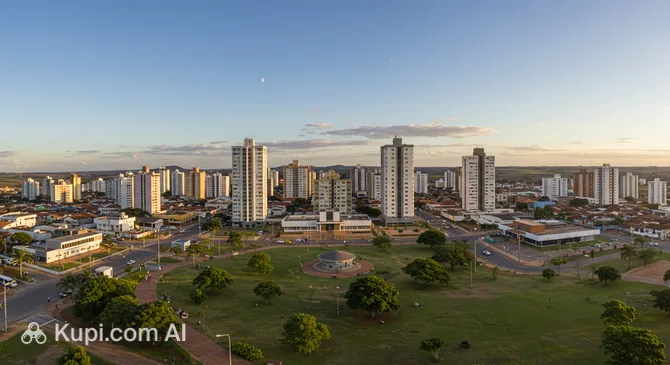
Vilhena, widely known as the "Portal of the Amazon," is a dynamic and welcoming city located in the state of Rondônia. As the main entry point to the northern region of Brazil, it serves as a fascinating transition zone between the vast cerrado savanna and the lush Amazon rainforest. With a population of approximately 94,000 residents, the city boasts a bustling atmosphere while retaining a strong connection to the surrounding natural landscapes.

Vilhena. Source: Kupi.Binoculars

One of the city's most distinct features is its geography and climate. Situated at an altitude of about 600 meters, Vilhena enjoys temperatures that are generally milder and more pleasant than other parts of the region, a characteristic often praised by visitors. Those interested in the local heritage can explore the history of Vilhena, which is deeply rooted in the expansion of telegraph lines and the famous expeditions of Marechal Rondon. The Museu Casa de Rondon stands as a testament to these early days and is a key cultural landmark for tourists.

Beyond its historical roots, the city is a modern hub for agribusiness and offers access to various ecological spots and green spaces. Whether you are passing through on a larger journey across the continent or stopping specifically to appreciate the local culture and cooler weather, Vilhena offers a unique experience. It is an excellent destination to witness the vibrant growth of the Brazilian interior combined with the charm of the Amazonian border.

Weather Overview

Vilhena experiences a tropical climate defined by two very distinct seasons: a prolonged wet period and a dry season. The temperatures remain relatively consistent and warm throughout the year, rarely dropping to uncomfortable levels. To ensure you pack the right gear for your visit, it is advisable to consult the detailed guide on the weather in Vilhena while planning your itinerary.

The rainy season typically spans from December to March, where precipitation is frequent and humidity is higher. January is particularly wet, with rain recorded on up to 29 days of the month. Conversely, the middle of the year brings a stark contrast; June, July, and August are incredibly dry. July, for instance, often sees zero wet days, making it an excellent time for travelers who prefer clear skies and uninterrupted outdoor exploration.

Thermometers in Vilhena generally show pleasant figures, but there are noticeable peaks. September is often the warmest month, with average highs reaching 33.1°C. If you prefer slightly cooler conditions, the dry winter months offer a refreshing break, with minimum temperatures in July dipping to around 18.7°C. Overall, expect warm days year-round, with heavy rainfall characterizing the summer and sunny, dry weather dominating the winter.

Interesting Facts

Beyond the main avenues and the busy highway, Vilhena holds fascinating secrets tied to its unique geography and origins. Here are some intriguing facts that reveal the distinct character of this Amazonian gateway:

  • The "Climate City" Anomaly: Unlike the intense heat typical of the Amazon basin, Vilhena is situated on the Chapada dos Parecis plateau at an altitude of approximately 600 meters. This elevation grants it a refreshingly mild climate, earning it the nickname "Cidade Clima" and making it one of the coolest cities in this part of Brazil.

  • A Living Ecological Border: The city sits precisely on the transition line between two major biomes: the vast Cerrado savanna and the dense Amazon Rainforest. This location creates a unique biodiversity hotspot where travelers can witness the vegetation dramatically shift from shrublands to towering jungle trees.

  • A Tribute to Logistics: The city was named by the legendary explorer Marechal Rondon in honor of Álvaro de Vilhena, who was the Director General of Telegraphs at the time. The name celebrates the administrative support that made the famous expeditions into the remote interior possible, rather than a local settler.

  • The Seed of the City: The oldest standing structure in Vilhena is the Casa de Rondon, a telegraph station built in 1910. Constructed using traditional wattle-and-daub (pau-a-pique) techniques, this humble post served as the original anchor for civilization in the area long before the modern city developed around it.

How to Get There

Reaching this gateway to the Amazon is an adventure in itself, with air travel being the most convenient method for covering the vast distances of the region. For a comprehensive guide on all travel options, including road routes and bus connections, you can read more about how to get to Vilhena.

The city is served by its own local aviation hub, Vilhena Airport (IATA: BVH). Located just 5.5 km from the city center, it is the most direct entry point for visitors. The short commute from the terminal to downtown typically takes approximately 30 minutes by taxi or shuttle. Although it is a smaller regional facility, it provides essential links to major Brazilian cities, often via connecting flights.

Alternatively, travelers might consider flying into Cacoal Airport (IATA: OAL), situated in the neighboring city of Cacoal. However, it is important to note that this airport is about 199.8 km away from Vilhena. Choosing this option requires a significant ground transfer, which can take around 5 to 6 hours by car or bus depending on road conditions. This route is generally recommended only if flight availability to Vilhena is limited.

For clarity, here is a summary of the main airports:

Airport Name City Passenger Traffic Km from City
Cacoal Airport Cacoal Small 199.8
Vilhena Airport Vilhena Small 5.5

Regarding rail travel, the city of Vilhena does not have a railway station offering passenger services, which is common throughout much of this region in Brazil. Visitors arriving by land primarily rely on the extensive long-distance bus network or private vehicles via the BR-364 highway, which serves as the main artery connecting the state of Rondônia to the rest of the country.

Main Attractions

Vilhena offers a compelling mix of historical heritage and natural beauty, making it a worthwhile stop for visitors exploring the state of Rondônia. The city's attractions reflect its origins as a telegraph outpost and its connection to the surrounding Amazonian landscape. Here are some of the key places to visit during your stay.

Museu Casa de Rondon is undoubtedly the most significant historical landmark in the city. This site preserves the original telegraph station built in the early 20th century during the famous expeditions of Marechal Cândido Rondon. It stands as a symbol of the region's development and communication expansion into the Brazilian interior. Tourists interested in history will appreciate the well-preserved architecture and the opportunity to learn about the challenges faced by the pioneers who first settled in this area.

For a taste of local life, Praça Padre Ângelo Spadari is a central gathering spot that buzzes with activity. Located in the heart of the city, this square is often the venue for cultural events, fairs, and community celebrations. It features leisure areas, kiosks, and a pleasant atmosphere perfect for an evening stroll. Visitors can enjoy the local vibe, watch the world go by, or simply relax in one of the city's most beloved public spaces.

Nature lovers should not miss Balneário Piracolino, a popular recreational area located just a short drive from the city center. Situated along the Piracolino River, this spot is famous for its refreshing waters and lush green surroundings. It serves as an excellent escape from the heat, offering families and groups a place to swim, picnic, and enjoy the tranquility of nature. It is a perfect example of the region's accessible natural beauty.

Local Cuisine

The culinary scene in Vilhena is a fascinating reflection of its geographic location and its history of migration. As the "Portal of the Amazon," the city offers the best of Northern Brazilian cuisine, heavily featuring freshwater fish, but it also maintains a strong connection to Southern Brazilian traditions brought by settlers. This unique fusion means you are just as likely to find a traditional barbecue steakhouse as you are a restaurant specializing in river delicacies.

When visiting, the absolute must-try dish is Tambaqui, widely considered the king of Amazonian fishes. In Vilhena, the most popular preparation is Costelinha de Tambaqui (tambaqui ribs), often grilled over charcoal to create a smoky, tender flavor that pairs perfectly with lime and farofa. Another local favorite is Caldeirada, a rich and hearty fish stew cooked with vegetables, eggs, and spices, offering a comforting taste of the region's river culture.

Due to the strong influence of migrants from the south of Brazil, Churrasco (barbecue) is a serious affair here. The city is dotted with churrascarias that serve high-quality cuts of beef, reflecting the region's strong agricultural background. It is common to see locals gathering on weekends for large family barbecues, making grilled meat a central part of the social dining experience alongside the native fish dishes.

To quench your thirst in the warm climate, you will see many locals drinking Tereré. This ice-cold infusion of yerba mate is drunk from a horn or a special cup with a metal straw, a tradition adopted from the southern borders and neighboring Paraguay. For something sweeter, explore the incredible variety of juices made from Amazonian fruits like Cupuaçu, Cajá, and Graviola, which are refreshing staples found in nearly every snack bar across the city.

Dining in Vilhena is generally a casual and welcoming experience. Tourists can choose between specialized Peixarias (fish restaurants) for a more formal meal or visit the lively public squares in the evenings. These open-air spots often feature food stalls selling Pastéis (fried pastries) and skewers, providing a perfect setting to enjoy the local flavors while soaking up the relaxed atmosphere of the city.

Travel Tips

To help you make the most of your trip to the "Portal of the Amazon," we have compiled a set of essential guidelines that cover everything from packing strategies to navigating local customs. These practical tips are designed to ensure your visit to Vilhena is as smooth, safe, and enjoyable as possible.

  1. Clothing and Gear: Since Vilhena enjoys a milder climate than much of the Amazon region, pack a mix of lightweight, breathable clothing for the warm days and a light jacket or sweater for the evenings, especially during the dry winter months (June to August) when temperatures can dip. If you are visiting between December and March, a sturdy umbrella or rain poncho is essential due to frequent downpours. Comfortable, closed-toe walking shoes are a must for exploring parks and ecological sites.
  2. Transportation: Public transport options like buses exist but can be infrequent or difficult for visitors to navigate. The most convenient way to get around the city center is by using local taxis or ride-hailing apps, which are generally available and affordable. However, if you plan to visit attractions on the outskirts, such as the Balneário Piracolino, renting a car is highly recommended to give you the freedom to explore at your own pace.
  3. Finances: The official currency is the Brazilian Real (BRL). While credit and debit cards are widely accepted in hotels, restaurants, and supermarkets, it is crucial to carry some cash for small purchases at street stalls or local fairs. ATMs are available throughout the city, but it is wise to withdraw money during the day for safety. Tipping around 10% is customary in restaurants if the service charge isn't already included.
  4. Health and Safety: As Vilhena is a gateway to the Amazon, carrying and applying insect repellent regularly is non-negotiable to protect against mosquito-borne illnesses. Tap water is generally not safe for drinking; always stick to bottled or filtered water. Pharmacies are plentiful in the city center for basic needs. While Vilhena is relatively safe, exercise standard precautions: avoid walking in poorly lit areas at night and keep valuables discreet.
  5. Communication: Portuguese is the primary language, and you will find that English is not widely spoken outside of major hotels or tour agencies. It is highly useful to learn a few basic phrases like "Bom dia" (Good morning) and "Obrigado" (Thank you). Downloading an offline translation app and an offline map before you arrive will be incredibly helpful for daily interactions and navigation.
  6. Local Etiquette: People in Rondônia are generally warm and hospitable. A handshake or a friendly "thumbs up" gesture is a common and polite way to greet locals. If you are invited to share a Tereré (cold mate tea), accept it graciously; it is a significant social ritual in the region and a great way to bond with residents.
  7. What to Avoid: Do not attempt to explore dense forest areas or unmarked trails without a certified local guide. The transition zone between the Cerrado and the Amazon can be disorienting, and wildlife encounters require professional knowledge. Additionally, avoid taking photos of locals without asking for permission first, as a sign of respect.
  8. Market Life Hack: If you want the freshest local produce and a taste of authentic culture, visit the local street markets (feiras) early in the morning, typically on weekends. This is the best time to buy regional fruits like cupuaçu or artisanal cheeses directly from producers before the midday heat sets in.

By keeping these tips in mind, you will be well-prepared to navigate the unique blend of urban life and nature that Vilhena offers. Embrace the local pace, stay hydrated, and enjoy the warm hospitality that defines this fascinating corner of Brazil.

Entertainment & Nightlife

Vilhena offers a vibrant and welcoming nightlife scene that reflects the city's youthful energy and its position as a cultural crossroads in the region. While it may not have the overwhelming bustle of a metropolis, the city surprises visitors with a variety of options ranging from lively dance clubs playing sertanejo and electronic music to sophisticated lounges and laid-back pubs. The atmosphere is generally casual and friendly, making it easy for tourists to mingle with locals and enjoy the warm evenings of Rondônia.

The heart of the city's evening entertainment is undoubtedly centered around Avenida Major Amarante. This main thoroughfare is the pulse of Vilhena, lined with restaurants, snack bars, and watering holes that stay open late. On weekends, this avenue becomes the primary meeting point where groups of friends gather to start their night. Walking along this well-lit street is the best way to get a feel for the local vibe before heading to a specific venue.

For those looking to experience the local party scene, Espaço S is a standout venue. Known for its modern structure and spacious dance floor, it frequently hosts live bands and DJs, offering an eclectic mix of music that ranges from popular Brazilian hits to international tracks. It is the go-to destination for anyone wanting to dance until the early hours of the morning in a high-energy environment.

If you prefer a more refined atmosphere for conversation and cocktails, Villa Lounge is an excellent choice. This venue distinguishes itself with a sophisticated decor and a menu of elaborate drinks, attracting a crowd that enjoys a slightly more upscale evening. Alternatively, for a truly authentic local experience, Bar do Cazuza offers a relaxed setting perfect for enjoying craft beers and traditional snacks like carne de sol while listening to live music in an open-air environment.

Beyond the nightlife, Vilhena also offers pleasant daytime entertainment options. The Park Shopping Vilhena is the city's modern commercial hub, providing a cool escape from the afternoon heat. It features a food court with diverse dining options and houses the Cine Laser, a cinema complex where you can catch the latest international and Brazilian movie releases in comfort.

Practical advice for enjoying Vilhena at night includes timing your outings correctly. Bars typically start filling up around 8:00 PM, while nightclubs like Espaço S often don't peak until after 11:00 PM. The dress code is generally smart-casual; jeans and a nice shirt are appropriate for almost any venue. Prices are reasonable compared to larger Brazilian capitals, making a night out quite affordable.

Regarding safety and transport, Vilhena is relatively safe, especially in busy areas like Avenida Major Amarante. However, it is always wise to avoid walking alone in poorly lit residential streets late at night. For transportation, mototaxis are a very common and quick way to get around in Rondônia, though regular taxis and ride-hailing apps are also available and recommended for groups or late-night returns to your hotel.

Parks & Museums

Vilhena offers a refreshing balance of urban planning and natural beauty, serving as a cultural crossroads where the history of the Brazilian interior meets the vastness of the Amazon. While the city is not densely packed with large museums, its green spaces and historical sites provide a meaningful glimpse into the life of the pioneers and the region's rich biodiversity.

Praça Nossa Senhora Aparecida is one of the city's most beloved green spaces, located centrally and serving as a primary leisure spot for families. Dominated by the city's main Catholic church, the square features well-kept gardens, shaded walkways, and a peaceful atmosphere that contrasts with the bustling commercial streets nearby. It is an ideal place for an afternoon walk, offering a slice of local life where residents gather to socialize and relax.

For those seeking a deeper connection with nature, the city's surroundings are dotted with "balneários"—natural river bathing spots that function as informal parks. While Balneário Piracolino is the most famous, the region has several other green havens along the local rivers where the vegetation of the Cerrado transitions into the Amazon rainforest. These areas are perfect for visitors who want to experience the local custom of cooling off in fresh, running water surrounded by native trees.

The cultural heart of the city is undoubtedly the Museu Casa de Rondon. This institution is more than just a museum; it is a historical complex that preserves the memory of the Rondon Commission, which was instrumental in opening up the Brazilian northwest. Inside, visitors can find artifacts, photographs, and documents that tell the story of the telegraph lines and the early interactions with indigenous tribes. It is a must-visit for anyone interested in the history of Rondônia and the legacy of Marechal Rondon.

In terms of historical landmarks, the Posto Telegráfico (Telegraph Station) within the Casa de Rondon complex stands out as the city's most significant architectural site. Built in the early 20th century using wattle-and-daub techniques, this humble structure marks the very origin of Vilhena. Unlike modern monuments, its value lies in its authenticity, offering a tangible link to the hardships and determination of the early 20th-century expeditions.

For a truly authentic experience, visitors should explore the Feira do Produtor (Producer's Market). While not a museum, it acts as a living gallery of the region's agricultural culture. Here, you can see the fusion of Southern Brazilian traditions and Amazonian ingredients, from artisanal cheeses to exotic fruits. It is a vibrant venue where the local "Gaúcho" heritage is visibly alive, offering a sensory understanding of the city's unique cultural identity.

Getting Around

Public transport in Vilhena is functional and straightforward, primarily revolving around a bus network and a robust system of individual transport options. Unlike larger metropolises, you will not find subways, trams, or trains here. Instead, the city relies on road-based transit to connect the downtown area with residential neighborhoods and outlying districts. For most visitors, the system is easy to understand, though it operates at a more relaxed pace than in major capital cities.

The local bus service is the main form of mass transit. These buses cover key routes along major avenues like Avenida Major Amarante and connect to essential services such as the airport and the bus terminal. Fares are generally affordable and are typically paid in cash directly to the conductor or driver upon boarding. While electronic cards exist for residents and students, short-term visitors will find it most convenient to carry small bills and coins to pay for their trips without hassle.

A defining feature of transport in this region is the widespread use of mototaxis. These motorcycle taxis are an extremely popular, fast, and cost-effective way to navigate the city. You will see designated stands throughout the center, and drivers wear specific vests to indicate their official status. For a solo traveler, this is often the quickest way to get from point A to point B, offering a breezy ride that bypasses traffic. Always ensure you are provided with a helmet before starting your journey.

For those who prefer the comfort of a car, private ride-hailing apps are available and operate efficiently within the city limits. Services like Uber and 99 are active, providing a safe and price-transparent alternative to traditional street taxis. Regular taxis are also plentiful, usually found at specific stands near public squares, the bus station, and the airport. They run on a meter, but it is often helpful to ask for an estimated fare before departing.

Practical advice for using transport here involves planning ahead, especially in the evenings. Public bus frequencies tend to decrease significantly after business hours and on weekends. If you plan to stay out late enjoying the nightlife, relying on ride-sharing apps or scheduling a taxi pickup is recommended over waiting for a bus. Additionally, because the city is situated on a flat plateau, walking is a pleasant option for short distances in the city center, allowing you to take in the local atmosphere at your own speed.

Accommodation

Vilhena's accommodation scene is primarily designed to support its role as a regional transport and business hub. Visitors will mostly find functional mid-range hotels and budget-friendly guesthouses rather than extensive luxury resorts. The options are generally clean, comfortable, and geared towards road travelers passing through the "Portal of the Amazon" or business professionals visiting the city's thriving agricultural sector.

For the most convenient stay, it is highly recommended to look for lodging in the Centro (City Center), particularly near the main thoroughfare, Avenida Major Amarante. Staying in this area places you within walking distance of the city's best restaurants, banks, and shops. It also offers easy access to taxis and is the safest and most vibrant part of town to be in during the evening.

Most properties in the city offer standard amenities such as air conditioning—essential for the tropical climate—Wi-Fi, and breakfast. Since the city sits on the BR-364 highway, many establishments also provide ample parking facilities for those arriving by car. While you may not find international five-star chains, the local hospitality is warm, and the standards are sufficient for a pleasant short-term stay.

The cost of accommodation in Vilhena is generally very reasonable compared to larger Brazilian capitals. Travelers can expect affordable rates for decent rooms. While major online booking platforms cover the larger hotels, some smaller, family-run establishments may still rely on direct bookings via phone or messaging apps. It is advisable to book your room in advance, especially if you are visiting during major agricultural fairs or local festivals, when the city sees an influx of visitors.

Nearby Cities

For those looking to explore the surroundings, Vilhena serves as an excellent base for day trips to several interesting nearby locations. Although the distances in this vast region of Brazil can be significant, the drive reveals the transition between the cerrado and the rainforest, leading to cities with their own distinct identities. Two notable destinations worth considering for a visit are Cacoal and Ji-Paraná.

Cacoal, known as the "Capital of Coffee" in Rondônia, is a vibrant agricultural hub located approximately 200 kilometers away. It offers visitors a chance to see the state's thriving coffee culture and is home to the Cacoal Selva Park, a popular eco-tourism spot. Further north lies Ji-Paraná, the second-largest city in the state. Situated on the banks of the Machado River, it features attractive river islands and serves as a major commercial center, often referred to as the "Heart of Rondônia."

City Population Distance (km)
Ji-Paraná 131,560 288
Cacoal 85,893 205
Rolim de Moura 55,407 212
Pontes e Lacerda 43,538 289
Juina 42,000 208

These nearby destinations offer a glimpse into the diverse culture and landscapes of the region, providing a broader perspective on life in the Brazilian interior.

Shopping & Souvenirs

Shopping in Vilhena offers a practical and authentic experience that reflects its status as a regional commercial hub. While the city may not be a global fashion capital, it serves as the primary trade center for the Southern Cone of Rondônia. Visitors will find a mix of modern retail options and traditional local commerce, ranging from well-known national brands to small shops selling regional goods. It is an excellent place to stock up on essentials or to hunt for unique items that characterize the transition between the cerrado and the Amazon.

The heartbeat of the city's commercial life is undoubtedly Avenida Major Amarante. This bustling avenue runs through the center of Vilhena and acts as an open-air shopping mall. Here, you can stroll past a wide variety of stores selling clothing, footwear, electronics, and cosmetics. It is the busiest street in town, where locals go for their daily needs, and it offers a lively atmosphere for tourists who want to window-shop while observing the local rhythm of life.

For a more modern and climate-controlled environment, Park Shopping Vilhena is the city's premier destination. As the main shopping mall in the region, it provides a comfortable escape from the heat with a selection of department stores, fashion boutiques, and specialty shops. It is the ideal spot to find familiar Brazilian brands, browse for accessories, or simply enjoy a convenient shopping experience with all amenities under one roof.

To truly taste the local culture, a visit to the Feira do Produtor (Producer's Market) is essential. This market is a vibrant showcase of the region's agricultural strength. Walking through the stalls, you will find an abundance of fresh tropical fruits, artisanal cheeses, and the famous river fish of the Amazon basin. It is the perfect place to engage with local farmers and discover ingredients that are unique to this part of Brazil.

When it comes to souvenirs, the best items to bring back are those that represent the local flavors and craftsmanship. Look for artisanal sweets made from native fruits like cupuaçu and buriti, which make for delicious gifts. Additionally, given Rondônia's growing reputation for high-quality coffee production, buying a bag of locally roasted coffee is a great way to take a piece of the region home. Indigenous handicrafts, often sold in smaller shops or at fairs, also make for meaningful keepsakes.

Store hours in Vilhena generally follow standard business practices. Street shops on Avenida Major Amarante typically open from 8:00 AM to 6:00 PM on weekdays and until noon on Saturdays. The shopping mall operates longer hours, usually from 10:00 AM to 10:00 PM, including Sundays. Credit and debit cards are widely accepted throughout the city, even in smaller establishments, though carrying some cash is advisable for small purchases at street markets.

Travelers should be aware that Brazil does not operate a VAT refund system for international tourists similar to those found in Europe or North America. Therefore, the price you see on the tag is the final price, and tax-free shopping is not available in Vilhena.
Reached the end of the page?

That means the route is fully explored