Support

Guayaramerin

About

Discover the vibrant spirit of Guayaramerin, a bustling port city located in the northeastern corner of the Beni Department. Situated on the left bank of the majestic Mamoré River, this lively town serves as a crucial gateway for trade and travel in northern Bolivia. With a population of approximately 36,000 residents, it offers a unique blend of Amazonian charm and the dynamic energy typical of a border settlement.

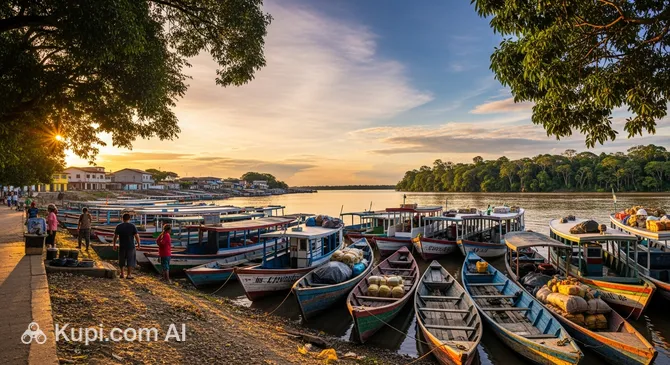
The city sits directly across the river from the Brazilian municipality of Guajará-Mirim, making it a significant commercial hub where cultures and commerce seamlessly mix. The climate here is distinctly tropical, characterized by warm temperatures and lush surroundings that reflect the region's proximity to the Amazon basin. Visitors are often drawn to the riverfront, where small boats constantly ferry passengers and goods between the two countries, creating a picturesque and animated scene.

Guayaramerin. Source: Kupi.Binoculars

While modern commerce drives much of the daily life here, the history of Guayaramerin is deeply rooted in the era of the rubber boom, which played a pivotal role in shaping the region's development. Today, travelers can enjoy a variety of experiences, from taking a scenic boat ride on the Mamoré River to exploring the vibrant local markets filled with goods from both sides of the border. The city is also an excellent starting point for eco-tourism adventures into the surrounding jungle areas.

Whether you are passing through on a journey across the continent or looking to experience the unique atmosphere of a Bolivian border town, Guayaramerin welcomes you with open arms. Its friendly locals, tropical setting, and bustling streets make it an intriguing stop for any adventurer exploring this remote and fascinating part of the country.

Weather Overview

Guayaramerin enjoys a tropical climate defined by consistent warmth and a clear distinction between wet and dry periods. Visitors can generally expect hot days throughout the year, with average monthly temperatures rarely dropping below 25°C. For a comprehensive breakdown of seasonal trends, you can consult the guide to weather in Guayaramerin to help schedule your visit.

The dry season, occurring roughly between June and August, is often considered the most comfortable time to travel. During these months, precipitation is scarce—July, for instance, typically sees only 1 wet day—and minimum temperatures can cool down to around 20.5°C. This creates excellent conditions for outdoor activities along the river without the interruption of frequent showers.

From November to March, the region shifts into its wet season, characterized by high humidity and frequent rainfall, with January and March seeing rain on up to 27 to 28 days. The period just before the rains, particularly September, is usually the hottest, with average temperatures climbing to 29.2°C and highs reaching nearly 35°C.

Interesting Facts

Beyond its reputation as a busy border crossing, Guayaramerin holds several fascinating details that reveal its historical importance and unique daily life. Here are a few intriguing facts about this Amazonian port city:

  • A Name Rooted in Rapids: The name "Guayaramerin" is of Tupi-Guarani origin, meaning "Small Rapids." It mirrors the name of its Brazilian sister city across the river, Guajará-Mirim. Both were named after the rocky cataracts in the Mamoré River that historically blocked navigation, forcing travelers and traders to stop and settle at this precise location.

  • Naval Presence in a Landlocked Nation: Despite Bolivia being a landlocked country, Guayaramerin serves as a significant base for the Bolivian Navy. Visitors are often surprised to see naval vessels and officers in white uniforms patrolling the waterways, maintaining sovereignty over the extensive river network of the Amazon basin.

  • A Jungle Shopping Mall: The city is a bustling commercial phenomenon, often described as an open-air market for the region. It attracts thousands of Brazilian visitors who cross the river daily to buy imported electronics, beverages, and textiles, creating a lively "duty-free" atmosphere deep in the rainforest.

  • The Rubber Boom Connection: The city's development was directly linked to the legendary rubber boom of the late 19th and early 20th centuries. It acted as the strategic Bolivian terminal for rubber exports, feeding into the transportation route of the famous Madeira-Mamoré Railway—often called the "Devil's Railroad"—which ran along the Brazilian bank to bypass the treacherous river rapids.

How to Get There

Reaching this northern outpost in the Beni Department is an adventure in itself, often involving a combination of air and ground travel. While the city is remote, it is accessible via nearby transport hubs in both Bolivia and Brazil. For a detailed breakdown of routes and tips, you can read more about how to get to Guayaramerin.

One of the most common entry points for travelers within Bolivia is Gen Buech Airport (RIB). It is important to note that this airport is not located in Guayaramerin itself but in the neighboring city of Riberalta. It is a regional hub with moderate passenger traffic, situated approximately 85.5 km away. After landing, you will need to take a taxi or bus to reach your final destination; the road journey typically takes around 2 hours and 30 minutes.

For those approaching from the Brazilian side or looking for more extensive flight connections, Porto Velho International Airport (PVH) is a major option. Located in the city of Porto Velho, Brazil, this airport handles a significantly larger volume of passengers. It is about 283 km from Guayaramerin. Travelers choosing this route should be prepared for a longer transfer that involves crossing the international border, with the drive taking roughly 7 hours and 30 minutes.

For clarity, here is a summary of the main airports nearby:

Airport Name City Passenger Traffic Km from City
Porto Velho International Airport Porto Velho Large 282.9
Gen Buech Airport Riberalta Medium 85.5

Main Attractions

Mamoré River is undoubtedly the lifeblood of the city and a primary draw for visitors. As a natural border between Bolivia and Brazil, this majestic waterway offers more than just scenic views; it is a hub of constant activity. Tourists can take boat tours to observe the lush Amazonian flora lining the banks or simply watch the colorful mix of small vessels ferrying passengers and goods across the water. The riverfront is especially captivating at sunset, providing a stunning backdrop for evening strolls.

In the heart of the town lies the Plaza Principal 23 de Marzo, a vibrant gathering spot that showcases the local social life. Surrounded by important civic buildings and shaded by tropical trees, the square is perfect for experiencing the relaxed atmosphere of the region. It serves as a central point where families meet, vendors sell local snacks, and travelers can observe the daily rhythm of this border community.

For those interested in the region's commercial energy, the Mercado Central is a must-visit destination. Guayaramerin is famous for its bustling trade, and this market area reflects that dynamic spirit. Visitors can browse through an array of products, from imported electronics and textiles to fresh local produce and Amazonian fruits. It is a fascinating place to witness the cross-border economic exchange that defines the city's identity.

Another architectural highlight is the Iglesia Nuestra Señora de Guadalupe. This parish church stands out with its distinct design and serves as a spiritual landmark for the residents. Its well-maintained structure and peaceful interior offer a quiet contrast to the busy streets outside, making it a worthwhile stop for those appreciating local culture and religious history.

Local Cuisine

The culinary scene in Guayaramerin is a delightful reflection of its location in the heart of the Bolivian Amazon, blended with the vibrant culture of the Beni Department. The cuisine here is heavily influenced by the abundance of fresh ingredients from the surrounding jungle and rivers. Unsurprisingly, freshwater fish is the star of many local tables, offering a freshness that is hard to beat.

When visiting, you must try the local fish varieties, particularly Pacú and Surubí. These are typically prepared simply to highlight their natural flavor, often grilled or fried and served with sides of rice, cassava (yucca), and fresh salad. Another regional staple is Majadito, a comforting dish made with rice, dried meat (charque), eggs, and fried plantains. For a traditional breakfast or afternoon snack, look for Masaco, which consists of mashed plantains or yucca mixed with cheese or meat jerky.

To combat the tropical heat, locals turn to a variety of refreshing beverages made from exotic Amazonian fruits. Freshly squeezed juices are widely available, with Copoazú and Achachairú being local favorites known for their unique sweet-tart profiles. You should also try Leche de Majo, a creamy, milk-like drink extracted from the fruit of the Majo palm. On the alcoholic side, cold beer is the standard accompaniment to meals, though you might also find cocktails mixing local spirits with tropical fruit flavors.

The food culture in Guayaramerin is relaxed and informal. For an authentic experience, head to the bustling markets early in the morning where vendors serve hearty breakfasts and savory pastries like salteñas and tucumanas. In the evenings, restaurants along the riverfront offer a scenic setting to enjoy dinner while watching the boats on the Mamoré River. Due to the proximity to Brazil, it is also common to find dishes that fuse local traditions with Brazilian influences, adding an extra layer of variety to the gastronomy.

Travel Tips

To ensure your trip to Guayaramerin is as smooth and enjoyable as possible, a little preparation goes a long way in this bustling border town. These practical tips will help you navigate the local customs, climate, and logistics, allowing you to focus on the unique Amazonian atmosphere.

  1. Clothing and Gear: Given the tropical climate of the Beni Department, pack lightweight, breathable fabrics like cotton or linen to stay cool. A sturdy pair of comfortable walking shoes is essential for exploring the unpaved sections of the city, and sandals are great for casual outings. Since sudden downpours are common, especially in the wet season, bringing a compact rain poncho or umbrella is highly recommended. Don't forget a high-quality insect repellent and a sun hat to protect against the strong Amazonian sun.

  2. Transportation: The most common and convenient way to get around Guayaramerin is by mototaxi (motorcycle taxi). They are inexpensive and can be found on almost every corner; just be sure to agree on the fare before hopping on. Regular car taxis are less common but available. If you plan to cross the river to Guajará-Mirim in Brazil, small passenger boats operate frequently from the main port, serving as the primary link between the two cities.

  3. Finances: The official currency is the Boliviano (BOB). While some larger shops and hotels may accept credit cards, cash is definitely king here for daily transactions, markets, and transport. Due to the proximity to Brazil, the Brazilian Real is also widely accepted in many commercial establishments. ATMs are available near the main plaza, but it is wise to carry enough cash as a backup in case of technical issues or network outages.

  4. Health and Safety: As this is a tropical region, protecting yourself from mosquito bites is a priority to avoid illnesses like dengue fever; wear long sleeves in the evenings. Always drink bottled or purified water rather than tap water to prevent stomach issues. Pharmacies are generally well-stocked with basic necessities, but for serious medical concerns, the local hospital can provide assistance. Guayaramerin is generally safe, but keep an eye on your belongings in crowded market areas.

  5. Communication: Spanish is the primary language, but you will hear a significant amount of Portuguese spoken due to the heavy Brazilian influence. English is not widely spoken, so learning a few basic phrases in Spanish will be extremely helpful. Buying a local SIM card (Entel, Tigo, or Viva) is easy and recommended for staying connected, as Wi-Fi speeds in hotels can sometimes be slow.

  6. Local Etiquette: People in this region are generally warm and laid-back. It is polite to greet shopkeepers and drivers with a friendly "Buenos días" or "Buenas tardes." Life here moves at a relaxed pace, often referred to as "hora beniana," so patience is a virtue when waiting for service or transport. If you are invited to share a meal, it is customary to finish everything on your plate.

  7. What to Avoid: Avoid taking photographs of military personnel, naval boats, or government buildings near the border and river without permission. As a strategic border zone with a naval base, security officials can be sensitive about photography. Also, refrain from swimming in the Mamoré River unless you are with a guided tour in a designated safe area, as currents can be strong and wildlife unpredictable.

  8. Siesta Time: Be aware that many businesses and smaller shops close for a midday break, typically between 12:00 PM and 2:00 PM, to escape the peak heat. Plan your shopping or errands for the morning or late afternoon to ensure everything is open.

Armed with these tips, you are ready to immerse yourself in the vibrant daily life of Guayaramerin. Embrace the heat, enjoy the cross-cultural energy, and have a safe journey exploring this fascinating gateway to the Bolivian Amazon.

Entertainment & Nightlife

Entertainment and nightlife in Guayaramerin reflect the city's energetic, tropical spirit and its unique position as a border hub. The atmosphere here is unpretentious, loud, and welcoming, characterized by a mix of Bolivian traditions and the festive influence of neighboring Brazil. While you won't find high-end luxury clubs, the town offers a genuine local experience where residents gather to socialize, drink cold beer, and enjoy music late into the night.

The nightlife scene is heavily dominated by karaoke bars and open-air venues, which act as the primary social centers after dark. These spots are popular among locals who love to sing and dance to a variety of genres, from cumbia and salsa to Brazilian sertanejo. A couple of the well-known establishments where you can witness this lively dynamic include Karaoke Escala and Karaoke California. These venues typically start filling up around 9:00 PM or 10:00 PM and remain bustling until the early morning hours, offering a fun and casual environment to mix with the friendly crowd.

Most of the action is concentrated within a few blocks of the city center and along the main avenues leading towards the riverfront. The dress code is almost exclusively casual; due to the persistent heat, jeans and t-shirts are the norm, even in nightclubs. Prices are generally very affordable compared to larger Bolivian cities, with domestic beer and local cocktails being the beverages of choice. It is common for groups to share large bottles of beer at plastic tables, enjoying the cool night breeze.

For safety and convenience, it is highly recommended to use mototaxis (motorcycle taxis) when moving between venues at night. They are ubiquitous, cheap, and the standard mode of transport for locals. While the central areas near the plaza and popular bars are generally safe, it is wise to avoid walking alone in poorly lit streets on the outskirts of town. Always keep an eye on your personal belongings in crowded places and agree on a fare before hopping onto a bike.

During the day, entertainment shifts towards nature and relaxation to escape the midday sun. Locals and visitors often head to nearby "balnearios" (recreational swimming spots) or private pools on the city's periphery to cool off. The river itself offers opportunities for boat trips, while the vibrant commercial streets provide a different kind of diversion for those who enjoy browsing markets for goods from both sides of the border.

Parks & Museums

While Guayaramerin is primarily known as a bustling commercial port, the city and its surroundings offer pockets of greenery and cultural depth that reflect its Amazonian identity. The local parks provide a welcome respite from the tropical heat, while the cultural venues offer a glimpse into the region's history, art, and the enduring legacy of the rubber boom era.

Instead of large formal gardens, the city's connection to nature is best experienced along the Costanera, or riverfront promenade. This area serves as the primary open-air recreational space where the urban grid meets the wild beauty of the Mamoré River. It offers panoramic views of the water and the Brazilian shore, providing a refreshing breeze that draws locals for evening walks. It is a perfect spot to appreciate the vastness of the surrounding rainforest environment without leaving the city limits.

For a quiet escape within the town, Plaza Hernán Roca Casanovas is a charming alternative to the main square. While the central plaza acts as a social hub, this smaller square offers a more peaceful atmosphere suitable for reading or leisurely strolls. Shaded by large tropical trees, it provides a cool refuge where residents often go to rest and chat, showcasing the city's effort to maintain green living spaces amidst the commercial development.

The cultural heart of the city is undoubtedly the Palacio de la Cultura y Galería de Notables del Beni "Dr. Aldo Bravo Monasterio". This imposing building is not only an architectural landmark but also the epicenter of artistic and intellectual life in Guayaramerin. Managed by the local university, it hosts rotating art exhibitions, literature events, and displays honoring notable figures from the region. Visitors can admire murals and learn about the social history of the area, making it an essential stop for anyone wanting to understand the local heritage beyond the surface level of trade.

Although formal museums are scarce, the city is home to the Museo Etnográfico Municipal, which preserves the legacy of the indigenous peoples of the Amazonian lowlands. This modest facility houses collections of artifacts, traditional tools, and crafts that tell the story of the tribes who have inhabited the riverbanks for centuries. It provides valuable context regarding the diverse ethnic groups of the Beni region and their relationship with the majestic river environment.

For a truly authentic recreational experience, venture to the outskirts of the city to visit a local balneario (natural swimming spot). Places like these are where the true "Guayaramerinense" lifestyle shines on weekends. Families gather at these semi-natural pools, often fed by creeks or springs, to cool off, cook outdoor meals, and enjoy music. It is a fantastic way to mingle with residents and experience the relaxed, water-centric culture of the Bolivian tropics.

Getting Around

The public transport system in Guayaramerin is informal, decentralized, and distinctly adapted to the tropical environment of the region. Unlike larger metropolitan areas, you will not find a metro, tram, or extensive municipal bus network here. Instead, the city relies almost exclusively on smaller, more agile vehicles that can navigate the streets quickly. For the vast majority of residents and visitors, getting around means using the ubiquitous motorcycle taxis, locally known as mototaxis, which serve as the backbone of urban mobility.

Mototaxis are impossible to miss; they congregate on nearly every street corner and buzz through the main avenues at all hours. They are the fastest and most economical way to travel from one point to another. Drivers typically wear numbered vests identifying them as members of a specific union or association, which adds a layer of security compared to unmarked drivers. While regular four-wheeled taxis (often called "radio móviles") do exist, they are less frequent and usually reserved for transporting luggage, traveling in groups, or moving around during heavy rainstorms.

Given the city's location on the border, water transport is a unique and essential component of the local system. Small passenger boats and ferries operate constantly across the Mamoré River, connecting the city to the Brazilian municipality of Guajará-Mirim. These boats depart from the main port area and function much like a bus service, departing as soon as they fill up with passengers. This river crossing is a routine commute for many locals involved in cross-border trade.

The payment system in Guayaramerin is strictly cash-based. There are no travel cards, electronic passes, or mobile payment apps for transport. You will need to pay the driver directly in the local currency upon reaching your destination. Prices for mototaxi rides within the city limits are generally standard and very affordable, but fares can increase slightly for longer distances to the outskirts or at night. It is always wise to carry small bills and coins, as drivers may not always have change for large denominations.

For tourists, navigating this system is straightforward but requires a bit of communication. Since there are no fixed bus stops or timetables, you simply hail a mototaxi or taxi from the side of the road. Before hopping on a motorcycle, it is customary and recommended to confirm the fare with the driver to avoid misunderstandings later. While mototaxis operate late into the night, availability drops after midnight, so it is better to call a radio taxi service if you are out very late.

Alternatives like ride-sharing apps (such as Uber) are not available in this area. Walking is a viable option for the city center, which is compact and flat, but the heat and humidity often make motorized transport more appealing. Bike rentals are not a standard commercial offering, although cycling is common among residents. If you choose to use the mototaxis, hold on to the rear handle bars securely, and don't hesitate to ask for a helmet, though usage varies widely among locals.

Accommodation

Accommodation in Guayaramerin is designed primarily to serve the needs of traders, transit travelers, and those exploring the Amazonian borderlands of Bolivia. Visitors should not expect sprawling luxury resorts; instead, the city offers a selection of practical and affordable options. The range typically includes small to mid-range hotels, family-run residenciales, and budget hostels. Given the tropical climate, many establishments emphasize essential comforts such as air conditioning and private bathrooms, which are highly valued after a day in the heat.

The most popular area for tourists to stay is around the Plaza Principal. This central location offers a quieter atmosphere while keeping you close to the main church, local dining spots, and the city’s social heart. For travelers who prioritize logistics or are passing through quickly, the neighborhoods near the port and the commercial markets are convenient alternatives. These areas are bustling with activity from the early morning, placing you right in the middle of the cross-border action and close to the boats departing for Brazil.

Regarding booking, the approach here is often more traditional than in larger tourist hubs. While a few established hotels may be listed on major online platforms, many smaller lodgings still rely on direct contact or walk-ins. It is generally easy to find a room upon arrival, but securing a reservation in advance is a smart move during local festivals or peak commercial seasons. Prices are generally very wallet-friendly, fitting comfortably into a budget or mid-range travel plan. Travelers should be prepared to pay in cash (Bolivianos), as card payment facilities are not universally available in all guesthouses.

Nearby Cities

For those looking to explore the surroundings, Guayaramerin serves as an excellent base for day trips to several interesting nearby locations:

The most accessible and popular destination for a day trip is Riberalta, located approximately 80 kilometers to the southwest. Known as the "Capital of the Bolivian Amazon," this city sits at the confluence of the Beni and Madre de Dios rivers. Visitors are drawn to its vibrant commercial atmosphere, the production of Amazon nuts (Brazil nuts), and the stunning natural scenery where the two distinctively colored rivers meet.

Although situated in a different country, the Brazilian city of Guajará-Mirim is effectively a neighbor, lying just across the Mamoré River. A quick boat ride transports travelers to this historic settlement, where they can visit the museum dedicated to the legendary Madeira-Mamoré Railway. It offers a perfect opportunity to experience Brazilian cuisine, culture, and architecture before returning to the Bolivian side by sunset.

For nature enthusiasts, the immediate surroundings of Guayaramerin offer access to the Cachuela Esperanza rapids further down the Beni River. While slightly further afield, this area is rich in history related to the rubber boom era and provides a spectacular natural setting for those willing to venture a bit deeper into the department's landscape.

City Population Distance (km)
Trinidad 130657 446
Riberalta 99070 79
Cobija 46267 372
San Borja 24610 471
Caranavi 21883 604

These nearby destinations offer a glimpse into the diverse culture and landscapes of the region.

Shopping & Souvenirs

Shopping in Guayaramerin is a unique experience defined by its status as a bustling border city and a commercial Free Zone. The city functions as a massive open-air marketplace, primarily catering to Brazilian visitors who cross the Mamoré River to purchase imported goods at competitive prices. For tourists, this creates a lively atmosphere where you can find everything from high-end electronics, perfumes, and imported spirits to local Amazonian handicrafts. The variety of goods is surprisingly extensive for a town of its size, reflecting its role as a key trading hub in the Beni Department.

The main commercial activity is concentrated in the blocks immediately surrounding the River Port (Puerto de Guayaramerin) and extending towards the city center. As you disembark from the boats, you are immediately greeted by streets lined with shops and vendors. The area along Avenida General Federico Román is particularly active, filled with stores selling clothing, footwear, and household items. This district is vibrant and chaotic, with merchandise often spilling out onto the sidewalks, inviting passersby to browse the latest arrivals from overseas.

Unlike large metropolitan areas, Guayaramerin does not have massive modern shopping malls. Instead, the retail scene is dominated by "galerías" (shopping galleries) and independent commercial centers. These are typically multi-story buildings housing dozens of small stalls and boutiques under one roof. They offer a comfortable, shaded environment to shop for electronics, watches, and toys. While they may lack the polish of international malls, they make up for it with variety and the opportunity to haggle for better prices.

For a taste of local life and regional products, a visit to the Mercado Central is essential. This market is the heart of the city's daily commerce, offering fresh produce from the Amazon, including exotic fruits, fish, and spices. It is also a great place to find affordable clothing and everyday items. Walking through the aisles, you will experience the authentic sights and smells of the Bolivian tropics, distinct from the duty-free focus of the import shops.

When looking for souvenirs, consider bringing back items that represent the Amazonian region. Brazil nuts (castañas) are a major local product and are often sold fresh and cheap. You can also find beautiful wooden handicrafts carved by local artisans, leather goods, and chocolates made from locally grown cacao. Due to the city's history with the rubber boom, you might occasionally find rubber-based crafts or items celebrating this heritage.

Store opening hours typically follow a split schedule to accommodate the tropical heat. Most shops open around 8:00 AM, close for a "siesta" break from approximately 12:00 PM to 2:00 PM, and then reopen until 7:00 PM or 8:00 PM. Regarding payment, cash is king. While the official currency is the Boliviano (BOB), the Brazilian Real (BRL) is widely accepted everywhere due to the volume of cross-border trade. US Dollars may be accepted in larger electronics stores, but it is best to ask first. Credit cards are not universally accepted, especially in smaller stalls and markets.

Guayaramerin operates as a commercial Free Zone (Zona Franca), which means that many imported goods are sold with reduced duties, resulting in lower shelf prices compared to other parts of Bolivia. However, there is no formal "Tax-Free" refund system (VAT refund) for international tourists to claim money back at the airport. The savings are already reflected in the initial purchase price of the imported items.
Reached the end of the page?

That means the route is fully explored