Support

Trinidad

About

Welcome to Trinidad, the vibrant capital of the Beni Department in the northeastern lowlands of Bolivia. Known officially as La Santísima Trinidad, this city serves as a crucial gateway to the immense biodiversity of the Amazon basin. With a population of approximately 130,000 residents, it offers a unique blend of urban energy and tropical tranquility, characterized by a warm, humid climate and a distinctively relaxed pace of life.
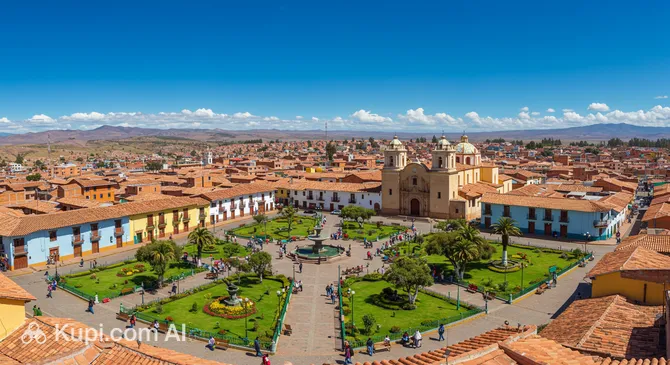
Trinidad. Source: Kupi.Binoculars

One of the first things visitors notice is the city's unique transportation culture; the streets are teeming with motorcycles rather than cars, making "moto-taxis" the most popular and convenient way to get around. While the modern city is bustling, delving into the history of Trinidad reveals its deep roots as a Jesuit mission founded in 1686. This heritage is still felt in the city's layout and the enduring cultural traditions of the region.

Trinidad is an ideal destination for nature lovers and adventurers. Just a short distance from the city center, the Ibare and Mamoré rivers offer exceptional opportunities for wildlife watching. Boat tours frequently allow travelers to spot the famous pink river dolphins, known locally as bufeos, as well as capybaras and exotic birds. Additionally, the nearby Chuchini Ecological Reserve provides a fascinating mix of jungle trekking and archaeological insights into the ancient hydraulic cultures of the Moxos Plains.

Whether you are enjoying a refreshing drink in the shade of the main square, Plaza Mariscal José Ballivián, or embarking on a river safari, Trinidad promises a memorable experience. It is a perfect starting point for anyone eager to explore the lush landscapes and warm hospitality of the Bolivian tropics.
Weather Overview

Trinidad experiences a tropical climate characterized by consistently warm temperatures and distinct seasonal variations in rainfall. The city remains hot for most of the year, with average monthly temperatures generally ranging from 24°C to 29°C. October is typically the warmest month, where daily highs can reach around 33.4°C, while the period from June to July offers slightly milder conditions with minimum temperatures dipping near 19°C.

When planning your visit, it is important to consider the precipitation patterns. The weather in Trinidad is defined by a pronounced wet season from November through March, during which rain is very frequent; for instance, January can see precipitation on up to 25 days. Conversely, the dry season, spanning roughly from June to August, is much sunnier, with July recording as few as 2 wet days, making it a popular time for outdoor activities.

Interesting Facts

Beyond the main attractions, Trinidad holds many fascinating secrets that highlight its unique position in the Amazonian lowlands. From ancient engineering marvels to modern adaptations, the city offers a deeper story for those willing to look closer.
  • Ancient Hydraulic Civilization: The region surrounding Trinidad was once home to a sophisticated pre-Hispanic society that mastered the challenging landscape. Long before European arrival, indigenous peoples built massive artificial earthen mounds known as lomas and an intricate network of canals to manage seasonal floods, traces of which are still visible from the air today.

  • A City Protected by Walls: Due to the extreme seasonal flooding of the Mamoré River basin, the urban area is encircled by a massive dyke system. This ring road, known as the Circunvalación, acts as a defensive barrier that effectively turns the city into a dry island when the surrounding plains submerge during the wet season.

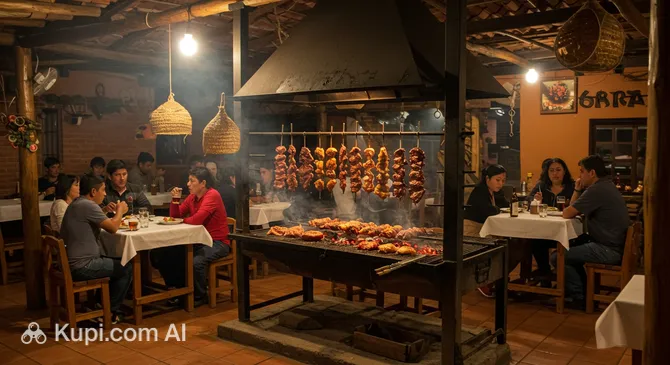
  • The Cattle Capital: The Beni Department is the heart of Bolivia's livestock industry, where cattle are said to vastly outnumber the human population. This deep-rooted ranching heritage makes the city a premier destination for carnivores, with local dining spots like Siete Toros serving high-quality beef that is a source of local pride.

  • The Macheteros Tradition: Trinidad is the cultural center for the Macheteros, a spectacular traditional dance performed during the "Chope Piesta" festival. Dancers wear iconic headdresses made of brilliant macaw feathers arranged in a fan shape, symbolizing the rising sun and the enduring spirit of the Moxeño culture.

Siete Toros. Source: Kupi.Binoculars

How to Get There

Reaching this Amazonian city is an adventure in itself, with air travel being the most convenient method for most visitors. For a comprehensive overview of all transport options, you can read more about how to get to Trinidad.

The primary gateway to the city is Teniente Jorge Henrich Arauz Airport (IATA: TDD). Conveniently located within Trinidad itself, it sits just 2.3 km from the city center. A taxi or shuttle ride to the main hotels typically takes approximately 5-10 minutes, making it an incredibly accessible landing point. This airport serves as a vital regional hub, connecting the Beni Department with other major Bolivian cities like Santa Cruz and La Paz.

Another airport in the wider region is Rurrenabaque (IATA: RBQ), located in the town of Rurrenabaque. However, travelers should be aware that this airport is approximately 288 km away from Trinidad. While it is a key entry point for the Madidi National Park, the overland journey to Trinidad from here is long and depends heavily on road conditions.

For clarity, here is a summary of the main airports:

Airport Name City Passenger Traffic Km from City
Teniente Jorge Henrich Arauz Airport Trinidad Medium 2.3
Rurrenabaque Rurrenabaque Small 288.4

As there are no passenger railway services connecting to Trinidad, overland travel is primarily conducted by bus. Long-distance buses frequently arrive from Santa Cruz de la Sierra, though the journey can take several hours depending on the season and the state of the roads. The route offers scenic views of the transition from the dry forests to the lush Moxos plains.

Main Attractions

Exploring Trinidad offers a delightful mix of cultural heritage, natural wonders, and local culinary experiences. The city center is anchored by the Plaza Mariscal José Ballivián, a lush and spacious main square that reflects the tropical character of the region. Unlike typical concrete plazas, this green haven is filled with tall trees where observant visitors can sometimes spot sloths resting in the branches. It serves as the social heart of the city, surrounded by the cathedral and colonial-style buildings, making it the perfect place to observe local life.

For those interested in the immense biodiversity of the Amazon basin, the Museo Ictícola (Fish Museum) is a must-visit. Located on the university campus, it houses one of the most comprehensive collections of aquatic species in South America. The museum displays hundreds of preserved specimens, including the famous pink river dolphin (bufeo) and various species of piranhas, offering a fascinating insight into the life teeming beneath the waters of the Beni Department's rivers.

To understand the deep history of the region, travelers should visit the Museo Etno-Arqueológico del Beni "Kenneth Lee". This museum is dedicated to the ancient Moxos civilization, known for their sophisticated hydraulic engineering and earthworks. The exhibits feature pottery, tools, and artifacts that tell the story of how pre-Hispanic cultures thrived in these floodplains, providing a rich context to the landscapes you see around the city today.

No visit to the "cattle capital" of Bolivia is complete without sampling its renowned beef. Siete Toros is a celebrated spot for experiencing the region's culinary pride. As a traditional churrasquería, it offers visitors the chance to taste high-quality local cuts prepared in the classic style. It is a favorite among locals and tourists alike for its authentic atmosphere and hearty portions.

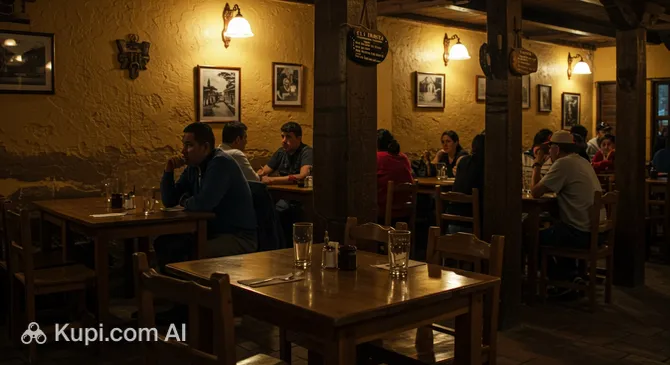
El Tabano Pub. Source: Kupi.Binoculars

After a day of sightseeing in the tropical heat, relaxing with a cold drink is a popular pastime. El Tabano Pub provides a welcoming environment to unwind. Known for its eclectic decor and friendly vibe, it is a great venue to mingle with residents and enjoy the city's nightlife. Whether you are looking for a refreshing cocktail or a casual meal, this spot captures the laid-back spirit of Trinidad.

Local Cuisine

The culinary scene in Trinidad is a delicious reflection of its location in the heart of the Bolivian Amazon and its status as the capital of the cattle-rich Beni Department. The food culture here is hearty and unpretentious, heavily relying on high-quality beef, fresh river fish, and staples like rice, yuca (cassava), and plantains. For visitors, dining in this city offers a genuine taste of the tropical lowlands, distinct from the Andean cuisine found in the western parts of the country.

Given the region's ranching heritage, meat lovers will find themselves in paradise. A signature dish you must try is Keperi Beniano, a cut of beef that is marinated in lemon juice and spices, then slow-roasted until it is incredibly tender. It is typically served with a fresh salad, rice, and fried yuca. Another local favorite is Pacumutu, consisting of large, flavorful beef skewers grilled over an open fire. For those who prefer seafood, the nearby rivers provide an abundance of fresh fish, such as Surubí and Pacú, which are often grilled or fried to perfection.

Beyond main courses, the region is known for its unique snacks and side dishes. Masaco is a traditional comfort food made by mashing boiled plantains or yuca and mixing it with cheese or charque (dried meat). It is a popular choice for breakfast or an afternoon snack. To combat the sweltering tropical heat, locals turn to refreshing drinks like Chivé, a beverage made from fermented manioc flour mixed with water and sugar, or fresh fruit juices made from Amazonian fruits like copoazú and achachairú.

When it comes to dining out, the options range from bustling local markets to established restaurants. The markets are the best place to experience authentic street food and see daily life in action. For a more formal dining experience centered around the region's famous beef, Siete Toros is a standout destination where you can enjoy generous portions of grilled meats. If you are looking to unwind after dinner with a drink and a lively atmosphere, El Tabano Pub offers a great setting to enjoy the local nightlife and mingle with residents.

Travel Tips

Visiting Trinidad offers a unique glimpse into the relaxed and warm lifestyle of the Bolivian Amazon, but the tropical environment and distinct local customs require a bit of preparation. To help you navigate the capital of Beni with ease and confidence, here are some practical tips for your journey.

  1. Clothing and Gear
    Given the tropical heat and high humidity, pack lightweight, breathable fabrics like cotton or linen. Light colors are best to reflect the sun. However, long sleeves and pants are essential for the evenings to protect against mosquitoes. A sturdy raincoat or poncho is a must if you visit during the wet season (November to March). Don't forget a high-SPF sunscreen, a wide-brimmed hat, and a universal travel adapter (Type A or C) for your electronics.
  2. Transportation
    Trinidad is often called the "city of motorcycles," and for good reason. The most common and efficient way to get around is by moto-taxi. They are abundant, affordable, and faster than cars in local traffic. Always agree on the fare before hopping on, as meters are not used. While walking is pleasant around the main plaza, the heat often makes a ride preferable for longer distances.
  3. Finances
    The local currency is the Bolivian Boliviano (BOB). While some hotels and upscale restaurants may accept credit cards, cash is absolute king here, especially for moto-taxis, market stalls, and small shops. ATMs are available, mostly located around the main square, Plaza Mariscal José Ballivián. It is wise to carry small bills and coins, as breaking large banknotes can be difficult for small vendors.
  4. Health and Safety
    Since Trinidad is in the Amazon basin, insect repellent containing DEET is non-negotiable to protect against mosquito-borne issues. It is also highly recommended to have a valid Yellow Fever vaccination certificate, as authorities may occasionally ask for it when entering the Beni region. Stick strictly to bottled or purified water and avoid tap water. Pharmacies are generally well-stocked in the city center, but carrying a basic personal medical kit is always a good idea.
  5. Communication
    Spanish is the primary language spoken in Trinidad. English is not widely spoken outside of specific tour agencies or high-end establishments. Learning a few basic phrases—such as greetings and numbers for negotiating prices—will go a long way. Buying a local SIM card (Entel has good coverage in rural areas) is easy and recommended for accessing maps and translation apps on the go.
  6. Local Etiquette
    People in Beni are known for their warmth and hospitality. It is polite to greet shopkeepers and drivers with a friendly "Buenos días" or "Buenas tardes" before starting a transaction. The pace of life here is slower than in La Paz or Santa Cruz; patience is a virtue, and rushing locals is often seen as rude.
  7. What to Avoid
    Avoid drinking beverages with ice cubes unless you are certain they were made from purified water, as this is a common source of stomach upset for travelers. Also, refrain from taking photos of locals, especially in markets, without asking for permission first, as some may find it intrusive.
  8. Midday Break
    Due to the intense midday heat, many businesses and shops close for a siesta between 12:00 PM and 2:30 PM. Plan your errands, shopping, or bank visits for the morning or late afternoon. Use this time as the locals do: rest in the shade, enjoy a cold drink, or relax at your hotel pool.

By keeping these practicalities in mind, you will be well-equipped to enjoy the lush landscapes and friendly atmosphere of Trinidad. Embrace the slower rhythm of the tropics, hop on a motorbike, and enjoy your Amazonian adventure!

Entertainment & Nightlife

Nightlife in Trinidad reflects the city’s tropical soul: relaxed, warm, and welcoming. Unlike the high-energy club scenes of larger metropolises, the evening entertainment here is characterized by open-air venues, refreshing cocktails, and a social atmosphere that spills out onto the terraces. The balmy weather invites locals and visitors alike to stay out late, enjoying the breeze after the scorching daytime heat.

The heart of the action typically revolves around the city center, particularly near the Plaza Mariscal José Ballivián. As the sun sets, this area buzzes with activity. Families and groups of friends gather to socialize, and the surrounding streets host a variety of establishments ranging from quiet cafes to lively bars. Karaoke is a popular pastime in the Beni region, so don't be surprised to find several venues where enthusiastic locals sing their hearts out until the early morning hours.

For those looking to experience the local bar scene, El Tabano Pub is a standout choice. Known for its eclectic decoration and friendly vibe, it attracts a mix of residents and travelers. It is an excellent spot to enjoy a cold beer or a signature cocktail while listening to music that ranges from Latin hits to classic rock. The atmosphere is casual, making it easy to strike up a conversation with people at the next table.

Dining is an integral part of a night out in Trinidad. Before heading to a bar, many start their evening with a hearty meal. Siete Toros is a perfect venue for this, offering a traditional churrasquería experience. It is a great place to fuel up on high-quality local beef in a rustic, open setting that captures the ranching spirit of the department. The restaurant is lively in the evenings, serving as a social hub as much as a dining establishment.

Practical advice for enjoying Trinidad at night includes dressing for the heat; light, casual clothing is the norm, though long pants are recommended to ward off mosquitoes. Prices are generally very affordable compared to Santa Cruz or La Paz. For transportation, the ubiquitous moto-taxis operate well into the night and are the standard way to get between venues. They are cheap and efficient, though it is always wise to agree on the fare before hopping on.

In terms of safety, Trinidad is generally calmer and safer than Bolivia's larger cities. However, standard precautions apply. Stick to well-lit streets around the center and avoid walking alone in the outskirts late at night. If you are unsure about a neighborhood, ask your hotel reception or the restaurant staff to call a trusted taxi or moto-taxi for you.

While the nights are for socializing, daytime entertainment in Trinidad offers a different kind of engagement. Visitors can explore the city's cultural heritage at the Ethno-Archaeological Museum or the Fish Museum. For a relaxing afternoon, many head to Laguna Suárez, located just a few kilometers from the city, to swim, eat fresh fish, and watch the sunset over the water before returning to town for the evening festivities.

Parks & Museums

Trinidad is a city where the lushness of the Amazon meets a rich cultural legacy, offering visitors a delightful mix of green spaces and educational institutions. The city’s layout and attractions reflect its deep connection to the surrounding tropical environment and the ancient civilizations that once thrived in the Beni Department.

The heart of the city's outdoor life is the Plaza Mariscal José Ballivián. Unlike typical paved urban squares, this plaza is a vibrant botanical garden filled with towering tropical trees and exotic flora. It is a favorite spot for locals to relax in the shade, but the real treat for tourists is the wildlife; if you look up into the branches, you can often spot three-toed sloths moving slowly or sleeping among the leaves, along with colorful macaws.

For a more expansive natural experience, Laguna Suárez is a must-visit destination located just a few kilometers from the city center. This lagoon is not merely a natural wonder but an ancient artificial reservoir created by the pre-Hispanic Moxos civilization. Today, it serves as a popular recreational area where visitors can swim, enjoy watersports, or simply relax at the waterfront restaurants while watching a spectacular Amazonian sunset.

Delving into the region's history, the Museo Etno-Arqueológico del Beni "Kenneth Lee" offers a fascinating insight into the "Hydraulic Culture of the Moxos." This museum is dedicated to the sophisticated pre-Columbian societies that engineered massive earthworks and canal systems to survive the seasonal floods. The exhibits display a wide range of pottery, textiles, and artifacts that tell the story of these ingenious ancient inhabitants.

Another unique institution is the Museo Ictícola (Fish Museum), located on the campus of the Autonomous University of Beni. It houses one of the most comprehensive collections of Amazonian fish species in South America. Visitors can view hundreds of preserved specimens, including the famous piranhas, electric eels, and the parasitic candiru, providing a safe and educational way to understand the biodiversity lurking in the nearby rivers.

Architecturally, the Catedral de la Santísima Trinidad stands as a prominent landmark overlooking the main plaza. Built in a neo-Romanesque style, its facade and interior reflect the Jesuit mission heritage of the city. It remains an active center of faith and a beautiful example of the religious history that shaped the region following the city's founding in the late 17th century.

For a truly authentic experience, take a moment to walk along the Arroyo San Juan. While urban development has changed its character, efforts to revitalize this stream provide a glimpse into the waterways that define the landscape. Keep an eye out for the local majestic water birds, such as herons, which are frequently seen fishing along the banks even within the city limits.

Getting Around

Navigating Trinidad is an experience quite unlike that of major global metropolises. The city does not have a metro system, trams, or a complex network of large buses. Instead, the public transport system is defined by the overwhelming presence of motorcycles. The moto-taxi is the undisputed king of the road here, serving as the primary mode of transportation for locals and visitors alike. These motorcycle taxis are ubiquitous, efficient, and perfectly suited to the city's warm climate and relatively flat terrain.

Moto-taxis are easily recognizable by the colorful vests worn by the drivers, which usually indicate the specific association or union they belong to. To use one, you simply wave a driver down from the side of the street; given their numbers, you rarely have to wait more than a few seconds. For those who prefer four wheels—especially during the intense tropical rains or when carrying luggage—traditional car taxis, locally known as Radio Móviles, are available. These operate more like private hires and are best requested by phone or found at designated stands near the main plaza and the airport.

The payment system in Trinidad is straightforward and exclusively cash-based. There are no travel cards, digital passes, or ticket machines. You pay the driver directly upon reaching your destination. Prices are generally very affordable and often operate on a fixed rate for rides within the central urban radius (the anillo). However, fares can increase slightly at night, for longer distances, or if you are heading to the airport. It is standard practice to carry small bills and coins, as drivers may not always have change for large banknotes.

Practical advice for tourists centers on communication and safety. Since there are no meters, it is highly recommended to agree on the fare before hopping on a motorcycle or getting into a taxi to avoid misunderstandings later. While moto-taxis operate virtually 24 hours a day, they are most abundant during daylight and early evening hours. If you are traveling late at night, it is safer and more reliable to have your hotel or restaurant call a Radio Móvil for you rather than hailing a random motorbike on the street.

Regarding alternatives, the city is compact enough that walking is a viable option for exploring the immediate center around the main square. However, the heat often makes transport necessary. While ride-sharing apps popular in other parts of the world are not the standard here, the local "app" is essentially WhatsApp, which many radio taxi companies use to receive bookings. Bicycle rentals are not a formal part of the public transport infrastructure, but the dominance of two-wheeled vehicles makes the streets generally aware of cyclists, should you manage to rent one privately.

A unique feature of Trinidad's transport "system" is the sheer cultural experience of the ride itself. Taking a moto-taxi is not just about getting from point A to point B; it is an immersion into the local way of life. Feeling the tropical breeze as you zip through the streets offers a perspective of the city that you cannot get from inside a car. Just remember to hold on tight and keep your knees tucked in, as traffic can be lively.

Accommodation

Accommodation in Trinidad is generally modest, practical, and designed to offer relief from the tropical heat. While the city does not feature the ultra-luxury international chains found in larger capitals, it offers a decent selection of mid-range hotels, family-run guesthouses (often called residenciales), and a few resort-style properties located slightly further from the center. The hospitality here is warm and unpretentious, reflecting the relaxed nature of the Beni Department.

For most travelers, the most convenient area to stay is within the blocks surrounding the Plaza Mariscal José Ballivián. Staying in this central zone places you within walking distance of the main cathedral, banks, and a variety of restaurants. It also makes it very easy to find transportation, as moto-taxis are constantly circling the square. If you prefer a quieter environment, there are several larger hotels located on the outskirts of the city, often set within spacious grounds that provide a more nature-focused experience.

A crucial feature to look for when choosing your accommodation is a swimming pool. Given that temperatures in Trinidad frequently soar above 30°C with high humidity, having a pool is not just a luxury but a significant comfort for cooling off after a day of sightseeing. Many mid-range and upper-tier hotels include this amenity, along with air conditioning, which is practically essential for a good night's sleep in this climate.

Booking Tips: While it is often possible to find a room upon arrival, it is highly recommended to book in advance if you are visiting during the dry season (June to August) or during major local festivals like the "Chope Piesta." During these peak times, the best rooms fill up quickly with visitors from other parts of Bolivia.

The price range for accommodation in Trinidad is generally very affordable compared to international standards. Budget travelers can find basic but clean rooms for a very low cost, while the "luxury" options are still reasonably priced. While major booking platforms list the top hotels, many smaller residenciales still rely on direct bookings via phone or WhatsApp. Be prepared to pay in cash (Bolivianos) at smaller establishments, as credit card facilities may not always be available or reliable.

Nearby Cities

For those looking to explore the surroundings, Trinidad serves as an excellent base for day trips to several interesting nearby locations:

One of the most historically significant destinations is Loreto, located approximately 54 kilometers south of the city. As the site of the first Jesuit mission founded in the Moxos region in 1682, it holds deep cultural importance. Visitors can explore the local sanctuary and museum, which offer a quiet and poignant glimpse into the religious history that shaped the Beni Department. The journey itself provides scenic views of the wetlands and savannas characteristic of the area.

Another fascinating option is San Ignacio de Moxos, situated about 90 kilometers to the west. Often referred to as the "folklore capital" of Beni, this town is renowned for maintaining its Jesuit mission heritage, particularly through its baroque music and the UNESCO-recognized Ichapekene Piesta festival. While the travel time can vary depending on road conditions, the town's beautiful colonial church and vibrant indigenous traditions make it a rewarding excursion for those interested in culture and history.

For a shorter trip, the town of San Javier lies just 25 kilometers north of Trinidad. It is another former mission settlement known for its rustic charm and annual festivals. It offers a quick escape from the city and a chance to experience the rural lifestyle of the Bolivian lowlands without a long journey.

City Population Distance (km)
Sacaba 172466 310
Villa Tunari 71386 243
Puerto Villarroel 46627 222
Tiquipaya 31264 311
Yapacani 26270 305

These nearby destinations offer a glimpse into the diverse culture and landscapes of the region.

Shopping & Souvenirs

Shopping in Trinidad offers an authentic glimpse into the daily life and culture of the Bolivian Amazon. Unlike the sprawling retail hubs found in larger cities like Santa Cruz or La Paz, the commercial scene here is more traditional and community-focused. The city is not a destination for high-end luxury fashion or international chain stores; instead, it is an excellent place to find locally produced goods, practical items suited for the tropical climate, and unique handicrafts that reflect the region's rich heritage.

The primary commercial activity is concentrated in the downtown area, radiating outwards from the Plaza Mariscal José Ballivián. The streets surrounding the main square are lined with small boutiques, pharmacies, and shops selling clothing, shoes, and electronics. Walking along Calle 6 de Agosto or Avenida Ganadera, visitors will find a variety of family-run businesses offering everything from summer wear to motorcycle accessories, which are in high demand in this "city of motorcycles."

Travelers looking for large, modern shopping malls will find that Trinidad operates on a different scale. There are no massive shopping complexes with cinemas and food courts. Instead, the city features several shopping galleries (galerías). These are typically multi-story buildings housing independent stalls and small shops under one roof. They are great places to browse for affordable clothing, mobile phones, and imported goods in a cooler, indoor environment.

To truly experience the local commerce, a visit to the markets is essential. The Mercado Campesino is the bustling heart of local trade, where farmers from the surrounding Beni province come to sell their produce. Here, you can wander through aisles stacked high with tropical fruits like achachairú and plantains, as well as fresh river fish. Another significant trading hub is the Mercado Pompeya, a vibrant area where you can find everything from household goods to clothing at bargain prices. These markets are lively, colorful, and offer a sensory immersion into Amazonian life.

When it comes to souvenirs, the Beni Department's status as the cattle capital of Bolivia makes leather goods a top purchase. You can find high-quality, handcrafted leather boots, belts, sandals, and hats at a fraction of the price you would pay elsewhere. Additionally, look for Moxeño handicrafts, such as wood carvings, woven baskets, and colorful textiles that represent the indigenous cultures of the region. Hammocks are also a popular buy, perfect for bringing a piece of the relaxed tropical lifestyle back home.

Store hours in Trinidad are heavily influenced by the tropical climate. Most shops open early, around 8:00 AM or 9:00 AM, but close for a traditional siesta between 12:00 PM and 2:30 PM to avoid the midday heat. Business resumes in the late afternoon and continues until around 7:00 PM or 8:00 PM. Regarding payment, cash is the absolute standard. While a few larger supermarkets or upscale boutiques in the center may accept cards, the vast majority of vendors, especially in markets and smaller shops, only deal in Bolivianos. It is advisable to carry small bills, as change can be scarce.

Tax-free shopping or VAT refund schemes are generally not available for tourists in Trinidad. The prices listed are typically final, although polite bargaining is common and often expected in the outdoor markets and street stalls.

Nearby cities

Reached the end of the page?

That means the route is fully explored