Support

Rurrenabaque

About

Often referred to as the gateway to the Bolivian Amazon, Rurrenabaque is a vibrant town that serves as the perfect starting point for eco-adventures in the region. Nestled on the banks of the broad Beni River, this destination offers a unique blend of tropical relaxation and thrilling wildlife exploration. It is located in the northern part of Bolivia, where the lush foothills of the Andes meet the vast rainforest plains, creating a stunning backdrop of green hills and winding waterways.
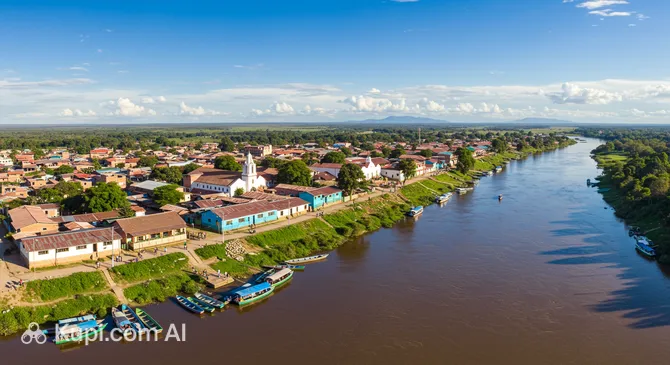
Rurrenabaque. Source: Kupi.Binoculars

Despite its growing popularity among international travelers, Rurrenabaque retains a laid-back and welcoming atmosphere. With a population of approximately 19,000 inhabitants, it feels intimate yet lively, bustling with motorcycle taxis and markets selling fresh exotic fruits. The climate here is tropical, characterized by warm temperatures year-round and high humidity, which supports the incredibly diverse ecosystem surrounding the town.

While most visitors come for the nature, the town itself has a charm rooted in its past. You can delve deeper into the local heritage and the history of Rurrenabaque to understand how this river port evolved from a center for rubber and quinine trade into a premier hub for sustainable tourism. The local culture is a fascinating mix of indigenous Tacana traditions and mestizo influences.

The primary allure of Rurrenabaque lies in its proximity to two of the most biodiverse regions on the planet. It is the main access point for Madidi National Park, a protected area teeming with jaguars, colorful macaws, and countless plant species. Alternatively, travelers can head to the Pampas wetlands to spot pink river dolphins, capybaras, and caimans in their natural habitat. Whether you are seeking a jungle trek or a sunset boat ride, Rurrenabaque promises an unforgettable experience in the heart of nature.
Weather Overview

Rurrenabaque experiences a tropical climate that remains warm and humid for most of the year, typical of the Bolivian Amazon region. Due to its location, the town sees significant rainfall, particularly during the summer months. For a more detailed breakdown of what to expect during your visit, you can check the weather in Rurrenabaque to help pack accordingly.

The temperatures are consistently high, making it a great destination for those who enjoy the heat. October is typically the warmest month, with an average temperature of 27.9°C and highs reaching up to 33.2°C. The coolest period occurs around June and July, where the average drops to roughly 22.6°C, and nighttime lows can dip to around 17.5°C, offering a refreshing break from the daytime warmth.

Rainfall patterns vary significantly depending on the season. The beginning of the year, specifically from January through March, is the wettest period, with precipitation recording on up to 25 days per month. In contrast, the dry season from June to August sees much less rain, with only about 6 to 8 wet days monthly. Expect warm days year-round with frequent showers in the early months and drier, more stable conditions during the winter.

Interesting Facts

Beyond its reputation as a launchpad for Amazonian expeditions, Rurrenabaque holds intriguing stories rooted in its indigenous heritage and unique geography. Discover some surprising details that define the character of this tropical hub.

  • The town's unique name has indigenous roots in the Tacana language. It is derived from the phrase "Susa-ne-buaque," which translates to "Duck Ravine" or "Arroyo de los Patos," referring to a local creek that was once inhabited by numerous ducks.

  • Despite its location in the deep tropics, Rurrenabaque is subject to a fascinating weather phenomenon known as a "surazo." These are cold polar fronts that travel all the way from Antarctica and sweep up through the continent, causing temperatures in the jungle to plummet suddenly for a few days, requiring locals to bundle up in warm clothes.

  • The town's tourism boom is famously linked to the survival story of Yossi Ghinsberg, who was lost in the nearby jungle in 1981. His book, "Jungle," and the subsequent movie turned Rurrenabaque into a global destination for backpackers seeking their own (albeit safer) Amazonian adventure.

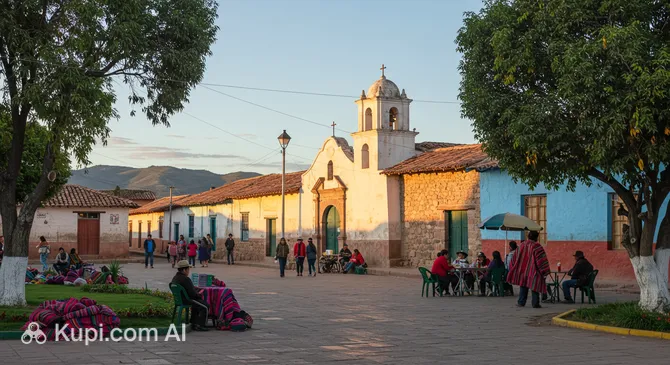
  • The town celebrates its anniversary on a specific religious holiday, the Feast of Candelaria. This date is immortalized in the heart of the city, which is why the central plaza is named 2 de Febrero Main Square, marking the town's official founding on February 2nd, 1844.

2 de Febrero Main Square. Source: Kupi.Binoculars

How to Get There

Reaching this gateway to the Amazon is an adventure that usually begins with a scenic journey from the highlands. While the town is remote, it is well-connected by air and road, making it accessible for travelers seeking nature and wildlife. For a detailed breakdown of routes and tips, you can read more about how to get to Rurrenabaque.

The most convenient way to arrive is by flying directly into Rurrenabaque Airport (IATA: RBQ). This small regional hub is located just 2.9 km from the town center. Flights typically arrive here from La Paz, offering spectacular views of the transition from the Andes to the Amazon basin. Once you land, the trip into town is very quick; a motorcycle taxi or shuttle takes approximately 10 to 15 minutes to reach the main hotels and hostels.

For international travelers, the primary entry point to the country is usually El Alto International Airport (IATA: LPB) in the city of La Paz. Although it is located about 240 km away in a straight line, the rugged geography means ground travel is significantly longer. Most visitors choose to fly from El Alto to Rurrenabaque, a flight that takes roughly 40 minutes. Alternatively, buses are available from La Paz, but the journey can take anywhere from 12 to 18 hours along winding mountain roads.

Another regional option is Teniente Jorge Henrich Arauz Airport (IATA: TDD) in Trinidad. Situated approximately 284 km from Rurrenabaque, this airport serves the Beni department. While less common for direct tourist connections to Rurrenabaque compared to La Paz, it is an important hub for domestic travel within the Bolivian lowlands.

For clarity, here is a summary of the main airports:

Airport Name City Passenger Traffic Km from City
El Alto International AirportLa PazLarge240.1
Teniente Jorge Henrich Arauz AirportTrinidadMedium283.9
Puerto Maldonado AirportPuerto MaldonadoMedium273.8
RurrenabaqueRurrenabaqueSmall2.9

Rurrenabaque does not have a railway station, and there are no passenger train services operating in this part of the Bolivian Amazon. Travelers rely exclusively on air transport or the road network to reach the town. Buses and shared taxis are the standard forms of ground transportation for those coming from nearby regions or La Paz.

Main Attractions

While Rurrenabaque is best known as a jumping-off point for deep Amazonian expeditions, the town and its immediate surroundings offer several compelling sites for visitors. From bustling social hubs to serene viewpoints and world-class nature reserves nearby, there is plenty to explore. Here are the main attractions that define the experience in this tropical gateway.

Undoubtedly the most famous draw for travelers is Madidi National Park. Accessible via a boat trip from Rurrenabaque, this protected area is recognized globally as one of the most biodiverse places on Earth. It spans from the Andean peaks down to the tropical rainforest, hosting an incredible array of wildlife, including jaguars, spectacled bears, and thousands of bird species. For nature enthusiasts, a guided trek here offers an immersive journey into the heart of the pristine jungle.

For those interested in wildlife spotting without the dense foliage of the rainforest, The Pampas (wetlands) along the Yacuma River are a must-visit. Tours typically depart from Rurrenabaque and offer a high chance of seeing pink river dolphins, capybaras, squirrel monkeys, and caimans. The open landscape of the wetlands makes it significantly easier to observe and photograph animals compared to the thick jungle, making it a favorite for photographers.

Within the town itself, the center of daily life is the 2 de Febrero Main Square. This plaza serves as the social heart of Rurrenabaque, where locals and tourists alike gather to relax. Surrounded by shops, restaurants, and motorcycle taxis, it is a great place to soak up the laid-back atmosphere, enjoy a cold drink, or simply watch the world go by after a day of excursions.

For the best panoramic views, travelers should hike up to El Mirador, also known as La Cruz. Located on a hill overlooking the town, this viewpoint offers a spectacular perspective of Rurrenabaque, the winding Beni River, and the lush green canopy stretching out towards the horizon. It is particularly beautiful at sunset, when the fading light reflects off the water and the town begins to light up for the evening.

Local Cuisine

The local cuisine in Rurrenabaque is a delightful reflection of its Amazonian location, relying heavily on fresh ingredients sourced from the nearby rivers and the surrounding jungle. Unlike the potato-heavy diet of the Bolivian highlands, the food culture here is dominated by tropical flavors, river fish, and an abundance of exotic fruits. Dining in this town offers a chance to taste the authentic flavors of the Beni department, where traditional Tacana recipes often meet simple, hearty preparation methods.

River fish is undoubtedly the star of the local gastronomy. You should definitely try Surubí and Pacú, two of the most popular species caught in the Beni River. These are typically served grilled, fried, or prepared in a dish known as Sudado de Pescado, a steamed fish stew cooked with tomatoes, onions, and spices. Another traditional preparation worth seeking out is fish cooked in a tacuara (bamboo stalk) or wrapped in leaves, a method that infuses the meat with a unique, smoky, and earthy aroma.

For breakfast or a midday snack, look for Masaco. This hearty dish consists of mashed green plantains or yucca mixed with cheese or charque (dried beef jerky). It is a staple of the Bolivian lowlands and provides plenty of energy for a day of trekking. Rice is also a common accompaniment to almost every meal, often replacing bread, and you will frequently encounter Majadito, a rice dish cooked with dried meat, eggs, and fried plantains that is a comfort food favorite across the region.

The tropical climate makes refreshing drinks an essential part of the daily routine. Rurrenabaque is famous for its incredible variety of fresh fruit juices made from Amazonian produce like Copoazú, Achachairú, and Majo. You might also encounter Chivé, a traditional non-alcoholic beverage made from fermented manioc flour mixed with water and sugar, which is known for its cooling properties. On the alcoholic side, locals enjoy a cold beer to beat the heat, or a Chuflay, a cocktail made with Singani (Bolivia's national grape brandy) and ginger ale.

The dining scene in Rurrenabaque is casual and welcoming. For the most authentic and affordable experience, visit the local municipal market, where vendors serve fresh soups and main courses from early in the morning. In the evenings, the area around the 2 de Febrero Main Square and the streets leading to the river come alive with restaurants catering to both locals and international visitors. Here, you can enjoy an open-air dinner with a view of the sunset, sampling everything from wood-fired pizzas to traditional Amazonian feasts.

Travel Tips

Visiting Rurrenabaque requires a bit of specific preparation due to its remote Amazonian location and tropical environment. These practical tips will help you navigate the unique logistics of this jungle town and ensure your expedition is as comfortable as it is adventurous.

  1. Clothing and Gear: The climate is hot and humid, so pack lightweight, breathable, and quick-drying clothes. Long-sleeved shirts and long trousers are essential to protect against mosquitoes and sandflies, especially during jungle treks. Bring a sturdy pair of hiking boots that you don't mind getting muddy, a raincoat or poncho for sudden downpours, and a wide-brimmed hat. Don't forget a high-quality insect repellent and a power bank, as electricity in remote lodges can be limited.
  2. Transportation: The town itself is small and easily navigable on foot. For longer distances within the city limits, the most common and affordable mode of transport is the mototaxi (motorcycle taxi). There is no metro or extensive bus system, and car rentals are generally unnecessary and unavailable. If you need to travel to the airport or a nearby community, shuttle vans are available, but mototaxis remain the primary way locals and tourists get around.
  3. Finances: Cash is king in Rurrenabaque. While there are a few ATMs (mostly Banco Unión), they frequently run out of money or have network issues, so it is highly recommended to withdraw sufficient Bolivianos in La Paz or larger cities before arriving. Credit cards are accepted at some larger tour agencies and hotels, but often come with a surcharge. Small shops and markets only accept cash.
  4. Health and Safety: Pharmacies are available in the town center for basic needs, but specific prescription medications should be brought from home. The local hospital offers basic emergency services. The biggest health concern is insect-borne illness; always use repellent and consider taking anti-malarial medication if advised by your doctor. A Yellow Fever vaccination certificate is often required for entry into the national parks. Always drink bottled or purified water to avoid stomach issues.
  5. Communication: Spanish is the primary language spoken. While tour guides and agency staff usually speak English, it is not widely spoken by shopkeepers or mototaxi drivers, so learning basic phrases is very helpful. Wi-Fi is available in most hostels and cafes but can be slow and unreliable, especially during storms. For mobile data, an Entel SIM card typically offers the best coverage in this region.
  6. Local Etiquette: The atmosphere is relaxed and friendly. It is polite to greet people with a "Buenos días" or "Buenas tardes" when entering a shop or boarding a boat. The pace of life here is slower than in the capital; patience is a virtue, especially when waiting for transport or service. Always ask for permission before taking photos of locals, particularly in indigenous communities.
  7. What to Avoid: Do not drink tap water under any circumstances, even for brushing your teeth, as it may contain parasites. Avoid petting stray dogs or cats, no matter how friendly they seem, to prevent potential bites or infections.
  8. Additional Tip: Be aware of the "siesta" culture. Many shops and businesses close for a few hours in the middle of the day (typically between 12:00 PM and 2:30 PM) to avoid the peak heat. Plan your shopping and errands for the morning or late afternoon.

By keeping these practicalities in mind, you can focus less on logistics and more on the incredible wildlife and natural beauty that surrounds you. A well-prepared traveler is best positioned to fully enjoy the magic of the Bolivian Amazon.

Entertainment & Nightlife

Entertainment and nightlife in Rurrenabaque reflect the town's laid-back, tropical vibe. Rather than high-end nightclubs or expansive entertainment districts, the scene here is centered around cozy backpacker bars, riverside lounges, and social hubs where travelers share stories of their Amazon adventures. The atmosphere is casual and welcoming, making it easy to meet people from all over the world while enjoying a cold drink after a day in the jungle.

The heart of the action is concentrated within a few blocks of the 2 de Febrero Main Square and along the streets leading down to the Beni River, particularly Calle Santa Cruz and Calle Avaroa. As the sun sets, these areas come alive with music and the chatter of tourists and locals. One of the most iconic spots to visit is Mosquito Bar. Known for its relaxed setting and extensive cocktail menu, it is a favorite place to unwind, play pool, and enjoy the evening breeze. Another popular venue is Jungle Bar, which often draws a lively crowd looking for music and a fun social environment late into the night.

Most venues operate with a very casual dress code; shorts and flip-flops are the norm. The nightlife typically starts early, often coinciding with happy hour specials around sunset, and winds down relatively early compared to big cities like La Paz, usually by 1:00 AM or 2:00 AM. Prices are generally affordable, with beers and cocktails costing significantly less than in Western countries. It is common to find "2-for-1" drink specials in the early evening, making it an economical night out.

For those looking for daytime entertainment before the sun goes down, Rurrenabaque offers a slower pace. There are no large amusement parks or theaters, but many visitors spend their free days relaxing at hostel swimming pools, which are open to non-guests for a small fee. You can also visit local cultural centers or simply stroll along the Costanera (riverfront promenade) to watch the boats depart. The town is small enough that you can easily walk between most daytime and evening attractions.

Regarding safety, the central tourist areas are generally safe for walking in the early evening. However, as the night progresses, the streets can become poorly lit and empty. If you are staying on the outskirts of town or returning late, it is advisable to take a mototaxi rather than walking alone. These motorcycle taxis are ubiquitous, cheap, and a fun way to zip around town safely at night.

Parks & Museums

To explore Rurrenabaque is to step into a world where the boundaries between the city and the jungle blur. Unlike traditional destinations filled with manicured gardens and static exhibition halls, this town's greatest "parks" are the vast wildernesses that surround it, and its "museums" are the living communities that have called this land home for centuries. The town itself serves as a relaxed, open-air lobby to the Amazon, offering smaller green spaces and cultural experiences that set the tone for the adventures ahead.

The heart of local life is the 2 de Febrero Main Square. This is not just a central plaza but a vibrant gathering place filled with tropical vegetation that offers a welcome respite from the midday sun. It is the perfect spot to observe the daily rhythm of the town, where locals catch up on benches shaded by palm trees and travelers prepare for their expeditions. The square is often bustling with activity in the evenings, serving as a social hub where the town's laid-back atmosphere is most palpable.

For those willing to stretch their legs, a hike to El Mirador de la Cruz (The Cross Viewpoint) is highly recommended. Located just a short walk from the town center, this hilltop vantage point offers the best panoramic views of Rurrenabaque, the winding Beni River, and the endless green canopy stretching toward the horizon. The trail can be steep, but the reward is a breathtaking perspective of the Amazon basin, especially during sunset when the landscape is bathed in golden light.

Another refreshing escape is the Butterfly Pool (El Mirador del Mariposas). Situated in the hills near the town, this semi-natural pool offers a chance to swim in fresh spring water while surrounded by the sights and sounds of the jungle. It is a peaceful alternative to the river, providing a quiet corner to cool off and watch colorful butterflies flit among the foliage.

Rurrenabaque does not follow the traditional model of housing history in glass cases. You will not find large national museums here; instead, the culture is preserved and shared through active engagement with indigenous communities. The Centro Cultural Tacana is a key reference point for understanding the region's heritage. Run by the local indigenous council, it serves as a hub for showcasing the traditions, crafts, and history of the Tacana people, often facilitating community-based tourism that allows visitors to experience the living history of the rainforest.

To truly "visit the museum" of Rurrenabaque, one must travel to nearby communities like San Miguel del Bala. Located roughly 45 minutes upstream by boat, this community-run initiative acts as a living eco-museum. Here, visitors can learn about ancient hunting techniques, medicinal plants, and the myths of the Tacana culture directly from community members. It is an immersive experience that offers far more insight into the local way of life than any static display could.

For a quick nature fix without a full expedition, take a short boat trip to El Chorro. Located just upstream, this rocky canyon features a small waterfall and ancient petroglyphs carved into the stone, serving as a reminder of the pre-Columbian civilizations that navigated these waters long before modern explorers arrived. It is a favorite local spot for a picnic and a swim.

Getting Around

The public transport system in Rurrenabaque is distinct from what you might find in larger metropolises. Due to the town's small size and remote location in the Bolivian Amazon, there are no subways, trams, or extensive city bus networks. Instead, the transportation landscape is dominated by informal, agile, and highly effective options suited to the tropical environment and narrow streets.

The primary mode of getting around town is the mototaxi (motorcycle taxi). These are ubiquitous and serve as the local equivalent of a taxi or bus service. You will see hundreds of motorcycle drivers wearing numbered vests waiting at street corners or cruising around looking for passengers. They are the fastest and most convenient way to travel from your hotel to the main square, the airport, or the river port. While standard car taxis do exist, they are far less common and are typically reserved for airport transfers or travel during heavy rain.

Payment for transport in Rurrenabaque is exclusively in cash using the local currency, the Boliviano. There are no travel cards, passes, or mobile apps for booking rides. Fares for mototaxis are generally fixed for rides within the town limits and are very affordable, usually costing just a few Bolivianos. However, prices may increase slightly at night or for longer distances to the outskirts. It is always best to carry small change, as drivers often do not have change for large bills.

For tourists, using the system is straightforward but requires a bit of local know-how. To catch a ride, simply wave at a passing mototaxi or approach one at a designated stop, often found near the market or the main plaza. Before hopping on, it is standard practice to confirm the destination and the price with the driver. While operations run from early morning until late at night, service becomes less frequent after midnight. Safety standards can vary, so hold on tight, and be aware that helmets are not always provided for passengers.

Given the town's location on the banks of the Beni River, water transport is a crucial "special feature" of the local system. Long, wooden boats powered by outboard motors, often called peque-peques, act as the main transit link to nearby indigenous communities, eco-lodges, and national parks. There is a main boat terminal where you can arrange transport for river crossings or longer journeys upstream. This is less of a daily commute option for tourists and more of an essential gateway to the jungle adventures that define the region.

Alternatives to motorized transport are limited but practical. Rurrenabaque is compact enough that walking is often the best way to explore the center. Most hostels, restaurants, and tour agencies are located within a few blocks of each other. Bicycle rentals are not a major part of the local transport infrastructure, and ride-sharing apps like Uber do not operate here. For travel to the airport, shared minibuses or shuttle vans are available and are usually coordinated by airlines or travel agencies to match flight schedules.

Accommodation

Accommodation in Rurrenabaque caters primarily to the adventurous spirit of its visitors, ranging from lively backpacker hostels to comfortable mid-range hotels and riverside lodges. While you will not find ultra-luxury international chains here, the town offers a good selection of clean, welcoming, and characterful places to stay that fit the tropical setting. Many establishments feature open-air courtyards, hammocks, and swimming pools, which are almost essential for cooling off in the Amazonian heat.

The most convenient area to stay is within the few blocks surrounding the 2 de Febrero Main Square. This central zone places you within walking distance of tour agencies, restaurants, and the local market. For those seeking a view, the accommodations along the Costanera (riverfront) offer scenic outlooks over the Beni River and are generally quieter, allowing you to enjoy the sunset and the river breeze. There are also several eco-lodges situated just outside the town or across the river, providing a more immersive jungle experience while still being close to civilization.

In terms of pricing, Rurrenabaque is generally very affordable. Budget travelers can find inexpensive dormitory beds and basic private rooms with fans. Mid-range options usually provide air conditioning—a highly recommended amenity given the humidity—as well as private bathrooms and breakfast. Prices for these more comfortable rooms remain reasonable compared to larger Bolivian cities.

When planning your trip, it is advisable to book in advance if you are visiting during the peak dry season (July to October), as the best rooms with air conditioning tend to fill up quickly. While major booking platforms work for the more established hotels, many smaller hostels and guesthouses may prefer direct contact or cash payments upon arrival. Always confirm if your accommodation accepts credit cards, as many smaller businesses still operate exclusively with cash.

Nearby Cities

For those looking to explore the surroundings, Rurrenabaque serves as an excellent base for day trips to several interesting nearby locations:

One of the most accessible destinations is Reyes, located roughly 30 kilometers from town. As the capital of the Ballivián province, it offers a glimpse into the colonial history of the region with its traditional architecture and relaxed pace of life. The journey there passes through wetlands teeming with birdlife, making it a rewarding short excursion for nature lovers and those interested in the local culture of the Beni department.

For a deeper dive into the commercial hub of the lowlands, travelers can visit San Borja. Situated about 96 kilometers away, this town is a vital center for the cattle ranching industry and serves as a crossroads between the Andes and the Amazon. While it requires a longer drive, it provides a different perspective on daily life in the region compared to the tourism-focused atmosphere of Rurrenabaque.

Although further afield and better suited for an extended visit rather than a day trip, the city of Trinidad is the departmental capital and a major cultural center. It is known for its motorcycle-filled streets and proximity to river sanctuaries, offering a broader understanding of the Bolivian Amazon for those continuing their journey through the lowlands.

City Population Distance (km)
La Paz 2867504 236
El Alto 943000 238
Trinidad 130657 286
Viacha 29108 258
San Borja 24610 96

These nearby destinations offer a glimpse into the diverse culture and landscapes of the region.

Shopping & Souvenirs

Shopping in Rurrenabaque is a laid-back affair that mirrors the town's unhurried pace. You won't find sprawling shopping malls or designer boutiques here; instead, the retail scene is characterized by small, family-run shops and open-air stalls. For visitors, the focus is primarily on stocking up for jungle expeditions and purchasing unique, locally made souvenirs that reflect the rich cultural heritage of the Bolivian Amazon.

One of the best things to buy is authentic indigenous handicraft. The region is home to the Tacana people, and you can find beautiful artisan goods made from natural materials sourced from the rainforest. Look for intricate jewelry fashioned from seeds and nuts, hand-carved wooden figures, and woven textiles. These items are often sold in small craft stores near the 2 de Febrero Main Square or directly by artisans who set up temporary stalls in the evenings. Buying these products is a great way to support the local economy and take home a piece of the Amazon.

Since Rurrenabaque is the gateway to major protected areas, many shops cater specifically to the needs of trekkers. If you arrived without essential gear, you will find plenty of stores along Calle Santa Cruz selling or renting outdoor equipment. Whether you need a mosquito net, a high-power flashlight, a rain poncho, or quick-drying clothing, the local merchants are well-stocked with the practical necessities required for a comfortable adventure in the wild.

For a taste of local life, a visit to the municipal market is a must. Located a few blocks from the river, this is where residents do their daily shopping. It is the perfect place to try exotic Amazonian fruits that you might not see elsewhere, such as achachairú, copoazú, or majo. The market is also a good spot to buy affordable snacks, fresh bread, and supplies for day trips.

Practicality is key when shopping here. Credit cards are rarely accepted outside of the largest tour agencies and a few hotels, so it is essential to carry cash in Bolivianos for all your purchases. Bargaining is not as aggressive as in some other parts of South America; a polite negotiation is acceptable in markets, but prices in shops are generally fixed. Also, keep in mind that many businesses close for a siesta during the hottest part of the day, typically reopening around 3:00 PM or 4:00 PM.

Reached the end of the page?

That means the route is fully explored