Support

Puerto Maldonado

About

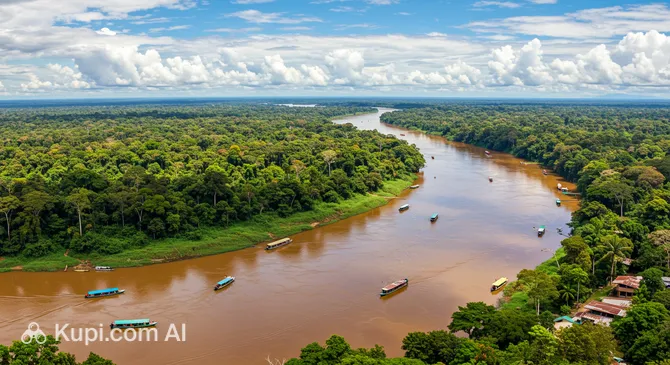
Puerto Maldonado is a vibrant and bustling city widely recognized as the primary gateway to the southern Amazon rainforest. Located at the confluence of the Madre de Dios and Tambopata rivers, it serves as the capital of the Madre de Dios region in Peru. This unique geographical position makes it a crucial hub for travelers seeking to explore one of the most biodiverse areas on the planet, offering a perfect blend of urban energy and wild nature.

Puerto Maldonado. Source: Kupi.Binoculars

With a population of approximately 85,000 inhabitants, the city has grown significantly while maintaining a distinct frontier atmosphere. The climate here is typically tropical—hot and humid year-round—which fosters the lush vegetation that surrounds the urban area. While the history of Puerto Maldonado is deeply connected to the rubber boom of the past, the city has evolved into a center for eco-tourism and conservation efforts.

Visitors are drawn to the area primarily for its proximity to spectacular natural wonders. The nearby Tambopata National Reserve and the stunning Lake Sandoval offer incredible opportunities to spot macaws, caimans, and giant river otters in their natural habitats. For a panoramic view of the city and the endless jungle horizon, the Obelisk (Mirador de la Biodiversidad) is a must-visit landmark within the town itself.

Whether you are planning a deep jungle expedition or a short stay to experience the Amazonian culture, Puerto Maldonado provides an accessible and exciting starting point. Its welcoming atmosphere and unparalleled access to nature make it an unforgettable destination for any adventurer.

Weather Overview

The climate in this Amazonian region is typically tropical, defined by high humidity and warm temperatures year-round. For a detailed breakdown of conditions during your specific travel dates, you can check the weather in Puerto Maldonado. Generally, the city experiences two main seasons that dictate the rhythm of daily life and tourism.

Precipitation patterns vary sharply throughout the year. The wet season, particularly from December to March, sees frequent rainfall, with January experiencing rain on approximately 27 days. In contrast, the dry season from June to August is much drier, with July seeing as few as 5 wet days, making it an ideal time for outdoor activities. The transition months, such as April and November, offer a balance between the two extremes.

Temperatures remain consistently warm, rarely requiring heavy clothing. September is often the hottest month, with average maximums reaching around 33.1°C. The coolest period occurs around June and July, where minimum temperatures hover around 20°C, but even then, the days remain pleasant with average temperatures in the mid-20s.

Interesting Facts

Beyond the lush rainforest and river adventures, Puerto Maldonado holds fascinating secrets that reveal the unique character of this jungle metropolis. From surprising weather anomalies to record-breaking biodiversity, the city offers curious travelers much more than meets the eye.

  • Although located deep in the tropical Amazon, the city experiences a strange weather phenomenon known locally as "friaje." Cold polar winds from Antarctica can occasionally sweep up the continent, causing temperatures to drop drastically to around 10°C (50°F) for several days, forcing residents to swap their light summer clothes for warm jackets.

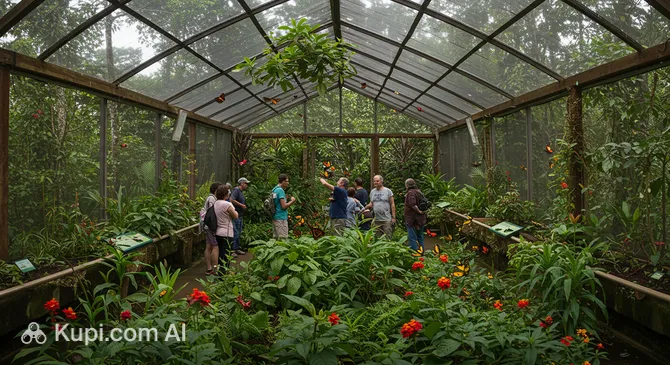
  • The region is a global hotspot for Lepidoptera, contributing to Peru's status as the country with the most butterfly species in the world. Visitors can observe this colorful diversity up close at the Tambopata Butterfly House, located near the airport, which serves as a live exhibition of these winged wonders.

  • Puerto Maldonado is often referred to as the "Biodiversity Capital of Peru," but it is also the heart of the Brazil nut industry. Interestingly, the massive Brazil nut trees grow almost exclusively in the wild and rely on a specific species of orchid and bee to reproduce, meaning the local economy is directly dependent on preserving the standing primary rainforest rather than cutting it down.

  • Traffic in the city has a distinct rhythm and sound, as it is dominated almost entirely by motorcycles and "motokars" (three-wheeled auto rickshaws). Standard cars are relatively rare, giving the streets a bustling, open-air energy that defines the local urban experience.

Tambopata Butterfly House. Source: Kupi.Binoculars

How to Get There

Reaching this Amazonian gateway is relatively straightforward, with air travel being the most popular and efficient method for visitors coming from Lima or Cusco. For a detailed overview of all transport options, including overland routes, you can read more about how to get to Puerto Maldonado.

The primary entry point for travelers is Puerto Maldonado Airport (IATA: PEM), also known as Padre Aldamiz International Airport. Located just 4.6 km from the city center, this facility handles a significant volume of regional traffic and connects the jungle to the rest of the country. A taxi or shuttle ride from the terminal to the heart of the city typically takes around 27 minutes. It is a moderately busy hub, ensuring regular connections for tourists.

Alternatively, travelers might consider E. Beltram Airport (IATA: CIJ), situated in the city of Cobija. However, it is important to note that this airport is approximately 176.5 km away from Puerto Maldonado. The journey by road from Cobija can take about 4 hours and 45 minutes, making it a less common choice for those directly targeting the Peruvian Amazon, but a viable option for regional travelers. Another distant option is Rurrenabaque (IATA: RBQ) in Rurrenabaque, roughly 273.5 km away, which primarily serves smaller aircraft.

For clarity, here is a summary of the main airports:

Airport Name City Passenger Traffic Km from City
Puerto Maldonado Airport Puerto Maldonado Medium 4.6
E. Beltram Airport Cobija Small 176.5
Rurrenabaque Rurrenabaque Small 273.5

Puerto Maldonado is not connected to a national railway network, so arriving by train is not an option. Most visitors who do not fly choose to arrive by bus via the Interoceanic Highway, which links the city to Cusco and the Brazilian border. River transport is also a key mode of travel within the region, connecting the city to remote lodges and communities along the Madre de Dios River.

Main Attractions

Puerto Maldonado offers a fascinating mix of urban energy and accessible nature, serving as the perfect base for exploring the Amazon. While many visitors head straight for the deep jungle lodges, the city and its immediate surroundings boast several worthwhile stops that highlight the region's biodiversity and culture.

One of the most accessible and educational spots is the Tambopata Butterfly House (Mariposario Tambopata). Located conveniently near the airport, this facility is an excellent introduction to the Amazon's insect life before you venture further into the wild. Visitors can walk through a garden filled with native flowers and observe dozens of colorful butterfly species in various stages of their life cycle, from hungry caterpillars to vibrant adults fluttering freely.

A trip to Puerto Maldonado would be incomplete without visiting Lake Sandoval. Although technically just outside the city within the Tambopata National Reserve, it is the region's most famous day-trip destination. This stunning oxbow lake is renowned for its calm, mirror-like waters and abundant wildlife. A boat ride here offers a high chance of spotting the endangered giant river otters, black caimans, and hoatzins, prehistoric-looking birds that nest in the palms along the shore.

For a panoramic perspective of the city and the endless green horizon, travelers should head to the Obelisk (Mirador de la Biodiversidad). Standing nearly 50 meters tall, this tower provides a breathtaking 360-degree view. From the top, you can see the convergence of the rivers, the sprawling urban grid, and the dense rainforest stretching out in every direction, giving you a true sense of the city's isolation in the heart of the jungle.

Finally, the Plaza de Armas serves as the social heart of the city. It is a pleasant place to relax in the shade of tropical trees and observe local life. In the evenings, the square comes alive with residents enjoying the cooler air. Nearby, you can find stands selling fresh exotic fruit juices and ice cream made from local Amazonian fruits like copoazú and camu camu, offering a sweet taste of the region.

Local Cuisine

The cuisine of Puerto Maldonado offers a delicious immersion into the flavors of the Peruvian Amazon, distinct from the culinary traditions of the Andes or the coast. The food here is defined by fresh ingredients sourced directly from the rivers and the rainforest, resulting in dishes that are hearty, exotic, and full of character. Rice, plantains, river fish, and wild spices form the backbone of the local diet, creating a gastronomic experience that is both rustic and flavorful.

One of the most iconic dishes you must try is the Juane. Traditionally prepared for the Feast of San Juan but available year-round, it consists of seasoned rice, chicken, hard-boiled eggs, and olives, all wrapped tightly in bijao leaves and boiled. The leaves impart a unique aroma to the rice, making it a favorite portable meal for travelers. Another staple is Tacacho con Cecina, a savory combination of mashed roasted bellaco plantains mixed with lard, served alongside a generous piece of smoked pork (cecina). It is a heavy, satisfying meal often eaten for breakfast or lunch.

River fish is also a highlight of the local menu, with Patarashca being a standout preparation. In this dish, fresh fish—often catfish or paiche—is seasoned with local herbs like sacha culantro and sweet peppers, wrapped in leaves, and grilled over charcoal. The result is tender, aromatic fish that captures the essence of Amazonian cooking. For those looking for something soupy, Inchicapi is a thick, creamy soup made from chicken, peanuts, maize, and cilantro that is deeply comforting.

To quench your thirst in the tropical heat, the city offers an incredible variety of beverages made from exotic fruits. You will find refreshing juices made from cocona, copoazú, and camu camu, the latter known for its exceptionally high vitamin C content. For a more traditional experience, you might encounter Masato, a fermented drink made from yuca that has deep roots in indigenous culture. Locals and adventurous tourists often head to the bustling Mercado Modelo to sample these authentic dishes and drinks at affordable prices, where the atmosphere is as vibrant as the food on the plate.

Travel Tips

Preparing for a trip to Puerto Maldonado requires a bit more foresight than a standard city break, as you are stepping into the gateway of the Amazon rainforest. To ensure your jungle adventure is comfortable and safe, here are some essential practical tips to help you navigate the local environment with ease.

  1. Clothing and Gear: Due to the tropical heat and humidity, pack lightweight, breathable, and quick-drying clothes in neutral colors (bright colors can scare off wildlife). Long sleeves and trousers are essential to protect against mosquitoes and sun. Don't forget a sturdy pair of walking shoes or waterproof boots for muddy trails, a high-quality rain poncho, and a hat. If you plan to visit upscale lodges, the dress code remains casual and functional.

  2. Transportation: The most common way to get around the city is by motokar (a three-wheeled motorcycle taxi). They are cheap, abundant, and an experience in themselves; however, you should always agree on the fare before getting in. Standard car taxis are less common. Car rental is generally unnecessary and not recommended, as most lodges provide their own boat or bus transfers from the airport.

  3. Finances: The local currency is the Peruvian Sol (PEN). While major hotels and tour agencies accept credit cards, cash is king for motokars, local markets, and small shops. It is wise to carry smaller denominations, as breaking large bills can be difficult. ATMs are available around the Plaza de Armas, but it is best to withdraw sufficient cash before heading to remote jungle lodges where access is non-existent.

  4. Health and Safety: Mosquito repellent containing DEET is non-negotiable here to prevent bites. Yellow fever vaccination is highly recommended for the Amazon region. Pharmacies are concentrated near the city center, but for serious issues, seek the main hospital. Always drink bottled or purified water to avoid stomach illness, and ensure your travel insurance covers adventure activities.

  5. Communication: Spanish is the primary language. While guides in tourist lodges usually speak excellent English, local taxi drivers and shopkeepers often do not. Learning basic phrases like "Cuánto cuesta?" (How much?) or "A dónde va?" (Where are you going?) will be very helpful. Buy a local SIM card (Claro or Movistar have decent coverage in town) if you need connectivity, as Wi-Fi can be slow or unavailable deep in the jungle.

  6. Local Etiquette: People in Puerto Maldonado are generally warm and laid-back. It is polite to greet shopkeepers or drivers with a "Buenos días" or "Buenas tardes." When taking photos of locals, especially in markets or indigenous communities, always ask for permission first as a sign of respect.

  7. What to Avoid: Never touch or feed wildlife, even if they seem tame or are kept as pets in the city; this can be harmful to the animals and risky for you. Additionally, avoid walking alone in poorly lit areas on the outskirts of the city late at night; stick to the populated center or take a registered taxi.

  8. Early Riser Advantage: Life in the Amazon starts early to beat the midday heat. Markets are liveliest in the morning, and wildlife activity is at its peak just after sunrise. Adjust your schedule to wake up with the sun—around 5:00 or 6:00 AM—to experience the city and the jungle at their most vibrant.

By packing the right gear and embracing the local rhythm of life, you will be well-equipped to enjoy everything Puerto Maldonado has to offer. Treat the environment with respect, stay hydrated, and get ready for an unforgettable journey into the heart of nature.

Entertainment & Nightlife

While Puerto Maldonado is primarily known as a launching pad for jungle expeditions, the city itself wakes up with a different kind of energy after the sun sets. The nightlife here is vibrant, unpretentious, and heavily influenced by the tropical climate. The atmosphere is generally laid-back and loud, with open-air venues allowing the warm evening breeze to flow through. You won't find high-end luxury clubs with strict dress codes; instead, the vibe is casual, with locals and tourists alike wearing light summer clothes as they enjoy cold drinks and Latin rhythms.

The heart of the action is concentrated around the Plaza de Armas and the bustling Avenida León Velarde. This central boulevard is lined with restaurants, bars, and restobars that stay open late. As the night progresses, the streets fill with the buzzing sound of motokars and music spilling out onto the sidewalks. It is a social scene where people gather to cool off after a hot day, often starting with dinner and transitioning into drinks and dancing.

For those looking to experience the local party scene, a few specific venues stand out. Anaconda Club is perhaps the most famous nightlife spot in the city. Known for its eclectic jungle-themed decor and energetic atmosphere, it is the place to go if you want to dance to a mix of reggaeton, salsa, and cumbia until the early hours. For a slightly more relaxed evening, Otoya is a popular restobar that offers a great selection of cocktails and food in a stylish setting, making it perfect for socializing before hitting the dance floor. Another notable mention is the bar at the Wasai Lodge, which often attracts travelers looking for a scenic spot overlooking the river to enjoy a pisco sour.

When planning a night out, keep in mind that the city is safe within the main tourist areas around the square, but it is advisable to avoid wandering into unlit or remote neighborhoods late at night. The best way to get around is by motokar; they are cheap, plentiful, and safe for short trips within the center. A ride usually costs just a few soles. Prices for drinks and cover charges are generally lower than in Lima or Cusco, making a night out here quite affordable.

Before the nightlife begins, there are several ways to entertain yourself during the day within the city limits. Apart from the local markets and the main square, nature lovers should visit the Tambopata Butterfly House. It offers a peaceful and educational break from the heat, allowing you to walk among hundreds of butterflies. Additionally, you can visit the Obelisk for views or take a short boat ride to nearby river beaches during the dry season.

Parks & Museums

Puerto Maldonado is a city where the boundary between urban life and the wild Amazon is beautifully blurred. Unlike traditional cities with manicured botanical gardens and marble halls, this jungle metropolis treats the surrounding rainforest as its grandest park and its living biodiversity as its most precious museum collection.

Plaza de Armas

The heart of the city is its central square, the Plaza de Armas. Far from being just a paved open space, it functions as a vibrant public park filled with exotic trees like mangoes and towering palms that provide much-needed shade from the tropical sun. It is the primary gathering spot for locals and a perfect place for tourists to sit and soak in the atmosphere. The design often incorporates elements of the forest, reminding visitors that the jungle is never far away.

The Malecón and Riverfront

Another key green space is the area along the riverbanks, often referred to as the Malecón. Walking here offers a refreshing breeze from the Madre de Dios River and spectacular views of the sunset reflecting off the water. It is a natural promenade where the grandeur of the Amazonian waterways meets the edge of civilization, offering a peaceful retreat from the bustling motorcycle traffic of the city center.

Tambopata Butterfly House

In a city with few conventional museums, the Tambopata Butterfly House (Mariposario Tambopata) stands out as a fascinating "living gallery." Located near the airport, this facility serves as an interpretation center for the region's immense insect diversity. Visitors can wander through a screened garden filled with native plants and observe dozens of butterfly species. It offers an educational insight into the life cycles of these insects, acting as a perfect introduction to the complex ecosystem of the Amazon.

Serpentario Tropifauna

Another venue that functions as a natural history museum is the local Serpentarium. This center houses a variety of snakes and reptiles found in the region, including boas and vipers. For tourists who might not spot these elusive creatures in the wild (or prefer not to encounter them unexpectedly), this offers a safe and informative environment to learn about the reptiles that inhabit the jungle floor, reflecting the rich, albeit sometimes dangerous, natural history of the area.

The Obelisk (Mirador de la Biodiversidad)

While primarily a lookout tower, the Obelisk is also an architectural landmark that tells a story. Its futuristic design stands in stark contrast to the surrounding greenery, and its base and structure often feature artistic elements or sculptures representing the flora and fauna of the region. Rising nearly 50 meters high, it offers a visual history of the city's expansion and its relationship with the encroaching forest.

Billinghurst Bridge

Architecturally, the Puente Continental (Billinghurst Bridge) is a significant modern monument. Spanning the Madre de Dios River, this impressive suspension bridge—one of the longest in Peru—transformed the city's connectivity. Its imposing steel structure against the backdrop of the jungle creates a striking visual and serves as a symbol of Puerto Maldonado's growth and integration with the rest of the continent.

For a truly authentic cultural experience, visit the local craft markets often found near the main square or the airport. Here, you can find "galleries" of a different kind: stalls displaying intricate jewelry, textiles, and wood carvings made by local indigenous communities, offering a tangible connection to the human history of the rainforest.

Getting Around

Public transport in Puerto Maldonado is distinctly different from what you might find in larger metropolises. There is no metro system, no tram network, and no fleet of large municipal buses navigating the city center. Instead, the streets are dominated by a buzzing swarm of motokars—three-wheeled motorcycle taxis with a covered rear seat. These agile vehicles serve as the primary mode of public transportation for locals and tourists alike, offering an open-air ride that perfectly suits the tropical climate.

The payment system is refreshingly simple and entirely analog. There are no travel cards, mobile apps, or electronic ticket machines. All transactions are made in cash using the local currency, the Peruvian Sol (PEN). It is essential to carry small coins and bills, as drivers often do not have change for large denominations. Fares are generally very affordable, with a standard short trip within the city center costing just a few soles.

For tourists, the most important rule when using a motokar is to agree on the price before you get in. These vehicles do not use meters, and while there are standard rates known to locals, drivers may quote slightly higher prices to visitors. A quick negotiation or simply asking "How much to [destination]?" will ensure a fair deal. Operating hours are flexible; you will find them roaming the streets from the crack of dawn until late at night, though availability decreases in the early hours of the morning.

While the motokar is king, there are alternatives. Standard car taxis exist but are far less common; they are typically used for trips to the airport or during heavy rainstorms when the open sides of a motokar offer little protection. For travel to nearby towns or settlements along the Interoceanic Highway, shared minivans or "colectivos" are the standard option, departing from specific terminals once they are full.

A unique feature of Puerto Maldonado’s "public transport" is its river network. For many destinations, the peque-peque (a long, narrow wooden boat named after the sound of its motor) acts as a water bus. These boats ferry passengers across the Madre de Dios River or to communities downstream. You can find these docked at the local ports, and like the road transport, prices are usually negotiated or fixed based on the destination.

Accommodation

Accommodation in Puerto Maldonado is distinctively divided into two main categories, catering to very different types of travelers. Visitors generally choose between staying within the city limits for convenience or venturing out into the surrounding rainforest for an immersive jungle experience. The options range from simple, budget-friendly hostels in the urban center to luxurious, all-inclusive eco-lodges tucked away along the riverbanks.

City Center Accommodation

For travelers who are passing through, have an early flight, or are traveling on a strict budget, the city center is the most practical place to stay. The area around the Plaza de Armas and Avenida León Velarde offers a variety of guesthouses and mid-range hotels. Staying here provides easy access to local restaurants, markets, and the airport. These accommodations are typically functional, offering air conditioning and Wi-Fi, which can be scarcer in remote locations.

Jungle Lodges

The highlight of the region, however, is the vast array of eco-lodges located along the Madre de Dios and Tambopata rivers. These range from rustic bungalows with mosquito nets to high-end resorts offering spa services and gourmet dining. Staying at a lodge is often an all-inclusive experience, where the price usually covers boat transfers, meals, and guided excursions into the rainforest. This is the preferred option for tourists seeking to connect with nature and spot wildlife right from their doorstep.

Booking and Prices

Prices vary significantly depending on the type of experience you choose. City hostels and basic hotels are generally affordable and can often be booked on arrival or via standard booking platforms. In contrast, jungle lodges are more expensive due to the logistics of operating in the rainforest and the inclusion of tours and full board. It is highly recommended to book lodges well in advance, especially during the dry season (June to September), as the best spots fill up quickly. Additionally, booking ahead ensures that the lodge can arrange your river transport and airport pickup seamlessly.

Nearby Cities

For those looking to explore the surroundings, Puerto Maldonado serves as an excellent base for connecting to several interesting nearby locations for a short visit. While the vast distances of the Amazon and Andes regions often make these destinations better suited for an overnight stay rather than a quick day trip, they remain the most popular next stops for travelers in the area.

Cusco is the most prominent destination nearby, serving as the historic capital of the Inca Empire and the gateway to the Andes. It offers a striking contrast to the tropical lowlands with its high-altitude climate, colonial architecture, and ancient stone walls. It is a hub of culture and history that complements the nature-focused experience of the jungle.

Another significant location is Puno, situated on the shores of the immense Lake Titicaca. Known as the folklore capital of Peru, it provides access to the famous floating islands of the Uros people. The journey towards Puno takes travelers through dramatic changes in landscape, moving from the lush rainforest up to the sweeping vistas of the Altiplano.

City Population Distance (km)
Cusco 428,450 318
Juliaca 307,417 338
Puno 128,637 371
Abancay 72,277 417
Sicuani 33,575 288

These nearby destinations offer a glimpse into the diverse culture and landscapes of the region.

Shopping & Souvenirs

Shopping in Puerto Maldonado offers a distinctively local and authentic experience, far removed from the polished luxury of international retail hubs. Instead of high-end fashion boutiques, visitors will find a vibrant trade centered around the resources of the Amazon. The city is an excellent place to purchase practical supplies for jungle expeditions, discover exotic fruits, and find unique handicrafts that reflect the cultural heritage of the region's indigenous communities.

The commercial heartbeat of the city is undoubtedly Avenida León Velarde. This main thoroughfare runs through the center of town and is lined with a variety of small shops, pharmacies, and general stores. Here, tourists can find everything from lightweight clothing suitable for the humid climate to electronic accessories and camping gear. The streets immediately surrounding the Plaza de Armas also host numerous souvenir shops and smaller boutiques, making it a convenient area to browse for gifts while exploring the city center.

Travelers expecting large, modern shopping complexes will find that Puerto Maldonado operates on a different scale. There are no massive western-style shopping malls in the city. Retail activity is concentrated in smaller commercial galleries and standalone stores. The shopping experience is much more traditional and street-focused, encouraging visitors to walk around and interact directly with shopkeepers rather than wandering through air-conditioned department stores.

To truly understand the local lifestyle, a visit to the Mercado Modelo is essential. This bustling market is the epicenter of daily trade, where the sights and smells of the Amazon come alive. It is the best place to see the incredible variety of local produce, from massive river fish to exotic fruits like copoazú, aguaje, and cocona. While primarily a food market, you can also find stalls selling medicinal plants, jungle aphrodisiacs, and cheap household goods, offering a fascinating glimpse into the local economy.

When it comes to souvenirs, the region's most famous product is the Brazil nut (castaña). As a major global exporter, Puerto Maldonado offers these nuts fresh and at excellent prices, often sold in bags or processed into snacks and oils. Other popular items include organic chocolate made from local cacao, and "Siete Raíces," a traditional liquor infused with medicinal barks. For handcrafted goods, look for jewelry made from seeds (huayruro), wood carvings, and textiles created by local artisans from native communities.

Most shops in Puerto Maldonado open early, around 8:00 or 9:00 AM, and stay open until roughly 8:00 PM or later. However, many smaller businesses may close for a few hours during the hottest part of the day, typically between 1:00 PM and 3:00 PM, for a midday break. Regarding payment, cash is essential. While some larger hotels and tour agencies accept credit cards, the vast majority of market stalls, souvenir shops, and grocery stores deal exclusively in Peruvian Soles. It is highly recommended to carry small denominations to make transactions smoother.

Tax-free shopping (VAT refund) systems for tourists are generally not available in the small shops and markets of Puerto Maldonado. The prices are already relatively low compared to international standards, and bargaining is acceptable and expected in markets and with street vendors, though it should always be done with a friendly attitude and respect for the seller's livelihood.
Nearby cities

Reached the end of the page?

That means the route is fully explored