Support

Cobija

About

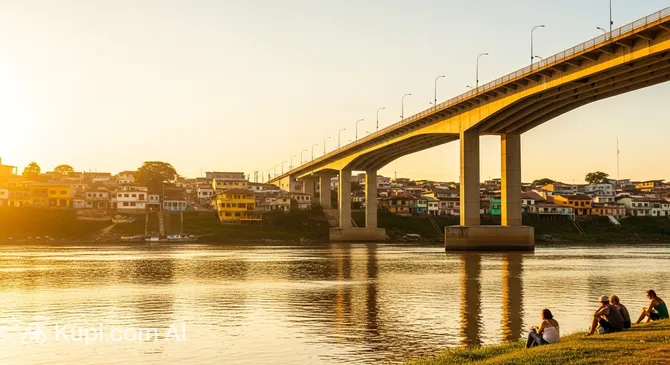
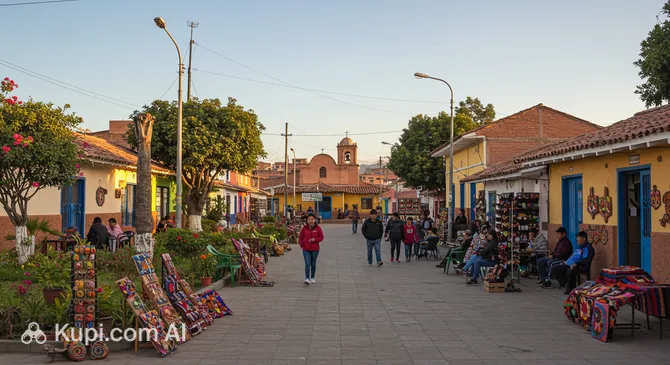
Known affectionately as the "Pearl of the Acre," Cobija is a vibrant city located in the northernmost tip of Bolivia. As the capital of the Pando Department, this bustling urban center serves as a vital gateway to the Bolivian Amazon. Situated on the banks of the Acre River, directly across from the Brazilian city of Brasiléia, Cobija offers a unique blend of cultures and a lively atmosphere that distinguishes it from the high-altitude cities of the Andes.
Cobija. Source: Kupi.Binoculars

The city is characterized by its hot and humid tropical climate, typical of the Amazon basin, and is home to a population of approximately 46,000 residents. While it is a modernizing trade hub today, the history of Cobija is deeply rooted in the rubber boom of the early 20th century, which shaped much of its initial development and economic importance. Travelers often find the city to be an intriguing stopover due to its status as a Free Trade Zone, attracting shoppers looking for electronics and imported goods at competitive prices.

Beyond commerce, Cobija is a starting point for eco-tourism adventures into the surrounding rainforests, which are teeming with incredible biodiversity. Within the city limits, visitors can enjoy a stroll through Parque Piñata, a central recreational area, or walk across the International Bridge of Friendship to experience the seamless border life between Bolivia and Brazil. Whether you are passing through on a jungle expedition or exploring the northern frontiers, Cobija provides a fascinating glimpse into the tropical heart of the nation.
Weather Overview

Cobija experiences a tropical climate characterized by consistent warmth throughout the year and distinct seasonal rainfall patterns. The city remains generally hot, with average monthly temperatures hovering between 24°C and 28°C, making it a destination best suited for those who enjoy the heat. Because the humidity and rain can vary significantly depending on the month, checking the weather in Cobija is recommended before planning outdoor excursions.

The year is divided into a wet season and a dry season. From December through March, travelers should be prepared for frequent precipitation, with January and February seeing up to 27 wet days per month. In contrast, the dry season from June to August offers much sunnier skies, with July experiencing as few as 3 wet days. Expect warm days year-round with maximum temperatures peaking around 33.7°C in September, while the coolest nights occur in July, dipping to approximately 19.6°C.

Interesting Facts

Beyond the main attractions and its bustling trade zone, Cobija holds fascinating secrets that reveal its unique position in Bolivian history and geography. From its symbolic name to its status as a powerhouse of Amazonian produce, there is much more to this tropical city than meets the eye.
General José Manuel Pando Monument. Source: Kupi.Binoculars
  • The city was not always known as Cobija. It was founded in 1906 under the name Puerto Bahía. The name was later changed to Cobija in 1908 as a patriotic gesture to honor and preserve the memory of the original Bolivian port of Cobija on the Pacific coast, which was lost during the War of the Pacific.

  • Due to its location deep within the Amazon basin, Cobija is widely considered the rainiest capital city in Bolivia. It receives nearly 2,000 millimeters of precipitation annually, creating a lush, humid environment that stands in stark contrast to the dry, high-altitude cities of the Andes.

  • While Bolivia is famous for its minerals, Cobija is the heart of a different kind of "gold." It serves as the processing and export hub for the Bolivian Brazil nut (castaña) industry. Unlike many crops, these nuts are harvested almost exclusively from wild trees in the surrounding rainforests, making the region a global leader in this sustainable trade.

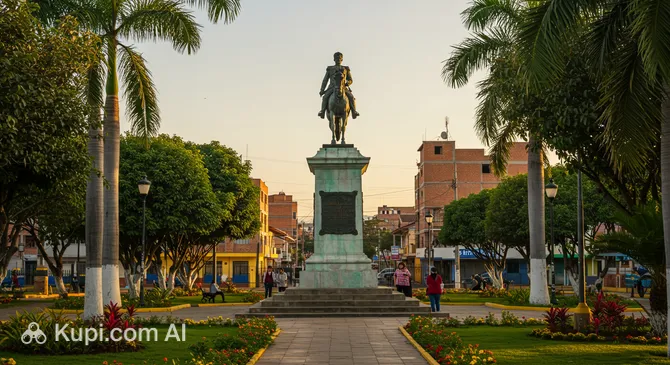
  • The city serves as a tribute to the explorers who defined the nation's northern borders. This legacy is immortalized by the General José Manuel Pando Monument, which honors the former president and explorer who led expeditions into the Acre region to secure the territory for Bolivia.

How to Get There

Due to its remote location in the Amazon Basin, air travel is the most practical and common method for reaching the city. While overland routes exist, they can be long and challenging depending on the season. For a complete overview of travel options, including road routes, you can read more about how to get to Cobija.

The primary gateway to the region is E. Beltram Airport (CIJ), located conveniently within Cobija itself, just about 4 km from the city center. It is a small but vital hub connecting the city to other major Bolivian destinations. Thanks to its close proximity, a taxi or bus ride from the terminal to the downtown area is very quick, typically taking around 10 minutes. For international travelers coming from the Peruvian side, Puerto Maldonado Airport (PEM) in the city of Puerto Maldonado is another option, though it is located approximately 184 km away across the border. The journey from there by road would take roughly 5 hours, depending on border formalities and road conditions.

For clarity, here is a summary of the main airports:

Airport Name City Passenger Traffic Km from City
Puerto Maldonado Airport Puerto Maldonado Medium 183.9
E. Beltram Airport Cobija Medium 3.9
Gen Buech Airport Riberalta Small 288.4

Cobija is not connected to a national railway network, so arriving by train is not currently an option. Visitors who do not fly usually arrive by bus or private vehicle via the road connecting the Pando Department to the rest of Bolivia or through the border crossing from Brazil. Road travel can be an adventure in itself, offering scenic views of the Amazon rainforest, though travelers should be mindful of road conditions during the rainy season.

Main Attractions

While Cobija is often viewed as a commercial hub, it possesses a distinct charm with several landmarks that reflect its Amazonian identity and history. Visitors will find that the city's main sights are easily accessible, offering a mix of recreational spaces, historical tributes, and local culture perfect for a relaxed day of exploration.

Piñata Park. Source: Kupi.Binoculars

One of the most iconic locations in the city is Piñata Park. This vibrant recreational area is a favorite among families and tourists alike, known for its whimsical concrete sculptures of Amazonian animals and giant figures. It serves as a lively gathering spot where locals come to exercise and socialize, providing a colorful backdrop for photos and a glimpse into the community's daily life.

For those interested in the region's history, the General José Manuel Pando Monument is a significant landmark. Standing tall as a tribute to the former president and explorer, this statue commemorates the efforts to secure Bolivia's northern territories. It is not just a historical marker but also a symbol of the city's resilience and its strategic importance in the heart of the rainforest.

Hugo Poli Square. Source: Kupi.Binoculars

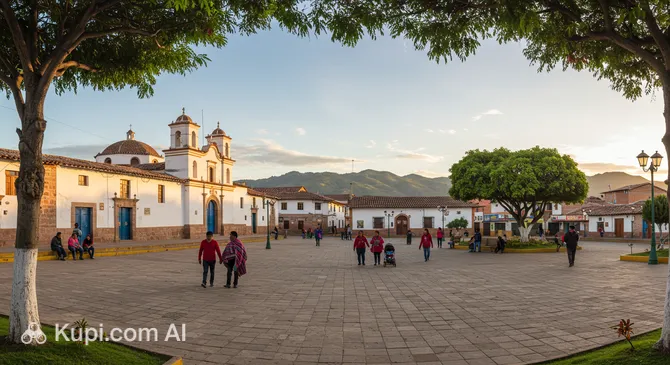
Another central hub for activity is Hugo Poli Square. This plaza offers a pleasant environment for a leisurely stroll, surrounded by the hustle and bustle of the city. It is an excellent place to sit and observe the local atmosphere, often serving as a venue for civic events and a meeting point for residents.

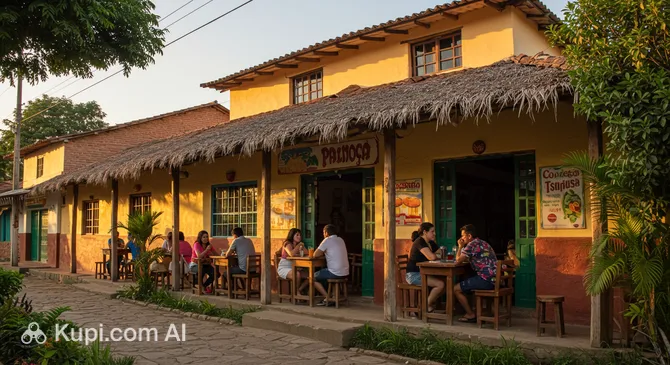
To round off a tour of Cobija with a taste of local flavor, travelers can visit A Palhoça Restaurant. While primarily a dining establishment, it is well-regarded for its authentic atmosphere and regional cuisine, making it a cultural stop for those looking to experience the culinary traditions of the Bolivian Amazon.

A Palhoça Restaurant. Source: Kupi.Binoculars

Local Cuisine

The local cuisine of Cobija is a delightful reflection of its location in the heart of the Bolivian Amazon, characterized by an abundance of fresh ingredients sourced directly from the surrounding rainforests and rivers. Unlike the potato-heavy diet of the Andean highlands, the gastronomy here revolves around staples like yucca (cassava), plantains, and rice. Due to the city's proximity to the border, there is also a noticeable Brazilian influence, resulting in a unique fusion of flavors where traditional Bolivian dishes often share the table with neighboring culinary styles.

River fish is the undisputed star of the menu in this region. Visitors should definitely try dishes made with Surubí or Pacú, which are among the most popular catches. These are typically served grilled, fried, or prepared in a rich, steamed stew known as sudado, usually accompanied by rice, fresh salad, and fried plantains. Another hearty staple worth tasting is Majadito, a savory rice dish cooked with dried meat (charque), eggs, and fried bananas, offering a filling meal that is a favorite across eastern Bolivia.

Given the tropical heat, refreshing beverages are an essential part of the daily culture. Cobija is renowned for its incredible variety of exotic fruit juices. Copoazú is a regional standout; this Amazonian fruit is used to make creamy juices, ice creams, and desserts that are both sweet and tangy. Açaí is another local favorite, often consumed as a frozen pulp or smoothie to cool down. For adult beverages, cold local beers are the standard choice to beat the humidity, though you can also find cocktails made with Singani, Bolivia's national spirit.

Dining in the city ranges from vibrant market stalls to comfortable sit-down establishments. The local markets are the best places to start your day with traditional baked goods like Pan de Arroz (rice bread) or cheesy Cuñapés. For a memorable lunch or dinner, travelers often visit A Palhoça Restaurant, which provides a great setting to experience the authentic taste of the region. Whether you are snacking on street food or enjoying a full fish dinner, the flavors of Cobija offer a true taste of the Amazon.

Travel Tips

Welcome to Cobija, a city where the Amazonian heat meets the hustle of a border town. To help you navigate the "Pearl of the Acre" with ease and make the most of your tropical adventure, here are some essential practical tips tailored to the local environment and culture.

  1. Dress for the Tropics: The climate here is hot and humid year-round. Pack lightweight, breathable clothing made of cotton or linen to stay cool. Since sudden downpours are common, especially from December to March, a lightweight rain poncho or umbrella is indispensable. Don't forget comfortable walking shoes and sandals, and most importantly, bring a hat and high-quality sunglasses to protect against the strong equatorial sun.
  2. Mastering Local Transport: The most popular and efficient way to get around Cobija is by mototaxi (motorcycle taxi). They are inexpensive, abundant, and perfect for navigating the city's streets. Standard taxis are also available if you prefer a car or have luggage. Always agree on the fare before starting your journey, as meters are rarely used.
  3. Cash is King: While some larger hotels and shops in the Free Trade Zone may accept credit cards, cash is essential for daily life. The local currency is the Bolivian Boliviano (BOB). Small vendors, restaurants, and transport providers typically do not accept cards. ATMs are available, mostly around the central plaza, but it is wise to carry enough cash for your immediate needs. Due to the proximity to Brazil, you might find that Brazilian Reais are accepted in some border areas, but do not rely on this.
  4. Health and Hydration: As this is a tropical Amazonian region, insect repellent is mandatory to protect against mosquito-borne issues like dengue fever. It is also highly recommended to have a Yellow Fever vaccination certificate, as authorities sometimes check for it when entering the Pando Department. Never drink tap water; always opt for bottled or purified water to avoid stomach upsets. Pharmacies are readily available in the city center for basic supplies.
  5. Language and Communication: The official language is Spanish, but due to the city's location right on the border, Portuguese is widely understood and spoken. English is not commonly spoken, so learning a few basic phrases in Spanish will be very helpful. Buying a local SIM card (Entel or Tigo) is easy and recommended for staying connected, as Wi-Fi can be intermittent in some establishments.
  6. Local Etiquette: People in Cobija are generally friendly and relaxed. A polite greeting like "Buenos días" or "Buenas tardes" when entering a shop or getting into a taxi goes a long way. The pace of life here is slower than in the capital; patience is a virtue, especially during the midday heat when activity may slow down.
  7. What to Avoid: Avoid swimming in the river unless you are with a guided tour in a designated safe area, as currents and wildlife can be unpredictable. Also, try to avoid wearing heavy fabrics or jeans, as they can become very uncomfortable in the high humidity.
  8. Cross-Border Bonus: Take advantage of the International Bridge of Friendship. You can easily walk or take a taxi across the river to the Brazilian city of Brasiléia for a quick visit. It’s a unique opportunity to experience two cultures in one day—just remember to carry your passport or ID, even for a short crossing.

By keeping these tips in mind, you will be well-prepared to enjoy the lush landscapes and vibrant border culture of Cobija. Embrace the warmth, stay hydrated, and get ready for a memorable journey into the Bolivian Amazon!

Entertainment & Nightlife

Nightlife in Cobija reflects its unique position as a tropical border city, offering a vibrant mix of Bolivian traditions and Brazilian flair. As the sun sets and the intense Amazonian heat subsides, the city comes alive with a refreshing breeze and a relaxed social atmosphere. The nightlife here is less about exclusive high-end clubs and more about open-air socializing, lively music, and enjoying the company of friends and family in public spaces and local venues.

The rhythm of the night often begins with a late dinner. Local dining spots transform into social hubs where people gather to eat, drink, and listen to music. A popular choice for starting the evening is A Palhoça Restaurant. With its rustic charm and regional dishes, it offers a perfect setting to enjoy a cold beer or a cocktail while soaking in the local ambiance before heading out to other locations.

Unlike in colder climates, public spaces in Cobija remain bustling well into the night. Piñata Park is a prime example of this nocturnal energy. It is not just a daytime playground but a popular evening meeting point where locals of all ages congregate. The area around the park often buzzes with activity, street food vendors, and music, making it a safe and entertaining place for a casual night walk. Similarly, Hugo Poli Square offers a pleasant environment for a peaceful evening stroll in the heart of the city.

For those seeking more energetic entertainment, the city has several bars and karaoke venues, particularly near the center and along the main avenues leading to the International Bridge. Due to the proximity to Brazil, the musical landscape is a fusion of Bolivian cumbia and Brazilian styles like samba and funk. The dress code is almost universally casual; light, comfortable clothing is the norm due to the warm tropical nights. Most bars and clubs start filling up after 10:00 PM and can stay open until the early hours of the morning on weekends.

While the nightlife is the main draw after dark, daytime entertainment in Cobija offers a different pace. Visitors can explore local landmarks or take excursions into the surrounding nature. The General José Manuel Pando Monument is a key sight to visit during the day to learn about the region's history before the evening festivities begin.

When enjoying a night out in Cobija, safety and transportation are important considerations. The city is generally safe, but it is always advisable to stay in well-lit, populated areas. For getting around at night, mototaxis are available, but for longer distances or added security, it is better to call a radio taxi (taxi de radio móvil). Prices are affordable, but it is wise to carry small denominations of cash, as card payments are rarely accepted in smaller bars or by transport providers.

Parks & Museums

Exploring Cobija offers a refreshing immersion into the Amazonian lifestyle, where green spaces are lush with tropical vegetation and cultural heritage is deeply intertwined with the history of the rubber boom. The city may not be crowded with grand institutions, but its public squares and monuments serve as open-air exhibits that tell the story of Bolivia's northern frontier.

The most famous green space in the city is undoubtedly Piñata Park. This is not your typical city park; it is a whimsical and colorful attraction filled with large concrete sculptures of Amazonian wildlife and folklore figures. It is a fantastic place for a walk, offering a playful atmosphere that contrasts with the wild rainforest surrounding the city. Families and visitors alike gather here to enjoy the shaded areas and the vibrant artistic representations of the local fauna.

Another central hub of greenery and civic life is Hugo Poli Square. Located in the heart of the city, this plaza is lined with tall palm trees and tropical plants, providing a cool refuge from the midday sun. It is the perfect spot to observe the daily rhythm of the locals, enjoy a cold drink, and appreciate the laid-back atmosphere that defines this border capital.

In terms of museums and galleries, Cobija’s cultural scene is modest and often integrated into its public landmarks rather than large exhibition halls. The city's history is best appreciated through its tributes to national heroes. The General José Manuel Pando Monument acts as a focal point for understanding the region's past. Standing prominently in the city, this monument honors the explorer and president instrumental in securing the Acre region, effectively serving as a historical marker that educates visitors about the territorial struggles of the early 20th century.

For architectural and spiritual heritage, the Catedral de Nuestra Señora del Pilar is a key site to visit. This cathedral features a distinct architectural style adapted to the tropics and houses beautiful religious art that reflects the devotion of the local community. It stands as a serene counterpoint to the bustling commercial streets nearby.

For an authentic experience, take a walk along the Acre River waterfront at sunset. It is a lesser-known activity for tourists but offers stunning views of the river winding between Bolivia and Brazil. Watching the small boats cross the water as the sky turns orange provides a peaceful moment to reflect on the unique geography of this Amazonian gateway.

Getting Around

Navigating Cobija is a straightforward and often breezy experience, quite distinct from the complex transit networks found in larger metropolitan areas. The public transport system here is informal, decentralized, and heavily adapted to the hot tropical climate and the city's relatively small size. There is no metro, tram, or large municipal bus fleet. Instead, the streets are dominated by smaller, more agile vehicles that keep the city moving.

The undisputed king of transport in Cobija is the mototaxi (motorcycle taxi). You will see hundreds of them buzzing around the city, easily identifiable by the drivers wearing numbered vests. This is the fastest and most popular way to get around, allowing you to catch a refreshing breeze while zipping between attractions or the border. For those traveling with luggage, in groups, or during a heavy tropical downpour, radio taxis (standard car taxis) are the best alternative. These are reliable and can be hailed on the street or, more commonly, called by phone from your hotel or restaurant.

The payment system is entirely cash-based. There are no electronic travel cards, transport apps, or ticket machines. You simply pay the driver directly at the end of your journey. Fares are generally very affordable and are often based on a fixed rate for rides within the city limits, usually costing just a few local coins. However, prices may increase slightly at night or for longer distances, such as trips to the airport or across the international bridge.

For tourists, the most important piece of advice is to always carry small change. Drivers often do not have change for large banknotes. While rates are generally standard, it is a good habit to confirm the price with the driver before hopping on a mototaxi or getting into a car to avoid any misunderstandings later. Operating hours are flexible; transport is abundant from early morning until late evening. Late at night, mototaxis become fewer, so calling a radio taxi is the safer and more reliable option.

A unique feature of transport in Cobija is its international connectivity. Taxis and mototaxis frequently make the short trip across the International Bridge of Friendship to the neighboring city of Brasiléia. This makes it incredibly easy to hop borders for a quick visit. If you choose to cross, ensure you have your documents ready, although for short local movements, the border is quite fluid. Walking is also a viable alternative for short distances within the city center, as the terrain is flat, though the midday heat often makes a cheap mototaxi ride the more attractive choice.

Accommodation

Where to Stay:

Accommodation in Cobija is primarily designed to cater to traders, business travelers, and those passing through the border region. Visitors will not find ultra-luxury resorts or sprawling five-star international chains here. Instead, the city offers a range of functional and comfortable options, including budget-friendly hostels, family-run guesthouses known as residenciales, and modest mid-range hotels. Most establishments prioritize practicality, offering essential amenities like air conditioning—a must in the tropical heat—and Wi-Fi, though connection speeds can vary.

The most convenient area for tourists to stay is the city center, particularly the blocks surrounding the main plaza. staying here places you within walking distance of key landmarks like the Hugo Poli Square and local dining spots. Another popular zone is near the International Bridge, which is ideal for those planning a quick crossing into Brazil or who are in town for commerce. These locations offer easy access to the bustling markets and the abundance of mototaxis that serve as the main mode of transport.

When it comes to booking, the approach in Cobija can be quite traditional. While a few of the larger or more modern hotels may be listed on major online booking platforms, many smaller residenciales and budget lodgings still rely on walk-ins or direct phone reservations. It is generally a good idea to book in advance if you are visiting during the dry season or major local festivals, but for most of the year, finding a room upon arrival is relatively stress-free.

Price ranges in Cobija are generally affordable compared to Bolivia's larger capitals like La Paz or Santa Cruz. Travelers can expect to find very reasonably priced rooms, with costs rising slightly for hotels that offer swimming pools or breakfast buffets. A crucial tip for checking in is to carry cash. While some top-tier establishments accept credit cards, many smaller hotels prefer or exclusively accept payment in Bolivianos. Having cash on hand ensures a smooth check-in process regardless of where you choose to stay.

Nearby Cities

For those looking to explore the surroundings, Cobija serves as an excellent base for day trips to several interesting nearby locations:

City Population Distance (km)
Trinidad 130657 594
Riberalta 99070 295
Guayaramerin 36008 372
San Borja 24610 477
Caranavi 21883 549

While some of the larger cities in the region require a longer journey, there are immediate options perfectly suited for a quick getaway. Porvenir, located just about 30 kilometers south of the capital, is a favorite recreational spot for locals. Known for its welcoming balnearios (swimming resorts) and creeks, it offers a refreshing escape into nature where visitors can enjoy traditional Amazonian dishes like fried fish and yucca in a rustic setting.

For a unique cross-border experience, the Brazilian town of Brasiléia lies directly across the Acre River, connected by the International Bridge of Friendship. It is common for visitors to cross over for the day to enjoy Brazilian cuisine, shop for goods, or simply experience the cultural blend of this tri-national frontier. If you are willing to travel further for a short visit, Riberalta stands out as the "City of Four Names." Although it is a longer trip, it is a major hub of the Bolivian Amazon, offering deep historical insights into the rubber boom and stunning views at the confluence of the Beni and Madre de Dios rivers.

These nearby destinations offer a glimpse into the diverse culture and landscapes of the region.

Shopping & Souvenirs

Shopping in Cobija is a unique experience driven largely by its status as a Free Trade Zone (Zona Franca). Unlike traditional tourist destinations known for luxury boutiques or massive malls, this border city is a bustling commercial hub where trade is the heartbeat of daily life. Visitors often travel here specifically to take advantage of the duty-free prices on a wide array of imported goods, ranging from electronics and home appliances to perfumes, toys, and clothing.

The main commercial areas are concentrated in the city center and along the avenues leading towards the International Bridge. Here, you will find countless shops and stalls displaying merchandise from around the world. It is the perfect place to hunt for bargains on technology or to stock up on brand-name cosmetics and apparel that might be more expensive in other parts of Bolivia. The atmosphere is energetic and somewhat chaotic, typical of a busy border town, so be prepared to browse through many different stores to find the best deals.

Beyond imported items, Cobija offers products that are distinctly Amazonian. As the capital of the Pando Department, the city is the heart of the Brazil nut (castaña) industry. Travelers should not leave without buying a bag of these fresh, high-quality nuts, which are harvested from the surrounding rainforests and are a staple of the local economy. You can find them in various forms, from raw and shelled to chocolate-covered treats, making them an excellent and edible souvenir.

For those interested in local culture, the street markets offer a glimpse into the region's biodiversity. Vendors often sell exotic fruits native to the Amazon, such as copoazú, açaí, and majo. While you cannot take fresh fruit home internationally, sampling them on the spot is a must. Additionally, you may find handicrafts made from natural materials like seeds, wood, and rubber, reflecting the area's indigenous heritage and its history as a rubber-producing region.

When shopping in Cobija, cash is essential. While some larger electronics stores may accept credit cards, most smaller vendors and market stalls deal exclusively in Bolivian Bolivianos. Due to the proximity to Brazil, you might find that some merchants accept Brazilian Reais, but it is always safer to have local currency on hand. Bargaining is not as aggressive here as in some other markets, but it is acceptable to ask for a discount, especially if you are purchasing multiple items.

Reached the end of the page?

That means the route is fully explored