Support

Riberalta

About

Welcome to Riberalta, a captivating destination known as the "Amazonian Pearl" of the Beni Department. Situated in the northern lowlands, this bustling city offers a unique window into the vibrant culture and breathtaking nature of the Amazon basin. It stands dramatically at the confluence of two majestic rivers, the Beni and the Madre de Dios, providing visitors with stunning waterfront views and a gateway to the rainforest.
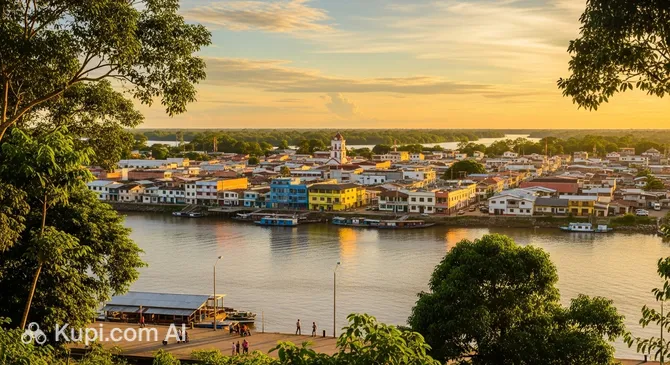
Riberalta. Source: Kupi.Binoculars

Located in Bolivia, Riberalta is characterized by its warm, tropical climate and lush surroundings. With a population of nearly 100,000 inhabitants, it is one of the most important urban centers in the region. The city buzzes with energy, famously known for the thousands of motorcycles that fill its streets, which serve as the primary mode of local transport.

The history of Riberalta is deeply intertwined with the rubber boom of the late 19th and early 20th centuries. This era shaped much of the city's development and left a lasting legacy on its architecture and economy. Today, it serves as a major center for the processing and export of Brazil nuts (almendras), which remains a vital part of the local livelihood.

Travelers are drawn here not just for the urban experience, but for the natural wonders nearby. A short distance from the city lies Lake Tumichucua, a serene lagoon featuring a tropical island in its center, perfect for swimming and relaxation. Additionally, watching the distinct colors of the Beni and Madre de Dios rivers mix at their confluence is a mesmerizing sight that shouldn't be missed.

Whether you are looking to explore the depths of the Bolivian Amazon or simply want to experience the warmth of its people, Riberalta invites you to discover its charm. It is an ideal starting point for eco-tourism adventures and a memorable stop for anyone traversing the northern reaches of the country.

Weather Overview

Riberalta experiences a tropical climate defined by consistent heat and distinct seasonal rainfall patterns. The city remains warm to hot year-round, making it a true Amazonian destination. Travelers should be prepared for high humidity and temperatures that rarely drop significantly, even during the cooler months.

To better plan your trip, it is helpful to check the detailed weather in Riberalta. The hottest time of the year typically peaks in September, where average maximum temperatures can soar to 34.2°C. Even during the mildest months like June and July, daytime highs usually stay around 29°C to 31°C, while nighttime lows offer a bit of relief, dipping to approximately 20.8°C.

Precipitation dictates the rhythm of life here. The wet season runs roughly from October to April, bringing frequent rains; January, for instance, sees about 27 wet days. Conversely, the dry season from May to August is ideal for outdoor activities, with July typically recording only 2 wet days. Expect hot, humid conditions with frequent showers in the summer months, and warm, dry days during the winter season.

Interesting Facts

Beyond the main attractions, Riberalta holds many fascinating secrets that reveal its importance on the global stage and its unique cultural tapestry. From its surprising role in the global food market to its diverse heritage, this city is far more than just a gateway to the rainforest.

  • The True Capital of Brazil Nuts: Despite their name, the majority of the world's "Brazil nuts" actually come from Bolivia, with Riberalta serving as the global processing hub. It is estimated that around 75% of the world's supply is processed and exported from here, making the city the undisputed world capital of this Amazonian superfood, locally known as almendras.

  • A Unique Japanese Legacy: Riberalta is home to one of the oldest and most significant Japanese communities in the Amazon. In the early 20th century, Japanese immigrants arrived via the Andes and Peru to work in the rubber industry. Today, their influence is woven into the city's identity, visible in local surnames, facial features of the residents, and a dedicated Japanese association that maintains cultural ties.

  • The City of Four Names: Before officially becoming Riberalta in 1894, the settlement went through several identity changes. It was originally known as Barranca Colorada (Red Cliff) due to the reddish hue of the riverbanks, then briefly called La Cruz and Ribera-Alta. Its indigenous name, used by the native Chácobo and Pacahuara people, was Pamahuayá, which beautifully translates to "Place of the Fruits."

  • A City on Two Wheels: Riberalta is famous for its immense density of motorcycles, which are the primary mode of transport for nearly everyone. It is a common and impressive sight to see entire families traveling together on a single scooter, and the local "moto-taxis" are a quintessential part of the urban rhythm, far outnumbering cars on the streets.

How to Get There

Reaching this remote Amazonian destination is an adventure in itself, often involving a flight over the lush rainforest canopy. For detailed information on routes and transport options, you can read more about how to get to Riberalta to help plan your journey efficiently.

The most direct and common way to arrive is via Gen Buech Airport (RIB). This airport is conveniently located within Riberalta itself, just 6.4 km from the city center. Upon arrival, a taxi or a local "moto-taxi" can take you to the downtown area in approximately 30 minutes. Although it is a smaller hub with annual traffic of around 35,000 passengers, it serves as the primary aerial gateway for visitors.

Alternatively, travelers might consider flying into E. Beltram Airport (CIJ), located in the city of Cobija. It is a larger regional hub with more passenger traffic. However, it is important to note that Cobija is situated about 298 km away from Riberalta. The overland journey from there is significant, taking approximately 7 hours and 50 minutes by taxi or bus, depending on the state of the roads in the region.

For clarity, here is a summary of the main airports:

Airport Name City Passenger Traffic Km from City
E. Beltram Airport Cobija Medium 297.8
Gen Buech Airport Riberalta Small 6.4

Main Attractions

Riberalta offers a fascinating mix of natural wonders and urban energy, serving as a perfect base for exploring the Bolivian Amazon. The city's attractions are deeply rooted in its geography, situated on high banks overlooking majestic rivers and surrounded by lush rainforest. Here are the key places you should visit to experience the essence of this unique destination.

Lake Tumichucua is undoubtedly the most iconic natural attraction in the area, located approximately 20 kilometers from the city center. The name translates to "Island of the Motacú Palms" in the Tacana language, referring to the lush island that sits at the center of the lake. Local legends famously claim that this island moves or rotates at night, adding a layer of mystery to the scenic beauty. It is a favorite spot for both locals and tourists to swim, take boat rides, and enjoy fresh Amazonian fish dishes at the waterfront restaurants.

For the best views in the city, head to Parque Mirador La Costanera. This scenic lookout point is built along the high banks of the river, offering a panoramic vantage point of the dramatic confluence of the Beni and Madre de Dios rivers. The contrast between the waters is a spectacular sight, especially at sunset when the vast Amazonian sky turns fiery red. The park also features the historic Tahuamanu boat monument and serves as a pleasant place for an evening stroll.

The heart of social life in Riberalta is the Plaza Principal (Main Square), often buzzing with activity and the city's famous motorcycle culture. It is anchored by the Cathedral of Nuestra Señora del Carmen, a beautiful structure that stands as a testament to the region's religious heritage. The plaza is an excellent place to observe daily life, enjoy a cold drink, and admire the colonial-style architecture that dates back to the rubber boom era.

Just a short trip across the Beni River lies the historic community of Las Piedras. This site is significant for its archaeological ruins, which are believed to be remnants of an ancient fortress or settlement linked to the Inca empire's expansion into the lowlands. Visiting Las Piedras offers a rare glimpse into the pre-Columbian history of the Amazon and provides a quiet contrast to the bustling streets of Riberalta.

Local Cuisine

The local cuisine of Riberalta is a delicious reflection of its location in the heart of the Bolivian Amazon. The food scene here is defined by fresh ingredients sourced directly from the surrounding rainforest and the majestic rivers that border the city. Gastronomy in Riberalta is less about complex techniques and more about the exceptional quality and natural flavors of river fish, exotic fruits, and starchy staples like yucca and plantains.

River fish is undoubtedly the star of the table. Visitors must try the Pacú, a large Amazonian fish often served fried or grilled, known for its rich flavor and firm texture. Another local favorite is Surubí, a catfish that is delicious in stews or simply fried. These dishes are typically accompanied by rice, fresh salad, and fried yucca or plantains. For a traditional breakfast or a hearty snack, look for Masaco, a mash made from boiled plantains or yucca mixed with cheese or charque (dried beef).

No culinary tour of Riberalta is complete without tasting the region's unique beverages. Due to the tropical heat, refreshing drinks are a daily essential. Refresco de Majo is a popular local drink made from the fruit of a palm tree, resembling a milky almond beverage. You should also try juices made from Copoazú and Achachairú, exotic fruits that thrive in this climate. For a truly traditional experience, ask for Chivé, a beverage made from fermented manioc flour mixed with water and sugar, which has been a staple in the Beni department for generations.

The food culture in Riberalta is vibrant and informal. The best place to experience authentic local flavors is at the central markets, where vendors serve fresh, affordable meals from early morning until late afternoon. Here, you can sit alongside locals enjoying a bowl of fish soup or Majadito, a rice dish cooked with dried meat and dyed yellow with urucú. In the evenings, street food stalls pop up around the main plazas, offering grilled skewers and pastries, while restaurants near the riverbanks provide a more relaxed atmosphere to enjoy fresh catch with a view.

Travel Tips

Visiting Riberalta is a dive into the heart of the Bolivian Amazon, a place where the pace of life is dictated by the tropical heat and the flow of the rivers. To help you navigate this vibrant city comfortably and safely, here are some practical tips to ensure your adventure is as smooth as it is memorable.

  1. Dress for the Jungle Climate: The weather here is hot and humid year-round. Pack lightweight, breathable fabrics like cotton or linen to stay cool. However, since this is the Amazon basin, bring long-sleeved shirts and long trousers for the evenings to protect against mosquitoes. A sturdy raincoat or poncho is essential if you are visiting during the wet season (October to April), and comfortable, closed-toe shoes are best for walking on unpaved streets or jungle trails.

  2. Embrace the Moto-Taxi: Public transport in Riberalta is unique; there are very few cars, and the city runs on motorcycles. The primary way to get around is by "moto-taxi." It is a fast and authentic way to travel, but always hold on tight! Be sure to agree on the fare with the driver before hopping on, as meters are non-existent. If you prefer four wheels, regular taxis are available but less common.

  3. Cash is King: While you might find ATMs around the main plaza (Plaza Principal), they can sometimes be out of service or run out of cash. Many smaller shops, local restaurants, and market vendors do not accept credit cards. It is highly advisable to carry sufficient Bolivianos in cash, preferably in smaller denominations, to pay for daily expenses like transport, snacks, and souvenirs.

  4. Prioritize Health and Hydration: As a tropical destination, insect repellent containing DEET is non-negotiable to prevent bites. It is also recommended to have your Yellow Fever vaccination certificate handy, as it is often required for travel in the Beni department. Never drink tap water; always opt for sealed bottled water to avoid stomach issues. Pharmacies are available in the city center, but carrying a basic personal first-aid kit is a good idea.

  5. Brush Up on Your Spanish: English is not widely spoken in Riberalta outside of specific tour agencies. Knowing basic Spanish phrases will go a long way in interacting with locals, ordering food, and negotiating transport prices. Buying a local SIM card (Entel usually offers the best coverage in remote areas) is recommended for using translation apps and maps on the go.

  6. Respect the Siesta: Life in Riberalta adapts to the heat. It is common for businesses and shops to close around midday (from 12:00 PM to 2:00 PM or later) for a lunch break and siesta. Plan your errands or shopping for the morning or late afternoon. When entering a shop or greeting someone, a polite "Buenos días" or "Buenas tardes" is the standard etiquette and is greatly appreciated.

  7. Watch What You Eat and Drink: While street food is a delicious part of the culture, be cautious with unpeeled fruits or salads washed in tap water. Avoid "chupetes" (ice pops) or drinks with ice from street vendors unless you are sure they were made with purified water. Stick to cooked foods that are served hot.

  8. Rise with the Sun: The best time to explore the city or visit nearby nature spots like Lake Tumichucua is early in the morning. The temperatures are cooler, the wildlife is more active, and the light is beautiful for photography. By midday, the heat can be intense, making it the perfect excuse to relax in a hammock or find a shady spot near the river.

Riberalta is a welcoming city with a distinct charm that rewards those who embrace its rustic and relaxed atmosphere. By keeping these practical tips in mind, you will be well-prepared to enjoy the warmth of its people and the stunning natural beauty of the Bolivian Amazon.

Entertainment & Nightlife

Nightlife in Riberalta is a vibrant, heat-fueled affair that perfectly reflects the city's tropical Amazonian spirit. Unlike the high-altitude chill of other parts of Bolivia, evenings here are intimate, loud, and incredibly social. As the sun sets and the temperature becomes more bearable, the streets fill with the buzzing sound of motorcycles, and locals head out to enjoy the cool breeze, cold drinks, and rhythmic music. The atmosphere is generally laid-back and unpretentious, where flip-flops are as common as dancing shoes, though the energy ramps up significantly on weekends.

The heart of the action is undoubtedly around the Plaza Principal (Main Square) and the surrounding blocks. This area serves as the city's social living room, where families, couples, and groups of friends gather to chat and people-watch. For a more scenic evening, the Costanera along the riverbank offers a picturesque setting to enjoy a drink while looking out over the dark waters of the Beni River. These central districts are where you will find the highest concentration of bars, karaoke joints, and late-night eateries.

Karaoke is a serious pastime in Riberalta, and it is arguably the most popular form of night entertainment. You will find numerous karaoke halls scattered near the center, known for their lively atmospheres and powerful sound systems. It is a great way to mingle with locals and witness their passion for singing everything from romantic ballads to upbeat Latin pop. If you are looking for a more traditional party experience, local discotheques are the premier spots to dance the night away. These venues draw a diverse crowd and play a mix of reggaeton, cumbia, and international hits, often staying open until the early morning hours.

For those who prefer a more relaxed vibe, the city offers plenty of open-air bars and corner pubs where you can enjoy a cold beer (typically Paceña or Huari) and conversation. The dress code across most venues is casual, suitable for the warm weather, although you might want to dress up a bit if you plan to hit a nightclub. Prices in Riberalta are very affordable compared to larger cities; a large bottle of beer to share is a staple and costs very little, making a night out budget-friendly.

When it comes to getting around at night, the motorcycle taxi is king. There are thousands of them in the city, and they are the standard way to hop from one bar to another. However, for safety, it is advisable to use established moto-taxi stops or ask your venue to call one for you, especially late at night. While Riberalta is generally welcoming, you should avoid walking alone in poorly lit areas or on the outskirts of the city. Stick to the well-populated center where the nightlife is bustling.

Before the sun goes down, Riberalta offers its own charm for daytime entertainment. The Mercado Central is a sensory adventure of exotic fruits and Amazonian foods, perfect for a morning exploration. For a cultural touch, visit the Casa de la Cultura, often hosting local art and historical exhibits. The city center itself is an open-air museum of the rubber boom era, featuring distinctive wooden architecture with wide verandas that tell the story of the region's wealthy past. Nature lovers often spend their days at Lake Tumichucua, enjoying the water and the jungle scenery before returning to the city for the evening festivities.

Parks & Museums

Riberalta may not be a city of vast museum complexes or manicured botanical gardens, but it is effectively an open-air museum of the rubber boom era surrounded by the immense, living garden of the Amazon rainforest. The city’s cultural charm lies in its preserved wooden architecture and the vibrant public spaces where nature and urban life seamlessly intertwine.

Plaza 3 de Febrero (Plaza Principal) acts as the city's central park and most important green space. Far more than just a concrete square, it is a lush, tropical refuge filled with tall palm trees and native vegetation that offer respite from the midday sun. It is the beating heart of Riberalta, where you can admire the iconic Cathedral of Nuestra Señora del Carmen. The plaza is also a prime spot for observing local wildlife; if you look up into the high branches, you might be lucky enough to spot a sloth moving slowly through the canopy, a delightful reminder of the city's proximity to the wild.

While technically a walkway, the Costanera functions as Riberalta’s most scenic linear park. Stretching along the high banks of the Beni River, this area is paved and lined with benches, making it the perfect location for a sunset stroll. It offers an immersive natural experience with panoramic views of the river confluence and the dense jungle on the opposite bank. In the evenings, the cool river breeze transforms this space into a lively gathering point for families and couples enjoying the outdoors.

For culture enthusiasts, the Casa de la Cultura is the primary institution dedicated to preserving the region's heritage. Housed in a colonial-style building, it serves as a gallery and a small museum. Inside, visitors can often find photographic exhibitions detailing the history of the rubber boom, archaeological artifacts found in the Beni department, and works by local artists that depict Amazonian life. It is also a venue for musical performances and poetry readings, reflecting the city's reputation as a hub for writers and intellectuals.

The city itself should be viewed as a living architectural museum. Walking through the central districts, you will encounter numerous heritage buildings constructed during the opulent rubber era of the late 19th and early 20th centuries. Notable structures include the Club Social and the old offices of the rubber barons. These buildings are characterized by their extensive use of wood, wide verandas designed for airflow, and corrugated iron roofs, standing as silent witnesses to the economic history that shaped the Bolivian Amazon.

For a truly authentic experience, try to visit one of the local Brazil nut processing plants (known as beneficiadoras). While not a traditional museum, some facilities allow visitors to see how the famous Amazonian nuts are shelled, dried, and selected by hand. It offers a fascinating glimpse into the industry that drives the local economy and is a cultural experience unique to this part of the world.

Getting Around

Public transport in Riberalta differs significantly from what travelers might expect in larger metropolitan areas. There is no metro, tram, or extensive municipal bus network here. Instead, the system is informal, decentralized, and uniquely adapted to the tropical climate and the layout of the city. The primary and most iconic mode of transportation is the motorcycle, which dominates the streets and serves as the lifeblood of local mobility.

Moto-taxis are the undisputed kings of the road in Riberalta. You will see thousands of motorcyclists wearing numbered vests (chalecos), indicating they are registered drivers. This is the fastest, most common, and often the only way to get around the city efficiently. Whether you are going a few blocks or to the outskirts, you simply wave down a passing driver or head to a designated "parada" (stop) found on many street corners. It is an authentic Amazonian experience, with the wind in your face and the bustling city noise around you.

For those who prefer four wheels, regular taxis (radio móviles) are available, though they are far outnumbered by motorcycles. These are typically older sedans or station wagons and are most useful when it rains, when you are carrying heavy luggage, or for trips to and from the Gen Buech Airport. Unlike in major capitals, you won't find ride-sharing apps like Uber or standardized taxi meters here. Taxis are generally found at specific ranks near the main plaza or the market, or they can be called by telephone.

Another crucial component of the transport network is river transport. Given Riberalta's location at the confluence of two major rivers, boats are essential for connecting with nearby rural communities and crossing to the other side of the Beni or Madre de Dios rivers. Small motorized canoes and larger wooden boats operate from the port areas, ferrying people and goods. While not "public transport" in the urban sense, they function as a vital link for the region.

The payment system is entirely cash-based. There are no travel cards, passes, or mobile payment apps for transport in Riberalta. You must pay the driver directly in local currency (Bolivianos). It is extremely important to carry small change/coins, as drivers often do not have change for large bills. Fares are generally fixed by custom for rides within the city limits (an "urban zone" rate), but prices can increase for longer distances, at night, or during heavy rain.

Practical advice for tourists:

1. Negotiate First: Before hopping onto a moto-taxi or getting into a car, always confirm the price to your destination. While rates are standard for locals, clarifying the cost beforehand prevents misunderstandings.

2. Safety First: When using a moto-taxi, look for drivers wearing official vests with numbers, as they belong to a syndicate. Hold on to the rear handle bars securely, and be mindful of your legs near the exhaust pipe to avoid burns.

3. Operating Hours: Transport is most readily available during daylight hours. Late at night, the number of moto-taxis decreases significantly, and it is safer and more reliable to call a radio taxi service rather than trying to flag one down on a dark street.

Walking is also a viable alternative for exploring the city center. Riberalta is relatively flat, and the main attractions, such as the Plaza Principal and the Costanera, are within reasonable walking distance of each other. However, due to the intense tropical heat, most locals prefer to take a moto-taxi even for short trips during the hottest part of the day.

Accommodation

Accommodation in Riberalta reflects the city's character: authentic, functional, and deeply connected to the Amazonian environment. Visitors should not expect sprawling luxury resorts or international hotel chains. Instead, the city offers a selection of modest, family-run hotels, comfortable guesthouses (often called residenciales), and budget-friendly hostels that cater to adventurous travelers and traders passing through the Beni Department.

The best area to stay is undoubtedly the city center, particularly the blocks surrounding the Plaza Principal. Staying here places you within walking distance of the main cathedral, the bustling market, and the highest concentration of restaurants and moto-taxi stops. This central location allows you to easily immerse yourself in the local rhythm, watching the evening social life unfold in the square right from your doorstep.

Given the tropical climate of Bolivia's northern lowlands, choosing the right amenities is crucial for a comfortable stay. When booking a room, prioritize accommodation that offers air conditioning rather than just a fan, as the heat and humidity can be intense, especially at night. Many mid-range hotels also feature swimming pools, which provide a welcome respite after a day of exploring the rainforest or the dusty streets.

For those seeking a more immersive nature experience, there are eco-lodges and rustic cabins located on the outskirts of the city or near Lake Tumichucua. These options often provide a more tranquil atmosphere, surrounded by the sounds of the jungle, though they may require a short taxi or boat ride to reach the city center's amenities.

Travelers should be aware that internet connectivity in this remote region can be intermittent. While many hotels advertise Wi-Fi, speeds may be slower than what you are used to. Additionally, while some larger establishments accept credit cards, it is highly recommended to carry enough cash (Bolivianos) to cover your accommodation costs, as card machines can be unreliable due to signal issues.

Nearby Cities

For those looking to explore the surroundings, Riberalta serves as an excellent base for day trips to several interesting nearby locations:

The most popular destination for a day trip is Guayaramerín, located approximately 79 kilometers away on the banks of the Mamoré River. This bustling border city sits directly across from Guajará-Mirim in Brazil, offering a fascinating blend of cultures and a lively commercial atmosphere. Visitors frequently travel here to enjoy the scenic river views, cross the border for a brief taste of Brazil, or take advantage of the duty-free shopping opportunities that define the local economy.

For travelers willing to venture further into the Bolivian Amazon, Cobija presents another intriguing option for a short visit. Although it requires a longer journey, this city serves as the capital of the Pando Department and is known as the "Pearl of the Acre." It offers a different perspective on the region's development and biodiversity, featuring unique monuments and proximity to pristine rainforest reserves.

City Population Distance (km)
Trinidad 130657 441
Cobija 46267 295
Guayaramerin 36008 79
San Borja 24610 433
Caranavi 21883 558

These nearby destinations offer a glimpse into the diverse culture and landscapes of the region, ranging from busy border towns to significant regional capitals.

Shopping & Souvenirs

Shopping in Riberalta is an experience defined by authenticity and local necessity rather than high-end luxury. As a bustling trade hub in the Bolivian Amazon, the city offers a commercial scene that caters primarily to the daily needs of its residents and the surrounding river communities. Visitors will not find international fashion chains or designer boutiques here; instead, they will discover a vibrant atmosphere filled with small family-owned shops, street vendors, and markets that offer a genuine glimpse into the region's way of life.

The main commercial activity is concentrated in the city center, particularly on the blocks radiating outwards from the Plaza Principal. The streets here are lined with a variety of stores selling everything from clothing and electronics to hardware and motorcycle parts. Walking along these bustling avenues provides a great opportunity to browse for affordable summer clothes, sandals, and hats, which are essential for the tropical climate. The area is always lively, with the sound of motorcycles and music spilling out from the shops.

Travelers accustomed to large, modern shopping complexes should adjust their expectations, as there are no major shopping malls in Riberalta. The retail landscape is dominated by independent merchants and small commercial galleries known as galerías. These smaller arcades house multiple stalls under one roof, offering a mix of imported goods, technology accessories, and textiles, but they lack the scale and amenities of Western-style malls.

The true heart of shopping in Riberalta is the Mercado Central (Central Market). This sprawling, colorful marketplace is an absolute must-visit for any tourist. It is a sensory overload in the best possible way, where you can find an abundance of exotic Amazonian fruits like copoazú and achachairú, fresh river fish caught that morning, and local spices. Beyond food, the market has sections dedicated to clothing and household goods, making it the primary shopping destination for locals.

When it comes to souvenirs, the most iconic item to bring back is the Brazil nut (almendra). Riberalta is the world capital of Brazil nut processing, and you can buy them fresh, high-quality, and at a fraction of the price found elsewhere. You can find them raw, roasted, or even covered in chocolate. Additionally, look for local handicrafts made by indigenous communities, which often include beautiful jewelry made from seeds, woven baskets, and carvings from tropical wood.

Opening hours in Riberalta strictly follow the tropical rhythm. Shops generally open early, around 8:00 AM, but close for a long lunch break and siesta from approximately 12:00 PM to 2:30 PM or 3:00 PM. Business resumes in the late afternoon and continues until about 7:00 PM or 8:00 PM. Regarding payment, cash is essential. While a few larger businesses might accept cards, the vast majority of shops, market stalls, and vendors only trade in Bolivianos. ATMs are available near the main plaza, so it is wise to withdraw cash before heading out to shop.

Tax-free shopping or VAT refund schemes for tourists are not available in Riberalta. The prices you see are final, though friendly bargaining is common and often expected in the markets and with street vendors, especially if you are purchasing multiple items.

Reached the end of the page?

That means the route is fully explored