Support

La Paz

About

Welcome to La Paz, a city that literally takes your breath away. As the highest administrative capital in the world, this bustling urban center offers a unique travel experience where modernity meets deep-rooted indigenous traditions. Nestled in a canyon created by the Choqueyapu River and surrounded by the high peaks of the Altiplano, the city is the beating heart of Bolivia. Its dramatic setting, with buildings clinging to the canyon sides, creates a spectacular visual tapestry that captivates visitors from the moment they arrive.

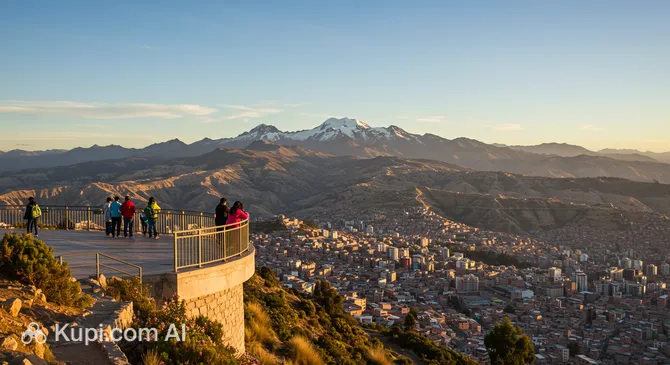
The geography of La Paz is truly distinctive, sitting at an elevation of roughly 3,650 meters (11,975 feet) above sea level. Due to its high altitude, the climate is generally cool and dry, often described as a subtropical highland climate. With a metropolitan population of over 2.8 million people, it is a dense and vibrant hub of activity. The city is watched over by the majestic Mount Illimani, a snow-capped peak that serves as an iconic guardian and provides a stunning backdrop to the cityscape.
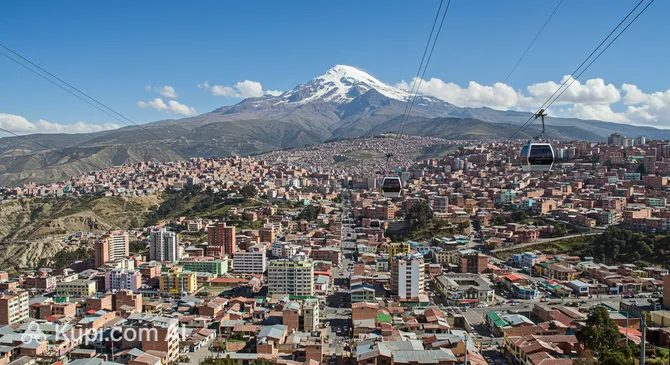
La Paz. Source: Kupi.Binoculars

The cultural fabric of the city is woven with threads from its colonial past and its strong Aymara heritage. Those interested in the history of La Paz will discover a fascinating narrative reflected in its architecture, from the colonial buildings around Plaza Murillo to the bustling local markets. Walking through the streets, you can feel the blend of eras, where ancient customs are practiced alongside contemporary life.

Travelers should not miss the opportunity to ride Mi Teleférico, the world's longest and highest urban cable car network. It offers an efficient way to get around and provides unparalleled aerial views of the city's sprawling geography. Another essential stop is the famous Witches' Market (Mercado de las Brujas), where you can find traditional remedies, charms, and local handicrafts. Whether you are exploring the moon-like landscapes of the nearby Valle de la Luna or enjoying the local cuisine, La Paz promises an adventure unlike any other. We invite you to explore this sky-high metropolis and immerse yourself in its vibrant atmosphere.
Weather Overview

Due to its high altitude, the climate in La Paz is consistently cool throughout the year, with average temperatures generally hovering between 6°C and 9°C. The warmest month is typically November, where average highs reach 14.0°C, while the coldest period occurs in June and July, with minimum temperatures often dropping to near 0°C. Travelers should be prepared for chilly evenings and layer their clothing accordingly to stay comfortable.

Precipitation is a frequent occurrence, with the data indicating a high number of wet days even during the drier months. January, March, and December are particularly damp, recording up to 29 wet days, whereas June and July see a reduction to about 15 wet days. To help you pack appropriately for these conditions, we recommend checking the detailed guide to the weather in La Paz. Expect consistently cool temperatures with frequent precipitation patterns, making a warm, waterproof jacket an essential item for your trip.

Interesting Facts

Beyond the well-trodden tourist paths, La Paz holds many fascinating secrets that reveal the city's quirky and resilient character. These unique features highlight the blend of tradition, geography, and modern adaptability that defines daily life in the clouds.
  • If you look up at the National Congress building in the city center, you might notice something unusual: the clock runs backwards. Known as the "Clock of the South," its hands move counter-clockwise and the numerals are inverted, a symbol chosen to represent Bolivian identity and the indigenous worldview.

  • Pedestrian safety has a unique face here: youths dressed in full-body zebra costumes. Known as "Cebras," these urban educators dance in crosswalks to manage traffic and help people cross the street safely. The initiative is so beloved that the city even has a Zebra Park dedicated to these striped mascots.

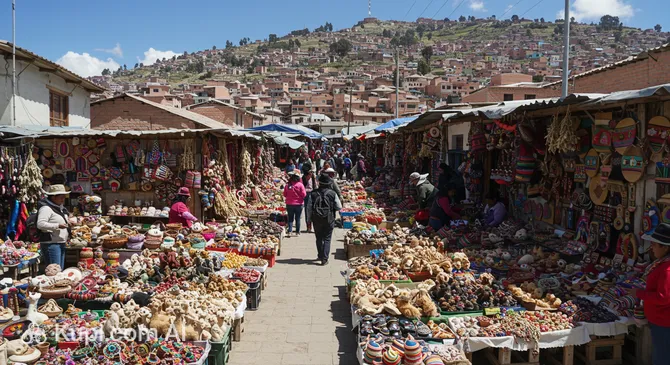
  • While wandering through the famous Witches' Market, you will likely see dried llama fetuses hanging from the stalls. Far from being ominous, these are purchased by locals to be buried in the foundations of new buildings as a sacred offering to Pachamama (Mother Earth) for protection and good fortune.

  • Due to the extreme altitude, water in La Paz boils at approximately 87°C (188°F) rather than 100°C. This physical quirk changes how food is cooked; pasta and rice take significantly longer to prepare, and pressure cookers are an essential appliance in almost every household to ensure meals are cooked thoroughly.

Witches' Market. Source: Kupi.Binoculars

How to Get There

Reaching this high-altitude metropolis is an adventure in itself, offering stunning views of the Altiplano as you approach. While the city is well-connected by various means of transport, most international visitors choose to fly. For a comprehensive overview of all travel options, including overland routes, you can read more about how to get to La Paz.

The primary gateway to the city is El Alto International Airport (LPB), which is conveniently located just 7.9 km from the center. As one of the highest commercial airports in the world, it serves as the main hub for international and domestic flights. The journey to the city center by taxi or bus takes approximately 32 minutes, offering a dramatic descent into the canyon where La Paz sits. Alternatively, some travelers might use J Wilsterman Airport (CBB) located in Cochabamba. However, it is situated about 231 km away, and the ground transfer to La Paz is significant, taking around 367 minutes.

For clarity, here is a summary of the main airports serving the region:

Airport Name City Passenger Traffic Km from City
J Wilsterman Airport Cochabamba Large 231.1
El Alto International Airport La Paz Large 7.9
Tacna Airport Tacna Medium 286.8
Juliaca Airport Juliaca Medium 245.9
Rurrenabaque Rurrenabaque Small 234.4

Main Attractions

Exploring La Paz is an adventure that takes you from colonial history to breathtaking panoramic vistas. The city's unique topography and rich cultural heritage are reflected in its most famous landmarks, offering visitors a chance to dive deep into the Bolivian soul. Whether you are interested in architecture, history, or simply soaking in the views, there is something here to captivate every traveler.

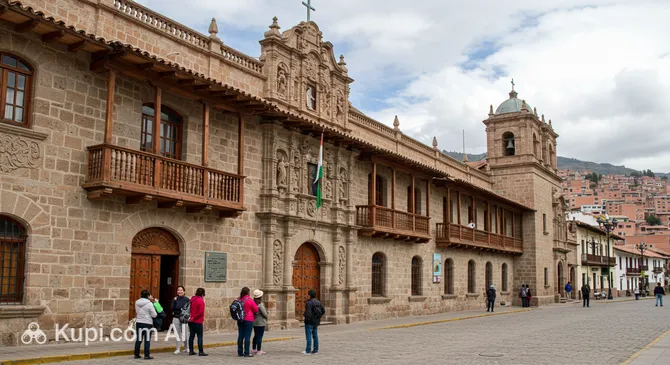
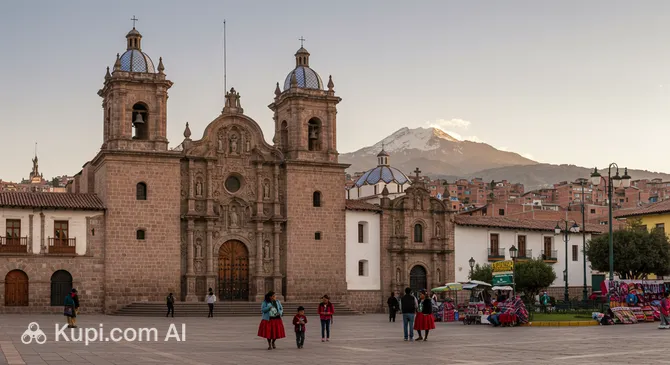
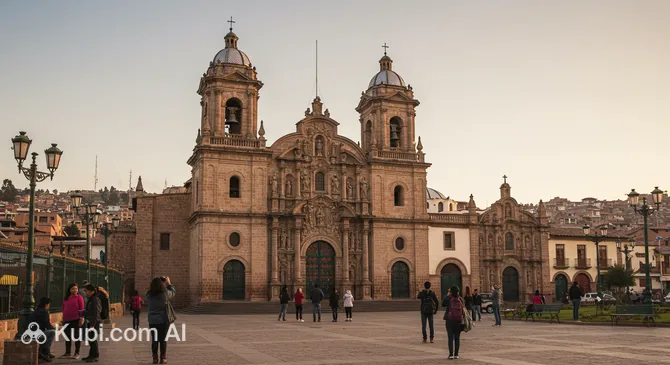
One of the most impressive architectural gems in the city is the Basilica of San Francisco. Located in the heart of the downtown area, this stunning structure is a masterpiece of "Mestizo Baroque" style, blending Catholic religious themes with indigenous symbols such as local flora and fauna carved into the stone facade. Visitors can tour the church, explore the cloister museum, and even climb to the roof for a unique perspective of the bustling square below.

Basilica of San Francisco. Source: Kupi.Binoculars

For those seeking the perfect photo opportunity, the Killi Killi Viewpoint is an absolute must. Situated on a hilltop that was once a strategic site during indigenous uprisings, this lookout offers unrivaled 360-degree views of the sprawling city and the majestic Mount Illimani in the distance. It is one of the best places to truly appreciate the dramatic bowl-shaped geography of La Paz, especially during sunset when the city lights begin to twinkle.

Killi Killi Viewpoint. Source: Kupi.Binoculars

To gain a deeper understanding of the country's diverse cultural tapestry, a visit to the National Museum of Ethnography and Folklore is highly recommended. Housed in a beautifully restored colonial building, the museum showcases an extensive collection of textiles, masks, feather art, and ceramics from various Bolivian ethnic groups. It provides a fascinating insight into the traditions and artistry that define the region's identity.

National Museum of Ethnography and Folklore. Source: Kupi.Binoculars

If you are looking for a more relaxed atmosphere, head to the bohemian neighborhood of Sopocachi to visit El Montículo Park. This charming, landscaped park is a favorite among locals and couples for its romantic ambiance and artistic flair. It features a beautiful entrance arch, a fountain, and quiet pathways, along with another splendid vantage point to admire the city skyline in a peaceful setting.

Local Cuisine

The culinary landscape of La Paz is as dramatic and varied as its geography, offering a rich blend of indigenous Aymara traditions and Spanish influences. Due to the high altitude, the local diet is heavy on carbohydrates like potatoes, corn, and quinoa, providing the energy needed to navigate the steep streets. The city's food scene is unpretentious but deeply flavorful, ranging from humble street stalls selling steaming snacks to upscale restaurants reinventing Andean ingredients for the modern palate.

Your gastronomic journey must begin with the salteña, Bolivia's most beloved savory pastry. Traditionally eaten as a mid-morning snack, this baked empanada is filled with a juicy stew of meat, chicken, olives, eggs, and slightly sweet spices. Eating one without spilling the hot broth is a skill that locals have mastered, and it is a fun challenge for visitors. Another hearty staple to try is the Plato Paceño. Originally a vegetarian dish, it combines corn on the cob, lima beans, potatoes, and a slab of fried cheese, offering a simple yet delicious taste of the region's agricultural bounty.

When it comes to beverages, the high altitude dictates many of the local choices. Upon arrival, you will likely be offered Mate de Coca, a tea made from coca leaves that helps alleviate altitude sickness and aids digestion. For something sweeter and warmer, look for Api, a thick, purple corn drink spiced with cinnamon and cloves, often served with a fried pastry called a pastel. On the stronger side, the national spirit is Singani, a brandy distilled from white Muscat of Alexandria grapes. It is most commonly enjoyed in a refreshing cocktail known as a Chuflay, mixed with ginger ale and lime.

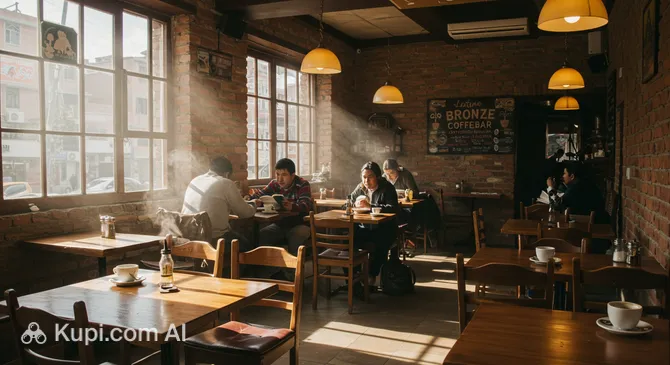
HB Bronze Coffeebar. Source: Kupi.Binoculars

The dining culture in La Paz is a vibrant mix of old and new. For an authentic experience, head to the local markets where "cholitas" serve massive portions of soups like Sopa de Maní (peanut soup) at unbeatable prices. However, the city also boasts a growing specialty coffee and fine dining scene. You can enjoy high-quality Bolivian coffee at places like the HB Bronze Coffeebar, which highlights the country's excellent bean production. For a more formal dinner exploring Mediterranean and local fusion, Oliva Restaurant is a popular choice among travelers and locals alike.

Travel Tips

Visiting La Paz is a thrilling experience, but the high altitude and bustling urban environment require a bit of preparation to fully enjoy. To help you navigate the "City in the Clouds" with ease and confidence, we have compiled a list of essential practical advice.

  1. Dress in Layers for the Altitude. The weather in La Paz can change rapidly; it might be warm and sunny one moment and chilly the next, especially when the sun goes down. Pack a "system" of clothing: a T-shirt, a warm sweater or fleece, and a windproof jacket. Also, bring comfortable walking shoes with good grip, as the city's streets are steep and often paved with cobblestones. Don't forget high-SPF sunscreen and sunglasses, as the UV radiation is very strong at this elevation.

  2. Mastering Local Transport. The most efficient and scenic way to move between the city center and the upper districts (like El Alto) is the Mi Teleférico cable car system; it is safe, clean, and avoids traffic jams. For shorter distances within the center, you can use minibuses or trufis (shared taxis), but they can be confusing for newcomers. If you need a private car, always use "Radio Taxis" (look for the phone number on the roof sign) or reputable ride-hailing apps rather than hailing random cars off the street for safety.

  3. Cash is King. While upscale restaurants and supermarkets accept credit cards, the heart of La Paz lies in its street markets and small shops where cash is the only option. Carry the local currency, the Boliviano (BOB), and try to keep plenty of small change and low-denomination bills. Vendors often struggle to break large banknotes (like 100 or 200 Bolivianos) for small purchases.

  4. Managing Health and Altitude. Altitude sickness, or soroche, is a real concern for many travelers. Take it easy for the first day, walk slowly, and stay hydrated. Local pharmacies are widely available and well-stocked with oxygen canisters and "Sorojchi Pills" if you need them. Avoid heavy meals and excessive alcohol on your first night to let your body acclimatize.

  5. Communication Essentials. Spanish is the primary language, and English is not widely spoken outside of major hotels and tour agencies. Learning a few basic phrases like "¿Cuánto cuesta?" (How much?) or "Por favor" (Please) goes a long way. Buying a local SIM card from providers like Entel or Tigo is easy and affordable, ensuring you have access to maps and translation apps which are invaluable for navigation.

  6. Respectful Photography. The local culture, particularly among the indigenous Aymara population, is deeply traditional. It is considered rude to take photos of people, especially the Cholitas (women in traditional dress), without asking for permission first. A simple smile and asking "¿Puedo tomar una foto?" shows respect; be prepared that some may decline or ask for a small tip in exchange.

  7. Watch What You Drink. Avoid drinking tap water directly, as it can cause stomach upsets for visitors not used to the local bacteria. Stick to bottled water, which is cheap and readily available everywhere. When eating out, especially at street stalls, ensure that cooked food is served hot, and avoid raw vegetables that may have been washed in tap water.

  8. Public Restroom Preparedness. Public restrooms in markets, bus terminals, and parks usually charge a small fee for entry (typically 1 or 2 Bolivianos). However, they rarely provide toilet paper. A pro tip for La Paz is to always carry a small packet of tissue and some coins in your pocket specifically for this purpose.

By keeping these tips in mind, you will be well-equipped to handle the unique quirks of this fascinating Andean metropolis. Embrace the slower pace required by the altitude, engage respectfully with the locals, and get ready for an unforgettable journey in one of the world's most extraordinary cities.

Entertainment & Nightlife

Entertainment and Nightlife:

As the sun sets over the Andes, La Paz transforms from a bustling commercial hub into a vibrant city with a diverse nightlife scene. While the high altitude might suggest a sleepy evening, the reality is quite the opposite. The city offers everything from cozy pubs and craft breweries to energetic dance clubs and traditional folkloric shows. The primary hub for evening entertainment is the trendy neighborhood of Sopocachi, where you will find a concentration of bars, restaurants, and cafes that attract a mix of locals, expats, and travelers.

For a truly unique atmosphere, a visit to Diesel Nacional is highly recommended. This bar is famous for its industrial-chic decor, featuring train tracks running along the floor, exposed metalwork, and a steampunk aesthetic that feels like a movie set. It is an excellent spot to enjoy a cocktail or a local beer in a relaxed setting. If you prefer craft beer, the DT Brew House offers a wide selection of local brews in a friendly environment, perfect for socializing.

Diesel Nacional. Source: Kupi.Binoculars

Travelers looking to immerse themselves in Bolivian culture should not miss a "Peña," a traditional evening of music and dance. Jamuy Peña is a popular venue where you can watch performers in colorful costumes dance the Cueca or Caporales while enjoying local cuisine. For those who want to dance the night away to more modern beats, Gold Classics provides a lively club experience with a mix of retro and contemporary hits.

When planning a night out, keep in mind that the altitude enhances the effects of alcohol, so it is wise to pace yourself. The dress code in most La Paz venues is casual and relaxed; you rarely need formal attire. Prices are generally affordable, with beers and cocktails costing significantly less than in North America or Europe. However, nightlife starts a bit later here, with many bars filling up after 10:00 PM and clubs peaking well after midnight.

Safety is a crucial consideration for nocturnal explorations. While Sopocachi is generally safer than other areas, it is strongly advised to avoid walking alone late at night. Always use "Radio Taxis" (taxis dispatched by phone or app) rather than hailing random cars on the street. This is the safest way to return to your accommodation after a night out. Avoid the El Alto area and empty streets in the historic center after dark.

During the day, entertainment in La Paz takes a more educational and recreational turn. The city is dotted with fascinating museums such as the National Museum of Art, housed in a pink colonial palace. For families or those looking for a modern shopping and leisure experience, Las Torres Mall offers cinemas, food courts, and retail therapy. Whether exploring history by day or music by night, La Paz keeps its visitors engaged around the clock.

Parks & Museums

While La Paz is famous for its dramatic urban density, the city also offers refreshing pockets of greenery and a wealth of cultural institutions that preserve its complex history. Exploring these spaces allows visitors to catch their breath and delve deeper into the traditions that shape this high-altitude metropolis, from its ancient indigenous roots to its modern artistic expressions.

For a break from the bustling streets, the Central Urban Park is a vital green lung stretching through the city. This extensive linear park connects the city center with the southern districts and is a favorite among locals for sports and leisure. It features walking paths, soccer fields, and recreational areas, offering a unique perspective of the skyline from within the canyon. It serves as a communal backyard where the pace of life slows down slightly amidst the urban rush.

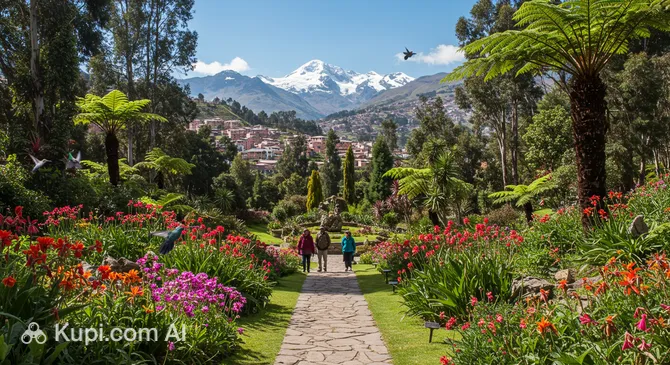
Another serene escape is the La Paz Botanical Garden, located in the lower, warmer southern zone of the city. This beautifully maintained space showcases the diverse flora of Bolivia, ranging from high-altitude Andean plants to species from the valleys. It is an excellent spot for a peaceful walk, allowing visitors to appreciate the region's biodiversity while enjoying a milder climate compared to the city center.

La Paz Botanical Garden. Source: Kupi.Binoculars

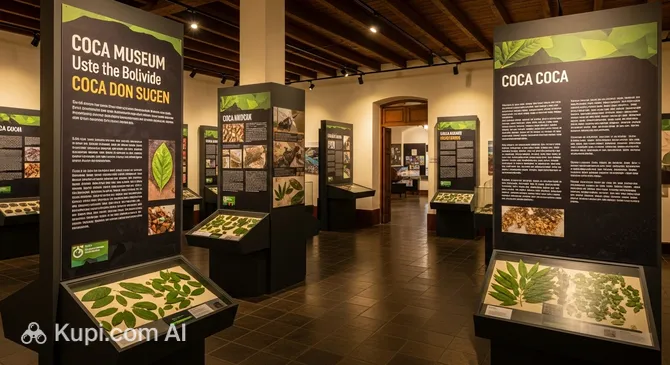
La Paz's museums are as unique as its geography. A standout institution is the Coca Museum, which offers a fascinating look at the sacred coca leaf. Far from promoting drug use, this small but dense museum educates visitors on the plant's deep cultural significance in Andean societies, its medicinal uses, and its controversial history involving the cocaine industry. It provides essential context for understanding why this leaf is so ubiquitous in daily Bolivian life.

For a more family-friendly and interactive cultural experience, the Pipiripi Interactive Museum of Memory and Future is a delight. Situated on a hill with panoramic views, this museum focuses on the identity and history of La Paz through playful exhibits and sensory displays. It is designed to engage children and adults alike, telling the story of the city's growth, traditions, and people in a way that is both educational and entertaining.

Coca Museum. Source: Kupi.Binoculars

In terms of historical landmarks, San Francisco Square stands as the undisputed gathering point of the city. Located in front of the basilica, this vast stone plaza is always teeming with life, from street performers and vendors to political rallies. It marks the boundary between the indigenous and Spanish colonial sections of the old city, making it a powerful symbol of the "Mestizo" identity that defines La Paz.

For a quieter, more local experience, head to the Sopocachi neighborhood to find Plaza España. This charming square is less chaotic than the downtown plazas and is surrounded by cafes and restaurants. It is a perfect spot to sit on a bench, watch the world go by, and observe the daily life of Paceños away from the main tourist trail.

Getting Around

Navigating La Paz is an experience quite unlike any other major city. Due to its steep canyon geography and high altitude, a traditional underground metro system is impossible. Instead, the city has developed an innovative "subway in the sky"—an extensive network of cable cars that serves as the primary backbone of public transit. Combined with a mix of modern municipal buses and traditional informal transport, getting around is both an adventure and a practical necessity.

The crown jewel of the transport system is Mi Teleférico. This state-of-the-art cable car network connects the city center with the upper districts and the neighboring city of El Alto. It is clean, efficient, safe, and offers spectacular aerial views. The lines are color-coded (Red, Yellow, Green, etc.), making navigation intuitive for tourists. Operating generally from 6:00 AM to 11:00 PM, it is not just a tourist attraction but a daily lifeline for thousands of locals avoiding the traffic below.

On the ground, the transport scene is divided between formal and informal options. The PumaKatari and ChikiTiti are modern municipal buses with fixed stops, set routes, and uniformed drivers. They are safe and comfortable, offering a reliable alternative to the chaos of the streets. In contrast, the city is swarming with minibuses (vans) and micros (older, colorful buses). These have no fixed schedules; they display their destinations on placards in the windshield. To catch one, you simply wave from the curb, and to get off, you shout "¡Voy me quedo!" or "¡Esquina!" to the driver.

Regarding payment, systems vary by mode of transport. For Mi Teleférico, you can purchase a single-use ticket at the station or buy a rechargeable smart card, which is recommended if you plan to use the system frequently as it saves time and allows for smoother transfers between lines. The municipal buses (PumaKatari) also use a smart card system but accept cash. For minibuses, micros, and shared taxis (known as trufis), cash is the only option. Fares are very low, typically costing just a few coins, so it is essential to carry plenty of small change.

Taxis are abundant, but it is important to distinguish between them for safety. Radio Taxis (identifiable by the phone number and company logo on the roof) are considered safer and more reliable than unmarked street taxis. Taxis in La Paz do not use meters; you must negotiate and agree on the fare with the driver before getting into the car. Ride-sharing apps like Uber and Yango are also available and are often preferred by tourists for their fixed pricing and safety features.

For visitors, the best advice is to combine the cable car for long distances with walking or taxis for short trips. While walking allows you to see the city up close, remember that the high altitude makes uphill treks exhausting. Avoid using minibuses during peak rush hours (early morning and late afternoon) when they become incredibly crowded. Finally, always validate your cable car ticket at the turnstiles and keep your smart card topped up at the station kiosks to ensure a hassle-free journey across the sky.

Accommodation

Finding the right place to stay in La Paz is an essential part of the travel experience, with options ranging from lively backpacker hostels to high-end luxury hotels. The city's accommodation sector has evolved significantly, offering modern amenities alongside traditional hospitality. Whether you are looking for a budget-friendly bed or a sophisticated suite, you will find a variety of choices that cater to different tastes and travel styles.

The location of your accommodation can greatly influence your stay, particularly due to the city's unique geography and altitude. The City Center (Downtown) is the bustling heart of La Paz, ideal for those who want to be close to historical landmarks and museums. Staying here places you within walking distance of the famous San Francisco Square and the Witches' Market, immersing you in the chaotic charm of the city.

San Francisco Square. Source: Kupi.Binoculars

For a slightly more relaxed atmosphere, the Sopocachi neighborhood is a top choice for many travelers. Located just south of the center, this bohemian district is known for its safety, trendy cafes, and vibrant nightlife. It offers a residential feel while still being well-connected to the main attractions. A popular reference point in this area is Plaza España, which is surrounded by excellent dining options.

Travelers seeking luxury and a reprieve from the altitude often prefer the Southern Zone (Zona Sur), including neighborhoods like Calacoto and San Miguel. Situated at a lower elevation, these areas are noticeably warmer and easier to breathe in. Here, you will find modern 5-star hotels, upscale boutiques, and contemporary shopping centers, providing a comfortable and cosmopolitan experience away from the steep streets of the historic center.

Regarding costs, La Paz is generally very affordable. Budget travelers can find hostel dorms and simple guesthouses for approximately $10 to $30 USD per night. Mid-range hotels, which typically offer private bathrooms, breakfast, and Wi-Fi, range from $40 to $80 USD. Luxury accommodations in the Southern Zone or boutique hotels in Sopocachi usually start around $100 USD. Booking can easily be done through major online platforms, though contacting smaller establishments directly can sometimes yield better rates.

A crucial tip for booking accommodation in La Paz is to check for heating. Nights are cold year-round, and many budget to mid-range buildings do not have central heating. Ensure your hotel provides electric heaters or heavy blankets to stay warm. Additionally, if you are visiting during the peak dry season (May to October), it is advisable to book in advance to secure your preferred location.

Nearby Cities

For those looking to explore the surroundings, La Paz serves as an excellent base for day trips to several interesting nearby locations:

Just adjacent to the capital lies El Alto, a rapidly growing city located on the Altiplano plateau above the canyon. It is famous for its vibrant "New Andean" architecture, characterized by colorful, geometric buildings known as "Cholets." Visitors also flock here for the massive 16 de Julio open-air market, one of the largest in South America, where you can find almost anything imaginable.

Further afield is Oruro, known as the folklore capital of Bolivia. While it is a longer journey, it is a culturally significant destination, particularly famous for its UNESCO-recognized Carnival, which features thousands of dancers and musicians performing traditional Diablada dances. It offers a deep dive into the mining history and legends of the high Andes.

City Population Distance (km)
El Alto 943,000 9
Oruro 351,802 197
Quillacollo 137,182 220
Sipe Sipe 41,571 217
Tiquipaya 31,264 223

These nearby destinations offer a glimpse into the diverse culture and landscapes of the region.

Shopping & Souvenirs

Shopping in La Paz is a vibrant and colorful experience that differs significantly from the typical high-street retail found in many other capitals. While you can find modern conveniences, the city's true charm lies in its bustling street markets and artisan stalls. It is a destination where ancient traditions meet modern commerce, offering everything from high-quality textiles and handcrafted jewelry to unique cultural artifacts. Visitors should be prepared to explore on foot, navigating steep streets lined with vendors selling goods that reflect the rich Andean heritage.

For those seeking traditional handicrafts and souvenirs, the most famous area is Calle Sagárnaga. Located just south of the main plaza, this steep, cobblestoned street is the tourist heart of the city. It is packed with shops selling alpaca sweaters, leather goods, and silver jewelry. Nearby, Calle Comercio offers a different vibe; it is a lively pedestrian street where locals shop for everyday items, clothing, and electronics, providing a more authentic glimpse into the daily life of Paceños.

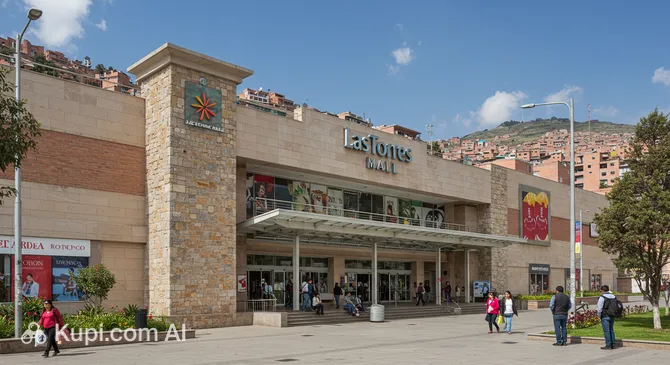
While street markets dominate the scene, La Paz has seen a rise in modern retail spaces. Las Torres Mall is one of the city's newest and most sophisticated shopping centers. Located in the Avenida Arce area, it features a variety of international and national brands, a food court, and a cinema, making it a great spot for a relaxed afternoon. Another unique retail hub is the Faro Murillo Cable Car Station Shopping Area, which integrates transit with commerce, allowing travelers to shop for essentials and local products while connecting between cable car lines.

Las Torres Mall. Source: Kupi.Binoculars

No shopping trip to La Paz is complete without visiting its legendary markets. The most iconic is the Witches' Market (Mercado de las Brujas), located on Calle Linares and Calle Melchor Jiménez. Here, you will find fascinating curiosities such as dried llama fetuses, medicinal plants, and charms used in Aymara rituals, alongside colorful textiles. For a more general market experience, the nearby Mercado Lanza is a multi-story concrete structure selling fresh produce, flowers, and cheap local meals.

When it comes to souvenirs, alpaca and llama wool products are the top choice. You can find high-quality sweaters, scarves, and hats that are incredibly warm and soft. Another popular item is the aguayo, a traditional multi-colored woven cloth used by indigenous women to carry babies or goods; these can be bought as fabric or made into bags and accessories. Additionally, Bolivia is renowned for its silver, so look for handcrafted silver jewelry featuring Andean motifs, which is often sold at very reasonable prices.

Opening hours in La Paz can vary. Most street shops and market stalls open around 9:00 AM or 10:00 AM and close by 8:00 PM, though some tourist-oriented stores on Calle Sagárnaga may stay open later. Shopping malls typically operate from 10:00 AM to 10:00 PM. In terms of payment, cash is essential for markets and smaller shops, so be sure to carry Bolivianos in smaller denominations. Credit cards are generally accepted in shopping malls, upscale boutiques, and larger restaurants, but they are rarely used in street markets.

Tourists should be aware that Bolivia does not currently have a widely accessible tax-free shopping or VAT refund scheme for international visitors. The price you see on the tag is the final price you pay. However, prices in markets are often negotiable, and a polite bit of bargaining is expected and can lead to a friendly exchange and a better deal.

Reached the end of the page?

That means the route is fully explored