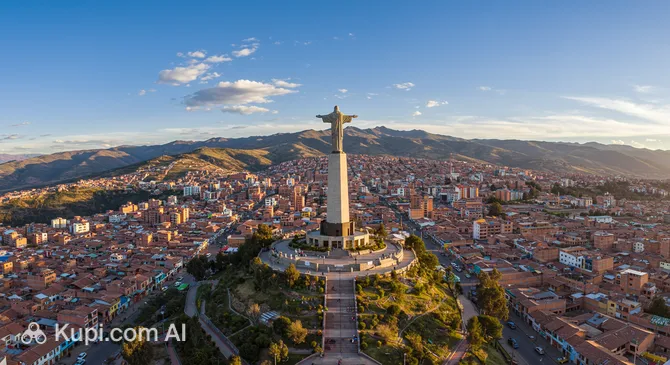
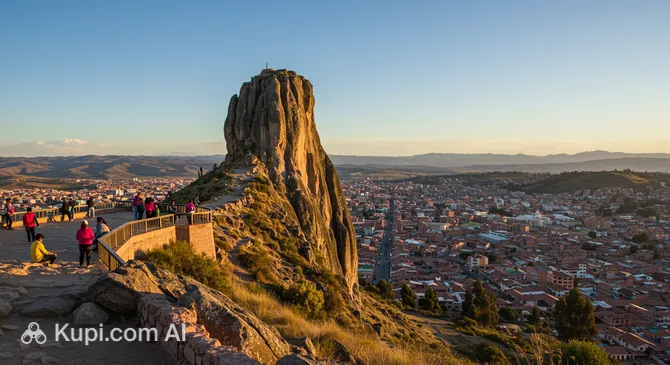
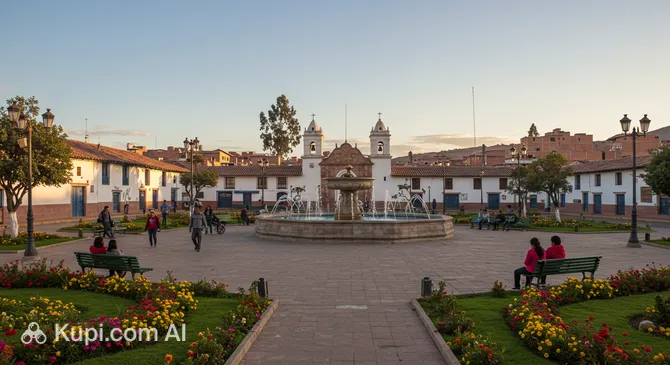
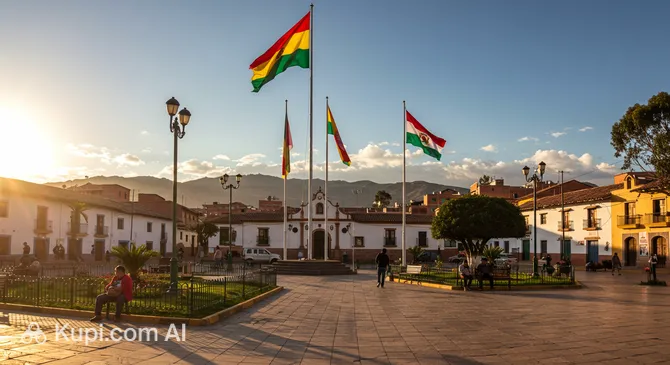
Welcome to Cochabamba, a vibrant metropolis nestled in a fertile valley of the Andes. Known affectionately as the "City of Eternal Spring" due to its year-round temperate climate, this bustling city is often considered the gastronomic heart of Bolivia. With a population of over 850,000 residents, it serves as a dynamic agricultural and commercial hub, offering a perfect blend of modern energy and traditional charm.
Cochabamba. Illustration.
Source: Kupi.com AI
The city's urban landscape and culture are deeply rooted in the past. Exploring the history of Cochabamba reveals a fascinating narrative of indigenous heritage and Spanish colonial influence, which is still visible in the architecture around the main plaza. Beyond its historical streets, visitors are drawn to the iconic Cristo de la Concordia, a colossal statue of Jesus Christ that stands atop San Pedro Hill, offering panoramic views of the entire valley. Another must-visit is La Cancha, one of the largest open-air markets in South America, where the vibrant colors, textures, and scents of local life come alive.
Whether you are looking to indulge in the country's finest cuisine, explore labyrinthine markets, or simply enjoy the consistently pleasant weather, Cochabamba offers an unforgettable experience. It is an ideal destination for travelers seeking an authentic and lively taste of Bolivian culture.
Weather Overview
Cochabamba is renowned for its temperate climate, often referred to as a "perpetual spring," making it a pleasant destination at almost any time of year. When planning your trip, it is helpful to consider the weather in Cochabamba, which remains relatively mild with average monthly temperatures staying between 9°C and 13°C. The city does not experience extreme heat or severe cold, although layers are recommended for the cooler evenings.
The year is characterized by distinct wet and dry periods rather than drastic temperature changes. The warmer season, spanning from October to January, sees daily highs reaching roughly 18°C; however, this coincides with the wettest months, particularly December and January, where rain can occur on up to 30 days of the month. Conversely, the winter months of June and July are the driest, featuring clear skies and only about 6 to 8 wet days, though nighttime temperatures can drop to a chilly 3°C or 4°C.
Average monthly temperature
Average monthly precipitation
Interesting Facts
Beyond the main attractions, Cochabamba holds many fascinating secrets and unique distinctions that often surprise visitors. From record-breaking monuments to curious architectural tales, the city offers plenty of intriguing details for the curious traveler.
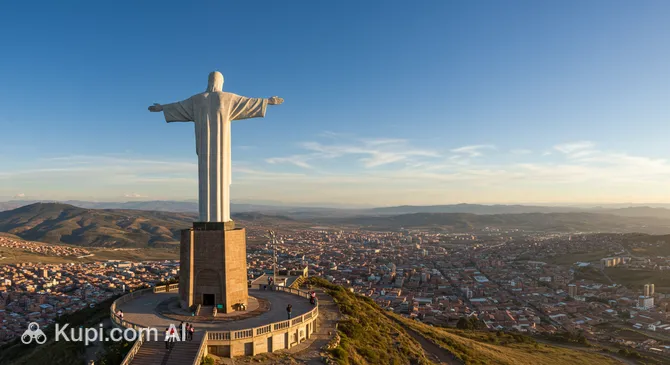
The impressive Christ of Concord statue is actually taller than the world-famous Christ the Redeemer in Rio de Janeiro. Standing at a total height of over 40 meters, the statue itself measures exactly 33 meters to represent the age of Jesus Christ, making it one of the largest monuments of its kind in the world.
Cochabamba is the birthplace of the "Pique Macho," one of Bolivia's most famous and massive dishes. According to local legend, this heaping plate of spicy beef, sausage, and vegetables was invented by a local restaurant owner to help patrons sober up after a night of drinking, challenging them to finish the spicy meal to prove their "machismo."
The opulent Palacio Portales was built by the "Tin Baron" Simón Iturri Patiño, who was once among the wealthiest men on the planet. Despite importing the finest marble and wood from Europe for its construction, Patiño never spent a single night in the mansion due to health issues that prevented him from living at high altitudes.
A historic slaughterhouse has been remarkably transformed into the mARTadero Project, a dynamic cultural center. The space, which retains much of its original industrial architecture, is now a hub for contemporary art, theater, and social development, symbolizing the city's capacity for reinvention.
Christ of Concord. Illustration.
Source: Kupi.com AI
Traveler photos:
How to Get There
Reaching the "City of Eternal Spring" is relatively straightforward, with air travel being the most convenient option for international and domestic visitors. For a comprehensive guide on all transport options, including buses and driving routes, you can read more about how to get to Cochabamba. The city is well-connected to other major Bolivian hubs, making it an accessible destination for travelers exploring the Andes.
The primary gateway to the city is J Wilsterman Airport (IATA: CBB), located just 4.7 km from the city center. As an international airport, it handles a significant volume of traffic and serves as a major hub for flights from within Bolivia and neighboring countries. Due to its close proximity to the downtown area, a taxi or bus ride to your hotel typically takes only about 25-30 minutes, making arrival very hassle-free.
Alternatively, some travelers may choose to fly into El Alto International Airport (IATA: LPB) in the city of La Paz. This is one of the highest international airports in the world and a major entry point for Bolivia. However, please note that this airport is located approximately 237 km away from Cochabamba. If you land here, you will need to arrange ground transportation, such as a long-distance bus or a taxi, to reach your final destination. The journey by road from La Paz to Cochabamba takes approximately 6 hours and 15 minutes, offering scenic views of the Bolivian highlands along the way.
For clarity, here is a summary of the main airports:
Currently, there are no major railway stations offering regular passenger service directly to Cochabamba that are convenient for tourists. While Bolivia has a history of rail transport, the network is not the primary method for reaching this specific valley city today. Most travelers prefer the extensive and affordable interdepartmental bus network, which connects Cochabamba with cities like La Paz, Santa Cruz, and Sucre.
Main Attractions
Cochabamba offers a diverse array of sights that blend colonial history, religious heritage, and modern recreational spaces. While the massive Christ of Concord is often the first stop for many, the city's charm lies in its bustling plazas, well-preserved architecture, and vibrant public parks. Here are some of the key places you should include in your itinerary to truly experience the local culture.
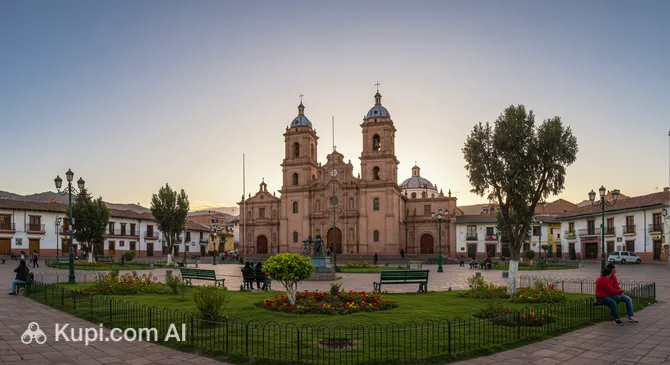
The heart of the city beats at September 14 Square (Plaza 14 de Septiembre). This historic main square is surrounded by beautiful colonial buildings, including the Metropolitan Cathedral and the municipal government offices. It is an excellent starting point for any walking tour, offering a lively atmosphere where locals gather, shoe shiners work, and vendors sell traditional snacks. Tourists will appreciate the colonial arcades and the shade of ancient trees, making it a perfect spot to sit and people-watch while soaking in the city's daily rhythm.
September 14 Square. Illustration.
Source: Kupi.com AI
Traveler photos:
For a deep dive into the region's religious and architectural history, the Santa Teresa Convent Museum is a hidden gem. Built in the 18th century, this baroque complex was once a cloistered convent and has been beautifully restored. Visitors can explore its peaceful courtyards, winding corridors, and cells that tell the story of the nuns who lived there in seclusion. It is particularly interesting for art lovers and history buffs, as the museum houses an impressive collection of colonial religious art and sculptures.
If you are looking for an evening of entertainment, Familia Park (Parque de la Familia) is a must-see attraction, especially known for its spectacular "Dancing Waters" show. This modern park features a complex of musical fountains that come alive at night with synchronized lights and music. It is a fantastic destination for families and couples alike, offering a magical atmosphere and a refreshing break from the city's busy streets.
Nature enthusiasts will find tranquility at the Martín Cárdenas Botanical Garden. Named after Bolivia's most celebrated botanist, this garden showcases a wide variety of native and exotic plant species, including an extensive collection of cacti and succulents. It serves as a green oasis within the urban sprawl, providing a quiet space for walking, reading, or simply admiring the rich biodiversity of the Cochabamba valley.
Local Cuisine
Cochabamba is widely celebrated as the "Gastronomic Capital of Bolivia," a title it earns through its fertile valleys that produce an abundance of fresh corn, potatoes, and fruits. The local food culture is defined by generous portions, bold flavors, and a deep love for communal dining. Visitors will find that eating here is not just a necessity but a central part of the social fabric, with aromas of spiced meats and fresh herbs wafting through the streets from early morning until late at night.
One of the city's most iconic dishes is the Silpancho. This hearty meal consists of a layer of white rice and boiled potatoes topped with a large, breaded, and pan-fried beef cutlet, finished with a fried egg and a fresh salsa of diced onions, tomatoes, and locoto peppers. Another staple is the savory Chicharrón, usually served on weekends. It features chunks of pork slow-cooked in large copper vats until crispy and tender, served alongside mote (hominy corn) and llajwa, the ubiquitous spicy Bolivian sauce.
To accompany these rich meals, locals often enjoy traditional beverages rooted in indigenous history. Chicha, a fermented corn drink, is the quintessential beverage of the valley, often found in rustic taverns known as chicherías. For a non-alcoholic option, Mocochinchi is a refreshing favorite made from dehydrated peaches boiled with cinnamon and sugar, served cold. It is widely available from street vendors throughout the city.
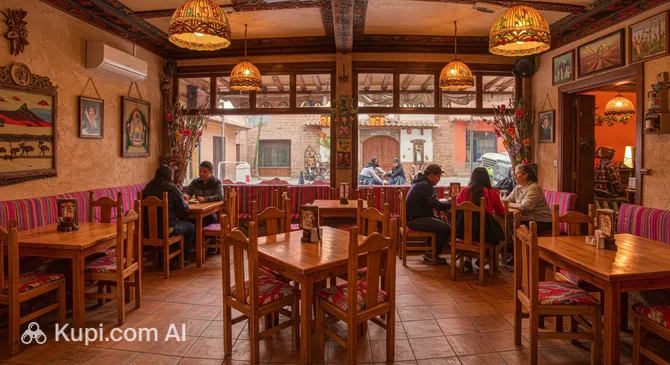
The dining scene in Cochabamba ranges from vibrant street stalls to established restaurants. For those looking to experience a blend of local ingredients and comfortable dining, places like Paprika offer a varied menu in a pleasant setting. Alternatively, you can visit Paqui's Restaurant, which is another popular spot among residents. Whether you are grabbing a quick salteña (a savory pastry) in the morning or sitting down for a heavy lunch, the city's culinary offerings are sure to satisfy any appetite.
Paprika. Illustration.
Source: Kupi.com AI
Traveler photos:
Travel Tips
To help you make the most of your visit to the "City of Eternal Spring," we have compiled some essential advice. These practical tips will ensure your stay in Cochabamba is not only enjoyable but also safe and culturally immersive.
Clothing and Gear: Thanks to the city's temperate climate, layers are your best friend. Days are generally warm and sunny, but temperatures drop noticeably at night, so bring a light jacket or sweater for the evenings. Since Cochabamba sits at a high altitude (around 2,558 meters), the sun is strong; a hat, sunglasses, and high-SPF sunscreen are mandatory. Comfortable walking shoes are essential, especially if you plan to explore the sprawling La Cancha market or the cobblestoned colonial center.
Transportation: The most common way to get around is by trufis (shared taxis following fixed routes) and micros (colorful buses). They are incredibly cheap and run frequently; just wave your hand to hail one and shout "me quedo" when you want to get off. For a more direct and private option, use radio taxis—call them from your hotel or restaurant rather than hailing them on the street for better safety. Ride-hailing apps are also becoming more common in the city center.
Finances: The local currency is the Boliviano (BOB). While upscale restaurants and hotels accept credit cards, cash is king in Cochabamba. You will definitely need small bills and coins for public transport, street food, and market vendors. ATMs are widely available, but it is wise to withdraw money during the day in secure locations. Tipping is not strictly mandatory but is appreciated; leaving about 10% in restaurants or rounding up the fare for taxi drivers is a kind gesture.
Health and Safety: Although Cochabamba is lower than La Paz, the altitude can still affect some travelers, so stay hydrated and limit alcohol intake on your first day. Never drink tap water; always opt for bottled or purified water. In terms of safety, remain vigilant in crowded areas like La Cancha to avoid pickpocketing. Pharmacies are plentiful and often denoted by a green cross, with some "Farmacias de Turno" open 24 hours on a rotating basis.
Communication: Spanish is the primary language, and English is not widely spoken outside of major tourist hotels and tour agencies. Learning a few basic phrases like "Buenos días" (Good morning) and "¿Cuánto cuesta?" (How much?) will go a long way. WhatsApp is the standard mode of communication for everything from tour bookings to chatting with locals. Buying a local SIM card (Entel, Tigo, or Viva) is easy and affordable—just bring your passport to an official store.
Local Etiquette: Locals are generally polite and formal in greetings. A handshake is common, though friends often greet with a single kiss on the cheek. When entering a shop or sitting at a shared table, it is customary to greet those around you. If you wish to take photos of residents, especially women in traditional dress (cholitas), always ask for permission first. Taking a photo without asking can be considered quite rude.
What to Avoid: Do not attempt to walk up the stairs to the Cristo de la Concordia statue on San Pedro Hill. While the path exists, it has a reputation for being unsafe due to robberies. The safest and most scenic way to reach the monument is by taking the teleférico (cable car) or a taxi directly to the top.
Market Tip: When shopping in local markets, you might encounter the concept of the yapa. If you buy a significant amount of fruit or goods, the vendor might give you a little extra for free as a gesture of goodwill. It is a charming part of the local commerce culture!
By keeping these tips in mind, you will be well-prepared to navigate the bustling streets and relaxed rhythm of Cochabamba. Embrace the local customs, enjoy the incredible food, and have a wonderful journey in the heart of Bolivia!
Entertainment & Nightlife
As the sun sets over the valley, Cochabamba transforms into a vibrant hub of activity, living up to its reputation for having some of the best nightlife in Bolivia. The city offers a diverse range of entertainment options, from relaxed bohemian pubs to high-energy dance clubs. The atmosphere is generally warm and welcoming, with a mix of university students, locals, and travelers filling the streets, particularly on Thursday, Friday, and Saturday nights.
The nightlife is concentrated in a few key districts, making it easy to hop between venues. El Prado (Avenida Ballivián) is the traditional center for an evening stroll, lined with restaurants and bars where you can enjoy a drink on a terrace. For a more upscale and trendy experience, head to the Recoleta district and the area around Avenida América and Calle Pando. Here, you will find stylish lounges and modern clubs that often stay open until the early hours of the morning.
Muela del Diablo Bar. Illustration.
Source: Kupi.com AI
Traveler photos:
For those seeking a unique local vibe, the Muela del Diablo Bar is a legendary spot. Named after a famous rock formation, this venue is known for its artistic atmosphere, live music, and bohemian crowd, making it a perfect place to start the night. If you are in the mood for dancing, Awra is a popular nightclub that plays a mix of electronic and Latin hits. Karaoke is also a favorite pastime in the city; venues like Capital Karaoke offer private rooms and a lively main stage for those willing to sing their hearts out.
When planning your night out, keep in mind that the party starts late in Cochabamba. Bars typically fill up around 10:00 PM, while clubs do not get busy until after midnight. The dress code varies; places in Recoleta tend to be "smart casual," so avoid wearing shorts or flip-flops if you plan to go clubbing. Prices are generally affordable, with local beers and cocktails costing significantly less than in North America or Europe. For safety, always use radio taxis or ride-hailing apps to get around at night. Avoid flagging down taxis on the street after dark, and stick to well-lit, populated areas.
Beyond the late-night scene, Cochabamba offers plenty of entertainment during the day and early evening. You can visit El Pueblito, a charming area designed to look like a traditional colonial village, which is great for a relaxing walk and photography. For a modern shopping and entertainment experience, the Paseo Aranjuez Shopping and Business Center features a cinema, food court, and various shops, providing a comfortable environment to unwind before the night begins.
Parks & Museums
Cochabamba is widely recognized as a city that values its green spaces and cultural heritage, offering visitors a delightful mix of manicured gardens, historical plazas, and educational institutions. The city's layout invites exploration, with numerous parks acting as communal "living rooms" where locals relax, exercise, and socialize under the warm Andean sun.
One of the most popular recreational areas is Lincoln Park, a sprawling green space that is a favorite among families and youth. It features well-maintained walking paths, sports courts, and plenty of shaded areas perfect for picnics. Tourists will find it a great place to observe local life, especially on weekends when the park fills with skaters, joggers, and street food vendors selling refreshing treats.
Lincoln Park. Illustration.
Source: Kupi.com AI
Traveler photos:
For a more urban experience, the iconic Plaza de las Banderas is a must-visit landmark located at the end of the Paseo del Prado. This circular plaza is named for the flags of Latin American nations that fly around its perimeter, symbolizing regional unity. Its central fountain and proximity to the river make it a scenic spot for a late afternoon stroll, offering a picturesque setting that connects the bustling city center with the quieter northern districts.
Another excellent spot for nature lovers is Fidel Anze Park, located in the upscale Cala Cala neighborhood. This linear park is essentially a long, tree-lined boulevard dedicated to fitness and relaxation. It is particularly interesting for tourists who want to enjoy a morning run or a peaceful walk amidst tall eucalyptus trees, away from the heavier traffic of the downtown core.
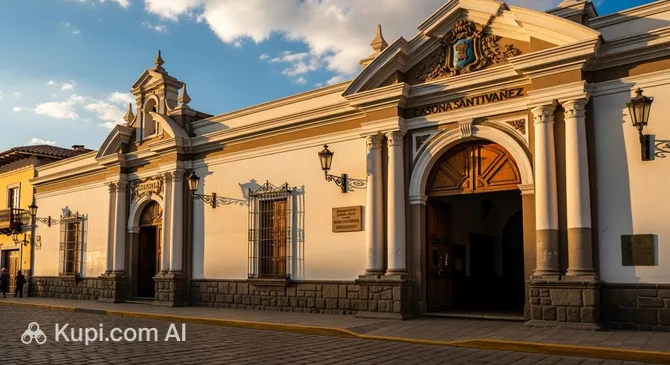
Cochabamba's museums provide a deep dive into the region's history and artistic evolution. The Casona Santivañez Museum is a prime example of 19th-century architecture, showcasing a blend of eclectic styles that reflect the wealth of the era. Visitors can wander through its restored courtyards and viewing rooms, which host rotating art exhibitions and historical displays. It serves as a window into the lifestyle of the local elite during the republican period.
Casona Santivañez Museum. Illustration.
Source: Kupi.com AI
Traveler photos:
For those interested in the natural world, the Alcide d'Orbigny Natural History Museum offers a fascinating collection dedicated to Bolivia's biodiversity. Named after the famous French naturalist, the museum houses extensive exhibits on geology, paleontology, and zoology. It is an educational stop that highlights the ecological richness of the diverse Bolivian landscapes, from the Amazon to the Andes.
Insider Tip: If you are visiting the parks on a Sunday, look out for impromptu fairs or cultural performances often held in the larger plazas. Also, while exploring the historic center, keep an eye out for small art galleries tucked into colonial courtyards, as they often feature works by emerging local artists that aren't found in the main museums.
Getting Around
Navigating Cochabamba is an immersive experience that allows visitors to dive straight into the local rhythm of life. The city does not have an underground metro system; instead, it relies on a dense and somewhat informal network of road-based transport, complemented by a modern light rail system. Understanding the difference between the various types of vehicles is key to getting around efficiently.
The most common sights on the streets are micros and trufis. Micros are colorful, often vintage buses that serve as the primary mode of mass transit. They are designated by letters or numbers, with their major stops painted on the windshields and sideboards. Trufis (an abbreviation for "Taxi de Ruta Fija" or fixed-route taxi) can be sedans, station wagons, or minivans. They operate similarly to buses, following specific routes, but are faster and slightly more expensive. You will also see "taxitrufis," which are essentially shared taxis that depart once they are full.
A recent and significant addition to the city's infrastructure is the Mi Tren (Metropolitan Train). This electric light rail system connects the city center with the surrounding municipalities in the valley. It is a modern, comfortable, and eco-friendly alternative to road traffic. Currently, it operates on lines such as the Red Line (Línea Roja) and the Green Line (Línea Verde), offering a smooth ride with designated stations, which is a stark contrast to the flag-down nature of other public transport.
One of the city's most iconic "transport" features is the Teleférico (Cable Car). While primarily a tourist attraction, it serves as the essential link between the city base and the Cristo de la Concordia statue atop San Pedro Hill. It offers a scenic and safe journey, sparing visitors the arduous and potentially unsafe walk up the stairs. The ride provides breathtaking panoramic views of the valley and is a must-do for any visitor.
Regarding payment, cash is king for micros and trufis. There are no travel cards or apps for these traditional services. You pay the driver directly or pass your coins forward if you are seated in the back. Fares are incredibly low, usually a few bolivianos. For the Mi Tren, you must purchase tickets at the stations, and for the Teleférico, tickets are sold at the base station. It is essential to carry small change, as drivers often struggle to break large bills.
For tourists, using the bus system requires a bit of assertiveness. There are few formal bus stops; instead, you hail a micro or trufi by waving your hand from the curb. To get off, you simply shout "¡Me quedo!" (I stay here) or "¡En la esquina, por favor!" (At the corner, please) a block before your destination. Public transport generally operates from early morning (around 6:00 AM) until about 10:00 PM or 11:00 PM. After these hours, services become scarce, and it is better to seek alternatives.
If you prefer a more private or direct mode of travel, taxis are plentiful. It is highly recommended to use "Radio Taxis" (marked with a phone number and company logo on the roof) rather than unmarked street taxis for safety. Ride-sharing apps are also active in Cochabamba and offer a convenient way to book rides with transparent pricing and route tracking, which can be very helpful if you are unfamiliar with the city's layout.
Accommodation
Where to Stay:
Finding the perfect place to stay in Cochabamba is relatively easy, as the city offers a wide spectrum of accommodation options to suit every budget and travel style. The choices range from economical hostels and family-run guesthouses, known locally as alojamientos, to modern mid-range hotels and luxurious high-rise resorts. Due to the generally lower cost of living in Bolivia, visitors often find that they can afford a higher standard of comfort here than in many other South American destinations.
For those who want to be in the center of the action, the historic district surrounding September 14 Square is the ideal location. Staying here places you within walking distance of colonial churches, museums, and the bustling markets. This area is particularly popular with backpackers and budget travelers, offering a variety of affordable hostels housed in charming, older buildings. However, travelers should be aware that the city center can be quite busy and noisy during the day.
If you prefer a more modern and tranquil atmosphere, the northern districts, particularly Recoleta and the area around Avenida América, are highly recommended. This is the upscale part of the city, known for its tree-lined streets, trendy cafes, and proximity to business centers. It is an excellent choice for families and business travelers seeking quiet comfort. Hotels here are often situated near landmarks like the Palacio Portales, providing a scenic and safe environment for evening walks.
Plaza de las Banderas. Illustration.
Source: Kupi.com AI
Traveler photos:
Another strategic area to consider is along the Prado (Avenida Ballivián), which connects the historic center with the northern districts. Staying near the Plaza de las Banderas offers the best of both worlds: easy access to the city's nightlife and restaurants while remaining just a short taxi ride away from major attractions. This corridor features a mix of established mid-range hotels and business accommodations that cater to international standards.
Booking Tips: While it is usually possible to find a room upon arrival, booking in advance is strongly advised if you plan to visit during major holidays, especially the festival of the Virgen de Urkupiña in August. During this time, the city fills up with pilgrims and tourists, and prices can rise significantly. For the rest of the year, online booking platforms are widely used and offer competitive rates, though some smaller, budget-friendly guesthouses may still prefer direct contact or walk-ins.
Price Range: Accommodation in Cochabamba is generally very affordable. Budget hostels can cost as little as $10-$15 USD per night, while comfortable mid-range hotels typically range from $30 to $60 USD. Even top-tier luxury hotels rarely exceed international standards for high prices, often offering premium services for under $100-$120 USD a night.
Nearby Cities
For those looking to explore the surroundings, Cochabamba serves as an excellent base for day trips to several interesting nearby locations:
City
Population
Distance
Tiquipaya
31 264
8 km
Colcapirhua
48 631
8 km
Quillacollo
137 182
13 km
Sacaba
172 466
13 km
Sipe Sipe
41 571
21 km
One of the most popular escapes from the city is Villa Tunari. Located in the tropical Chapare region, it offers a dramatic change in scenery from the dry Andean valleys to lush, humid rainforests. It is a paradise for nature enthusiasts, offering opportunities for rafting on the Espíritu Santo River and visiting wildlife sanctuaries like Parque Machía, where volunteers care for rescued animals.
Just a short distance to the west lies Quillacollo, a bustling city that effectively merges with the metropolitan area of Cochabamba. It is most famous for the Festival of the Virgin of Urkupiña, one of Bolivia's largest religious and cultural events held every August. Year-round, it attracts visitors with its vibrant Sunday markets and traditional architecture, serving as an important center of commerce and faith.
For those interested in high-altitude culture and folklore, a trip to Oruro is well worth the journey. Situated on the Altiplano, this mining city is renowned worldwide for its Carnival, declared a Masterpiece of the Oral and Intangible Heritage of Humanity by UNESCO. While the landscape is starker and the climate colder than in the valley, Oruro offers a deep dive into Bolivia's indigenous traditions and colonial history.
These nearby destinations offer a glimpse into the diverse culture and landscapes of the region.
Shopping & Souvenirs
Shopping in Cochabamba is a vibrant and diverse experience that reflects the city's role as a major commercial hub in Bolivia. Visitors can find everything from high-end international brands in modern complexes to unique artisanal treasures in bustling street stalls. The city is particularly famous for its high-quality leather goods and textiles, making it an excellent destination for those looking to update their wardrobe or find authentic gifts.
For a traditional high-street shopping experience, the areas surrounding Avenida San Martín and Calle 25 de Mayo in the city center are packed with shops selling clothing, electronics, and accessories. If you are looking for more upscale boutiques and designer stores, the districts of Recoleta and the northern part of Avenida América offer a more relaxed atmosphere with tree-lined streets and stylish storefronts catering to fashion-conscious shoppers.
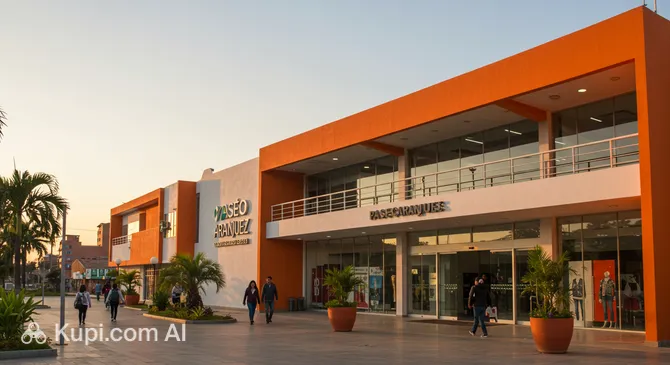
The city has seen a rise in modern retail spaces that offer a comfortable and comprehensive shopping environment. One of the most prominent destinations is the Paseo Aranjuez Shopping and Business Center. Located in the trendy northern district, this architectural landmark combines luxury retail, fine dining, and entertainment in a sophisticated setting. It is a perfect spot to browse for fashion or enjoy a meal in its well-designed food court.
Paseo Aranjuez Shopping and Business Center. Illustration.
Source: Kupi.com AI
Traveler photos:
Another popular option for families and youth is the Hypermall, situated on Avenida Juan de la Rosa. This large complex features a wide range of clothing stores, a supermarket, a cinema, and a gym. It serves as a convenient one-stop destination for travelers who need to pick up supplies or want to enjoy a modern retail experience similar to what they might find back home.
No shopping guide to Cochabamba would be complete without mentioning La Cancha. Often cited as one of the largest open-air markets in South America, it is the beating heart of the city's commerce. The market is divided into sections, such as the area for electronics ("Miamicito") and the artisan zones. Here, you can haggle for fresh produce, household items, and traditional handicrafts. It is an intense, colorful, and essential Bolivian experience.
When it comes to souvenirs, Cochabamba is renowned for its leather products. You can find high-quality jackets, bags, and boots at prices significantly lower than in Europe or North America. Additionally, look for items made from alpaca wool, such as sweaters and scarves, as well as colorful Andean textiles known as aguayos, which make for beautiful table runners or wall hangings. Hand-carved wooden items and local musical instruments like the charango are also popular keepsakes.
Store opening hours can vary depending on the type of establishment. Shopping malls and supermarkets typically stay open from 10:00 AM to 10:00 PM, seven days a week. However, smaller independent shops and street vendors often close for a "siesta" break between 12:30 PM and 2:30 PM. While credit and debit cards are widely accepted in malls, hotels, and upscale restaurants, cash is essential for markets like La Cancha and smaller street stalls. Bolivia does not currently have a widely accessible tax-free shopping or VAT refund scheme for tourists, so the price you see is generally the final price, though bargaining is expected and encouraged in markets.