Support

Oruro

About

Oruro is a captivating destination located in the high Altiplano of Bolivia, widely recognized as the nation's folklore capital. This city offers a unique blend of indigenous traditions and colonial heritage, sitting at an impressive altitude of about 3,700 meters above sea level. With a population of over 350,000 inhabitants, it serves as a major urban center and a cultural hub in the region, known for its distinct atmosphere and stark, beautiful high-altitude landscapes.

The city is deeply rooted in its industrial past, having been a legendary center for silver and tin mining. Exploring the history of Oruro reveals a fascinating narrative of mineral wealth that once drove the economy of the continent and shaped the local identity. Despite the cold and arid climate typical of the Andean plateau, the warmth of its people and the vibrancy of its cultural expressions make it a welcoming place for travelers seeking authentic experiences.
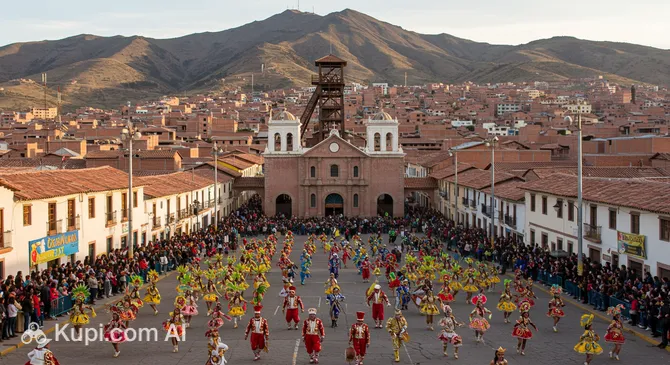
Oruro. Source: Kupi.Binoculars

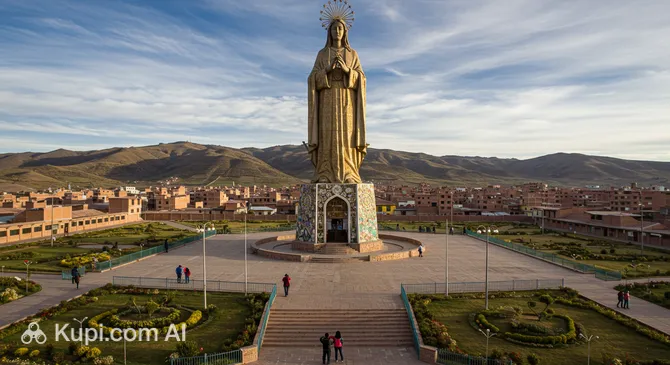
Without a doubt, the city's most famous attraction is the Carnival of Oruro, a UNESCO Masterpiece of the Oral and Intangible Heritage of Humanity, which fills the streets with colorful costumes, traditional music, and energetic dances. Visitors also flock to see the towering Monument to the Virgin of the Socavón, a massive statue that stands guard over the city, and the Sanctuary of the Virgin of the Socavón, which is a central spiritual site for locals and pilgrims alike.

Whether you are a culture enthusiast drawn by the world-famous festivals or an adventurer seeking high-altitude exploration, Oruro has something special to offer. Its rich cultural tapestry and significance to the Andean world make it an essential stop for anyone wishing to understand the true spirit of the region.
Weather Overview

Oruro's high-altitude location on the Altiplano creates a distinct climate characterized by cool temperatures year-round and a sharp contrast between seasons. The weather is generally defined by a rainy, slightly milder summer and a dry, cold winter. For a more detailed outlook to help plan your trip, you can check the current weather in Oruro.

The wet season typically runs from January to March, bringing frequent cloud cover and precipitation. During these months, the city experiences up to 24 wet days per month, although the daily temperatures remain moderate. Average highs during this period range from 15.2°C to 16.4°C, while nighttime lows generally stay above 5°C, making it the milder time of year despite the rain.

Conversely, the dry season from May to August sees almost no precipitation, with months like June and July recording as few as 1 wet day. While the days are often sunny, the lack of cloud cover leads to much colder nights. Minimum temperatures frequently drop below freezing, reaching lows of around -0.8°C in July, while daytime highs hover between 14°C and 16°C.

The warmest weather usually arrives in November, where average temperatures peak at 12.4°C and daily highs can reach up to 19.2°C. Overall, travelers should expect cool to mild days with frequent rain in the summer, and crisp, sunny days with freezing nights during the winter.

Interesting Facts

Beyond the well-known festivities, Oruro holds many fascinating secrets and legends that surprise even the most seasoned travelers. Here are some intriguing details that reveal the deeper character of this high-altitude city.

  • The city is steeped in mythology regarding four "plagues"—a giant toad, a viper, a lizard, and a horde of ants—that were said to be sent by the god Wari to destroy the Uru people. According to legend, a Ñusta (princess) turned them into stone and sand, and today, rock formations resembling these creatures can still be visited on the city's outskirts.

  • The impressive Virgin of Socavón Monument is an architectural marvel that stands 45 meters tall, making it slightly higher than the world-famous Christ the Redeemer in Rio de Janeiro.

  • History buffs will appreciate that the Conchupata Lighthouse is not just a scenic viewpoint; it is the historic site where the current Bolivian tricolor flag was hoisted for the very first time in 1851.

  • Unlike typical galleries, the Socavón Museum is located underground inside a disused mine tunnel, allowing visitors to encounter the "Tío de la Mina" (Uncle of the Mine), a devil-like figure worshipped by miners for protection.

Virgin of Socavón Monument. Source: Kupi.Binoculars

How to Get There

Reaching this high-altitude city is an adventure in itself, often involving a journey across the stunning Altiplano landscapes. For those planning their trip, you can find more about how to get to Oruro and the various transport options available.

The city of Oruro does not have a major international gateway of its own listed for direct long-haul flights, but you can fly into J Wilsterman Airport (IATA: CBB) in the city of Cochabamba, which is about 115 km from Oruro. This is a significant regional hub, and the subsequent transfer by bus or taxi is a common choice for travelers, taking a few hours by road. It serves as a convenient connection point for those coming from other parts of Bolivia or neighboring countries.

Alternatively, many visitors choose to arrive via El Alto International Airport (IATA: LPB) in La Paz. Located approximately 199 km from Oruro, this is one of the highest commercial airports in the world and a key entry point for international travelers. From here, the journey to Oruro takes several hours via ground transport, offering spectacular views of the Andean plateau along the way.

For clarity, here is a summary of the main airports located near the region:

Airport Name City Passenger Traffic Km from City
J Wilsterman Airport Cochabamba Large 114.7
El Alto International Airport La Paz Large 199.3
Uyuni Uyuni Small 275.6

Main Attractions

Oruro offers a compelling mix of historical landmarks, cultural depth, and local traditions that go beyond its famous carnival. While the city is known for its folklore, exploring its streets reveals a variety of sites that showcase its mining heritage and daily life. Here are some of the main places to visit during your stay.

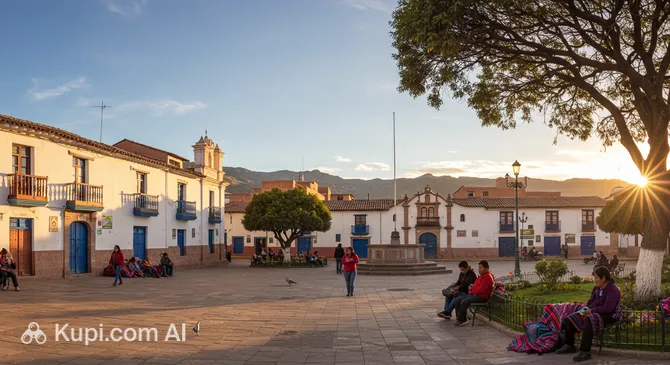
A central hub for locals and visitors alike is Sebastian Pagador Square. This bustling plaza is named after a key hero of the local independence movement and serves as a vibrant gathering spot. It is an excellent place to observe the rhythm of the city, admire the surrounding architecture, and relax in a setting that honors Oruro's patriotic history.

Sebastian Pagador Square. Source: Kupi.Binoculars

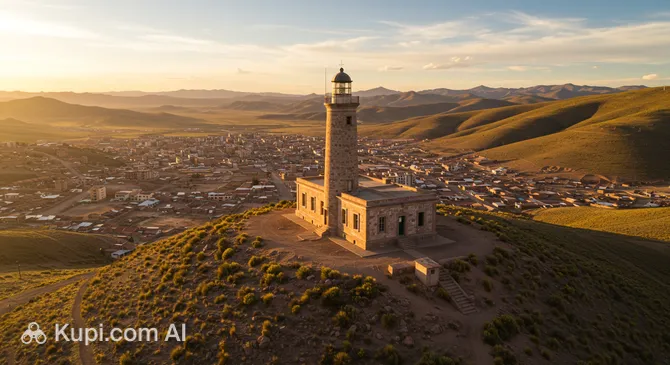
For the best panoramic views of the city, a visit to the Conchupata Lighthouse is a must. Perched on a rocky hill, this historic structure is not only a scenic viewpoint but also a site of great national significance, as it was here that the Bolivian flag was first raised in 1851. Climbing to the top rewards travelers with a sweeping look at the urban landscape set against the backdrop of the high Altiplano.

Conchupata Lighthouse. Source: Kupi.Binoculars

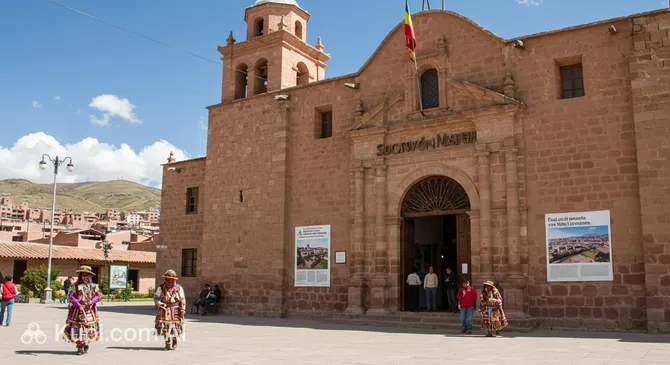
To truly understand the region's industrial soul, you should explore the Socavón Museum. Uniquely located underground within a former mine, this museum offers a fascinating glimpse into the lives of Bolivian miners. Visitors can walk through the tunnels to see vintage mining equipment and encounter the "Tío," a devil-like figure traditionally worshipped by miners for protection and mineral wealth.

Socavón Museum. Source: Kupi.Binoculars

Finally, no trip to Oruro is complete without tasting its traditional flavors at Rancheria Oruro. This area is famous for its authentic culinary offerings, particularly "api" (a purple corn drink) and "pastel" (fried cheese pastries). It is a favorite spot for those looking to experience the warm, comforting gastronomy that sustains the locals in the cold Andean climate.

Local Cuisine

The local cuisine of Oruro is a true reflection of life on the high Andean plateau: hearty, warming, and packed with energy to withstand the cold climate. Gastronomy here is deeply tied to tradition, with recipes that have been passed down through generations of miners and locals. The food scene is characterized by robust flavors, with a heavy reliance on local meats like llama and lamb, as well as potatoes and corn.

The undisputed king of Oruro's culinary offerings is Charquekan. This signature dish consists of dried llama meat (charqui) that has been shredded and fried until crispy. It is generously served with mote (hominy corn), hard-boiled eggs, potatoes, and a slice of local cheese. Another unique delicacy for adventurous eaters is Rostro Asado, a roasted lamb head traditionally cooked with the skin on. It is a favorite late-night snack, often sold by street vendors to revelers or early risers.

When it comes to drinks, Oruro is the birthplace of one of Bolivia's most beloved beverages: Huari beer. Produced locally using water from the surrounding mountains, it is considered by many to be the finest beer in the country. For a non-alcoholic option, nothing beats a steaming cup of Api. This thick, hot drink made from purple corn, cinnamon, and cloves is the perfect antidote to the chilly evenings.

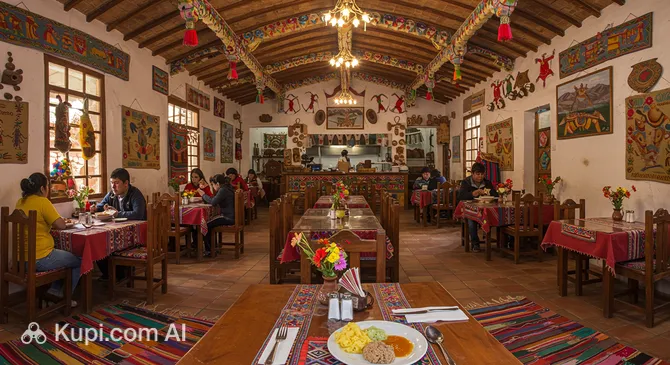
To experience the authentic flavors of the city, you should head to Rancheria Oruro. This historic area is famous for its traditional food stalls, particularly those serving chorizos (spicy sausages) and the classic combination of Api with a pastel—a fried pastry filled with cheese and topped with powdered sugar. It is a bustling spot where locals gather to enjoy quick, delicious meals in a lively atmosphere.

Rancheria Oruro. Source: Kupi.Binoculars

While traditional Andean fare dominates the scene, the city also offers casual dining spots for those looking for variety. Places like Don Marco Pizza provide a relaxed environment where tourists can enjoy familiar comfort foods alongside local residents. Whether you are eating at a street stall or a sit-down restaurant, the portions in Oruro are known for being generous and satisfying.

Travel Tips

Visiting Oruro is a journey into the heart of high-altitude traditions, but the extreme elevation and unique local rhythm require a bit of preparation. To help you navigate the "Folklore Capital of Bolivia" with ease and respect, here are some essential practical tips for your stay.

  1. Dress for the Altitude: The weather in Oruro is generally cold, especially once the sun goes down. Pack thermal layers, a warm windproof jacket, and a beanie. However, the high-altitude sun is intense, so bring sunglasses, a hat, and high-SPF sunscreen to wear during the day.
  2. Transportation: There is no metro system here; the city relies on minibuses and trufis (shared taxis with fixed routes), which are very affordable but can be confusing for newcomers. Regular taxis are plentiful and cheap, but they rarely use meters, so always agree on the fare before getting in.
  3. Finances: Cash is king in Oruro. The local currency is the Bolivian Boliviano (BOB). While some hotels and upscale restaurants accept cards, most markets, small eateries, and transport options strictly require cash. ATMs are available, particularly near the main plaza, Plaza 10 de Febrero.
  4. Health and Safety: Respect the elevation of 3,700 meters. Altitude sickness, or soroche, is a real risk; take it easy on your first day, stay hydrated, and try the local remedy, coca tea. Pharmacies are common and usually marked with a green cross if you need oxygen or medication.
  5. Communication: Spanish is the primary language, and English is not widely spoken outside of specific tourist hotels. It is highly recommended to download an offline translation app or carry a phrasebook. Learning basic greetings like "Buenos días" is appreciated by the locals.
  6. Local Etiquette: Be respectful when taking photos. It is considered rude to snap pictures of locals, especially women in traditional dress (Cholitas), without asking for permission first. A polite request and a smile go a long way, though some may decline or ask for a small tip.
  7. What to Avoid: Do not drink tap water. The water system is not suitable for tourists to drink directly. Always purchase bottled water for drinking and brushing your teeth to avoid stomach issues that could disrupt your travel plans.
  8. Carnival Planning: If you plan to visit during the famous Carnival of Oruro, you must book your accommodation several months in advance. The city's population swells during this massive festival, and finding a room on arrival is virtually impossible.

With these practical insights, you are well-equipped to explore the stark beauty and cultural depth of this Andean city. Embrace the local pace, stay warm, and enjoy the incredible heritage that makes Oruro so special.

Entertainment & Nightlife

Nightlife in Oruro is a unique experience that differs significantly from the bustling club scenes of larger cities like La Paz or Santa Cruz. Here, the evening entertainment is deeply intertwined with the city's identity as the folklore capital of Bolivia. Instead of mega-clubs, you are more likely to find cozy bars, peñas (venues dedicated to folk music), and lively late-night eateries where locals gather to socialize and escape the high-altitude chill.

The heart of the city's evening activity is concentrated around the main square, Plaza 10 de Febrero, and extends along the vibrant Calle 6 de Octubre. This central avenue is lined with various establishments, from casual pubs to karaoke bars, which are very popular among the local youth. The atmosphere is generally relaxed and informal, with a dress code that prioritizes warmth over style due to the freezing night temperatures.

For a truly authentic Oruro night out, you must visit Rancheria Oruro. This traditional district is the go-to spot for late-night dining and is famous for serving "api" (a hot purple corn drink) with "pastel" (fried cheese pastry) well into the evening. It is a bustling, communal environment where the nightlife revolves around sharing hearty food and conversation in a warm, inviting setting.

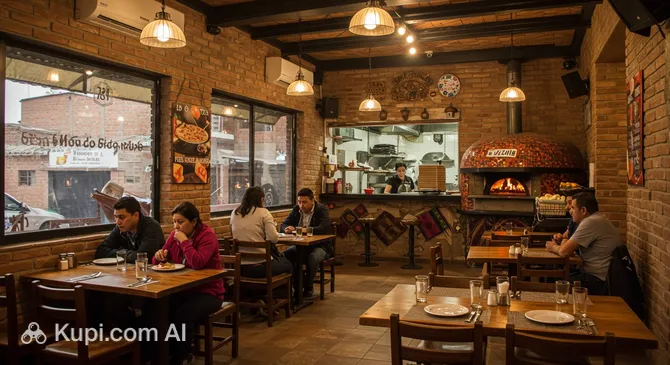
If you are looking for a more familiar setting to enjoy a drink and a meal with friends, Don Marco Pizza is a popular choice. It offers a comfortable atmosphere perfect for unwinding after a day of exploration. While it is a restaurant, places like this often serve as the starting point for the night, where travelers can enjoy a local beer or wine before heading out to a bar.

Don Marco Pizza. Source: Kupi.Binoculars

When it comes to safety and logistics, it is important to remember that Oruro gets extremely cold at night. Always dress in layers and bring a heavy jacket. In terms of transport, it is highly recommended to use Radio Taxis (taxis dispatched by phone) rather than hailing a cab off the street, especially late at night. Stick to the well-lit central areas and avoid walking alone on the outskirts of the city.

While the nights are for socializing, the days are best spent exploring the city's cultural heritage. Before the sun sets, you can visit landmarks like Sebastian Pagador Square or the various museums that celebrate the region's mining history, providing a perfect contrast to the cozy, community-focused vibe of the evenings.

Parks & Museums

Oruro’s cultural landscape is defined by its deep mining heritage and vibrant folklore, offering visitors a compelling mix of historic public spaces and unique museums. While the arid Altiplano climate limits the presence of lush botanical gardens, the city compensates with lively plazas and institutions that preserve the soul of the Andean world.

Among the city's most important urban spaces is Sebastian Pagador Square. This expansive plaza is a tribute to a local hero of the independence movement and serves as a popular gathering spot for residents. With its well-maintained walkways and monuments, it provides a pleasant environment for a stroll and offers a window into the daily social life of the city. Another key green space is the central Plaza 10 de Febrero, which features manicured gardens, a central fountain, and is surrounded by some of the city's most beautiful colonial architecture.

For those interested in the region's fauna, the Andean Municipal Zoo offers a chance to see animals native to the high Andes. Visitors can observe species such as condors, llamas, alpacas, and vicuñas in a setting that aims to educate the public about the biodiversity of the Bolivian highlands. It is a modest but interesting stop, particularly for families or those unable to venture deep into the wilder parts of the department.

The city's museums are essential for understanding its identity, with the Socavón Museum being the undisputed highlight. Uniquely situated inside a disused mine tunnel at the foot of the Sanctuary of the Virgin of the Socavón, this museum allows tourists to descend underground and experience the atmosphere of a mine. It features exhibits on mineralogy and mining tools, but the main attraction is the statue of the "Tío" (Uncle), the subterranean deity worshipped by miners.

Another cultural gem is the Eduardo López Rivas National Anthropological Museum. This facility is crucial for anyone wanting to grasp the significance of the Carnival of Oruro. It houses an impressive collection of archaeological artifacts from the Uru-Chipaya culture, as well as a stunning array of traditional carnival masks and costumes that showcase the evolution of the festival's intricate folklore over the centuries.

Oruro's history is also written in its monuments. The towering Virgin of Socavón Monument stands on Santa Bárbara hill and offers not only spiritual significance but also breathtaking panoramic views. Similarly, the historic Conchupata Lighthouse is a landmark of national pride, marking the spot where the Bolivian flag was first raised. Both sites function as open-air museums, connecting visitors with the patriotic and religious fervor of the region.

For an authentic experience outside the city center, consider a short trip to the thermal baths at Obrajes or Capachos. These natural hot springs are a favorite local pastime, offering a relaxing way to warm up in the mineral-rich waters after a day of exploring the cool, windswept streets of the city.

Getting Around

Navigating the public transport system in Oruro is an authentic experience that relies heavily on road-based options rather than a complex network of trains or subways. The most common and economical way to get around is by using minibuses (often called "micros") and trufis. Minibuses are small vans that follow specific routes through the city, usually displaying their destination and major stops on a placard in the front window or painted on the side. They are ubiquitous and serve as the lifeline of the city's daily commute, connecting the center with the outskirts and major markets.

Another popular option is the trufi, which operates similarly to a shared taxi. These are standard sedan cars or station wagons that run on fixed routes like buses but offer a slightly faster and more comfortable journey. You can identify them by the flags or signs on their roofs indicating their route number or destination. Both trufis and minibuses can be hailed from almost anywhere along their route simply by waving your hand, and you can request a stop by notifying the driver as you approach your destination.

The payment system in Oruro is strictly cash-based, and there are no electronic travel cards, apps, or passes for public transit. Fares are extremely affordable, typically costing just a few coins for a one-way trip within the city limits. Passengers pay the driver directly or, in some larger minibuses, a conductor ("voceador") who manages the door. It is essential to carry small change, particularly 1, 2, and 5 Boliviano coins, as drivers often struggle to break large banknotes. There is no need to validate a ticket; payment is simply made upon boarding or disembarking, depending on the specific vehicle's custom.

For those who prefer a more direct and private mode of transport, taxis are widely available throughout the city. Unlike in many other parts of the world, taxis here generally do not use meters. Instead, fares are negotiated before the ride begins. It is advisable to ask a local or your hotel receptionist for the approximate rate to your destination to avoid overpaying. For safety and reliability, especially at night, it is recommended to use "Radio Taxis," which are dispatched companies that can be called by phone, rather than hailing a random car off the street.

A unique feature of the city's transport landscape is the Teleférico Turístico (Tourist Cable Car). While primarily a tourist attraction, it serves as a functional link between the Sanctuary of the Virgin of the Socavón in the city center and the monumental statue of the Virgin on Santa Bárbara hill. Riding this cable car offers not only a convenient way to reach the viewpoint without a strenuous hike but also provides spectacular aerial views of the urban layout and the surrounding high-altitude plains.

Given the compact nature of the city center, walking is often the best alternative for exploring the main attractions, plazas, and markets. The grid layout makes navigation relatively simple, although the high altitude may make walking feel more tiring than usual. Car rentals are generally not recommended for short stays due to the chaotic traffic and limited parking, and while ride-sharing apps are becoming more common in larger national hubs, traditional taxis remain the most reliable choice here.

Accommodation

Accommodation in Oruro reflects the city's character as an industrial and cultural hub rather than a luxury resort destination. Visitors will primarily find a selection of practical and comfortable options, ranging from basic budget hostels and family-run "residenciales" to solid mid-range hotels designed for business travelers and tourists. While the city does not feature extensive ultra-luxury international chains, there are several well-regarded establishments that offer modern amenities, including the all-important heating required for the freezing Altiplano nights.

For most travelers, the best area to stay is the historic city center, particularly the blocks surrounding the main plaza, Plaza 10 de Febrero. This location offers the convenience of being within walking distance to the city's main museums, banks, and dining options. It is also the strategic heart of the action during the famous Carnival. Alternatively, the area around the Bus Terminal is dotted with numerous budget-friendly lodgings, making it a practical choice for backpackers or those arriving late and leaving early for destinations like Uyuni or La Paz.

The golden rule for booking accommodation in Oruro revolves entirely around the Carnival of Oruro. If you plan to visit during this massive folklore festival in February or March, you must book your room several months in advance. During this peak season, the city's population swells, and finding a place to sleep upon arrival is nearly impossible. Furthermore, travelers should be prepared for prices to increase significantly—often triple or quadruple the standard rates—during the festival dates.

Outside of the Carnival season, Oruro is an extremely affordable destination. Budget travelers can find clean, basic rooms for very low prices, while the city's top-tier hotels remain reasonably priced by international standards. While the larger, more modern hotels are listed on major online booking platforms and accept credit cards, many smaller guesthouses and hostels still operate largely on a cash-only basis. It is often possible to secure a room as a walk-in during the low season, but having a reservation is always recommended to ensure a warm room is waiting for you.

Nearby Cities

For those looking to explore the surroundings, Oruro serves as an excellent base for day trips or short visits to several interesting nearby locations:

City Population Distance (km)
Cochabamba 856,198 119
Sacaba 172,466 128
Quillacollo 137,182 108
Colcapirhua 48,631 112
Sipe Sipe 41,571 98

While the journey through the mountains can take some time, the change in scenery is rewarding. Cochabamba is the most prominent destination on this list, known as the "City of Eternal Spring" due to its pleasant, warm climate which contrasts sharply with the chill of the Altiplano. It is famous for its gastronomy and the Cristo de la Concordia, a massive statue overlooking the city. A visit here offers a chance to experience the lush valleys and vibrant markets of central Bolivia.

Another fascinating stop is Quillacollo, located just outside Cochabamba. This city is a major religious center, renowned for the Festival of the Virgin of Urkupiña, which attracts thousands of pilgrims annually. Even outside the festival season, it provides an authentic look at local commerce and devotion. For history enthusiasts, Sipe Sipe offers a quieter experience and is the gateway to the Inca Rakay ruins, an archaeological site that provides stunning views of the valley and insight into the region's pre-colonial past.

These nearby destinations offer a glimpse into the diverse culture and landscapes of the region, allowing travelers to experience the transition from the high plateau to the fertile valleys.

Shopping & Souvenirs

Shopping in Oruro offers a distinct experience that contrasts sharply with the polished, modern retail environments found in larger global cities. Instead of massive shopping malls and international luxury brands, the city serves as a vibrant hub for traditional Andean commerce, local craftsmanship, and cultural artifacts. As the folklore capital of Bolivia, Oruro is arguably the best place in the country to find authentic items related to the famous Carnival, as well as high-quality textiles suited for the cold Altiplano climate.

The main commercial activity is concentrated in the bustling streets surrounding the central Plaza 10 de Febrero. Calle Bolívar and Calle 6 de Octubre are the primary arteries where visitors can find a mix of pharmacies, electronics shops, clothing boutiques, and bookstores. These streets are always lively, filled with locals going about their daily business, and offer a good starting point for anyone looking to buy general travel necessities or browse local fashion.

While Oruro does not have the sprawling, western-style shopping malls found in Santa Cruz or La Paz, it features several smaller "galerías" (shopping arcades). These multi-story buildings house dozens of independent stalls selling everything from imported sneakers and technology to jewelry. They provide a sheltered shopping experience and are a good place to find affordable goods, though they lack the entertainment complexes and food courts typical of large malls.

The true heart of the city's retail scene lies in its markets. Mercado Campero is the most famous and central market, a chaotic but fascinating labyrinth where you can buy fresh produce, local cheese, and household items. Just outside the market, the streets are often packed with vendors. Another significant spot is Mercado Fermín López, known for its colonial architecture and variety of goods. For the adventurous shopper, the "Super Feria" held on Wednesdays and Saturdays turns large sections of the city near the train tracks into a massive open-air bazaar selling absolutely everything imaginable.

For souvenirs, Oruro is unique. The most iconic shopping destination for tourists is Calle La Paz, often referred to as the street of the embroiderers and mask makers. This is where the spectacular costumes for the Carnival are designed and created. Visitors can purchase miniature diablada masks, intricately embroidered fabrics, and other folklore-themed keepsakes directly from the artisans. Additionally, warm clothing made from alpaca or llama wool is a popular buy, offering excellent quality at prices far lower than in Europe or North America.

When it comes to practicalities, cash is essential. While some larger stores and supermarkets in the city center accept credit cards, the markets, street vendors, and artisan workshops on Calle La Paz deal exclusively in Bolivian Bolivianos. It is advisable to carry small bills, as change can be hard to come by.

Store hours in Oruro typically follow a split schedule. Most shops open around 9:00 AM, close for a long lunch break (siesta) from approximately 12:30 PM to 2:30 PM, and then reopen until 7:30 PM or 8:00 PM. Markets tend to open earlier and close by late afternoon. Regarding taxes, Bolivia does not have a widely accessible tax-free or VAT refund system for tourists for general purchases, so the price you see (or negotiate) is the final price you pay.

Reached the end of the page?

That means the route is fully explored