Support

Coari

About

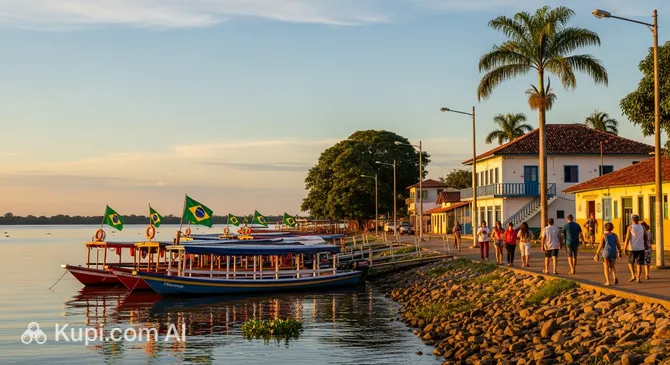
Coari. Source: Kupi.Binoculars

Welcome to Coari, a fascinating destination located in the vast state of Amazonas. Situated along the banks of the majestic Solimões River, this city offers a unique glimpse into life within the heart of Brazil. Known for its dynamic energy and rich natural surroundings, Coari serves as a significant hub in the region while maintaining the enchanting atmosphere of the Amazon rainforest.

The city is home to approximately 85,000 residents and sits comfortably on the shores of Lake Coari, which connects to the main river system. The climate here is typically tropical and humid, characteristic of the Amazon basin, ensuring a lush and green environment year-round. Its geographical position makes it a strategic point between the capital, Manaus, and other interior municipalities.

Visitors interested in the past can explore the history of Coari, which traces back to indigenous settlements and evolved through various economic eras, including the rubber boom. Today, the city is often celebrated for its agricultural strength, particularly its banana production, which is frequently honored with lively local festivals that showcase the region's culture and traditions.

For tourists, the main allure lies in the stunning river landscapes. Boat tours on Lake Coari provide breathtaking views of the water and the surrounding forest, offering excellent opportunities to spot local wildlife. The bustling waterfront is also a great place to experience the local lifestyle and sample delicious cuisine, featuring fresh fish caught directly from the Amazonian waters.

Whether you are passing through on a river voyage or looking to explore a genuine Amazonian town, Coari welcomes you with open arms. It is a place where nature and urban life meet, promising a memorable stop on your South American adventure.

Weather Overview

The climate in Coari is characteristically tropical, offering warm and consistent temperatures year-round. Visitors can expect daily averages to hover around 27°C to 29°C, creating a humid and lush environment typical of the Amazon region. September tends to be the warmest month, with average temperatures reaching approximately 29.2°C and maximums occasionally climbing to 32.7°C, while the nights remain generally mild, rarely dropping below 24°C.

Rainfall is a significant part of the local weather pattern, though the frequency varies by season. The first half of the year is notably wet; for instance, March can see up to 29 rainy days. Conversely, the period from July to September offers a break from the constant showers, with August having the fewest wet days. To help you pack the right gear for your specific travel dates, we recommend consulting the detailed guide to the weather in Coari before your journey.

Interesting Facts

Beyond the main attractions, Coari holds many fascinating secrets that reveal its unique position as a blend of industrial power and traditional Amazonian culture. Here are some little-known facts about this intriguing city:

  • The Energy Heart of the Amazon: Coari is often nicknamed the "Land of Gas and Oil" because it hosts the Urucu Oil Province (Província Petrolífera de Urucu). Located deep within the rainforest, this is the largest onshore oil and natural gas reserve in Brazil, supplying a significant portion of the energy used in the state capital via a massive pipeline system.

  • A Name Inspired by Nature: The name "Coari" is believed to have Tupi indigenous origins, translating to "River of the Tucunaré" (Peacock Bass). This title pays homage to the abundance of this prized fish in the local waters, which has been a staple for the region's inhabitants for centuries.

  • The Banana Capital: While the energy sector drives its modern economy, Coari is also an agricultural powerhouse known for being one of the top producers of bananas in the state of Amazonas. The fruit is so vital to the local identity that the city celebrates its harvest with a dedicated festival.

  • A City of River Highways: Unlike typical urban centers connected by asphalt roads, Coari is accessible primarily by air or water. The Solimões River serves as the main "highway" for residents, where the journey to Manaus can take anywhere from a quick flight to a scenic 24-hour boat ride.

How to Get There

Reaching this Amazonian destination is an adventure that brings you closer to the heart of the rainforest. For a complete overview of all travel options, including river routes, you can consult our detailed guide on how to get to Coari. The most direct and time-saving method for most travelers is to arrive by air.

The city is served by Coari Airport (CIZ), which is conveniently located within the municipality, approximately 5 km from the city center. This regional facility primarily handles flights connecting to the state capital, Manaus. Upon arrival, the journey to the downtown area typically takes about 30 minutes by taxi or local transport. While it is a smaller airport with modest passenger traffic, it is a crucial link for the community and visitors alike. You can find more specific information about the terminal on the Coari Airport page.

For clarity, here is a summary of the main airport:

Airport Name City Passenger Traffic Km from City
Coari Airport Coari Small 5.0

Since Coari is situated deep within the Amazon basin, there are no railway connections to the city. Apart from flying, the most common and traditional way to enter the region is by river. Regular boat services and speedboats, known locally as "ajatos," navigate the Solimões River, offering a scenic but longer alternative for reaching the city from Manaus and other riverside communities.

Main Attractions

Coari offers a compelling mix of historical charm and natural beauty, deeply rooted in its identity as a riverine Amazonian city. While it is known for its industrial significance, the city center and its surroundings preserve a traditional atmosphere that invites exploration. Visitors can discover religious landmarks, bustling markets, and scenic waterfronts that define the daily life of its inhabitants.

One of the most prominent landmarks is the Catedral de Sant'Ana e São Sebastião. Located in the heart of the city, this historic church is a symbol of local faith and architectural heritage. Built in the early 20th century, it features a distinct design that stands out against the urban landscape. It serves as the focal point for the city's major religious festivals, particularly the celebration of Saint Anne, which draws crowds for processions and cultural events.

For a taste of authentic local culture, the Mercado Municipal Clemente Vieira is an essential stop. This bustling market offers a sensory dive into Amazonian flavors, displaying a colorful array of regional fruits, fresh fish from the Solimões River, and artisanal goods. It is the perfect place to observe the morning routine of the locals, try exotic snacks, and purchase unique handicrafts made from natural materials found in the rainforest.

The city is also defined by its relationship with the water, best experienced at Lago de Coari. This vast lake, on whose banks the city sits, provides stunning panoramic views, especially at sunset. It acts as a gateway to the surrounding wilderness, where visitors can arrange boat tours to see the flooded forests and diverse wildlife. The waterfront area near the lake is a popular gathering spot for residents to relax and enjoy the cooling river breeze.

Another notable sight is the Cristo Redentor de Coari, a statue that watches over the city. Situated in a central square, it offers a great photo opportunity and a moment of quiet reflection. The surrounding plaza, often lively in the evenings, allows tourists to mingle with the friendly local community and experience the welcoming hospitality that Coari is known for.

Local Cuisine

The local cuisine of Coari is a vibrant reflection of its location in the heart of the Amazon rainforest. Heavily influenced by indigenous traditions and the bounty of the Solimões River, the food here is fresh, flavorful, and deeply connected to nature. For any visitor, dining in Coari is an opportunity to taste the authentic soul of Northern Brazil, where ingredients are often harvested just hours before arriving on your plate.

River fish is the undisputed star of the culinary scene. The Tambaqui, a large freshwater fish with succulent meat, is a local favorite, often served grilled over charcoal as banda de tambaqui or boiled in a rich, aromatic stew known as caldeirada. Another must-try is the Tucunaré (Peacock Bass), which is historically significant to the city's name; it is typically fried to a crisp and served with a side of rice, beans, and the ever-present farinha (cassava flour). Since Coari is a major producer of bananas, you will frequently find fried banana pacovã accompanying savory dishes, adding a delightful sweetness to the meal.

For a true taste of the Amazonian afternoon, look for street vendors selling Tacacá. This warm, spicy soup is made with tucupi (a yellow broth extracted from wild manioc), dried shrimp, gum, and jambu leaves, which cause a unique tingling sensation on the lips. It is a cultural experience as much as a dish, usually enjoyed from a gourd bowl known as a cuia as the sun begins to set.

To quench your thirst in the tropical heat, locals turn to an incredible variety of fruit juices. Cupuaçu and Taperebá are popular choices, offering refreshing and exotic flavors found only in this region. Açaí is also a staple, though in the Amazon it is traditionally consumed as a savory accompaniment to fried fish rather than as a sweet smoothie. For those preferring something alcoholic, a cold beer is the standard companion to a fish lunch, though you might also find artisanal cachaças infused with local herbs and roots.

The best place to dive into Coari’s food culture is the bustling Mercado Municipal. Here, breakfast is a hearty affair, often featuring tapioca pancakes filled with cheese or palm fruit (tucumã). The atmosphere is informal and welcoming, with open-air eateries and food stalls near the waterfront offering the freshest catch of the day, allowing you to dine while watching the boats navigate the majestic river.

Travel Tips

Visiting Coari offers a unique immersion into the authentic Amazonian way of life, but its remote location requires some specific preparation to ensure a smooth journey. To help you navigate the city comfortably and make the most of your adventure in the rainforest, here are some essential practical tips.

  1. Clothing and Gear: Given the hot and humid tropical climate, pack lightweight, breathable fabrics like cotton or linen. Light colors are preferable as they attract fewer mosquitoes. Since rain can occur unexpectedly, carrying a durable poncho or compact umbrella is a must. Comfortable walking shoes are ideal for the city, but if you plan to explore the surrounding nature, bring sturdy, closed-toe footwear.

  2. Transportation: The most common and efficient way to get around Coari is by mototaxi. They are affordable, widely available, and perfect for navigating the local streets. Regular taxis are also available but less frequent. Car rental is generally not necessary or common for tourists here, as the city center is compact and the main connection to the outside world is via river or air, not road.

  3. Finances: The official currency is the Brazilian Real (BRL). While larger supermarkets and hotels may accept credit cards, cash is king in Coari, especially at the municipal market and small street stalls. Be sure to withdraw sufficient cash from ATMs (usually found at Banco do Brasil or Bradesco branches) before heading to more isolated areas, as machines can occasionally run out of bills.

  4. Health and Safety: Insect repellent is your most important accessory; use it generously day and night to protect against mosquito-borne issues. Pharmacies are available in the city center, but they may not be open 24/7, so bring a basic first-aid kit and any personal medication. strictly avoid drinking tap water; always opt for sealed bottled water to prevent stomach upsets.

  5. Communication: The primary language is Portuguese, and English is not widely spoken outside of specific tourism contexts. It is highly recommended to learn a few basic phrases or download an offline translation app. Mobile signals (typically Vivo or Claro) are generally reliable in the city center but can be spotty or non-existent as you move towards the riverbanks or forest areas.

  6. Local Etiquette: People in Amazonas are known for their warmth and hospitality. A handshake is a standard greeting, though locals often use a friendly wave or a nod. When visiting the market or interacting with vendors, a polite "Bom dia" (Good morning) goes a long way. If you wish to take photos of residents or their goods, always ask for permission first as a sign of respect.

  7. What to Avoid: Do not swim in the river or lake at random spots without checking with locals first. The Solimões River has strong currents, and certain areas may have wildlife (like caimans or stingrays) that pose a risk. Stick to designated bathing areas or guided tours for water activities.

  8. Market Timing: To experience the true pulse of the city, visit the Mercado Municipal very early in the morning, around 6:00 AM. This is when the fishermen arrive with the fresh catch of the day, and you can see the giant pirarucu and other Amazonian fish before the heat of the day sets in.

By keeping these practicalities in mind, you will be well-equipped to enjoy the vibrant culture and stunning natural beauty of Coari without worry. Embrace the slower pace of river life and enjoy the warm welcome that awaits you in this corner of the Amazon!

Entertainment & Nightlife

Nightlife in Coari reflects the warm, welcoming spirit of the Amazon. Unlike the high-energy club scenes found in larger metropolitan hubs, the evening entertainment here is centered around socializing, live music, and enjoying the refreshing river breeze after a hot day. The atmosphere is casual and laid-back, with locals gathering in open-air venues to share cold drinks, hearty food, and conversation.

The heart of the city's nightlife beats strongest in the Centro district and along the waterfront. The Orla de Coari is particularly lively, offering a picturesque setting where visitors can watch the sunset over the lake before heading to nearby kiosks and bars. Another key area is the Praça São Sebastião, a central square that serves as a community meeting point. In the evenings, this area fills with families and groups of friends, creating a safe and vibrant environment perfect for a night walk.

For those looking to experience the local bar scene, Bar e Restaurante Continental II is a popular choice among residents. Located on Rua Independência, it is well-known for its lively atmosphere, often featuring live music and karaoke nights where you can hear regional rhythms like Forró and Sertanejo. Another excellent spot to soak in the local vibe is Restaurante Delícia's Caseira near the main square, which transitions from a dining spot to a relaxed evening venue where you can enjoy traditional snacks and beverages.

When planning a night out, timing is flexible, but most places start to fill up around 8:00 PM. The dress code is almost exclusively casual, with lightweight clothing being the standard due to the humidity. Prices are generally affordable compared to big cities. For transportation, mototaxis are the most convenient way to get around at night; they are abundant and can quickly zip you between the waterfront and the city center. While the main areas are safe, it is advisable to stay in well-lit streets and avoid walking alone in deserted areas near the port late at night.

Beyond the nightlife, Coari offers modest but engaging daytime entertainment. The Centro Cultural Carlos Braga is a hub for artistic expression, occasionally hosting exhibitions and theatrical performances that showcase the region's history and talent. For a more informal experience, the bustling streets around the market provide a daily spectacle of Amazonian commerce and culture, keeping visitors entertained from sunrise until the evening lights come on.

Parks & Museums

To explore Coari is to discover a city where the pulse of the Amazon meets the industrial history of Brazil. While it is not famous for traditional European-style museums, the city offers a unique cultural landscape defined by its riverine geography and its status as an energy hub. The public squares and natural areas here serve as the main living rooms for the community, offering visitors a chance to relax and observe the authentic local lifestyle.

Key Parks and Green Spaces

The true "green space" of Coari is the water that surrounds it, but the city also features charming urban squares that come alive, especially in the evenings.

  • Praça Getúlio Vargas: Widely considered the social heart of the city, this square is the perfect place to experience the friendly atmosphere of Coari. Located centrally, it is a favorite gathering spot for families and friends who come to enjoy the cooler evening air. The square is well-maintained, featuring paved walkways, benches, and landscaped gardens that offer a peaceful retreat from the bustling streets. It is also home to the city's Christ statue, making it a landmark for both leisure and sightseeing.
  • Lago de Coari (Coari Lake): While not a park in the traditional sense, this vast body of water functions as the city's primary natural recreation area. It frames the urban landscape and offers stunning views of the Amazon rainforest on the opposite bank. Visitors can take boat tours to explore the calm waters or simply walk along the Orla de Coari (waterfront), which serves as a scenic promenade for joggers and sunset watchers. This waterfront area is also home to the colorful "Eu Amo Coari" sign, providing a popular backdrop for photos against the scenic river view.
  • Praça de São Sebastião: Situated near the cathedral, this square is another vital public space. It is often the site of cultural events and religious festivities. With its proximity to the church, it serves as a central meeting point during celebrations and offers a direct connection to the city's spiritual heritage.

Cultural Venues and Local Hubs

Coari's cultural venues reflect its dual identity as a historic Amazonian settlement and a modern regional center.

  • Centro Cultural Carlos Braga: This is the epicenter of large-scale events and artistic expression in the municipality. Known locally as a "bumbódromo" (an arena for festivals), it is a massive structure designed to host thousands of spectators. It is the stage for the city's vibrant folklore festivals, musical performances, and civic celebrations. Even when no event is scheduled, the sheer scale of the complex is impressive and stands as a testament to the importance of culture in the region.
  • Porto de Coari (Port of Coari): Instead of a traditional museum, the city's port offers a living exhibit of Amazonian life. As a bustling hub for river transport, it is the most vital connection point for the community. Visitors can observe the constant arrival and departure of regional boats (known as recreios), watch the loading of goods, and witness the dynamic energy of a city dependent on the river. It is a great place to observe local life in motion.

Historical and Architectural Sites

The architecture of Coari tells the story of its development from a riverside village to a significant regional center.

  • Catedral de Sant'Ana e São Sebastião: Dominating the city center, this cathedral is the most important architectural landmark in Coari. Its design is distinct, featuring a robust structure that differs from the colonial baroque found in coastal Brazil. The interior is a place of quiet reflection, while the exterior plaza is the focal point for the Festival of Sant'Ana, the city's largest religious celebration held every July.
  • Cristo Redentor de Coari: Standing tall in Praça Getúlio Vargas, this statue of Christ the Redeemer is a smaller but beloved counterpart to the famous monument in Rio. It watches over the city and provides a panoramic vantage point for visitors to look out over the rooftops and the river beyond.

Authentic Experiences

For a truly local experience, visit the Balneário do Guarabira on a weekend. This recreational area is where residents go to swim and cool off in the natural waters, offering a lively atmosphere with music and food stalls. Additionally, a walk through the Mercado Municipal is a cultural immersion in itself; it functions as a living museum of Amazonian gastronomy, displaying an incredible variety of fish, fruits, and medicinal herbs used by the population for generations.

Getting Around

Navigating Coari is a distinct experience compared to larger metropolitan areas. The public transport system here is informal, practical, and deeply adapted to the local lifestyle. There is no metro, tram, or train service in the city. Instead, the transportation network relies heavily on road vehicles for the urban center and boats for the surrounding riverside areas.

The most popular and efficient way to get around is by mototaxi (motorcycle taxi). These are ubiquitous throughout the city and serve as the primary mode of public transport for residents. You can easily identify them by the drivers' numbered vests. They are fast, affordable, and can navigate the sometimes narrow or busy streets with ease. Regular taxis (cars) are also available, typically found at designated stands (known as pontos) near the airport, the port, and the main squares, though they are less frequent than motorcycles.

Given the city's geography along the Solimões River and Lake Coari, river transport is an essential part of the "public" transit system. Small motorized boats, locally called catraias or rabetas, function like water taxis. They ferry passengers across the lake or to nearby floating communities. These boats usually depart from the main port area and are vital for reaching locations not accessible by road.

Regarding payment, the system is almost exclusively cash-based. There are no electronic travel cards, tap-to-pay systems, or transport apps like Uber operating reliably in the city. Fares for mototaxis are generally fixed for rides within the city center but may increase for longer distances or at night. A typical ride is very inexpensive. It is crucial to carry small bills and coins (Brazilian Reais), as drivers often do not have change for large banknotes.

Here are some practical tips for tourists using transport in Coari:

  • Agree on the Price: Before hopping on a mototaxi or entering a taxi, always confirm the fare with the driver to avoid misunderstandings later.
  • Safety First: When using a mototaxi, always ask for a helmet. It is a legal requirement and essential for your safety.
  • Operating Hours: Mototaxis operate from early morning until late at night. However, availability drops significantly after 10:00 PM, so plan your return trip in advance if you are out late.
  • Hailing a Ride: You do not need to find a specific stop for a mototaxi; simply wave one down from the side of the street.

For those preferring alternatives, the city center is relatively compact and flat, making walking a viable option for short distances, especially around the market and cathedral areas. However, due to the intense tropical heat, most visitors prefer motorized transport during the day. Car rentals are not standard practice for tourists here, as the road network is isolated from the rest of the continent.

Accommodation

Accommodation in Coari is practical and functional, primarily designed to serve business travelers connected to the oil and gas industry as well as regional visitors. The city does not feature large luxury resorts or international hotel chains. Instead, tourists will find a selection of mid-range hotels and family-run guesthouses, known locally as pousadas. These establishments typically offer essential amenities, with air conditioning being a standard and necessary feature given the tropical climate of the Amazon.

The most convenient area to stay is the Centro (City Center). Choosing a hotel in this district places you within walking distance of the main port, the bustling Mercado Municipal, and the city’s best restaurants and banks. Staying centrally also makes it easier to find transportation, such as mototaxis, to explore other parts of the city. There are also a few options located closer to the airport, which can be suitable for those on short layovers or business trips.

When planning your stay, it is important to consider the local calendar. Coari hosts significant events, such as the Festival of Sant'Ana and the Banana Festival, which draw large crowds from neighboring municipalities. During these peak times, occupancy rates soar, and rooms can sell out quickly. It is highly recommended to book your accommodation well in advance if your travel dates coincide with these celebrations to ensure availability.

Regarding costs, prices in Coari are generally affordable compared to major tourist hubs like Manaus. The range typically spans from budget-friendly options to moderate prices for more modern facilities. While some of the larger hotels may be listed on major online booking platforms, many smaller pousadas rely on direct bookings via phone or messaging apps. It is also advisable to confirm if your chosen accommodation accepts credit cards, although most established hotels in the city center do.

Nearby Cities

For those looking to explore the surroundings, Coari serves as an excellent base for day trips to several interesting nearby locations.

One of the most notable neighbors is Tefé, located approximately 192 km from Coari. It is widely renowned as the gateway to the Mamirauá Sustainable Development Reserve, a pristine area of flooded Amazonian forest that offers incredible opportunities for wildlife watching and eco-tourism. For travelers willing to venture further, the state capital, Manaus, provides a stark contrast with its bustling urban energy, historic architecture like the Amazon Theatre, and the famous Meeting of Waters. Another interesting stop is Manacapuru, known as the "Princess of the Solimões," which offers a charming mix of river culture and vibrant local festivals.

City Population Distance (km)
Manaus 2,219,580 364
Manacapuru 94,175 293
Tefé 62,444 192
Manicoré 56,583 280
Iranduba 49,011 341

These nearby destinations offer a glimpse into the diverse culture and landscapes of the region.

Shopping & Souvenirs

Shopping in Coari offers a distinct experience that contrasts sharply with the polished malls of large metropolitan cities. Here, commerce is deeply integrated with the daily riverine lifestyle of the Amazon. Instead of luxury brands and sprawling shopping complexes, visitors will find a vibrant local trade focused on regional products, practical goods, and the unique bounty of the rainforest. It is an opportunity to engage with the local culture and discover items that are authentically Amazonian.

The city's main commercial activity is concentrated in the Centro (Downtown) district. The streets in this area, particularly those surrounding the port and the main squares, are lined with a variety of small shops, pharmacies, and clothing stores. Walking through these bustling thoroughfares allows tourists to mingle with residents and experience the energetic atmosphere of a city that serves as a hub for the surrounding riverside communities.

Travelers looking for large, modern shopping malls will not find them in Coari. The retail landscape is traditional, consisting primarily of street-facing storefronts and small commercial galleries known as galerias. These smaller centers typically house a mix of services, fashion boutiques, and electronics shops, providing a cool respite from the tropical heat but lacking the entertainment facilities found in the malls of the state capital.

The true highlight of shopping in Coari is undoubtedly the Mercado Municipal. This market is the beating heart of the city's trade and a feast for the senses. It is the best place to find fresh local produce, including exotic Amazonian fruits like cupuaçu and tucumã, as well as the famous river fish. For tourists, the market is also a prime spot to look for artisanal goods. Vendors often sell items made from natural fibers, seeds, and wood, reflecting the indigenous heritage of the region.

When searching for souvenirs, the best choices are those that represent the local identity. Since Coari is known as a major producer of bananas, look for banana-based sweets and snacks, which make for delicious and portable gifts. Additionally, local handicrafts, such as woven baskets, bio-jewelry made from forest seeds, and wooden carvings, are wonderful keepsakes that directly support local artisans. You may also find bottles of cachaça infused with regional herbs, known for their unique flavors.

Standard store opening hours in Coari typically run from 8:00 AM to 6:00 PM on weekdays, with a lunch break often taken around midday. On Saturdays, shops usually close earlier, around 1:00 PM, and most businesses remain closed on Sundays, except for essential services and some food vendors. While major supermarkets and larger stores in the city center generally accept credit and debit cards, cash is the preferred method of payment in the municipal market and smaller street stalls. It is advisable to carry Brazilian Reais (BRL) in smaller denominations for easier transactions.

Regarding tax refunds, Brazil does not have a widely accessible tax-free shopping system for international tourists in smaller cities like Coari. The tax refund schemes are generally limited to specific duty-free areas in international airports. Therefore, visitors should not expect to claim VAT refunds on purchases made within the city.

Nearby cities

Reached the end of the page?

That means the route is fully explored