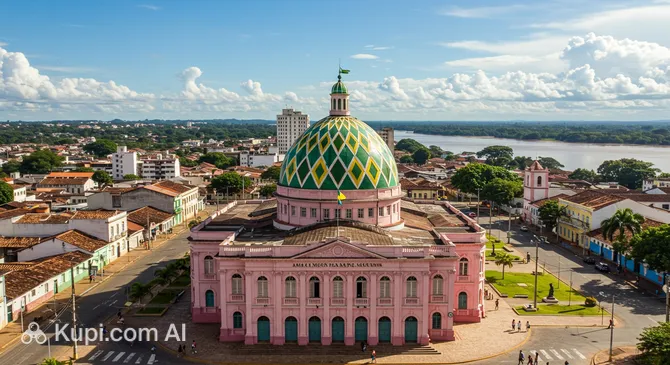
Welcome to Manaus, a captivating metropolis nestled in the heart of the world's largest rainforest. As the capital of the state of Amazonas in northern Brazil, this city serves as the primary gateway to the Amazon, offering a unique blend of urban energy and wild nature. With a population of over 2.2 million inhabitants, it is a bustling hub that sits on the banks of the Negro River, creating a striking contrast between modern civilization and the dense jungle that surrounds it.
The city's geographical location near the equator ensures a tropical climate with warm temperatures year-round and high humidity, which sustains the lush environment. Manaus is renowned for its rich cultural heritage, much of which stems from the late 19th-century rubber boom. You can delve deeper into the history of Manaus to understand how this "Paris of the Tropics" became a wealthy center filled with European-style architecture and grand boulevards.
Manaus. Illustration.
Source: Kupi.com AI
Travelers are drawn to Manaus for its spectacular sights, most notably the Teatro Amazonas, an opulent opera house with a striking tiled dome that stands as a symbol of the city's golden age. Another unmissable natural phenomenon is the Meeting of Waters, where the dark Rio Negro and the sandy-colored Rio Solimões flow side by side for miles without mixing. Whether you are embarking on a river cruise, visiting local markets, or heading to a jungle lodge, the city offers endless opportunities for exploration.
Discover the magic of the Amazon by starting your journey in this extraordinary city, where the wonders of nature and human history intertwine seamlessly.
Weather Overview
The climate in this Amazonian metropolis is typically tropical, defined by high humidity and warm temperatures year-round. Visitors can generally expect average temperatures to stay consistently between 26.9°C and 29.4°C. The heat peaks slightly in September, which sees average highs of around 33.2°C, while nights remain comfortably warm, rarely dropping below 24°C.
Rainfall patterns play a major role in the weather in Manaus, dividing the year into wetter and drier seasons. The wettest period runs from December to May, where months like April can experience rain on as many as 29 days. In contrast, the season from July to September is significantly drier, with August seeing only about 12 wet days, making it a popular time for outdoor exploration.
Average monthly temperature
Average monthly precipitation
Interesting Facts
Beyond the main attractions, Manaus holds many fascinating secrets that reveal its unique position as a metropolis in the middle of the jungle. From engineering marvels adapted to the river's moods to remnants of a gilded age, here are some intriguing facts about the city.
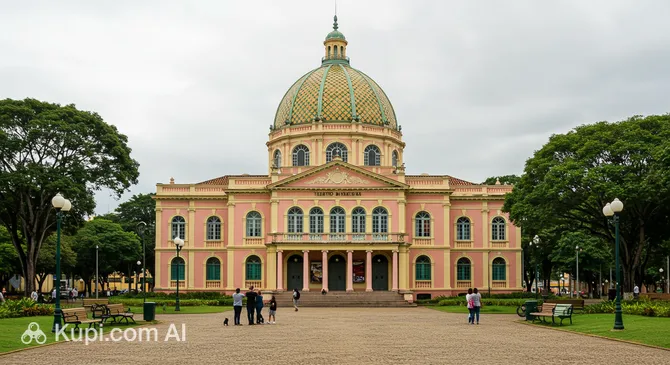
Amazon Theatre. Illustration.
Source: Kupi.com AI
Traveller photos:
The Port of Manaus is an engineering masterpiece featuring a floating dock built by the British in the early 1900s. It was designed to rise and fall with the Rio Negro, which can fluctuate in water level by up to 14 meters (46 feet) between the wet and dry seasons.
During the Rubber Boom of the late 19th century, Manaus was so wealthy that it became known as the "Paris of the Tropics." It was one of the first cities in Brazil to have electricity, streetlamps, and a trolley system, adopting these technologies even before many European capitals.
The magnificent Amazon Theatre was constructed almost entirely with materials imported from Europe to satisfy the lavish tastes of the rubber barons. Its roofing tiles came from Alsace, the stairs and marble from Italy, and the steel walls were shipped from Scotland.
Manaus is the only place in the world where you can find the Pied Tamarin (Sauim-de-Coleira) in an urban environment. This small, critically endangered primate is the city's official mascot and can often be spotted in the protected forests of Mindu Municipal Park.
How to Get There
Reaching the heart of the Amazon requires a bit of planning, as the city is geographically isolated from the rest of the country by the vast rainforest. For a detailed overview of travel options, you can read more about how to get to Manaus. Due to the lack of extensive road or rail connections, air travel is the most practical choice for the majority of visitors.
The primary gateway to the region is Eduardo Gomes International Airport (IATA: MAO). Located approximately 9.4 km from the city center, this facility is a major hub that welcomes flights from major Brazilian cities as well as select international destinations. The airport is modern and well-equipped to handle the millions of passengers who pass through its gates each year. Once you arrive, a taxi or shuttle ride to the downtown area typically takes about 35 to 40 minutes, depending on traffic conditions.
For clarity, here is a summary of the main airport:
It is important to note that Manaus is not connected to the national railway network, so arriving by train is not an option. Furthermore, road access is very limited and often impractical for tourists. Apart from flying, the most common and adventurous alternative is arriving by riverboat. The city is a major port on the Amazon River, and many travelers choose to arrive via a multi-day boat journey from cities like Belém or Santarém, experiencing the grandeur of the river firsthand.
Main Attractions
Manaus is a city where history and nature converge, offering visitors a fascinating mix of architectural gems from the rubber boom era and immersive ecological experiences. Exploring its main sights provides a deep understanding of how this metropolis thrived in the heart of the jungle.
The most iconic symbol of the city is the Amazon Theatre. Inaugurated in 1896, this opera house is a masterpiece of Renaissance revival style, famous for its striking dome covered in 36,000 ceramic tiles painted in the colors of the Brazilian flag. Inside, visitors can marvel at the luxurious décor, including Italian marble stairs and French furnishings, which stand as a testament to the immense wealth generated during the rubber boom.
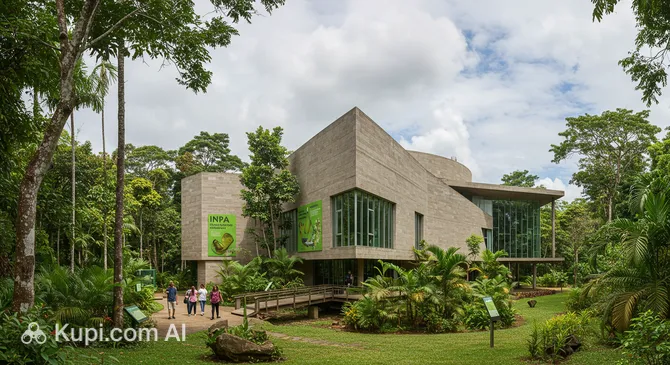
For those eager to experience the rainforest without leaving the urban area, the INPA Museum of the Amazon (MUSA) is an essential stop. This "living museum" functions as a vast botanical garden featuring trails through the native forest, orchid and bromeliad nurseries, and a 42-meter observation tower. Climbing the tower offers a breathtaking panoramic view of the canopy, making it a perfect spot for birdwatching and appreciating the scale of the Amazon.
INPA Museum of the Amazon. Illustration.
Source: Kupi.com AI
Traveller photos:
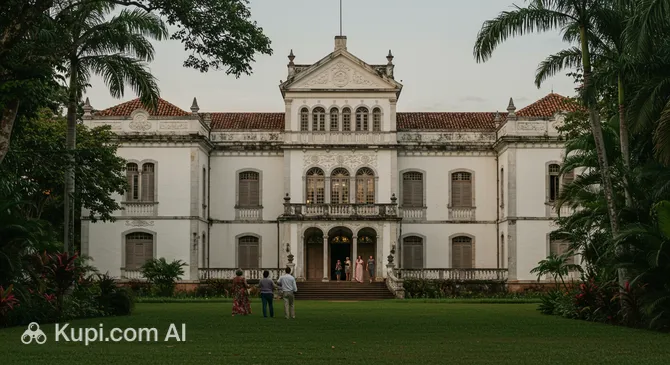
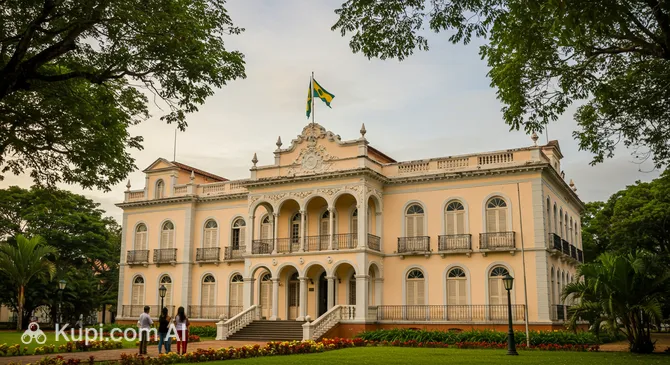
Another glimpse into the city's opulent past can be found at the Rio Negro Palace. Originally built as the private residence of a wealthy German rubber merchant, this grand yellow mansion later served as the seat of the state government. Today, it operates as a cultural center, preserving its original eclectic architecture, beautiful wooden floors, and period furniture, allowing tourists to step back in time to the early 20th century.
Rio Negro Palace. Illustration.
Source: Kupi.com AI
Traveller photos:
Wildlife enthusiasts should not miss the CIGS Zoo, maintained by the Brazilian Army's Jungle Warfare Instruction Center. Unlike traditional zoos, this facility focuses on the rescue and rehabilitation of Amazonian fauna. It provides a unique opportunity to see elusive animals up close, such as jaguars, monkeys, tapirs, and colorful macaws, all while learning about conservation efforts in the region.
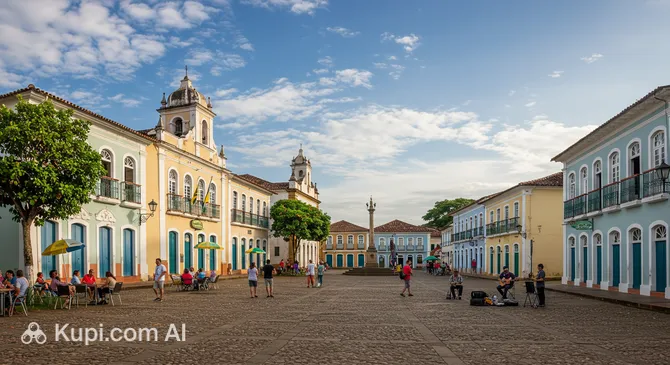
Finally, a stroll through São Sebastião Square offers a charming atmosphere right in front of the opera house. Surrounded by historic buildings and lively bars, it is a cultural meeting point where you can enjoy local music, admire the distinctive wave-patterned pavement—which inspired the famous sidewalks of Copacabana in Rio—and soak in the vibrant energy of Manaus.
Local Cuisine
The gastronomy of Manaus is a highlight of any trip, offering exotic flavors that cannot be found anywhere else in the world. Deeply rooted in indigenous traditions and the bounty of the rainforest, the local diet revolves heavily around freshwater fish. The undisputed star of the menu is the Tambaqui, a large fish often served as "Banda de Tambaqui"—grilled ribs that are incredibly tender and flavorful. Another must-try is the Pirarucu, known as the giant of the Amazon, which is frequently prepared "de casaca," a delicious dish mixing dried salted fish with banana, roasted manioc flour, and herbs.
For a truly unique sensory experience, you must taste Tacacá. This hot soup is sold at street stands throughout the city, particularly in the late afternoon. It is made with tucupi (a yellow broth extracted from wild manioc), dried shrimp, gum, and jambu, a leafy herb that causes a tingling or numbing sensation on the lips and tongue. It is a favorite among locals and is best enjoyed in lively public spaces like São Sebastião Square, where the cultural atmosphere complements the food perfectly.
São Sebastião Square. Illustration.
Source: Kupi.com AI
Traveller photos:
Breakfast in the city also has its own signature item: the X-Caboquinho. This beloved sandwich consists of French bread filled with tucumã (a native palm fruit), fried plantains, and regional cheese known as queijo coalho. It is a powerful combination of savory and sweet flavors that provides plenty of energy for a day of exploring the jungle or the city streets.
When it comes to drinks, the region's fruits take center stage. You will find juices, mousses, and ice creams made from exotic options like cupuaçu, graviola, and taperebá. Manaus is also the home of guaraná, and trying the natural version of this berry is essential. For an evening out, visitors can enjoy fruit-infused caipirinhas at local establishments or head to lively spots like Porão do Alemão Rock Bar to experience the city's vibrant social scene alongside refreshing beverages.
Travel Tips
Planning a trip to Manaus involves preparing for a unique experience where the conveniences of a major metropolis meet the raw intensity of the Amazon rainforest. To ensure your adventure in this tropical gateway is as smooth as it is memorable, we have compiled a set of essential practical guidelines for your stay.
Clothing and Gear: Due to the hot and humid climate, pack lightweight, breathable fabrics like cotton or linen in light colors. A sturdy raincoat or poncho is indispensable, as heavy downpours can occur suddenly, even during the "dry" season. Comfortable, closed-toe walking shoes are best for city tours, while sturdy boots are recommended if you plan to trek in the jungle. Don't forget a hat, sunglasses, and a universal power adapter (Type N is standard, but Type C is also used).
Transportation: The most convenient way to get around the city is by using ride-hailing apps like Uber or 99, which are generally safe, reliable, and affordable. Public buses exist but can be crowded and confusing for visitors who do not speak the language. Car rental is typically unnecessary for city exploration and can be stressful due to traffic. For river excursions, always book through reputable agencies or at the official marina.
Finances: The local currency is the Brazilian Real (BRL). Major credit and debit cards are widely accepted in hotels, restaurants, and shopping malls. However, it is crucial to carry cash if you plan to visit local markets, buy street food, or take smaller boats across the river. ATMs are available throughout the city, but it is wise to withdraw money during the day in secure locations like banks or malls. Tipping around 10% is standard in restaurants.
Health and Safety: Insect repellent is your best friend in Manaus; choose one with DEET to protect against mosquitoes. Pharmacies are plentiful, with major chains like Drogaria Santo Remédio often open 24/7. While tourist areas are generally safe, exercise caution in the downtown area (Centro) after dark and keep valuables hidden. Always drink bottled or filtered water, as tap water is not suitable for consumption.
Communication: The primary language is Portuguese, and English is not widely spoken outside of major hotels and tour agencies. It is highly recommended to learn a few basic phrases or download an offline translation app to help with daily interactions. You can purchase a local SIM card from providers like Vivo or Claro at the airport or in shopping centers to stay connected.
Local Etiquette: Brazilians are warm and welcoming, often greeting with a firm handshake or a kiss on the cheek (usually one in this region) among women. A "thumbs up" is a universal gesture of approval or agreement here. When visiting Brazil, specifically the Amazon region, respect the local pace of life, which can be more relaxed than in other major cities.
What to Avoid: Do not swim in the river at unmarked or unguarded beaches, as currents can be strong and wildlife unpredictable. Additionally, avoid drinking tap water or drinks with ice from street vendors unless you are sure it is made from purified water, to prevent stomach issues.
Market Insight: For an authentic glimpse of local life, visit the Adolpho Lisboa Municipal Market in the early morning, ideally between 5:00 AM and 7:00 AM. This is when the fishermen arrive with their fresh catch, including massive Amazonian fish like the Pirarucu, and the atmosphere is at its most vibrant.
By keeping these practical tips in mind, you will be well-equipped to navigate the vibrant streets of Manaus and the wonders of the surrounding jungle. Enjoy the warmth of the local hospitality and the breathtaking natural beauty that awaits you in the heart of the Amazon.
Entertainment & Nightlife
When the sun sets and the tropical heat begins to subside, the streets of Manaus transform into a vibrant playground. The city's nightlife is as diverse as its ecosystem, offering everything from sophisticated evenings of opera to energetic rock bars and lively street parties. Whether you prefer sipping a cold beer in a historic square or dancing until dawn, the Amazonian capital has plenty to offer after dark.
One of the most popular areas to start the evening is the historic center, particularly around São Sebastião Square. This area is the beating heart of the city's cultural nightlife. Here, locals and tourists gather at outdoor tables to enjoy live music, which often ranges from traditional "Boi-Bumbá" rhythms to Brazilian Popular Music (MPB). The atmosphere is relaxed and bohemian, making it a perfect spot for conversation and people-watching against the illuminated backdrop of the opera house.
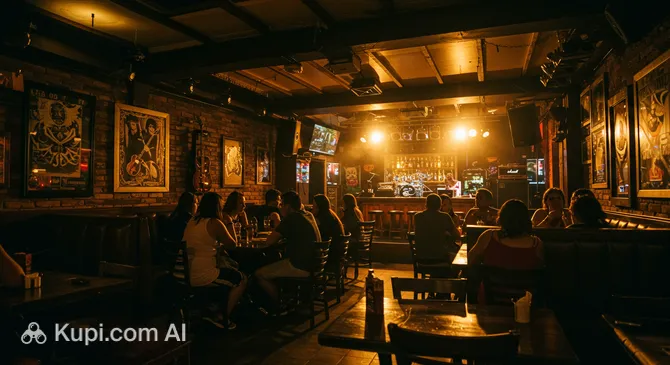
For those seeking a more energetic vibe, the city boasts several renowned venues that cater to different musical tastes. Rock enthusiasts should head straight to the iconic Porão do Alemão Rock Bar. This legendary establishment is a staple of Manaus nightlife, known for its electric atmosphere, live bands, and loyal crowd. It is a great place to mingle with locals and enjoy a high-energy night out.
Porão do Alemão Rock Bar. Illustration.
Source: Kupi.com AI
Traveller photos:
If you are looking for something more eclectic or interactive, Cantare Karaoke & Pub offers a fun environment where you can sing your heart out or simply enjoy the performances of others. Another unique spot worth checking out is the Old 88 Garage & Don Loiola Meat Moto Bar, which combines a passion for motorcycles with great food and drinks, creating a distinctive and edgy setting for a night out.
Nightlife in Manaus generally kicks off late. Bars usually start filling up around 9:00 PM, while clubs get busy after midnight. The dress code is typically casual, given the warm climate, but people tend to dress up a bit more for nightclubs and upscale restaurants. Prices are generally reasonable compared to southern Brazil, but imported drinks can be more expensive.
Safety is an important consideration when exploring the city at night. While the main nightlife districts like Adrianópolis and the area around the opera house are generally bustling and safe, it is advisable to avoid walking through empty streets in the downtown area (Centro) late at night. The best way to get around is by using ride-hailing apps like Uber or 99, or by calling a registered radio taxi. Avoid hailing taxis on the street if you are unsure of the area.
Before the sun goes down, Manaus offers a variety of daytime entertainment options to fill your schedule. Families and thrill-seekers can visit Mirage Park for amusement rides and fun activities. Cultural buffs can spend their days exploring the city's numerous museums or taking a peaceful walk through the Bosque da Ciência. Whether day or night, the city ensures your itinerary is packed with memorable experiences.
Parks & Museums
Manaus offers a refreshing array of green spaces and cultural institutions that provide a respite from the tropical heat and a deep dive into the region's history. Beyond the dense jungle that surrounds the city, the urban area itself is dotted with well-maintained parks and museums that showcase the richness of Amazonian biodiversity and the legacy of the rubber boom era.
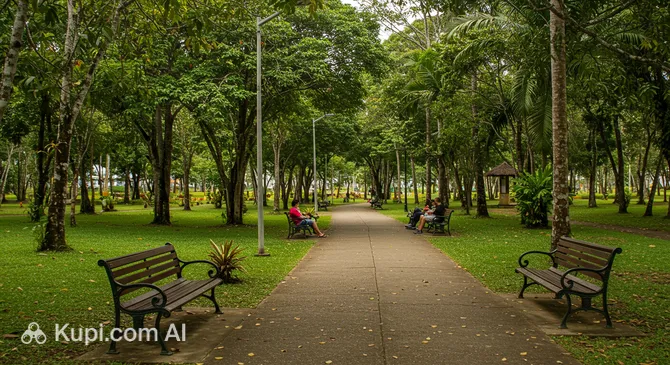
One of the most significant green areas is Mindu Municipal Park. Located in the Parque 10 de Novembro district, this protected area serves as a crucial refuge for the Sauim-de-Coleira (Pied Tamarin), a small primate found only in Manaus and its vicinity. Visitors can walk along suspended trails, visit the orchid nursery, and enjoy the amphitheater, making it a perfect spot for those seeking contact with nature without leaving the city limits.
Mindu Municipal Park. Illustration.
Source: Kupi.com AI
Traveller photos:
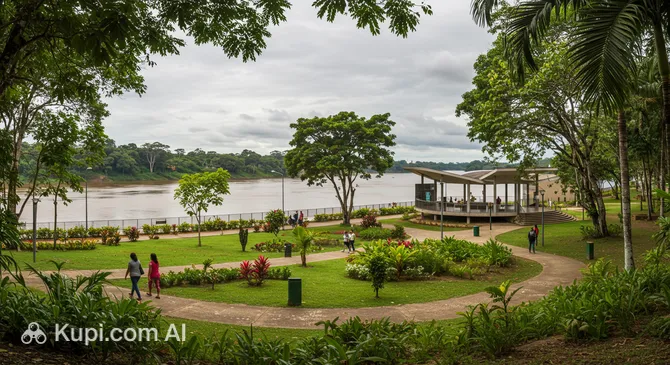
For a stroll that combines history with landscaping, Senator Jefferson Péres Park is an excellent choice. Built in a revitalized area formerly occupied by palafitas (stilt houses), the park features beautiful gardens, playgrounds, and statues reflecting the Belle Époque style. Another modern addition to the city's leisure options is Black River Park (Parque Rio Negro). Situated along the riverbank, it offers paved paths for jogging and walking, along with spectacular views of the sunset over the dark waters of the Rio Negro.
Senator Jefferson Péres Park. Illustration.
Source: Kupi.com AI
Traveller photos:
Culture enthusiasts will find a treasure trove at the Palacete Provincial. This historic building, which once served as the police headquarters, has been restored and now houses five distinct museums, including the Pinacotheca of the State and the Museum of Numismatics. It is a fantastic place to explore local art, history, and archaeology all under one roof.
Palacete Provincial. Illustration.
Source: Kupi.com AI
Traveller photos:
In the heart of the historic center lies the Manaus City Museum (Paço da Liberdade). Occupying the former City Hall building, this museum uses interactive technology to tell the story of the Manaus people and their identity. The neoclassical architecture of the building itself is a highlight, standing as one of the oldest in the capital and offering a glimpse into the city's golden age.
Getting Around
Navigating Manaus offers a unique experience that reflects its status as a metropolis within the rainforest. The public transport system primarily relies on an extensive network of buses that cover the entire city. Unlike other major Brazilian capitals, Manaus does not have a metro or train system. The bus fleet is diverse, ranging from standard vehicles to larger articulated buses that operate on main corridors. For visitors, the bus system is the most authentic way to move around, though it can be complex and crowded during peak hours.
To pay for bus fares, the city uses an electronic ticketing system known as PassaFácil. While it is possible to pay with cash directly to the conductor (cobrador) on board, obtaining a smart card is more convenient for frequent travel. The fare is affordable, currently hovering around a few Reais per trip. If you plan to stay for an extended period, you can purchase and top up a card at various sales points and terminals throughout the city. Students and locals heavily rely on this card, which also allows for integration between different bus lines within a specific time window.
Given the city's geography along the riverbanks, river transport is a distinct and essential part of the local mobility network. For many residents living in coastal areas or nearby islands, boats serve the same purpose as buses. Speedboats, known locally as "lanchas" or "ajatos," and traditional riverboats depart regularly from the Port of Manaus and the Ceasa Port. These vessels are not just for sightseeing; they are vital daily transport links connecting the urban center to surrounding communities and floating villages.
For tourists seeking comfort and efficiency, ride-hailing apps are often the best alternative. Services like Uber and 99 are extremely popular, widely available, and generally offer safer and more direct routes than public buses, especially at night. Taxis are also plentiful, particularly around the airport, major hotels, and the Teatro Amazonas. They are metered, but it is always good practice to check that the meter is running or agree on a price beforehand if taking a fixed-rate trip from a tourist spot.
When using public transport, it is helpful to download navigation apps like Moovit or Google Maps, which provide real-time updates on bus routes and schedules in Manaus. Buses operate from early morning until late at night, but frequency drops significantly after midnight. Be aware that traffic in Manaus can be heavy, particularly during the morning and evening rush hours, so plan your travel time accordingly to avoid delays.
Accommodation
Accommodation in Manaus caters to a wide spectrum of travelers, ranging from budget-friendly hostels in the city center to upscale hotels and unique jungle lodges. Whether you are looking for a quick stopover before heading into the rainforest or a comfortable base to explore the city's urban attractions, you will find options that suit your needs. The hospitality sector here is well-developed, reflecting the city's role as a major tourist hub in the Amazon.
For those who prioritize convenience and culture, the Historic Center (Centro) is the most popular area to stay. Being located here puts you within walking distance of major landmarks like the opera house and various museums. Alternatively, the Ponta Negra neighborhood offers a more modern and upscale experience. Situated along the riverbank, this area is known for its river beach, lively nightlife, and luxury high-rises, providing spectacular views of the Rio Negro, though it is further from the historic downtown.
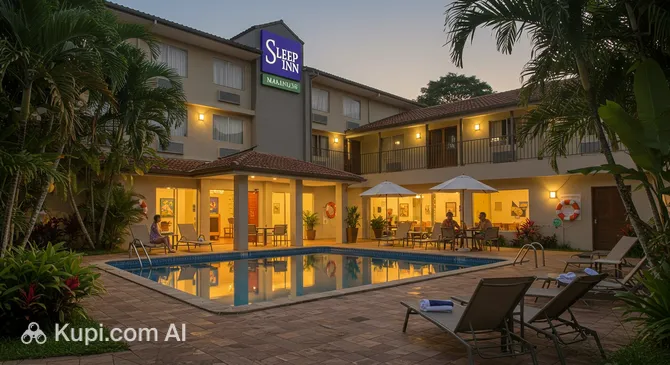
If you are looking for a reliable and comfortable stay, the city features several well-known establishments. One such example is the Sleep Inn Manaus, which offers modern amenities and is often chosen by travelers for its consistency and service. Many mid-range hotels in the city cater to both business and leisure travelers, ensuring a pleasant retreat from the tropical heat.
Sleep Inn Manaus. Illustration.
Source: Kupi.com AI
Traveller photos:
A unique category of accommodation in this region is the "Jungle Lodge." While some are located within the city limits or just across the river, many require a boat transfer. These lodges offer an immersive experience, allowing you to sleep surrounded by the sounds of the forest while often providing all-inclusive packages with guided tours.
Booking Tips: It is highly recommended to book your accommodation in advance, especially if you plan to visit during the dry season (July to September) or during major festivals like the Boi Manaus. Prices can vary significantly; budget hostels in the center are quite affordable, while luxury jungle lodges and riverside resorts command higher rates. Most properties can be easily booked via major online platforms, but for specific jungle packages, direct contact with the lodge or a specialized agency is often the best approach.
Nearby Cities
For those looking to explore the surroundings, Manaus serves as an excellent base for day trips to several interesting nearby locations:
City
Population
Distance
Ponta Pelada
—
4 km
Careiro da Varzea
27,981
23 km
Iranduba
49,011
25 km
Rio Preto da Eva
30,530
59 km
Manaquiri
28,413
60 km
Among the most accessible destinations is Iranduba, located just across the magnificent Rio Negro Bridge. This proximity makes it an effortless getaway for visitors who want to see a different side of the Amazon without a long journey. The town is famous for its ceramic craftsmanship and serves as a gateway to beautiful river beaches, such as Açutuba, and the Janauari Ecological Park, where you can admire the giant Victoria Amazonica water lilies.
Another fascinating option is Manacapuru, known as the "Little Princess of the Solimões." Situated on the banks of the Solimões River, it offers a distinct landscape compared to the dark waters of the Rio Negro around Manaus. The city is culturally renowned for its vibrant Ciranda Festival, a traditional dance competition held annually, and provides a genuine glimpse into the life of a bustling river port community.
These nearby destinations offer a glimpse into the diverse culture and landscapes of the region, allowing travelers to experience the richness of the Amazon beyond the capital.
Shopping & Souvenirs
Shopping:
Shopping in Manaus offers a fascinating mix of modern retail experiences and traditional Amazonian commerce. As a designated Free Trade Zone (Zona Franca de Manaus), the city is a commercial hub where visitors can often find imported electronics, perfumes, and branded goods at competitive prices. Beyond the modern gadgets, the city is an exceptional place to discover authentic indigenous handicrafts and regional products that reflect the rich biodiversity of the rainforest.
The heart of the city's commercial life beats in the Centro (Downtown) district. The bustling streets around the port, particularly Rua Marechal Deodoro and Avenida Sete de Setembro, are lined with hundreds of shops selling everything from clothing and shoes to household goods. This area is vibrant and chaotic, offering a true taste of local life where bargaining is common and the variety of merchandise is endless.
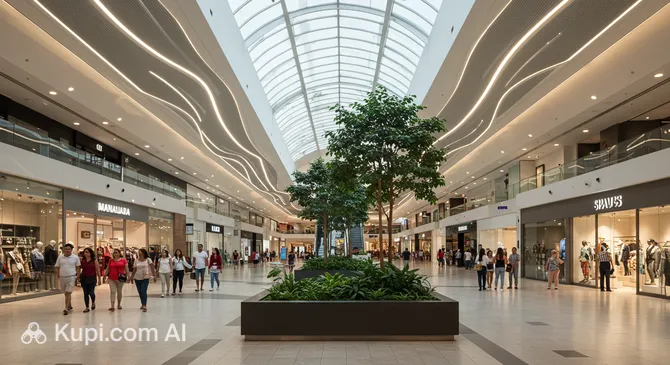
For a more comfortable and climate-controlled environment, the city boasts excellent shopping centers. Manauara Shopping is a highlight, designed with a unique theme inspired by the Amazon rainforest, featuring wooden details and plants throughout its architecture. It houses a wide range of national and international brands, a large food court, and a theater.
Manauara Shopping. Illustration.
Source: Kupi.com AI
Traveller photos:
Another major destination is Amazonas Shopping, the first mall established in the city. It remains a favorite among locals for its diverse mix of stores, cinema complex, and services. Both malls provide a modern respite from the heat and are excellent places to find fashion, accessories, and electronics.
To experience the traditional side of trade, the Adolpho Lisboa Municipal Market (Mercadão) is an unmissable stop. Located on the riverbank, this iron structure inspired by Les Halles in Paris is the best place to buy medicinal herbs, regional spices, and artisan crafts. On Sundays, the Feira da Eduardo Ribeiro transforms a main avenue into a lively open-air market. It is the perfect spot to browse for handmade goods while enjoying local street food.
When looking for souvenirs, the best items to bring back are those unique to the Amazon. Look for bio-jewelry made from seeds, scales, and natural fibers, as well as indigenous baskets and wood carvings. Culinary treats are also popular, including jars of cupuaçu jam, bags of Brazil nuts (castanha-do-pará), and pure guaraná powder. Authentic indigenous handicrafts are not only beautiful keepsakes but also support local communities.
Store hours in Manaus generally follow standard Brazilian patterns. Street shops in the downtown area typically open from 8:00 AM to 6:00 PM on weekdays and close around 1:00 PM on Saturdays, remaining closed on Sundays. Shopping malls operate daily, usually from 10:00 AM to 10:00 PM, with slightly reduced hours on Sundays. Credit and debit cards are widely accepted in malls and most shops, but it is advisable to carry cash (Brazilian Reais) when visiting street markets or smaller stalls.
Regarding taxes, while Manaus is a Free Trade Zone which reduces duties on many imported items, Brazil does not have a standard VAT refund system for tourists at the airport like many European countries. The benefit here lies in the shelf price of certain goods, particularly electronics and luxury items, which can be lower than in other parts of the country due to the special tax incentives of the region.