Support

Maués

About

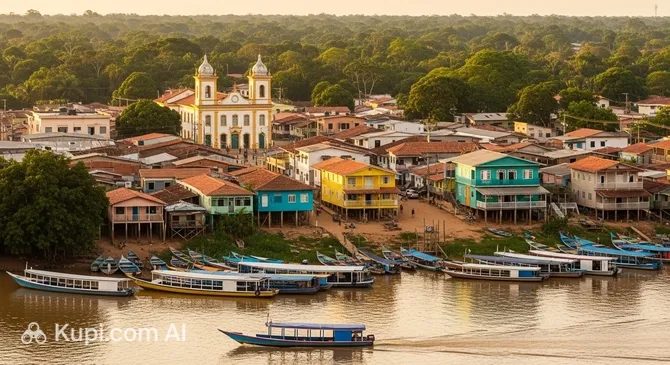
Welcome to Maués, a captivating destination nestled in the heart of the Amazon rainforest. Known affectionately as the "Land of Guaraná," this city offers travelers a unique blend of vibrant culture and breathtaking natural beauty. Located in the state of Amazonas in Brazil, Maués is situated on the banks of the Maués-Açu River, providing a picturesque setting that truly embodies the spirit of the region.

Maués. Source: Kupi.Binoculars

With a population of approximately 60,000 residents, the city maintains a welcoming, small-town atmosphere while serving as an important hub for the production of the famous guaraná fruit. The local climate is tropical and humid, typical of the Amazon, which fosters the lush greenery surrounding the urban area. For those interested in how this community evolved over time, exploring the history of Maués reveals a fascinating narrative intertwined with indigenous traditions and the cultivation of its legendary fruit.

Visitors are often drawn to the city's stunning river beaches, particularly Ponta da Maresia, which emerges during the dry season to offer white sands and refreshing waters. Besides relaxing by the river, tourists can explore local guaraná plantations to learn about the harvesting process or immerse themselves in the lively Guaraná Festival, a major cultural event celebrating the city's heritage. Whether you are seeking eco-tourism adventures or a peaceful retreat in nature, Maués promises an unforgettable experience in the Brazilian Amazon.

Weather Overview

Maués features a tropical climate with consistent warmth, where average temperatures typically range from 26.7°C to 29.5°C throughout the year. The warmest period occurs around September, with highs reaching up to 33.9°C, while the coolest months like January still maintain comfortable lows of roughly 23.7°C.

Precipitation patterns vary significantly, so it is helpful to review the current weather in Maués before booking your trip. Expect warm days year-round with frequent rainfall from January through May, often seeing rain on more than 25 days a month. Conversely, the season from July to September is notably drier, with August having as few as 10 wet days, offering better conditions for exploring the river beaches.

Interesting Facts

Beyond the main attractions, Maués holds many fascinating secrets deeply rooted in indigenous folklore and the unique lifestyle of the Amazon. The city's identity goes far beyond simple agriculture, touching upon legends of origin and remarkable human vitality.

  • The Legend of the Eyes: The visual appearance of the guaraná fruit, which looks strikingly like a human eye when open, is explained by a local Sateré-Mawé myth. Legend has it that the first plant grew from the eyes of a beloved village child, which were planted in the soil by a benevolent deity to console the grieving community, creating a fruit that "watches" over the people.

  • City of Longevity: Maués is frequently celebrated for the unusual vitality of its population. The city boasts a significantly high number of active residents over the age of 80, a phenomenon that many locals attribute to the daily consumption of pure guaraná powder mixed with water, rather than the sugary soda version known globally.

  • A Massive Genetic Bank: The region is home to the Santa Helena Farm, which is not just a plantation but a major research center. It houses one of the largest genetic banks of guaraná in the world, cloning and preserving select variations of the plant to ensure the future of this Amazonian treasure.

How to Get There

Reaching Maués is an adventure that immerses you in the heart of the Amazon rainforest. Since the region is remote and surrounded by dense nature and rivers, planning your journey requires some attention to detail. Most travelers arrive via the state capital, Manaus, before continuing to Maués by river or regional air transport. For a comprehensive guide on all available transport options, you can read more about how to get to Maués.

The city of Maués does not have its own international airport, so the primary gateway for most visitors is Eduardo Gomes International Airport (MAO) in the city of Manaus, located approximately 262 km away. This is a major hub receiving flights from various Brazilian cities and some international destinations. From Manaus, the journey to Maués is typically completed by boat, which can take several hours depending on the vessel, or by a short regional flight, as direct road access is not the standard mode of travel in this part of the Amazon.

For clarity, here is a summary of the main airport serving the region:

Airport Name City Passenger Traffic Km from City
Eduardo Gomes International Airport Manaus High 261.9

There are no railway stations serving Maués or the immediate vicinity, as the railway infrastructure is not developed in this region of Brazil. The rivers serve as the natural highways of the Amazon, making boats and ferries the most common and authentic alternative to air travel for reaching the city.

Main Attractions

The charm of Maués lies in its harmonious connection with the Amazon rainforest, offering visitors a mix of stunning natural landscapes and deep-rooted cultural traditions. The most famous postcard of the city is undoubtedly Ponta da Maresia. This beautiful river beach forms along the banks of the Maués-Açu River during the dry season, typically from August to January. With its vast stretch of white sand and warm, dark waters, it serves as the main meeting point for locals and tourists alike, perfect for swimming, sports, and watching the sunset.

As the "Land of Guaraná," no trip to Maués is complete without exploring its Guaraná Plantations. Agrotourism is a growing highlight here, allowing travelers to visit local farms and learn about the cultivation of this legendary fruit, which is native to the region. Visitors can observe the unique "eye-like" appearance of the berries and discover the traditional methods of harvesting and processing that have been passed down through generations of indigenous and local families.

For those interested in history and architecture, the Paróquia Nossa Senhora da Conceição stands as a significant landmark in the city center. This church is not only a place of worship but also a symbol of the city's historical development, dating back to the early settlements in the region. It serves as a focal point for religious celebrations and offers a peaceful atmosphere for reflection amidst the bustling daily life of the city.

Local Cuisine

The culinary scene in Maués is a delightful reflection of the Amazon's bounty, heavily reliant on fresh ingredients harvested from the surrounding rainforest and rivers. The food culture here is authentic and unpretentious, characterized by bold indigenous flavors and the daily catch of local fishermen. Visitors can expect a gastronomic experience that centers on river fish, exotic fruits, and the versatile cassava root, which accompanies almost every meal in the form of toasted flour or farinha.

River fish is the undisputed star of the local table. One of the most celebrated dishes is the Tambaqui, a large freshwater fish often served grilled over charcoal (assado) or stewed in a rich broth known as caldeirada. The ribs of the Tambaqui are particularly prized for their tender, fatty meat. Another must-try is the Pirarucu, often called the "cod of the Amazon," which is served in various ways, including fresh fillets or salted and dried. For a lighter option, the peacock bass, or Tucunaré, offers a delicate flavor that is perfect when fried or grilled.

As the "Land of Guaraná," Maués offers a unique opportunity to taste this energy-boosting fruit in its most authentic forms. Unlike the sugary soft drinks found globally, the locals consume natural guaraná, often prepared by mixing the ground powder with water and a touch of sugar or honey. The region is also famous for its incredible variety of fruit juices. Be sure to try Cupuaçu, Taperebá, and Açaí, which is traditionally eaten here as a savory side dish with fish and tapioca flour, rather than just as a sweet smoothie bowl.

Dining in Maués is a relaxed affair, often enjoyed outdoors to take advantage of the river breeze. The river beaches, such as the famous Ponta da Maresia, are lined with kiosks and stalls serving fried fish, crab, and snacks, making them the perfect spot for a casual lunch with a view. For breakfast, the local markets are the place to be. Here, you can enjoy a freshly made tapioca pancake or a sandwich filled with tucumã (a native palm fruit) and cheese, a regional classic known as the "X-Caboquinho" that perfectly encapsulates the taste of the Amazon.

Travel Tips

Visiting Maués is a true Amazonian adventure, and a little preparation goes a long way in ensuring a smooth and enjoyable trip. To help you navigate the unique logistics of the "Land of Guaraná," here are some practical tips designed to make your stay comfortable and hassle-free.

  1. Clothing and Gear: Due to the hot and humid tropical climate, pack lightweight, breathable clothing made of cotton or linen. A sturdy raincoat or poncho is essential, as sudden downpours are common, especially from January to May. Bring comfortable walking shoes for excursions and sandals for the river beaches. Don't forget a hat, sunglasses, and a power adapter for Type N sockets (standard in Brazil).

  2. Transportation: There is no public metro or tram system in Maués. The most common and efficient way to get around the city is by mototaxi (motorcycle taxi), which is affordable and widely available. For short distances within the center, walking is pleasant. If you plan to visit nearby communities or beaches across the river, you will need to hire a local boat or "voadeira" (speedboat).

  3. Finances: The local currency is the Brazilian Real (BRL). While some hotels and larger restaurants accept credit cards, cash is king in Maués, especially for small vendors, mototaxis, and market stalls. There are a few ATMs in the city (typically Banco do Brasil or Bradesco), but they can occasionally run out of cash or have connection issues, so it is wise to arrive with enough Reais for your immediate needs.

  4. Health and Safety: Insect repellent is mandatory in the Amazon region to protect against mosquitoes. Always drink bottled or filtered water; never drink directly from the tap. Pharmacies are available in the city center for basic needs, but for serious medical issues, there is a local hospital. Maués is generally safe, but common sense applies—keep an eye on your belongings in crowded areas.

  5. Communication: The main language is Portuguese, and English is not widely spoken outside of specific tourist assistance circles. It is highly recommended to learn a few basic phrases like "Bom dia" (Good morning) and "Obrigado" (Thank you). Downloading an offline translation app and an offline map on your phone before you arrive is a great "life hack" for communicating with locals.

  6. Local Etiquette: The people of Maués are known for their warmth and hospitality. It is polite to greet people when entering a shop or passing by. The pace of life here is more relaxed than in big cities like São Paulo, so be patient with service and embrace the slower rhythm. If you visit indigenous communities, always ask for permission before taking photos of people.

  7. What to Avoid: Avoid swimming in river areas that are not designated for bathing or where locals are not swimming, as currents can be strong and wildlife may be present. Also, avoid scheduling a tight itinerary if you are relying on river transport to leave the city, as weather conditions can sometimes cause delays.

  8. Local Insight: If you visit between late November and early December, you might catch the Festa do Guaraná. It is the city's biggest party, celebrating the harvest with music, legends, and plenty of local food. Regardless of when you visit, try to wake up early at least once to see the sunrise over the Maués-Açu River—it is a breathtaking spectacle that costs nothing.

With these tips in hand, you are ready to immerse yourself in the natural wonders and cultural richness of Maués. Pack your spirit of adventure, respect the local environment, and enjoy every moment of your journey in the Brazilian Amazon!

Entertainment & Nightlife

Nightlife in Maués is a reflection of the city's laid-back, welcoming Amazonian spirit. Unlike the high-energy clubbing scenes of large metropolises, the evening entertainment here revolves around socializing outdoors, enjoying the river breeze, and savoring local flavors with good music. The atmosphere is unpretentious and vibrant, with locals and visitors gathering in open-air venues to unwind after a hot day.

The heart of the action typically shifts depending on the season, but the Orla do Rio Maués-Açu (Riverfront) is always a focal point. During the dry season (typically August to January), the Ponta da Maresia beach emerges and becomes the city's main nightlife hub. Here, temporary beach bars and kiosks set up on the sand, serving cold beer and fried fish while playing a mix of Forró, Sertanejo, and Brazilian pop music. It is the perfect place to watch the sunset and stay late into the night with your feet in the sand.

In the city center, the area around the main squares, particularly near the Praça da Matriz, offers a lively scene with a more traditional town-square vibe. This area is bustling with families and groups of friends eating at local snack bars and pizzerias that double as evening hangouts. For a specific place to enjoy a drink and a bite, you can visit Tawa Gastro-Bar. It is a popular spot known for its relaxed ambiance and a menu that blends regional ingredients with bar classics, making it a great choice for starting your night.

Another local favorite for a casual evening is Pizzaria Maués, located right in the center. While primarily a pizzeria, in small Amazonian towns like this, such establishments are social cornerstones where people gather for hours to drink and chat. The dress code everywhere is very casual; shorts, t-shirts, and sandals are the standard attire for almost any venue. Prices are generally affordable compared to larger cities, and most places operate until around midnight or 1:00 AM, though beach parties can go later on weekends.

For practical advice, cash is still very important in Maués. While some larger venues accept cards, smaller kiosks and mototaxis often deal only in Reais. Getting around at night is best done via mototaxi, which is the primary mode of transport; they are cheap, plentiful, and used by everyone. In terms of safety, Maués is generally peaceful, but it is always wise to stay in well-lit, populated areas like the Orla and the main squares, and avoid walking alone in unlit outskirts late at night.

While the nights are for relaxing, the days offer their own entertainment. You can explore the city's cultural heritage by visiting the local attractions, such as the historic churches or the nearby guaraná plantations which offer a glimpse into the region's agricultural fame. However, the transition from a sunny day at the river beach to a breezy evening at a waterfront bar remains the quintessential Maués experience.

Parks & Museums

Maués is a destination where the concept of a "park" expands to encompass the vast, living rainforest and the riverbanks that frame the city. Far from being just a remote outpost, the city serves as an open-air gallery of Brazilian Amazon culture, where history is preserved in the traditions of its people, the architecture of its squares, and the legendary guaraná fields.

Ponta da Maresia is the crown jewel of the city's outdoor spaces. Although technically a river beach formed during the dry season, it functions as the region's primary recreational park. With its expansive white sands and refreshing river breeze, it is the community's favorite spot for leisure, sports, and social gatherings. For tourists, it offers a perfect natural setting to witness the grandeur of the Maués-Açu River while enjoying the amenities of a well-maintained public space, including nearby kiosks and walking areas.

In the heart of the urban center lies the Praça Coronel João Verçosa, commonly known as Praça da Matriz. This central square acts as a green oasis amidst the town's daily hustle. Shaded by trees and centered around the historic church, it is a classic example of a town square where locals meet to chat and relax. It is an excellent spot for visitors to observe local life, enjoy a quiet moment on a bench, and admire the surrounding colonial-influenced architecture.

For those seeking a deeper immersion in nature, the Floresta Nacional de Maués offers a more rugged experience. This federal conservation unit protects a vast area of the Amazon rainforest. While access requires planning and often a guide, it represents the ultimate "natural park," offering eco-tourists a chance to see the biodiversity of the region, including towering trees, exotic birds, and the undisturbed habitat of the jungle.

Unlike many small Amazonian towns that lack dedicated exhibition spaces, Maués offers a fascinating look into the past at the Museu Arqueológico Ilha de Vera Cruz. Located on the nearby Vera Cruz Island, this museum is a significant cultural repository. It highlights a remarkable collection of indigenous artifacts, including ceramics and tools that date back to the pre-colonial era. Visiting the museum provides a unique opportunity to understand the deep ancestral roots of the Sateré-Mawé people and the archaeological history of the region.

In terms of living heritage, the Guaraná Plantations (such as the famous Santa Helena Farm) serve as interactive museums of agriculture. Since Maués is the birthplace of guaraná culture, these farms offer an educational journey through history. Visitors can learn about the domestication of the plant, view traditional processing methods, and understand the economic evolution of the region. It is a historical experience that connects the land directly to the local identity.

The Paróquia Nossa Senhora da Conceição stands as the primary architectural and historical landmark. More than just a religious site, the church and its grounds are a testament to the city's colonial past and missionary history. Inside, the simple yet dignified design reflects the resilience of the community. It acts as a custodian of local memory, hosting the city's most important cultural and religious festivals which have been celebrated for generations.

For a truly authentic cultural encounter, consider visiting one of the local Indigenous Associations or craft centers. Here, you can often find traditional Sateré-Mawé handicrafts, such as woven baskets and jewelry made from seeds. These venues offer a direct link to the ancestral history of the land, providing insight into the myths and legends that shape the identity of Maués, including the origin story of the guaraná fruit itself.

Insider Tip: Since you will likely take a boat to visit the Archaeological Museum on Ilha de Vera Cruz, take the time to explore the rest of the island. It offers a quieter, more secluded perspective of the riverine landscape, perfect for photography and spotting local wildlife away from the main beach crowds.
Getting Around

The public transport system in Maués is distinctively different from major urban centers. There is no metro, tram, or extensive public bus network operating within the city limits. Instead, the transportation infrastructure is informal and adapted to the local lifestyle of the Amazon region. For visitors, this means adjusting to a system where flexibility and personal negotiation replace fixed schedules and designated stops.

The undisputed king of transport in the city is the mototaxi (motorcycle taxi). These are ubiquitous, affordable, and the most efficient way to navigate the streets. You can easily identify official drivers by their numbered vests, usually in bright colors like orange or green. They function essentially as a personalized public transit service, picking up passengers from anywhere on the street and dropping them off at their exact destination. For larger groups or those carrying luggage, standard car taxis are available, though they are far less numerous than motorcycles.

Given the city's geography along the riverbanks, water transport is an integral part of the "public" system. To reach nearby communities, river beaches like Ponta da Maresia, or the archaeological sites on Vera Cruz Island, travelers use voadeiras (small speedboats) or rabetas (motorized canoes). These boats gather at the main port or designated floating docks. While some have fixed routes to specific communities, many operate like water taxis where you hire the boat for a specific trip.

When it comes to payment, cash is the only reliable option. There are no travel cards, passes, or mobile ticketing apps for transport in Maués. Fares for mototaxis are generally fixed for rides within the urban center, but it is always wise to confirm the price before hopping on. Boat fares vary depending on the distance and whether you are sharing the ride or chartering the vessel exclusively. It is essential to carry small bills and coins, as drivers and boatmen often have difficulty changing large notes.

For a smooth experience, tourists should prioritize safety and clarity. Always ask for a helmet when riding a mototaxi; drivers are required to provide one, but it is good practice to insist. Operating hours are flexible; mototaxis run late into the night, especially on weekends or during festivals, but availability decreases significantly after midnight. If you plan to be out late, it is helpful to get the phone number or WhatsApp contact of a reliable driver during the day to arrange your return trip.

Walking is a viable and pleasant alternative for exploring the city center, as many shops, the main church, and the riverfront are clustered relatively close together. Bicycle rentals are not a standard commercial service, but some guesthouses may offer them. Ridesharing apps like Uber are not active in Maués, so relying on the local mototaxi stands or flagging down a driver remains the most authentic and practical way to get around.

Accommodation

Accommodation in Maués is characterized by its simplicity and warm Amazonian hospitality. You will not find international luxury chains or massive resort complexes here. Instead, the city offers a selection of small hotels and cozy guesthouses, known locally as pousadas. These family-run establishments typically provide essential comforts such as air conditioning—a necessity in the tropical climate—and private bathrooms. A highlight of staying in these local spots is often the breakfast, which frequently features fresh regional fruits, tapioca, and, of course, natural guaraná juice.

For the most convenient experience, travelers are advised to look for lodging in the Centro (City Center) or along the Orla (Riverfront). Staying in the center places you within walking distance of the main port, the municipal market, and the central square, making it easy to access restaurants and mototaxis. Accommodations located near the riverfront offer the added benefit of scenic views over the Maués-Açu River and are just steps away from the evening social scene at the beach kiosks.

When planning your trip, keep in mind that the Festa do Guaraná, typically held in late November or early December, is a massive event that draws thousands of visitors. During this period, the city reaches full capacity, so it is crucial to book your accommodation weeks or even months in advance. For the rest of the year, the pace is more relaxed, and finding a room is generally much easier.

Price-wise, Maués is a very affordable destination, catering primarily to budget and mid-range travelers. While a few of the larger hotels may be listed on major online booking platforms, many smaller pousadas still operate offline or through direct contact via messaging apps. It is also a good idea to confirm payment methods before arrival; while some places accept credit cards, smaller establishments often prefer or require payment in cash (Reais) due to occasional internet connectivity issues with card machines.

Nearby Cities

For those looking to explore the surroundings, Maués serves as an excellent base for day trips or short visits to several interesting nearby locations. While travel in the Amazon often requires boat journeys that can take some time, these neighboring cities offer unique cultural and natural attractions worth the effort.

Parintins is one of the most culturally significant cities in the region, famous worldwide for its annual Folklore Festival (Festival de Parintins) held in June. Located on an island in the Amazon River, it offers visitors a chance to explore the "Bumbódromo" arena and enjoy the vibrant local arts scene. The city also features beautiful river beaches and a lively atmosphere that reflects the rich traditions of the Amazon.

Another intriguing destination is Itacoatiara, often referred to as the "City of Painted Stone." It is renowned for its archaeological significance, home to ancient indigenous rock carvings that date back thousands of years. Visitors can explore these historical sites and relax on the city's river beaches, making it a compelling spot for those interested in both history and nature.

Although it requires a longer journey, Manaus is the major hub of the state and offers a stark contrast to the smaller towns. As the capital of Amazonas, it boasts impressive colonial architecture, including the famous Amazon Theatre, and serves as the departure point for seeing the "Meeting of Waters," where the dark Rio Negro runs alongside the sandy Rio Solimões without mixing.

City Population Distance (km)
Manaus 2,219,580 258
Parintins 111,575 138
Itaituba 98,485 215
Itacoatiara 97,122 85
Oriximina 75,000 274

These nearby destinations offer a glimpse into the diverse culture and landscapes of the region.

Shopping & Souvenirs

Shopping in Maués offers a genuinely authentic Amazonian experience, far removed from the polished commercialism of large metropolitan centers. You will not find luxury boutiques or sprawling international chains here. Instead, the city's retail scene is driven by small, family-owned businesses and vibrant local markets that cater to the daily needs of residents. For visitors, this is an excellent opportunity to purchase unique regional products directly from the producers, ensuring that your money supports the local economy while you acquire items with a true connection to the land.

The main commercial activity is concentrated in the Centro (City Center), particularly along the streets surrounding the Praça da Matriz and extending towards the river port. This area serves as the bustling heart of the town, lined with pharmacies, clothing stores, supermarkets, and variety shops. Strolling through these streets allows you to soak in the local atmosphere, where the trade is lively and the shopkeepers are friendly. It is the best place to find basic travel essentials, summer clothes, and flip-flops suitable for the river beaches.

Travelers accustomed to modern retail complexes should note that there are no large shopping malls in Maués. The retail infrastructure is traditional, consisting mostly of street-front shops and small commercial galleries. If you are looking for specific electronics or high-end fashion, it is advisable to make those purchases in Manaus before arriving. In Maués, the charm lies in the simplicity and personal service of the local vendors rather than in air-conditioned mega-malls.

The highlight of the local shopping scene is undoubtedly the Municipal Market and the Feira do Produtor Rural (Rural Producer's Fair). Located near the port area, these markets are a sensory explosion of colors and smells. Here, fishermen unload the day's catch of fresh river fish, while farmers sell mounds of exotic fruits like cupuaçu, tucumã, and pupunha. It is also a great place to find medicinal herbs, homemade manioc flour, and spicy pepper sauces that are staples of the Amazonian diet.

When it comes to souvenirs, the undisputed king is guaraná. As the "Land of Guaraná," Maués is the best place in the world to buy this product in its purest forms. Look for the traditional guaraná sticks (bastão de guaraná), which are smoked and dried loaves of the fruit paste meant to be grated using a dried tongue of the pirarucu fish—a truly unique gift. Alternatively, you can buy pure guaraná powder or artisanal sweets made from the fruit. Besides guaraná, keep an eye out for indigenous handicrafts from the Sateré-Mawé people, such as bio-jewelry made from seeds, woven baskets, and feather art.

Store opening hours in Maués typically follow a standard schedule, opening around 8:00 AM and closing by 6:00 PM on weekdays. Many smaller shops may close for a lunch break between 12:00 PM and 2:00 PM, a common practice in the hot Amazon region. On Saturdays, shops usually close early, around 12:00 PM or 1:00 PM, and most remain closed on Sundays, except for essential services and some market stalls.

Regarding payment, while larger supermarkets and some hotels in the center accept credit and debit cards, cash is essential for shopping in Maués. Market vendors, artisans, and small kiosks often deal exclusively in Brazilian Reais. Internet connectivity can sometimes be unstable, causing card machines to fail, so carrying enough cash for your daily purchases is highly recommended. Tax-free shopping (VAT refund) is not available in Maués, as the system is generally limited to specific retailers in Brazil's major international gateways.

Reached the end of the page?

That means the route is fully explored