Support

Itaituba

About

Welcome to Itaituba, a vibrant city located in the expansive state of Pará. Situated on the left bank of the majestic Tapajós River, this municipality serves as a significant economic and logistical hub in the northern region of Brazil. Known for its bustling river port and dynamic atmosphere, Itaituba offers travelers a unique opportunity to experience life at the edge of the Amazon rainforest, blending urban activity with the breathtaking natural scenery of the tropics.

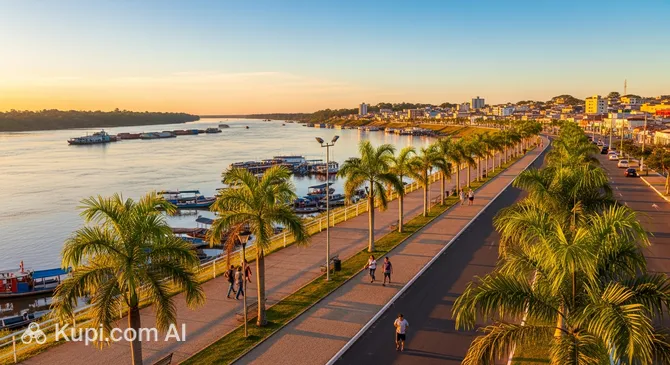
Itaituba. Source: Kupi.Binoculars

Geographically, the city is immersed in the lush landscape of the Amazon basin, characterized by a hot and humid tropical climate that keeps the surroundings verdant year-round. With a population of approximately 98,000 residents, it acts as a vital gateway to the interior of the forest. While delving into the history of Itaituba, visitors will learn about its rapid development during the gold rush era, which earned it the nickname "Cidade do Pepita" (City of the Nugget). Today, however, the focus is shifting towards sustainable development and ecotourism.

For nature enthusiasts, Itaituba is an excellent starting point for adventure. The Tapajós River itself is a major attraction, featuring stunning freshwater beaches such as Praia do Sapo, where locals and tourists gather to relax by the water. Furthermore, the city provides access to the nearby Amazon National Park (Parque Nacional da Amazônia), a protected area teeming with diverse wildlife and dense vegetation. Whether you are looking to explore the depths of the jungle or simply enjoy a sunset over the river, Itaituba invites you to discover the authentic spirit of the Amazon.

Weather Overview

Itaituba experiences a hot and humid tropical climate, typical of the Amazon region, with consistent warmth throughout the year. Visitors can expect average monthly temperatures to hover between 26°C and 29.5°C. The heat peaks around September, where maximum temperatures often reach up to 34.4°C, while the coolest nights rarely drop below 23°C, ensuring a balmy atmosphere even after sunset.

Rainfall patterns define the seasons here more than temperature changes. The beginning of the year is characterized by frequent precipitation; from January through April, you might encounter rain on up to 29 days per month. Conversely, the middle of the year brings a drier period, particularly from July to September, when the number of wet days drops significantly to around 7 per month. To help you pack appropriately for your trip, it is advisable to consult the current weather in Itaituba before your departure.

Interesting Facts

Beyond the main attractions, Itaituba holds fascinating geographical and historical distinctions that surprise many visitors. Here are some intriguing facts about this Amazonian hub:

  • A Territory Larger Than Countries: The municipality covers a staggering area of over 62,000 square kilometers, making it geographically larger than entire nations such as Croatia, Togo, or Costa Rica.

  • The Caribbean of the Amazon: Unlike the muddy, brown sediment-rich waters typical of the main Amazon River, the Tapajós River flowing past the city is renowned for its transparency and emerald-green hues, which create Caribbean-like scenery along its white sand beaches.

  • A Legendary Road Connection: Itaituba is a strategic stop on the famous Trans-Amazonian Highway (BR-230), one of the most ambitious and adventurous road projects in Brazil, connecting the remote interior to the rest of the country.

  • Pioneering Conservation: The city serves as the primary gateway to the Amazon National Park, which holds the distinction of being the very first national park created in the Brazilian Amazon, established in 1974 to protect the region's unique biodiversity.

How to Get There

Reaching Itaituba requires a bit of planning, as this Amazonian city is situated deep within the state of Pará. While the journey itself is an adventure through the lush landscapes of northern Brazil, understanding your transport options is essential. You can find more detailed information about all ways to reach the city on our dedicated page.

For those traveling by air, it is important to note that major flight connections often route through larger regional hubs. Based on available data, the most significant facility in the vicinity is Santarem-Maestro Wilson Fonseca Airport (STM). This airport is not located in Itaituba itself but in the city of Santarem, which is approximately 243 km away. From Santarem, the journey to Itaituba involves navigating the region's roads and rivers. If traveling by road transport, the trip from the airport typically takes approximately 6 to 7 hours, depending on road conditions and ferry crossings.

For clarity, here is a summary of the main airports:

Airport Name City Passenger Traffic Km from City
Santarem-Maestro Wilson Fonseca Airport Santarem Medium 243.4

Main Attractions

Itaituba offers a fascinating mix of natural wonders and riverside leisure, making it a perfect destination for those eager to explore the depths of the Amazon without sacrificing comfort. The city's main appeal lies in its proximity to vast protected areas and the stunning Tapajós River, which provides crystal-clear waters and beautiful sandy beaches during the dry season. Whether you are an adventurer looking for jungle treks or a traveler seeking a relaxing sunset by the water, the local attractions promise memorable experiences.

One of the most significant highlights is the Amazon National Park (Parque Nacional da Amazônia), located just a short drive from the city along the Trans-Amazonian Highway. This vast conservation unit is a paradise for ecotourism, offering a chance to immerse yourself in the dense rainforest. Visitors can explore various trails, spot diverse bird species, and witness the rich biodiversity of the Amazon biome. The park also features viewing points over the Tapajós River, allowing for breathtaking panoramic views of the forest meeting the water.

For a more relaxed day close to the city center, Praia do Sapo is a favorite spot among locals and tourists alike. Situated on the banks of the Tapajós, this freshwater beach reveals itself fully during the dry season when the river levels drop, exposing stretches of soft white sand. It is an excellent location for swimming in the refreshing river waters, enjoying traditional snacks at nearby kiosks, and watching the spectacular Amazonian sunset, which paints the sky in vibrant shades of orange and purple.

Adventure seekers should not miss the opportunity to visit Caverna Paraíso (Paradise Cave), a unique geological formation located approximately 90 kilometers from the city. Rare for the Amazon region, this limestone cave features impressive halls adorned with stalactites and stalagmites, as well as underground streams with incredibly clear blue water. Exploring its galleries offers a thrilling glimpse into the subterranean mysteries of the region and is often cited as one of the most surprising adventures in Pará.

Another gem for nature lovers is Lago do Jacaré, a serene lake accessible by boat up the Tapajós River. This spot is particularly renowned among sport fishing enthusiasts, as it is teeming with species like the colorful peacock bass (tucunaré). Even if you are not into fishing, the boat ride itself is a scenic journey through the waterways, offering chances to see river dolphins and lush riparian vegetation, encapsulating the tranquil beauty of the Amazon.

Local Cuisine

The culinary scene in Itaituba is a vibrant reflection of its location in the heart of the Amazon, offering a gastronomic experience that is deeply rooted in indigenous traditions and the abundance of the Tapajós River. The local cuisine is characterized by bold flavors, fresh ingredients, and the extensive use of fish, manioc, and exotic herbs. For visitors, dining here is not just about sustenance; it is an exploration of the unique palate of the state of Pará, where savory and sour notes often combine in surprising ways.

River fish is the undisputed star of the menu in Itaituba. One of the signature dishes you must try is the Caldeirada de Tambaqui, a rich and hearty fish stew cooked with vegetables, eggs, and spices, often served with a side of pirão (a manioc flour mush made from the fish broth). Another local favorite is the Tucunaré (peacock bass), which is abundant in the region's waters. It is typically served fried or grilled, highlighting its firm, white meat. For a truly authentic Pará experience, locals often pair their fried fish with a bowl of fresh, thick açaí, consumed as a savory side dish rather than a sweet dessert.

Street food plays a significant role in the city's food culture, particularly in the late afternoon and evening. This is the best time to try Tacacá, a traditional Amazonian soup served in a gourd (cuia). It is made with tucupi (a yellow broth extracted from wild manioc), dried shrimp, gum, and jambu—a leafy herb known for its peculiar property of causing a tingling or numbing sensation on the lips and tongue. This unique sensory experience is a hallmark of the region's gastronomy and is unlike anything else in the world.

When it comes to beverages, the variety of Amazonian fruits provides endless options for refreshing juices. You can enjoy distinct flavors like cupuaçu, bacuri, and taperebá, which are perfect for cooling down in the tropical heat. For those interested in alcoholic drinks, the region is famous for Cachaça de Jambu. Infused with the same numbing herb used in cooking, this spirit offers a tingling finish that has become a popular souvenir and a must-try for adventurous drinkers.

The dining atmosphere in Itaituba is generally laid-back and informal. Many of the best meals can be had at open-air restaurants along the riverfront (orla), where you can enjoy your food with a view of the Tapajós. During the dry season, pop-up kiosks on the river beaches, such as Praia do Sapo, serve freshly prepared snacks and cold beer right on the sand. Whether you are eating at a bustling market stall or a riverside table, the combination of fresh local ingredients and the scenic backdrop makes every meal memorable.

Travel Tips

Preparing for a trip to the heart of the Amazon requires a bit of foresight to ensure a smooth and enjoyable experience. To help you navigate Itaituba like a pro, we have compiled a list of essential practical tips covering everything from packing lists to local customs.

  1. Clothing and Gear: Due to the tropical climate, lightweight and breathable fabrics like cotton or linen are your best friends here. Pack loose-fitting clothes to stay cool in the heat, but don't forget a raincoat or poncho, as sudden downpours are common. Essential accessories include high-quality sunglasses, a wide-brimmed hat, and comfortable walking shoes. Most importantly, bring a strong insect repellent and apply it regularly, especially if you plan to visit the river beaches or the national park.

  2. Transportation: The most common and agile way to get around the city is by mototaxi. These motorcycle taxis are ubiquitous, affordable, and often faster than cars on busy streets. Regular taxis are also available, but ride-hailing apps may have limited availability compared to larger capitals. If you plan to explore the Trans-Amazonian Highway or the surrounding national park on your own, renting a sturdy vehicle, preferably a 4x4, is highly recommended due to variable road conditions.

  3. Finances: The official currency is the Brazilian Real (BRL). While credit and debit cards are widely accepted in hotels, supermarkets, and larger restaurants in the city center, cash is king in smaller establishments. You will definitely need cash for street food vendors, small boats crossing the river, and kiosks at Praia do Sapo. ATMs are available in the city center, but it is wise to withdraw money before heading out on day trips to more remote areas.

  4. Health and Safety: Pharmacies are plentiful in the downtown area, and some may have extended hours, though 24/7 service is not guaranteed. A critical rule for tourists in this region is to drink only bottled or filtered water to avoid stomach issues. In terms of safety, the city is generally welcoming, but standard precautions apply: keep an eye on your belongings in crowded areas and avoid walking alone in poorly lit outskirts at night.

  5. Communication: The primary language is Portuguese, and English is not widely spoken outside of specific high-end tourism services. Learning a few basic phrases like "Bom dia" (Good morning) and "Obrigado" (Thank you) will go a long way. It is advisable to download an offline translation app and offline maps. To stay connected, you can purchase a local SIM card (Vivo and Claro usually have decent coverage) at pharmacies or dedicated kiosks in the center.

  6. Local Etiquette: People in Brazil, and particularly in the north, are known for their warmth. Greetings often involve a handshake or a friendly nod; among women, a kiss on the cheek is common. It is polite to greet shopkeepers and drivers when entering their space. When visiting natural attractions, strictly follow the "leave no trace" principle to respect the delicate Amazonian ecosystem.

  7. What to Avoid: Avoid swimming in the river at night or in desolate areas where you do not see locals swimming; while the Tapajós is generally safer than the muddy Amazon, currents and wildlife are factors to consider. Also, avoid taking photos of residents without asking for permission first, as a sign of respect.

  8. Local Insight: Embrace the "Orla" lifestyle. The riverfront promenade is the social heart of the city, especially in the late afternoon. Do as the locals do: take a stroll along the riverbank around sunset to enjoy the cooling breeze, watch the ferries (balsas) cross the river, and sip on a cold drink or a fresh coconut.

By keeping these tips in mind, you will be well-equipped to enjoy the unique rhythm of life in Itaituba. Whether you are negotiating a fare with a mototaxi driver or ordering a bowl of tacacá, approaching the city with an open mind and a bit of preparation will ensure your Amazonian adventure is unforgettable.

Entertainment & Nightlife

As the sun sets over the Tapajós River, Itaituba transforms from a busy commercial hub into a lively city with a warm and inviting nightlife. The evening entertainment here is deeply connected to the local culture, characterized by open-air venues, infectious music, and a relaxed atmosphere that welcomes visitors with open arms. Unlike the polished clubs of major metropolises, the nightlife in Itaituba is authentic, often centering around plastic tables on the sidewalk, cold beer, and the rhythm of forró or sertanejo music filling the air.

The heart of the city's evening social life is undoubtedly the Orla de Itaituba (Riverfront). This promenade is bustling with activity as soon as the heat of the day subsides. Families, couples, and groups of friends gather here to enjoy the breeze coming off the river. It is the perfect place to start your night with a casual stroll, sipping on fresh coconut water or a cold drink from one of the many kiosks. The vibe is incredibly laid-back, so there is no need to dress up; shorts and sandals are the standard attire for almost any venue in town.

For those looking to dive into the local bar scene, Boteco do Dida is a standout option. It is widely appreciated for its energetic atmosphere and frequent live music performances, featuring local bands that play popular Brazilian hits. It is an excellent spot to experience the true spirit of a Pará night out—loud, fun, and full of dancing. Another popular choice is Bar do Davi, located in the city center. It offers a more casual setting perfect for conversation, known for its friendly service and a good selection of traditional bar snacks (petiscos) to accompany your drinks.

If you prefer a place with a distinct personality and creative beverages, Casa do Capeta is a must-visit. This venue attracts a younger crowd and is famous for its extensive menu of exotic cocktails and eclectic decor. It often hosts DJs and themed parties, making it one of the more vibrant spots for those who want to stay out late. For a more modern and slightly quieter experience, Vila Bar offers a mix of craft beers and gourmet burgers, providing a cozy environment for a relaxed evening with friends.

Practical advice for enjoying Itaituba at night revolves around simplicity. The best time to go out is typically after 9:00 PM, when the temperature drops and the streets become livelier. Prices are generally very affordable compared to larger Brazilian cities. Getting around is easy; mototaxis are the most convenient and popular mode of transport for short distances. They are readily available and can zip you from the riverfront to a bar in minutes for a small fee.

Regarding safety, Itaituba is generally safe for tourists in the main entertainment districts like the Orla and the city center (Centro). However, it is always wise to stay in well-lit, populated areas and avoid walking alone in quiet neighborhoods late at night. If you are unsure about the location of a venue, ask your hotel reception to call a trusted taxi or recommend a mototaxi driver.

While the city is famous for its nature, daytime entertainment within the urban area offers a glimpse into local life. Although Itaituba does not boast large amusement parks or grand theaters, visitors can explore the Mercado Municipal to see regional products and crafts. For a cultural touch, small local events and exhibitions occasionally take place in the city's public squares, reflecting the rich heritage of the Tapajós region.

Parks & Museums

Itaituba is a city where the raw beauty of the Amazon rainforest meets a rich tapestry of history and culture. While it is primarily known as a gateway to the jungle, the urban area and its surroundings offer distinct spaces where visitors can connect with the local heritage and enjoy the outdoors. From the breeze of the Tapajós River to the silent stories kept within museum walls, the city provides a fascinating glimpse into the life of the "Nugget City."

Parks and Natural Areas

Parque Nacional da Amazônia (Amazon National Park) is undoubtedly the crown jewel of the region's green spaces. Established in 1974, it was one of the first national parks in the Amazon and covers a vast area of biodiversity. For tourists, the park offers accessible trails like the Trilha da Gameleira, where you can marvel at centuries-old trees and spot wildlife such as monkeys and exotic birds. It is not just a park but a living sanctuary that allows you to step directly into the heart of the forest, making it a must-visit for nature lovers seeking an authentic jungle experience.

Closer to the city's social life, the Orla de Itaituba (Riverfront Promenade) functions as the city's main urban park. Stretching along the Tapajós River, this paved esplanade is perfect for late afternoon walks or jogging. It is lined with trees and kiosks, offering a refreshing escape from the urban heat. The Orla is more than just a walkway; it is a viewing deck for some of the most spectacular sunsets in Brazil, where the community gathers to relax, exercise, and enjoy the river breeze.

Museums and Cultural Heritage

The cultural heartbeat of the city is the Museu Municipal Aracy Paraguassú. Located in the city center, this museum is a treasure trove for anyone interested in the history of the Tapajós region. Its collection is surprisingly diverse, featuring archaeological artifacts such as indigenous funeral urns and ceramics from the Tapajó culture, as well as fossils of prehistoric animals like the giant sloth. The museum also dedicates space to the city's gold rush era, displaying tools and photographs that tell the story of the garimpeiros (gold miners) who shaped Itaituba's identity.

While Itaituba does not have a wide array of art galleries, the Praça do Centenário and the surrounding historical center serve as an open-air exhibit of the city's evolution. Here, you can find monuments and older architecture that reflect the various economic cycles of the region. Exploring this area gives visitors a sense of the local atmosphere and the resilience of its people, serving as a cultural anchor in the midst of the modernizing city.

Authentic Experiences

For a truly local insight, ask the guides at the Museu Aracy Paraguassú about the "Muiraquitãs"—small, frog-shaped stone amulets often found in the region, which are steeped in indigenous legends. Additionally, if you visit the Amazon National Park, try to arrange a stop at Base Uruá; it offers a unique vantage point of the rapids and is a favorite spot for eco-tourists looking for a deeper connection with the river's power.

Getting Around

Navigating Itaituba offers a distinct experience compared to larger metropolitan hubs. As a city deeply integrated with the Amazonian landscape, it does not possess a metro, tram, or train system. Instead, the public transport network is a mix of road-based options and essential river connections, reflecting the region's geography where water is often as important as asphalt.

The most conventional form of collective transport within the city consists of urban buses and minibuses (often called vans or lotações). These vehicles typically operate on fixed routes connecting the city center (Centro) with outlying neighborhoods and the port areas. While they are an economical way to get around, schedules can be somewhat flexible, and stops are not always clearly marked. Tourists should be prepared to signal the driver to stop and may need to ask locals for the best route to their destination.

However, the true heartbeat of Itaituba’s local transit is the mototaxi. You will see these motorcycle taxis everywhere, identified by the drivers' numbered vests. In a city where agility is key, mototaxis are often the preferred choice for residents and visitors alike. They are faster than buses, can navigate smaller streets easily, and are readily available at designated stands or by simply flagging one down on the street. They offer a direct and breezy way to travel, perfect for the tropical heat, though they carry only one passenger at a time.

Given the city's location on the banks of the Tapajós River, river transport is a crucial extension of the public system. Ferries (balsas) and speedboats (voadeiras) are part of daily life, especially for crossing to the district of Miritituba on the opposite bank, which connects to the BR-163 highway. The ferry crossing is slow and scenic, carrying vehicles and pedestrians, while the small speedboats located at the port offer a rapid passenger-only shuttle service across the river, functioning much like a water taxi.

Payment and Tickets: The payment system in Itaituba is predominantly cash-based. There are no electronic travel cards or mobile ticketing apps for public transport here.
* Buses/Vans: You pay the fare directly to the conductor or driver upon boarding. It is highly recommended to carry small bills and coins, as change for large notes may not be available. * Mototaxis: Fares are generally fixed based on the distance or neighborhood zones, but it is wise to confirm the price with the driver before hopping on. * River Crossings: Tickets for ferries or speedboats are purchased at the port ticket counters or directly from the operators in cash.

For those seeking alternatives, regular taxis are available, mostly found at specific stands (ponto de táxi) near the city center, the bus terminal, or the waterfront. Ride-hailing apps have a growing presence, but availability can be inconsistent compared to state capitals, so relying solely on them may result in wait times. Car rentals are an option for those planning to explore the surrounding region, but for strictly urban movement, they are often unnecessary due to the efficiency of mototaxis.

Practical Tips for Tourists: * Operating Hours: Buses and vans usually run from early morning until around 10:00 PM or 11:00 PM. Mototaxis operate later, but availability decreases after midnight. * Safety: When using mototaxis, always ensure the driver provides you with a helmet—it is a mandatory safety requirement. * River Travel: If you plan to cross the river, the speedboats run frequently during the day but operate on a more limited "fill-and-go" basis in the late evening. * Language: Drivers rarely speak English. Having your destination written down or pinned on a map on your phone can bridge the language barrier effectively.

Accommodation

Finding accommodation in Itaituba is generally a straightforward task, with options that reflect the city's role as a commercial hub and a gateway to the Amazon. The hospitality scene here is practical and welcoming, primarily catering to business travelers, researchers, and eco-tourists. Visitors will mostly find budget to mid-range hotels and family-run guesthouses (pousadas). While the city does not feature ultra-luxury resorts, many establishments offer comfortable, air-conditioned rooms—an absolute necessity in the tropical heat—along with essential amenities like Wi-Fi and breakfast.

The most convenient area for tourists to stay is the City Center (Centro). Staying here places you within walking distance of banks, pharmacies, supermarkets, and the main commercial streets. It is the practical heart of the city, making it easy to arrange transportation or buy supplies for jungle expeditions. Alternatively, the area near the Orla (Riverfront) is highly recommended for those who prefer a more scenic atmosphere. Hotels in this vicinity often offer views of the Tapajós River and provide quick access to the evening promenade, where the city’s social life and best dining options are concentrated.

Booking Tip: While it is usually easy to find a room upon arrival, booking in advance is strongly advised if you plan to visit during the peak of the dry season (July to October) or during local festivities like the June Festivals (Festas Juninas). During these times, the influx of visitors can fill up the most popular hotels quickly.

In terms of cost, accommodation in Itaituba is generally affordable compared to larger Brazilian capitals. Prices typically fall into the budget to moderate range. While major online booking platforms are beginning to list more properties in the city, many smaller pousadas still operate primarily through direct contact via phone or messaging apps. It is also worth noting that while larger hotels accept credit cards, smaller establishments may prefer cash, so having some Brazilian Reals on hand is always a good strategy.

Nearby Cities

For those looking to explore the surroundings, Itaituba serves as an excellent base for day trips to several interesting nearby locations:

City Population Distance (km)
Santarem 306480 247
Parintins 111575 198
Oriximina 75000 277
Maués 59983 215
Juruti 55179 233

While the distances in the Amazon region can be significant, usually requiring boat or flight travel, these neighboring cities are perfect for short visits or extended excursions to deepen your understanding of the Amazon basin:

Santarem is the most prominent destination in the vicinity, located at the confluence of the Tapajós and Amazon rivers. It is famous for the natural phenomenon known as the "Meeting of the Waters," where the creamy brown Amazon flows alongside the blue-green Tapajós without mixing for miles. Just a short distance from the city center lies Alter do Chão, often referred to as the "Caribbean of the Amazon," renowned for its spectacular white sand river beaches and crystal-clear waters.

Parintins, situated on an island in the Amazon River, offers a vibrant cultural experience. It is globally recognized for its annual Folklore Festival, a massive celebration revolving around the legend of the ox (Boi Bumbá), which rivals Carnival in its spectacle and energy. Beyond the festival, the city is a charming place to explore indigenous handicrafts and enjoy the laid-back island atmosphere.

Maués is affectionately known as the "Land of Guaraná," as it is the primary producer of this famous Amazonian fruit. Visitors here can explore the guaraná plantations and enjoy the city's beautiful river beaches, such as Praia da Maresia. It is an ideal spot for those looking to relax and taste the authentic flavors of the region in a tranquil setting.

These nearby destinations offer a glimpse into the diverse culture and landscapes of the region.

Shopping & Souvenirs

Shopping in Itaituba offers a functional and authentic experience that reflects its role as a commercial hub for the Tapajós region. While the city is not a destination for high-end luxury fashion or sprawling international outlets, it provides a lively trade environment where visitors can find everything from essential gear for jungle expeditions to unique local handicrafts. The retail scene is deeply connected to the local economy, mixing modern conveniences with traditional Amazonian products.

The primary destination for shopping is the City Center (Centro). This area, particularly along streets like Travessa 13 de Maio and the avenues near the riverfront, is the commercial heart of the municipality. Here, the sidewalks are bustling with activity, lined with a variety of stores selling clothing, footwear, electronics, and household goods. Given the city's history with gold mining, it is also common to see shops specializing in equipment for miners and jewelry stores, which remains a distinctive feature of local commerce.

Travelers looking for large-scale retail complexes should manage their expectations, as Itaituba does not feature massive shopping malls comparable to those in Brazil's state capitals. Instead, the city has smaller commercial galleries and shopping centers that offer a selection of boutiques, food courts, and services in a climate-controlled environment. These smaller centers are popular gathering spots for locals seeking a break from the heat while browsing for fashion or gifts.

For a more traditional and sensory experience, the Mercado Municipal (Municipal Market) is an essential stop. This is where the true flavors and colors of the Amazon come alive. Visitors can explore stalls piled high with exotic regional fruits like cupuaçu and bacuri, fresh river fish, and medicinal herbs used by the local population. It is also a great place to find artisanal products, including baskets and ceramics, which offer a glimpse into the daily life and culture of the Tapajós people.

When it comes to souvenirs, Itaituba offers several unique options. Due to its nickname as the "City of the Nugget," gold jewelry is a popular purchase, though buyers should ensure they purchase from reputable, certified jewelers. For a more sustainable memento, look for bio-jewelry made from Amazonian seeds and fibers, or indigenous handicrafts. Culinary souvenirs are also excellent choices; a bottle of Cachaça de Jambu (a spirit that causes a tingling sensation) or a jar of spicy preserved peppers makes for a memorable gift to take home.

Store opening hours in Itaituba generally follow the standard Brazilian commercial schedule. Most street shops open around 8:00 AM and close by 6:00 PM on weekdays, with shorter hours on Saturdays, typically closing at noon. Supermarkets and some pharmacies may stay open later. regarding payment, major credit and debit cards are widely accepted in established stores and hotels. However, if you plan to shop at the Municipal Market or buy from street vendors, it is essential to carry cash (Brazilian Reals), as small stalls often do not have card machines.

Tourists should be aware that tax-free shopping (VAT refund) is generally not available in Itaituba. The tax refund system in Brazil is quite limited and typically does not apply to general goods purchased in smaller interior cities. Therefore, the price you see on the tag is the final price you will pay, and visitors should not expect to claim taxes back at the airport upon departure.
Reached the end of the page?

That means the route is fully explored