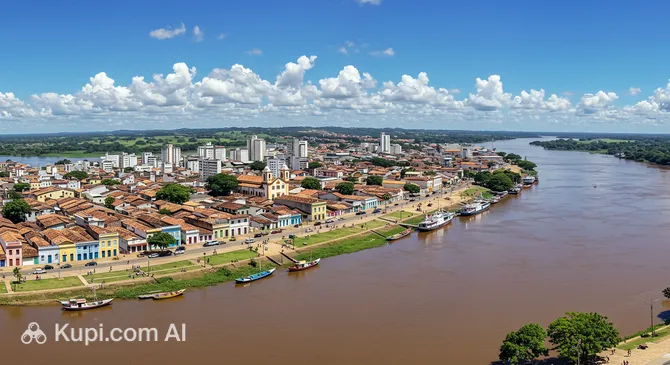
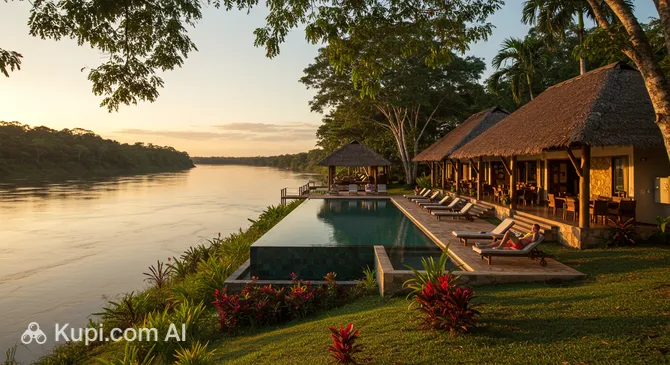
Santarém is a captivating destination nestled in the heart of the Amazon rainforest. Known as the "Pearl of the Tapajós," this city offers a unique mix of urban energy and breathtaking natural beauty. It serves as a vital port and a cultural hub in the state of Pará, Brazil, attracting travelers eager to witness the wonders of the jungle alongside historical charm.
Santarem. Illustration.
Source: Kupi.com AI
Geographically, the city is defined by the spectacular "Meeting of the Waters," where the creamy brown Amazon River flows side-by-side with the deep blue Tapajós River without mixing for miles. With a population of approximately 306,000 people, it is a bustling center that maintains a welcoming, laid-back atmosphere typical of the region. The climate is tropical, ensuring warm temperatures year-round, which is perfect for exploring the outdoors.
Visitors interested in the past will find that the history of Santarém is deeply intertwined with Jesuit missions and indigenous Tapajós culture. Founded in 1661, it stands as one of the oldest municipalities in the Amazon, boasting colonial architecture and a rich heritage that can be seen in its cathedral and local museums.
Key attractions include the nearby village of Alter do Chão, often referred to as the "Caribbean of the Amazon" due to its stunning white sand river beaches and crystal-clear waters. The city's waterfront promenade is another highlight, offering a perfect spot to watch the sunset and observe local fishermen. Whether you are seeking adventure in the rainforest or a relaxing beach getaway, Santarém is an unforgettable stop on any Amazonian itinerary.
Weather Overview
The climate in this Amazonian region is characteristically tropical, defined by consistent warmth and significant humidity. Average temperatures remain steady throughout the year, typically ranging from nightly lows of around 25°C to daytime highs reaching up to 32.5°C during the hottest months. For a more comprehensive breakdown of conditions during your specific travel dates, you can consult the guide to weather in Santarem.
Rainfall patterns play a major role in shaping the local seasons. The first half of the year, particularly from January to May, is the wet season, with precipitation occurring on as many as 28 to 30 days per month. In contrast, the period from August to November is noticeably drier; September, for instance, typically sees rain on only about 6 days. Expect hot temperatures year-round, with frequent downpours characterizing the early months and sunnier, drier conditions prevailing from late winter through spring.
Average monthly temperature
Average monthly precipitation
Interesting Facts
Beyond the famous river confluence and sandy beaches, Santarem holds many fascinating secrets and historical curiosities that often surprise visitors. This Amazonian city is a treasure trove of legends, archaeological wonders, and unexpected cultural connections.
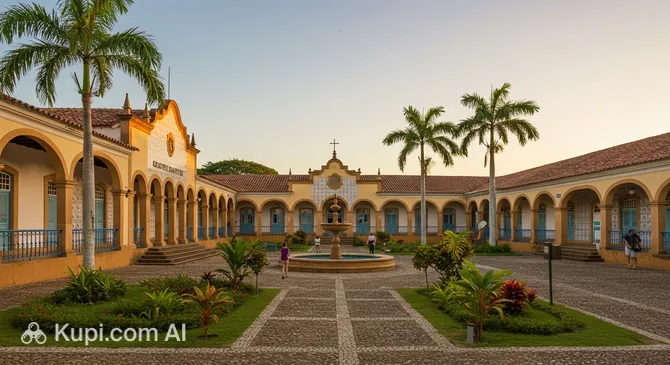
The city sits on land once inhabited by the Tapajós indigenous people, who were known for their advanced ceramic artistry. Many of these intricate pieces, including the distinctive "Cariátides" vases, were discovered right beneath the city streets and are now preserved at the João Fona Cultural Center.
In a surprising twist of history, Santarem became a refuge for American families fleeing the United States after the Civil War. In 1867, a group of Confederates settled here, and to this day, you can find local residents with surnames like Jennings and Vaughn who trace their lineage back to these 19th-century immigrants.
The region is central to the legend of the Muiraquitã, a green stone amulet shaped like a frog. According to folklore, these lucky charms were crafted by the Icamiabas, a tribe of female warriors often associated with the Amazons, who offered them to their lovers near the Mirror of the Moon lake.
Santarem serves as the primary gateway to Fordlândia, Henry Ford's ambitious but failed attempt to establish a rubber plantation in the Amazon. The remains of this American-style industrial town, complete with fire hydrants and sidewalks, still stand in the jungle a few hours up the Tapajós river.
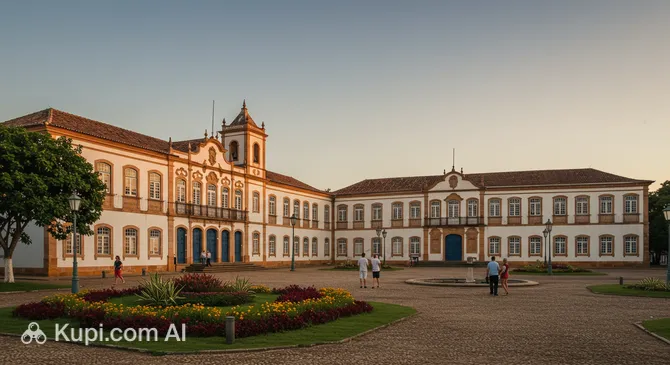
João Fona Cultural Center. Illustration.
Source: Kupi.com AI
Traveler photos:
How to Get There
Reaching this Amazonian gem is an adventure that usually begins by air, given the region's vast and dense geography. While river travel is a classic and scenic option, flying remains the most practical method for most visitors. For a comprehensive guide on all travel options, including boat schedules and road tips, you can read more about how to get to Santarem.
The primary gateway to the city is Santarem-Maestro Wilson Fonseca Airport (IATA: STM). Conveniently located just 9 km from the city center, this international airport handles a significant volume of regional traffic. Travelers can expect a quick and easy transfer to downtown; a taxi or bus ride typically takes about 35 minutes. It is a well-equipped facility that serves as the main hub for tourists heading to Alter do Chão and other nearby attractions.
Another option in the broader region is Altamira Airport (IATA: ATM), although it is important to note that this airport is located in the city of Altamira, approximately 288 km away from Santarem. Due to the substantial distance, using this airport would require a lengthy overland journey of around 7.5 hours, making it a less convenient choice unless your itinerary specifically includes the Trans-Amazonian region.
For clarity, here is a summary of the main airports:
Santarem does not have a railway station, and there is no passenger train service connecting the city to the rest of Brazil. The region's transport infrastructure relies heavily on its rivers and roads. Visitors who do not fly typically arrive by boat traveling along the Amazon or Tapajós rivers, or by bus via the BR-163 highway.
Main Attractions
Santarém offers a delightful mix of cultural heritage and natural beauty, making it a rewarding destination for those exploring the Amazon. While the surrounding rainforest and rivers are the main draw, the city itself boasts several spots where visitors can immerse themselves in local life, history, and leisure.
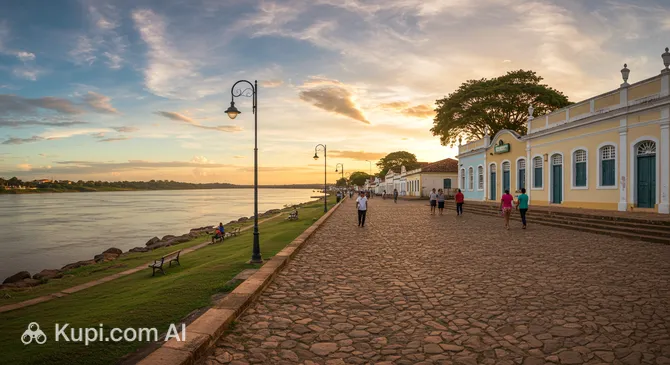
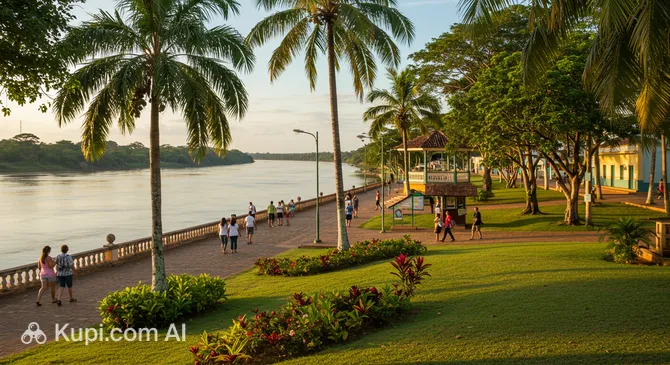
One of the most popular places to visit is the Santarém Riverside Promenade. This bustling waterfront area stretches along the Tapajós River and serves as the city's social heart. It is the perfect location for a scenic walk, especially at sunset when the river breeze cools the air. Tourists flock here to enjoy the views, watch the boats dock, and observe the daily life of the locals. It is also an excellent vantage point for spotting the famous meeting of the waters.
Santarém Riverside Promenade. Illustration.
Source: Kupi.com AI
Traveler photos:
For a taste of local culture and community spirit, head to São Sebastião Square. Located near the church of the same name, this square is a gathering point for residents and a venue for various cultural events. It offers a charming atmosphere with its shaded areas and benches, making it a pleasant spot to relax after a day of sightseeing. The square is particularly lively in the evenings when families and friends come out to socialize.
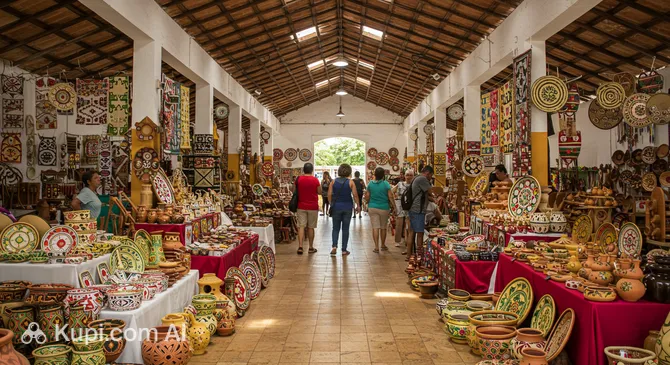
Visitors looking to take a piece of the Amazon home should not miss the Cristo Rei Handicraft Center. This facility showcases the artistic talent of the region, featuring a wide array of handmade goods. It is renowned for its Tapajós-style pottery, which replicates ancient indigenous designs, as well as baskets, jewelry, and wood carvings. It is the ideal place to find authentic souvenirs while supporting local artisans.
Cristo Rei Handicraft Center. Illustration.
Source: Kupi.com AI
Traveler photos:
Nature lovers who want to enjoy the outdoors within the city limits will appreciate the City Park. This green oasis provides a refreshing escape from the urban environment, offering trails for walking and jogging amidst native vegetation. It is a favorite spot for families and fitness enthusiasts, featuring playgrounds and well-maintained spaces where you can appreciate the local flora and perhaps spot some small wildlife.
Local Cuisine
The gastronomy of Santarém is a vivid reflection of its Amazonian location, characterized by an abundance of fresh river fish and ingredients native to the rainforest. The star of local tables is undoubtedly the fish, often caught fresh from the Tapajós or Amazon rivers. Visitors must try the grilled Tambaqui, typically served as a "banda" (a large rack of ribs), or the Pirarucu, known as the giant of the Amazon, which is delicious whether fresh or salted and dried like cod.
Indigenous traditions heavily influence the local palate, particularly through the use of manioc derivatives. A quintessential experience is tasting Tacacá, a warm soup made with tucupi (a yellow broth extracted from wild manioc), dried shrimp, and jambu, a leafy herb that causes a unique tingling sensation in the mouth. This dish is usually consumed in the late afternoon from street stalls and is a true staple of Pará's culinary identity.
To accompany these rich flavors, the region offers an incredible variety of exotic fruit juices. Cupuaçu, Bacuri, and Taperebá are local favorites that provide a refreshing break from the heat. For those interested in alcoholic beverages, the local Cachaça de Jambu is a must-try; infused with the same numbing herb used in cooking, it offers a surprising and memorable sensory experience.
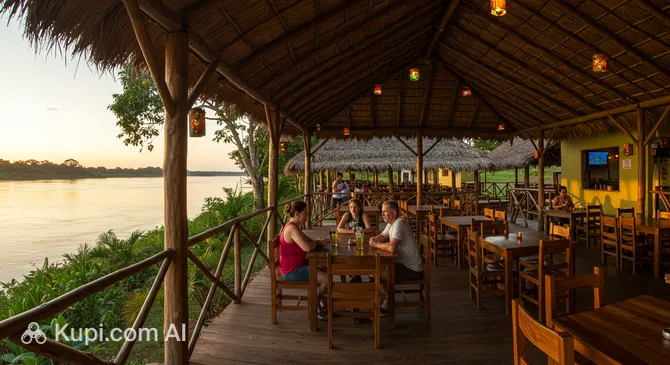
The dining scene in Santarém ranges from casual street food stands to renowned establishments that elevate regional cooking. For a deep dive into authentic Tapajós cuisine, Piracema Restaurant is a highly recommended stop. It is famous for its dedication to local ingredients and offers dishes that beautifully showcase the diversity of Amazonian flavors.
Piracema Restaurant. Illustration.
Source: Kupi.com AI
Traveler photos:
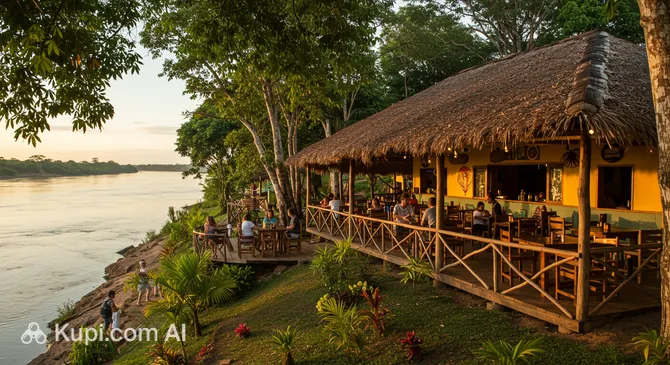
If you are looking for a more relaxed atmosphere, perhaps to enjoy a meal with a view or a quick bite, Massabor Prainha is another popular choice among locals and tourists alike. Whether you are dining by the riverfront promenade or snacking at a market stall, the food culture here is welcoming and deeply connected to the natural abundance of the surrounding jungle.
Travel Tips
Welcome to Santarém, the vibrant gateway to the Amazon! To help you navigate the unique mix of jungle adventure and city life, we have compiled a list of essential tips. These practical insights will ensure your trip to the "Pearl of the Tapajós" is as smooth and enjoyable as possible.
Clothing and Gear: Due to the tropical heat and high humidity, prioritize lightweight, breathable fabrics like cotton or linen. A sturdy raincoat or poncho is essential, especially between January and May when downpours are frequent. Don't forget a hat, sunglasses, and comfortable walking shoes. If you plan to visit the river beaches, bring swimwear, but also pack a light long-sleeved shirt for protection against insects in the evenings.
Transportation: Ride-hailing apps like Uber and 99 operate in Santarém and are often the most convenient and safe way to get around. For a truly local experience, you can use mototaxis (motorcycle taxis) for short distances, though they are less suited for travelers with luggage. Buses are available and affordable, particularly for the route to the popular village of Alter do Chão, but they can be crowded and slow.
Finances: The local currency is the Brazilian Real (BRL). While credit and debit cards are widely accepted in hotels, restaurants, and supermarkets, cash is king for smaller transactions. You will definitely need cash for street food vendors, small boat crossings (catraias), and handicraft markets. ATMs are available in the city center, but it is wise to withdraw money before heading to more remote areas.
Health and Safety: The Amazon region requires precautions against insects; carry a high-quality mosquito repellent and apply it regularly. Always drink bottled or filtered water, never tap water. In terms of safety, Santarém is generally welcoming, but exercise standard caution: avoid unlit areas at night and keep valuables discreet. Pharmacies are common in the city center for basic medical needs.
Communication: The primary language is Portuguese, and English is not widely spoken outside of major hotels and tour agencies. It is highly recommended to download an offline translation app and learn a few basic phrases like "Bom dia" (Good morning) and "Obrigado" (Thank you). Buying a local SIM card (Vivo and Claro have good coverage) is easy at pharmacies or newsstands with your passport.
Local Etiquette: People in Pará are known for their warmth and hospitality. A friendly greeting is expected when entering shops or getting into taxis. The pace of life here is relaxed, often referred to as "Amazon time," so be patient with service—it’s part of the local charm. Tipping around 10% is standard in restaurants if it’s not already included in the bill as a service charge.
What to Avoid: Do not ignore safety warnings at river beaches. When entering the water, especially in calmer, sandy areas, it is best to shuffle your feet along the bottom rather than stepping firmly. This scares away freshwater stingrays (arraias), which can be found in the shallows and can deliver a painful sting if stepped on.
Additional Tip: Respect the sun and the schedule of the locals. The midday heat (between 12:00 PM and 3:00 PM) can be intense. Plan your outdoor activities for the early morning or late afternoon. The city comes alive after sunset, particularly along the waterfront promenade, which is the best time to enjoy the breeze and socialize.
By keeping these tips in mind, you will be well-prepared to embrace the natural wonders and cultural richness of Santarém. Whether you are navigating the bustling markets or relaxing on a river island, a little preparation goes a long way in this enchanting corner of Brazil.
Entertainment & Nightlife
Entertainment and Nightlife:
Nightlife in Santarém is defined by its warm, tropical atmosphere and a strong connection to the outdoors. Rather than high-tech nightclubs, the city's evening entertainment revolves around open-air bars, lively riverfront kiosks, and social gatherings in public squares. The vibe is distinctly laid-back and welcoming, with locals staying out late to enjoy the cooler air and the rhythmic sounds of Forró, Sertanejo, and the traditional Carimbó music.
The heart of the action is undoubtedly the waterfront promenade, where the energy picks up significantly after sunset. For a classic experience of the city's social scene, Massabor Prainha is a standout venue. Located near the river, it is a favorite among both residents and tourists for its lively environment, offering delicious pizzas and drinks. It is the perfect place to sit back, watch the passersby, and soak in the bustling energy of a Santarém night.
Massabor Prainha. Illustration.
Source: Kupi.com AI
Traveler photos:
For those looking for a more modern entertainment complex, the Paraiso Shopping Center offers a different kind of evening. It serves as the city's primary hub for indoor leisure, featuring a modern cinema that screens the latest releases. The shopping center also hosts a food court and various stores, making it an excellent option for a comfortable night out, especially if you want to escape the humidity or catch a movie.
Paraiso Shopping Center. Illustration.
Source: Kupi.com AI
Traveler photos:
A more local and family-friendly side of the nightlife can be found at Bible Square. In the evenings, this area transforms into a communal gathering spot, often populated by food stalls serving local street snacks. It is a safe and pleasant location for a relaxing night walk, allowing visitors to experience how local families spend their leisure time away from the louder music bars.
Practical Tips for a Night Out:
Dress Code: The style in Santarém is very casual. Shorts, t-shirts, and sandals are perfectly acceptable in almost all bars and restaurants.
Safety: The main tourist areas along the river are generally safe in the early evening, but it is wise to take a taxi or use a ride-sharing app when traveling between neighborhoods late at night.
Best Time: The night starts relatively late. Dinner crowds peak around 8:00 PM or 9:00 PM, and live music venues often get going after 10:00 PM.
While the nightlife is vibrant, daytime entertainment in the city also has its charms. Beyond the natural excursions, visitors can explore local theaters and cultural centers that showcase the region's history. The city's shopping districts and markets also offer plenty of activity during the day, providing a glimpse into the commercial life of the Amazon before the sun goes down and the music begins.
Parks & Museums
Santarém is a city where history and nature coexist harmoniously, offering visitors a chance to explore rich cultural narratives amidst the lush backdrop of the Amazon. From shaded public gardens that provide a respite from the tropical heat to museums housed in centuries-old buildings, the city’s green spaces and cultural institutions are essential stops for understanding the local heritage.
For a direct encounter with the region's flora and fauna without leaving the urban area, the City Park is the premier destination. Also known as the Forest Park, this expansive green area serves as the "lungs" of Santarém. It features a network of walking trails shaded by massive Amazonian trees, making it a popular spot for morning jogs and family picnics. The park is also home to a space dedicated to environmental education and the rehabilitation of wild animals, offering a safe haven for species like monkeys and macaws that have been rescued.
City Park. Illustration.
Source: Kupi.com AI
Traveler photos:
While not a traditional park, the natural phenomenon of the "Meeting of the Waters" acts as a vast, open-air natural gallery. Just a short boat ride from the port, you can witness the sandy-colored Amazon River running alongside the tap-water-clear Tapajós River. For a more grounded natural experience nearby, the village of Alter do Chão offers pristine river beaches that are often cited among the best in Brazil, functioning as a massive natural recreational area for the region.
Immersing yourself in the city's past is best done at the João Fona Cultural Center. Housed in a stunning colonial building constructed in 1853, this edifice has served many purposes over the centuries, including as the City Hall and a jail. Today, it preserves a priceless collection of archaeological artifacts, including the intricate "Cariátides" ceramics produced by the ancient Tapajós indigenous people. The building itself is a historical monument, featuring hardwood floors and wide windows that offer commanding views of the riverfront.
Another vital cultural hub is the Cristo Rei Handicraft Center. While it functions primarily as a space for artisans to display their work, it operates much like a gallery of living culture. Here, visitors can observe the detailed craftsmanship that goes into creating traditional baskets, wood carvings, and natural jewelry. It is a place where the artistic traditions of the Amazon are kept alive and shared with the world.
History enthusiasts should also visit São Sebastião Square. This is the oldest square in the city and stands as a testament to Santarém's colonial roots. Surrounded by historical buildings and the charming São Sebastião Church, the square is a peaceful place to admire the architecture and imagine the city in its early days. The central gazebo and the surrounding trees create a nostalgic atmosphere that contrasts with the bustling commercial center.
São Sebastião Square. Illustration.
Source: Kupi.com AI
Traveler photos:
For a quieter, more local experience, take a stroll through Bible Square. While often bustling with events in the evening, during the day it stands as a symbolic landmark for the community. It features monuments and open spaces that are frequently used for religious and cultural gatherings, reflecting the strong community spirit that defines the city.
Insider Tip: If you visit the João Fona Cultural Center, ask the guides about the history of the "Cela da Morte" (Death Cell) from the time the building was a prison. It adds a fascinating, albeit slightly eerie, layer to the beautiful architecture you see today.
Getting Around
Navigating Santarém offers a distinct experience that combines typical urban transit with the unique logistics of the Amazon region. The public transport system primarily relies on a network of municipal buses, complemented by a vast fleet of motorcycle taxis and, naturally, riverboats. There is no metro, tram, or train system in the city, so getting around involves hitting the roads or the water.
The most common way to travel for locals is by bus. The municipal fleet connects the city center to outlying neighborhoods and key points of interest. For tourists, the most important route is likely the regular service connecting Santarém to the village of Alter do Chão. These buses are cost-effective and run frequently throughout the day. Bus stops are not always clearly marked with signs, so it is often necessary to signal the driver with a wave of your hand to board.
Regarding payment, the system is quite traditional. While locals may use electronic transport cards, visitors should be prepared to pay in cash. You typically pay a conductor (cobrador) seated near the turnstile inside the bus, or directly to the driver on smaller vehicles (micro-buses). Fares are affordable, usually costing a few Reais. It is highly recommended to carry small bills and coins, as change for large banknotes is often unavailable on board.
A very popular and agile alternative in Santarém is the mototaxi. You will see hundreds of motorcycle riders wearing numbered vests zipping through the streets. This is often the fastest way to get around for short to medium distances. If you choose this mode, ensure the driver provides a helmet and look for the official vest indicating they are registered with the municipality. It is wise to confirm the price before hopping on, although rates are generally standard for specific zones.
For those preferring more comfort or traveling in groups, ride-sharing apps like Uber and 99 are active in the city and are widely used. They offer the advantage of fixed pricing and air-conditioned vehicles, which can be a massive relief in the midday heat. Traditional taxis are also available, particularly at the airport and designated stands (pontos de táxi) in the city center.
Given the city's geography, river transport effectively functions as a form of public transit. Small boats known as catraias operate from the waterfront, ferrying passengers to nearby river communities or across to the other side of the Tapajós. These are informal but essential services for the local population. Prices are usually fixed for specific crossings, and payment is strictly cash.
Public transport generally operates from early morning, around 5:00 AM, until late evening. However, bus frequency drops significantly after 10:00 PM and on Sundays. If you plan to stay out late enjoying the nightlife along the promenade, it is safer and more reliable to book a ride-share or call a taxi rather than waiting for a bus.
Accommodation
Accommodation in Santarém caters to a wide variety of travelers, ranging from backpackers seeking adventure in the Amazon to families looking for comfort. The city generally offers a good selection of budget-friendly hostels (often called pousadas), practical mid-range business hotels, and a few establishments that provide resort-style amenities. While it lacks the ultra-luxury chains found in major metropolises, the local hospitality is warm, and many places offer a cozy, authentic experience.
When choosing where to stay, location is key. The most convenient area for most tourists is the city center (Centro), particularly near the waterfront. Staying here places you within walking distance of the Santarém Riverside Promenade, the main shops, and the port for river excursions. For those prioritizing relaxation and leisure facilities, there are options slightly further from the bustling downtown core that offer more space and greenery.
One notable example of the city's more comfortable lodging options is the Pôr do Sol Hotel. As a resort-style hotel, it typically offers amenities that go beyond the basics, providing a relaxing environment for guests after a day of exploring the rainforest or the river beaches. Establishments like this are excellent for travelers who want to ensure a higher standard of service and comfort during their stay in the Amazon region.
Pôr do Sol Hotel. Illustration.
Source: Kupi.com AI
Traveler photos:
Booking Tip: While it is often possible to find a room on arrival, it is highly recommended to book in advance if you are visiting during the peak dry season (August to November) or during major local festivals like the Sairé. During these times, the best-rated accommodations fill up quickly.
In terms of pricing, Santarém is generally affordable compared to Brazil's southern tourist hubs. Budget travelers can find very reasonable rates in local guesthouses, while mid-range and higher-end options remain accessible. Most established hotels are listed on major online booking platforms, making reservations easy. However, for smaller, family-run pousadas, you might sometimes get a better rate or more specific information by contacting them directly via phone or messaging apps widely used in Brazil.
Nearby Cities
For those looking to explore the surroundings, Santarem serves as an excellent base for day trips to several interesting nearby locations:
City
Population
Distance
Mujui dos Campos
15 548
28 km
Belterra
17 145
33 km
Alenquer
54 960
55 km
Curua
13 783
76 km
Monte Alegre
56 391
86 km
Among the most compelling options for a visit is Monte Alegre. Located relatively close to Santarem, it is home to the Monte Alegre State Park, a destination of immense archaeological significance. Visitors can explore caves adorned with ancient rock paintings that date back thousands of years, offering a rare window into the earliest human settlements in the Amazon. The combination of prehistoric art and unique rock formations makes it a fascinating spot for history enthusiasts and nature lovers alike.
Another noteworthy destination is Parintins, situated on an island in the Amazon River. While it requires a longer journey, it is culturally vibrant and world-famous for its annual folklore festival, the "Boi Bumbá." Even outside the festival season in June, the city offers a charming riverside atmosphere and a chance to experience the distinct island culture of the region.
For those interested in exploring the tributaries of the Amazon, Oriximina on the banks of the Trombetas River is an attractive choice. It is known for its proximity to beautiful waterfalls and river beaches, as well as for being a gateway to traditional quilombola communities, providing deep insights into the Afro-Brazilian history of the Amazon.
These nearby destinations offer a glimpse into the diverse culture and landscapes of the region.
Shopping & Souvenirs
Shopping:
Shopping in Santarém offers a delightful journey through the culture of the Amazon, ranging from bustling modern centers to quiet spaces filled with indigenous artistry. Whether you are looking for a unique keepsake or everyday essentials, the city provides options that cater to both tourists and locals, blending traditional craftsmanship with contemporary convenience.
For those seeking authentic souvenirs, the region is famous for its distinct handicrafts. The highlight is undoubtedly the Cristo Rei Handicraft Center. This venue is a showcase of the rich artistic heritage of the Tapajós people. Visitors can find exquisite ceramics that replicate ancient archaeological finds, such as the famous "Cariátides" vases. It is also the perfect place to purchase Muiraquitãs, small frog-shaped amulets carved from stone or wood, which are legendary symbols of luck in the Amazon. Beyond pottery, the center offers beautiful woven baskets, bio-jewelry made from seeds, and intricate wood carvings.
If you prefer a more contemporary shopping experience, the Paraiso Shopping Center is the city's main commercial hub. It features a variety of national and regional brands, offering everything from clothing and footwear to electronics. It is a convenient stop for travelers who need to pick up travel supplies or simply want to enjoy a comfortable, air-conditioned environment while browsing.
Beyond these specific locations, shopping in Santarém is also about discovering local flavors. Visitors should look out for bottles of Cachaça de Jambu, a local spirit infused with a herb that causes a tingling sensation, as well as bags of Brazil nuts or artisanal chocolates filled with Amazonian fruits like cupuaçu and bacuri. These edible souvenirs are widely available in local shops and make for excellent gifts to take home.