Support

Altamira

About

Welcome to Altamira, a fascinating destination located in the vast state of Pará. Known for its immense geographical size and its strategic position in the heart of the Amazon region, this city offers a unique glimpse into life within the rainforest. Situated on the banks of the majestic Xingu River, Altamira is a bustling hub that combines urban energy with the raw beauty of nature, making it an intriguing stop for travelers exploring Brazil.
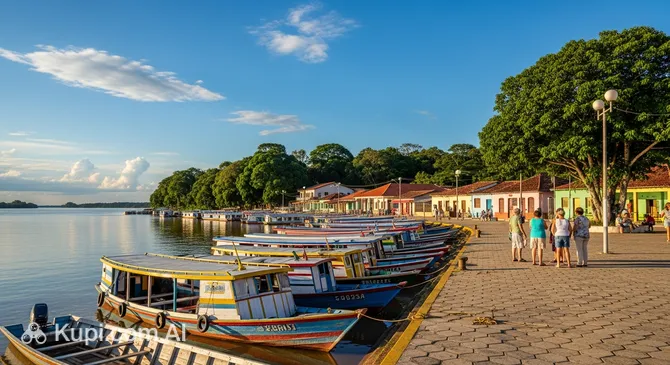
Altamira. Source: Kupi.Binoculars

Geographically, Altamira is notable for being one of the largest municipalities by area in the world, covering a territory larger than many countries. With a population of approximately 110,000 residents, it serves as a vital commercial and logistical center along the Trans-Amazonian Highway. The climate here is typically equatorial—warm and humid year-round—which sustains the lush greenery surrounding the city. Those interested in the history of Altamira will find that its development is deeply intertwined with the expansion into the Amazon and the rubber trade eras.

For visitors, the Xingu River is the undisputed highlight, offering opportunities for sport fishing, boat tours, and refreshing dips at local river beaches like the popular Praia do Tucunaré. The city's waterfront, or "Cais," provides a lively atmosphere where locals gather to enjoy the sunset and the river breeze. Additionally, Altamira acts as a gateway to nearby indigenous territories and ecological reserves, attracting adventurers keen on witnessing the biodiversity of the Amazon.

Whether you are passing through on a cross-country journey or looking to experience the authentic culture of northern Brazil, Altamira welcomes you with open arms. It is a place where the grandeur of the river meets the spirit of the forest, promising an unforgettable travel experience.

Weather Overview

The climate in this region is typically tropical and consistently warm, making it a destination where you can expect high temperatures year-round. Average temperatures generally hover between 26°C and 30°C, with the heat intensifying between August and October, when daily highs can reach up to 34°C.

Rainfall patterns significantly shape the local seasons. The first half of the year, particularly from January to May, sees a very high frequency of precipitation, with rain occurring on most days. In contrast, the period from July to September is distinctly drier, with the number of wet days dropping to as few as five per month. For a more detailed forecast and seasonal breakdown to help plan your trip, you can check the current weather in Altamira.

Interesting Facts

Beyond the main attractions, Altamira holds many fascinating secrets that reveal the sheer scale and complexity of the Amazon region. Here are some unique facts about this colossal municipality:

  • A Geographic Giant: Altamira is officially the largest municipality in Brazil and the Americas by land area. Its territory covers over 159,000 square kilometers, making it larger than entire nations such as Portugal, Greece, or Nepal.

  • The Big Bend: The city is the gateway to the "Volta Grande do Xingu" (Big Bend of the Xingu), a dramatic stretch of the river known for its intricate network of rapids and rock formations. This area is considered a distinct ecological region, hosting endemic fish species that exist nowhere else on Earth.

  • Ancient Origins: Long before its modern development, the settlement began in the 18th century as a Jesuit mission named Tavaquara. It was established to facilitate contact with indigenous tribes, marking one of the earliest permanent colonial footnotes in this deep interior region.

  • A Modern Engineering Marvel: Altamira hosts the Belo Monte Dam complex, which ranks among the largest hydroelectric power plants in the world. This massive structure harnesses the power of the Xingu River and stands as a monumental, albeit complex, symbol of modern engineering in the rainforest.

How to Get There

Reaching this destination in the heart of the Amazon often involves a combination of air travel and local transport. While the journey highlights the vastness of the region, the city is well-connected compared to many other remote locations in Pará. For a detailed guide on planning your trip, you can read more about how to get to Altamira and explore the best routes for your itinerary.

The most convenient way to arrive is via Altamira Airport (IATA: ATM). Situated just 7.5 km from the city center, this regional airport serves as a vital link for travelers and locals alike. Flights typically connect through the state capital, Belém, making it accessible from other parts of Brazil. Once you land, the journey to the downtown area is quick, taking approximately 10 to 15 minutes by taxi or shuttle service.

For clarity, here is a summary of the main airport:

Airport Name City Passenger Traffic Km from City
Altamira Airport Altamira Regional 7.5

As there are no passenger railway stations serving the region, trains are not an option for reaching the city. Visitors who prefer not to fly typically arrive by road via the Trans-Amazonian Highway or by riverboat along the Xingu River, both of which offer a more adventurous approach to the Amazon.

Main Attractions

The attractions in Altamira are deeply connected to the pulse of the Amazon rainforest and the majestic river that flows past the city. While it may not have the traditional sightseeing list of a colonial capital, the region offers unique experiences for nature lovers, adventure seekers, and those looking to immerse themselves in the local culture of Northern Brazil.

The undisputed star of the region is the Xingu River itself. Its emerald waters are not just a transport route but a playground for recreation. During the dry season, typically from July to November, the receding water levels reveal stunning freshwater beaches. The most famous of these is Praia do Tucunaré. Located directly opposite the city, this sandy island becomes a vibrant social hub where visitors can swim, rent boats, and enjoy freshly caught fish at temporary beach shacks.

For a relaxing evening in the city, the Cais de Altamira (Waterfront) is the place to be. This revitalized promenade offers panoramic views of the river and serves as the city's main gathering spot. It is lined with kiosks, bars, and restaurants, making it an ideal location to watch the sunset, enjoy the cooling river breeze, and taste local delicacies like açaí or tacacá.

In the heart of the town, visitors can admire the Catedral do Sagrado Coração de Jesus. This church is a central landmark for the local community and features simple yet charming architecture typical of the region's religious buildings. Nearby, the bustling streets offer a glimpse into the daily life of this Amazonian hub, with shops selling local crafts and goods.

For those willing to venture a bit further, the surrounding area is a gateway to ecotourism. Boat tours along the Xingu allow travelers to witness the incredible biodiversity of the Amazon, including diverse bird species and the unique rock formations of the "Volta Grande." Whether you are swimming in the river or exploring the urban waterfront, Altamira offers an authentic slice of life in the Pará interior.

Local Cuisine

The local cuisine in Altamira is a vibrant reflection of its location in the heart of the Amazon and the rich culinary traditions of the state of Pará. Food here is deeply connected to the Xingu River, which provides an abundance of fresh fish that serves as the foundation for many daily meals. The flavors are intense, relying heavily on indigenous ingredients like manioc, local herbs, and forest fruits, offering a gastronomic experience that is quite distinct from other parts of Brazil.

One of the most authentic dishes to try is the classic combination of fried fish with açaí. Unlike in many other places where açaí is eaten as a sweet dessert, in this region, it is traditionally served as a savory side dish, fresh and thick, accompanied by crunchy manioc flour and fried river fish such as tucunaré or tambaqui. Another regional staple is Tacacá, a warm soup made with tucupi (a yellow broth extracted from wild manioc), dried shrimp, and jambu, a leafy herb known for the unique tingling sensation it causes on the lips and tongue.

To quench your thirst in the equatorial heat, the local drink selection is spectacular, particularly the fruit juices. The Amazon rainforest yields exotic fruits with distinct flavors, such as cupuaçu, bacuri, and taperebá. These are often made into thick juices, ice creams, or mousses. For those preferring something alcoholic, an ice-cold beer is the standard accompaniment to a meal, though you can also find traditional Brazilian cachaça widely available.

The food culture in Altamira is casual and social, often centered around the river. The Cais de Altamira (Waterfront) is the most popular dining destination for both locals and tourists. Here, you will find a variety of open-air restaurants and kiosks serving grilled fish and snacks while you enjoy the river breeze. Street food is also a key part of the experience, especially in the late afternoon when vendors set up stalls to sell fresh Tacacá and other local delights.

Travel Tips

Visiting Altamira offers a unique adventure into the heart of the Amazon, but traveling to this remote part of Pará requires a bit of specific preparation to ensure a comfortable journey. To help you make the most of your experience in this vibrant river city, here are some essential practical tips to keep in mind.

  1. Clothing and Gear: Due to the equatorial climate, the heat and humidity can be intense. Pack lightweight, breathable fabrics like cotton or linen in light colors to stay cool. A sturdy umbrella or a rain poncho is essential, as sudden downpours are common regardless of the season. Don't forget comfortable walking shoes and a hat for sun protection.
  2. Transportation: The most common and efficient way to get around the city is by mototaxi (motorcycle taxi), which is widely used by locals and is very affordable. Standard taxis are also available, especially near the airport and hotels. While there is a local bus network, it can be slow and confusing for visitors, so sticking to taxis or walking in the central area is often better.
  3. Finances: The official currency is the Brazilian Real (BRL). While major hotels, supermarkets, and larger restaurants in Altamira accept credit and debit cards, cash is still king for smaller transactions. You will definitely need cash for street food, mototaxis, and small shops. ATMs are available in the city center, but it is wise to withdraw money during the day for safety.
  4. Health and Safety: In this region, carrying strong insect repellent is mandatory to protect against mosquitoes, especially if you plan to be near the river or in nature reserves. Always drink bottled or filtered water; never drink from the tap. Pharmacies are easy to find in the downtown area, but for any serious medical issues, head to the municipal hospital or a private clinic.
  5. Communication: Portuguese is the primary language, and English is not widely spoken outside of high-end tourism services. It is highly recommended to learn a few basic phrases or download an offline translation app to communicate with locals. You can purchase a prepaid SIM card from major carriers like Vivo or Claro in the city center to stay connected.
  6. Local Etiquette: People in Pará are generally very warm and welcoming. A handshake is a standard greeting, though a friendly kiss on the cheek is common between women or between a man and a woman once acquainted. When entering a shop or boarding a boat, a polite "Bom dia" (Good morning) or "Boa tarde" (Good afternoon) goes a long way.
  7. What to Avoid: Avoid swimming in the Xingu River in unmarked or deserted areas due to currents and local wildlife; stick to popular spots like Praia do Tucunaré where locals swim. Also, avoid taking photographs of residents, especially in indigenous areas, without asking for explicit permission first.
  8. Additional Tip: Adapt your schedule to the heat. Locals often start their day very early to take advantage of the cooler morning hours and take a break during the peak heat of the afternoon. Follow their lead and plan your outdoor activities for the morning or late afternoon to stay comfortable.

By keeping these practicalities in mind, you will be well-equipped to navigate the city and enjoy the stunning natural beauty of the region without hassle. Altamira is a place that rewards the prepared traveler with warm hospitality and unforgettable Amazonian memories.

Entertainment & Nightlife

Entertainment in Altamira is deeply influenced by the local culture and the tropical climate, with the most vibrant activities taking place outdoors. The nightlife here is less about enclosed clubs and more about open-air socializing, where the river breeze offers relief from the day's heat. The atmosphere is generally casual and welcoming, with a focus on live music, cold drinks, and gathering with friends.

The heart of the city's nightlife is undoubtedly the Cais de Altamira (Waterfront). This revitalized promenade along the Xingu River comes alive after sunset, becoming the primary meeting point for locals and visitors alike. The area is lined with kiosks, bars, and restaurants that stay open late into the night. It is the perfect place to experience the "Orla" culture, where plastic tables are set up on the pavement, and the sound of Sertanejo, Forró, and Brega music fills the air.

For those looking for specific venues to enjoy a drink and good music, Deck Bar is a standout option. Located right on the riverfront, it offers a relaxed ambiance with stunning views of the Xingu, making it an excellent spot for cocktails and evening snacks. Another popular choice is Palaffitas, a lively spot known for its "Choperia" (draft beer) style and energetic atmosphere, often featuring live local bands that keep the crowd entertained. These venues typically do not have a strict dress code; casual summer attire is the norm.

When planning your evening, keep in mind that the nightlife usually kicks off around 8:00 PM and can last until the early morning hours on weekends. Prices in Altamira are generally affordable compared to larger Brazilian cities. A large bottle of beer or a caipirinha is reasonably priced, and entry fees for bars with live music are often nominal.

While the city is famous for its river-based leisure, daytime entertainment in Altamira offers a different pace. Unlike major metropolises with vast amusement parks or grand theaters, entertainment here focuses on nature and community spaces. You can visit the Casa do Artesanato to appreciate regional craftsmanship and culture, or spend the day at Praia do Tucunaré, which functions as a natural water park during the dry season, offering swimming and boating activities for the whole family.

Parks & Museums

The cultural and natural landscape of Altamira is defined less by manicured city gardens and more by the untamed majesty of the Amazon rainforest that surrounds it. While the city itself is a bustling urban hub, it serves as the immediate threshold to some of the most biodiverse areas on the planet. Visitors here have the unique opportunity to experience nature in its wildest form, alongside venues that celebrate the region's deep indigenous roots and artistic traditions.

For those seeking true immersion in the Amazonian wilderness, the Serra do Pardo National Park is a significant protected area located within the municipality's vast territory. It is important to note that this is a remote destination requiring planned travel, not a city park. The park acts as a sanctuary for diverse wildlife, including jaguars and rare bird species, making it an exceptional location for ecotourism enthusiasts and nature photographers willing to venture off the beaten path to witness the transition between the Amazon and cerrado biomes.

Closer to the city center, the Balneário do Pedral offers a more accessible natural retreat. Located approximately 8 to 12 kilometers from downtown, this area is famous for its unique rock formations in the Xingu River. During the dry season, these rocks create natural pools and rapids suitable for swimming. It is a favorite weekend spot for locals, providing a relaxed atmosphere where visitors can cool off in the refreshing river waters and enjoy fresh fish served at simple riverside kiosks.

In terms of culture, the city's heritage is deeply tied to the indigenous tribes of the Xingu. The Casa do Artesanato (House of Artisans), located on the revitalized waterfront, is a must-visit cultural venue. It serves as a showcase for the exquisite craftsmanship of local artisans, particularly from the nearby indigenous communities. Here, tourists can view and purchase authentic pottery, basketry, and wood carvings, gaining insight into the artistic traditions that have thrived in the forest for centuries.

While the city does not have a large array of traditional museums, the Casa da Cultura serves as a vital hub for local artistic expression. It frequently hosts workshops, exhibitions, and events that keep the regional folklore and customs alive. For visitors, it offers a glimpse into the daily cultural life of the residents and the ongoing efforts to preserve the identity of this unique part of Brazil.

Insider Tip: If you are visiting during the dry season (July to November), plan a trip to the "Pedral" area in the late afternoon. The receding waters reveal smooth stone slabs that are perfect for a sunset picnic. It is a unique natural spa experience in the middle of the Xingu River that offers a magical perspective of the Amazonian landscape.

Getting Around

Navigating the public transport system in Altamira is quite different from getting around a major metropolis. There is no metro, tram, or train network in the city. Instead, the local transportation infrastructure relies heavily on road-based options, primarily buses and motorcycles, which are better suited to the layout and pace of this Amazonian municipality.

The municipal bus system connects the city center with outlying neighborhoods and the airport. These buses, often referred to locally as coletivos, are the most economical way to travel. However, they can be infrequent and the routes may be confusing for first-time visitors. Bus stops are not always clearly marked, and schedules can be somewhat flexible. If you choose to take the bus, be prepared for a slower journey without air conditioning, which is common in older vehicles.

By far the most popular and efficient mode of transport in Altamira is the mototaxi. You will see hundreds of these motorcycle taxis buzzing around the streets. They are fast, affordable, and can navigate traffic much easier than cars. Official mototaxi drivers wear designated vests (usually numbered) and carry an extra helmet for the passenger. For a solo traveler, this is the quintessential local way to get from point A to point B, though it requires a certain comfort level with riding on the back of a bike.

For those preferring the comfort of a car, standard taxis are widely available, particularly at the airport, the bus terminal, and near the waterfront. Taxis are a safer and more comfortable option, especially at night or when it is raining. While global ride-sharing apps may have a limited or intermittent presence depending on internet connectivity and driver availability, local taxi apps and radio taxis are reliable alternatives. It is always a good idea to ask your hotel reception to call a trusted driver for you.

Regarding payment, cash is the absolute standard for public transport here. Buses do not use electronic travel cards; you simply pay the fare in cash directly to the conductor or driver upon boarding. Mototaxis also operate almost exclusively on cash. Prices are generally fixed for specific zones or distances, but it is wise to confirm the price with the driver before hopping on. Ensure you carry small bills and coins, as drivers often do not have change for large denominations.

Walking is a viable option if you are staying in the central area near the Xingu River waterfront (the Cais). The commercial center is relatively compact, allowing you to explore shops, restaurants, and the cathedral on foot. However, due to the intense equatorial heat, walking long distances during the midday sun is not recommended. For excursions further afield or to the river beaches, renting a car is possible from agencies near the airport, providing the freedom to explore at your own pace.

Accommodation

Accommodation in Altamira is practical and functional, primarily catering to business travelers, researchers, and eco-tourists passing through the region. You will not find ultra-luxury resorts or international five-star chains here. Instead, the city offers a range of reliable mid-range hotels and family-run guesthouses, known locally as pousadas. These establishments typically provide essential amenities such as air conditioning—a must in the tropical heat—Wi-Fi, and breakfast, ensuring a comfortable base for your Amazonian adventures.

For tourists, the best area to stay is undoubtedly the City Center (Centro), specifically near the Cais de Altamira (Waterfront). Staying in this vicinity places you within walking distance of the Xingu River, the cathedral, and the city's best restaurants and evening entertainment. Being close to the river also offers the advantage of a slightly cooler breeze in the evenings. There are also several accommodation options located along the Trans-Amazonian Highway (Rodovia Transamazônica) on the outskirts, but these are generally better suited for those with a car or travelers on a quick transit stop.

The price range for lodging in Altamira is generally affordable compared to major Brazilian tourist hubs. Most options fall into the budget to mid-range category. While some of the larger, more modern hotels can be booked through major online travel platforms, many smaller pousadas still rely on direct bookings via phone or messaging apps. It is often helpful to have a translation app ready if you are booking directly, as English service may be limited.

Booking Tip: While availability is usually good, the city can get busy during local agricultural fairs or cultural festivals. If you plan to visit during the peak dry season (July to September), when the river beaches are at their best, it is advisable to book your accommodation a few weeks in advance to secure the best locations near the waterfront.

Nearby Cities

For those looking to explore the surroundings, Altamira serves as an excellent starting point for several interesting regional excursions. While the vastness of the Amazon means that "nearby" involves significant travel distances, these next destinations offer rewarding experiences that showcase the diversity of Pará and are perfect for weekend getaways.

One of the most prominent destinations in the region is Santarém. Located at the confluence of the Tapajós and Amazon rivers, it is famous for the "Meeting of the Waters," where the blue-green waters of the Tapajós flow side by side with the muddy Amazon without mixing. It also serves as the gateway to Alter do Chão, often referred to as the "Caribbean of the Amazon" due to its white sandy river beaches.

Another fascinating spot is Monte Alegre, a haven for archaeology enthusiasts and nature lovers. It is home to the Monte Alegre State Park, which protects ancient cave paintings and rock formations that date back thousands of years. The park offers hiking trails with panoramic views of the Amazon plains, providing a unique mix of history and adventure.

For those interested in engineering and fishing, Tucuruí is a notable stop. The city is best known for the Tucuruí Dam, one of the largest hydroelectric power plants in the world. The massive lake created by the dam has become a prime location for sport fishing, attracting anglers looking to catch the prized tucunaré bass in a spectacular setting.

City Population Distance (km)
Santarem 306480 291
Breves 99080 255
Tucuruí 97128 289
Monte Alegre 56391 246
Portel 52172 209

These destinations offer a glimpse into the diverse culture and landscapes of the region, making them excellent additions to a broader travel itinerary.

Shopping & Souvenirs

Shopping in Altamira offers a practical and authentic experience that reflects the city's role as a commercial hub in the Amazon. While you will not find high-end luxury boutiques or massive international department stores, the city provides a good mix of modern conveniences and traditional commerce. The shopping scene is characterized by bustling street trade, compact shopping centers, and vibrant markets where the local culture is on full display. For visitors, it is an excellent opportunity to purchase daily essentials or discover unique regional products that are hard to find elsewhere.

The main commercial activity is concentrated in the City Center (Centro), particularly along Rua 7 de Setembro and Avenida Djalma Dutra. These streets are the beating heart of the city's retail sector, lined with clothing stores, pharmacies, electronics shops, and banks. Walking through this area during the day immerses you in the energetic atmosphere of the town, where shopkeepers display their goods on the sidewalks and locals run their daily errands.

For a more modern and climate-controlled shopping experience, the city has a couple of noteworthy options. Altamira Shopping, located centrally on Rua 7 de Setembro, is a compact mall that offers a variety of retail stores, a food court, and services in a comfortable, air-conditioned environment. Another key destination is Shopping Serra Dourada, a newer and larger complex that features a wider range of anchor stores, a cinema, and entertainment options, making it a popular spot for families and teenagers in the evenings.

To truly understand the local flavor, a visit to the Mercado Municipal (Municipal Market) on Avenida Djalma Dutra is essential. This is not just a place to buy food; it is a cultural landmark. Here, you will find fresh Amazonian fish, exotic fruits like cupuaçu and bacuri, and sacks of manioc flour. It is also the best place to find traditional medicinal herbs and oils, which are widely used by the local population. The market area is vibrant, somewhat chaotic, and incredibly photogenic, offering a raw slice of Amazonian life.

When it comes to souvenirs, the best items to bring back are those connected to the forest and its people. Indigenous handicrafts are the highlight, including intricate beadwork, basketry, and wood carvings produced by the various tribes of the Xingu region. You can also find delicious edible souvenirs, such as bottles of tucupi (wild manioc broth), jars of Brazil nuts, or the famous cachaça de jambu, a local spirit infused with a mouth-numbing herb.

Store opening hours in Altamira generally follow the standard Brazil schedule. Street shops typically open from 8:00 AM to 6:00 PM on weekdays and from 8:00 AM to 1:00 PM on Saturdays, remaining closed on Sundays. The shopping malls have extended hours, usually operating from 10:00 AM to 10:00 PM Monday through Saturday, with the food courts and cinemas opening on Sundays as well. Regarding payment, major credit and debit cards are widely accepted in malls, supermarkets, and established stores. However, if you are shopping at the Municipal Market or buying from street vendors, carrying cash (Brazilian Reals) is necessary.

Tourists should be aware that Brazil does not currently offer a Value Added Tax (VAT) refund system for international visitors. The price you see on the tag is the final price you pay. While bargaining is not common in formal shops and malls, it is perfectly acceptable and even expected when purchasing multiple items from stalls in the market or from street artisans.

Reached the end of the page?

That means the route is fully explored