Support

Breves

About

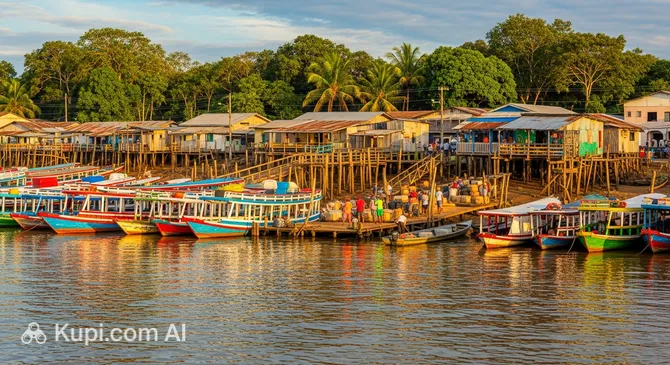
Breves. Source: Kupi.Binoculars

Welcome to Breves, a vibrant city located in the state of Pará that serves as a significant hub in the northern region of Brazil. Situated on the southwestern part of the famous Marajó Island, the city offers a unique glimpse into the authentic lifestyle of the Amazon delta. Often referred to as the "Capital of the Estuaries," Breves is defined by its close relationship with the surrounding water and dense forests, creating an atmosphere that is both bustling and deeply connected to nature.

The city is home to approximately 99,000 inhabitants and experiences a tropical climate characterized by warm temperatures and high humidity throughout the year. This environment supports the lush vegetation that frames the urban area. Geographically, it plays a vital role as a port city, connecting various parts of the region through a complex network of rivers and channels known locally as "furos."

Travelers interested in how this community developed over time can explore the history of Breves, which reveals its transformation from a small settlement into a key commercial center. The city's past is closely linked to the cycles of the Amazonian economy, including the timber and rubber eras, which have shaped its current cultural identity.

For visitors, the primary allure lies in the stunning natural scenery and the opportunity to experience river life firsthand. Boat tours through the winding waterways offer a chance to observe the diverse flora and fauna of the Amazon rainforest. Additionally, the local cuisine is a highlight, particularly the fresh açaí, which is harvested nearby and is a staple of the local diet. Whether you are embarking on an eco-adventure or simply soaking in the local culture, Breves invites you to discover the charm of the Brazilian Amazon.

Weather Overview

The climate in this region is typically tropical, characterized by consistent warmth and high humidity throughout the year. Before planning your river tours or forest excursions, it is advisable to consult the specific weather in Breves to ensure you pack appropriately. Generally, the city does not experience cold winters; instead, travelers can expect a steady tropical heat that defines the Amazonian atmosphere.

Temperatures are stable and warm, with daily averages hovering between 26.5°C and 29.5°C. The hottest months are typically September and October, where maximum temperatures can reach up to 34.2°C. Precipitation plays a major role in the local rhythm; the first half of the year, particularly from March to April, is very wet, with up to 30 wet days per month. In contrast, the period from August to October offers a drier window for travel, with the number of wet days dropping to as low as eight.

Interesting Facts

Beyond the main attractions and the bustling river port, Breves holds many fascinating secrets that reveal its deep connection to the Amazonian history and folklore.

  • The Origins of the Name: Unlike many cities named after saints or geographical features, Breves owes its name to a family. In the 18th century, the Portuguese brothers Manuel and Ângelo Fernandes Breves were granted land here and established a sugar mill known as the "Engenho dos Breves," which eventually grew into the city we see today.

  • Legend of the Strait: The winding network of channels known as the Estreito de Breves is not just a navigational route but a place of local myth. According to tradition, sailors entering these confluence waters would offer gifts to the "divinities of the river depths" to ensure a safe journey through the treacherous currents.

  • A Historic Peace Treaty: Long before its urban development, the region was the site of a significant historical event. In 1659, the famous Jesuit priest António Vieira signed the "Treaty of Mapuá" with local indigenous tribes near the area now known as Vila Amélia, where an ancient indigenous cemetery still marks this early contact.

  • The "World Timber Granary": In the early 20th century, Breves was globally recognized for its massive timber industry, earning the nickname "Celeiro Mundial da Madeira" (World Timber Granary). This economic boom brought electricity and urban infrastructure to the city earlier than in many other Amazonian settlements.

How to Get There

Reaching this destination in the heart of the Amazon requires a bit of planning, as the city is primarily accessible via waterways or small regional flights. For a detailed guide on all transport options, including boat schedules and tips, you can read more about how to get to Breves.

The city of Breves does not have its own major international airport suitable for large commercial jets. Most travelers fly into Val de Cans International Airport (BEL) in the city of Belém, which is approximately 226 km from Breves. As the main transport hub for the state of Pará, this airport welcomes a large volume of passengers annually. Since Breves is located on Marajó Island, you cannot take a taxi or bus directly from the airport to the city. Instead, after arriving in Belém, visitors typically transfer to the port to take a ferry or speedboat. Another option is Macapa International Airport (MCP) in Macapá, situated about 203 km away. While geographically close, traveling from Macapá also involves navigating the river systems of the Amazon delta.

For clarity, here is a summary of the main airports in the wider region:

Airport Name City Passenger Traffic Km from City
Val de Cans International Airport Belém Large 225.9
Macapa International Airport Macapá Medium 203.4
Altamira Airport Altamira Small 262.1

There are no railway stations serving Breves or the surrounding region. The Amazon area generally relies on river transport rather than rail infrastructure. Visitors should be prepared to complete their journey by boat, which is the most common and scenic way to arrive at the city's port.

Main Attractions

The attractions in Breves offer a distinct blend of Amazonian nature, religious heritage, and local leisure, reflecting the city's identity as the "Capital of the Estuaries." Unlike typical tourist destinations packed with museums, the highlights here are deeply connected to the river life and the vibrant community spirit of Marajó Island.

One of the most popular spots for recreation is the Marajó Park Club. Located just a few kilometers from the city center, this water park is a favorite among locals and visitors alike, especially during the hot weekends. It features swimming pools, water slides, and sports courts, making it an excellent destination for families looking to cool off and enjoy a fun day out surrounded by the lush greenery of the region.

For those interested in history and architecture, the Igreja Matriz de Sant'Ana stands as a significant landmark. Dedicated to the city's patron saint, Saint Anne, this church is not only a place of worship but also the heart of the city's cultural calendar. It becomes particularly lively in July during the annual Festivity of Sant'Ana, which draws pilgrims and tourists for processions and celebrations that showcase the deep religious devotion of the Marajoara people.

A stroll along the Orla de Breves (Waterfront) provides the best perspective on daily life in the Amazon delta. From here, visitors can watch the constant movement of boats navigating the "furos" (river channels), from small canoes to large ferries. It is an ideal place to enjoy a scenic sunset over the river, feel the breeze, and observe the unique way the city interacts with the water that surrounds it.

To experience the local flavors, a visit to the Mercado Municipal is essential. This bustling market offers an authentic glimpse into the regional economy, where vendors sell fresh fish, artisanal crafts, and the famous local açaí, which is a staple of the diet in Pará. It is a vibrant place to engage with residents and discover the ingredients that define the rich cuisine of the Amazon.

Local Cuisine

The local cuisine of Breves is a vivid expression of the Amazonian identity, deeply rooted in indigenous traditions and the abundance of the surrounding rivers and forests. Visitors here will discover a gastronomic scene that relies heavily on fresh fish, cassava products, and exotic fruits, offering flavors that are distinct even from other parts of Brazil. The food culture is unpretentious and authentic, often centered around family-run establishments and lively street stalls.

One cannot talk about food in this region without mentioning açaí. Unlike the sweetened smoothie bowls popular internationally, in Breves, açaí is traditionally consumed as a savory staple. It is served as a thick, purple puree alongside fried fish, shrimp, or dried meat, and topped with crunchy tapioca flour. Another signature dish to try is the Mapará, a fish abundant in the local estuaries. It is often prepared stewed in coconut milk or grilled, highlighting its tender, flavorful meat.

For a true taste of the street food culture, look for vendors selling Tacacá in the late afternoon. This warm, aromatic soup is made from tucupi (a yellow broth extracted from wild manioc), dried shrimp, and jambu, a leafy herb known for the tingling, numbing sensation it causes on the lips and tongue. It is a unique sensory experience that defines the palate of the state of Pará.

To accompany these meals, the region offers an incredible variety of juices made from native Amazonian fruits. Cupuaçu and Bacuri are local favorites, renowned for their creamy textures and sweet-tart profiles. For those interested in alcoholic beverages, you might encounter cachaça infused with jambu, which adds a surprising twist to the traditional Brazilian spirit, or simply enjoy a cold regional beer while watching the boats drift by on the river.

The best places to experience these culinary delights range from the bustling Mercado Municipal, where you can see the fresh catch of the day, to small riverside restaurants along the waterfront. Dining in Breves is typically a relaxed affair, where the focus is on the freshness of the ingredients and the warmth of the hospitality, making every meal a direct connection to the heart of the Amazon.

Travel Tips

Visiting Breves is a true adventure into the heart of the Amazon delta, offering a unique experience that differs significantly from typical urban tourism. To help you navigate the distinct river-based lifestyle and tropical environment of this Marajó Island city, we have compiled a list of essential practical advice.

  1. Clothing and Gear: Due to the hot and humid equatorial climate, prioritize lightweight, breathable fabrics like cotton or linen. A sturdy raincoat or poncho is indispensable, as sudden downpours are common year-round, especially between January and May. Pack comfortable walking shoes for the city and waterproof sandals for boat trips. Don't forget a high-quality insect repellent and a universal power adapter (Brazil uses types N and C).

  2. Transportation: Inside the city, the most common and efficient way to get around is by mototaxi. They are affordable and can navigate the narrow streets easily. Regular taxis are available but less frequent. For exploring the surrounding areas, voadeiras (speedboats) and regional boats are the primary mode of transport. Ride-hailing apps like Uber are generally not available or reliable in this remote region.

  3. Finances: The local currency is the Brazilian Real (BRL). While supermarkets and larger hotels accept credit cards, cash is king in Breves. Small vendors, mototaxis, and market stalls often only take cash. There are ATMs in the city (typically Banco do Brasil or Bradesco), but they can occasionally run out of money or have network issues, so it is wise to arrive with enough cash for your immediate needs.

  4. Health and Safety: Pharmacies are available in the city center, but it is best to bring a personal kit with basic medications, especially for stomach issues. Mosquito protection is crucial in the Amazon region; wear long sleeves in the evening. Regarding safety, Breves is generally welcoming, but exercise standard caution: avoid unlit areas at night and keep an eye on your belongings in crowded places like the port.

  5. Communication: The main language is Portuguese, and English is rarely spoken outside of specific tourism services. It is highly recommended to download an offline translation app or learn basic phrases like "Quanto custa?" (How much?) and "Onde fica...?" (Where is...?). Mobile signal is available (Vivo and Claro are common providers), but coverage can be spotty as you move away from the city center towards the river channels.

  6. Local Etiquette: The people of Pará are known for their warmth. A handshake or a friendly nod is a polite greeting. If you plan to photograph locals or their homes, especially in riverside communities, always ask for permission first. Respect is key to enjoying the local hospitality.

  7. What to Avoid: Never drink tap water; always opt for sealed bottled water to avoid waterborne illnesses. Additionally, avoid swimming in the river at random spots without checking with locals first, as currents can be strong and there may be wildlife hazards.

  8. Local Insight: When ordering açaí, don't expect the sweet, granola-topped bowl common elsewhere. Here, it is a savory side dish often served with fried fish and tapioca flour. Try it the local way for an authentic culinary experience!

By keeping these tips in mind, you will be well-prepared to embrace the rhythm of life in Breves. With the logistics handled, you can focus on enjoying the stunning river sunsets and the rich culture of the Brazilian Amazon.

Entertainment & Nightlife

Nightlife in Breves is a reflection of its warm, community-focused Amazonian culture. Unlike the high-energy club scenes found in Brazil's massive metropolises, the evening entertainment here is more relaxed, centering on open-air gatherings, live music, and socializing by the river. The city comes alive after the sun sets, with locals and visitors alike heading out to enjoy the cooler evening breeze and the vibrant sounds of regional music genres like brega and forró.

The heart of the action is undoubtedly the Orla de Breves (Waterfront). This promenade stretches along the riverbank and serves as the city's main meeting point. At night, it transforms into a bustling social hub where families, couples, and groups of friends gather. The atmosphere is casual and lively, with kiosks and small bars playing music and serving cold drinks. It is the perfect place to start your evening, watching the lights reflect off the water while enjoying a cold beer or a fresh fruit juice.

For those looking for a specific venue to enjoy music and drinks, the Deck Stage Pub is a popular choice. Known for its inviting atmosphere, it often hosts live performances and offers a great setting to mingle with the local crowd. Another favorite spot is Panny Chopperia e Pizzaria, which combines a lively bar environment with hearty food, making it an excellent location to start the night with dinner and continue with drinks. If you are lucky, you might also catch an event at Arena Fire, a venue known for hosting larger parties and concerts during festive seasons.

Practical advice for enjoying the night in Breves includes carrying cash, as many smaller vendors and mototaxis do not accept cards. The dress code is almost exclusively casual; light, comfortable clothing is the norm given the tropical heat. Most bars and venues are most active from Thursday through Saturday, with activity winding down around midnight or 1:00 AM, though some spots may stay open later on weekends.

Regarding safety, the waterfront and main avenues are generally safe for walking during the early evening hours when they are crowded. However, as the night progresses, it is advisable to use mototaxis—the primary mode of transport—to get back to your accommodation rather than walking through quieter, unlit streets. Taxis are less common, so having the number of a reliable mototaxi driver or asking your venue to call one is a good strategy.

While the nights are for unwinding, daytime entertainment in Breves offers a different pace. Visitors can explore cultural landmarks like the Igreja Matriz de Sant'Ana or enjoy recreational activities at the Marajó Park Club. For a quieter afternoon, the local library and small squares provide a peaceful retreat before the city heats up again for another lively evening by the river.

Parks & Museums

The cultural and natural landscape of Breves is defined not by manicured city gardens or vast art complexes, but by the raw beauty of the Amazon rainforest and the deep historical roots of the Marajó region. Visitors here will find that the "museums" are often the living streets and riverbanks, while the "parks" are vast protected reserves that offer an immersion into one of the world's most vital ecosystems.

Mapuá Extractive Reserve (Resex Mapuá)
For nature enthusiasts, the Mapuá Extractive Reserve is the premier destination within the municipality's territory. Spanning a vast area of the Amazon rainforest, this sustainable use conservation unit is designed to protect the livelihoods of traditional populations while preserving the biodiversity of the delta. It is an exceptional spot for eco-tourism, offering opportunities to observe diverse bird species, monkeys, and the unique flora of the flooded forests. Tours here are typically guided by locals, providing an authentic insight into how communities coexist with the jungle.

Orla de Breves (Breves Waterfront)
While not a traditional park, the Orla de Breves functions as the city's main public green space and social gathering point. Stretching along the riverbank, this promenade offers the best views of the "furos" (river channels) that define the local geography. It is the perfect place for a late afternoon walk to feel the river breeze, watch the sunset reflect off the water, and observe the daily bustle of boats that serve as the region's primary transport. The area is lined with trees and benches, making it a relaxing urban escape.

Igreja Matriz de Sant'Ana
In the absence of large conventional museums, the Igreja Matriz de Sant'Ana stands as the city's most significant cultural and historical repository. Dedicated to the patron saint of Breves, this church is the architectural heart of the city and a symbol of the region's religious heritage. Inside, visitors can appreciate the simple yet dignified design that characterizes Amazonian colonial-influenced architecture. The church is also the focal point for the city's major festivals, serving as a living gallery of local traditions and faith.

Vila Amélia and the Treaty of Mapuá Site
For a deep dive into history, the locality of Vila Amélia offers a connection to the very origins of the region's interaction with European settlers. It was near here, in 1659, that the "Treaty of Mapuá" was signed between Jesuit priest António Vieira and indigenous tribes. Although it is an archaeological site rather than a building, the area contains an ancient indigenous cemetery and marks a pivotal moment in the history of the Amazon. Visiting this site provides a profound sense of the centuries-old narrative of the Marajó archipelago.

Mercado Municipal (Municipal Market)
Often described as a "living museum" of Amazonian culture, the Mercado Municipal is an essential stop for understanding the local way of life. Here, the displays are not artifacts behind glass, but piles of fresh fish, baskets of açaí berries, and handcrafted goods used in daily life. It is the best place to see the pottery and crafts that reflect the indigenous and caboclo influences of the region, offering a sensory experience that no gallery could replicate.

Insider Tip: To truly experience the natural grandeur of Breves, arrange a boat trip through the Estreito de Breves. These narrow, winding channels are famous for their depth and the dense vegetation that walls them in. Navigating them gives you a unique perspective on the "water streets" of the Amazon, where you might spot river dolphins and colorful macaws in their natural habitat, far removed from the noise of the city center.

Getting Around

Navigating Breves requires a shift in perspective from typical urban travel. Unlike major metropolitan areas, this Amazonian city does not possess a metro system, trams, or a comprehensive municipal bus network. Instead, the public transport system is defined by the region's unique geography, split between the paved streets of the town center and the complex network of rivers that surround it. For visitors, moving around involves adapting to the local rhythm, where two wheels and boat hulls are the primary means of conveyance.

The most ubiquitous form of transport on land is the mototaxi. You will see these motorcycle taxis everywhere; they are the backbone of urban mobility in Breves. Recognized by their drivers wearing numbered vests, mototaxis are agile, affordable, and capable of navigating the city's sometimes narrow or unpaved streets with ease. They function as a door-to-door service, making them the most convenient option for short trips within the urban area, such as getting from your hotel to the waterfront or the market.

Given the city's location in the "Capital of the Estuaries," water transport is just as important as land transport. Small speedboats known as voadeiras and motorized canoes called rabetas function as the "buses" of the river. They connect the city center with outlying neighborhoods and riverine communities that are inaccessible by road. These boats typically depart from the main port or specific ramps along the waterfront (Orla). For a tourist, taking a local boat is not just a necessity for exploration but an attraction in itself, offering a glimpse into daily life on the Amazon delta.

Regarding payment, cash is the absolute standard. There are no electronic travel cards, tap-to-pay systems, or transport apps in use for public transit here. You must pay the driver or boatman directly in Brazilian Reais (BRL). Fares for mototaxis are generally fixed for rides within the city center but may increase for longer distances. It is standard practice to confirm the price with the driver before hopping on. For river transport, regular lines have set fees, while private charters will require negotiation.

Ride-sharing apps like Uber are generally not available or reliable in this remote region. Conventional car taxis do exist but are far less common than mototaxis and are usually found at specific stands, such as near the port or the main church square. If you prefer the comfort of a car, especially when carrying luggage or during heavy rain, it is best to ask your hotel or a local restaurant to call a trusted driver for you.

For visitors staying in the central district, walking is a viable and pleasant alternative. The city core is relatively compact, allowing you to easily reach landmarks like the Igreja Matriz de Sant'Ana and the municipal market on foot. However, due to the tropical heat, it is advisable to walk during the cooler morning hours or late afternoon. If you choose to rent a bicycle, which is a popular local way to get around, be aware that there are few dedicated bike lanes, so you will be sharing the road with motorcycles and pedestrians.

A few practical tips will ensure a smooth experience: always carry small bills and coins, as drivers often do not have change for large notes. When using mototaxis, insist on a helmet if one is not immediately offered—safety standards can vary, but protecting yourself is a priority. Finally, while transport runs throughout the day, availability decreases significantly late at night, so plan your return trips accordingly if you are out enjoying the evening.

Accommodation

Finding a place to stay in Breves offers travelers a chance to experience the authentic hospitality of the Marajó region in Brazil. The city does not feature sprawling luxury resorts or international hotel chains; instead, the accommodation landscape is defined by practical, modest hotels and family-run guesthouses known locally as pousadas. These establishments cater primarily to business travelers, traders, and eco-tourists navigating the Amazon delta.

The most strategic location for visitors is the City Center (Centro), specifically the streets surrounding the waterfront. Staying here places you within easy walking distance of the port, which is crucial for those arriving or departing by boat. This central area also provides quick access to the Mercado Municipal, local eateries, and the main church. While staying in the heart of the city ensures convenience, travelers should be prepared for the bustling sounds of daily trade and river activity.

Most accommodations typically fall into the budget to mid-range categories. Essential amenities usually include air conditioning—a vital feature in the tropical climate—along with private bathrooms and Wi-Fi, although internet connection speeds can fluctuate. A highlight of the stay is often the breakfast, which frequently includes fresh local fruits, juices, and tapioca. The settings are simple, but the service is generally warm and welcoming.

Booking Tips:

While a few larger establishments may appear on major international booking sites, many smaller pousadas operate through direct contact via phone or popular messaging apps. It is highly advisable to secure your reservation well in advance if you plan to visit during July. This is when the city celebrates the Festivity of Sant'Ana, attracting pilgrims and visitors from across the region, causing vacancies to disappear quickly.

Price Range and Payment:

Lodging prices in Breves are generally very affordable compared to larger tourist hubs. Visitors can expect to find clean and comfortable rooms at reasonable rates. Regarding payment, while some larger hotels accept credit cards, many smaller guesthouses prefer or strictly require cash in Brazilian Reais. Confirming accepted payment methods before arrival is recommended to ensure a smooth check-in process.

Nearby Cities

For those looking to explore the surroundings, Breves serves as an excellent base for day trips to several interesting nearby locations:

City Population Distance (km)
Abaetetuba 151,934 178
Cametá 132,515 125
Moju 78,629 192
Igarape-Miri 60,675 172
Portel 52,172 46

Given the vast waterways of the Amazon region, travel times can vary, but a few destinations stand out for their cultural and natural appeal:

Portel is the closest neighbor to Breves and the most feasible option for a quick excursion. Located just about 46 km away, it shares the unique Marajó landscape. Visitors often head to the Praia da Arucará, a popular river beach that provides a relaxing setting for swimming and socializing. The city also hosts the lively Festival do Tigre, celebrating local folklore and biodiversity.

Cametá, situated on the banks of the Tocantins River, is one of the oldest cities in the state of Pará and offers a rich historical experience. Although it requires a longer journey, it is worth a visit for its colonial architecture and the famous historical Carnival, which is considered one of the best in the region. The city is also known for its inviting river beaches, such as Praia da Aldeia.

Igarape-Miri is widely recognized as the "World Capital of Açaí." For travelers interested in the culinary roots of the Amazon, this town provides insight into the massive production of the fruit that powers the local economy. It is a bustling center where the riverine lifestyle and agriculture merge, offering an authentic look at the daily life of the Pará population.

These nearby destinations offer a glimpse into the diverse culture and landscapes of the region.

Shopping & Souvenirs

Shopping in Breves is an experience defined by necessity and local culture rather than luxury retail. As a key commercial hub for the Marajó Island region, the city attracts residents from surrounding river communities who come to purchase essential goods, tools, and food. For tourists, this creates a lively and authentic atmosphere where the focus is on regional products, affordable clothing, and items suited for life in the Amazon delta. You will not find high-end designer boutiques here, but you will discover a vibrant local trade that offers a glimpse into the daily life of the population.

The main commercial activity is concentrated in the City Center (Centro), particularly on the streets radiating from the waterfront and the port area. This district is always bustling with activity, featuring a mix of small shops, pharmacies, and hardware stores. Walking through these streets provides an opportunity to see the varied commerce of the city, where vendors sell everything from hammocks—an essential item in Northern Brazil—to electronics and household goods.

Travelers accustomed to large, modern shopping complexes should adjust their expectations. Breves does not have sprawling shopping malls with cinemas and food courts found in major capitals. Instead, you will find smaller commercial galleries and arcades. These multi-story buildings typically house independent boutiques selling fashion, shoes, and accessories. They offer a more comfortable, air-conditioned alternative to street shopping but are modest in scale and variety.

The true highlight of the shopping scene is undoubtedly the local markets, with the Mercado Municipal being the most prominent. Located near the river, it is the beating heart of the local economy. Here, the trade is raw and colorful. Visitors can browse through stalls piled high with fresh Amazonian fruits like cupuaçu and bacuri, as well as the daily catch of fish. It is also a great place to find artisanal goods such as baskets and pottery, which are used daily by the locals rather than just produced for tourists.

When looking for souvenirs to take home, focus on items that represent the rich culture of Marajó and Pará. Marajoara ceramics, characterized by their intricate geometric patterns, are a classic choice, although the main production centers are elsewhere on the island, pieces can be found here. Other excellent gifts include bottles of cachaça with jambu (a herb that causes a tingling sensation), jars of sweet fruit preserves, or local handicrafts made from miriti wood, which is lightweight and often sculpted into colorful toys and decorative objects.

Store opening hours in Breves generally follow the standard Brazilian commercial schedule. Most shops open around 8:00 AM and close by 6:00 PM on weekdays, with a break for lunch often observed by smaller establishments. On Saturdays, shops typically close earlier, around 1:00 PM, and Sunday is a quiet day with most retail closed, except for essential services and some market stalls. Regarding payment, while larger stores and supermarkets accept credit and debit cards, cash is essential for markets, street vendors, and smaller galleries. It is advisable to carry smaller bills to make transactions easier.

Tax-free shopping or VAT refunds for tourists are not available in Breves. The pricing is local and generally affordable, reflecting the domestic market rather than international tourism standards. Bargaining is not a strict custom in formal shops, but it is acceptable and often expected when dealing with vendors in the market or street stalls, especially if you are purchasing multiple items.
Reached the end of the page?

That means the route is fully explored