Support

Belém

About

Welcome to Belém, a captivating port city that serves as the gateway to the Amazon region. As the capital of the state of Pará, this vibrant metropolis offers a unique blend of urban energy and lush natural beauty. It is a place where mango tree-lined streets provide shade from the tropical sun, and the culture is deeply rooted in indigenous and Portuguese traditions. Situated in northern Brazil, Belém sits on the banks of the Guajará Bay, near the mouth of the mighty Amazon River, acting as a vital hub for trade and tourism.
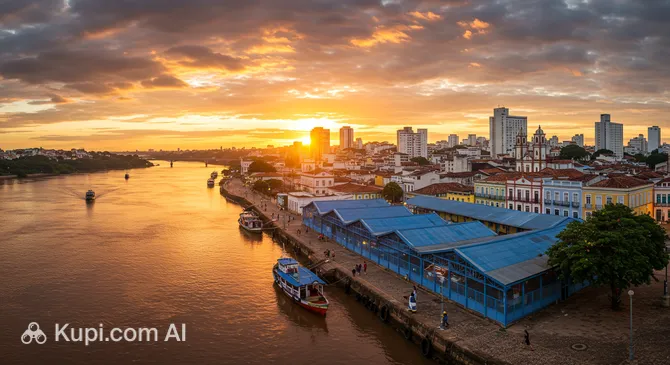
Belém. Source: Kupi.Binoculars

With a population of approximately 1.5 million people, Belém is a bustling center of activity that maintains a distinct rhythm of life. The city is famous for its equatorial climate, which is typically hot and humid, often punctuated by refreshing afternoon showers that locals famously use to tell time. Exploring the history of Belém reveals a rich tapestry of the past, evident in the well-preserved colonial architecture of the Cidade Velha district and the majestic forts that once guarded the river entrance.

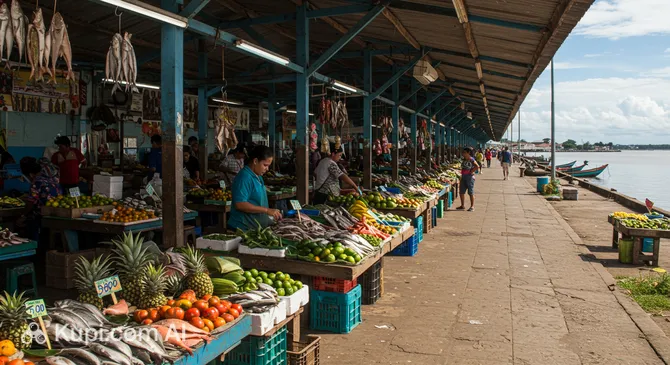
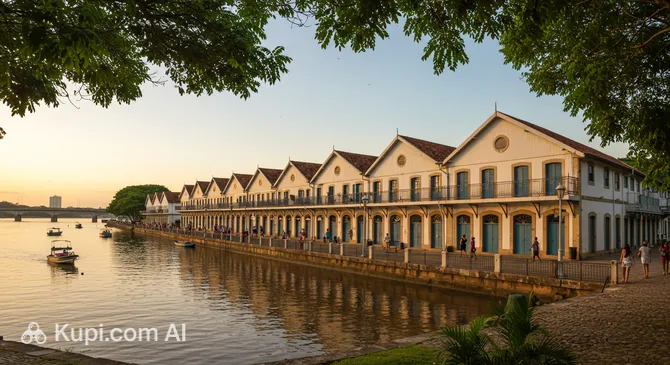
Travelers are drawn to the city's remarkable attractions, particularly the iconic Ver-o-Peso Market. This historic open-air market is a sensory explosion of colors and scents, offering everything from exotic Amazonian fruits and medicinal herbs to fresh fish caught in the nearby rivers. Another highlight is the Estação das Docas, a revitalized complex of old warehouses on the waterfront that has been transformed into a modern promenade filled with restaurants, bars, and cultural spaces, perfect for watching the sunset over the bay.

Whether you are a food enthusiast eager to try authentic dishes like tacacá and fresh açaí, or an adventurer looking to start a journey into the rainforest, Belém is a destination that promises unforgettable experiences. We invite you to immerse yourself in the warmth and charm of this extraordinary Amazonian city.

Weather Overview

Belém experiences a tropical climate characterized by consistent warmth and distinct rainfall patterns throughout the year. Temperatures remain fairly stable, with average daily highs usually ranging between 28°C and 32°C, while nighttime lows hover comfortably around 24°C to 25°C. October is typically the warmest month, with average temperatures reaching up to 28.9°C, whereas March is slightly cooler.

Precipitation plays a major role in the local rhythm, dividing the year into wet and drier periods. The months from January to May are characterized by frequent rainfall, with wet days occurring almost daily—often reaching 30 or 31 days per month. In contrast, the season from August to November is significantly drier, with September seeing as few as 7 wet days. Travelers should expect warm conditions year-round, but those planning outdoor activities might prefer the drier months. For specific forecasts and monthly details, checking the weather in Belém is recommended before your trip.

Interesting Facts

Beyond the main attractions, Belém holds many fascinating secrets that reveal the true soul of the Amazon. From architectural curiosities to unique natural phenomena, the city offers plenty of surprises for the observant traveler.
Mangal das Garças. Source: Kupi.Binoculars
  • Imported Iron: The famous Ver-o-Peso Market is not just a hub for Amazonian products; its distinctive iron structure was actually prefabricated in England and shipped to Brazil during the wealthy rubber boom era.

  • Mango Tree Hazards: Belém is widely known as the "City of Mango Trees," but the abundance of these massive trees brings a unique quirk. Locals often have to be careful where they park during harvest season, as falling fruit is heavy enough to dent cars.

  • A Spiritual Giant: The city hosts the Círio de Nazaré, one of the largest Catholic processions in the world. This massive event centers around the Basilica Sanctuary of Our Lady of Nazareth and attracts millions of pilgrims each October, rivaling major European festivals in scale.

  • Biodiversity in the Center: You can experience the Amazon's flora and fauna without leaving the city limits. The Mangal das Garças is an ecological park located right on the riverbank where herons, scarlet ibises, and iguanas roam freely among the visitors.

How to Get There

Reaching the gateway to the Amazon is relatively straightforward, with air travel being the most efficient option for the majority of visitors. While the region is vast, the city is well-connected to the rest of the country. For a detailed overview of all transportation methods, including river and road options, you can read more about how to get to Belém to plan your journey effectively.

The primary point of entry is Val de Cans International Airport (BEL), which is conveniently located within the city limits, just 9 km from the center. As a major hub for northern Brazil, it handles a significant volume of passengers annually, linking the state of Pará with major national capitals and select international locations. The journey from the terminal to the downtown area is short; a taxi or ride-share trip typically takes around 35 minutes, making it a quick transfer for arriving travelers.

For clarity, here is a summary of the main airports:

Airport Name City Passenger Traffic Km from City
Val de Cans International Airport Belém High 9.0

Main Attractions

Exploring Belém offers a fascinating journey through the history and biodiversity of the Amazon. The city is home to a wealth of cultural and natural sites that allow visitors to connect with the region's unique heritage. Below are some of the most compelling places to include in your itinerary.

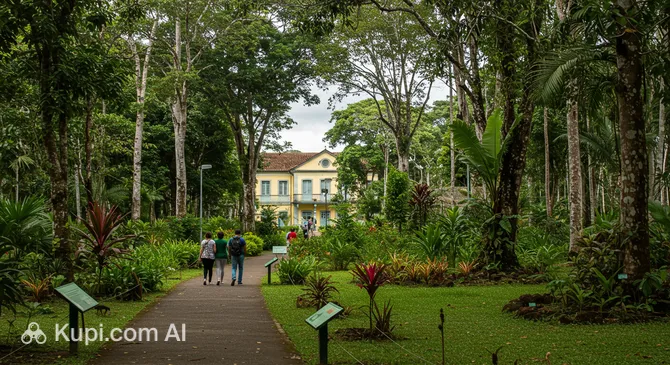
One of the most important institutions for understanding the Amazon is the Emílio Goeldi Museum Zoobotanical Park. Founded in the 19th century, this internationally recognized research center doubles as a lush public park right in the middle of the city. Walking through its shaded paths, you can encounter iconic Amazonian fauna, such as jaguars, manatees, and vibrant macaws, as well as an impressive array of native flora, including the famous giant water lilies. It serves as a living classroom for those eager to learn about the rainforest's ecosystem.

Emílio Goeldi Museum Zoobotanical Park. Source: Kupi.Binoculars

For a deep dive into the city's origins, a visit to the Presépio Fort is essential. Built in 1616, this fortification marks the founding spot of Belém and stands guard over Guajará Bay. The historic cannons and ancient walls offer a glimpse into the colonial past, while the elevated position provides excellent panoramic views of the river and the bustling Ver-o-Peso market nearby. Inside, the Encontro Museum displays archaeological finds that tell the story of the indigenous tapajonic cultures and the arrival of the Portuguese.

Presépio Fort. Source: Kupi.Binoculars

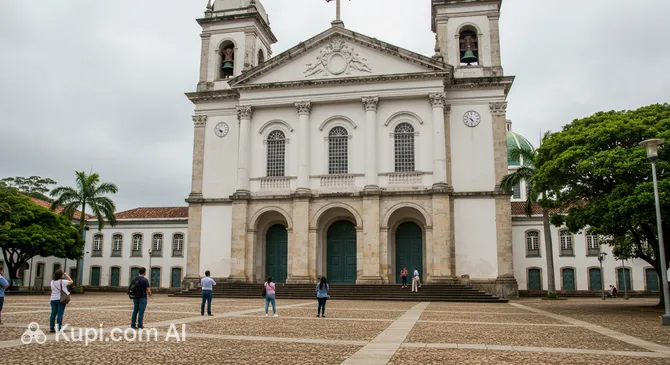
Another architectural jewel is the Basilica Sanctuary of Our Lady of Nazareth. This imposing neoclassical church was built in 1909 and was inspired by St. Paul's Basilica in Rome. It is the center of the massive Círio de Nazaré religious festival, but it is worth visiting any time of year to admire its intricate marble interior, stained glass windows, and ornate wooden ceiling. It stands as a testament to the deep faith and artistic tradition of the region.

Basilica Sanctuary of Our Lady of Nazareth. Source: Kupi.Binoculars

Finally, do not miss the São José Liberto Cultural Center and Gem Museum. Housed in a restored 18th-century building that once served as a prison, this cultural complex is now a showcase for the state's mineral wealth and craftsmanship. Visitors can admire dazzling displays of amethysts, diamonds, and gold, as well as purchase high-quality local jewelry. The center also features a dedicated space for Marajoara ceramics, celebrating the sophisticated pottery traditions of the ancient peoples of Marajó Island.

São José Liberto Cultural Center and Gem Museum. Source: Kupi.Binoculars

Local Cuisine

Belém is widely regarded as the culinary capital of the Amazon, offering a gastronomic experience that is unlike anywhere else in the world. The local cuisine is a flavorful fusion of indigenous traditions and Portuguese influences, distinguished by its use of unique ingredients sourced directly from the rainforest and rivers. At the heart of many dishes are tucupi, a yellow broth extracted from wild manioc root, and jambu, a leafy herb known for its tingling, numbing sensation on the palate.

One of the most celebrated dishes you must try is Pato no Tucupi. This iconic meal features roast duck stewed in the aromatic tucupi broth and served with jambu leaves and manioc flour. Another local favorite is Maniçoba, often called the "Amazonian Feijoada." It is a hearty stew made from ground manioc leaves that are cooked for seven days to remove their toxicity, then simmered with smoked pork and beef. It is a labor of love and a staple at festive gatherings.

Ver-o-Peso Market. Source: Kupi.Binoculars

For a true taste of the city's street food culture, look for the "tacacazeiras"—women who sell Tacacá from steaming gourds on street corners in the late afternoon. This warm soup is a comforting mix of tucupi, gum (a starch from manioc), dried shrimp, and plenty of jambu. It is a spicy, savory, and numbing delight that perfectly captures the spirit of the region. Distinct from the sweet versions found elsewhere, the açaí in Belém is traditionally eaten as a savory side dish, often accompanied by fried fish and tapioca flour, serving as a daily staple for many locals.

The beverage scene is equally vibrant, featuring exotic fruit juices like cupuaçu, bacuri, and taperebá. For something stronger, visitors often enjoy cachaça infused with jambu, which adds a surprising electric sensation to the drink. Nightlife enthusiasts can sample these local spirits at venues like the Roxy Bar, which offers a lively atmosphere to unwind after a day of exploring.

Estação das Docas. Source: Kupi.Binoculars

Dining in Belém ranges from the rustic to the refined. The historic Ver-o-Peso Market is the best place to see the raw ingredients and enjoy a casual, authentic lunch at the numerous food stalls. For a more upscale experience with a view of the bay, the Estação das Docas offers a variety of excellent restaurants. If you are looking for a place that specifically highlights regional flavors in a welcoming setting, Amazônia na Cuia is a fantastic choice to dive deeper into the rich culinary heritage of Pará.

Travel Tips

To ensure a smooth and enjoyable journey to the gateway of the Amazon, a little preparation goes a long way. Below are some essential practical tips to help you navigate the local climate, culture, and logistics of visiting this vibrant city.

  1. Clothing and Gear: Due to the hot and humid equatorial climate, lightweight and breathable fabrics like cotton or linen are your best friends. Since sudden tropical downpours are a daily occurrence, always carry a compact umbrella or a light rain poncho. Comfortable, non-slip walking shoes are also a must for navigating the historic cobblestone streets.
  2. Transportation: The most convenient and safe method for tourists to get around is by using ride-hailing apps like Uber or 99, which are widely available and affordable. Public buses can be crowded and confusing to navigate without local knowledge, and renting a car is generally unnecessary if you plan to stay within the city limits.
  3. Finances: The official currency is the Real (BRL). While credit and debit cards are accepted in most restaurants, malls, and hotels, you will need cash for small vendors, street food, and specifically for shopping at the Ver-o-Peso Market. ATMs are available, but it is safer to use those located inside banks or shopping centers.
  4. Health and Safety: Pharmacies are common, with many major chains open late or 24/7. To protect your health, drink only bottled water and apply insect repellent regularly. regarding safety, stick to popular tourist areas like Estação das Docas, avoid wearing flashy jewelry, and be cautious with your smartphone in busy public spaces.
  5. Communication: Portuguese is the primary language, and English is not widely spoken outside of major hotels. It is highly recommended to download an offline translation app and purchase a local SIM card (Claro, Vivo, or TIM) to have reliable internet access for maps and communication.
  6. Local Etiquette: People in Brazil are known for their warmth and hospitality. Greetings often involve a handshake or a friendly nod, and locals are generally helpful to tourists. In restaurants, a standard 10% service charge is usually included in the bill, so additional tipping is optional but appreciated.
  7. What to Avoid: Never drink tap water, as it is not suitable for consumption. Also, avoid walking alone in deserted streets or parks after sunset; even for short distances at night, it is safer to order a car via an app.
  8. Local Insight: Plan your day around the legendary "afternoon rain." It rains almost every day in Belém, typically between 2:00 PM and 4:00 PM. Locals often schedule appointments "before or after the rain," so use this time to enjoy a long lunch or visit a museum while you wait for the shower to pass.

Armed with these practical tips, you are well-equipped to explore the rich culture and natural beauty of Belém with confidence. Embrace the local rhythm, enjoy the unique cuisine, and have a safe and unforgettable adventure.

Entertainment & Nightlife

As the sun sets over Guajará Bay, Belém transforms into a lively hub of entertainment, fueled by the rhythmic beats of carimbó and tecnobrega. The city's nightlife is a vibrant reflection of its culture—warm, welcoming, and full of energy. Whether you prefer a sophisticated evening by the river or a pulsating night on the dance floor, the capital of Pará offers a diverse array of options to suit every mood.

For a relaxed start to the evening, the renovated waterfront complex of Estação das Docas is the undisputed favorite among tourists and locals alike. This secure and scenic promenade is lined with upscale bars and restaurants where you can enjoy craft beers and live music in a breezy, open-air setting. It is the perfect spot for those who appreciate a more polished atmosphere with stunning views of the river.

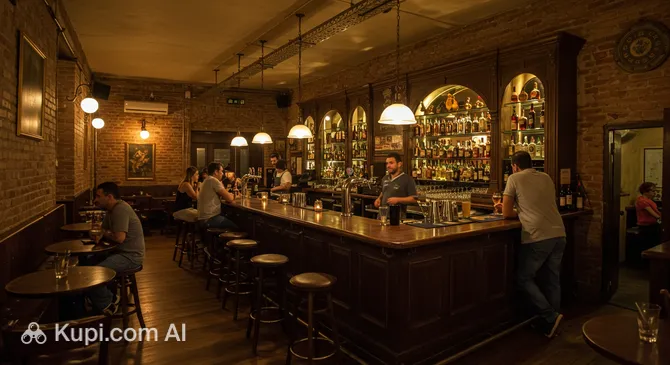
If you are looking for the heart of the city's party scene, head to the Umarizal district. This upscale neighborhood is densely packed with trendy pubs, lounges, and nightclubs. A popular choice here is the Roxy Bar, known for its eclectic decor, lively crowd, and extensive menu of drinks and snacks. It is a great place to mingle with the local youth and enjoy a fun, casual vibe before the night truly heats up.

Roxy Bar. Source: Kupi.Binoculars

For those who want to dance until dawn, the city offers several energetic venues. Cosmos Club is a notable destination for electronic music enthusiasts and those looking for a modern clubbing experience. The dress code in these venues is generally "smart casual"—avoid flip-flops and beachwear if you plan to enter the more exclusive clubs. Nightlife in Belém typically starts late; bars get busy around 10:00 PM, while clubs often don't hit their peak until well after midnight.

Cosmos Club. Source: Kupi.Binoculars

Another interesting spot for a more laid-back, bohemian evening is the GM Bar. Venues like this often attract a diverse crowd looking for good conversation and cold beer without the intensity of a nightclub. Prices in Belém are generally reasonable compared to southern Brazil, with cover charges for clubs ranging from moderate to high depending on the event.

Safety and Transportation: While the main nightlife districts like Umarizal and Estação das Docas are generally safe, it is crucial to remain vigilant. Avoid walking between venues at night, even for short distances. The safest way to get around is by using ride-sharing apps like Uber or 99, which are reliable and trackable. If you need a taxi, ask your hotel or the venue to call a radio taxi for you.

During the day, entertainment in Belém takes a more relaxed pace. Apart from the museums and parks, visitors often retreat to modern shopping centers to escape the afternoon heat. Boulevard Shopping Belém is a prime destination for this, offering a large cinema complex, a variety of international stores, and a comfortable food court, making it a perfect family-friendly option for entertainment.

Parks & Museums

Belém is a city where history and nature are inextricably linked, offering a rich array of green spaces and cultural institutions that reflect its Amazonian heritage and colonial past. Beyond the well-known Goeldi Museum and the bustling markets, the city invites visitors to explore its serene parks and museums, which house treasures ranging from sacred art to the opulent architecture of the rubber boom era.

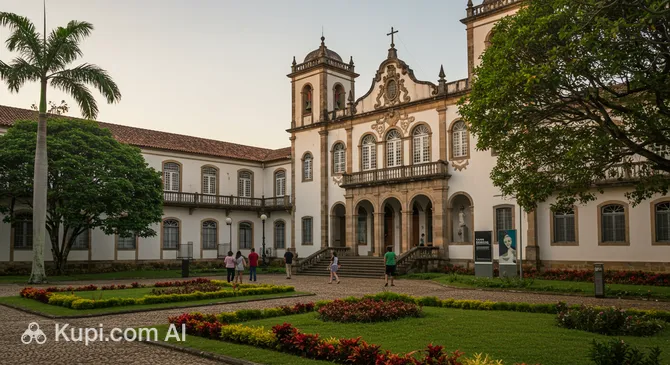
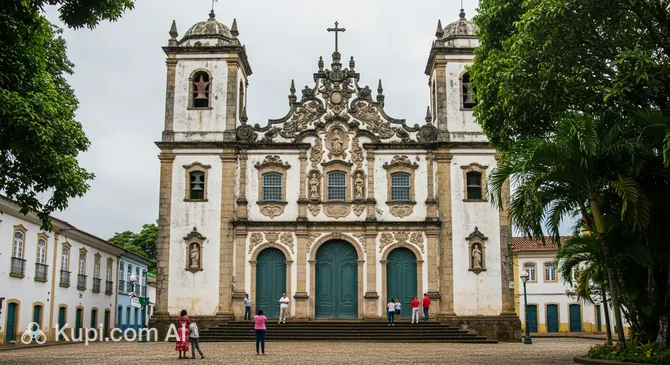
For art and history enthusiasts, the St. Alexander Church – Museum of Sacred Art is an essential stop. Located in the Cidade Velha district, this complex is a masterpiece of Baroque architecture. The museum displays a magnificent collection of religious imagery, silverware, and furniture from the 17th to the 20th centuries, showcasing the Jesuits' influence in the region. The church itself, with its intricate wood carvings, is a work of art.

St. Alexander Church – Museum of Sacred Art. Source: Kupi.Binoculars

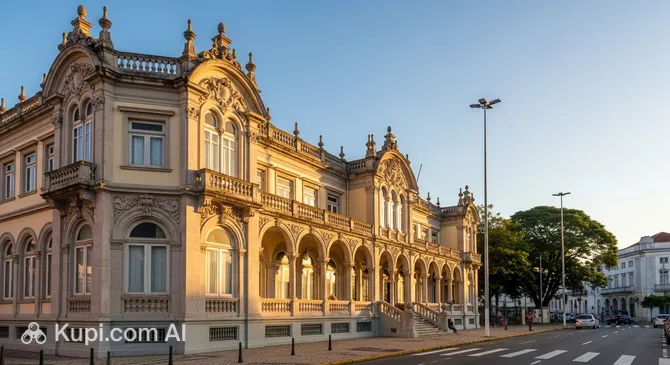
A glimpse into the lavish lifestyle of the early 20th century can be found at the Bolonha Palace. Known for its eclectic architectural style, this building was constructed during the height of the rubber boom and stands as a symbol of the period's wealth. It often operates in conjunction with the Pará State Museum, which is housed in the grandiose Palácio Lauro Sodré. Together, they offer a narrative of the state's political and social history through preserved interiors and rotating exhibitions.

Bolonha Palace. Source: Kupi.Binoculars

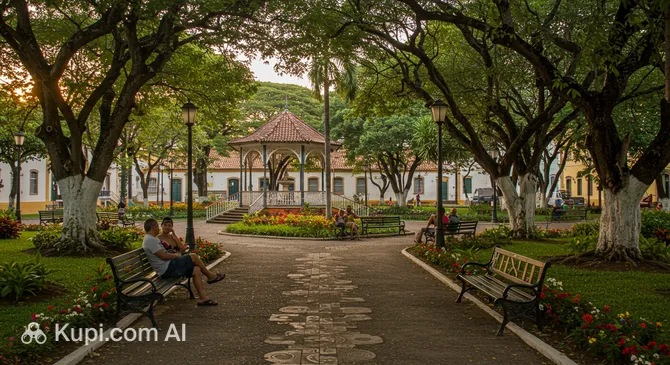
Nature lovers who enjoyed the snippets of biodiversity at Mangal das Garças will find further tranquility at the Residency Park. Formerly the official residence of the state governors, this paved urban park preserves a lovely orchid house and a historic train car from the Belém-Bragança railway. It is a peaceful retreat in the middle of the city, perfect for a leisurely stroll among ancient trees and manicured gardens.

Residency Park. Source: Kupi.Binoculars

To experience the city's relationship with the river, head to the Portal of the Amazon. This expansive waterfront promenade is a favorite gathering spot for locals, especially at sunset. It offers wide paths for walking and cycling, with the Guajará Bay providing a stunning backdrop. Nearby, the Ver-o-Rio complex provides another leisure area with a small lake, food stalls, and cultural stages, making it an excellent place to unwind and enjoy the evening breeze.

Getting Around

Navigating Belém requires a bit of adventurous spirit, as the public transport system is a mix of urban roadways and river routes. The primary mode of transportation for locals is the bus network, which covers the entire city. Belém does not have a subway system; instead, it utilizes a BRT (Bus Rapid Transit) system. These modern, articulated buses run on dedicated lanes, offering a faster and cooler alternative to the standard city buses, which can often be crowded and lack air conditioning. For destinations across the Guajará Bay or to nearby islands like Combu and Cotijuba, river transport is essential, with boats and ferries serving as a "water metro" for the region.

When it comes to payment, cash is still widely used and accepted, especially on regular municipal buses. You typically pay the fare directly to a conductor seated near the turnstile upon entering. The current fare is affordable, generally hovering around a few Reais. For the BRT system, you usually need to purchase a card or a single-use ticket at the station vending machines or ticket counters before boarding. While there is a local electronic card system known as Passe Fácil, it is primarily designed for residents; for short-term visitors, paying with cash (small bills and coins) on regular buses or buying tickets at BRT stations is much more practical.

For tourists, using the bus system can be a bit complex due to the lack of clear signage and schedules at stops. Buses typically operate from approximately 5:00 AM to midnight. If you choose to take a regular bus, remember to wave your hand to signal the driver to stop, as they do not stop automatically. It is highly advisable to carry small change, as conductors often struggle to break large banknotes. Avoid using public transport during peak rush hours (early morning and late afternoon) when vehicles are extremely crowded.

Given the heat and the complexity of bus routes, many visitors find ride-sharing apps to be the most convenient alternative. Services like Uber and 99 are very popular, reliable, and relatively inexpensive in Belém. They offer the comfort of air conditioning and the safety of tracked journeys, eliminating the language barrier associated with explaining destinations to bus drivers. Traditional taxis are also available and can be hailed on the street or found at designated stands, though they are generally more expensive than app-based rides.

A unique feature of Belém’s transport network is its river terminals. The Terminal Hidroviário de Belém is a modern facility that functions much like an airport for boats, connecting the city to the Amazonian interior and islands. Even if you are not planning a long journey, taking a small "popopô" boat from a local port to a river island for lunch is a quintessential Belém experience that combines transportation with sightseeing.

Accommodation

Finding the perfect place to stay in Belém is an essential part of planning your Amazonian adventure. The city offers a diverse range of accommodation options that cater to various tastes and budgets. Whether you are a backpacker looking for a social hostel, a family seeking a comfortable mid-range hotel, or a traveler desiring a touch of luxury in a resort-style setting, the capital of Pará has something to offer. The hospitality sector here often blends modern amenities with the region's unique colonial charm.

For most tourists, the neighborhoods of Nazaré, Batista Campos, and Umarizal are the most convenient areas to base yourself. These districts are known for their beautiful, mango-tree-lined streets and offer easy access to major attractions, shopping centers, and the best dining spots. Staying in Nazaré places you close to the Basilica and the Círio festivities, while Umarizal is ideal for those who want to be near the city's vibrant nightlife and high-end restaurants. The historic center (Cidade Velha) is picturesque during the day but can be less active and secure at night, so many visitors prefer the more residential upscale neighborhoods.

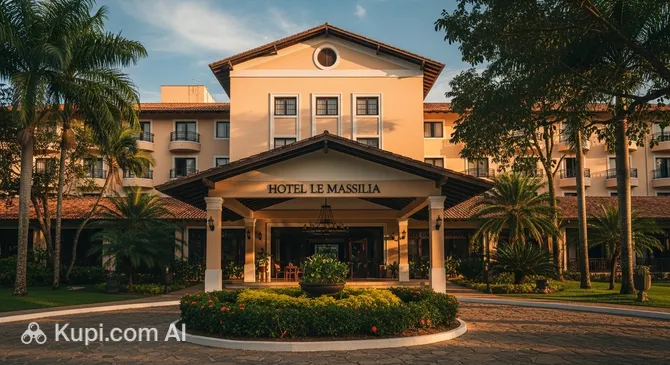
Travelers looking for a relaxing environment within the city might appreciate Hotel Le Massilia. This establishment is a fine example of the local hospitality, offering a resort-like atmosphere that provides a peaceful escape from the bustling city streets. It is well-regarded for its comfort and service, making it a solid choice for those seeking a higher standard of accommodation.

Hotel Le Massilia. Source: Kupi.Binoculars

Booking Tips: While accommodation is generally available year-round, there is one major exception: October. During the Círio de Nazaré festival, the city receives millions of pilgrims and tourists. If you plan to visit during this period, it is critical to book your room several months—sometimes even a year—in advance, as hotels sell out quickly and prices spike significantly.

In general, accommodation prices in Belém are quite reasonable compared to southern Brazilian cities like Rio de Janeiro or São Paulo. Budget travelers can find very affordable hostels and guesthouses, while mid-range options offer excellent value for money. Most reputable hotels and rentals can be booked easily through major online platforms, which is recommended to secure the best rates and read recent guest reviews.

Nearby Cities

For those looking to explore the surroundings, Belém serves as an excellent base for day trips to several interesting nearby locations.

One of the most popular escapes is Barcarena, situated just a short distance across the water. It is a favorite weekend destination for locals and tourists alike, primarily due to its inviting river beaches such as Praia do Caripi. Here, visitors can relax in the warm river waters and enjoy fresh fish at the numerous beachfront kiosks.

For a dose of local culture and craftsmanship, Abaetetuba is a fascinating stop. Known as the world capital of Miriti toys, this city is famous for its artisans who create colorful, lightweight sculptures from palm fiber, a tradition deeply connected to the region's festivals. Alternatively, Castanhal offers a different vibe; known as the "Model City," it is celebrated for its organized urban planning and serves as a bustling agricultural hub with lively fairs.

City Population Distance (km)
Ananindeua 540,410 17
Castanhal 192,571 67
Abaetetuba 151,934 51
Marituba 133,685 21
Barcarena 118,537 15

These nearby destinations offer a glimpse into the diverse culture and landscapes of the region, providing enriching experiences just a short journey from the capital.

Shopping & Souvenirs

Shopping in Belém offers a delightful mix of traditional Amazonian culture and modern convenience. Whether you are searching for authentic indigenous crafts, exotic scents, or the latest fashion trends, the city provides a variety of venues to suit every shopper's needs. From bustling open-air markets to air-conditioned malls, exploring the retail scene is a great way to take a piece of Pará home with you.

No shopping trip in the city is complete without visiting the iconic Ver-o-Peso Market. While famous for its fresh produce, the market is also the best place to find unique regional souvenirs. Stalls are piled high with Marajoara ceramics, straw baskets, and the famous "garrafadas"—bottles of herbal mixtures and scented oils believed to bring good luck or cure ailments. It is a chaotic but rewarding experience where you can haggle for genuine local goods.

For high-quality handicrafts and jewelry, the São José Liberto Cultural Center and Gem Museum is the premier destination. Located in a beautifully restored former prison, this space, also known as the Polo Joalheiro, showcases exquisite bio-jewelry. These pieces artfully blend Amazonian seeds, fibers, and wood with gold and precious stones, resulting in sophisticated accessories that are distinct to the region.

Travelers looking for a more conventional shopping experience will find excellent options in the city's modern malls. Boulevard Shopping Belém is considered one of the most upscale centers, featuring a wide range of national and international brands, a cinema, and a diverse food court. Another popular choice is Pátio Belém, which is conveniently located near the city center and offers a comprehensive selection of stores and services.

Boulevard Shopping Belém. Source: Kupi.Binoculars

If you prefer a boutique atmosphere, the Estação das Docas offers a refined setting along the waterfront. Inside the climate-controlled warehouses, you can browse small shops selling regional fashion, art, and premium Amazonian chocolates. It is an ideal spot to find tasteful gifts while enjoying the view of the bay.

Reached the end of the page?

That means the route is fully explored