Support

Salinópolis

About

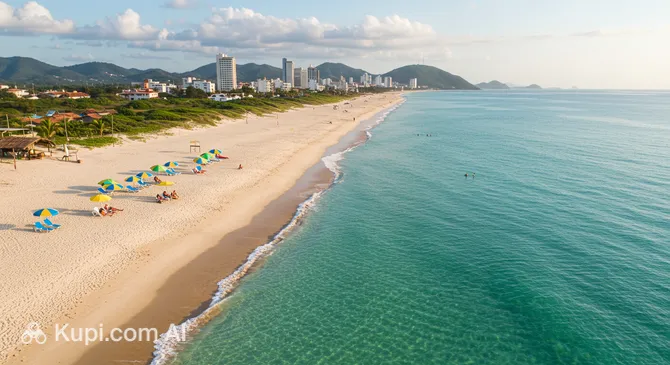
Salinópolis, widely known by locals and visitors simply as Salinas, is a vibrant coastal resort town located in the state of Pará. Situated in the northern region of Brazil, this destination is a favorite getaway for those seeking sun, sand, and a lively atmosphere. With a population of approximately 37,000 residents, the city offers a welcoming blend of small-town charm and bustling tourism infrastructure, particularly during the summer holidays.

Salinópolis. Source: Kupi.Binoculars

The city sits along the Atlantic Ocean and is characterized by its expansive coastline and tropical climate. While it is primarily known today as a leisure hub, the history of Salinópolis traces its roots back to a modest fishing settlement that has evolved into one of the most important tourist destinations in the Amazon region.

One of the most unique features of Salinópolis is the famous Atalaia Beach, where the hard-packed sand allows visitors to drive their cars right up to the water's edge—a rare experience that defines the local beach culture. Beyond the waves, the area is also celebrated for its therapeutic mineral springs and towering white sand dunes, which offer opportunities for both relaxation and adventure.

Whether you are looking to indulge in fresh local seafood, enjoy the warm waters of the Atlantic, or explore the stunning natural landscapes, Salinópolis invites you to experience the beauty of the Brazilian coast. It is the perfect destination for travelers looking to unwind and soak up the vibrant energy of Pará.

Weather Overview

Salinópolis experiences a tropical climate characterized by consistent warmth throughout the year, making it a popular destination for sun-seekers. The temperatures are remarkably stable, with average daily highs hovering between 27°C and 30°C, while nighttime lows rarely drop below 24°C. This steady heat ensures that the ocean water remains pleasant for swimming regardless of the season.

When planning a trip, it is important to consider the distinct rainfall patterns that define the weather in Salinópolis. The first half of the year, particularly from January through May, is the wettest period, with rain occurring on nearly every day of the month. In contrast, the second half of the year brings drier conditions; months like September and October are significantly less rainy, with October seeing as few as six wet days, offering the best conditions for uninterrupted beach days.

Interesting Facts

Beyond the popular coastal stretches, Salinópolis holds several fascinating secrets and unique local features that surprise many visitors. From unusual natural phenomena to cautionary tales about the tides, there is more to this destination than meets the eye.

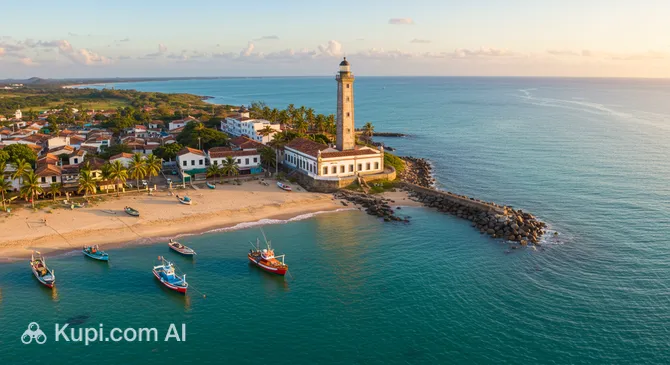
Salinópolis Lighthouse. Source: Kupi.Binoculars
  • One of the city's most curious natural attractions is the "Coca-Cola Lake" (Lago da Coca-Cola), located amidst the sand dunes. Its water has a dark, reddish-brown hue resembling the famous soda, which is caused by the chemical reaction of iodine and the roots of native vegetation in the soil; despite its appearance, the water is fresh, clean, and popular for bathing.

  • While driving on the sand is a local tradition, Atalaia Beach is famous for claiming the vehicles of careless drivers. The tide here rises with surprising speed and force, leading to numerous incidents where cars parked too close to the water are submerged, serving as a strict reminder to always check the tide tables.

  • The Salinópolis Lighthouse is not just a navigational aid but a historic symbol of the region's engineering. Originally imported from France in the 19th century to guide vessels through the treacherous banks of the Amazon estuary, it has weathered decades of coastal changes and remains a steadfast guardian of the shore.

  • The city's name, often shortened to Salinas, literally translates to "City of Salt." This moniker is rooted in its history as a site for salt extraction from natural salt pans long before it became a bustling tourist hub, highlighting an industrial past that predates its reputation as a leisure paradise.

How to Get There

Reaching this coastal destination usually involves a combination of air and ground travel, as the town is tucked away on the Atlantic coast of Pará. While there are no direct commercial flights landing right in the resort town, the journey is straightforward thanks to the infrastructure of the nearby state capital. You can read more about how to get to Salinópolis and the various transport options available on our detailed page.

The city of Salinópolis does not have its own commercial airport, so the primary gateway for visitors is Val de Cans International Airport (IATA: BEL), located in the city of Belém. Situated approximately 151 km from Salinópolis, this is a major transport hub serving the region. After landing, travelers typically continue their journey by road; the drive via taxi, rental car, or intercity bus takes about 4 hours, depending on traffic conditions leaving the capital. As a key airport in northern Brazil, it handles a large volume of passenger traffic and offers a wide range of services.

For clarity, here is a summary of the main airports:

Airport Name City Passenger Traffic Km from City
Val de Cans International Airport Belém Large 150.9

Main Attractions

Salinópolis is a destination defined by its relationship with the sea, offering visitors a mix of bustling beach culture, scenic promenades, and historical landmarks. While the city is famous for its sun-soaked coastline, it also boasts well-maintained public spaces that come alive, especially during the late afternoon and evening.

The crown jewel of the region is undoubtedly Atalaia Beach. This expansive stretch of coastline is unique because its hard-packed sand allows tourists to drive their cars right onto the beach, creating a lively and convenient tailgate atmosphere by the water. Stretching for kilometers, it is lined with vibrant huts and kiosks serving fresh seafood and cold drinks, making it the epicenter of social life in the city. The beach is also backed by stunning dunes and offers warm, shallow waters perfect for swimming.

Atalaia Beach. Source: Kupi.Binoculars

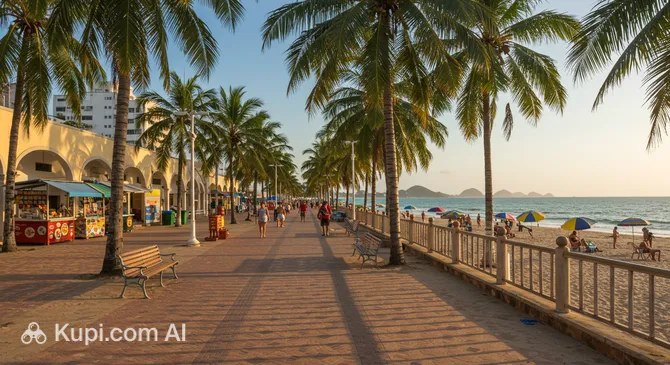
For those who prefer a more structured seaside experience, the Orla Beira Mar is a must-visit location. This beautifully developed waterfront promenade wraps around the coast, offering a paved walkway that is ideal for jogging, cycling, or a leisurely sunset stroll. It is a popular gathering spot for families and friends, featuring sculptures, playgrounds, and easy access to nearby restaurants and bars, allowing visitors to enjoy the ocean breeze in comfort.

Orla Beira Mar. Source: Kupi.Binoculars

Standing guard over the coastline is the historic Salinópolis Lighthouse. Located on a strategic elevation, this imposing structure serves as both a navigational aid and a symbol of the city's maritime heritage. Visitors often head to the area surrounding the lighthouse to take in panoramic views of the Atlantic Ocean and the town below, making it a perfect spot for photography and appreciating the sheer scale of the surrounding landscape.

Local Cuisine

The culinary scene in Salinópolis is a delightful journey through the unique flavors of the Amazon combined with the abundance of the Atlantic coast. As a seaside resort, the city's gastronomy revolves heavily around fresh seafood. A signature experience here is the "toc-toc" tradition, where groups of friends and families gather to crack open fresh crabs, typically served boiled with a simple vinaigrette and farofa. Another local highlight is the fresh oyster, often harvested from nearby mangroves and served raw with lime or gratinéed, reflecting the region's rich estuarine ecosystem.

Beyond seafood, Salinópolis is an excellent place to sample traditional dishes from the state of Pará. You should not miss the opportunity to try Tacacá, a hot and aromatic soup made with tucupi (a yellow manioc broth), dried shrimp, and jambu, a leafy green known for the tingling sensation it causes on the lips. For a main course, locals often enjoy fried fish accompanied by a bowl of fresh açaí, consumed as a savory staple rather than the sweet smoothie bowl common in other parts of the world.

To quench your thirst in the tropical heat, local fruit drinks are a must. While cold beer is a beachside favorite, the regional cocktails offer a more distinct taste of the Amazon. Bartenders frequently mix caipirinhas using exotic native fruits like cupuaçu, bacuri, and taperebá, providing a tangy and refreshing twist on the classic Brazilian drink. These fruits are also widely available as fresh juices and ice creams.

The food culture in Salinas is divided between casual beach dining and evening restaurants. During the day, the epicenter of gastronomy is Atalaia Beach, where numerous beach shacks (barracas) serve hearty platters of shrimp and fish directly on the sand, allowing you to eat with your feet in the water. As the sun sets, the crowd moves to the Orla Beira Mar. This waterfront promenade is lined with diverse dining options, from street food carts selling regional snacks to sit-down restaurants offering sophisticated seafood dinners.

Travel Tips

Preparing for a trip to Salinópolis ensures you can relax and fully enjoy the unique mix of Amazonian culture and Atlantic coastline. These practical tips will help you navigate the local customs, stay safe, and make the most of your visit to this vibrant destination in Brazil.

  1. Clothing and Gear: Given the tropical heat, pack lightweight, breathable fabrics like cotton or linen. High-SPF sunscreen, sunglasses, and a wide-brimmed hat are non-negotiable essentials to protect against the strong equatorial sun. Bring comfortable flip-flops for the beach and a pair of sturdy sandals for walking around town.
  2. Transportation: The most common way to get around for short distances is by moto-taxi, which is affordable and readily available. If you choose to rent a car, it offers the freedom to explore distant dunes, but be aware that driving on the sand requires caution and adherence to local traffic rules.
  3. Finances: The local currency is the Brazilian Real (BRL). While credit and debit cards are widely accepted in restaurants and hotels, it is crucial to carry cash for beach vendors, small snacks, and tips. ATMs are located in the city center, so plan your withdrawals accordingly.
  4. Health and Safety: Pharmacies are easy to find in the main commercial areas, though they may not all stay open 24/7. Always drink bottled or filtered water to avoid stomach issues. In terms of safety, stick to well-lit areas at night and keep an eye on your belongings in crowded beach spots.
  5. Communication: Portuguese is the primary language, and English proficiency among locals is limited. It is very helpful to learn basic phrases or use a translation app on your phone. You can purchase a prepaid SIM card at local pharmacies or newsstands to stay connected via mobile data.
  6. Local Etiquette: Locals are generally warm and informal; a friendly handshake or a thumbs-up is a standard greeting. When on the beach, it is customary to consume food and drinks from the kiosk (barraca) where you are sitting, as this is their main source of income.
  7. What to Avoid: Never park your car close to the water on the beach without checking the tide table first. The tide in Salinópolis rises rapidly and aggressively, and getting your vehicle stuck or submerged is a common but devastating mistake for unprepared tourists.
  8. Additional Tip: Don't miss the chance to try the local toc-toc experience. Order a serving of fresh crabs at a beachside kiosk, which will be served with a small wooden mallet for you to crack the shells yourself—it is a beloved local pastime and a delicious culinary adventure.

With these insights in hand, you are ready to dive into the relaxed lifestyle of Salinópolis. Embrace the local rhythms, respect the power of the tides, and enjoy a worry-free vacation on the beautiful Pará coast.

Entertainment & Nightlife

The nightlife in Salinópolis is vibrant, informal, and deeply connected to its coastal lifestyle. While the city maintains a relaxed rhythm during weekdays, it transforms into a bustling entertainment hub on weekends and holidays, particularly during July and the end-of-year festivities. The evening scene is split between two main poles: the urban sophistication of the waterfront promenade and the high-energy parties directly on the sands of the beach.

For a lively but family-friendly atmosphere, the Orla do Maçarico is the place to be. This revitalized district is the heart of the city's evening social life, lined with bars, restaurants, and kiosks serving cold beer and local snacks. It is located along the Orla Beira Mar, where the fresh ocean breeze complements the sound of live music, ranging from traditional carimbó to Brazilian pop. This area is perfect for a sunset walk that turns into a night out, offering a safe and well-lit environment where tourists and locals mingle.

If you are looking for a more intense party vibe, Atalaia Beach offers a nightlife experience unlike anywhere else. At night, especially during the high season, the beach becomes an open-air club. The phenomenon of "automotive sound" is huge here, where cars equipped with powerful sound systems park on the sand to blast electronic, funk, and country music, creating impromptu dance floors by the ocean. For a more structured clubbing experience on the sand, venues like the Aloha Beach Club host DJs and large parties, while the Bar e Restaurante Copacabana offers a spot to enjoy drinks with a view of the moonlit waves.

The dress code throughout Salinópolis is extremely casual. You will fit in perfectly wearing shorts, t-shirts, and flip-flops, even at the most popular night spots. Prices are generally affordable compared to larger Brazilian capitals, though they can rise during peak tourist seasons. To get around, moto-taxis are the most efficient way to hop between the city center and the beaches at night, as parking can be chaotic.

Regarding safety, the main tourist zones like the Orla and the populated parts of Atalaia are generally safe due to police presence. However, avoid wandering into the dark dunes or deserted stretches of the beach at night. Daytime entertainment also offers variety, with small amusement parks often setting up near the waterfront in July, and the Salinópolis Lighthouse providing a scenic backdrop for late afternoon sightseeing before the night begins.

Parks & Museums

While Salinópolis is primarily celebrated for its sun-drenched coastline, the city offers a different kind of cultural and natural immersion for those willing to look beyond the surf. The "parks" here are wild, open spaces defined by dunes and lagoons, while the local history is etched into architectural landmarks rather than displayed in traditional glass cabinets. Exploring these areas provides a deeper understanding of the region's ecological diversity and its maritime heritage.

Key Parks and Natural Areas

The most famous natural reserve in the area is the intriguing Coca-Cola Lake (Lago da Coca-Cola). Nestled amidst the rolling sand dunes near Atalaia Beach, this freshwater lagoon is a geological curiosity. Its name derives from the dark, caramel-colored water, a result of the natural pigmentation from the roots of the surrounding vegetation and the presence of iodine. Despite its color, the water is clean and refreshing, offering a tranquil alternative to the salty ocean waves. It is a favorite spot for families looking for a calm swim in a unique setting.

Another significant natural area is the expansive Dune Field that frames the coastline. These towering mountains of white sand serve as a natural playground and a scenic vantage point. Visitors can hike to the tops of the dunes to witness spectacular sunsets, where the view stretches across the Atlantic and the vast mangrove forests that protect the coast. It is a raw, unmanicured park that highlights the powerful forces of wind and tide that shape the landscape of Pará.

Historical Landmarks and Cultural Sites

Salinópolis does not boast a large network of indoor museums; instead, its history stands tall in the open air. The most prominent historical structure is the Salinópolis Lighthouse. Built in the 19th century, this iron giant was imported from France to guide ships through the treacherous Amazon estuary. While it is not a museum you can enter in the traditional sense, the grounds around it serve as a historical site where visitors can appreciate the engineering marvel that has withstood the elements for over a century, symbolizing the city's nautical past.

For a glimpse into the spiritual and architectural history of the town, the Igreja Matriz de Nossa Senhora do Socorro is a key landmark. Located in the older part of the city, this church is the center of local religious life and features simple yet charming colonial-influenced architecture. It stands as a testament to the faith of the fishing communities that founded the settlement. The square in front of the church often hosts local cultural events, acting as an open-air gallery of local traditions and community life.

Authentic Experiences

For a truly authentic look at the local culture, venture to the Porto Grande or the fishing village of Cuiarana. These areas function as living museums of the artisanal fishing trade. Here, you can watch fishermen repairing their colorful nets and preparing their boats for the sea, just as they have done for generations. It is a quiet, respectful way to observe the daily rhythms that sustain the local economy away from the tourist crowds.

Getting Around

The public transport system in Salinópolis is relatively simple and reflects the town's size and seasonal nature. Visitors should not expect a complex network of subways, trams, or trains. Instead, the city relies on road-based options, primarily buses and motorcycle taxis, which are sufficient for navigating between the city center, the hotels, and the popular beaches.

Local Buses operate on fixed routes connecting the urban center to the main coastal areas, such as Atalaia Beach and the Maçarico waterfront. These buses are the most economical way to travel, though they can be crowded during weekends and holidays. The fleet varies in age and comfort, and air conditioning is not always guaranteed. Bus stops are not always clearly marked, so it is often necessary to signal the driver to stop.

The payment system for buses is straightforward and cash-based. There are no electronic travel cards or mobile ticketing apps for local transit here. You pay the fare directly to the conductor or driver upon boarding. It is highly recommended to carry small amounts of cash and coins, as breaking large bills can sometimes be difficult. Fares are generally low and fixed regardless of the distance traveled within the municipal limits.

Moto-taxis (motorcycle taxis) are the most popular and efficient alternative for getting around Salinópolis. You will see drivers wearing numbered reflective vests throughout the city. They are faster than buses and can navigate traffic easily, which is particularly useful during the peak summer season. Prices are usually fixed for standard routes (e.g., from the center to the beach), but it is wise to confirm the fare with the driver before hopping on. Most moto-taxi drivers accept cash, and many now accept instant digital payments via Pix, though cash remains the safest bet for tourists.

For those preferring a car, regular taxis are available, typically found at designated stands near the main squares and the bus terminal. Unlike in major metropolitan areas, ride-hailing apps may have limited availability or longer wait times, so relying on them exclusively can be risky. If you plan to visit remote dunes or want the unique experience of driving on the sand at Atalaia Beach, renting a car is a popular choice; however, drivers must be extremely cautious of the tides to avoid getting stuck.

Practical Advice: Public transport operating hours can be somewhat flexible. Buses generally run from early morning until the evening, but frequency drops significantly after sunset. If you are staying out late to enjoy the nightlife, plan to take a taxi or moto-taxi back to your accommodation. Always have the address of your hotel written down or saved on your phone to show drivers, as street names can sometimes be confusing.

Accommodation

Where to Stay:

Accommodation in Salinópolis caters to a wide spectrum of travelers, ranging from budget-friendly guesthouses to sophisticated resorts. As a major summer destination for Northern Brazil, the city is well-equipped to host large influxes of tourists. Visitors can choose between full-service hotels with sprawling pools, charming family-run pousadas, or the increasingly popular option of vacation rentals, which are ideal for large families or groups of friends traveling together.

When choosing where to stay, location is the most important factor. For those whose priority is sun and sea, the area near Atalaia Beach is the prime choice. Staying here puts you within walking distance of the ocean and the daytime beach parties. Alternatively, the neighborhoods near the Orla Beira Mar and the Maçarico waterfront are excellent for travelers who prefer to be close to the city's best restaurants, bars, and evening entertainment. This area offers a more urban feel and is generally quieter during the day.

The price range for accommodation varies significantly depending on the season. During the low season, rates are quite reasonable and accessible for budget travelers. However, Salinópolis is the go-to holiday spot for the state of Pará, particularly during July (school holidays) and the end-of-year festivities. During these peak periods, prices for all types of lodging can double or triple, and availability becomes extremely scarce.

Booking Tip: If you plan to visit in July or December, it is crucial to book your accommodation several months in advance. While major hotels can be booked via standard online platforms, many smaller pousadas and vacation homes operate through direct contact or local real estate listings. Checking reviews is recommended, as standards can vary, and ensuring your room has air conditioning is essential for a comfortable stay in the tropical heat.

Nearby Cities

For those looking to explore the surroundings, Salinópolis serves as an excellent base for day trips to several interesting nearby locations:

One of the most culturally rich destinations within reach is Vigia. Often referred to as Vigia de Nazaré, this historic town is one of the oldest in the state and offers a deep dive into the region's colonial past and fishing traditions. It is famous for its lively festivals, particularly its carnival and the Círio de Vigia, as well as its charming old streets that contrast with the beach atmosphere of Salinas. It is an ideal spot for visitors interested in history and local folklore.

Another prominent option is Castanhal, known as the "Model City" of Pará. As a major regional hub, it offers a different experience with its organized urban planning, bustling commercial centers, and vibrant public squares. While less of a nature retreat, it provides excellent infrastructure and services, making it a convenient stop for those wanting to experience the daily pulse of a thriving Amazonian city.

For travelers seeking a quieter connection with nature, the municipality of Augusto Corrêa is located relatively close by. It is characterized by its authentic rural atmosphere and access to mangrove ecosystems and river landscapes, offering a glimpse into the traditional riverside life of Northern Brazil.

City Population Distance (km)
Castanhal 192,571 98
Santa Isabel do Pará 59,466 117
Sao Miguel do Guama 51,567 111
Vigia 47,889 92
Augusto Correa 40,497 90

These nearby destinations offer a glimpse into the diverse culture and landscapes of the region, ranging from historic settlements to bustling urban centers.

Shopping & Souvenirs

Shopping in Salinópolis is a relaxed and informal experience that mirrors the city's laid-back coastal atmosphere. Unlike major metropolitan centers filled with high-end luxury boutiques, the retail scene here is geared primarily towards the needs of vacationers. Visitors will find an abundance of stores dedicated to beachwear, summer accessories, and regional handicrafts, alongside supermarkets and convenience stores stocking supplies for those staying in holiday rentals.

The main commercial activity is concentrated in the City Center (Centro) and along the major avenues leading to the beaches. Avenida Dr. Miguel Santa Brígida is the principal artery of the town and serves as a bustling shopping corridor. Here, tourists can stroll past numerous shops selling swimsuits, flip-flops, sunglasses, and casual clothing suitable for the tropical climate. This area is also home to pharmacies, bakeries, and larger grocery stores, making it the go-to spot for stocking up on essentials.

Travelers looking for large-scale retail therapy should be aware that Salinópolis does not feature massive shopping malls or department stores found in bigger Brazilian cities. The retail landscape is characterized by small commercial galleries and street-side shops. These smaller establishments offer a more personalized service and are often family-owned, providing a charming alternative to international chains.

For a taste of local culture and fresh produce, the Mercado Municipal (Municipal Market) is a must-visit. Located in the heart of the town, it is the best place to find fresh fish caught daily in the Atlantic, as well as regional fruits like cupuaçu and bacuri. In the evenings, the area around the Orla Beira Mar often hosts small craft fairs and stalls. These open-air markets are perfect for browsing handmade jewelry, artisanal soaps, and decorative items while enjoying the ocean breeze.

When it comes to souvenirs, the best items to bring back are those that capture the essence of Pará. Regional sweets and jellies made from exotic Amazonian fruits are incredibly popular and make for delicious gifts. Additionally, locally produced beachwear is both high-quality and affordable. You can also find t-shirts and caps emblazoned with "Salinas" or images of the iconic Salinópolis Lighthouse, serving as a classic memento of your trip.

Store opening hours in Salinópolis generally follow a standard schedule, with most shops opening around 8:00 AM or 9:00 AM and closing by 6:00 PM on weekdays. However, supermarkets and shops catering to tourists often stay open later, especially during the high season (July and December) and on weekends. Payment methods are modern, with credit and debit cards widely accepted in most established stores and restaurants. However, it is advisable to carry some cash (Brazilian Reals) when visiting street markets or buying from smaller beach vendors.

Regarding tax refunds, tourists should note that Brazil does not have a widely implemented tax-free shopping system for international visitors comparable to those in Europe or North America. Therefore, tax refunds are generally not available for purchases made in Salinópolis, and the price displayed on the tag is the final price you will pay.
Nearby cities

Reached the end of the page?

That means the route is fully explored