Support

Tucuruí

About

Welcome to Tucuruí, a dynamic city located in the lush state of Pará in the northern region of Brazil. Situated along the banks of the majestic Tocantins River, this municipality is a fascinating blend of colossal engineering and raw natural beauty. With a population of approximately 97,000 residents, it serves as an important regional hub, offering a warm tropical climate and a unique atmosphere that sets it apart from typical tourist destinations.
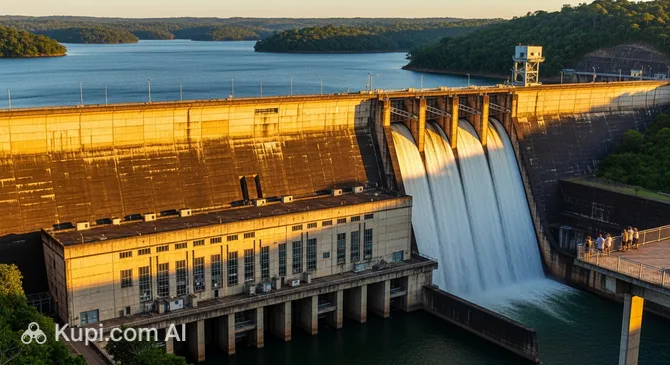
Tucuruí. Source: Kupi.Binoculars

The city is globally recognized for the Tucuruí Dam (*Usina Hidrelétrica de Tucuruí*), one of the largest hydroelectric power plants in the world. This massive structure is not only a feat of modern engineering but also the catalyst for the region's development. To understand how a small riverside settlement grew into this energy powerhouse, exploring the history of Tucuruí provides essential context about its rapid transformation and economic significance.

Beyond the concrete giant, the dam created the vast Tucuruí Lake, an artificial reservoir that has become a paradise for nature lovers and anglers. The lake is famous for sport fishing, particularly for the prized tucunaré (peacock bass), attracting enthusiasts from all over. The scenery of the lake, dotted with islands and submerged trees, offers a surreal and beautiful backdrop for boat tours and photography.

Whether you are drawn by the impressive industrial architecture or the promise of an unforgettable fishing adventure in the Amazon basin, Tucuruí offers a distinct and memorable experience. It is an inviting destination for those looking to discover the diverse facets of the Brazilian North.
Weather Overview

Visitors to this region can expect a tropical climate defined by consistent heat and distinct seasonal rainfall patterns. The temperatures remain warm year-round, with average daily highs typically ranging between 30°C and 34°C. Even during the cooler nights, the thermometer rarely drops below 24°C, ensuring a humid and balmy atmosphere regardless of when you choose to travel.

The year is divided into a wet season and a drier period. From December through April, rain is very frequent, with precipitation recorded on up to 30 days per month. Conversely, the months from July to September are significantly drier and hotter, often seeing only 4 to 5 wet days in total. For precise details on what to pack for your specific travel dates, you can consult the full guide to the weather in Tucuruí. Generally, expect hot, sunny days perfect for river activities during the dry season, while the wet season brings daily showers that keep the landscape lush and green.

Interesting Facts

Beyond the main attractions, Tucuruí holds many fascinating secrets that reveal the depth of its history and the scale of its engineering achievements. From indigenous origins to cinematic appearances, here are some intriguing details about this Amazonian city.

  • The name Tucuruí has indigenous roots in the Tupi language, translating roughly to "River of Grasshoppers" or "Water of the Locusts." This moniker reportedly stems from the swarms of these insects that were historically abundant in the area before the city's modern development.

  • The construction of the massive hydroelectric dam created a unique industry in the region: underwater logging. The reservoir submerged vast tracts of forest, and today, specialized divers and machinery harvest high-value timber that has remained perfectly preserved underwater for decades.

  • The city's monumental infrastructure has a touch of Hollywood fame. The construction site of the dam served as a backdrop for the 1985 film The Emerald Forest, directed by John Boorman, which explores the conflict between indigenous culture and modern industrial expansion.

  • The Tucuruí Locks are an engineering marvel distinct from the power plant itself. Designed to allow navigation on the Tocantins River, this system overcomes a water level difference of approximately 75 meters, making it one of the largest lock complexes in the world.

How to Get There

Reaching this destination usually involves a combination of air and ground travel, as the city is tucked away in the Amazonian region of Pará. For a comprehensive guide on all transport options, you can read more about how to get to Tucuruí on our detailed page. Most visitors choose to fly into a major regional hub and complete the journey by road.

The city of Tucuruí does not have its own major commercial airport, but you can fly into Maraba Airport (IATA: MAB) in the city of Marabá, which is the closest significant option at about 187 km from Tucuruí. From there, the drive by taxi or bus takes approximately 5 hours. Alternatively, many travelers opt for Val de Cans International Airport (IATA: BEL) in the state capital, Belém. Although it is located roughly 296 km away, this major hub offers more frequent connections. The subsequent overland journey from Belém is quite long, typically taking around 7.5 to 8 hours.

For clarity, here is a summary of the main airports:

Airport Name City Passenger Traffic Km from City
Val de Cans International Airport Belém Large 295.5
Maraba Airport Maraba Medium 186.7
Carajas Airport Parauapebas Medium 262.6
Altamira Airport Altamira Small 292.6

Main Attractions

Tucuruí is a destination where colossal engineering meets the raw beauty of the Amazon rainforest. While the city is famous for its industrial might, it also offers surprising leisure opportunities, from river beaches to culinary hotspots. Visitors here can witness the power of human ingenuity and then relax in the cooling waters of the Tocantins River.

The Tucuruí Hydroelectric Dam is undoubtedly the city's most iconic landmark. Standing as one of the largest hydroelectric plants in the world, its sheer scale is breathtaking. A highlight for many tourists is visiting the Tucuruí Locks (Eclusas de Tucuruí). This massive navigation system allows vessels to overcome the significant difference in water levels created by the dam. Watching ships being lifted or lowered in these giant concrete chambers is a unique spectacle that showcases the impressive capabilities of modern engineering.

Created by the dam, the vast Tucuruí Lake has become a central hub for local tourism. The lake is dotted with numerous islands, such as Ilha do Sol, which serve as peaceful getaways. Visitors can take boat tours to explore these secluded spots, enjoy sport fishing, or simply admire the submerged forest landscapes that give the area a surreal atmosphere. It is a perfect setting for those who want to disconnect and immerse themselves in nature.

For a relaxing day by the water, Praia do Piquenique is a favorite gathering spot for both locals and travelers. This artificial beach, formed by the reservoir, offers a refreshing escape from the tropical heat. With its sandy shores and calm waters, it is an ideal location for swimming, sunbathing, and enjoying picnics with family and friends. The area is often lively on weekends, reflecting the vibrant social life of the region.

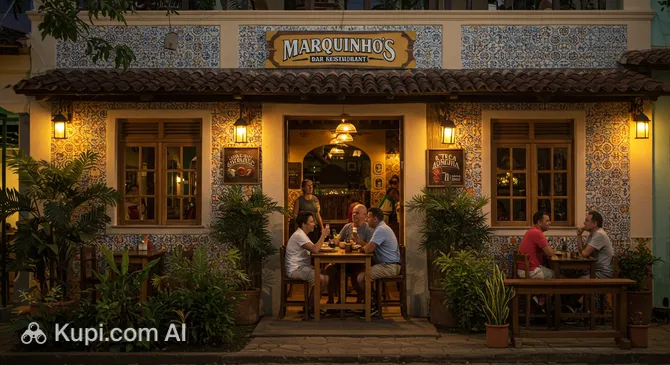
Marquinhos Bar and Restaurant. Source: Kupi.Binoculars

To experience the local flavors and social scene, a visit to Marquinhos Bar and Restaurant is highly recommended. Known for its welcoming atmosphere, this establishment is a popular choice for enjoying regional cuisine and drinks. It provides a great opportunity to mingle with residents and unwind after a day of sightseeing, offering a taste of the city's warm hospitality.

Local Cuisine

The culinary scene in Tucuruí is a vibrant reflection of its location in the heart of the Amazon, heavily influenced by the rich traditions of the state of Pará. The local gastronomy is defined by strong indigenous roots, utilizing unique ingredients like tucupi (a yellow broth extracted from wild manioc) and jambu (a leafy herb known for its tongue-tingling sensation). However, the undisputed star of the city's menu is the fresh fish sourced directly from the Tocantins River and the massive hydroelectric reservoir.

Visitors simply cannot leave without trying the Tucunaré (Peacock Bass), which is not only a prize for anglers but a delicacy on the plate. It is commonly served fried whole to a crisp or stewed in a rich sauce. Another regional staple is Caldeirada Paraense, a hearty fish stew typically prepared with tucupi, jambu, boiled eggs, and potatoes, served alongside pirão (a manioc flour mush). For a truly authentic street food experience, look for Tacacá, a warm soup served in a gourd containing tucupi, gum, dried shrimp, and jambu leaves, usually enjoyed in the late afternoon.

When it comes to beverages, the region offers an incredible variety of exotic fruit juices that are hard to find elsewhere. Drinks made from cupuaçu, bacuri, and taperebá are refreshing and packed with flavor, providing perfect relief from the tropical heat. It is also worth noting that in this part of Brazil, açaí is traditionally consumed as a savory accompaniment to fried fish and manioc flour, rather than just as a sweet smoothie. For those seeking alcoholic options, an ice-cold beer is the standard choice to cool down, though you can also find excellent artisanal cachaças.

Dining in Tucuruí is often a casual and social affair, with many establishments taking advantage of the city's riverside setting. Locals and tourists alike flock to open-air eateries to enjoy the breeze and the view. A popular spot to experience this welcoming atmosphere is Marquinhos Bar and Restaurant, where you can sample generous portions of local snacks and main courses while soaking in the vibrant local culture.

Travel Tips

Planning a trip to Tucuruí requires a bit of specific preparation, especially given its unique location where the Amazon rainforest meets massive industrial infrastructure. These practical tips are designed to help you navigate the local climate, logistics, and culture, ensuring your visit is as smooth as it is memorable.

  1. Clothing and Gear: The climate in Pará is hot and humid year-round, so pack lightweight, breathable fabrics like cotton or linen. A sturdy pair of walking shoes is essential for exploring the dam area, while sandals are fine for the city. Since you are in the Amazon region, do not forget a high-SPF sunscreen, a wide-brimmed hat, and, most importantly, strong insect repellent to protect against mosquitoes, especially near the river and lake.

  2. Transportation: Public transport within the city consists mainly of buses, but they can be infrequent and crowded. For tourists, the most convenient way to get around is by taxi or mototaxi (motorcycle taxi), which is a very common and affordable mode of transport in this part of Brazil. If you plan to explore the surrounding areas or visit the lake independently, renting a car is a good option, though road conditions can vary.

  3. Finances: The official currency is the Brazilian Real (BRL). While credit and debit cards are widely accepted in hotels, supermarkets, and larger restaurants, you will need cash for small vendors, mototaxis, and boat operators at the lake. ATMs are available in the city center, but it is wise to withdraw money during the day for safety and to ensure machines are stocked.

  4. Health and Safety: Tap water is generally not safe for drinking; always stick to bottled or filtered water to avoid stomach issues. Pharmacies are easy to find in the town center, and the Regional Hospital handles emergencies. regarding safety, Tucuruí is smaller and generally calmer than the capital Belém, but you should still avoid walking in poorly lit areas at night and keep valuables discreet.

  5. Communication: Portuguese is the primary language, and English is rarely spoken outside of specific professional settings. It is highly recommended to download an offline translation app and learn a few basic phrases like "Bom dia" (Good morning) and "Obrigado" (Thank you). Buying a local SIM card from a provider like Vivo or Claro is easy at local kiosks and will give you access to maps and translation tools on the go.

  6. Local Etiquette: The people of Pará are known for their warmth and hospitality. Greetings often involve a handshake or a kiss on the cheek for women. It is polite to acknowledge people when entering a shop or elevator. Locals are proud of their regional cuisine and the dam, so showing genuine interest in these topics is a great conversation starter.

  7. What to Avoid: Never swim in the river or lake in unauthorized areas. The currents near the hydroelectric plant can be deceptively strong, and there are submerged obstacles in the reservoir. Always ask locals or hire a guide to find safe swimming spots like Praia do Piquenique.

  8. Local Insight: Life here revolves around the heat. Many shops and smaller businesses may close for a couple of hours around midday for lunch and a rest. Plan your outdoor activities, such as visiting the locks or fishing, for the early morning or late afternoon when the sun is less intense.

By keeping these practicalities in mind, you will be well-equipped to enjoy everything Tucuruí has to offer, from its engineering marvels to its delicious river fish. Embrace the slower pace of the Amazon, stay hydrated, and enjoy the warm welcome of the locals.

Entertainment & Nightlife

Nightlife in Tucuruí is a reflection of its warm, tropical climate and welcoming culture. Rather than high-energy nightclubs or exclusive lounges, the city offers a laid-back evening scene centered around open-air bars, lively squares, and riverside kiosks. The atmosphere is generally casual and friendly, with locals gathering to enjoy cold beer, live music, and conversation in the refreshing night breeze coming off the Tocantins River.

The most vibrant areas after dark are typically found in the Vila Permanente and along the Orla do Rio Tocantins (riverfront). The Vila Permanente, originally built for dam workers, functions as a city within a city and hosts various social clubs and eateries that stay active into the night. Meanwhile, the riverfront area, particularly near Praça do Tucunaré, is perfect for those who want to sip a drink while watching the moon reflect over the water. It is common to find venues here playing a mix of Brazilian country music (sertanejo) and regional rhythms like brega.

For a reliable evening out, Marquinhos Bar and Restaurant is a well-known establishment where visitors can experience the local social vibe. It is a great place to start your night with regional appetizers and drinks. Another popular spot among residents is Distrito 7, which offers a modern setting for socializing. If you are looking for a hearty meal to accompany your night out, Restaurante Tamarinão is another local favorite, often bustling with families and groups of friends enjoying the evening.

Practicalities for a night out in Tucuruí are simple. The dress code is almost exclusively casual; shorts and t-shirts are the norm due to the heat. Most venues are open until midnight or 1:00 AM on weekends, though some street-side kiosks may stay open later depending on the crowd. To get around, mototaxis are the most efficient and affordable option, widely available throughout the city. Regular taxis are also available but may need to be called in advance.

Regarding safety, Tucuruí is generally calmer than large state capitals, but standard precautions apply. Stick to well-lit and populated areas like the main squares and the Vila Permanente. Avoid walking alone in dark streets away from the center, and always use official transport services when returning to your accommodation late at night.

While the nights are for relaxing, daytime entertainment in Tucuruí focuses on exploring the region's unique geography. Visitors often spend their days taking boat tours on the massive Tucuruí Lake, visiting the impressive hydroelectric dam, or relaxing at artificial river beaches. For a touch of culture, the local museums offer insights into the construction of the dam and the history of the region.

Parks & Museums

While Tucuruí is not defined by a vast array of traditional museums or manicured botanical gardens, its cultural and natural landscape offers a different kind of immersion. The city serves as a gateway to the Amazon's raw beauty, where green spaces are often wild and expansive, and history is written in the colossal engineering feats that transformed the region.

Parks and Green Spaces

The most significant "green" spaces in Tucuruí are inextricably linked to the water. Praia do Piquenique serves as the city's primary recreational park. Located on the banks of the reservoir, this artificial beach is surrounded by lush vegetation and offers a safe, tranquil environment for swimming and family gatherings. It functions as a public park where locals come to exercise, picnic, and enjoy the cooling breeze from the lake, making it an essential stop for visitors looking to relax.

Another area worth exploring is the Vila Permanente. Originally built to house the workforce for the dam's construction, this neighborhood was designed with the concept of a "garden city." Unlike the denser urban center, the Vila is characterized by wide, tree-lined avenues, abundant mango trees, and open grassy areas. Walking or driving through this district feels like navigating a massive residential park, offering a stark and pleasant contrast to the wilder rainforest that surrounds the municipality.

Museums and Cultural Venues

The cultural history of the city is largely preserved through the narrative of the hydroelectric plant. The Centro Cultural da Eletronorte (often associated with the visitor center) is the primary venue for understanding the region's transformation. Here, visitors can typically find exhibits detailing the massive construction of the dam, including scale models, historical photographs, and information on the archaeological rescue efforts that took place before the reservoir was filled. It provides crucial context on how a small riverside settlement became an energy giant.

For a "living museum" experience, the Mercado Municipal (Municipal Market) acts as a gallery of local life. While not a museum in the traditional sense, it is the best place to observe the authentic culture of the Tocantins region. Stalls overflowing with medicinal herbs from the forest, artisanal fishing tools, and exotic regional fruits offer a sensory education in Amazonian traditions that no glass display case can match.

Historical and Architectural Sites

The Vila Permanente stands as an architectural landmark in its own right. Built in the late 1970s, it showcases a unique moment in Brazilian urban planning, featuring American-style layouts and tropical modernist architecture designed to withstand the equatorial climate. It remains a functioning time capsule of the era's development boom.

Authentic Experiences

For a truly local perspective, head to the Escadaria de Santo Antônio. This staircase leads to a higher vantage point offering panoramic views of the city and the river. It is a quieter spot, often overlooked by tourists rushing to the dam, but it provides a peaceful setting to appreciate the scale of the landscape and the way the city nestles against the mighty Tocantins River.

Getting Around

The public transport system in Tucuruí is straightforward and primarily road-based, reflecting the city's layout and population size. Unlike Brazil's major metropolises, there is no metro, tram, or train service here. Instead, the city relies on a network of buses and minibuses (often called vans or micro-ônibus) to connect the main urban center with the residential neighborhoods and the well-known Vila Permanente. For visitors, the system is relatively easy to understand, though it operates at a more relaxed pace than in larger capitals.

Buses are the most economical way to travel, particularly for the longer route between the commercial downtown area and the Vila Permanente, which is a common journey for tourists. These vehicles are generally standard urban buses. While they are functional, they can become crowded during peak hours and may not always have air conditioning, which is a consideration given the tropical heat. Stops are not always clearly marked with signage, so it is often necessary to signal the driver with a wave to board and to pull the cord or ask the conductor to stop when you reach your destination.

Regarding payment, cash is the standard method for occasional visitors. You pay the fare directly to a conductor or the driver upon boarding. While residents may use local electronic transport cards, these are not typically available or convenient for short-term tourists. It is highly recommended to carry small bills and coins, as breaking large notes can be difficult for bus staff. Fares are affordable, usually costing a few Reais per trip.

For a faster and more flexible alternative, mototaxis (motorcycle taxis) are an extremely popular and ubiquitous mode of transport in Tucuruí, as they are throughout the state of Pará. You will see designated mototaxi stands (points) throughout the city, and drivers wear numbered vests. This is often the quickest way to get around, especially for short distances or solo travelers. If you prefer four wheels, regular taxis are available at specific stands or by phone. Ride-hailing apps have a growing presence in the region, but availability can vary, so having the number of a local taxi service or asking your hotel reception to call one is a reliable backup.

While there are no historic cable cars or trains, the city's geography adds a unique dimension to local transport: boats. Because of the massive Tucuruí Lake and the Tocantins River, small boats and speedboats are essential for reaching river beaches, islands, and rural communities. While not part of the urban "public" transit grid in the traditional sense, hiring a boat is the only way to access some of the area's most beautiful leisure spots. These are typically paid for in cash directly to the boatman at the ports or marinas.

Practical advice for tourists includes planning your movements around the sun. Buses and mototaxis run frequently during the day, but service drops off significantly late at night. If you are staying in the Vila Permanente and planning to dine in the city center (or vice versa), ensure you have a plan for your return trip, such as a pre-arranged taxi, as catching a bus after 10:00 PM can be difficult. Always confirm the price before hopping on a mototaxi or entering a taxi without a meter.

Accommodation

Accommodation in Tucuruí is primarily designed to serve business travelers visiting the hydroelectric plant and anglers drawn to the massive lake. As a result, the city does not feature international luxury chains or sprawling all-inclusive resorts. Instead, visitors will find a good selection of **mid-range hotels** and functional business lodgings that prioritize comfort and essential amenities like air conditioning and Wi-Fi. For budget-conscious travelers, there are also numerous simple **pousadas** (guesthouses) that offer a more modest, home-style experience.

When choosing where to stay, there are two distinct areas to consider. The **City Center** (often called the Commercial Sector) is the bustling heart of the municipality. Staying here puts you within walking distance of banks, pharmacies, and the riverfront promenade, though it can be lively and noisy during the day. Alternatively, many visitors prefer the **Vila Permanente**, a planned neighborhood originally built for the dam's workforce. This area is known for its wide, tree-lined streets, greener surroundings, and a generally quieter, safer atmosphere, making it a favorite for those seeking a more relaxed base.

The cost of accommodation in Tucuruí is generally **moderate**, offering good value compared to larger Brazilian capitals. While walk-ins are often possible, it is a smart **booking tip** to secure your room in advance if your trip coincides with a major sport fishing tournament or regional holidays, as the best options can sell out. regarding booking methods, while the larger hotels are listed on major online platforms, many smaller local establishments still operate effectively through direct phone calls or messaging apps.

Nearby Cities

For those looking to explore the surroundings, Tucuruí serves as an excellent base for day trips to several interesting nearby locations:

City Population Distance (km)
Maraba 266,932 187
Cametá 132,515 169
Moju 78,629 231
Igarape-Miri 60,675 213
Jacundá 56,781 97

Marabá is the most prominent destination in the vicinity and acts as a major regional hub. Located at the confluence of the Tocantins and Itacaiúnas rivers, it is famous for its seasonal river beaches, particularly Praia do Tucunaré, which emerges during the drier months. The city offers a more bustling urban atmosphere compared to Tucuruí, with a variety of restaurants, shopping areas, and a lively waterfront promenade that is perfect for an evening stroll.

Another fascinating option is Cametá, one of the oldest cities in the state of Pará. It is renowned for its rich historical heritage and vibrant cultural calendar, including a widely celebrated Carnival and the traditional Mapará Festival. Visitors here can admire colonial-era architecture and experience the deep-rooted traditions of the riverside communities. For a shorter trip, Jacundá offers a closer look at the local agricultural lifestyle and the welcoming spirit of the interior towns along the highway.

These nearby destinations offer a glimpse into the diverse culture and landscapes of the region.

Shopping & Souvenirs

Shopping in Tucuruí offers a functional and authentic experience rather than a high-end luxury spree. As a regional hub in the interior of Pará, the city’s commercial scene is geared primarily towards the needs of local residents and the active workforce. For tourists, this means a chance to explore bustling street trade, discover local Amazonian products, and find essential gear for outdoor activities, particularly fishing.

The primary destination for retail therapy is the Commercial Center (Centro Comercial) located in the downtown area. This district is a hive of activity where you can find a wide variety of stores lining the streets. From clothing boutiques and shoe stores to electronics shops and pharmacies, this area covers all the basics. Walking through these streets provides a lively glimpse into the daily life of the city, with vendors often displaying their wares on the sidewalks and music playing from storefronts.

While Tucuruí does not boast massive metropolitan mega-malls, it does have smaller commercial centers that offer a more modern and air-conditioned shopping environment. The Tucuruí Shopping is the main establishment of this type in the city. It serves as a social meeting point and features a selection of fashion retailers, a food court, and a cinema. It is a convenient stop if you are looking for familiar brands or a comfortable place to escape the midday tropical heat.

For a more traditional and sensory experience, the Municipal Market (Mercado Municipal) is an unmissable stop. This is where the heart of Amazonian commerce beats. Here, visitors can browse stalls overflowing with regional fruits like cupuaçu and bacuri, medicinal herbs from the forest, and fresh fish caught daily in the Tocantins River. It is also a great place to find simple local handicrafts and observe the vibrant trade culture of the region.

When looking for souvenirs to take home, the best items are those that reflect the local identity. Given the city's reputation as a premier sport fishing destination, you will find excellent shops specializing in fishing gear and tackle, often at competitive prices. Additionally, look for regional handicrafts made from wood, seeds, and ceramics, or edible souvenirs such as bottles of tucupi (wild manioc broth), jars of spicy pepper sauces, and bags of Brazil nuts, which are abundant in the state of Pará.

Standard business hours for street shops are typically from 8:00 AM to 6:00 PM on weekdays, with many closing around noon on Saturdays. The shopping center usually stays open later, often until 10:00 PM. Regarding payment, major credit and debit cards are widely accepted in established stores and supermarkets. However, if you plan to shop at the Municipal Market or buy from smaller street vendors, it is essential to carry cash (Brazilian Reais), as digital payments may not always be an option.

Tourists should be aware that Brazil does not operate a VAT refund or tax-free shopping scheme for international visitors. The price you see on the tag is the final price you pay. While bargaining is not common in formal shops, it is acceptable to negotiate a small discount when paying with cash at market stalls or independent vendors.

Reached the end of the page?

That means the route is fully explored