Support

Parauapebas

About

Parauapebas is a dynamic and fascinating destination nestled within the lush landscapes of the state of Pará. Known for its vibrant energy and strategic location, this city serves as a distinct gateway to some of the most impressive natural wonders in Brazil. It offers a unique atmosphere where the pulse of urban development meets the raw beauty of the Amazon rainforest.

With a population of approximately 200,000 inhabitants, the city has evolved rapidly from a small settlement into a bustling urban hub. This growth is deeply interconnected with the region's immense mineral wealth, particularly the famous Carajás Mountains. Delving into the history of Parauapebas reveals a compelling story of industrial rise and migration that has shaped its modern identity.

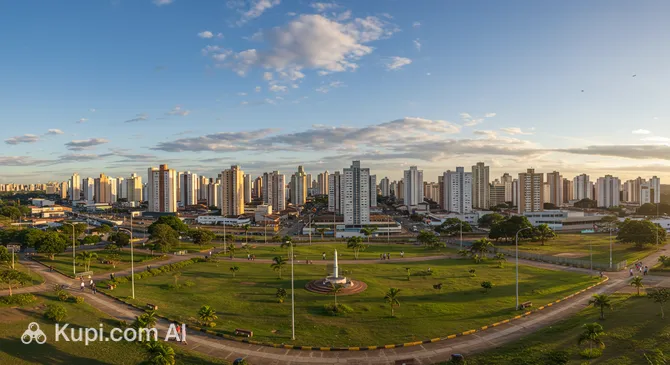
Parauapebas. Source: Kupi.Binoculars

For travelers, the city provides an excellent base for ecotourism and adventure. It is the primary access point to the Carajás National Forest, a vast protected area teeming with biodiversity, crystal-clear waterfalls, and ancient caves. Visitors can also explore the Vale Zoobotanical Park, which offers an intimate look at native Amazonian flora and fauna in a well-preserved environment.

Whether you are interested in industrial tourism or seeking an immersion in nature, Parauapebas delivers a memorable experience. Its welcoming community and proximity to breathtaking landscapes make it an intriguing stop for anyone exploring the northern reaches of the country.

Weather Overview

The climate in this region is typically tropical, featuring warm temperatures year-round and a marked distinction between the wet and dry periods. Daily averages generally hover between 25°C and 28°C, ensuring a consistently hot environment for visitors. September tends to be the warmest month, with daytime highs reaching up to 33.0°C, while the coolest minimum temperatures, around 21.7°C, are usually recorded in July.

Precipitation plays a major role in shaping the travel experience. The year begins with a pronounced rainy season; from January through April, you can expect rain on up to 29 days per month. Conversely, the period from June to September is remarkably dry, often seeing only one to three days with rainfall. For a detailed breakdown of these patterns to help schedule your outdoor activities, it is helpful to consult the current weather in Parauapebas before your arrival.

Interesting Facts

Beyond the main attractions, Parauapebas holds many fascinating secrets that reveal its unique position in the Amazon. From industrial records to rare transportation links, here are some intriguing facts about this booming city.

  • Home to an Industrial Giant: The city is the gateway to the Carajás Mine, which is recognized as the largest open-pit iron ore mine in the world. The iron ore found here is of such high quality and purity that it often requires no chemical concentration process before being exported.

  • A Rare Railway Journey: Parauapebas serves as the terminus for the Carajás Railroad (Estrada de Ferro Carajás), which operates one of the few long-distance passenger train services in Brazil. The train connects the heart of the Amazon to the coastal city of São Luís, covering nearly 900 kilometers.

  • Conservation Paradox: Despite being a mining hub, the region is a model for environmental protection. The Carajás National Forest, where the mines are located, remains one of the most preserved areas in the Amazon because access is strictly controlled and monitored to prevent illegal logging and deforestation.

  • Ancient Human History: While the city itself is young, the surrounding region is ancient. The caves within the Carajás Mountains contain archaeological sites that date back thousands of years, offering evidence of some of the earliest human settlements in the Amazon basin.

How to Get There

Reaching this destination in the heart of the Amazon is an adventure facilitated by its industrial importance. For travelers planning their journey, you can read more about how to get to Parauapebas and the transport options available. The city is well-connected by air, which remains the most practical method for most visitors.

The most convenient entry point is Carajas Airport (IATA: CKS), located directly in Parauapebas. It sits just 12.3 km from the city center, making the transfer quick and easy. A taxi or transfer to downtown typically takes between 15 and 20 minutes. As a key regional hub, it handles a steady flow of passengers, connecting the city to major Brazilian capitals.

An alternative option is to fly into Maraba Airport (IATA: MAB), situated in the neighboring city of Maraba. While this airport is approximately 114.8 km away from Parauapebas, it often provides different flight schedules or connections. The overland journey from Maraba to Parauapebas generally takes about 3 hours by taxi or bus.

For clarity, here is a summary of the main airports serving the region:

Airport Name City Passenger Traffic Km from City
Carajas Airport Parauapebas Medium 12.3
Maraba Airport Maraba Medium 114.8
Imperatriz Airport Imperatriz Medium 277.1
Araguaina Airport Araguaína Small 224.2

Main Attractions

While Parauapebas is famous for its industrial might, it also offers incredible opportunities for nature lovers and culture seekers. The city serves as a convenient base for exploring the Amazon rainforest, observing wildlife, and discovering unique local artistry.

Vale Zoobotanical Park is undoubtedly one of the top destinations for families and nature enthusiasts. Located within the Carajás National Forest, this park functions as a sanctuary for native Amazonian species. Visitors can walk through well-maintained trails to see jaguars, monkeys, harpy eagles, and macaws in enclosures that mimic their natural habitats. The park also features a stunning orchid house and provides educational insights into the region's rich biodiversity, making it a perfect spot for an afternoon of discovery.

For those seeking adventure, the Carajás National Forest offers a vast playground of ecotourism. This protected area is renowned for its unique combination of dense jungle and iron-rich savannahs. Inside the forest, the Águas Claras Waterfall is a favorite highlight; accessible via a trail, it offers a refreshing place to swim surrounded by pristine nature. The forest is also home to ancient caves and archaeological sites, attracting hikers and birdwatchers from around the world.

To experience the local culture, a visit to the Mulheres de Barro Cultural Center (Women of Clay) is essential. This cooperative of local artisans produces beautiful ceramic works inspired by the archaeological artifacts found in the Carajás region, some dating back thousands of years. It is a fascinating place to learn about the area's pre-colonial history, watch the artisans at work, and purchase unique, handcrafted souvenirs that tell the story of the land.

Back in the city center, Parque dos Ipês offers a relaxing urban escape. This large public park is a hub for social life in Parauapebas, featuring lakes, walking paths, and green spaces where locals gather to exercise and unwind. It is an excellent place to enjoy a peaceful evening stroll, watch the sunset, and experience the daily rhythm of this vibrant city.

Local Cuisine

The culinary scene in Parauapebas is a vibrant reflection of its location in the state of Pará, offering a distinct gastronomic experience that is deeply rooted in Amazonian traditions. The local cuisine is famous for its bold flavors, indigenous ingredients, and the extensive use of river fish and manioc derivatives. For visitors, dining here is an opportunity to taste dishes that are considered among the most authentic and unique in Brazil.

One of the most iconic dishes you must try is Pato no Tucupi. This savory masterpiece consists of roasted duck boiled in tucupi, a yellow, fermented broth extracted from wild manioc root, and seasoned with Amazonian herbs. Another culinary staple is Maniçoba, often referred to as the "Amazonian feijoada." Instead of beans, it is made with ground manioc leaves that are cooked for several days to remove natural toxins, then simmered with smoked meats. It is a hearty, flavor-packed meal usually served with rice.

Street food plays a significant role in the daily life of the city, and the star of the show is Tacacá. Served in a gourd (cuia), this hot soup is a mix of tucupi, manioc gum, dried shrimp, and jambu—a local herb known for creating a tingling or numbing sensation in the mouth. It is traditionally enjoyed in the late afternoon at street stalls run by tacacazeiras. Additionally, do not be surprised to see Açaí served differently here; unlike the sweet smoothie bowls found internationally, locals eat it as a savory side dish, fresh and unsweetened, accompanying fried fish or dried shrimp.

The region is also a paradise for fruit lovers, boasting a variety of exotic options that are rarely found elsewhere. Be sure to try juices or desserts made from Cupuaçu, Bacuri, and Taperebá. For those interested in local spirits, the Cachaça de Jambu is a popular choice, offering the same unique mouth-numbing effect as the herb used in cooking. Whether dining in a rustic open-air restaurant or visiting the bustling municipal market, the food culture in Parauapebas is welcoming and full of discovery.

Travel Tips

Visiting Parauapebas offers a unique blend of urban energy and raw Amazonian adventure, but navigating this distinct region requires a bit of local know-how. To help you make the most of your trip to the heart of Pará, here are some essential practical tips designed to keep your journey smooth and enjoyable.

  1. Clothing and Gear: Given the tropical heat, pack lightweight, breathable fabrics like cotton or linen to stay comfortable. If you are visiting between January and April, a durable raincoat or poncho is essential due to heavy showers. For excursions into the Carajás National Forest, bring sturdy hiking boots and long pants to protect against insects and thorny vegetation. Don't forget a hat, high-SPF sunscreen, and sunglasses, as the equatorial sun can be intense.
  2. Transportation: Ride-hailing apps like Uber and 99 are widely available and are often the most convenient and safe way to get around the city center. Public buses exist but can be crowded and confusing for non-locals. If you plan to explore the surrounding waterfalls or the national forest at your own pace, renting a car is highly recommended; just be prepared for some unpaved roads in rural areas.
  3. Finances: The official currency is the Brazilian Real (BRL). Credit and debit cards are widely accepted in hotels, restaurants, and supermarkets. However, it is wise to carry some cash for small purchases, street food vendors selling tacacá, or entry fees in more remote natural attractions where signal for card machines might be weak. ATMs are easily found in the city center and at shopping malls.
  4. Health and Safety: Since Parauapebas is in the Amazon region, insect repellent is mandatory to protect against mosquitoes. It is also highly recommended to check if your Yellow Fever vaccination is up to date before traveling. Pharmacies are plentiful in the city, with major chains often open late. As in most Brazilian cities, stick to bottled or filtered water and avoid drinking from the tap. regarding safety, while the city is generally welcoming, exercise standard caution: avoid walking in deserted areas at night and keep valuables discreet.
  5. Communication: Portuguese is the primary language, and English is not widely spoken outside of major hotels or business settings. downloading a translation app or learning basic phrases like "Bom dia" (Good morning) and "Obrigado" (Thank you) will go a long way. To stay connected, you can buy a prepaid SIM card from carriers like Vivo or Claro at pharmacies or newsstands; WhatsApp is the main method of communication for businesses and locals alike.
  6. Local Etiquette: Brazilians are warm and informal. A handshake is standard, but don't be surprised if acquaintances greet you with a hug or a kiss on the cheek. When dining out, a 10% service charge is usually included in the bill; it is customary to pay it, but additional tipping is not expected unless the service was exceptional. In public places, a "thumbs up" gesture is a universal sign of approval or agreement.
  7. What to Avoid: Do not underestimate the red iron-rich soil that characterizes the region. It can easily stain light-colored clothing and shoes, especially during the rainy season. Avoid wearing your best white sneakers if you plan to visit the mines or walk on nature trails, as the red dust can be difficult to wash out.
  8. Local Insight: Be mindful of the "shift change" traffic. Parauapebas is a working city with thousands of people commuting to the mines early in the morning and late in the afternoon. Traffic can get quite heavy during these peak hours, so try to plan your airport transfers or city movements around these times to avoid delays.

By keeping these tips in mind, you will be well-prepared to embrace the vibrant culture and stunning nature of Parauapebas. Whether you are here for business or to explore the Amazon, a little preparation ensures that your experience is safe, comfortable, and truly memorable.

Entertainment & Nightlife

The nightlife in Parauapebas is surprisingly vibrant and energetic, reflecting the youthful spirit of a city driven by rapid growth and the mining industry. While it may not have the scale of a major capital, the city offers a lively scene centered around open-air bars, pubs with live music, and bustling eateries that stay open late. The atmosphere is generally casual and welcoming, with a strong influence of sertanejo (Brazilian country music) and pagode, though you can also find venues dedicated to rock and electronic beats.

The main hub for evening entertainment is the Cidade Nova neighborhood. This district is the commercial heart of the city and transforms after dark, with streets lined with "botecos" (traditional Brazilian bars) and snack bars. Another popular area is the Rio Verde district, which is known for its high concentration of bars and a more boisterous street scene. On weekends, these areas are filled with locals enjoying cold beer and grilled snacks at tables set out on the sidewalks, taking advantage of the cooler night air.

For those looking for specific venues to experience the local vibe, Oasis Pub is a standout choice. It is well-regarded for its modern atmosphere and frequent live music performances, making it a favorite among the younger crowd who enjoy rock and pop. If you prefer a setting known for its culinary creativity, Bar do Cazu is an excellent option. This venue is praised for its inventive cocktails and delicious regional snacks, offering a relaxed environment to socialize. Alternatively, Casa do Cervejeiro is a top recommendation for beer enthusiasts, offering a selection of craft labels and a friendly, laid-back vibe.

When planning a night out, keep in mind that things typically get started around 9:00 PM, with the peak hours being between 11:00 PM and 1:00 AM. The dress code is almost exclusively casual; due to the tropical heat, light clothing, jeans, and sneakers are the norm even in nicer establishments. Prices are generally affordable compared to larger Brazilian cities. For transportation, it is highly recommended to use ride-sharing apps like Uber or 99, or call a radio taxi, rather than walking long distances at night.

Regarding safety, while the main nightlife districts are generally safe due to the crowds, it is important to remain vigilant. Stick to well-lit, populated streets in Cidade Nova and Rio Verde, and avoid flashing expensive phones or jewelry. Always prioritize taking a car directly from your hotel to the venue and back.

For daytime entertainment, the city offers a few distinct options beyond nature tours. The Partage Shopping Parauapebas is the primary spot for indoor leisure, featuring a modern cinema complex, a food court, and various shops, providing a cool escape from the midday sun. Culturally, the Centro Cultural Mulheres de Barro is a must-visit to see local ceramic art and occasionally catch workshops or exhibitions that showcase the region's history and artistic talent.

Parks & Museums

Parauapebas serves as a fascinating gateway to the Amazon rainforest in Brazil, offering a unique blend of lush natural landscapes and emerging cultural initiatives. While the city is relatively young and known primarily for its mining heritage, it surprises visitors with its access to pristine biodiversity and local artistic expression.

The most significant natural attraction in the region is undoubtedly the Carajás National Forest. This vast conservation unit protects a significant portion of the Amazon biome and offers visitors a chance to explore caves, waterfalls, and trails surrounded by dense vegetation. Within this area, you will find the Parque Zoobotânico de Carajás, a must-visit for nature lovers. This zoobotanical park houses native Amazonian species, including jaguars, monkeys, and colorful macaws, in environments designed to mimic their natural habitats, providing an educational experience about the local fauna and flora.

For a more urban outdoor experience, the Complexo Turístico de Parauapebas is a popular gathering spot for locals and tourists alike. Centered around a large lake, this leisure area features walking paths, sports courts, and green spaces perfect for a relaxing afternoon or a sunset stroll. It serves as a social hub where visitors can observe the daily life of the city's residents while enjoying the open air.

On the cultural front, the Centro Mulheres de Barro (Clay Women Center) stands out as a vital gallery and workshop space. This cooperative of local artisans creates stunning ceramic pieces inspired by the archaeological finds of the region and the surrounding nature. It acts as a living museum where you can watch the artists at work, learn about the area's prehistoric roots through art, and purchase unique souvenirs that tell the story of the land.

Although traditional historical museums are scarce due to the city's modern development, the region is rich in archaeological history. The Carajás Cultural Center often hosts exhibitions and theatrical performances, serving as a venue to showcase the diverse cultural identity of the people who have migrated to this part of Pará. The area surrounding the city is also known for ancient caves with prehistoric markings, which are often explored via guided tours organized through the national forest administration.

For an authentic insider experience, try to visit the Garimpo das Pedras area or look for guided eco-tours that take you to the Águas Claras Waterfall. These spots are less crowded than the main zoo and offer a serene escape into the jungle, allowing for a deeper connection with the raw beauty of the Amazon.

Getting Around

The public transport system in Parauapebas is relatively simple and relies entirely on road-based vehicles, as there is no metro or tram network within the city limits. The primary mode of collective transport consists of municipal buses and a fleet of minibuses, often referred to locally as "vans" or "lotação." These vehicles cover most neighborhoods, connecting residential areas with the commercial center, the bus terminal, and the entrances to major industrial sites. While the network is extensive enough to get you to key locations, routes can sometimes be winding, and schedules may not always be strictly adhered to.

For tourists, the payment system is straightforward: cash is the standard method accepted on board. You simply pay the conductor or the driver upon entering the vehicle. While there are electronic transport cards used by local residents and students, obtaining one is generally not necessary or practical for short-term visitors. It is highly recommended to carry small bills and coins, as drivers may not always have change for large denominations. Fares are affordable, typically costing a few units of the local currency.

A distinctive feature of transportation in this region is the widespread use of "mototaxis" (motorcycle taxis). You will see designated mototaxi stands throughout the city, where drivers wearing reflective vests wait for passengers. This is a very popular, fast, and inexpensive way to navigate traffic, especially for solo travelers. If you choose this option, ensure the driver provides a helmet, as safety regulations are strictly enforced. It offers a breezy, authentic local experience, though it may not be suitable for those carrying luggage or uncomfortable with motorcycles.

For those who prefer the comfort of a private car, ride-sharing apps are widely available and are often the most convenient choice for tourists. Services like Uber and 99 operate efficiently across the city, providing safe, air-conditioned rides with transparent pricing. Traditional taxis are also available, usually found at specific stands near the airport, shopping malls, and major squares. They are reliable but tend to be more expensive than app-based rides.

Although Parauapebas does not have an urban subway, it is home to a significant railway station for the Carajás Railroad. It is important not to confuse this with city transport; this train service is a long-distance passenger line that connects the city to the coast, offering a unique travel experience across the state rather than a way to get around town. For daily exploration within the city, stick to the buses, apps, or mototaxis, and try to plan your movements outside of the early morning and late afternoon rush hours when shift changes at the mines create heavier traffic.

Accommodation

Accommodation in Parauapebas is largely shaped by its status as a major industrial and business hub. As a result, the city offers a practical selection of lodgings that cater primarily to corporate travelers, engineers, and professionals visiting the region. For tourists, this means you can expect a good standard of modern, functional mid-range hotels that prioritize comfort and efficiency. Alongside these, there are numerous budget-friendly pousadas (local inns) and smaller independent hotels that offer a more modest, homelike atmosphere.

The most convenient area to stay is undoubtedly the Cidade Nova neighborhood. This district serves as the commercial heart of the city, placing you within walking distance of banks, pharmacies, and a wide variety of restaurants and bars. Staying here allows for easy access to the city's nightlife and essential services. Another popular location is near the Partage Shopping Parauapebas; hotels in this vicinity offer quick access to the mall’s cinema, food court, and retail stores, providing a comfortable and self-contained environment for visitors.

Since the city is not a traditional luxury resort destination, you will not find five-star all-inclusive resorts. Instead, the accommodation landscape is dominated by reliable business hotels that offer amenities such as air conditioning, Wi-Fi, and breakfast. Prices are generally reasonable, falling into the budget to mid-range categories. While you can often find a room upon arrival, booking through major online platforms is recommended to secure the best rates and check reviews.

Booking Tip: Because Parauapebas receives a high volume of business traffic, hotels can fill up quickly during the workweek (Monday to Thursday). If you plan to visit during these days, it is advisable to book your accommodation in advance. Conversely, weekends can sometimes be quieter, potentially offering more availability and slightly lower rates for leisure travelers exploring the nearby natural attractions.

Nearby Cities

For those looking to explore the surroundings, Parauapebas serves as an excellent base for day trips to several interesting nearby locations. The region is defined by its vast river systems and lush landscapes, offering travelers a chance to experience the broader culture and geography of southeast Pará.

Marabá is the most notable destination for a short visit. Located at the confluence of the Tocantins and Itacaiúnas rivers, it is a major regional hub known for its vibrant atmosphere. During the dry season, the receding waters reveal stunning river beaches, such as the famous Praia do Tucunaré, which attracts visitors for swimming and water sports. It offers a perfect mix of urban convenience and natural leisure.

For a quieter experience, Itupiranga offers a peaceful escape along the banks of the Tocantins River. It is a smaller town that provides a more intimate look at local riverside life, making it a great spot for fishing enthusiasts or those simply wishing to relax by the water away from the city crowds.

City Population Distance (km)
Marabá 266,932 116
Araguaína 150,484 225
Redencao 75,556 217
Jacundá 56,781 199
Itupiranga 51,806 121

These nearby destinations offer a glimpse into the diverse culture and landscapes of the region.

Shopping & Souvenirs

Shopping in Parauapebas offers a practical mix of modern convenience and authentic local flavor. As a rapidly growing city in the Amazon region, the commercial scene caters primarily to the needs of its residents and the mining workforce, but visitors will find everything from essential supplies to unique regional handicrafts. Whether you are looking for air-conditioned comfort or the bustle of street markets, the city provides ample opportunities to browse and buy.

The primary hub for street commerce is the Cidade Nova neighborhood. This district serves as the commercial heart of the city, where you can find a high concentration of clothing boutiques, electronics stores, and pharmacies. Streets such as Rua 10 and Rua do Comércio are particularly lively, lined with small shops selling affordable goods. It is a great area to experience the daily rhythm of the city, though it can get quite busy during the day.

For a more modern and relaxed shopping experience, Partage Shopping Parauapebas is the main destination. Located on the PA-275 highway, this large shopping mall is the go-to spot for locals seeking international and national brands. It features a wide variety of fashion retailers, a large food court, and a cinema complex. The mall is fully air-conditioned, making it an excellent refuge from the tropical afternoon heat while you shop for clothes, accessories, or electronics.

To immerse yourself in the local culture, a visit to the Feira do Produtor (Producer's Market) or the Municipal Market is essential. These markets are where the richness of the Amazonian soil is on full display. You can wander through stalls piled high with exotic fruits like cupuaçu, bacuri, and açaí, as well as fresh fish from the nearby rivers. It is also the best place to find manioc flour and traditional spices that define the cuisine of Pará.

When it comes to souvenirs, Parauapebas offers items that are truly distinctive to the region. The most significant local craft comes from the Mulheres de Barro (Women of Clay) cooperative. These artisans create stunning ceramic pieces inspired by the archaeological artifacts found in the Carajás Mountains. Buying a piece here not only gives you a beautiful, history-infused decoration but also supports the local community. Additionally, edible souvenirs such as Cachaça de Jambu (a spirit that numbs the tongue), castanha-do-pará (Brazil nuts), and local hot sauces make for excellent gifts to bring home.

Store opening hours in Parauapebas generally follow standard Brazilian business practices. Street shops in neighborhoods like Cidade Nova typically open from 8:00 AM to 6:00 PM on weekdays and until 1:00 PM on Saturdays. The shopping mall operates on a different schedule, usually open from 10:00 AM to 10:00 PM from Monday to Saturday, with reduced hours on Sundays (often opening in the afternoon). Most stores are closed on Sundays, except for the mall and essential services.

Regarding payment, credit and debit cards (Visa and Mastercard) are widely accepted in shopping malls, hotels, and established stores. However, if you plan to shop at street markets or buy from smaller vendors, it is advisable to carry cash (Brazilian Reals), as they may not always have card machines or internet connection. Tax-free shopping refund schemes for tourists are not currently available in this region, so the price you see on the tag is the final price you pay.
Reached the end of the page?

That means the route is fully explored