Support

Araguaína

About

Araguaína is a vibrant city located in the northern region of the state of Tocantins. Known for its dynamic energy and significant economic role, it serves as a vital commercial hub and a gateway to the Amazon region. The city offers a unique blend of urban development and the welcoming hospitality characteristic of the Brazilian interior.

Situated in the heart of Brazil, Araguaína is home to a population of approximately 150,000 residents. It is often referred to as the "Capital of Fat Cattle" (Capital do Boi Gordo) due to its thriving livestock industry, which drives much of the local economy. The city experiences a tropical climate, making it a warm destination year-round.

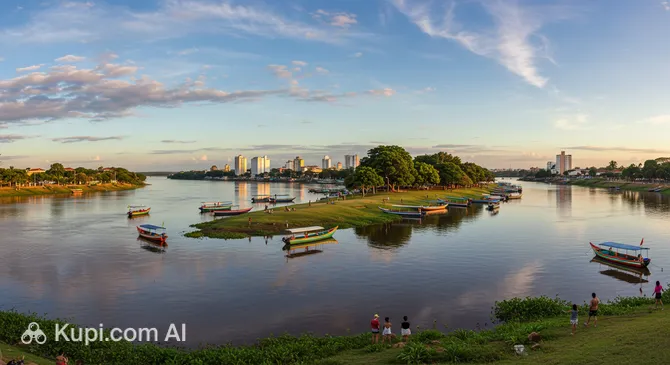
Araguaína. Source: Kupi.Binoculars

While it is a modern urban center, the history of Araguaína is deeply connected to the expansion of the country's northern frontiers. Today, visitors can explore attractions such as the scenic Via Lago, a popular waterfront promenade perfect for walking, cycling, and enjoying outdoor leisure activities. Another notable spot is the Cimba Park (Parque Cimba), an eco-park that preserves the ruins of an old factory, offering a fascinating mix of nature and local heritage.

Whether you are passing through on a business trip or exploring the natural wonders of Tocantins, Araguaína provides a comfortable and engaging stop. Its lively atmosphere and growing infrastructure make it an excellent place to experience the pulse of northern Brazil.

Weather Overview

Araguaína experiences a tropical climate characterized by consistently high temperatures and two distinct seasons: a wet period and a dry period. Visitors can expect warm to hot weather year-round, making it a destination where light, breathable clothing is essential regardless of when you visit.

To help plan your activities, it is useful to check the detailed weather in Araguaína before your trip. The rainy season typically spans from November through April, with January and March seeing rain on as many as 28 days of the month. In contrast, the dry season from June to September is remarkably arid, often passing with zero to two wet days per month and clear, sunny skies.

Temperatures remain robust throughout the year, with average daily highs ranging from 29°C to 35°C. September tends to be the hottest month, with maximum temperatures climbing up to 35.4°C, while July offers slightly cooler nights with minimums around 21°C.

Interesting Facts

Beyond its reputation as a major agricultural hub, Araguaína holds several fascinating secrets and historical curiosities that surprise many visitors.

  • The World’s Largest Horse Parade: The city is famous for hosting the Cavalgada de Araguaína, an event that has been recognized as the largest horse parade in the world. Held during the agricultural exposition (Expoara), it brings thousands of riders of all ages to the streets in a massive celebration of rural culture.

  • The "Almost" Capital: When the state of Tocantins was created in 1988, Araguaína was the most developed and populous city in the region. It played a crucial role in the transition and was considered a strong contender to be the state capital before the planned city of Palmas was built to take the title.

  • Industrial Heritage: The ruins found in Cimba Park are not just old walls; they are the remains of the Companhia Industrial e Mercantil da Bacia Amazônica. This factory was the city's first major industry, dedicated to processing babassu oil, and it symbolizes the economic beginning of the municipality.

  • A Beach in the Interior: Despite being far from the ocean, Araguaína serves as the main gateway to the Praia do Garimpinho. Located on the banks of the Araguaia River, this spot features white sands and stretches for miles during the dry season, offering a seaside-like experience in the heart of the country.

How to Get There

Reaching this part of Tocantins is relatively straightforward, primarily due to the city's own airport and connections through neighboring regions. For a comprehensive guide on all transport options, including road routes, you can read more about how to get to Araguaína.

The most convenient entry point is the local Araguaina Airport (IATA: AUX). Located just 5.3 km from the city center, it allows travelers to reach downtown quickly, with a taxi or bus ride taking approximately 30 minutes. While it is a smaller regional facility, it offers the distinct advantage of landing directly at your destination.

If flight options to Araguaína are limited, a viable alternative is Imperatriz Airport (IATA: IMP), located in the city of Imperatriz. It is situated about 201.5 km away, and the transfer by road typically takes around 5.5 hours. Another option is Maraba Airport (IATA: MAB) in Maraba, which is approximately 226 km from Araguaína. This airport handles a higher volume of passengers, but the ground transfer will take roughly 6 hours.

For clarity, here is a summary of the main airports:

Airport Name City Passenger Traffic Km from City
Maraba Airport Maraba Medium 226.3
Imperatriz Airport Imperatriz Medium 201.5
Carajas Airport Parauapebas Medium 231.2
Araguaina Airport Araguaína Small 5.3

Main Attractions

Araguaína offers a variety of spaces that blend urban leisure with the natural beauty of the Tocantins savannah. From modern waterfront promenades to historical ruins turned into parks, the city provides excellent spots for relaxation and outdoor activities. Here are some of the main places to visit.

One of the most popular destinations in the city is the Via Lago. This extensive waterfront promenade along Lake Neblina serves as the city's main postcard and a vibrant gathering spot for locals and tourists alike. With well-maintained cycling paths, walking trails, and open-air gym equipment, it is perfect for those who want to exercise or simply enjoy a scenic sunset. The area also hosts cultural events and features the iconic "I Love Araguaína" sign, making it a prime location for photos.

For a mix of history and nature, Parque Cimba (Eco Parque Cimba) is an essential stop. Built on the site of the former Companhia Industrial e Mercantil da Bacia Amazônica, the park preserves the imposing brick ruins of the old factory, creating a unique contrast with the surrounding greenery. It is a favorite place for families, offering playgrounds, jogging tracks, and a peaceful atmosphere right in the urban center. The park stands as a symbol of the city's economic past while providing a modern recreational space.

Nature enthusiasts willing to venture a bit further should visit Praia do Garimpinho. Located on the banks of the majestic Araguaia River, this river beach is a paradise for eco-tourism and fishing. During the dry season, specifically in July, long stretches of white sand appear, attracting campers and bathers. It is an ideal retreat for those looking to disconnect and immerse themselves in the rich biodiversity of the region, offering opportunities for boat rides and spotting local wildlife.

Another natural gem in the vicinity is the Cachoeira Véu de Noiva. This waterfall is known for its refreshing waters and scenic beauty, providing a cool escape from the region's tropical heat. Surrounded by native vegetation, it offers a tranquil setting for picnics and swimming. It is a testament to the hydrological wealth of the area and a must-visit for anyone who enjoys exploring unspoiled natural landscapes.

Local Cuisine

The local cuisine in Araguaína is a flavorful reflection of its geographical position, blending the hearty traditions of the Brazilian interior with the exotic ingredients of the Amazon region. As a major livestock hub, the city is famous for its high-quality beef, but the culinary landscape goes far beyond just barbecue, offering unique regional specialties that are a source of local pride.

The absolute star of the city's gastronomy is Chambari. This rich, heavy stew is made from beef shank (ossobuco) cooked with spices and herbs until the meat falls off the bone. It is traditionally served with rice and manioc flour. While it might seem like a heavy meal, in Araguaína, it is culturally accepted and even beloved as a hearty breakfast to start the day, though it is readily available for lunch as well. Visitors can find the most authentic versions of this dish at the local markets and street stalls known as "chambarizais."

Another staple of the local diet is Carne de Sol (sun-dried beef). Given the region's title as the "Capital of Fat Cattle," beef is prepared with expertise here. A popular way to enjoy it is in the form of Paçoca de Carne de Sol, where the dried meat is pounded in a mortar with manioc flour until it becomes a flavorful, crumbly mixture. For a casual evening meal, look for the famous Jantinha. This consists of a grilled meat skewer (espetinho) served with sides like vinaigrette, boiled cassava, and toasted flour (farofa), widely available at street corners and open-air eateries.

River fish also plays a significant role in the menu, influenced by the nearby Araguaia and Tocantins rivers. Species like Tucunaré (Peacock Bass) and Surubim are often served fried or in stews (moquecas), accompanied by distinct Amazonian seasonings. To drink, locals beat the tropical heat with ice-cold beer or fresh juices made from regional fruits. Be sure to try juices made from Buriti, Cupuaçu, or Caju, which offer refreshing and unique flavors found in the Cerrado and Amazon biomes.

For the best dining experiences, the Via Lago area is a modern hotspot where tourists can find a variety of restaurants, food trucks, and kiosks serving everything from traditional snacks to international cuisine with a view of the water. For a more traditional vibe, the municipal markets offer an immersion into the daily life of residents, serving robust homemade meals at very affordable prices.

Travel Tips

To help you navigate Araguaína with ease and make the most of your visit to this dynamic city in Tocantins, we have compiled a list of essential travel advice. These practical tips will ensure your journey is comfortable, safe, and culturally enriching.

  1. Clothing and Gear: Due to the tropical heat, prioritize lightweight and breathable fabrics like cotton or linen. A hat, sunglasses, and high-SPF sunscreen are non-negotiable accessories for the daytime. Since you might visit natural spots like Via Lago or nearby waterfalls, bring comfortable walking shoes and swimwear. The dress code is generally casual, even for dining out.

  2. Transportation: While there is a public bus system, it can be infrequent and confusing for visitors. The most convenient way to get around is by using ride-hailing apps like Uber or 99, which are reliable and affordable. For shorter distances, you will notice many locals using mototáxis (motorcycle taxis); they are a fast and popular option, but ensure they provide a helmet.

  3. Finances: The local currency is the Brazilian Real (BRL). Credit and debit cards are widely accepted in hotels, restaurants, and supermarkets. However, it is wise to carry some cash for small purchases, such as street food or local markets where card machines might not be available. ATMs are easily found in the city center and shopping areas.

  4. Health and Safety: Araguaína is generally safe, but standard precautions apply: avoid walking alone in poorly lit areas at night and keep valuables secure. Pharmacies are plentiful, with major chains often open late or 24/7. As the city is in a tropical zone, use insect repellent to protect against mosquitoes, especially if you are near the lake or parks.

  5. Communication: Portuguese is the primary language, and English is not widely spoken outside of major hotels. It is highly recommended to download a translation app and offline maps before you arrive. Buying a local SIM card (from providers like Vivo, Claro, or TIM) is easy at newsstands or pharmacies and will help you stay connected.

  6. Local Etiquette: People in Tocantins are known for their hospitality. Greetings are often warm, involving a firm handshake or a friendly hug among acquaintances. It is polite to greet shopkeepers and drivers with a "Bom dia" (Good morning) or "Boa tarde" (Good afternoon). The "thumbs up" gesture is commonly used to say yes, thank you, or that everything is okay.

  7. What to Avoid: Do not drink tap water; always opt for sealed bottled mineral water to avoid stomach issues. Also, avoid wearing heavy or synthetic clothing during the day, as the intense midday sun can lead to rapid dehydration and discomfort.

  8. Electrical Voltage: Be aware that the standard voltage in Araguaína and the state of Tocantins is 220V. If your devices are 110V (common in parts of North America), you will need a voltage converter to avoid damaging your electronics. Most chargers for phones and laptops are dual-voltage, but it is always best to check the label.

By keeping these tips in mind, you will be well-prepared to enjoy everything Araguaína has to offer, from its delicious cuisine to its beautiful sunsets. Have a fantastic trip and soak up the warm energy of northern Brazil!

Entertainment & Nightlife

The nightlife in Araguaína reflects the city's warm climate and welcoming spirit, offering a lively mix of open-air gatherings, energetic bars, and music venues. As the intense heat of the day subsides, locals flock to the streets to socialize, enjoying cold drinks and the famous Brazilian sertanejo music that dominates the region's soundscape. The atmosphere is generally casual and relaxed, with a focus on outdoor seating and good conversation.

The epicenter of evening entertainment is undoubtedly the Via Lago district. This waterfront promenade transforms at night into a bustling hub of activity. It is lined with food trucks, kiosks, and nearby bars where families, couples, and groups of friends gather. The vibe here is inclusive and safe, making it the perfect starting point for any night out. For those looking for a more urban scene, the central streets near Avenida Cônego João Lima also host a variety of pubs and eateries that stay open late.

For visitors seeking a more spirited night out, Araguaína boasts several popular venues. Dona Maria Beach is a well-known spot that brings a coastal atmosphere to the city, often hosting live bands and DJs playing everything from electronic music to country hits. If you want to experience the local "boteco" culture, Bazim Chopp e Restaurante is a classic choice for draft beer and traditional snacks in a laid-back environment. These spots provide an authentic taste of how locals unwind after a long week.

When planning a night out, keep in mind that things kick off relatively late. Bars start filling up around 9:00 PM, and clubs often get busy after 11:00 PM. The dress code is almost exclusively casual; due to the tropical weather, light clothing is the norm, even in nicer venues. Prices are generally affordable compared to larger capitals in Brazil. For transportation, it is highly recommended to use ride-hailing apps like Uber or 99 rather than walking long distances at night. While the main entertainment districts are safe, it is always wise to take a car from door to door.

Beyond the nightlife, Araguaína offers some daytime entertainment options for those looking to beat the heat indoors. The Neblina Shopping mall is the primary commercial center, featuring a modern cinema complex where you can catch the latest international and Brazilian movies. It also houses a food court and various stores, providing a cool, air-conditioned retreat during the hottest hours of the day.

Parks & Museums

Araguaína offers a refreshing mix of urban green spaces and natural getaways that allow visitors to embrace the region's tropical warmth. While the city is not defined by traditional indoor museums, its culture and history are vividly preserved in its open-air landmarks, architectural sites, and vibrant public areas that serve as the heart of local life.

Eco Parque Cimba is the city's premier green space and a fascinating destination for both nature lovers and history buffs. Unlike a standard park, it is built around the historic ruins of the Companhia Industrial e Mercantil da Bacia Amazônica, the factory that kickstarted the local economy in the mid-20th century. Visitors can walk along paved trails that wind through native vegetation and past the imposing brick arches of the old plant, effectively touring an open-air museum. The park also features fitness stations and playgrounds, making it a lively spot for families.

For a more modern leisure experience, the Via Lago serves as the city's central recreational hub. This extensive waterfront promenade along Lake Neblina is meticulously landscaped with gardens and lawns, offering a picturesque setting for picnics and sunset strolls. It acts as the city's "green lung," where residents gather to cycle, jog, or simply relax by the water. The area frequently hosts cultural fairs and music performances, turning the park into a dynamic venue for artistic expression.

Although Araguaína lacks large specialized museums, the Santuário Sagrado Coração de Jesus stands as a significant cultural and architectural landmark. This sanctuary is not only a place of worship but also a center for community gatherings and religious art. Its architecture reflects the devotion of the local population, and the peaceful interior offers a quiet space for reflection amidst the bustling city. It provides insight into the spiritual traditions that are deeply woven into the fabric of Tocantins society.

Another site of cultural interest is the Mercado Municipal (Municipal Market). While not a museum in the traditional sense, it functions as a living gallery of the region's culinary and social heritage. Here, tourists can observe the daily trade of local ingredients, medicinal herbs from the Cerrado, and artisanal crafts. It is the best place to witness the authentic "nortista" culture in action, far removed from polished tourist exhibits.

For an authentic local experience, try visiting Via Lago in the late afternoon. This is when the heat subsides and the space truly comes alive with families and street performers, offering a genuine glimpse into the relaxed and friendly lifestyle of Araguaína's residents.

Getting Around

The public transport system in Araguaína is primarily composed of a bus network that connects the residential neighborhoods to the city center and major commercial areas. There is no metro, tram, or train service available for intra-city travel. The buses, often referred to locally as coletivos, are the most affordable way to move around, though the network is relatively modest compared to larger metropolitan capitals.

For payment, the bus system utilizes an electronic ticketing card, which is convenient for frequent commuters. However, for short-term visitors, paying in cash directly to the driver or the conductor on board is the most practical option. The fare is fixed regardless of the distance traveled. If you plan to stay longer, you might inquire at the central bus terminal about acquiring a rechargeable card, but cash is generally accepted and sufficient for sporadic trips.

Tourists should be aware that bus frequencies can vary significantly depending on the route and the time of day. Service is generally more frequent during peak business hours but can become sporadic in the evenings and on weekends. It is highly recommended to check routes and schedules in advance using local mobility apps or by asking at the bus station, as signage at stops can sometimes be limited. When waiting at a stop, always signal the driver with your hand to ensure the bus pulls over.

A highly popular and distinct alternative in Araguaína is the mototaxi service. You will see many motorcycle riders wearing specific colored vests; these are regulated professionals who offer fast and inexpensive rides to any part of the city. This is often the quickest way to navigate traffic, especially for solo travelers. Ensure the driver provides a helmet, which is mandatory by law, before starting your journey.

For those seeking more comfort or traveling in groups, ride-hailing apps like Uber and 99 are widely available and very reliable. They are often the preferred choice for tourists due to the ease of use, safety features, and the comfort of air-conditioning, which provides a welcome respite from the tropical heat. Traditional taxis are also available, typically found at designated stands near the central bus station and major squares.

While the city is becoming more bike-friendly with areas like the Via Lago offering excellent cycling paths, renting a bike for general commuting is not yet a widespread practice. Walking is feasible for short distances within the commercial center, but due to the high temperatures and the spread-out nature of the city, motorized transport is usually necessary for reaching most points of interest.

Accommodation

Finding accommodation in Araguaína is a relatively straightforward task, as the city is well-equipped to host visitors due to its status as a major commercial and agricultural hub. The hospitality sector here is primarily designed to cater to business travelers and event attendees, meaning you will find a solid selection of functional mid-range hotels and cost-effective options. While the city does not typically feature luxury resorts or high-end boutique properties, it offers clean, comfortable, and modern establishments that ensure a pleasant stay.

For most tourists, the best area to stay is the City Center (Centro). Staying here places you within walking distance of banks, pharmacies, and a variety of restaurants, making logistics easy. Another emerging and attractive area is near Via Lago. Choosing a hotel in this vicinity allows for easy access to the city's main leisure spot, where you can enjoy morning walks or evening entertainment by the water. For travelers passing through or on a tight schedule, the area surrounding the Bus Terminal (Rodoviária) offers practical, budget-friendly lodgings ideal for quick stopovers.

The accommodation landscape is dominated by reliable business hotels that offer essential amenities such as air conditioning—a must in the tropical heat—Wi-Fi, and breakfast. In addition to these, there are numerous pousadas (guesthouses) that provide a more modest, family-run atmosphere at lower price points. Apartment rentals are also becoming available, though traditional hotels remain the most popular choice for short-term visitors.

Booking Tip: Araguaína hosts large-scale agricultural events, such as the famous Expoara and the massive Cavalgada. During these periods, the city's occupancy rate skyrockets, and rooms can sell out quickly. If your trip coincides with these festivities, it is highly recommended to book your accommodation several weeks in advance to secure a spot.

In terms of pricing, Araguaína is generally affordable compared to state capitals. Most options fall into the budget to mid-range categories. While the larger, well-known hotels are listed on major international booking platforms, many smaller local establishments and pousadas may not have a strong online presence. For these, booking directly via phone or messaging apps is often the most effective method.

Nearby Cities

For those looking to explore the surroundings, Araguaína serves as an excellent base for day trips to several interesting nearby locations:

City Population Distance (km)
Imperatriz 247,505 201
Conceição do Araguaia 46,485 166
Xinguara 40,573 192
Estreito 35,835 110
Araguatins 31,329 171

Estreito is the closest option for a quick getaway, located just across the state border in Maranhão. Sitting on the banks of the Tocantins River, it is well-known for the Estreito Hydroelectric Plant and its pleasant riverfront area. The city offers a relaxed atmosphere where visitors can enjoy local fish dishes and scenic views of the water.

For those willing to travel a bit further, Conceição do Araguaia in the state of Pará is a top destination for nature enthusiasts. It is famous for its stunning river beaches along the Araguaia River, particularly the Praia das Gaivotas. During the dry season in July, the receding waters reveal vast stretches of sand, making it a vibrant spot for swimming, camping, and summer festivals.

Imperatriz, the second-largest city in Maranhão, offers a more urban experience. It serves as a major commercial and cultural hub for the region. Visitors can explore the modern Beira Rio promenade, enjoy diverse shopping and dining options, or visit the Freitas Aquatic Park. It provides a lively contrast to the quieter rural towns in the vicinity.

These nearby destinations offer a glimpse into the diverse culture and landscapes of the region.

Shopping & Souvenirs

General Overview

As the primary commercial hub of northern Tocantins, Araguaína offers a bustling shopping scene that caters not only to its residents but also to visitors from neighboring towns. The city provides a mix of modern retail experiences and traditional commerce, making it a practical destination for finding everything from clothing and electronics to regional handicrafts. While it is not a luxury fashion capital, the variety of stores reflects its status as a thriving economic center.

Main Shopping Areas/Streets

The heartbeat of the city's commerce is undoubtedly Avenida Cônego João Lima. This extensive avenue runs through the center of Araguaína and is lined with hundreds of shops selling apparel, footwear, furniture, and appliances. It is a vibrant, open-air shopping district where you can feel the pulse of the city. Walking along this street, especially during the day, offers a true immersion into local life, with vendors and shoppers creating a lively atmosphere.

Shopping Malls

For a more comfortable and climate-controlled experience, Neblina Shopping is the main destination. As the city's primary mall, it offers a respite from the tropical heat with its air-conditioned corridors. Here, visitors can find a selection of national franchise brands, department stores, and boutiques. Beyond shopping, it serves as a leisure complex with a food court and a cinema, making it a popular spot for families and young people to gather in the evenings.

Markets

To experience the authentic flavors and culture of the region, a visit to the Mercado Municipal (Municipal Market) is essential. This is not just a place to buy goods but a cultural landmark. You can find stalls overflowing with fresh tropical fruits, medicinal herbs native to the Cerrado and Amazon biomes, and artisanal products. It is the perfect place to browse for unique local ingredients or simply to observe the daily trade that has sustained the community for decades.

Souvenirs

Given Araguaína's title as the "Capital of Fat Cattle," leather goods are excellent souvenirs to bring home. You can find high-quality boots, belts, and hats that reflect the region's strong cowboy culture. Additionally, look for edible treats made from local fruits like buriti and caju. Jars of regional sweets, liqueurs, and artisanal cheeses found at the municipal market also make for delicious and authentic gifts.

Opening Hours and Payment

Street shops generally operate from 8:00 AM to 6:00 PM on weekdays and until 12:00 PM or 1:00 PM on Saturdays, remaining closed on Sundays. The shopping mall has extended hours, typically opening from 10:00 AM to 10:00 PM Monday through Saturday, with the food court and leisure areas opening on Sundays as well. Credit and debit cards are widely accepted throughout the city, but it is advisable to carry some cash (Brazilian Reals) when visiting the Municipal Market or smaller street vendors.

Tax-Free

Tourists should be aware that Brazil does not currently operate a Value Added Tax (VAT) refund system for international visitors. The price you see on the tag is the final price you pay, so there are no tax-free forms to process at the airport upon departure.
Reached the end of the page?

That means the route is fully explored