Support

Maraba

About

Located in the expansive state of Pará, Marabá is a bustling municipality that serves as a vital economic and cultural hub in the northern region of Brazil. Situated at the unique convergence of the Tocantins and Itacaiúnas rivers, the city offers a fascinating blend of urban energy and the raw natural beauty typical of the Amazon basin. With a population of approximately 266,000 residents, it stands as one of the most populous and important cities in the state, drawing visitors with its lively atmosphere and strategic location.

The city's layout is distinct, divided into different nuclei that reflect its expansion over time. The climate here is tropical, characterized by warm temperatures year-round, which makes the river beaches particularly appealing. Those interested in the roots of this riverside metropolis can delve into the history of Marabá to understand its evolution from early settlement days to its current status as an industrial and agricultural powerhouse.
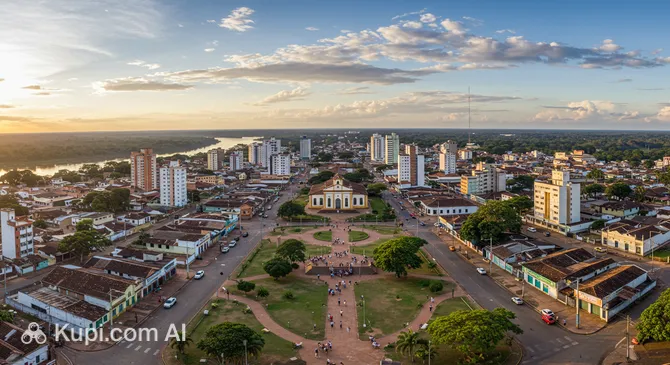
Maraba. Source: Kupi.Binoculars

Travelers are often drawn to the stunning natural landscapes that define the area. One of the main attractions is the Praia do Tucunaré, a beautiful sandy beach that emerges during the dry season when the river waters recede, becoming a popular spot for swimming and water sports. The Orla de Marabá offers a picturesque waterfront promenade perfect for evening strolls, offering spectacular views of the sunset over the Tocantins River and the impressive mixed road-rail bridge that connects the city's districts.

Whether you are visiting for business or leisure, Marabá provides a unique glimpse into life in the Brazilian Amazon. Its welcoming community, combined with the scenic river vistas and local culinary delights, makes it a destination worth discovering on your journey through the north of the country.

Weather Overview

Marabá experiences a tropical climate characterized by consistently high temperatures and distinct seasonal variations in rainfall. The weather in Maraba remains warm to hot throughout the year, with average monthly temperatures generally ranging from 26.6°C to 29.5°C. The heat peaks between August and October, when daily maximums can reach up to 34.5°C, while the coolest nights in July still maintain a comfortable minimum of around 22.5°C.

Travelers should plan their activities according to the city's rainfall patterns. The region undergoes a significant wet season from January through May, where rain is frequent, occurring on as many as 29 days in a single month. In contrast, the period from June to September is extremely dry, with precipitation dropping to near zero and sunny days becoming the norm. Expect warm summers with occasional heavy rain during the wet season and hot, dry conditions during the winter months.

Interesting Facts

Beyond its reputation as a major industrial hub, Marabá holds fascinating secrets that reveal the resilience of its people and the unique geography of the Amazon. From its literary origins to its defiance of nature's forces, the city offers several intriguing details for the curious traveler.
  • A Name Born of Poetry: Unlike many cities named after saints or geographical features, Marabá owes its name to literature. It was inspired by the poem "Marabá" by the celebrated Brazilian Romantic poet Gonçalves Dias. The term, derived from the Tupi language, typically refers to a person of mixed indigenous and European ancestry, reflecting the region's rich cultural blending.

  • The City That Moved: Marabá is often described as a "poly-nucleated" city, effectively functioning as a cluster of distinct urban centers rather than a single contiguous block. This unusual layout evolved as a survival strategy; severe seasonal flooding in the original settlement, known as Marabá Pioneira, forced the construction of entirely new districts like Nova Marabá on higher ground, connected to the old city by highways.

  • A Rare Engineering Feat: The city is home to the colossal Ponte Mista de Marabá (Mixed Bridge) over the Tocantins River, one of the few bridges in Brazil designed to handle both road and rail traffic simultaneously. Spanning over 2.3 kilometers, it carries vehicles on its side lanes while the massive iron-ore trains of the Carajás Railway thunder through the center.

  • The Geographic "Y": Seen from above, the city is defined by the striking "Y" shape formed by the convergence of the Itacaiúnas and Tocantins rivers. This natural junction not only shaped the city's history as a trading post but also creates a visual spectacle where the different colored waters of the two rivers meet.

How to Get There

Planning a trip to this dynamic city in Pará is the first step toward an unforgettable Amazonian adventure. Whether you are arriving from within Brazil or connecting from further afield, understanding your transport options is essential. For a detailed breakdown of routes and tips, you can read more about how to get to Maraba to ensure a smooth journey.

The most convenient entry point for most travelers is Maraba Airport (MAB), located directly within the city limits. It is situated just 1.7 km from the city center, making the transfer incredibly quick and easy. A taxi or ride-share service from the terminal to downtown typically takes only about 5 to 10 minutes, allowing you to start exploring almost immediately upon arrival. This airport handles a steady flow of regional traffic, connecting the city to major hubs across the country.

If flights to Maraba are unavailable, you might consider flying into Carajas Airport (CKS) in the neighboring city of Parauapebas. This airport is approximately 128 km away. While it requires an overland transfer, the drive offers a glimpse of the region's landscape and takes about 2 to 2.5 hours by taxi or rental car. Another alternative is Imperatriz Airport (IMP), located in the city of Imperatriz, roughly 185 km from Maraba. Travelers choosing this route should be prepared for a ground transfer of approximately 3 hours.

For clarity, here is a summary of the main airports:

Airport Name City Passenger Traffic Km from City
Maraba Airport Maraba Medium 1.7
Imperatriz Airport Imperatriz Medium 185.2
Carajas Airport Parauapebas Medium 128.1
Araguaina Airport Araguaína Small 227.8

Main Attractions

Marabá offers a delightful mix of natural beauty, historical depth, and vibrant local culture. While it is a major industrial center, the city surprises visitors with its scenic river views and leisure spots that showcase the charm of the Amazon region. Here are some of the top places to explore during your stay.

Undoubtedly the city’s most famous postcard, Praia do Tucunaré is a must-visit destination, especially during the dry season when the Tocantins River recedes to reveal a vast stretch of fine white sand. Located just across the water from the city center, it is accessible by small boats known locally as "rabetas." It is the perfect spot for swimming, sunbathing, and enjoying water sports. The beach is lined with tents serving cold drinks and freshly prepared local fish, offering a relaxing tropical atmosphere.

For those interested in the region's heritage, the Fundação Casa da Cultura de Marabá is an essential stop. This cultural center and museum houses an impressive collection dedicated to the anthropology, archaeology, and geology of southeastern Pará. Visitors can explore exhibits featuring indigenous artifacts, historical photographs, and mineral samples that tell the story of the area's human and natural evolution. It serves as the guardian of the city's memory and is a fascinating place to learn about the Amazonian context.

The Orla de Marabá (Marabá Waterfront) is the social heart of the city and the best place to witness the grandeur of the Tocantins River. This well-maintained promenade is ideal for a late afternoon walk or a morning jog. As the sun sets, the area comes alive with locals and tourists gathering at the nearby bars and restaurants to enjoy the breeze and taste regional dishes like tacacá. The view of the sunset from here, with the silhouette of the majestic Mixed Bridge in the distance, is truly spectacular.

History buffs should visit the Igreja de São Félix de Valois, located in the historic Marabá Pioneira district. As the first chapel built in the city, it stands as a symbol of the community's faith and resilience against the river's annual floods. The church is dedicated to the city's patron saint and features simple yet charming architecture that reflects the early days of the settlement. The surrounding square is a peaceful place to observe the daily life of the oldest part of town.

Local Cuisine

The culinary scene in Maraba is a vibrant reflection of the wider Amazonian gastronomy found in the state of Pará, heavily influenced by indigenous traditions and the abundance of the surrounding rivers. The food here is distinct from other parts of Brazil, characterized by intense flavors, the creative use of manioc derivatives, and a reliance on fresh ingredients sourced directly from the rainforest and the Tocantins River.

A quintessential experience for any visitor is tasting Tacacá, a hot soup served in a traditional gourd. It is made with tucupi (a yellow broth extracted from wild manioc), dried shrimp, gum, and jambu, a leafy green famous for causing a unique tingling or numbing sensation on the lips. Another signature dish is the Fried Tucunaré, named after the region's abundant peacock bass. This fish is a local favorite, typically served whole and crispy, often accompanied by rice, beans, and fresh vinaigrette, making it a perfect meal to enjoy after a day at the river beaches.

When it comes to beverages, the region offers a spectacular array of exotic fruit juices that are hard to find elsewhere. You should definitely try juices or creamy desserts made from Cupuaçu and Bacuri, which offer tangy, aromatic, and refreshing flavors ideal for the tropical heat. It is also worth noting that in Maraba, Açaí is traditionally consumed as a staple food rather than a sweet treat. Locals often eat the thick, earthy purple pulp as a savory side dish alongside fried fish and tapioca flour.

The best place to immerse yourself in the local food culture is the Orla de Marabá. As evening falls, the waterfront comes alive with families and friends gathering at open-air kiosks and restaurants to enjoy the breeze and the sunset. Whether you are grabbing a quick bowl of broth from a street vendor or sitting down for a hearty fish dinner overlooking the river, the city's gastronomy offers a delicious and authentic connection to the Amazonian way of life.

Travel Tips

Preparing for a trip to Marabá requires a bit of local know-how to fully enjoy its unique Amazonian setting and distinct urban layout. These practical tips are designed to help you navigate the city's districts and tropical climate with ease, ensuring a smooth and memorable experience.

  1. Clothing and Gear: The climate in Pará is hot and humid year-round, so pack lightweight, breathable fabrics like cotton or linen to stay cool. A wide-brimmed hat, sunglasses, and high-SPF sunscreen are non-negotiable protections against the equatorial sun. Be sure to bring swimwear for the river beaches and comfortable sandals, as well as a light raincoat or poncho if you are visiting during the wet season (January to May).

  2. Transportation: The city is spread out across separate districts, making walking between them impossible. Ride-hailing apps like Uber and 99 are generally available and offer a safe, air-conditioned way to travel. For shorter distances or a quick way to beat traffic, moto-táxis (motorcycle taxis) are extremely popular and affordable in the region; just ensure the driver provides you with a helmet.

  3. Finances: The local currency is the Brazilian Real (BRL). While hotels, malls, and larger restaurants in Nova Marabá accept credit and debit cards, cash is essential for daily experiences. You will need small bills to pay for the rabetas (small boats) that cross to Praia do Tucunaré, as well as for purchasing street food or buying crafts from local artisans.

  4. Health and Safety: As this is a gateway to the Amazon region, carrying and using insect repellent is crucial to protect against mosquitoes. Tap water is not suitable for drinking; always opt for bottled or filtered water. In terms of safety, exercise standard precautions: avoid poorly lit areas at night, keep expensive electronics out of sight, and stay aware of your surroundings, especially in the older parts of the city.

  5. Communication: Portuguese is the primary language, and you will find that English is not widely spoken outside of major business hotels. It is highly recommended to download a translation app and offline maps before you arrive. Buying a local SIM card from providers like Vivo or Claro is easy at local kiosks and will help you stay connected for navigation and translation.

  6. Local Etiquette: The people of Marabá are generally warm and informal. A handshake or a "thumbs up" gesture is a common and friendly way to greet someone. It is polite to say "Bom dia" (Good morning) or "Boa tarde" (Good afternoon) when entering shops or boarding boats. Patience is appreciated, as the pace of life here can be more relaxed than in southern metropolitan areas.

  7. What to Avoid: Do not underestimate the currents of the Tocantins River. Only swim in designated areas where locals are bathing, especially if the water level is high. Additionally, avoid taking photos of residents or their homes without asking for permission first, as this can be seen as intrusive.

  8. Navigation Insight: Understand that Marabá is a "poly-nucleated" city, meaning it is divided into three main centers: Marabá Pioneira (historic), Nova Marabá (planned residential/commercial), and Cidade Nova (commercial). These districts are connected by highways and bridges, so always check which "nucleus" your destination is in, as they can be several kilometers apart.

Marabá offers a raw and authentic slice of Brazil that is quite different from the coastal tourist hubs. By keeping these practicalities in mind, you will be well-equipped to relax by the Tocantins River and immerse yourself in the vibrant culture and hospitality of Pará.

Entertainment & Nightlife

As the sun sets over the Tocantins River, Marabá transforms from a busy industrial hub into a lively city with a vibrant social scene. The nightlife here is defined by its tropical climate, meaning much of the entertainment happens outdoors or in open-air venues where the evening breeze offers relief from the day's heat. The atmosphere is generally casual and welcoming, with locals gathering to enjoy cold beer, live music, and hearty regional food.

The heart of the city's evening activity is undoubtedly the Orla de Marabá (Marabá Waterfront) in the Marabá Pioneira district. This promenade is lined with kiosks, bars, and restaurants that bustle with activity from late afternoon until late at night. It is the perfect place to start your evening with a sunset view and a "chopp" (draft beer). For a more energetic vibe, the Nova Marabá district offers a variety of modern pubs and nightclubs where the crowd is younger, and the music ranges from Brazilian country (sertanejo) to electronic beats.

For those looking for specific venues, Maverick 73 is a popular spot known for its rock-and-roll aesthetic, live bands, and extensive drink menu, making it a favorite for travelers seeking a fun night out. Another excellent option for a relaxed evening is Restaurante Bambu, which transitions from a dining spot to a lively venue where you can enjoy excellent local cuisine and drinks in a pleasant setting. If you prefer a more traditional experience, the street food stalls at Praça São Félix de Valois offer a chance to mingle with locals and try authentic snacks like tacacá late into the night.

When planning your night out, keep in mind that things typically get started around 9:00 PM. Prices in Marabá are generally affordable compared to larger Brazilian capitals. A beer might cost between 10 to 15 BRL, and cover charges for clubs are usually reasonable. For transportation, ride-sharing apps like Uber and 99 are reliable and safe. For a truly local experience over short distances, you can hop on a moto-táxi (motorcycle taxi), though for night outings, a car is recommended for comfort and safety.

While the city is generally welcoming, it is wise to stick to the main entertainment districts like the Orla and the central avenues of Nova Marabá. Avoid walking alone in poorly lit residential areas late at night. If you are looking for daytime or early evening entertainment before hitting the bars, the Pátio Marabá Shopping mall houses the Moviecom Cinemas, offering the latest international and Brazilian films. Additionally, the city's cultural centers occasionally host theater productions and art exhibitions that provide a quieter alternative to the bustling bar scene.

Parks & Museums

While Marabá is often recognized for its industrial strength and river commerce, the city also harbors pockets of greenery and cultural institutions that preserve the rich heritage of southeastern Pará. Visitors willing to explore beyond the main avenues will find spaces dedicated to the Amazonian environment and venues that safeguard the region's collective memory.

For nature enthusiasts, the Parque Zoobotânico de Marabá is a significant green space located on the outskirts of the city. This park serves as a sanctuary for regional flora and fauna, offering a glimpse into the biodiversity of the Amazon without leaving the urban area. It is a great spot for a peaceful walk, where you can observe native animal species and a variety of trees typical of the rainforest. Another natural highlight, particularly during the dry season, is Praia do Geladinho. Located in the São Félix district, this river beach offers a more tranquil alternative to the bustling Tucunaré, providing a scenic setting for relaxing by the Tocantins River and enjoying the natural landscape.

The city's cultural landscape is anchored by the Fundação Casa da Cultura de Marabá. This institution is much more than a museum; it is a research center holding one of the most important archaeological and ethnographic collections in the region. Visitors can explore exhibits displaying indigenous ceramics, historical photographs, and geological samples that narrate the deep history of the Tocantins valley. Another cultural gem is the Palacete Augusto Dias. This historical building, which once housed the majestic legislative chamber, has been transformed into a cultural center. Its architecture stands as a testament to the city's political history, and it frequently hosts art exhibitions and cultural events.

In terms of historical landmarks, the Igreja de São Félix de Valois remains a cornerstone of Marabá's architectural heritage. Situated in the pioneering district of the city, this simple yet poignant church marks the resilience of the early settlers against the river's floods. Nearby, you can admire the facade of the old Cine Marrocos, a building that evokes the golden era of cinema in the region and adds a nostalgic charm to the streets of Marabá Pioneira.

For an authentic local experience, seek out the local handicrafts often sold near the cultural centers or at the municipal markets. Artisans in Marabá are known for creating beautiful pieces using materials from the forest, such as seeds and wood, as well as ceramics that draw inspiration from the ancient indigenous cultures of the area. These items make for unique souvenirs that directly support the local artistic community.

Getting Around

The public transport system in Marabá is primarily road-based, reflecting the city's unique geography which is divided into three distinct districts: Marabá Pioneira, Nova Marabá, and Cidade Nova. There is no metro or tram network within the city. Instead, the backbone of urban mobility consists of a network of municipal buses that connect these widely separated nuclei via the city's bridges and highways. These buses are generally white or yellow and display their destination on the front marquee. While functional, the bus service can be infrequent in the evenings and crowded during peak hours.

A highly popular and distinct alternative to buses in this region is the moto-táxi (motorcycle taxi). You will see designated stands with riders wearing numbered vests throughout the city. This is often the fastest way to navigate traffic and move between districts. It is an affordable and authentic way to travel, though it is strictly for one passenger at a time. For safety, always ensure the driver provides you with a helmet and that the vest displays an official registration number.

For river crossings, particularly to reach leisure spots like Praia do Tucunaré, small motorized boats known as rabetas are the standard mode of transport. These depart from the small port areas along the waterfront, especially in Marabá Pioneira. They function like water taxis, departing once they have a few passengers. The ride is short, scenic, and an essential part of the local experience, offering views of the city from the Tocantins River.

Regarding payment, the system is relatively traditional. For buses, fares are paid directly to a conductor or the driver upon boarding. While locals may use electronic transport cards, visitors are expected to pay in cash (Brazilian Real). It is advisable to carry small bills and coins, as breaking large notes can be difficult. Moto-táxis and rabetas also operate exclusively on cash, and prices should be agreed upon before starting the journey or are fixed for specific crossings.

Operating hours for buses typically run from early morning, around 5:00 AM, until approximately 11:00 PM or midnight. Service frequency drops significantly after 8:00 PM and on weekends. Moto-táxis are available 24/7, but finding one at a stand late at night might be harder; in such cases, having a phone number for a local dispatch or using a ride-hailing app is better.

If you prefer more comfort, ride-sharing apps like Uber and 99 are active in Marabá and are generally reliable, offering a safe, air-conditioned alternative to public transit. Regular taxis are also available, usually found at the airport, bus terminal (Rodoviária), and major hotel ranks. Car rentals are an option for those who want total independence, but be aware that navigating the bridges during rush hour can be time-consuming due to heavy traffic connecting the districts.

Accommodation

Accommodation in Marabá largely reflects its status as a bustling commercial and industrial hub in the Amazon region. The city offers a range of practical and comfortable options, catering primarily to business travelers and those visiting family. Visitors will find a solid selection of mid-range hotels and functional flats, along with budget-friendly pousadas (guesthouses). While the city lacks ultra-luxury resorts, the hospitality standards in the main hotels are generally high, providing essential amenities like air conditioning—a must in the tropical heat—Wi-Fi, and breakfast.

When choosing where to stay, it is crucial to understand the city's unique geography, which is divided into distinct districts. Nova Marabá is the most popular area for visitors, particularly those on business. This planned district features modern infrastructure, shopping malls, and easy access to the airport. Staying here places you close to banks, restaurants, and the city's main commercial arteries. The hotels in this area tend to be newer and often feature swimming pools, which offer a welcome respite after a day in the sun.

For travelers interested in culture and leisure, the historic district of Marabá Pioneira offers a different vibe. Accommodation here is generally more modest and traditional but places you within walking distance of the Orla de Marabá waterfront and the boat crossings to Praia do Tucunaré. This area is ideal if you want to be close to the evening social scene and the river beaches, though the options may be older compared to the modern establishments in Nova Marabá.

Booking Tip: While room availability is usually good throughout the year, the city gets significantly busier during the peak of the dry season, particularly in July. During this month, the river beaches appear, and the city hosts various summer festivals, drawing tourists from across the state. It is highly recommended to book your accommodation several weeks in advance if you plan to visit during this period to secure the best rates and locations.

In terms of pricing, Marabá is generally affordable compared to major Brazilian capitals. You can expect mid-range prices for the top hotels in Nova Marabá, while budget options in Cidade Nova or Pioneira are very wallet-friendly. Most established hotels are listed on major online booking platforms, making reservations easy. However, for smaller guesthouses, you might find better deals or availability by contacting them directly or checking local listings upon arrival.

Nearby Cities

For those looking to explore the surroundings, Maraba serves as an excellent base for day trips to several interesting nearby locations:

One of the most notable destinations is Parauapebas, located approximately 116 kilometers from the city. It serves as the gateway to the Carajás National Forest, a fascinating area where immense industrial mining operations coexist with protected Amazonian rainforest. Visitors here often head to the Zoobotanical Park of Carajás, which offers a chance to see native fauna and flora in a well-preserved environment, making it a worthwhile trip for nature enthusiasts.

Another compelling option is Tucuruí, situated about 187 kilometers away. This city is globally renowned for the massive Tucuruí Hydroelectric Dam, one of the largest engineering projects in the Amazon. Beyond the impressive structure itself, the dam created a vast lake that has become a prime location for sport fishing and scenic boat tours, attracting anglers and tourists seeking to enjoy the expansive freshwater landscape.

City Population Distance (km)
Imperatriz 247,505 183
Parauapebas 200,000 116
Acailandia 104,047 185
Tucuruí 97,128 187
Jacundá 56,781 102

These nearby destinations offer a glimpse into the diverse culture and landscapes of the region.

Shopping & Souvenirs

Shopping in Marabá reflects its status as the primary commercial hub of southeastern Pará, attracting visitors from neighboring towns who come to buy everything from fashion to agricultural supplies. The city offers a distinct mix of experiences, ranging from the air-conditioned comfort of modern shopping centers to the vibrant, chaotic energy of open-air street markets. Whether you are looking for international brands or authentic Amazonian products, the city provides a comprehensive retail environment.

The city's commercial activity is spread across its different districts, but the most organized and dense shopping areas are found in Nova Marabá. The streets around the area known as "Folha 28" function as an open-air commercial center, lined with clothing boutiques, electronics stores, and service providers. In contrast, the historic district of Marabá Pioneira offers a more traditional trading atmosphere, where family-owned shops have operated for decades, selling fabrics, hardware, and fishing gear essential for life along the river.

For a modern retail experience, Pátio Marabá is the city's premier destination. Located in Nova Marabá, this large shopping mall brings together major national department stores, franchise boutiques, and a food court. It serves as a refuge from the tropical heat and is the best place to find familiar brands, sportswear, and electronics. The mall also acts as a social gathering point, hosting events and offering a safe, comfortable environment for families.

To truly understand the local culture, a visit to the city's markets is essential. The Feira da Folha 28 is a bustling spot where locals buy fresh produce, but it is also a great place to find affordable clothing and household items. For a more specialized experience, the markets near the waterfront in Marabá Pioneira often sell fresh fish from the Tocantins River and regional artisanal products. These markets are vibrant and colorful, offering a sensory overload of sights and smells typical of the Amazon.

When searching for souvenirs, the most iconic item to bring back from Marabá is the Brazil nut (Castanha-do-Pará). The region is one of the largest producers in the country, and you can buy them fresh, roasted, or candied at much lower prices than elsewhere. Other excellent local gifts include handicrafts made from Amazonian seeds, wood, and ceramics, as well as bottles of cachaça with jambu, a local spirit infused with a plant that causes a unique tingling sensation.

Store opening hours in Marabá generally follow standard Brazilian business practices. Street shops typically open from 8:00 AM to 6:00 PM on weekdays and until 12:00 PM or 1:00 PM on Saturdays, remaining closed on Sundays. The shopping mall operates longer hours, usually from 10:00 AM to 10:00 PM daily, including Sundays (though some stores may open later on Sundays). Credit and debit cards are widely accepted in malls, hotels, and established shops. However, if you plan to explore the street fairs or buy from small vendors, carrying cash (Brazilian Reais) is necessary.

Tourists should note that Brazil does not typically operate a tax-free refund system for general international travelers for everyday purchases like clothing or souvenirs. The price you see on the tag is the final price, inclusive of all taxes. While bargaining is not common in malls or established stores, it is perfectly acceptable and even expected when purchasing items in street markets or from independent artisans.

Reached the end of the page?

That means the route is fully explored