Support

Ourilândia do Norte

About

Welcome to Ourilândia do Norte, a captivating destination nestled in the heart of the state of Pará. This municipality in northern Brazil offers a unique blend of urban development and the raw beauty of the Amazon region. Known for its warm hospitality and vibrant local culture, the city serves as an intriguing gateway for travelers wishing to experience the dynamics of the Brazilian North.

Geographically, Ourilândia do Norte is situated in a region rich in biodiversity and natural resources. With a population of approximately 28,000 residents, it maintains a close-knit community atmosphere while functioning as a significant economic hub for the surrounding area. The climate here is typically tropical and humid, characteristic of the Amazon basin, ensuring lush green landscapes year-round.
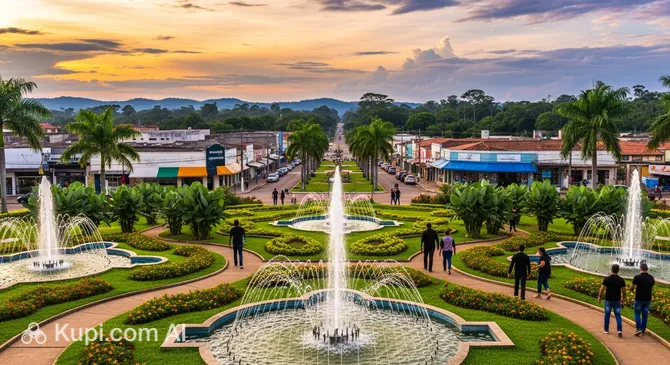
The city's past is relatively recent but eventful. Delving into the history of Ourilândia do Norte reveals a narrative deeply connected to the gold rush era of the 1980s and the subsequent development of mining and agriculture. Today, it stands as a testament to the resilience and growth of communities along the Amazonian frontier.

For visitors, the region offers distinct attractions that highlight its natural splendor. The municipality is surrounded by the majestic Amazon rainforest, offering a scenic backdrop for outdoor enthusiasts. The area is particularly known for its refreshing waterfalls and pristine rivers, which serve as perfect spots for swimming, fishing, and eco-tourism. These natural havens provide a tranquil escape and a wonderful opportunity to connect with the diverse environment of Pará.

Whether you are passing through on a business trip or seeking an off-the-beaten-path adventure in the Amazon, Ourilândia do Norte invites you to explore its streets and surroundings. It is a place where the spirit of the frontier meets the tranquility of nature, promising a memorable experience for every traveler.

Weather Overview

The climate in this region is typically tropical, defined by consistent warmth and a sharp contrast between the rainy and dry seasons. Visitors should prepare for high humidity and frequent showers during the wet months, while the middle of the year offers significantly drier conditions. For a detailed forecast before you pack, checking the weather in Ourilândia do Norte is highly recommended.

Temperatures remain fairly stable and hot throughout the year. Average monthly temperatures generally hover between 25°C and 28°C. The heat tends to peak around August and September, where daytime maximums can reach up to 34°C. Even during the relatively cooler months of June and July, minimum temperatures rarely drop below 21°C, ensuring a warm atmosphere regardless of when you visit.

Precipitation patterns dictate the rhythm of life here. The wet season is prolonged, stretching from November through April; during the peak months of January and March, you can expect rain on nearly every day, with up to 29 wet days recorded in a single month. In contrast, the dry season from June to August is remarkably clear, often featuring months with little to no rainfall, making it the ideal window for outdoor exploration.

Interesting Facts

Beyond the main attractions, Ourilândia do Norte holds many fascinating secrets rooted in its frontier history and unique geography. This city is not just a mining hub; it is a place where modern industrial ambition meets the ancient mysteries of the Amazon.

  • The "Guarita" Origins: Before it received its poetic name, which translates to "Our Land of Gold," the settlement was simply known by the bureaucratic code names "Guarita I" and "Guarita II" (Sentry Post I and II). Local legend has it that early colonists, unfamiliar with Roman numerals, combined the words to call the place "Guaritaí," a name that persisted informally before the city's emancipation.

  • The "Twin" City Phenomenon: Ourilândia do Norte shares such a seamless border with the neighboring municipality of Tucumã that they form a rare Amazonian conurbation. The two cities have grown together to the point where visitors often cross from one to the other without realizing it, functioning as a single urban island in the vastness of the rainforest.

  • A Tribute in Bronze: The city’s identity is immortalized by a prominent statue of a garimpeiro (gold prospector) located directly in front of the bus terminal. This monument honors the thousands of workers who migrated here during the 1980s gold rush, serving as a permanent reminder that the city was literally built on the dreams of fortune seekers.

  • From Gold to Nickel: While gold sparked the initial migration, the city sits atop one of the world's most significant lateritic nickel deposits. The massive Onça Puma mine, located within the municipality, extracts this strategic metal using advanced processing plants that operate right in the middle of the jungle, marking a shift from artisanal panning to high-tech heavy industry.

  • Gateway to the Kayapó: The city serves as a primary urban base and logistical hub for the Kayapó Indigenous Territory, one of the largest protected tribal lands on the planet. This proximity creates a unique cultural dynamic where ancient indigenous traditions and modern commerce interact daily on the city streets.

How to Get There

Reaching this municipality in the interior of Pará typically involves flying into a regional hub and completing the journey by road. While the location is remote, the connections are well-established. For a detailed breakdown of routes and transport options, you can read more about how to get to Ourilândia do Norte.

The city of Ourilândia do Norte does not have its own major commercial airport, but you can fly into Carajas Airport (CKS) in the city of Parauapebas, which is about 137 km from Ourilândia do Norte. This is often the most convenient option for travelers. From the airport, the transfer by taxi or bus takes approximately 3 hours and 45 minutes.

Another alternative is Maraba Airport (MAB), located in the city of Maraba. Although it handles a significant amount of regional traffic, it is situated further away, about 263 km from Ourilândia do Norte. If you choose to land here, be prepared for a longer road trip, which takes around 7 hours to complete.

For clarity, here is a summary of the main airports:

Airport Name City Passenger Traffic Km from City
Maraba Airport Maraba Medium 262.9
Carajas Airport Parauapebas Medium 137.2

Main Attractions

Exploring Ourilândia do Norte offers a unique opportunity to witness the daily life of a town in the Amazon region of Brazil. While it may not have the monumental landmarks of major tourist capitals, its charm lies in the warmth of its public spaces and the closeness to nature. The city's attractions revolve around community life, local culture, and the refreshing natural environments that surround the urban area.

A favorite spot for local families is the Praça das Crianças. This public square serves as a lively gathering point, especially in the late afternoons when the heat subsides. It is a space designed for leisure and social interaction, where children can play safely and parents can catch up with neighbors. The square reflects the town's family-oriented atmosphere and offers visitors a chance to observe the relaxed pace of life in the municipality.

The city's social calendar often revolves around the Praça de Eventos (Events Square). This spacious area is designed to host the municipality's major cultural festivals, concerts, and public gatherings. Even when there are no scheduled events, the square remains a central landmark and a pleasant place for a stroll, reflecting the town's community spirit and organized urban layout.

For a taste of authentic regional flavor, visiting the local markets, such as the Feira do Produtor, is an essential experience. These bustling hubs provide a sensory dive into the Amazon, displaying a colorful array of fresh exotic fruits, vegetables, and artisanal products. It is the perfect place to try traditional snacks, interact with residents, and understand the agricultural richness that sustains the region's economy.

Given the high temperatures of Pará, the culture of balneários (river bathing spots) is a major part of local tourism. Scattered around the municipality's outskirts, these natural pools and river beaches offer a refreshing escape. They are favorites for weekend outings, allowing visitors to swim, enjoy a cold drink, and appreciate the lush beauty of the rainforest that frames the city.

Local Cuisine

The culinary scene in Ourilândia do Norte is a vibrant reflection of traditional Amazonian gastronomy, characterized by bold flavors, indigenous ingredients, and an abundance of fresh river fish. Visitors will find that the local diet revolves heavily around manioc (cassava) in its many forms, exotic fruits, and the unique seasonings that define the state of Pará. Dining here is an immersion into the authentic tastes of the Brazilian North, where food is deeply connected to the surrounding rainforest.

One of the most iconic experiences you must try is Tacacá. This warm soup is made from tucupi (a yellow broth extracted from wild manioc), dried shrimp, and gum, but its defining feature is the jambu leaves, which cause a distinctive tingling or numbing sensation on the lips. Another signature dish is Pato no Tucupi (duck stewed in tucupi sauce), often served during festive occasions but available in many traditional restaurants. For a hearty meal, look for Maniçoba, often called the "Amazonian feijoada," which takes days to prepare as the manioc leaves must be simmered for a week to become safe and delicious.

Given the city's location within the Amazon basin, freshwater fish is a staple. Species like Tambaqui, Tucunaré, and Pirarucu are commonly served grilled over charcoal or fried, usually accompanied by rice, beans, and the ever-present farinha d'água (crunchy manioc flour). In Ourilândia do Norte, açaí is also a serious dietary staple rather than just a dessert; locals often consume the thick, purple pulp as a savory side dish alongside fried fish or dried meat, providing a nutritious energy boost.

To quench your thirst in the tropical heat, the variety of local fruit juices is unmatched. You should try juices made from Cupuaçu, Bacuri, and Taperebá, which offer sweet and tangy flavors you rarely find outside the region. For those interested in alcoholic beverages, cold beer is the standard accompaniment to social gatherings, but you might also find artisanal cachaça infused with jambu, offering the same tingling effect as the soup.

The food culture in Ourilândia do Norte is casual and welcoming. The best places to eat are often simple, family-run establishments or open-air eateries. The local markets and street stalls are particularly lively spots to grab a quick bite, such as a freshly made tapioca pancake filled with cheese or butter for breakfast. In the late afternoon, it is common to see residents gathering at street corners where "Tacacazeiras" serve bowls of hot Tacacá, making it a social ritual as much as a meal.

Travel Tips

Planning a trip to Ourilândia do Norte involves preparing for the unique conditions of the Brazilian Amazon frontier. To ensure your visit is smooth, comfortable, and respectful of the local lifestyle, here are some practical tips to help you navigate the city and its surroundings.

  1. Clothing and Gear: Due to the intense tropical climate, pack lightweight, breathable fabrics like cotton or linen to stay cool. A sturdy umbrella or raincoat is essential, especially if you visit during the wet season (November to April). Don't forget high-quality insect repellent and sun protection, as the equatorial sun can be very strong.
  2. Transportation: The most common and efficient way to get around the city is by mototaxi (motorcycle taxi). They are affordable and readily available at designated stands or can be hailed on the street. For visiting distant waterfalls or the neighboring city of Tucumã, renting a car or hiring a private driver is recommended, as public bus routes may be limited.
  3. Finances: The local currency is the Brazilian Real (BRL). While hotels and larger supermarkets generally accept credit cards, cash is absolutely necessary for street vendors, mototaxis, and small local eateries. It is advisable to withdraw sufficient cash from ATMs during banking hours, as machines can sometimes run dry on weekends.
  4. Health and Safety: Always drink bottled or filtered water to avoid waterborne illnesses. Pharmacies are available in the town center for basic supplies, but you should bring any specific prescription medications with you. In terms of safety, the city is generally welcoming, but it is wise to avoid walking in unlit or isolated areas late at night.
  5. Communication: Portuguese is the primary language, and you will find that English is rarely spoken by the general population. downloading an offline translation app and learning a few basic phrases like "Bom dia" (Good morning) and "Obrigado" (Thank you) will be incredibly helpful. SIM cards from major carriers like Vivo and Claro are easy to find and offer decent coverage in the urban area.
  6. Local Etiquette: The people of Pará are known for their warmth. Greetings are often informal but polite; a handshake or a friendly nod is standard. If you encounter members of the indigenous Kayapó community in the city, treat them with the utmost respect and never take photos without asking for explicit permission first.
  7. What to Avoid: Avoid venturing into the dense forest or swimming in river areas without a local guide or knowing it is a designated bathing spot (balneário). The Amazonian environment can be unpredictable, with strong currents and wildlife that require local knowledge to navigate safely.
  8. Local Insight: Be aware of the "twin city" dynamic with Tucumã. The two municipalities are so close that they merge into one urban area. It is common to cross the border without realizing it, so always double-check the specific location of your destination or meeting point to ensure you are in the right municipality.

By keeping these practicalities in mind, you will be well-equipped to embrace the adventure and hospitality that Ourilândia do Norte has to offer. With the right preparation, your journey into this fascinating part of the Amazon will be both safe and memorable.

Entertainment & Nightlife

Nightlife in Ourilândia do Norte reflects the city's warm, welcoming spirit and its frontier roots. While it does not feature the high-tech nightclubs of a metropolis, the evening entertainment here is lively, centered around social interaction, cold drinks, and music. The atmosphere is distinctively casual, with locals often gathering at open-air tables to enjoy the cooling evening breeze after a hot day in the Amazon.

The heart of the city's nightlife beats strongest along the main thoroughfares, particularly Avenida das Nações. This avenue and its surrounding streets serve as the primary corridor for evening activity, lined with snack bars, eateries, and venues that stay open late. The vibe is unpretentious; you will see people of all ages dressed in comfortable summer clothes—shorts and t-shirts are the standard dress code due to the tropical heat.

Music is a staple of the local culture, with a strong preference for "Sertanejo" (Brazilian country music) and "Forró." Many establishments feature live performances by local duos, creating a rustic and energetic backdrop for social gatherings. It is common for friends and families to sit for hours, sharing appetizers and large bottles of ice-cold beer while enjoying the local sounds.

A unique aspect of entertainment here is the seamless connection with the neighboring city of Tucumã. Because the two municipalities form a continuous urban area, the nightlife options effectively double. Residents frequently cross the invisible border between the two towns to explore different bars, lounges, and eateries, treating the entire conurbation as a single playground for evening leisure.

Practical advice for a night out includes timing your arrival for around 9:00 PM or later, when the streets really start to fill up. Prices are generally very affordable compared to large Brazilian capitals. For transportation, mototaxis are the most efficient and readily available way to get around at night. They are inexpensive and can be hailed easily, but always ensure you use an accredited driver with a vest.

Regarding safety, the central areas and busy avenues are generally safe for walking in groups during the evening. However, as the night progresses, it is advisable to take a taxi rather than walking long distances, especially in dimly lit residential neighborhoods. Stick to the bustling spots where the crowds are, and you will find the environment friendly and secure.

During the day, entertainment shifts towards nature and community spaces. The local balneários (river clubs) are the main daytime attraction, offering swimming pools and river access to beat the heat. Additionally, the city's squares often host small fairs and cultural presentations on weekends, providing a wholesome alternative for families before the nightlife kicks in.

Parks & Museums

Cultural and natural exploration in Ourilândia do Norte differs from the typical city tour. Instead of manicured botanical gardens and vast museum complexes, the city offers a more organic experience where green spaces are carved out of the Amazon rainforest and history is written on the streets and monuments. The local heritage is best experienced through its outdoor recreational areas and the living history of its people.

Key Parks and Green Spaces

In this region of Pará, the concept of a "park" is inextricably linked to the rivers. The local Balneários (river bathing spots) function as the city's primary natural parks. These areas, such as those found along the local rivers, offer a refreshing retreat from the equatorial heat. They are essentially natural water parks surrounded by dense native vegetation, where families gather to swim in cool, running waters and enjoy picnics under the canopy of Amazonian trees. They provide a direct and safe connection to the rainforest environment.

Within the urban perimeter, the Praça das Crianças (Children's Square) stands out as a central green lung. While it serves as a playground, its well-maintained gardens and shaded areas make it a pleasant spot for a morning walk or an evening rest. It represents the community's effort to create organized leisure spaces amidst the rapid urban growth, offering a peaceful environment for visitors to observe local social life.

Museums and Cultural Venues

Ourilândia do Norte does not boast large traditional museums; instead, its culture is preserved in public landmarks and community centers. The city's history is relatively young, and its "open-air museum" is the urban landscape itself. The narrative of the region is often displayed in temporary exhibitions at local schools or the Centro Cultural (Cultural Center) during specific festivities, where photographs and artifacts from the gold rush era and indigenous crafts are occasionally showcased to the public.

A significant aspect of the local cultural scene is the proximity to the Kayapó Indigenous communities. While not a museum in the conventional sense, the presence of indigenous culture in the city is palpable. Artisanal crafts, body painting traditions, and beadwork are often visible in local markets or cultural fairs, serving as a living gallery of one of Brazil's most important indigenous groups. Visitors interested in anthropology will find this daily interaction more engaging than static displays.

Historical and Architectural Sites

The most iconic historical landmark in the city is the Monumento ao Garimpeiro (Prospector Monument). Located prominently near the city entrance, this bronze statue pays homage to the thousands of workers who flocked to the region in the 1980s in search of gold. It is a powerful symbol of the city's origins and a must-see for anyone wanting to understand the economic foundation of the municipality. The architecture around the city center also reflects this boom-town history, with a mix of simple pioneer structures and modern buildings funded by the mining industry.

Authentic Experiences

For a truly local experience, look for the small, family-owned recreational clubs on the outskirts of town. These venues often combine a swimming pool or river access with a rustic restaurant, offering a glimpse into how locals spend their weekends away from the bustle of the center. It is an unpretentious and relaxing way to enjoy the hospitality of Pará.

Getting Around

Navigating Ourilândia do Norte is a straightforward experience, distinct from the complex transit networks found in large metropolises. As a relatively small municipality in the Amazon region, the city does not possess a metro, tram, or extensive urban bus system. Instead, the local transport dynamic is informal, road-based, and heavily reliant on smaller vehicles that can easily maneuver through the streets. For visitors, this means getting around is usually quick, personal, and quite affordable.

The most popular and efficient way to travel within the city is by mototaxi (motorcycle taxi). This is the primary mode of public transport for locals and is widely available throughout the urban area. Mototaxi drivers wear designated vests, usually numbered, indicating they are registered with the local association. This service is fast and ideal for the tropical climate, allowing you to catch a breeze as you move from your hotel to the commercial center or nearby attractions. Riders are required to provide a helmet for the passenger, and it is standard safety practice to wear one.

For those who prefer four wheels, conventional taxis are available, though they are less numerous than mototaxis. You will typically find them parked at specific stands (pontos de táxi) near the bus terminal, the main squares, or major supermarkets. Unlike in big cities where you might hail a cab on the fly, here it is often better to have your hotel reception call one for you or to keep the phone number of a reliable driver. Ride-sharing apps are not widely established or reliable in this specific region, so do not rely solely on your smartphone to book a ride.

Regarding buses, the local system is quite limited for intracity travel. Most buses you see are actually inter-municipal coaches connecting Ourilândia do Norte to the neighboring city of Tucumã or further destinations like Marabá. Because the two cities are conjoined, there is a steady flow of vans and small buses shuttling people between them. These are useful if you plan to cross the municipal border, but for short trips within Ourilândia itself, they are not the most practical option due to infrequent schedules and fixed routes.

The payment system is predominantly cash-based. Electronic travel cards or passes do not exist for local transit here. When taking a mototaxi or a regular taxi, you should pay the driver directly in local currency (Reais). Fares for mototaxis are generally fixed for rides within the city limits, but if you are going to a specific balneário on the outskirts or crossing into Tucumã, the price may be higher. It is highly advisable to confirm the fare with the driver before hopping on to avoid misunderstandings.

For tourists, renting a car can be a viable alternative if you plan to explore the surrounding rural areas or visit distant waterfalls independently. However, for staying strictly within the town center, walking is often sufficient. The commercial area is compact, and strolling allows you to soak in the local atmosphere, visit shops, and stop for refreshments at your own pace. Just remember to avoid walking long distances during the midday heat.

Accommodation

Accommodation in Ourilândia do Norte reflects its status as a busy commercial hub and a gateway to the Amazon frontier. Visitors should not expect sprawling luxury resorts or high-end international chains. Instead, the city offers a range of practical and comfortable options designed primarily to serve business travelers, mining professionals, and eco-tourists. The hospitality scene is characterized by functional simplicity, with a focus on essential amenities like air conditioning and hearty breakfasts.

Types of Accommodation

The most common lodging options are small to medium-sized hotels and family-run pousadas (guesthouses). These establishments typically provide clean, en-suite rooms equipped with the basics: a television, a minibar, and, most importantly, powerful air conditioning to combat the region's tropical heat. You may also find a few furnished apartments for rent, which are becoming a popular alternative for those planning longer stays or seeking more privacy.

Where to Stay

Location is key in a town where public transport is limited to mototaxis. The most convenient area to stay is the Centro (Downtown), particularly near the main commercial avenues such as Avenida das Nações. Staying here places you within walking distance of restaurants, banks, pharmacies, and the local nightlife. Another strategic area is near the bus terminal, which offers easy access for those arriving by road or planning to visit the neighboring city of Tucumã. Since the two cities are conjoined, some travelers also choose to stay in Tucumã and commute, effectively widening the range of available hotels.

Booking and Prices

One of the advantages of visiting this part of Brazil is the affordability. Accommodation prices in Ourilândia do Norte are generally budget-friendly to mid-range, costing significantly less than in major tourist capitals. Payment is often flexible, with most established hotels accepting credit cards, though carrying cash is always a wise backup for smaller guesthouses.

Traveler Tips

While major online booking platforms are beginning to list properties in the region, many local hotels still rely on direct bookings via phone or messaging apps like WhatsApp. It is highly recommended to book in advance if your visit coincides with local festivals or major business conferences related to the mining sector, as rooms can fill up quickly. Always confirm that your room includes breakfast (café da manhã), which is a standard and delightful perk in Brazilian hospitality, often featuring fresh local fruits and cakes.

Nearby Cities

Exploring the region surrounding Ourilândia do Norte reveals a diverse landscape of bustling towns and strategic hubs in the Brazilian Amazon. While the distances between municipalities can be significant, these nearby cities offer unique attractions, services, and connections to the wider state of Pará and beyond.

The closest neighbor of significant size is São Félix do Xingu, located about 101 km away. This city is a major reference point in the region, known for its vast territory and the beautiful Xingu River, attracting those interested in fishing and eco-tourism.

A bit further east, approximately 149 km from Ourilândia, lies Parauapebas. It is one of the most important economic centers in the state, famous for the Carajás Mineral Province and the lush Carajás National Forest, making it a key destination for both business and nature lovers.

To the south, Redenção serves as a vital commercial hub about 182 km away. For those looking for a larger metropolitan experience, Marabá is situated 264 km to the northeast, offering extensive infrastructure and an airport. Finally, Araguaína, although located 320 km away in the state of Tocantins, remains a relevant connection for travelers moving through the region.

Below is a summary of these nearby destinations:

City Population Distance (km)
São Félix do Xingu 91,340 101
Parauapebas 200,000 149
Redenção 75,556 182
Marabá 266,932 264
Araguaína 150,484 320

Shopping & Souvenirs

Shopping in Ourilândia do Norte is a practical and authentic experience that reflects the city's role as a regional commercial hub in the Amazon. While you will not find luxury boutiques or massive department stores here, the city offers a variety of shops catering to the daily needs of residents, miners, and ranchers. For visitors, the appeal lies in discovering local products, regional foods, and the bustling atmosphere of the trade districts that keep the local economy moving.

The primary destination for retail therapy is Avenida das Nações. This broad avenue serves as the commercial spine of the city, lined with a diverse array of businesses ranging from clothing stores and shoe shops to electronics retailers and pharmacies. It is a lively place to walk during the day, where you can find everything from sturdy outdoor gear suitable for the rainforest terrain to casual summer fashion. The avenue also features several hardware and agricultural supply stores, highlighting the region's industrial focus.

Unlike major metropolitan areas, Ourilândia do Norte does not have large, enclosed shopping malls. Instead, the retail scene is characterized by street-side shops and small "galerias" (shopping arcades). These compact centers often house a collection of smaller boutiques and service providers under one roof, offering a cool respite from the heat while you browse for apparel, accessories, or mobile gadgets.

For a more traditional and sensory shopping experience, the Feira do Produtor (Producer's Market) is an unmissable stop. This market is where the agricultural richness of the municipality shines. Here, you can purchase fresh Amazonian fruits like cupuaçu and bacuri, locally produced cheeses, and the famous manioc flour (farinha) that is a staple on every table in Pará. It is also a great place to interact with local farmers and experience the community spirit.

When looking for souvenirs to take home, the best items are those that represent the unique culture of the region. Indigenous handicrafts are highly prized, reflecting the artistry of the nearby Kayapó communities. You may find intricate beadwork, body ornaments, and woven baskets. Additionally, edible souvenirs are very popular; jars of fruit preserves, bottles of artisanal cachaça with jambu, or bags of locally harvested nuts make for excellent gifts.

Most stores in the city operate from Monday to Friday, typically opening around 8:00 AM and closing by 6:00 PM, with a break for lunch often observed by smaller businesses. On Saturdays, shops usually close at noon or 1:00 PM, and Sundays are generally quiet with most retail closed. Regarding payment, the Brazilian Real (BRL) is the currency used. While larger stores and supermarkets on the main avenue accept credit and debit cards, it is essential to carry cash for transactions at the open-air markets and smaller stalls.

Tourists should note that there is no tax-free shopping or VAT refund scheme available in Ourilândia do Norte. The prices you see on the tags are the final prices, which are generally quite reasonable compared to larger Brazilian cities.

Nearby cities

Reached the end of the page?

That means the route is fully explored