Support

Porto de Moz

About

Porto de Moz is a captivating destination located in the northern state of Pará, offering a genuine glimpse into life within the Amazon rainforest. Situated near the mouth of the majestic Xingu River where it meets the Amazon, this town is a vital hub for the region. With a population of approximately 34,000 inhabitants, it maintains a welcoming, small-town atmosphere despite its vast natural surroundings.

Travelers exploring Brazil will find this area to be a sanctuary of biodiversity and river culture. The climate is typically equatorial, characterized by warm temperatures and high humidity year-round, which sustains the lush greenery that defines the landscape. The history of Porto de Moz is deeply intertwined with the river, evolving from early colonial settlements to a municipality that today balances modern life with traditional riverine customs.

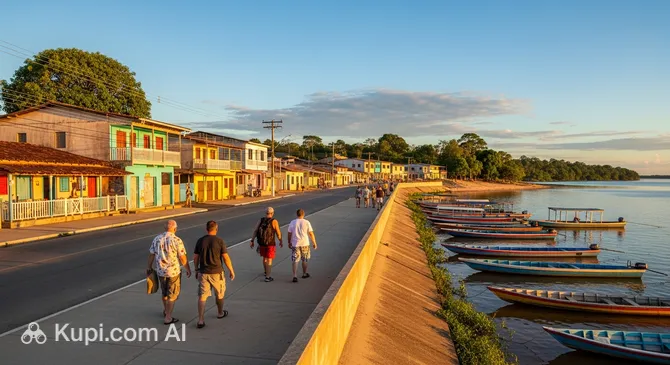
Porto de Moz. Source: Kupi.Binoculars

One of the most significant features of the region is the Verde para Sempre Extractive Reserve. This vast conservation unit is one of the largest of its kind, protecting the rainforest while supporting sustainable local livelihoods. Visitors are also drawn to the stunning river beaches, such as Praia da Chácara, which emerge during the dry season, providing perfect spots for relaxation and swimming in the Xingu's waters.

Whether you are an eco-tourist seeking untouched nature or a traveler looking to experience the authentic rhythm of the Amazon, Porto de Moz awaits with open arms and unforgettable scenery. It is an ideal stop for those wishing to immerse themselves in the natural beauty and tranquility of the North.

Weather Overview

Porto de Moz enjoys a warm tropical climate year-round, making it a suitable destination for those who appreciate consistent heat. Average temperatures remain stable, generally ranging from 26.7°C in the early months of the year to around 29.9°C during the hottest period in October. To help plan your activities, it is useful to check the current weather in Porto de Moz before your trip.

The rainfall pattern defines the seasons more than the temperature does. The first half of the year, particularly from January through May, is characterized by frequent precipitation, with up to 29 wet days per month. In contrast, the period from August to November is significantly drier; for instance, September typically sees only about 5 wet days, and daily maximum temperatures can reach up to 34°C.

Interesting Facts

Beyond the scenic river views and the lush rainforest, Porto de Moz holds fascinating details that reveal its deep historical roots and ecological importance.

  • A Colonial Namesake: The city’s name is a direct homage to the municipality of Porto de Mós in the Leiria District of Portugal. Established in the 17th century, the settlement began as a mission village, making it one of the older colonial footprints in the Amazon region.

  • A Conservation Giant: Porto de Moz is the gateway to the Verde para Sempre (Forever Green) Extractive Reserve. Covering over one million hectares, this is one of the largest sustainable-use reserves in Brazil, created after a historic grassroots movement by local riverine communities to protect their land from industrial logging.

  • The Xingu’s Final Watch: Geographically, the city serves as the sentinel at the mouth of the Xingu River. It stands at the strategic point where the clear waters of the Xingu finally merge into the sediment-rich Amazon River, creating a distinct hydrological environment that supports unique aquatic life.

How to Get There

Reaching this destination in the heart of the Amazon often involves a combination of air travel and overland or river transport. While the journey requires some planning, it offers a unique opportunity to witness the vast landscapes of Pará. For a comprehensive guide on the best routes and transport options, you can read more about how to get to Porto de Moz.

The city of Porto de Moz does not have its own commercial airport, but travelers can fly into Altamira Airport (IATA: ATM) in the city of Altamira, which is the closest viable hub, located approximately 166 km away. This regional airport connects the area to other parts of Brazil. The transfer from the vicinity of the airport to Porto de Moz typically takes several hours, though the exact duration can vary significantly depending on road conditions, the season, and whether one travels by bus, taxi, or boat.

Another option for travelers is the Santarem-Maestro Wilson Fonseca Airport (IATA: STM) located in Santarem, about 294 km away. This is a larger facility serving as a key gateway to the western Pará region. From here, the journey to Porto de Moz is longer and more complex, often requiring a significant portion of the day or an overnight trip, depending on the connections between road and river transport. However, this airport generally offers more flight connections than Altamira.

For clarity, here is a summary of the main airports in the wider region:

Airport Name City Passenger Traffic Km from City
Macapa International Airport Macapá Medium 237.4
Santarem-Maestro Wilson Fonseca Airport Santarem Medium 294.2
Altamira Airport Altamira Small 166.4

Porto de Moz is not served by a railway network, as train travel is not a common mode of passenger transport in this part of Brazil. Visitors typically rely on the road network, such as the Trans-Amazonian Highway, or the extensive river systems to reach the city. It is advisable to check local schedules for buses and boats in advance, as these are the primary means of navigating the region.

Main Attractions

Porto de Moz offers visitors a unique blend of natural splendor and authentic Amazonian culture. The city's main appeal lies in its breathtaking river landscapes and the vast protected areas that surround it, making it an ideal destination for eco-tourism and those seeking to disconnect from the bustle of urban life. Here are some of the top attractions to explore in the region.

Praia da Chácara is undoubtedly the city's most famous postcard and a favorite spot for both locals and tourists. Located just a few kilometers from the town center along the banks of the Xingu River, this beautiful beach appears during the dry season, revealing stretches of white sand and clear, greenish waters. It is well-equipped with kiosks and bars serving local cuisine, making it perfect for a day of relaxation. In July, this location comes alive as the stage for the popular Festisol (Sun Festival), a major summer event featuring music, dance, and cultural celebrations.

For nature enthusiasts, the Verde para Sempre Extractive Reserve is a must-visit highlight. Covering over one million hectares, this is one of the largest sustainable-use conservation units in Brazil. It offers a profound insight into the Amazon rainforest's biodiversity and the traditional lifestyles of the riverine communities who call it home. Visitors can arrange guided boat trips to explore its winding waterways, observe diverse bird species, and learn about the sustainable extraction of resources like rubber and açaí directly from the locals.

In the heart of the town stands the Igreja Matriz de São Braz (Saint Blaise Mother Church), a central landmark of local faith and history. Dedicated to the city's patron saint, this church is not only a place of worship but also a focal point for cultural gatherings. The annual festivities honoring São Braz, typically held in February, are vibrant occasions that showcase the community's devotion and traditions through processions and social events.

Finally, the Xingu River itself serves as a boundless attraction. Whether you are watching the sunset paint the sky in vivid colors or taking a boat tour to discover hidden igarapés (creeks), the river is the lifeblood of Porto de Moz. Its waters are perfect for artisanal fishing and swimming, offering a refreshing escape in the tropical heat and a chance to witness the meeting of the Xingu and Amazon rivers further downstream.

Local Cuisine

The local cuisine of Porto de Moz is a vibrant reflection of its Amazonian heritage, heavily relying on the abundance of the Xingu and Amazon rivers. Freshwater fish is the undisputed star of the table, with species like tucunaré, tambaqui, and filhote featuring prominently on menus. These are typically prepared simply—fried or stewed in a rich broth known as caldeirada—to highlight the freshness of the catch.

A distinctive culinary tradition in the state of Pará, which visitors to Porto de Moz must try, is the consumption of açaí as a savory staple rather than a sweet treat. Here, the thick purple pulp is served alongside fried fish and crunchy manioc flour, forming a hearty meal that powers the locals through their day. Another iconic dish is tacacá, a warm soup sold by street vendors in the late afternoon. It combines tucupi (a yellow broth extracted from cassava), dried shrimp, gum, and jambu leaves, which are famous for causing a slight numbing or tingling sensation on the lips.

To quench your thirst in the equatorial heat, the region offers an incredible variety of juices made from exotic Amazonian fruits. Drinks made from cupuaçu, bacuri, and taperebá are refreshing, creamy, and packed with flavor. For those seeking something stronger, a cold beer is the standard accompaniment to a river view, though you might also find artisanal cachaça infused with local herbs or roots.

The food culture in Porto de Moz is relaxed and informal, centered around socializing and enjoying the natural surroundings. Tourists and locals alike often gather at the open-air kiosks along Praia da Chácara or near the waterfront to eat. There are no fancy dress codes here; the focus is on authentic flavors, generous portions, and the pleasure of dining with a breeze coming off the Xingu River.

Travel Tips

Preparing for a trip to Porto de Moz requires a bit more foresight than a standard city break, given its remote location deep in the Amazon region of Pará. These practical tips will help you navigate local customs and logistics, ensuring your adventure along the Xingu River is both safe and memorable.

  1. Pack for the Amazon Climate. Since the weather is hot and humid year-round, bring lightweight, breathable clothing that dries quickly. However, long-sleeved shirts and trousers are essential for evenings and jungle treks to protect against mosquitoes. Don't forget a sturdy raincoat or poncho, as sudden downpours are common, and comfortable, waterproof footwear for walking on unpaved or muddy paths.
  2. Mastering Local Transport. Within the town itself, mototaxis (motorcycle taxis) are the most popular and efficient way to get around; simply wave one down and agree on the fare before hopping on. For exploring beyond the city center or visiting river beaches, water transport is key—speedboats (known as voadeiras) and traditional wooden boats are the primary means of connecting with nearby communities.
  3. Cash is Essential. While credit cards are gaining acceptance in some hotels and larger supermarkets, many small businesses, market vendors, and boat operators deal strictly in cash. ATMs can be unreliable or run out of money in smaller Amazonian towns, so it is highly advisable to withdraw sufficient Brazilian Reais (BRL) in a larger city like Altamira or Santarém before arriving.
  4. Health and Hydration. The equatorial heat demands constant hydration, but you should strictly stick to bottled or filtered water to avoid waterborne illnesses. Bring a well-stocked personal first-aid kit and a strong insect repellent containing DEET, as pharmacies may have limited operating hours and stock compared to major cities.
  5. Language and Connectivity. English is not widely spoken in Porto de Moz, so learning a few basic phrases in Portuguese or downloading an offline translation app will be incredibly helpful. Mobile signal can be spotty; purchasing a local SIM card (providers like Vivo or Claro often have the best coverage in the North) is recommended, though you should be prepared for slow internet speeds.
  6. Respect Local Etiquette. The people of Pará are known for their warmth and hospitality. A friendly greeting like "Bom dia" (Good morning) goes a long way. When visiting riverine communities or the Verde para Sempre reserve, always ask for permission before taking photographs of residents or their homes to show respect for their privacy.
  7. What to Avoid. Do not swim in the river at random spots without checking with locals first, as currents can be deceptive and certain areas may have wildlife risks. Additionally, avoid getting frustrated by delays; transport schedules in the Amazon can be fluid, often dictated by weather and river conditions.
  8. Embrace "Amazon Time". Life moves at a slower, more relaxed pace here. Shops might close for a midday siesta, and boat departures can be flexible. Adopting a patient and flexible mindset will not only reduce stress but also help you sync with the authentic rhythm of local life.

By keeping these practicalities in mind, you will be well-equipped to handle the unique challenges and rewards of visiting this part of Brazil. With your logistics sorted, you can focus entirely on the stunning sunsets over the Xingu and the genuine warmth of the Porto de Moz community.

Entertainment & Nightlife

Nightlife in Porto de Moz reflects the town's laid-back, riverine culture. Unlike the bustling metropolises of Brazil, you will not find high-tech nightclubs or exclusive lounges here. Instead, the evening entertainment is centered around socializing in open-air spaces, enjoying the warm equatorial breeze, and listening to the vibrant rhythms of the Amazon. The atmosphere is casual and welcoming, with locals gathering to unwind after the sun sets over the Xingu River.

The heart of the action is typically found along the Orla (Waterfront). This promenade serves as the city's main meeting point, lined with small bars, snack bars (lanchonetes), and ice cream shops. It is common to see families and groups of friends sitting at plastic tables on the sidewalk, sharing large bottles of beer and portions of fried fish or snacks. On weekends, the energy picks up, and you are likely to hear the loud beats of Technobrega, Forró, and Arrocha—musical genres that are incredibly popular in the state of Pará. Spontaneous dancing is not uncommon, and the vibe is unpretentious and fun.

Another key area for evening entertainment is Praia da Chácara. While it is a prime destination for swimming during the day, in the evenings (especially on weekends or during the dry season), the beach kiosks (barracas) remain open. These venues transform into relaxed spots to enjoy a caipirinha or a cold soda with your feet in the sand. During local festivities, such as the Festisol, this area becomes a vibrant concert venue hosting live bands and large crowds until the early hours of the morning.

For daytime entertainment, visitors should adjust their expectations away from typical urban attractions. Porto de Moz does not possess large shopping malls, multiplex cinemas, or grand museums. The "theater" here is the river itself. Daily life revolves around nature, and entertainment consists of boat trips, fishing, or visiting the Verde para Sempre reserve. Cultural enrichment comes from interacting with the community and observing the traditional architecture and daily routines at the port rather than visiting formal institutions.

Practical advice for a night out includes dressing for the heat; shorts, t-shirts, and sandals are the standard attire everywhere. Prices are generally very affordable compared to larger Brazilian cities. Most venues operate on a cash-basis, so ensure you have withdrawn money beforehand. In terms of safety, Porto de Moz is small and generally safe, but it is always wise to stick to well-lit, populated areas like the waterfront. To get around at night, mototaxis are the most reliable option; they are inexpensive and can quickly take you from the center to your accommodation safely.

Parks & Museums

Porto de Moz is a destination where the boundaries between urban life and the wild Amazonian landscape blur. Rather than manicured city parks or enclosed museums, the city's greatest recreational and cultural spaces are open to the sky, defined by the flow of the Xingu River and the traditions of its people. Visitors here will find that the "green spaces" are vast expanses of rainforest and river beaches, while the "museums" are the living, breathing markets and historical churches that anchor the community.

Praia da Chácara serves as the city's premier recreational area, functioning much like a central park for the locals. Located just a short distance from the town center, this river beach is the heartbeat of social life, especially during the dry season when the waters recede to reveal broad stretches of sand. It is equipped with infrastructure for sports and leisure, including volleyball courts and kiosks, making it the perfect spot for an afternoon picnic or a refreshing swim in the Xingu. This area also transforms into a cultural venue during major events like the Festisol, blending natural beauty with festive community spirit.

For a more immersive natural experience, the Verde para Sempre Extractive Reserve stands as a monumental area of protected wilderness. While it is not a "park" in the urban sense, it is the region's most significant ecological asset, covering vast territories of forests, rivers, and floodplains. It offers visitors a chance to witness the grandeur of the Amazon firsthand. Guided boat trips into the reserve allow for wildlife observation and a deeper understanding of the sustainable relationship between the local extractivist communities and their environment.

Although Brazil is known for its diverse cultural institutions, Porto de Moz does not possess traditional museums or art galleries. Instead, the Igreja Matriz de São Braz (Mother Church of Saint Blaise) acts as a custodian of local history and art. Standing prominently in the city center, this historical structure is not only a place of worship but also a repository of the town's colonial past and religious heritage. Its architecture and the artifacts within tell the story of the mission settlements that laid the foundations for the modern municipality.

The Mercado Municipal (Municipal Market) offers a different kind of cultural exhibition—one of gastronomy and daily life. In the absence of a folklore museum, the market is the best place to observe the authentic culture of the Lower Xingu. Here, the display of local fish, artisanal manioc flour, and native fruits creates a sensory gallery of Amazonian biodiversity. Watching the arrival of boats and the trade between riverine dwellers provides a genuine insight into the region's economic and social traditions that no static exhibit could replicate.

For an authentic insider experience, consider visiting the small community of Vila de Tapará or other nearby riverine settlements within the reserve. These areas often feature community-managed spaces where you can see the traditional production of "farinha d'água" (water flour) and local handicrafts. It is a unique opportunity to step into the living history of the Amazon, where ancient techniques are still practiced daily by the residents.

Getting Around

The public transport system in Porto de Moz is quite distinct from what you might find in larger urban centers. There is no metro, tram, or extensive municipal bus network operating within the city limits. Due to the town's compact size and its location in the Amazon region, the primary and most efficient means of getting around on land is the mototaxi (motorcycle taxi). These are ubiquitous and serve as the main form of public transit for locals and visitors alike.

For transport across the water, which is essential given the city's geography along the Xingu River, small boats and speedboats known as voadeiras function as water taxis. These vessels connect the main port to nearby riverine communities, beaches like Praia da Chácara, and settlements on the opposite bank. They do not typically run on a strict minute-by-minute schedule like a subway but rather depart when full or upon request, depending on the destination.

The payment system in Porto de Moz is strictly cash-based. There are no electronic travel cards, transport apps, or tap-to-pay systems for public transit. You will need to carry Brazilian currency (Reais) in small denominations. Fares for mototaxis are generally fixed for rides within the town center and are very affordable. Boat crossings vary in price depending on the distance and whether you are taking a slow boat or a fast speedboat, so it is best to ask the price before boarding.

Tourists should be aware that ride-sharing apps like Uber or other international taxi platforms do not operate in this area. If you need a car taxi, they are far less common than motorcycles and are usually found at specific stands near the port or the main square. However, for most short trips within the city, walking is a viable and pleasant alternative, as the central area is small and easy to navigate on foot.

Practical advice for using the local transport includes identifying official mototaxi drivers, who typically wear numbered reflective vests. It is customary to confirm the fare with the driver before hopping on the bike to avoid any misunderstandings. While transport is available throughout the day, the frequency of boats and the availability of mototaxis decrease significantly late at night, so it is wise to plan your return trips in advance if you are staying out late.

Accommodation

Accommodation in Porto de Moz reflects the town's modest and authentic character. Visitors should not expect international luxury chains or sprawling all-inclusive resorts. Instead, the hospitality scene is dominated by small, family-run hotels and pousadas (guesthouses) that offer basic but comfortable amenities. These establishments provide a genuine connection to the local culture, often featuring simple rooms with air conditioning—a necessity in the tropical heat—and breakfast buffets filled with regional fruits and cakes.

The most convenient area to stay is undoubtedly the City Center (Centro), particularly near the Orla (waterfront) along the Xingu River. Staying in this vicinity places you within walking distance of the main port, the Igreja Matriz de São Braz, and the evening food markets. Being close to the river not only offers beautiful views, especially at sunset, but also ensures easy access to the boats and mototaxis required for exploring the surrounding beaches and the reserve.

Prices for accommodation in Porto de Moz are generally very affordable, fitting well within a budget to mid-range category. While some establishments have begun to appear on major online booking platforms, many smaller pousadas still operate traditionally. It is often effective to contact them directly via phone or messaging apps to secure a reservation. Payment methods can vary, so carrying sufficient cash is advisable as card machines may depend on internet connectivity.

Booking Tip: Although finding a room is usually straightforward during the off-season, the town fills up quickly during major local events. If you are planning to visit during the Festisol (Sun Festival) in July or the Feast of São Braz in February, it is highly recommended to book your accommodation weeks or even months in advance to guarantee a spot.

Nearby Cities

While Porto de Moz offers a secluded escape into the Amazon, travelers looking to extend their journey can explore several fascinating cities in the surrounding region. Due to the vastness of the rainforest and the dominance of river transport, visiting these neighbors often turns into an adventure of its own, revealing the diverse landscapes and cultures of Northern Brazil.

Altamira is the most significant nearby hub and often serves as the primary gateway for visitors heading to Porto de Moz. Located along the Xingu River, it is a bustling commercial center connected by the Trans-Amazonian Highway. Known for its vibrant riverfront and the rapid development brought by the Belo Monte Dam, the city offers better infrastructure, including a regional airport and a wider range of services, making it a practical stopover for logistical needs.

Further afield lies Macapá, the capital of the neighboring state of Amapá. Unique among Brazilian capitals, it stands on the banks of the Amazon River and is famous for being cut by the Equator line. Tourists here can visit the Marco Zero monument, where you can stand with one foot in the Northern Hemisphere and the other in the Southern, or explore the impressive São José de Macapá Fortress, a relic of colonial defense architecture.

For those interested in history and archaeology, Monte Alegre is a compelling destination. It is renowned for the Monte Alegre State Park, which houses some of the oldest cave paintings in the Amazon. The city offers a mix of natural beauty and deep historical roots, providing a stark contrast to the modern bustle of larger urban centers.

Here is a list of cities relatively close to Porto de Moz that might be of interest to travelers:

City Name Population Distance (km)
Macapá 512,902 237
Altamira 109,938 161
Breves 99,080 195
Monte Alegre 56,391 206
Alenquer 54,960 279

Shopping & Souvenirs

Shopping in Porto de Moz offers a window into the authentic lifestyle of the Amazon, far removed from the commercialized experience of large cities. Visitors will not find luxury boutiques or international chain stores here. Instead, the retail scene is characterized by small, family-owned businesses and vibrant market stalls that cater to the daily needs of the locals. For tourists, this is an opportunity to purchase goods that are genuinely tied to the region's culture and the surrounding rainforest.

The main commercial activity is concentrated in the City Center (Centro), particularly along the streets radiating from the waterfront and near the Igreja Matriz de São Braz. This area serves as the town's open-air shopping district, where you can find clothing stores, pharmacies, hardware shops, and small grocery markets. Walking through these streets provides a relaxed atmosphere where shopkeepers are friendly, and the pace is dictated by the tropical heat.

Travelers looking for large retail complexes should be aware that there are no shopping malls in Porto de Moz. The city's infrastructure is modest, and the concept of a modern mall does not exist here. Shopping is done on the street level, and for more extensive retail needs, locals typically travel to larger regional hubs like Altamira or Santarém.

The highlight of the local shopping scene is undoubtedly the Mercado Municipal (Municipal Market). Located near the river, it is the bustling heart of the town's commerce. Here, you can find the freshest catch from the Xingu River, a variety of Amazonian fruits like cupuaçu and bacuri, and the essential manioc flour that accompanies every meal in Pará. It is also a great place to observe local interactions and discover ingredients that are unique to this part of Brazil.

When it comes to souvenirs, the best items to bring back are those that reflect the craftsmanship and natural resources of the region. Look for artisanal handicrafts made by local riverine communities or indigenous groups from the Xingu area. Common items include jewelry made from seeds and natural fibers, wood carvings, and decorative ceramics. Additionally, a bottle of locally produced andiroba oil (used for medicinal purposes) or a package of artisanal cacao are excellent, practical gifts.

Store opening hours in Porto de Moz generally follow a standard schedule, opening around 8:00 AM and closing by 6:00 PM on weekdays. It is common for smaller shops to close for a lunch break between 12:00 PM and 2:00 PM to avoid the peak midday heat. On Saturdays, shops usually close earlier, often by 1:00 PM, and most businesses remain closed on Sundays, except for essential food markets and bakeries. Cash is the primary method of payment. While some larger stores in the center may accept credit or debit cards, market vendors and small artisans deal almost exclusively in Brazilian Reais. It is highly recommended to carry sufficient cash for your shopping needs.

Regarding tax refunds, tourists should note that tax-free shopping is not available in Porto de Moz. The tax refund systems found in major international travel hubs do not apply to the small local businesses and markets in this remote Amazonian municipality.
Reached the end of the page?

That means the route is fully explored