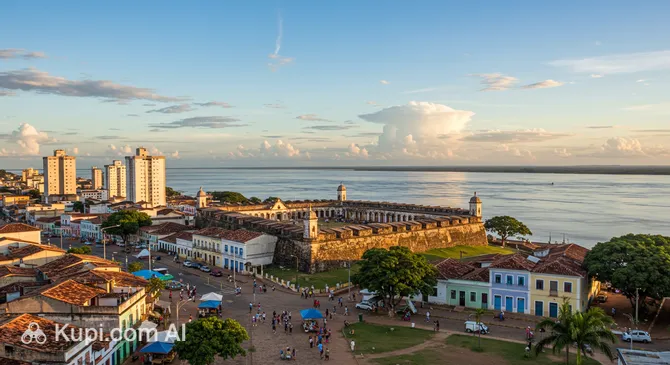
Macapá is a fascinating destination located in the northern region of Brazil, serving as the capital of the state of Amapá. This city offers a unique blend of urban life and raw Amazonian nature, distinguished by its singular geographical position. It is famously known as the "Capital of the Middle of the World" because the Equator line runs directly through the city, allowing visitors to stand with one foot in the Northern Hemisphere and the other in the Southern Hemisphere.
Macapá. Illustration.
Source: Kupi.com AI
Geographically, Macapá sits on the northern bank of the majestic Amazon River, near its mouth at the Atlantic Ocean. Unlike many other Brazilian capitals, it is not connected by road to the rest of the country, making it an exclusive destination accessible primarily by boat or plane. The climate here is typically equatorial—warm and humid year-round—which supports the lush greenery surrounding the urban area.
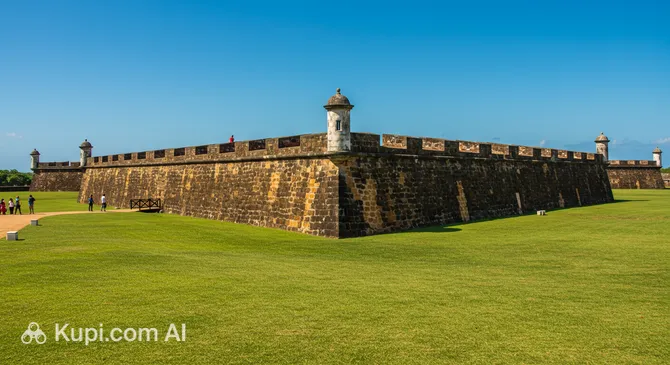
The rich history of Macapá is best experienced at the Fortaleza de São José de Macapá, an impressive 18th-century fortress built to defend the Amazon delta. It remains one of the best-preserved military structures in the country. Another essential stop is the Marco Zero monument, a towering obelisk marking the exact line of the Equator, where special solar phenomena can be observed during the equinoxes. Visitors can also enjoy a scenic stroll along the Trapiche Eliezer Levy, a long pier that extends into the river, offering stunning views and fresh breezes.
Whether you are drawn by the allure of the Amazon rainforest or the curiosity of standing in two hemispheres at once, Macapá welcomes you with open arms. It is a perfect starting point for an unforgettable adventure in the heart of the Amazon.
Weather Overview
Due to its location on the Equator, Macapá experiences a hot and humid tropical climate year-round with very little variation in temperature. Visitors can expect consistent warmth, with average daily highs ranging from 29°C to 33.5°C and nighttime lows generally staying between 23°C and 25°C. The warmest months are typically September and October, making the city a sun-soaked destination regardless of when you visit.
Rainfall patterns define the seasons more than temperature changes do. The first half of the year, spanning from January to June, is characterized by very frequent precipitation, with rain occurring on most days. Conversely, the period from August to November is significantly drier, with October seeing as few as six wet days on average. For a more detailed forecast to help plan your activities, you can check the current weather in Macapá before your trip.
Average monthly temperature
Average monthly precipitation
Interesting Facts
Beyond the well-known Equator monument, Macapá holds unique cultural and geographical curiosities that define its identity. Here are some fascinating details about this Amazonian capital that often surprise visitors.
Fortress of São José de Macapá. Illustration.
Source: Kupi.com AI
Traveler photos:
The city boasts one of the most unusual football stadiums in the world, the Estádio Milton de Souza Corrêa, affectionately nicknamed "Zerão." Its midfield line aligns perfectly with the Equator, allowing matches to be played with one team defending in the Northern Hemisphere and the other in the Southern Hemisphere.
Although the Fortress of São José de Macapá is a massive military structure designed to protect the Amazon delta, it famously never fired a shot in combat. Its imposing presence and strategic location were enough to deter potential invaders during the colonial era.
Local culture is deeply influenced by Marabaixo, a vibrant Afro-Brazilian tradition unique to this region. This cultural expression combines circular dances, religious chants, and the beat of distinctive drums called caixas to honor the ancestors who helped build the city.
The Sacaca Museum offers a distinct experience as an open-air institution located within a preserved forest area. It focuses on the sustainable lifestyle of Amazonian river communities and features a renowned center for medicinal plants used in traditional healing.
How to Get There
Reaching this unique equatorial city requires a bit of planning, as it is one of the few state capitals in Brazil not connected by road to the rest of the country. For most visitors, air travel is the most convenient and common method of arrival. To see all available transport options, you can read more about how to get to Macapá.
The primary gateway for travelers is Macapa International Airport (MCP). Conveniently located within the city itself, it sits just 2.1 km from the city center. This proximity makes transfers quick and easy; a taxi or ride-share trip to the downtown area typically takes just a few minutes, depending on traffic. The airport handles a moderate volume of passengers and connects the city to other major Brazilian hubs.
For clarity, here is a summary of the main airport:
Macapá offers a distinct set of attractions that blend its rich history with the vibrant nature of the Amazon. From colonial fortifications to lively public spaces along the river, the city provides visitors with a variety of experiences that highlight local culture and the unique geography of the region.
One of the most significant landmarks is the Fortress of São José de Macapá. As one of the largest military fortifications in Brazil, it stands as a testament to the Portuguese colonial presence in the Amazon. Visitors can explore the well-preserved walls, cannons, and internal buildings while enjoying panoramic views of the river. It is a captivating spot for history enthusiasts and offers a glimpse into the strategic importance of the city in the 18th century.
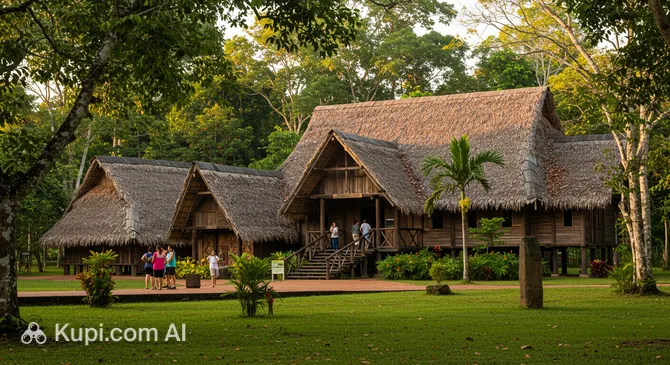
For a deep dive into the local way of life and biodiversity, the Sacaca Museum is an unmissable stop. This open-air museum recreates the lifestyle of the riverside communities (ribeirinhos) and indigenous peoples of Amapá. Walking through its trails, you can see traditional stilt houses, learn about medicinal plants used in the region, and learn about the sustainable practices of the Amazonian inhabitants. It is an educational and immersive experience suitable for all ages.
Sacaca Museum. Illustration.
Source: Kupi.com AI
Traveler photos:
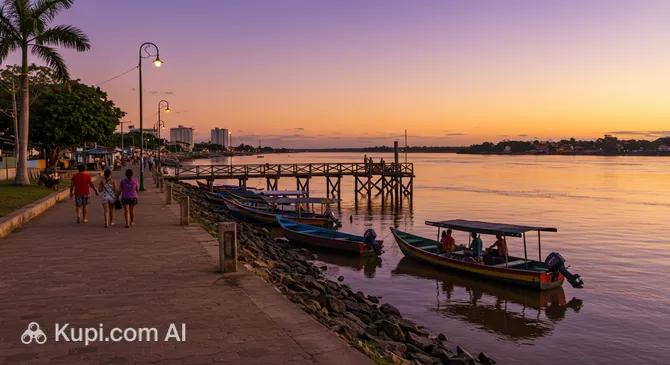
To experience the city's social atmosphere, a visit to the Macapá Waterfront is highly recommended. Known locally as the "Orla," this promenade runs along the mighty Amazon River and is perfect for a relaxing evening stroll. It is lined with kiosks and restaurants where you can taste local delicacies or simply enjoy the refreshing river breeze. The area is particularly beautiful at sunset, offering a picturesque backdrop for photos.
Macapá Waterfront. Illustration.
Source: Kupi.com AI
Traveler photos:
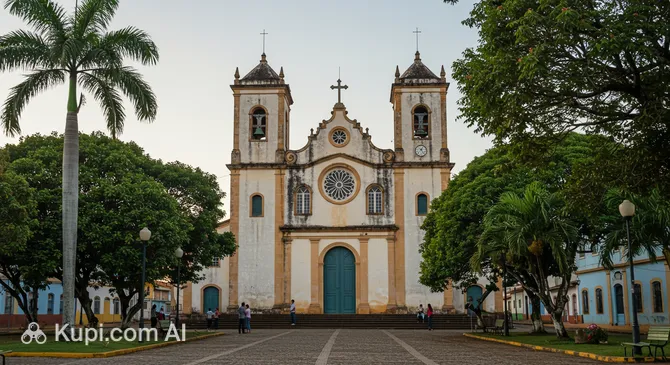
In the heart of the city stands the St. Joseph Cathedral, the oldest church in Macapá. Its architecture reflects the colonial style and serves as an important religious and historical center for the community. The simple yet elegant facade and the peaceful interior provide a quiet retreat from the bustling city streets, making it a worthwhile stop for those interested in religious heritage.
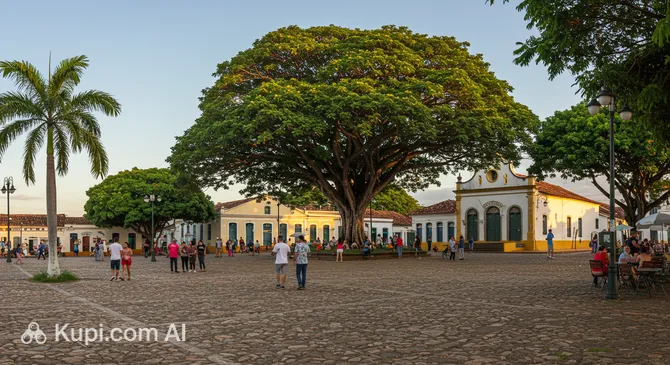
Another unique urban space is Samaúma Square, named after the colossal Samaúma tree that dominates the landscape. This square is not just a meeting point but a symbol of the region's flora integrated into the urban environment. The giant tree provides ample shade, making the square a cool and pleasant place to rest during the heat of the day, while local events and gatherings often take place under its massive canopy.
Samaúma Square. Illustration.
Source: Kupi.com AI
Traveler photos:
Local Cuisine
To truly understand the culture of Macapá, one must dive into its distinctive gastronomy, which is deeply rooted in Amazonian traditions and indigenous ingredients. The local cuisine is a flavorful celebration of the rivers and forests, characterized by fresh fish, exotic fruits, and unique seasonings that are rare to find elsewhere.
One of the most iconic dishes to try is Tacacá. Served in a gourd (cuia), this hot soup is made with tucupi (a yellow broth extracted from wild manioc), dried shrimp, and jambu leaves. The jambu is famous for the slight numbing sensation it causes on the lips and tongue, creating a truly memorable culinary experience. Another must-try is Camarão no Bafo (steamed shrimp), a signature dish of the region. The shrimp are cooked in their shells with spices and often a touch of cachaça, preserving their natural sweetness and tenderness.
In Macapá, Açaí is not just a dessert; it is a staple food consumed daily. Unlike the sweet, granola-topped versions found in other parts of the world, here it is traditionally eaten as a savory side dish. Locals enjoy a bowl of thick, pure açaí accompanied by fried river fish, shrimp, or manioc flour. It is a hearty meal that powers the city and offers an authentic taste of the Northern lifestyle.
When it comes to drinks, the star of Amapá is Gengibirra. This traditional beverage is made from fermented ginger, sugar, and cachaça (though non-alcoholic versions exist). It has a spicy kick and is deeply connected to the Marabaixo cultural festivities. For something fruitier, try juices made from Amazonian fruits like Cupuaçu and Bacuri. Adventurous drinkers should also look for Cachaça de Jambu, which imparts the same tingling sensation as the herb used in cooking.
The dining scene in Macapá is vibrant and often centers around the river. The Macapá Waterfront is a favorite spot for both locals and tourists to enjoy an evening meal with a refreshing breeze from the Amazon River. Here, you can find numerous kiosks and restaurants serving regional delicacies.
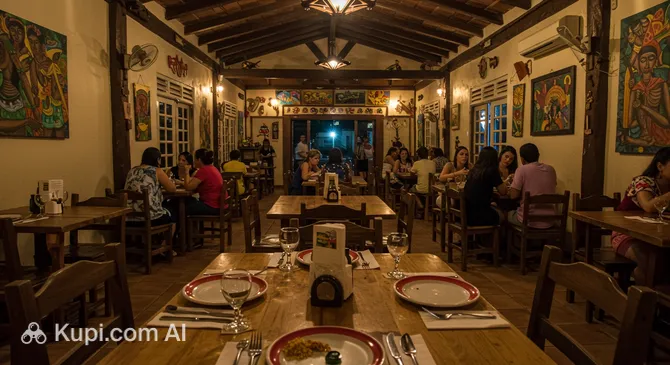
Estaleiro Restaurant. Illustration.
Source: Kupi.com AI
Traveler photos:
For a sit-down dinner featuring high-quality regional cuisine, Estaleiro Restaurant is an excellent choice. It is well-regarded for its seafood dishes, such as fish served in a clay pot or with exotic sauces like taperebá. Whether grabbing a quick snack at a street stall or enjoying a full meal at a restaurant, the flavors of Macapá are sure to leave a lasting impression.
Travel Tips
Visiting Macapá is a unique experience where urban life meets the Amazon rainforest, but the distinct climate and local logistics require some preparation. To help you make the most of your trip to the "Capital of the Middle of the World," here are some practical tips to ensure a smooth and enjoyable journey.
Clothing and Gear: Given the equatorial climate, the weather is hot and humid year-round. Pack lightweight, breathable fabrics like cotton or linen to stay cool. Comfortable walking shoes are essential for exploring the city's sights. Since sudden tropical downpours are very common, carrying a compact umbrella or a raincoat is highly recommended.
Transportation: While there is a public bus system, it can be crowded and somewhat confusing for first-time visitors. The most convenient and efficient way to get around is by using ride-hailing apps like Uber or 99, which are widely available and affordable. Taxis are also a good option. Remember that Macapá is not connected by road to the rest of Brazil, so travel to other major cities is done by plane or boat.
Finances: The official currency is the Brazilian Real (BRL). Credit and debit cards are widely accepted in hotels, restaurants, and shopping malls. However, it is essential to carry some cash for small purchases, especially if you plan to buy street food like Tacacá or souvenirs at local markets. ATMs are readily available throughout the city.
Health and Safety: Pharmacies are plentiful, with major chains often open late or 24/7. As in any tropical region, insect repellent is a must-have to protect against mosquitoes. It is advisable to drink only bottled or filtered water. regarding safety, exercise standard precautions: avoid displaying expensive electronics or jewelry in public and stay in well-lit, populated areas, especially at night.
Communication: Portuguese is the primary language, and English is not widely spoken outside of major hotels and tourist agencies. downloading a translation app or learning a few basic phrases like "Bom dia" (Good morning) and "Obrigado" (Thank you) will go a long way. You can easily purchase a local SIM card at shopping centers to ensure you have internet access.
Local Etiquette: The people of Amapá are generally warm and welcoming. A handshake is a standard greeting, though locals may use a cheek kiss in more informal settings. It is considered polite to greet shopkeepers and service staff upon entering an establishment. Dress is typically casual due to the heat, but swimwear should be reserved for pools or beaches.
What to Avoid: Avoid swimming in the Amazon River along the urban waterfront unless you are in a specifically designated safe area, as currents can be strong and water quality varies. Also, try to avoid scheduling strenuous outdoor walking tours during the peak heat of the day (between 12:00 PM and 3:00 PM) to prevent heat exhaustion.
Sunset Routine: A local "life hack" is to save your walk along the Trapiche Eliezer Levy or the waterfront for the late afternoon. This is when the city cools down, the locals come out to socialize, and you can witness a breathtaking sunset over the Amazon River while enjoying the refreshing breeze.
By keeping these practicalities in mind, you will be well-equipped to navigate the city's unique rhythm and climate. Macapá is a place of incredible natural beauty and cultural richness, and a little preparation will allow you to relax and fully embrace the Amazonian hospitality.
Entertainment & Nightlife
The nightlife in Macapá is inextricably linked to its geography, with the most vibrant scenes playing out along the banks of the Amazon River. Unlike the high-tempo club scenes of southern Brazil, evening entertainment here is characterized by a laid-back, open-air atmosphere where the river breeze provides relief from the day's heat. The city comes alive after the sun sets, with locals gathering to enjoy cold beer, live music, and conversation under the stars.
The epicenter of the city's nightlife is the Macapá Waterfront (Orla de Macapá). This bustling district stretches along the river and is lined with numerous kiosks, bars, and restaurants. It is the perfect place to start your evening. You will find a mix of families, couples, and groups of friends enjoying the "movimento." The musical backdrop often features Sertanejo, Pagode, and the local Brega rhythms, creating a festive and authentic Amazonian vibe.
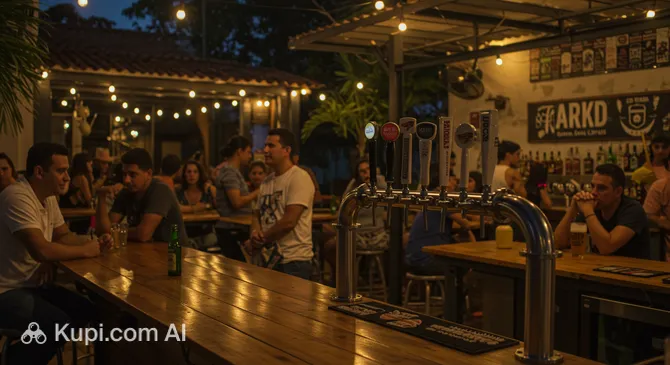
For those seeking a specific venue to enjoy drinks and a lively crowd, ARKD Bar is a popular choice among locals and visitors alike. It offers a modern setting to unwind, socialize, and enjoy a variety of beverages. The atmosphere is generally casual, welcoming visitors to relax without the need for formal attire.
ARKD Bar. Illustration.
Source: Kupi.com AI
Traveler photos:
Another excellent spot to experience the local evening culture is Capytu Restaurant & Bar. Venues like this often blend the culinary experience with nightlife, allowing you to transition seamlessly from dinner to drinks. It is common for these establishments to host live music performances on weekends, adding to the energetic ambiance of the city.
Regarding practical advice, the nightlife in Macapá typically peaks between Thursday and Saturday. The dress code is almost universally casual; due to the tropical climate, shorts, t-shirts, and sandals are perfectly acceptable in most bars and open-air venues. Prices are generally affordable compared to larger Brazilian capitals. For transportation, it is highly recommended to use ride-sharing apps or call a taxi when moving between venues at night, rather than walking long distances.
While the focus is often on the night, daytime entertainment also offers pleasant diversions. Before heading out for the evening, you might enjoy some leisure time at Macapá Shopping. It provides a cool, air-conditioned environment with a cinema and food court, making it a great place to relax during the hottest part of the afternoon before the city's nightlife begins to stir.
Safety is an important consideration. The waterfront area is generally safe and well-patrolled during peak hours when crowds are present. However, it is advisable to stay within the busy, well-lit sections of the Orla and avoid wandering into deserted side streets late at night. By sticking to the main hubs and using reliable transport, you can fully enjoy the warm and welcoming spirit of Macapá's nights.
Parks & Museums
Macapá is a city where culture and nature intertwine seamlessly, offering visitors a chance to explore rich history amidst the lush backdrop of the Amazon. The city's public spaces and institutions reflect its unique identity, preserving the heritage of its people while celebrating the biodiversity that surrounds it.
Parks and Green Spaces
For nature lovers, the Curiaú Environmental Protection Area (APA do Curiaú) is an absolute must-visit. Located just a few kilometers from the city center, this protected area is home to a traditional Quilombola community and offers a stunning landscape of marshes and flooded forests. During the dry season, the waters recede to reveal lush green fields, while the wet season transforms the area into a beautiful lake perfect for swimming and relaxing. It is a vibrant example of how local communities live in harmony with the Amazonian ecosystem.
In the heart of the city, the Samaúma Square serves as an important urban sanctuary. Dominated by a majestic Samaúma tree, known as the "Queen of the Amazon Forest," this square is more than just a meeting point; it is a symbol of the forest's presence within the urban grid. The immense canopy provides a cool, shaded retreat where locals gather, making it a pleasant spot for a midday break to admire the sheer scale of Amazonian flora.
Another key area for outdoor leisure is the Parque do Forte. Surrounding the city's historic fortress, this expansive green lawn is a favorite spot for families and sports enthusiasts. In the late afternoon, the park fills with people walking, jogging, or flying kites, all while enjoying the breeze from the Amazon River. It acts as a bridge between the city's history and its daily recreational life.
Museums and Galleries
The Sacaca Museum stands out as the premier cultural institution in Macapá. Unlike traditional museums housed in closed buildings, this is an open-air space designed to immerse visitors in the region's diversity. It features replicas of different housing types found in Amapá, from indigenous malocas to the stilt houses of riverine communities. The museum also functions as a research center, highlighting the scientific knowledge of medicinal plants and sustainable development practices.
For those interested in the chronological history of the region, the Museu Histórico do Amapá (Joaquim Caetano da Silva) offers a deep dive into the state's past. Located in the city center, its collection includes artifacts, photographs, and documents that trace the development of Amapá from the colonial period to the present day. It provides valuable context for understanding the strategic importance of this territory in the northern Amazon.
Historical and Architectural Sites
The city's most imposing landmark is undoubtedly the Fortress of São José de Macapá. Inaugurated in 1782, this star-shaped fortification is a masterpiece of Portuguese military architecture in the Americas. Its thick walls and strategic position overlooking the Amazon River were intended to defend the region from foreign invasions. Today, walking through its ramparts and exploring the old magazines and barracks offers a tangible connection to the colonial era.
Religious architecture also plays a significant role in the cityscape. The St. Joseph Cathedral is the oldest church in Macapá and a cornerstone of the local faith. Its simple yet dignified colonial style contrasts with the modern city growing around it. The church remains a focal point for religious festivals, particularly the celebration of the city's patron saint, São José.
St. Joseph Cathedral. Illustration.
Source: Kupi.com AI
Traveler photos:
Authentic Experiences
For a truly local experience, visit the Curiaú region on a weekend to enjoy a traditional lunch at one of the rustic restaurants on the decks. It is a fantastic opportunity to taste authentic dishes while dipping your feet in the cooling waters of the marshlands, far removed from the hustle of the city center.
Getting Around
The public transport system in Macapá primarily relies on a network of urban buses that connect the city center to the outlying neighborhoods. Unlike larger metropolitan areas in Brazil, there is no metro, tram, or train service available. The buses are the backbone of daily commuting for locals, covering most major streets and providing access to key points of interest, including the waterfront and the commercial downtown area.
For payment, the system accepts both cash and electronic cards. While local residents typically use a rechargeable travel card known as the "Passe Social" or student passes, tourists will find it most convenient to pay with cash directly on board. You pay the fare to the conductor or the driver upon entering. It is advisable to carry small change, as breaking large bills can sometimes be difficult. The fare is relatively affordable, generally costing around a few Brazilian Reais per trip.
For visitors, the most practical and comfortable alternative to public buses is the use of ride-hailing apps. Services like Uber and 99 are very popular in Macapá and are widely considered the best option for tourists. They offer the advantage of air-conditioned vehicles—a significant relief in the equatorial heat—and allow you to track your route and pay via the app, eliminating language barriers and the need for cash. Traditional taxis are also available at designated stands, particularly near the airport and major hotels, and run on a meter system.
If you decide to use the bus system, it is helpful to know that stops often lack detailed maps or schedule information. Using navigation apps like Moovit or Google Maps can help you find the nearest stop and estimate arrival times, although real-time accuracy can vary. Buses typically operate from the early morning, around 5:00 AM, until shortly before midnight. Service frequency drops significantly on weekends and holidays, so planning ahead is essential if you are traveling late at night.
Another common form of transport in the region is the "mototaxi" (motorcycle taxi). These are faster and can navigate traffic more easily than cars, making them a popular choice for short trips among locals. However, for safety and comfort, especially if you are carrying luggage or are unfamiliar with the city, sticking to cars or ride-sharing apps is generally recommended.
Finally, for travel beyond the city limits to other municipalities in Amapá, such as Santana or Mazagão, intercity buses depart from the main bus terminal, the Terminal Rodoviário de Macapá. Since Macapá is not connected by road to the rest of Brazil, this terminal serves only destinations within the state, while longer journeys to other capitals require air or river transport.
Accommodation
Finding a place to stay in Macapá is generally a straightforward experience, with options catering primarily to business travelers and regional tourists. The city does not feature the extensive luxury resorts found in Brazil's coastal tourism hubs. Instead, the accommodation landscape is dominated by functional mid-range hotels, budget-friendly hostels, and charming local guesthouses known as pousadas. These establishments typically offer clean, comfortable, and unpretentious amenities suitable for a short stopover or a longer exploration of the Amazon.
When choosing a location, most visitors gravitate towards two main areas: the City Center (Centro) and the Waterfront (Orla). Staying in the city center places you within walking distance of historical landmarks, administrative buildings, and commercial zones, making it convenient for those who want easy access to services and shops. Alternatively, the Waterfront area is highly recommended for leisure travelers. Hotels located here often provide scenic views of the Amazon River and are just steps away from the city's best restaurants and evening promenades, allowing you to enjoy the refreshing river breeze right outside your door.
Accommodation prices in Macapá are generally quite affordable compared to major tourist destinations in southern Brazil. Travelers can expect to find excellent value for money, with mid-range hotels offering air conditioning, breakfast, and Wi-Fi at reasonable rates. While major online booking platforms are widely used and reliable for securing rooms in larger hotels, some smaller, family-run pousadas may offer better deals if contacted directly. It is a good idea to book your stay in advance if you plan to visit during major local events, such as the Equinox celebrations in March and September or the Marabaixo festival, as availability can become limited during these peak times.
Nearby Cities
For those looking to explore the surroundings, Macapá serves as an excellent base for day trips to several interesting nearby locations:
One of the most unique destinations in the region is Afuá, situated on the northwestern side of Marajó Island. Known as the "Venice of the Marajó," this charming town is built entirely on stilts over the water to adapt to the tidal nature of the region. Motorized vehicles are prohibited, so locals and visitors get around on foot or by bicycle, creating a peaceful and distinctive atmosphere. It is accessible by boat from Macapá, offering a scenic journey across the river channels.
Another fascinating spot for history enthusiasts is Mazagão Velho. Although accessible by road and a short ferry crossing, it feels like a step back in time. The town is famous for the Festival of São Tiago, a vibrant cultural event held every July that reenacts historic battles between Moors and Christians. Exploring its colonial ruins and the local church provides a deep insight into the 18th-century heritage of the Amazon.
Just a short drive from the capital lies Santana, the second-largest city in the state and its primary port. While often seen as a commercial hub, it serves as the gateway to the Amazon River for many travelers. It is a great place to witness the bustling river trade and see the majestic boats that navigate the waterways, connecting isolated communities across the rainforest.
City
Population
Distance
Mazagao
22 053
31 km
Afua
37 778
77 km
Porto Grande
19 669
84 km
Tartarugalzinho
15 212
163 km
Anajas
28 012
169 km
These nearby destinations offer a glimpse into the diverse culture and landscapes of the region, from stilt villages on the islands to historic settlements on the mainland.
Shopping & Souvenirs
Shopping in Macapá offers a unique blend of modern convenience and Amazonian tradition, made even more attractive by the city's special economic status. As a designated Free Trade Area (Área de Livre Comércio), the city allows visitors to purchase imported goods—such as electronics, perfumes, and beverages—at significantly reduced prices compared to other parts of Brazil. Beyond the duty-free bargains, the city is a treasure trove for those seeking authentic indigenous crafts and regional delicacies.
The commercial heart of the city beats strongest in the downtown area, particularly along Rua Cândido Mendes. This bustling street is the primary artery for local commerce, lined with a wide variety of shops selling clothing, footwear, and household items. It is a lively place to experience the local atmosphere, where street vendors and established storefronts compete for attention. Walking down this street, you can find everything from affordable fashion to specialized stores selling imported goods benefiting from the tax exemptions.
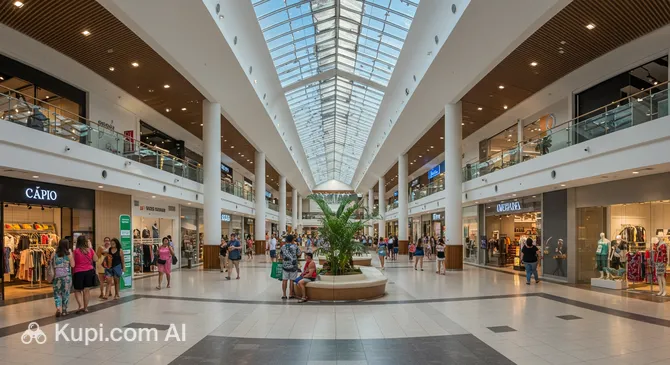
For a more comfortable and climate-controlled experience, the city features several modern shopping centers. Macapá Shopping is one of the most well-known destinations. Centrally located, it offers a diverse mix of retail stores, a food court, and entertainment options, making it a convenient stop for tourists looking to escape the midday heat while browsing for international brands.
Macapá Shopping. Illustration.
Source: Kupi.com AI
Traveler photos:
Another prominent option is Villa Nova Shopping, which provides a focused selection of shops and services. While smaller than the massive malls found in southern Brazil, these centers are vital hubs for social life in Macapá and offer a reliable range of products, from electronics to local fashion.
If you are looking for authentic culture, the local markets and artisan centers are unmissable. The Casa do Artesão (Artisan's House) is the premier destination for regional handicrafts. Here, you can admire and purchase works made by local indigenous tribes and river communities. It is the best place to find items made from Amazonian fibers, seeds, and wood, directly supporting the local economy.
When it comes to souvenirs, Macapá offers distinct items that you won't find easily elsewhere. Look for Cerâmica de Maruanum, a unique type of pottery coated with manganese, a mineral abundant in the region, which gives the pieces a distinctive metallic sheen. Culinary souvenirs are also popular; bottles of Cachaça de Jambu (which causes a tingling sensation) and bags of fresh Brazil nuts (Castanha-do-Brasil) make for excellent gifts. Additionally, small bottles of Gengibirra or handicrafts depicting the Marabaixo dancers are perfect mementos of the local culture.
Standard store hours in Macapá are typically from 8:00 AM or 9:00 AM to 6:00 PM on weekdays, with many street shops closing around 1:00 PM on Saturdays and remaining closed on Sundays. Shopping malls, however, usually operate from 10:00 AM to 10:00 PM daily, including Sundays (though food courts may open earlier than retail stores). Credit and debit cards are widely accepted throughout the city, but it is advisable to carry cash when visiting street markets or buying from smaller artisan stalls.
Regarding tax-free shopping, Macapá's status as a Free Trade Area acts as a built-in tax benefit. While there is no traditional "tax refund" system for tourists at the airport like in Europe, the exemption from certain federal taxes on imported products means that shelf prices for foreign goods are often lower than the national average. This makes it a great place to stock up on imported cosmetics, toys, and electronics during your visit.