Support

Manicore

About

Welcome to Manicoré, a captivating municipality situated in the heart of the Amazonas state. Perched on the banks of the majestic Madeira River, this city offers visitors an authentic glimpse into life within the vast rainforests of Brazil. With a population of approximately 56,000 inhabitants, it serves as a lively hub where riverine traditions meet the bustling energy of a key regional port.

Often referred to by locals as the "Land of the Bacurau," Manicoré is also celebrated for its abundant agricultural produce, particularly its watermelons, which are honored with a popular annual festival. Travelers interested in the region's past can delve into the history of Manicoré to learn how the river trade and economic cycles shaped its development. Today, the city is a destination for sport fishing enthusiasts and those seeking to explore the untouched beauty of the Amazonian landscape.

Whether you are watching the sunset over the Madeira River or planning an excursion to nearby natural reserves, the city provides a warm and humid climate typical of the region. Manicoré invites adventurers to disconnect from the modern rush and immerse themselves in the unique rhythms of nature and local culture.

Weather Overview

Travelers planning a visit to this Amazonian region should be prepared for a consistently warm and humid tropical climate. The weather in Manicoré is characterized by high temperatures year-round, with average daily values generally staying between 26°C and 29°C. The heat tends to peak around August and September, where maximum temperatures can reach up to 33.7°C, creating a hot environment perfect for river activities.

Precipitation patterns play a major role in defining the seasons here. The beginning of the year, spanning from December through April, is notably wet, with rain recorded on as many as 29 to 30 days per month. In contrast, the months of June, July, and August bring a distinct drier period, where the frequency of wet days drops significantly to as low as 5 days in July. Overall, expect consistently hot weather with frequent rainfall during the early months and a drier, sunnier spell from June to September.

Interesting Facts

Beyond the scenic views of the Madeira River, Manicoré holds a treasure trove of local legends and historical curiosities that few visitors know about. From mythical origins to unexpected presidential visits, the city's backstory is as vibrant as its forests.

  • The Children of Mani: The name "Manicoré" is deeply rooted in indigenous mythology. It is believed to be a combination of "Mani," referring to a legendary native figure or deity, and "Coré," meaning children or descendants in the Tupi language. Locals proudly interpret this as being the "Children of the Goddess Mani."

  • An Unexpected Presidential Visit: In the 1940s, Brazilian President Getúlio Vargas made an unplanned stop in the city. His amphibious aircraft suffered a mechanical failure while en route to another region, forcing him to land in Manicoré. This historic impromptu visit is still commemorated today with a bust of the president located in the Praça da Bandeira.

  • The Watermelon Capital: This municipality is the largest producer of watermelons in the entire state of Amazonas. The fruit is so essential to the local identity that the city hosts the annual Festa da Melancia (Watermelon Festival) every September, featuring massive displays of the harvest and lively cultural celebrations.

  • Land of the Bacurau: The city is affectionately nicknamed the "Land of the Bacurau" by residents. This moniker refers to a nocturnal bird, known in English as the nightjar, which is abundant in the surrounding rainforests and has become a symbol of the local fauna.

How to Get There

Reaching this destination in the heart of the Amazon requires planning, as the region is vast and relies heavily on river transport. The primary gateway for most travelers is the state capital, Manaus, from where you can catch a regional flight to Manicoré's local airstrip or embark on a boat journey. For a more detailed breakdown of routes and transport modes, you can read more about how to get to Manicore.

When searching for flight connections, you may encounter data for Coari Airport (CIZ). Although this is geographically the closest listed facility in the database, it is not a practical option for reaching Manicoré. Situated about 275 km away, Coari lacks any road connection to Manicoré, and traversing the distance between their respective rivers is complex and not suitable for standard tourism. Visitors are strongly advised to route their travel through Manaus instead.

Below is the data for the closest regional airport for reference purposes only:

Airport Name City Passenger Traffic Km from City
Coari Coari 27,800 275.4

Since the road network is virtually non-existent in this part of the forest, the Madeira River acts as the main highway. The most authentic way to arrive is by boat; ferries and speedboats depart regularly from Manaus, offering a scenic voyage that allows you to fully appreciate the scale and beauty of the Amazon before you even arrive.

Main Attractions

There are several interesting places to visit in Manicoré that offer a mix of history, culture, and natural beauty. While the city is small, its charm lies in the riverside atmosphere and the welcoming nature of its public spaces. Here are some of the main spots you should consider exploring during your stay.

Praça da Bandeira is a beating heart of the city and a central gathering point for locals and visitors alike. Recently revitalized, this square houses the bust of former Brazilian President Getúlio Vargas, commemorating his unplanned stop in the city during the 1940s. Another essential landmark located nearby is Praça Coronel Sá, which serves as the setting for the historic Igreja Matriz de Nossa Senhora das Dores. Constructed around 1899, this church stands as a testament to the region's religious heritage. In the evenings, these public spaces come alive with families enjoying the cooler air, making them perfect spots to observe local life and admire the architecture.

For those seeking relief from the Amazonian heat, Balneário do Atininga is a favorite local escape. Located approximately 10 kilometers from the city center, this bathing spot on the banks of the Atininga River offers refreshing, dark waters typical of the region. It is an ideal destination for a day trip, where you can swim, relax in nature, and experience how residents spend their weekends. The surrounding vegetation adds to the scenic beauty, providing a true jungle atmosphere.

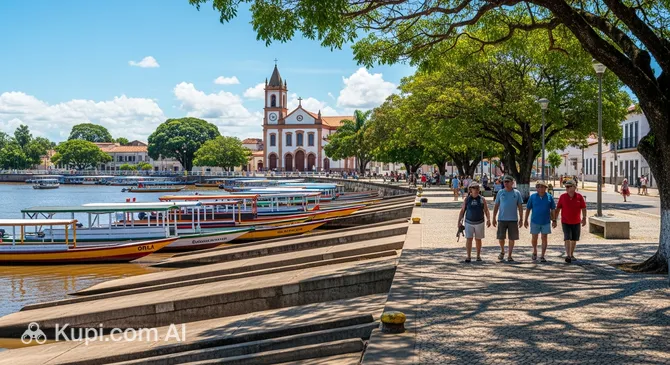
Finally, no visit is complete without spending time along the Madeira River Waterfront. As the lifeblood of the municipality, the river offers spectacular views, especially at sunset when the sky reflects off the vast water surface. Walking along the riverbanks allows you to watch the boats arriving and departing, giving you a sense of the vital river commerce that drives the local economy. It is a simple yet mesmerizing experience that connects you directly with the spirit of the Amazon.

Local Cuisine

The culinary scene in Manicoré is a delightful reflection of its location along the Madeira River and the surrounding Amazon rainforest. Unsurprisingly, freshwater fish is the star of the local table. Visitors should not miss the opportunity to try Tambaqui, often served grilled over charcoal or as a rich stew known as caldeirada. Another regional favorite is the Pirarucu, the giant of the Amazon waters, which is frequently prepared in a dish called Pirarucu de Casaca, featuring layers of fish, banana, and roasted manioc flour.

As the "Watermelon Capital" of Amazonas, Manicoré offers a unique gastronomic treat centered around this refreshing fruit. During the harvest season, and especially during the annual festival, watermelon is abundant and incredibly sweet. You will find it served fresh in generous slices everywhere, from street corners to family tables. It is the perfect natural hydration to combat the tropical heat, often accompanied by other native fruits like cupuaçu and graviola.

For a taste of authentic street food, look for the traditional Tacacá stands that usually open in the late afternoon. This warm, spicy soup made from tucupi (fermented manioc broth), jambu leaves (which cause a tingling sensation on the lips), and dried shrimp is a cultural staple. Breakfast is another highlight, where locals enjoy tapioca pancakes filled with butter or the beloved tucumã palm fruit and cheese, often paired with strong, sweet coffee.

The dining atmosphere in Manicoré is casual and welcoming, with many locals preferring to eat at open-air markets or simple restaurants overlooking the river. The Municipal Market is a hub of activity where you can see the day's catch arriving and enjoy affordable, freshly cooked meals. To wash it all down, try the fresh fruit juices or a cold beer, which is the standard accompaniment for a lazy lunch by the water.

Travel Tips

Visiting Manicoré offers a unique opportunity to experience the authentic pace of life in the Brazilian Amazon, but the remote location and tropical environment require a bit of specific preparation. To help you navigate your journey smoothly and enjoy the local culture to the fullest, here is a set of practical tips for your stay.

  1. Clothing and Gear: Given the consistently hot and humid climate, pack lightweight, breathable fabrics like cotton or linen to stay cool. A sturdy raincoat or poncho is essential, as sudden downpours are common year-round. Don't forget a wide-brimmed hat, high-quality sunglasses, and comfortable walking shoes or sandals for exploring the uneven streets and riverbanks.
  2. Transportation: Inside the city, the most common and convenient way to get around is by mototaxi. These motorcycle taxis are affordable, plentiful, and the standard mode of transport for locals. While the city center is compact enough to explore on foot, a mototaxi is perfect for reaching further spots like the Balneário do Atininga.
  3. Finances: The local currency is the Brazilian Real (BRL). While some larger supermarkets and hotels may accept credit cards, cash is absolute king here. Many small vendors, market stalls, and boat operators only deal in cash. It is highly advisable to withdraw sufficient funds in Manaus before arriving, as ATMs in smaller Amazonian towns can occasionally run out of money or face connection issues.
  4. Health and Safety: Insect repellent is your most important accessory; apply it generously to protect against mosquitoes common in the river region. Always drink bottled or filtered water and avoid tap water to prevent stomach issues. Pharmacies are available in the town center for basic supplies, but they generally do not operate 24/7, so bring a personal kit with any prescription medications you might need.
  5. Communication: Portuguese is the primary language, and you will find that English is rarely spoken outside of specific tourist interactions. Downloading an offline translation app and offline maps is a great idea before you arrive. Learning a few basic phrases like "Bom dia" (Good morning) and "Obrigado" (Thank you) will go a long way in connecting with the friendly residents.
  6. Local Etiquette: The people of Manicoré are known for their warm hospitality. It is polite to greet shopkeepers and people you interact with. Life here moves at a relaxed "river time" pace, so patience is a virtue; service in restaurants may be slower than in big cities, but it is part of the laid-back atmosphere.
  7. What to Avoid: Do not swim in the Madeira River or unknown bodies of water without checking with locals first. Currents can be strong, and there may be wildlife hazards. Additionally, avoid taking photos of residents or their homes without asking for permission first, as a sign of respect for their privacy.
  8. Additional Tip: If you plan to buy the famous local watermelons or other fruits at the market, try to go early in the morning. This is when the produce is freshest, the temperature is cooler, and the market is buzzing with the most authentic local activity.

By keeping these practical points in mind, you can focus on the incredible sunsets over the Madeira River and the delicious local cuisine without worry. Manicoré is a welcoming destination, and a little preparation ensures your adventure in this corner of the Amazon will be both safe and memorable.

Entertainment & Nightlife

The nightlife in Manicoré reflects the city's warm, riverine soul—relaxed, welcoming, and deeply connected to the local culture. Unlike the high-energy club scenes of larger metropolises, the evening entertainment here revolves around socializing in open-air spaces, enjoying cold drinks, and listening to regional music. The atmosphere is casual, with locals often gathering in shorts and flip-flops to beat the tropical heat while enjoying the breeze from the Madeira River.

The primary hub for evening activity is the Orla de Manicoré (Riverfront). As the sun sets, this area transforms into a lively promenade where families, couples, and groups of friends meet. You will find various kiosks and snack bars lining the street, serving everything from fried fish to ice-cold beer. It is the perfect place to start your night, watching the river traffic while soaking in the local vibe. Another key spot is Praça da Bandeira, which often hosts small events and serves as a central meeting point before heading to nearby bars.

For those looking to experience the local bar scene, there are a few standout venues that capture the essence of the city:

  • Bar do Júnior: A favorite among residents for its authentic regional feel. It is the ideal spot to try traditional Amazonian drinks, such as the famous caipirinha de jabuticaba, made with fresh local fruit. The menu also features classic snacks like fried fish with banana farofa, making it a great place for a casual dinner that turns into late-night drinks.

  • Ponto da Cerveja: If you are a fan of variety, this is the place to go. Known for offering a selection of craft beers and draft options, it attracts a lively crowd. The venue frequently hosts live music performances, often featuring local bands playing popular Brazilian hits, creating a fun and interactive atmosphere.

  • Estação do Drink: For a slightly more modern touch, this bar is known for its creative cocktail menu. The mixologists here incorporate Amazonian ingredients like açaí and cupuaçu into their drinks, offering a unique taste of the forest in a glass. The decor is contemporary, making it a popular choice for younger crowds.

Music is a vital part of the night in Manicoré. You will likely hear a lot of Forró and Beiradão—a musical style born in the Amazonian river communities that mixes various rhythms like sax-heavy cumbia and carimbó. On weekends, many bars clear space for dancing, and the energy can last well into the early morning hours. If you are visiting in August, the city comes alive for the Festival Folclórico de Manicoré, a massive event featuring quadrilha dances and large-scale parties that dominate the nightlife for days.

Practical Advice: The best time to head out is after 8:00 PM when the temperature drops slightly. Prices are generally very affordable compared to big cities. Cash is the preferred payment method, as card machines can sometimes suffer from poor connection signals. For transportation, mototaxis are the standard way to get around at night; they are cheap, quick, and easy to flag down. While the city is generally safe, it is advisable to stick to well-lit areas like the waterfront and main squares, and avoid walking alone in remote neighborhoods late at night.

While the city is quieter during the day, daytime entertainment focuses on the natural environment. Since there are few traditional theaters or museums, visitors spend their daylight hours exploring the rivers, fishing, or visiting local bathing spots like the Balneário do Atininga. The transition from a sun-drenched day on the water to a relaxed evening at a riverfront bar is the quintessential Manicoré experience.

Parks & Museums

Immersing yourself in the culture and nature of Manicoré means stepping out of traditional galleries and into the living, breathing landscape of the Amazon. Here, the "museums" are often architectural landmarks that have stood the test of time, and the "parks" are vast stretches of river beaches and lush forest reserves that define the region's geography.

Key Parks and Green Spaces

While the city center features charming urban squares, the true natural playgrounds of Manicoré are found along its riverbanks. Praia do Anamã is a highlight for nature lovers, particularly during the dry season (usually from August to October). As the water levels of the Madeira River drop, this beautiful river beach emerges, revealing a long stretch of golden sand. It is a favorite spot for locals to sunbathe, swim in the refreshing waters, and play sports, offering tourists a perfect setting to relax and watch the river traffic pass by.

For a more organized recreational experience amidst nature, the Balneário do Atininga remains the premier destination. Located just a short drive from the town center, this area is built around the dark, cool waters of the Atininga River. It functions as a natural water park where visitors can swim safely surrounded by native vegetation. The site is equipped with simple amenities, making it a comfortable place to spend a hot afternoon picnicking under the shade of Amazonian trees.

Museums and Cultural Heritage

Manicoré does not possess large conventional museums; instead, its history is preserved within its most significant buildings. The Igreja Matriz de Nossa Senhora das Dores serves as the city's primary sanctuary of art and history. Built in 1899, this architectural gem features a style reminiscent of the rubber boom era. Inside, visitors can admire intricate relief canvases depicting the Stations of the Cross and beautiful stained glass windows that narrate religious stories, effectively acting as a gallery of sacred art that reflects the deep spirituality of the local population.

Another venue that functions as a living museum of local culture is the Mercado Municipal. While it is a commercial hub, it offers an unfiltered look at the region's artisanal and culinary heritage. Here, you can view (and purchase) traditional crafts made from indigenous seeds, straw, and wood, which tell the story of the forest's resources better than any exhibit. It is the best place to observe the daily rhythm of the "Bacurau" people and understand the connection between the city and the river.

Historical and Architectural Sites

Beyond the main church, the city's streets themselves offer a glimpse into the past. The Praça da Bandeira is not just a green space but a historical marker. It houses the monument to President Getúlio Vargas, a tangible reminder of his unexpected visit in the 1940s which linked this remote town to the national history of Brazil. The square recently underwent revitalization, becoming a modern space that respects its historical significance, often hosting open-air cultural exhibitions and community gatherings.

Authentic Experiences

For a truly local experience, try to visit the Parque de Exposição Domingo Galdino de Melo if your trip coincides with the city's festivities. This large event space transforms into the cultural heart of the city during the Watermelon Festival and the June festivals (Festas Juninas). It is here that you can witness the vibrant "quadrilha" dances and see the community celebrate its agricultural roots, offering a spirited display of folklore that you won't find in any guidebook.

Getting Around

Navigating Manicoré is a straightforward experience, distinct from the complex transit networks found in larger metropolitan areas. Due to the city's compact size and remote location in the Amazon, there is no public metro, tram, or extensive municipal bus system. Instead, the primary and most efficient mode of public transport is the mototaxi. These motorcycle taxis are ubiquitous and serve as the lifeblood of urban mobility, offering a quick and breezy way to travel through the streets, which is particularly welcome in the tropical heat.

For those who prefer four wheels, conventional taxis are available, though they are less numerous than their two-wheeled counterparts. You can typically find them parked at designated stands near the main squares, the municipal market, or the port area. While car-sharing apps are not standard here, local taxi drivers are reliable and knowledgeable about every corner of the city. For travel to nearby rural communities or across the Madeira River, small speedboats known as voadeiras or motorized canoes function as water taxis, departing frequently from the waterfront.

The payment system in Manicoré is exclusively cash-based. There are no electronic travel cards, passes, or ticketing apps. Visitors should always carry the local currency in small denominations, as drivers may not always have change for large bills. Fares for mototaxis are generally fixed for rides within the city limits and are very affordable. However, for longer distances or trips to the outskirts, it is advisable to confirm the price with the driver before hopping on. Taxis operate similarly, and while some may have meters, negotiating a flat rate beforehand is common practice.

Operating hours for transport are flexible. Mototaxis are available from early morning until late at night, catering to the city's social rhythms. However, availability decreases significantly after midnight, so plan your return trip accordingly if you are out late. When using a mototaxi, safety is paramount; always ensure the driver provides a helmet. If you are traveling with luggage, a standard car taxi is the more practical choice, as balancing suitcases on a motorcycle can be difficult and unsafe.

Given the flat terrain and small footprint of the urban center, walking is a viable and pleasant alternative for short distances, allowing you to soak in the local atmosphere at your own pace. However, be mindful of the midday sun and high humidity. While bike rentals are not a formal industry here, some guesthouses may offer bicycles for guests. Ultimately, the transport system here is informal but effective, relying on personal interaction and the friendly nature of the local drivers.

Accommodation

Accommodation in Manicoré is modest and functional, reflecting the city's nature as a working river port rather than a mass tourism hub. Visitors should not expect international luxury chains or sprawling all-inclusive resorts. Instead, the hospitality scene is dominated by small, family-run guesthouses (known locally as pousadas) and budget-friendly hotels. These establishments generally offer basic but clean and comfortable amenities, often including air conditioning—a necessity in the Amazonian heat—and private bathrooms.

The most convenient area to stay is undoubtedly the City Center (Centro), particularly the streets surrounding the Praça da Bandeira and the Madeira River Waterfront. Choosing a hotel in this vicinity places you within easy walking distance of the primary commercial district, the Municipal Market, and the port where passenger boats arrive. Being central also means you are close to the main dining spots and can easily flag down a mototaxi for excursions further afield.

Booking accommodation here often requires a more traditional approach. While a few properties may be listed on major online travel platforms, many of the local pousadas rely on direct bookings via phone or messaging apps. Prices are generally very affordable, fitting comfortably within a budget to mid-range bracket. It is important to note that during major local events, such as the Festa da Melancia in September or the city's anniversary celebrations in May, the limited number of rooms can sell out weeks in advance. Travelers planning a visit during these peak times should secure their lodging as early as possible.

Finally, always confirm payment methods before you arrive. While some larger hotels in the center accept credit cards, smaller guesthouses may prefer or strictly require cash. Having sufficient Brazilian Reais on hand is highly recommended to ensure a smooth check-in process.

Nearby Cities

For those looking to explore the surroundings, Manicoré serves as an excellent base for day trips or short visits to several interesting nearby locations. While travel in the Amazon often involves longer journeys by boat or plane, the following destinations are among the most significant in the region and offer distinct cultural and natural experiences.

Manaus is the vibrant capital of the state and the primary hub for the entire region. Although it requires a flight or a longer boat ride to reach, it is the most popular destination for those seeking a mix of urban excitement and nature. Visitors can marvel at the iconic Teatro Amazonas, explore the bustling port markets, or witness the famous Meeting of Waters, where the dark Rio Negro runs alongside the sandy Amazon River without mixing. It offers a stark contrast to the quiet life of Manicoré.

Another notable destination is Humaitá, located further up the Madeira River. Known for its friendly atmosphere and historic architecture, Humaitá is a key gateway connecting the river traffic to the roadways leading south. It offers a more relaxed pace similar to Manicoré but with its own unique charm, including a beautiful waterfront that is perfect for a sunset stroll and experiencing the local riverine culture.

For travelers heading towards the capital, Manacapuru is another interesting stop. Often called the "Princess of Solimões," it is famous for its rich folklore and the annual Ciranda Festival, which showcases traditional dances and music. It sits on the banks of the Solimões River and provides a glimpse into the agricultural and cultural heart of the Amazon basin.

City Population Distance (km)
Manaus 2219580 330
Manacapuru 94175 289
Coari 85910 280
Humaita 51302 269
Iranduba 49011 306

These nearby destinations offer a glimpse into the diverse culture and landscapes of the region, ranging from bustling metropolises to charming river towns.

Shopping & Souvenirs

Shopping in Manicoré offers an authentic immersion into the daily life of an Amazonian river town. Do not expect sprawling shopping complexes or luxury international brands. Instead, the commercial scene is characterized by small, family-owned businesses, street vendors, and bustling markets that cater to the practical needs of the locals and the river trade. For visitors, this is an opportunity to purchase goods that are truly representative of the region, from fresh forest produce to handcrafted items, all while engaging directly with the friendly community.

The primary commercial activity is concentrated in the Centro (City Center), particularly along the streets radiating from the port and the Praça da Bandeira. As you walk through these thoroughfares, you will find a variety of shops selling clothing, footwear, electronics, and household goods. The proximity to the Madeira River means that this area is always lively, with goods arriving by boat and being distributed to the storefronts. It is a compact area that is best explored on foot, allowing you to browse the shop windows while soaking in the local atmosphere.

Travelers should note that there are no modern shopping malls in Manicoré. The retail experience here is strictly traditional and street-based. If you are looking for a climate-controlled shopping environment with cinema complexes and food courts, you would need to travel to the state capital, Manaus. In Manicoré, the "mall" is the open street, where the breeze from the river replaces air conditioning.

The highlight of the local shopping scene is undoubtedly the Mercado Municipal (Municipal Market). Located near the waterfront, this market is the beating heart of the city's commerce. Here, you can find the freshest catch from the Madeira River, including the famous Tambaqui and Pirarucu. Beyond food, the market is a treasure trove for local culture, offering stalls with regional fruits, manioc flour, and medicinal herbs from the forest. It is a sensory experience where the colors and smells define the Amazonian lifestyle.

When looking for keepsakes, focus on items that reflect the region's biodiversity and artistry. Indigenous handicrafts are popular, often made from natural materials like seeds, fibers, and wood. You can find beautiful bio-jewelry, woven baskets, and decorative carvings. Additionally, edible souvenirs are a great choice; bags of Brazil nuts (castanha-do-pará), bottles of tucupi sauce, or sweets made from cupuaçu and açaí allow you to take a taste of the Amazon home with you. Since Manicoré is the "Watermelon Capital," you might even find themed crafts celebrating this local fruit.

Most shops in the city center operate from Monday to Friday, typically opening around 8:00 AM and closing by 6:00 PM, often with a break for lunch between 12:00 PM and 2:00 PM. On Saturdays, businesses usually close early, around 1:00 PM, and Sundays are generally quiet with most stores closed, except for essential services and market stalls. While some larger establishments accept credit and debit cards, cash is the preferred payment method, especially in the market and smaller shops. It is highly recommended to carry Brazilian Reais (BRL) in smaller denominations.

There is no tax-free shopping or VAT refund system available for tourists in Manicoré. The tax refund schemes found in major international travel hubs do not apply to the local commerce in this municipality. Prices displayed are final, though friendly negotiation is sometimes acceptable in market stalls.
Nearby cities

Reached the end of the page?

That means the route is fully explored