The public transport system in Tabatinga is distinct from what you might find in large metropolitan areas. There is no metro, tram, or extensive municipal bus network. Instead, the city relies on a more informal and flexible system suited to its size and layout. The primary mode of transportation for locals and tourists alike is the mototaxi. These motorcycle taxis are ubiquitous, fast, and the most efficient way to navigate the streets, offering a direct service that covers the entire urban area and extends to the border.
For those who prefer four wheels, regular taxis are widely available. They are particularly useful for travelers carrying luggage, families, or groups who want to travel in air-conditioned comfort, which is a welcome relief from the tropical heat. Taxis can be found at designated stands, especially near the airport and the city center, or they can be hailed on the street. It is also common to see tuk-tuks (auto-rickshaws), although these are more characteristic of the neighboring Colombian city, they frequently operate in the border zone.
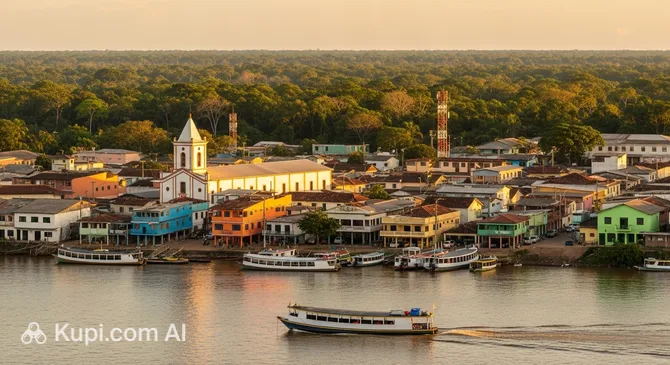
A unique aspect of transport here is the water-based commute. Since the city is located on the banks of the Amazon River and borders Peru, small wooden boats known as peque-peques or speedboats serve as essential "water taxis." These depart regularly from the port to transport passengers across the river to the Peruvian island community of Santa Rosa de Yavari. This short boat ride is the standard way to cross the international border to Peru for daily visits.
Regarding payment, cash is the absolute standard for all forms of local transport. There are no electronic travel cards, tap-to-pay systems, or transport apps like Uber operating in the region. You should pay the driver directly at the end of your journey. While the Brazilian Real is the official currency, due to the proximity of the border, many drivers may accept Colombian Pesos, though it is always best to carry local currency in small denominations to avoid issues with change.
Fares are generally affordable and often work on a fixed-rate basis for rides within the city limits. However, it is highly recommended to agree on the price before the trip begins, especially if you are taking a mototaxi or a taxi to a specific destination like the airport or the border. Mototaxi rides are typically very cheap, while taxi fares are higher but still reasonable by international standards. Tipping is not mandatory but rounding up the fare is appreciated.
For tourists, walking is a viable alternative for exploring the commercial center and the Avenida da Amizade. The terrain is flat, making it easy to stroll between shops and the border crossing. However, given the high humidity and frequent rain showers, having a mototaxi or taxi as a backup plan is always wise. If you choose to walk, be mindful of the traffic, as the flow of motorcycles can be chaotic.
Operating hours for transport are quite flexible. Mototaxis and taxis run from early morning until late at night, catering to the active nightlife of the Triple Frontier. However, boat services to Santa Rosa usually operate only during daylight hours, so if you plan to visit the Peruvian side, ensure you return before sunset to catch the last boat back to the city.