Support

Eirunepé

About

Welcome to Eirunepé, a captivating destination nestled deep within the lush rainforests of the state of Amazonas. Known for its serene atmosphere and strong connection to nature, this city offers a unique glimpse into life along the winding Juruá River. As you explore this remote corner of Brazil, you will be greeted by the warm hospitality of its residents and the breathtaking scenery that defines the region.

The city has a fascinating past, originally emerging during the rubber boom era which significantly influenced its growth and culture. To understand how this settlement evolved from a remote outpost into a thriving municipality, you can explore the history of Eirunepé. Today, it serves as a vital hub in the southwestern part of the state, home to approximately 34,000 people who live in harmony with the surrounding jungle environment.

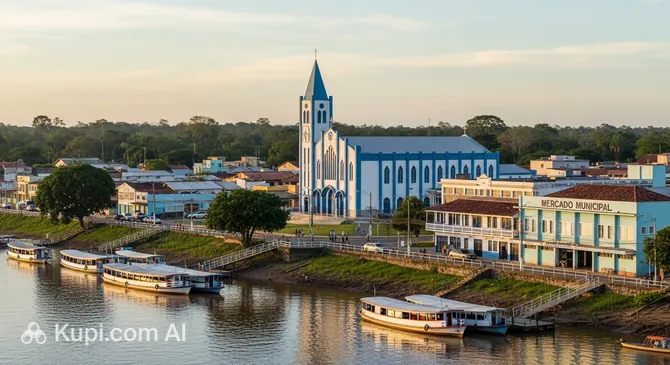
Eirunepé. Source: Kupi.Binoculars

Visitors are primarily drawn here to experience the raw beauty of the Amazon. The Juruá River is the lifeblood of the community, offering excellent opportunities for boat tours, fishing, and witnessing spectacular sunsets over the water. During the dry season, extensive sandy river beaches appear, providing a perfect setting for relaxation and swimming. Additionally, the dense forests surrounding the city are a paradise for eco-tourism, allowing travelers to observe the incredible biodiversity of the Amazon basin.

Whether you are an adventurer seeking the depths of the rainforest or a traveler looking to experience authentic local culture, Eirunepé promises an unforgettable journey. We invite you to step off the beaten path and immerse yourself in the vibrant rhythms and natural wonders of this enchanting city.

Weather Overview

Eirunepé experiences a tropical climate that remains consistently warm and humid throughout the year, typical of the Amazon region. To help plan your trip effectively, it is helpful to check the current weather in Eirunepé before you go. The city sees relatively stable temperatures, with average daily highs hovering between 29°C and 33°C, while nights are generally mild, rarely dropping below 21°C.

Rainfall is a frequent occurrence, particularly from November through April, where you can expect wet conditions on most days of the month. The wettest period occurs early in the year, with January and March seeing rain on up to 28 days. In contrast, the middle of the year brings a drier season; July is typically the driest month with only about 8 wet days. September tends to be the warmest month, with average temperatures reaching around 28°C.

Interesting Facts

Beyond the main attractions, Eirunepé holds many fascinating secrets that reveal its deep historical and cultural roots. While it may seem like a quiet riverside town today, its past is filled with stories of migration, name changes, and geographical curiosities.

  • The Princess of the Juruá: Eirunepé is affectionately known by the nickname "A Princesa do Juruá." This title dates back to the rubber boom era when the city was a major center of wealth and development in the region, standing out for its economic importance and relative sophistication amidst the dense rainforest.

  • A Name with History: The city was not always known by its current name. It was originally founded in the late 19th century as São Felipe. It was only in the 1940s that it was renamed Eirunepé, a term derived from indigenous languages, often interpreted to mean "Path of the Vulture" or "Way of the Chief," reflecting the area's native heritage.

  • Northeastern Roots: Despite being located deep in the Amazon, the local culture has a strong connection to the Brazilian Northeast. The city was largely settled by migrants from the state of Ceará, known as "Arigós," who traveled thousands of kilometers to work in the rubber extraction industry. This migration created a unique cultural fusion evident in the local accent, cuisine, and traditions.

  • The Winding River: The city sits on the banks of the Juruá River, which is famous for being one of the most meandering rivers in the world. Because of its endless curves and bends, the river distance to the state capital, Manaus, is more than double the straight-line distance, making boat journeys an incredibly long adventure of over 2,400 kilometers.

How to Get There

Reaching the remote municipality of Eirunepé is an adventure in itself, often requiring specific logistical planning due to its location deep within the Amazon rainforest. Since there are no major highways connecting it to the rest of Brazil, the primary and most practical way to arrive is via the local airstrip, Eirunepé Airport (ERN). Most travelers fly here connecting from the state capital, Manaus. Alternatively, for those with time and a spirit of adventure, river boats travel along the winding Juruá River, though this journey can take several days. You can find all ways to reach the city and detailed travel advice on our dedicated page.

When looking at a map, you might notice other airports in the wider region that appear relatively close in terms of straight-line distance. However, it is crucially important to understand that these facilities are not practical entry points for visiting Eirunepé. The dense Amazonian jungle creates a natural barrier, and there are absolutely no roads or direct river connections linking these airports to the city. Travelers attempting to arrive via these hubs would face significant obstacles, as there is no ground transportation available to bridge the gap.

For reference, the following table lists these regional airports by their physical proximity, but please note the warning above regarding their lack of accessibility to Eirunepé:

Airport Name City Passenger Traffic Km from City (Straight Line)
Gen. A.V. Cobo Airport Leticia Medium 273.1
Tabatinga International Airport Tabatinga Small 266.3

Regarding rail transport, there are no railway stations serving Eirunepé or this part of the Amazon. Trains are not a viable mode of transport for this destination, so visitors should focus exclusively on arranging flights to the local airport or securing passage on a river vessel.

Main Attractions

Eirunepé is a destination where the primary allure lies not in grand monuments, but in the authentic rhythm of Amazonian life and the breathtaking nature that surrounds it. The city’s attractions are deeply connected to the river and the community's vibrant culture, offering visitors a chance to experience the genuine atmosphere of the Brazilian North.

Juruá River Beaches
During the dry season, which typically spans from July to October, the receding waters of the Juruá River reveal extensive stretches of white sand. These seasonal river beaches become the city's main leisure spots, attracting locals and visitors alike for sunbathing, swimming, and sports. The atmosphere is lively and festive, often accompanied by music and food stalls serving local fish dishes. Watching the sunset from these sandy banks is a highlight of any trip here, offering a spectacular display of colors over the Amazonian horizon.

Paróquia de São Francisco de Assis
Standing as a central landmark of the city, the Parish of Saint Francis of Assisi is more than just a place of worship; it is a symbol of the community's history and resilience. The church features architecture typical of the region's religious buildings, serving as a focal point for major local celebrations. It is particularly significant during the Feast of Saint Francis, the city's patron saint, when the surrounding area comes alive with processions and cultural festivities that showcase the deep spirituality of the residents.

Praça da Matriz
Located in the heart of the city, the main square is the social hub of Eirunepé. It is the perfect place to observe daily life, as families and friends gather here in the evenings to socialize and enjoy the cooler air. Surrounded by small shops and snack bars, the square offers a glimpse into the laid-back urban culture of the Amazon. It is an excellent spot to try local street food, such as tacacá or açaí, and engage in friendly conversations with the welcoming local population.

Local Cuisine

The local cuisine of Eirunepé is a flavorful testament to its location in the heart of the Amazon rainforest, heavily influenced by the abundance of the Juruá River. The foundation of the city's gastronomy is fresh fish, which is prepared in various ways that highlight the natural richness of the ingredients. One of the most iconic dishes to try is Tambaqui, a large freshwater fish often grilled over charcoal and served as a "banda" (a side of ribs). Its succulent, fatty meat is a favorite among locals and is typically accompanied by rice, vinaigrette, and the ever-present cassava flour.

Due to the historical migration from Brazil's Northeast during the rubber boom, you will also find a strong presence of Northeastern culinary traditions blended with indigenous ingredients. A perfect example of this fusion is Baião de Dois, a hearty mixture of rice, beans, cheese, and sometimes dried meat, which is frequently served alongside the daily catch. Another staple is the Pirarucu, often called the "cod of the Amazon." It can be served fresh in stews (caldeirada) or salted and fried in balls known as bolinhos.

When it comes to drinks and desserts, the region's exotic fruits take center stage. Açaí here is consumed in its most authentic form—often fresh, earthy, and sometimes eaten as a savory side dish with fish and tapioca flour, rather than just as a sweetened smoothie. For a refreshing beverage, look for juices made from Cupuaçu, Buriti, or Taperebá. These fruits offer unique, tangy flavors that are perfect for cooling down in the tropical heat. Beer is the most common alcoholic drink enjoyed socially, but you can also find local infusions of cachaça with Amazonian roots and herbs.

The dining culture in Eirunepé is informal and community-oriented. You won't find high-end luxury dining; instead, the best food is often found in small, family-run restaurants and bustling local markets. Early in the morning, the markets are the best place to see the fresh catch arriving and to grab a breakfast of Tapioca with butter or cheese. During the dry season, the makeshift stalls along the sandy beaches of the Juruá River become the city's open-air dining rooms, where you can enjoy fried fish and cold drinks while watching the sun dip below the horizon.

Travel Tips

Visiting Eirunepé is a true adventure into the heart of the Amazon region in Brazil, and a little preparation goes a long way in ensuring a comfortable and memorable experience. These practical tips are designed to help you navigate the unique logistics and relaxed rhythm of this remote riverside city.

  1. Clothing and Gear: Given the hot and humid tropical climate, pack lightweight, breathable fabrics like cotton or linen. However, it is essential to bring long-sleeved shirts and long trousers to protect yourself from insects, especially in the evenings or during forest excursions. A sturdy raincoat or poncho is a must, as downpours can occur suddenly. Don't forget comfortable, waterproof shoes for walking on muddy terrain.
  2. Transportation: There is no public mass transit like buses or metros here. The most common and efficient way to get around is by mototaxi (motorcycle taxi), which is affordable and widely available throughout the town. For short distances within the center, walking is perfectly feasible. Car rentals are generally not available or necessary for tourists in this isolated municipality.
  3. Finances: The official currency is the Brazilian Real. While some larger local businesses may accept credit cards, cash is absolute king in Eirunepé. Internet connections can be unstable, causing card machines to fail, so always carry sufficient cash for daily expenses. ATMs are available (typically Banco do Brasil or Bradesco), but they can run out of money or be out of service, so it is wise to withdraw cash before arriving if possible.
  4. Health and Safety: Pharmacies are available in the town center but may not be open 24/7, so bring a personal medical kit with essentials. The most critical health precaution is protecting yourself from mosquito bites to prevent tropical diseases; use strong insect repellent regularly. Stick to bottled or purified water and strictly avoid drinking from the tap. The city is generally safe, but always keep an eye on your belongings.
  5. Communication: Portuguese is the primary language, and you will find that English is rarely spoken. It is highly recommended to learn a few basic phrases or use a translation app. Since mobile signal and Wi-Fi can be spotty or slow due to the remote location, downloading offline maps and language packs before you arrive is a very practical life hack.
  6. Local Etiquette: The people of Eirunepé are known for their warm hospitality. It is polite to greet people with a "Bom dia" (Good morning) or "Boa tarde" (Good afternoon) when entering shops or passing on the street. The pace of life here is relaxed, governed by the heat and the river; impatience is often seen as rude, so embrace the slower "Amazon time."
  7. What to Avoid: Do not swim in the river at unmarked or deserted locations without local guidance, as currents can be strong and wildlife unpredictable. Also, avoid taking photographs of residents or their homes without asking for permission first, as privacy is valued.
  8. Respect the River Schedule: If you plan to travel by boat to nearby communities or for leisure, remember that schedules are often flexible and dependent on weather and river levels. Always confirm departure times locally and be prepared for delays—it is all part of the authentic Amazonian experience.

By keeping these tips in mind, you will be well-equipped to enjoy the unique charm of Eirunepé. Embrace the adventure, respect the local nature, and you are sure to have an incredible journey in this fascinating part of the Amazon.

Entertainment & Nightlife

The nightlife in Eirunepé offers a genuine slice of Amazonian culture, characterized by a relaxed, open-air atmosphere rather than high-end clubs or polished lounges. In this remote corner of the rainforest, the evening entertainment is centered around community connection, music, and the refreshing river breeze. The vibe is informal and welcoming, with locals gathering to unwind after the day's heat subsides, often accompanied by the sounds of Forró, Sertanejo, and regional Tecnobrega beats.

The heart of the city's social life beats strongest at the Praça da Matriz (Main Square). As the sun sets, this central plaza transforms into a bustling meeting point for people of all ages. Families, groups of friends, and couples congregate here to chat and enjoy the evening air. The square is lined with small kiosks and food carts serving local snacks and cold beverages. It is the perfect place to immerse yourself in the local rhythm, watching the town come alive with spontaneous conversations and laughter under the streetlights.

Another focal point for evening entertainment is the Orla do Juruá, the scenic riverfront promenade. Here, you will find a series of simple, open-air bars and kiosks—often referred to as barzinhos—that overlook the winding Juruá River. This area is particularly popular on weekends when the music volume goes up, and residents gather to drink ice-cold beer and enjoy grilled fish dishes like tambaqui. The atmosphere is unpretentious, with plastic tables set up directly on the pavement or sand, allowing you to enjoy the view of the river under the starry Amazonian sky.

For those visiting during specific times of the year, the nightlife energy peaks during local festivals. The most significant event is the Festa de São Francisco de Assis, usually held in late September or early October. During this period, the city hosts large outdoor parties, live concerts, and cultural presentations that run late into the night. Even outside of festival season, you may find lively events at local community clubs such as the AABB (Associação Atlética Banco do Brasil), which occasionally hosts dances and social gatherings open to the public.

Practical advice for enjoying Eirunepé at night centers on simplicity and cash. Most venues are casual, so there is no need for a dress code; light, comfortable clothing and sandals are the norm. Credit card machines can be unreliable due to internet connectivity, so it is essential to carry enough cash (Brazilian Reals) for your drinks and food. The best time to go out is after 8:00 PM when the temperature drops slightly. Prices are generally very affordable compared to larger Brazilian cities.

Regarding safety, Eirunepé is a small, tight-knit community, and the main nightlife areas like the square and riverfront are generally safe for walking in the evening. However, as a tourist, it is wise to stay within these well-lit, populated zones and avoid wandering into unlit outskirts late at night. For transportation, the most common and convenient option is the mototaxi. They are inexpensive and readily available to take you back to your accommodation safely.

While the nights are for socializing, daytime entertainment in Eirunepé is deeply linked to nature. There are no large museums or amusement parks; instead, the "daytime theaters" are the lush forests and the river itself. Visitors spend their days exploring the river beaches that emerge during the dry season or taking boat trips to observe the rich biodiversity of the surrounding jungle. The local market is also a vibrant spot to visit in the morning to see the arrival of fresh produce and fish before the heat of the day sets in.
Parks & Museums

In Eirunepé, the concept of parks and museums is redefined by the vast Amazonian landscape that surrounds the city. Rather than manicured botanical gardens or large metropolitan galleries, the city's green spaces are the lush riverbanks and dense forests. Its cultural heritage is not stored behind glass cases but is best experienced through its religious landmarks, community squares, and the living traditions of its people. Visitors here will find that the true exhibits are the stories of the rubber boom era and the breathtaking biodiversity of the Juruá region.

Praça Prefeito Expedito Barroso de Alencar
Recently revitalized, this square serves as the city's primary urban park and recreational area. It is important to distinguish this space from the Praça da Matriz, which is the historical center near the church; this square is the modern hub for fitness and family activities. It features open-air gym equipment, playgrounds for children, and well-maintained landscaping that provides a welcome respite from the tropical heat. In the evenings, it comes alive with locals exercising and socializing, making it an excellent spot to observe the active side of the community.

Juruá River Beach
While not a park in the traditional sense, this seasonal river beach (often referred to locally as Praia de Eirunepé) is the city's most beloved natural recreation area. Emerging during the dry season when the Juruá River's waters recede, it transforms into a vast playground of white sand and refreshing waters. It acts as a natural leisure center where residents gather for swimming, sports, and picnics. The beach offers an authentic Amazonian experience, allowing visitors to relax by the river while surrounded by the pristine wall of the rainforest on the opposite bank.

Paróquia de São Francisco de Assis
As the most significant architectural and historical landmark in the city, the Parish of Saint Francis of Assisi functions as a living museum of local faith and culture. Dedicated to the city's patron saint, the church is the focal point of Eirunepé’s history, reflecting the traditions brought by Northeastern migrants during the rubber boom. Its interior and the surrounding plaza host the city's most important cultural festivals, offering visitors a deep dive into the spiritual and artistic expressions of the region.

Cultural Experience in Public Spaces
Eirunepé does not currently have a formal enclosed cultural center or history museum. Instead, the artistic soul of the municipality is preserved and displayed in its public squares and open spaces. The city's history and indigenous heritage are celebrated through vibrant events, open-air workshops, and festivals that take place throughout the year. To truly understand the local culture, visitors should look for these community gatherings, where oral history, music, and craftsmanship replace static exhibits.

Insider Tip: For a truly authentic experience, visit the city's waterfront promenade, known as the Orla, just before sunset. It is not officially a museum, but the activity of the boats arriving from remote communities and the stunning colors of the sky reflected on the Juruá River offer a picturesque and unscripted glimpse into the heart of life in the Amazon.

Getting Around

Navigating Eirunepé is a straightforward and authentic experience that reflects the city's relaxed pace and remote location in the Amazon. Unlike large metropolitan areas, the city does not have a complex public transport network comprising metros, trams, or extensive municipal bus lines. Instead, the local transport system is informal, practical, and heavily reliant on smaller vehicles that are better suited to the town's streets and the lifestyle of its residents.

The undisputed king of transportation here is the mototaxi (motorcycle taxi). You will see these everywhere, typically identified by the drivers wearing numbered reflective vests. They are the fastest, most convenient, and most affordable way to get from one side of the town to the other. There are no designated stops; you simply wave one down on the street or head to a "ponto" (a gathering spot for drivers), usually found near the main square or the market. For tourists, hopping on the back of a motorcycle is not just a ride; it is the most genuine way to see the city through the eyes of a local.

When it comes to payment, forget about travel cards, mobile apps, or contactless readers. The system operates exclusively on cash. Fares are generally fixed for rides within the city limits and are very inexpensive. It is highly recommended to carry small bills and coins in Brazilian Reals, as drivers often do not have change for large banknotes. You pay the driver directly upon reaching your destination. While prices are standard, if you plan a longer trip or a customized tour around the city, it is wise to agree on the fare before the journey begins.

For visitors, practical advice centers on safety and preparation. Always ensure the driver provides you with a helmet—it is a mandatory safety requirement. Mototaxis operate from early morning until late at night, but if you need a ride very late in the evening, it is safer and more reliable to ask your hotel or a restaurant to call a known driver for you. Since the city is relatively compact, walking is also a viable and pleasant alternative, especially within the center where the church, shops, and riverfront are all within easy reach of each other.

Given Eirunepé's geography, the river itself serves as a major "highway." While not public transport in the urban sense, boats and canoes are the essential link for reaching nearby communities or crossing to the other side of the Juruá River. Small motorized canoes, known as "voadeiras," function somewhat like water taxis. You can find them at the port area, and they are vital for anyone looking to explore the surroundings. Just like with mototaxis, payment for these river crossings is made in cash directly to the boat operator.

Car taxis are rare and not the standard way to get around, so do not rely on finding ride-sharing apps or regular cab services. The charm of Eirunepé's transport lies in its simplicity. Whether you are walking through the quiet streets or feeling the breeze on a motorcycle taxi, getting around is easy, personal, and an integral part of the Amazonian adventure.

Accommodation

Accommodation in Eirunepé reflects the city's remote location and its status as a working municipality rather than a mass tourism destination. Visitors should adjust their expectations accordingly; you will not find international luxury chains, sprawling resorts, or high-end boutique hotels here. Instead, the hospitality scene is dominated by small, family-run establishments known as pousadas and modest hotels designed primarily to serve business travelers, government workers, and the occasional adventurer visiting the region.

The available options are generally simple, clean, and functional. Most rooms come equipped with the essentials for the tropical climate: air conditioning (which is crucial given the heat), a private bathroom with an electric shower, and a television. While amenities like high-speed Wi-Fi are becoming more common, the connection speed can fluctuate significantly due to the isolation of the Amazon. Breakfast is almost always included in the daily rate and typically features local staples such as fresh fruits, tapioca, bread, and coffee.

Where to Stay
The majority of accommodation options are concentrated in the Centro (City Center). Staying in this area is highly recommended as it places you within walking distance of the main landmarks, such as the Praça da Matriz and the commercial district where shops and pharmacies are located. Another convenient area is near the Port of Eirunepé along the riverfront. Lodgings here offer easy access for those arriving by boat and provide scenic views of the Juruá River, though the area can be a bit busier and noisier during the day due to port activity.

Booking and Prices
The price range for accommodation in Eirunepé is generally budget-friendly to lower mid-range compared to larger Brazilian cities. Prices are usually fixed and very affordable. However, the booking process can be old-fashioned. Very few local establishments are listed on major international booking platforms.
Travel Tip: The most effective way to secure a room is often by contacting the hotel directly via phone or WhatsApp before you arrive. If you cannot book in advance, it is usually possible to find a room as a "walk-in," but availability can be tight during local festivals like the Feast of Saint Francis in September/October. Always carry enough cash to pay for your stay, as card machines may be offline due to internet issues.

Nearby Cities

Given the immense scale of the Amazon rainforest and Eirunepé's remote location, the concept of a "neighboring city" takes on a different meaning here. There are no road connections linking Eirunepé to other municipalities, and the dense jungle creates a natural barrier that isolates the town from the rest of the country. However, for travelers interested in exploring the wider Western Amazon region, there are several other significant urban centers located within a few hundred kilometers. These are not destinations for day trips; rather, they are distinct locations that require their own travel logistics, typically involving flights or extensive river journeys.

City Population Distance (km)
Santa Rita 134940 347
Cruzeiro do Sul 82622 328
Tabatinga 67182 269
Sena Madureira 46511 297
Tarauaca 40024 193

Planning a visit to these cities allows for a broader understanding of life in the Amazon, with each offering a unique cultural and geographical perspective.

Tarauacá is the closest significant town in terms of straight-line distance, though it lies across the state border in Acre. Known as the "Land of the Giant Pineapple," it is famous for its agriculture and the exceptionally sweet fruit grown in its soil. The town also serves as a point of contact for various indigenous tribes and rubber tapper communities, offering deep insights into the traditional way of life in the southwestern Amazon.

Tabatinga presents a fascinating contrast as a busy border city located on the triple frontier between Brazil, Colombia, and Peru. It is a vibrant cultural melting pot where three languages mingle in the streets and markets. Travelers who make the journey here can experience the unique dynamics of international border life, sample diverse cuisine that blends traditions from all three nations, and witness the majestic Solimões River.

Cruzeiro do Sul shares a geographical bond with Eirunepé as it also sits along the Juruá River, although it is located upstream in the state of Acre. As the second-largest city in its state, it features interesting colonial-style architecture and the impressive Cathedral of Our Lady of Glory. It is perhaps best known as the gateway to the Serra do Divisor National Park, a region of immense biodiversity and unique geological formations that attracts nature enthusiasts from around the world.

Shopping & Souvenirs

Shopping in Eirunepé is a functional and culturally immersive experience rather than a luxury pursuit. As a remote municipality in the Amazon, the city does not feature high-end fashion boutiques or international chain stores. Instead, the local commerce is geared towards meeting the daily needs of residents and the riverside communities that depend on the town for supplies. For visitors, this offers a unique opportunity to explore authentic Amazonian trade, where the focus is on practical goods, regional foodstuffs, and items essential for life in the rainforest.

The main commercial activity is concentrated in the Centro (City Center), particularly along the streets surrounding the main square and stretching towards the riverfront. This area is the bustling heart of the town, where you will find a variety of small, family-owned shops selling clothing, footwear, household appliances, and hardware. The streets near the Port of Eirunepé are also vibrant trading zones, often crowded with locals loading and unloading goods arriving by boat. Walking through these districts provides a lively snapshot of the local economy in action.

Travelers should be aware that there are no modern shopping malls or large department stores in Eirunepé. The retail landscape is dominated by traditional street-front stores and small commercial galleries known as galerias, which house a few independent vendors under one roof. If you are looking for specific items or brands, the selection may be limited compared to larger Brazilian cities, so it is advisable to bring specialized gear or electronics with you.

The highlight of the shopping scene is undoubtedly the Mercado Municipal (Municipal Market). This is where the true flavors and colors of the region come alive. It is the best place to find fresh Amazonian fruits like cupuaçu, buriti, and açaí, as well as the daily catch from the Juruá River, including massive fish like pirarucu and tambaqui. The market is also a hub for purchasing regional staples such as artisanal manioc flour (farinha) and tapioca, which are central to the local diet.

For those seeking souvenirs, Eirunepé offers beautiful examples of indigenous handicrafts and local artistry. The region is home to skilled artisans who create intricate jewelry using natural seeds from the forest, such as jarina (vegetable ivory) and açaí beads. Woven baskets, hammocks, and wood carvings are also popular items that reflect the cultural heritage of the Amazon. These unique pieces can often be found at small stalls in the market or directly from artisans selling their wares in the main square during the evening.

Store opening hours typically follow a standard schedule, with businesses opening around 8:00 AM and closing by 6:00 PM on weekdays, often with a break for lunch between 12:00 PM and 2:00 PM. On Saturdays, shops usually close around midday, and most are closed on Sundays, except for essential food markets and bakeries. Regarding payment, cash is king. While some larger stores may accept credit cards, internet connectivity issues can frequently render card machines useless. It is highly recommended to carry sufficient Brazilian Reals (BRL) for all your purchases.

Tourists should note that tax-free shopping or VAT refund schemes are not available in Eirunepé. The prices listed on items are final and include all applicable local taxes. Bargaining is not a common practice in regular retail stores, but it is acceptable and sometimes expected when buying fresh produce or handicrafts in the market or from street vendors.

Nearby cities

Reached the end of the page?

That means the route is fully explored