Support

Leticia

About

Welcome to Leticia, the southernmost city in Colombia and the capital of the Amazonas Department. Known as the gateway to the majestic Amazon rainforest, this vibrant city offers a unique blend of cultures and an unparalleled connection to nature. Unlike other Colombian cities, Leticia is isolated from the rest of the country by road, making it an exclusive destination accessible primarily by air or river, adding to its allure as a remote and exotic escape.
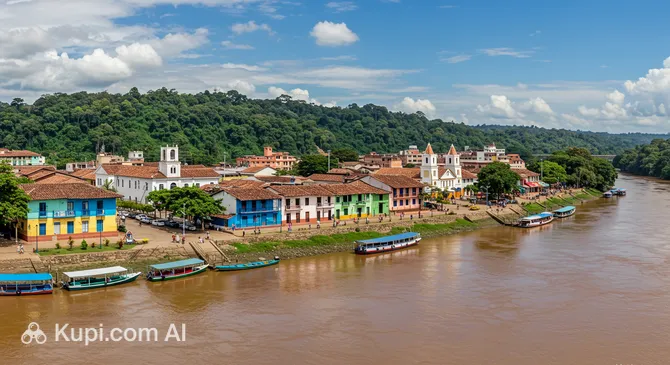
Leticia. Source: Kupi.Binoculars

Geographically, Leticia sits on the left bank of the Amazon River, right at the point where Colombia, Brazil, and Peru meet, an area known as the Tres Fronteras (Three Frontiers). With a population of approximately 48,000 inhabitants, it serves as a bustling commercial center and a vital port. The climate here is typically tropical—warm and humid year-round—which fosters the incredible biodiversity that surrounds the urban area. Visitors can easily cross the border into the neighboring Brazilian city of Tabatinga or take a boat across the river to Santa Rosa in Peru, experiencing three countries in a single day.

The history of Leticia is deeply intertwined with the river and the indigenous communities that have inhabited this region for centuries. Today, it stands as a melting pot where indigenous traditions mix with Colombian, Brazilian, and Peruvian influences. This cultural richness is evident in the local cuisine, the languages spoken on the streets, and the warm hospitality of its people.

For nature lovers, Leticia is a paradise. One of the city's most famous spectacles occurs every evening at Santander Park, where thousands of small parrots arrive at sunset to roost, creating a deafening yet mesmerizing concert. Beyond the city limits, travelers can embark on river adventures to visit the Isla de los Micos (Monkey Island), explore the Tarapoto Lakes to spot pink river dolphins, or visit nearby indigenous settlements to learn about their ancestral way of life and deep respect for the jungle.

Whether you are seeking an adventurous expedition into the "Lungs of the World" or simply wish to experience the relaxed pace of a river port city, Leticia is the perfect starting point. Its unique atmosphere and breathtaking surroundings promise an unforgettable journey into the heart of the Amazon.
Weather Overview

Leticia experiences a tropical rainforest climate characterized by consistent warmth and high humidity throughout the year. Because of its location in the heart of the Amazon, the weather in Leticia remains fairly stable, making it a viable destination for nature enthusiasts at any time, provided you are prepared for the elements.

Temperatures are remarkably steady, with monthly averages hovering between 26°C and 28°C. You can expect warm days with maximum temperatures reaching up to 31.7°C in September, while nights offer a mild cool-down with minimums around 23°C. This consistent heat fuels the lush biodiversity of the surrounding jungle.

Rainfall is a defining feature of the region, with precipitation occurring frequently. The wettest period typically spans from December to May, where rain can fall on up to 30 days a month. A slightly drier season occurs around July and August, when the number of wet days drops to approximately 17, offering a somewhat higher chance of clear skies for outdoor adventures.

Interesting Facts

Beyond the main attractions, Leticia holds many fascinating secrets and unique quirks that define daily life in this remote Amazonian outpost.
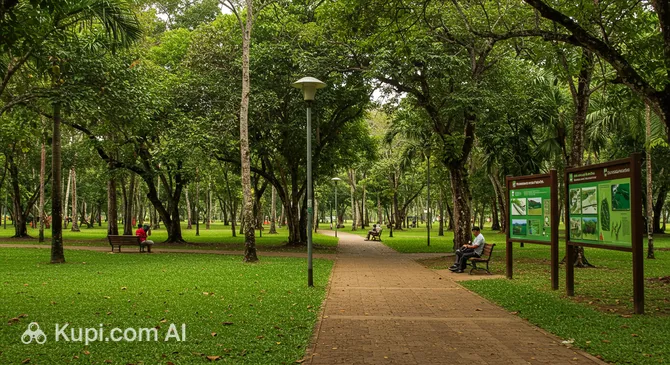
Santander Park. Source: Kupi.Binoculars
  • Although it is a departmental capital, Leticia is completely isolated from the rest of Colombia's road network; every car, truck, and motorcycle driving on its streets had to be transported there by boat or cargo plane.

  • The border with Brazil is virtually invisible and marked only by a city street, allowing residents and visitors to cross into the neighboring town of Tabatinga freely without passing through immigration checkpoints.

  • Due to the seamless mixing of populations, a unique linguistic hybrid known as "Portuñol" is widely spoken here, blending Spanish and Portuguese into a distinct local dialect used in everyday commerce.

  • Every evening at sunset, Santander Park hosts a deafening natural phenomenon where thousands of parakeets descend to roost, creating a noise so intense that it often drowns out the sounds of the city traffic below.

How to Get There

Reaching Leticia is an adventure in itself, primarily because this Amazonian capital is isolated from the rest of Colombia by the dense rainforest and has no road connections to the country's interior. Consequently, air travel is the most practical and common method for visitors. You can find more about how to get to Leticia and the specific transport details on our dedicated page.

The most convenient entry point is Gen. A.V. Cobo Airport (LET), located directly in Leticia. It is situated just 1.3 km from the city center, making the transfer incredibly quick; a taxi ride typically takes only about 5 to 10 minutes. This airport is the main hub for tourists and locals alike, handling the majority of flights arriving from Bogotá and other major Colombian cities. It sees a steady flow of travelers, serving as the region's primary lifeline.

Another option, particularly for those approaching from the Brazilian side of the Amazon, is Tabatinga International Airport (TBT). This airport is located in the city of Tabatinga, Brazil, which shares an open border with Leticia. It is approximately 5.8 km away from Leticia's center. Traveling from this airport involves a short drive across the border, which usually takes around 20 to 30 minutes by taxi. While smaller than its Colombian counterpart, it is essential for regional connectivity within the Amazon basin.

For clarity, here is a summary of the main airports serving the area:

Airport Name City Passenger Traffic Km from City
Gen. A.V. Cobo Airport Leticia Medium 1.3
Tabatinga International Airport Tabatinga Small 5.8

Beyond air travel, the mighty Amazon River acts as a natural highway for the region. Travelers looking for a more immersive experience often arrive by boat. Fast boats and slower ferries connect Leticia with Iquitos in Peru and Manaus in Brazil, offering a scenic, albeit longer, journey through the heart of the jungle.

Main Attractions

While Leticia is often viewed as a jumping-off point for deep jungle expeditions, the city itself holds several charming spots that offer a glimpse into local life and culture. The urban area is compact and walkable, allowing visitors to easily explore its main squares, waterfronts, and culinary venues in a relaxed afternoon.

The beating heart of the city is undoubtedly Santander Park. Located in the center of town, this bustling plaza is surrounded by a church and local vendors selling crafts and snacks. While it is famous for the thousands of parakeets that descend upon it at dusk, during the day it serves as a peaceful gathering place for locals. It features a central pond and plenty of shade, making it an ideal spot to sit and observe the slow-paced rhythm of Amazonian life before the evening spectacle begins.

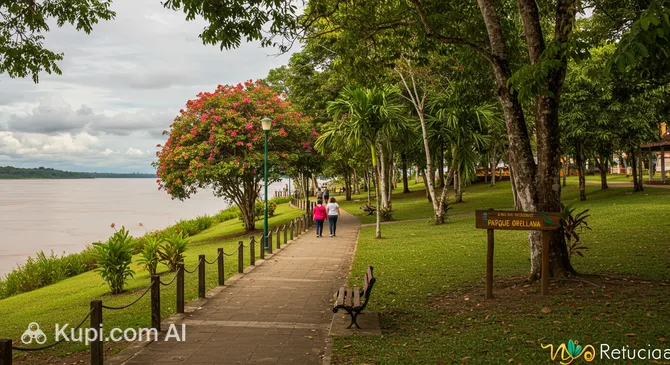
Another green space worth visiting is Orellana Park. Named after the famous explorer Francisco de Orellana, this park offers a slightly quieter atmosphere compared to the main square. It is a lovely place for a stroll, often featuring statues or monuments that pay homage to the region's history and its indigenous roots. The park provides a nice break from the tropical heat and is a great location for taking photos or simply enjoying a moment of tranquility within the city limits.

Orellana Park. Source: Kupi.Binoculars

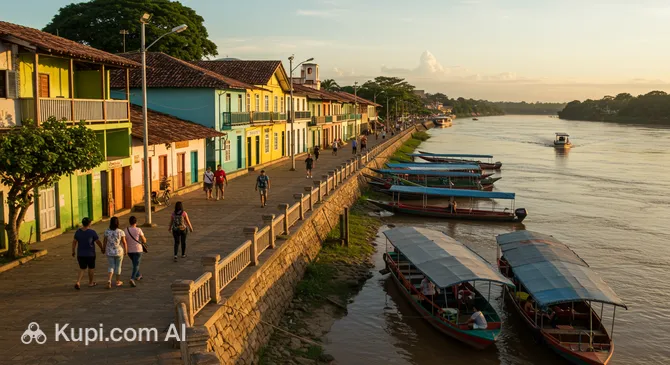
For a connection to the majestic Amazon River without leaving the city, head to the Leticia Waterfront Promenade. This area, often referred to as the Malecón, is the center of river commerce and activity. From here, you can watch the colorful wooden boats arriving from Peru and Brazil, unloading tropical fruits and fish. It is the perfect vantage point for witnessing a breathtaking Amazonian sunset over the water, with the silhouette of the jungle in the distance.

Leticia Waterfront Promenade. Source: Kupi.Binoculars

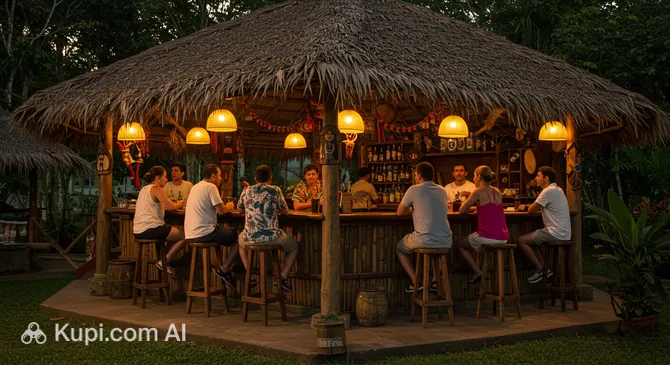
After a day of walking, experiencing the local culinary scene is a must. Places like Amazonian Lands Bar & Restaurant offer travelers a chance to taste regional dishes in a welcoming environment. Whether you are looking for fresh river fish or exotic fruit cocktails, the city's dining spots provide a flavorful end to your day of exploration.

Local Cuisine

The culinary scene in Leticia is a vibrant reflection of its location in the heart of the Amazon rainforest, enriched by a unique "Three Frontiers" influence that blends Colombian, Peruvian, and Brazilian traditions. The undisputed stars of the local table are the fresh river fish, pulled daily from the Amazon River. Among the most celebrated is the Pirarucú, often called the "monster of the river" due to its massive size; its meat is firm and flavorful, typically served fried or grilled. Another local favorite is Gamitana, a fish often prepared as a patarasca—seasoned, wrapped in bijao leaves, and roasted over coals to preserve its juices and aroma.

For adventurous eaters, Leticia offers the chance to try Mojojoy, a fat palm weevil larva that is a traditional indigenous snack. It can be eaten raw, fried, or grilled, often stuffed with meat or cheese to introduce the palate to its creamy texture. Meals are almost always accompanied by staples made from cassava (yuca), such as fariña, a coarse toasted flour, and casabe, a large, crispy flatbread that serves as a perfect vessel for the region's rich stews and sauces.

The abundance of exotic fruits in the region makes the beverages just as exciting as the food. You must try juices or desserts made from Copoazú, a fruit related to cacao with a sweet-tart flavor, or Araza, known for its refreshing acidity. Given the proximity to Brazil, it is also common to find excellent Caipirinhas, while the Peruvian influence brings Pisco Sours to the menu, creating a truly international cocktail culture within a few city blocks.

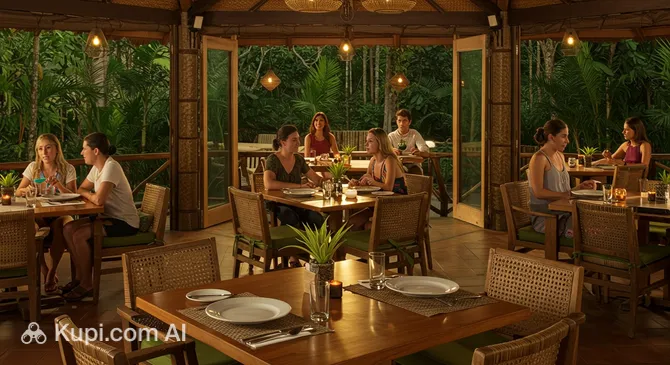
Dining in Leticia ranges from casual street stalls near the market, where you can watch your fish being grilled, to more established venues that offer a comfortable atmosphere. A notable spot to experience regional gastronomy with a touch of elegance is Waira Suites Restaurant. Here, visitors can enjoy carefully prepared Amazonian dishes in a setting that balances modern comfort with local aesthetics.

Waira Suites Restaurant. Source: Kupi.Binoculars

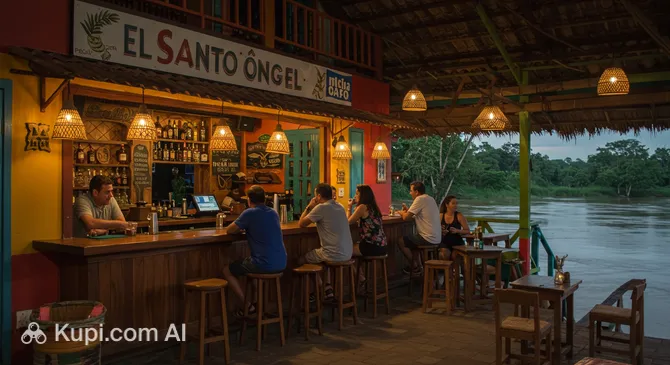
As the evening sets in, the city's social life revolves around relaxed gatherings where locals and tourists mix. Places like El Santo Ángel provide a welcoming environment to enjoy a cold beer or a tropical cocktail while soaking in the humid, lively night air of the jungle city. Whether you are snacking on street food or dining in a restaurant, the flavors of Leticia are sure to be a highlight of your journey.

Travel Tips

Visiting Leticia is a thrilling adventure into the heart of the Amazon, but because of its remote location and unique ecosystem, it requires a bit more preparation than your average city trip. To help you make the most of your jungle expedition and navigate the "Three Frontiers" region with ease, here are some essential practical tips.

  1. Clothing and Gear: The climate is hot and humid year-round, so pack lightweight, breathable fabrics that dry quickly. Long-sleeved shirts and long pants are highly recommended, not just for sun protection but to ward off mosquitoes. Light colors are better as dark shades tend to attract insects. Don't forget a sturdy rain poncho or waterproof jacket, as sudden downpours are common. Comfortable, closed-toe walking shoes or hiking boots are essential for jungle treks, while sandals are fine for walking around town.
  2. Transportation: Inside the city, the most popular and convenient way to get around is by motocarro (a type of auto-rickshaw or tuk-tuk). They are inexpensive, abundant, and perfect for short distances. Regular taxis are available but less common. Since Leticia is small, the city center is easily walkable. For visiting nearby attractions across the river or in neighboring countries, public boats and private water taxis operate frequently from the waterfront.
  3. Finances: The official currency is the Colombian Peso (COP). While some larger hotels and restaurants accept credit cards, cash is king in Leticia, especially for small purchases, transport, and tours. ATMs are available in the city center, but they can occasionally run out of money or have network issues, so it is wise to bring a sufficient supply of cash. Since you are on the border, Brazilian Reals and Peruvian Soles are also widely circulated and accepted in their respective border towns.
  4. Health and Safety: A Yellow Fever vaccination certificate is often required for entry into the Amazon region and may be checked at the airport. Insect repellent with DEET is your best friend here; apply it generously to prevent mosquito-borne illnesses. Always drink bottled or purified water, never tap water. Pharmacies are available in the city center for basic needs, but if you have specific prescription medications, bring them with you.
  5. Communication: Spanish is the primary language, though you will hear a lot of Portuguese due to the proximity to Brazil. English is not widely spoken outside of major hotels and tour agencies, so learning a few basic phrases in Spanish will be very helpful. Mobile signal is generally good within Leticia (Claro and Movistar are common providers), but expect coverage to drop significantly or disappear completely once you venture into the jungle or travel far upriver.
  6. Local Etiquette: The people of the Amazon are warm and hospitable. A simple greeting like "Buenos días" or "Buenas tardes" when entering a shop or passing someone on the street goes a long way. When visiting indigenous communities, always show respect for their customs and privacy; never take photos of people, especially children/elders, without asking for explicit permission first.
  7. What to Avoid: Do not buy souvenirs made from animal parts, feathers, or protected plant species; this is illegal and harms the local ecosystem. Also, avoid touching or feeding wildlife during tours. While it might be tempting to interact with the animals, it is safer for both you and them to observe from a respectful distance.
  8. Cross-Border Tip: Take advantage of the open border! You can easily take a motocarro or walk into Tabatinga, Brazil, to enjoy an authentic Brazilian dinner or buy Havaianas sandals. There are no immigration checkpoints for simple day movements within the urban area, making it easy to experience two cultures in one evening.

By packing the right gear and respecting the local environment, your trip to Leticia will be a smooth and enriching experience. Embrace the slower pace of life, enjoy the incredible sounds of the jungle, and get ready for an unforgettable journey at the crossroads of three nations.

Entertainment & Nightlife

Entertainment in Leticia is as unique as its geography, offering a vibrant nightlife that pulses with the rhythms of three nations. While it may not have the massive nightclubs of Bogotá or Medellín, the city makes up for it with a lively, open-air atmosphere where Colombian salsa mixes seamlessly with Brazilian samba and Peruvian cumbia. The nightlife here is less about exclusivity and more about socializing, dancing, and enjoying the warm Amazonian breeze with a cold drink in hand.

The heart of the action is concentrated in the city center, particularly around the streets radiating from Santander Park and towards the waterfront. Here, the vibe is casual and welcoming. You won't need a fancy dress code; shorts and light shirts are the norm due to the tropical heat. The crowds are a friendly mix of locals, indigenous residents, and travelers, all gathering to unwind after a day in the jungle. Most venues stay open until around 2:00 or 3:00 AM on weekends, though the party often starts late, with locals heading out after 9:00 PM.

For a great start to the evening, El Santo Ángel is a popular choice among both locals and tourists. It serves as a classic meeting point where you can enjoy live music or a DJ set playing a mix of Latin hits. The atmosphere is energetic but relaxed, making it the perfect place to meet people and soak up the local culture over a beer or a cocktail.

El Santo Ángel. Source: Kupi.Binoculars

If you are looking for a place that combines good food with a spirited bar atmosphere, Amazonian Lands Bar & Restaurant is another excellent venue to visit. It offers a more laid-back setting where you can sample exotic cocktails made from local fruits like camu-camu or copoazú before the night heats up. It is an ideal spot for those who want to transition smoothly from dinner to drinks without changing locations.

Amazonian Lands Bar & Restaurant. Source: Kupi.Binoculars

One of the most unique aspects of partying in Leticia is the ability to cross the border into Tabatinga, Brazil, for a change of pace. The Brazilian side is known for its "discotecas" that play loud Forró and techno music, offering a more intense clubbing experience just a short taxi ride away. It is common for party-goers to start in Colombia and end the night dancing in Brazil, taking advantage of the open border.

While nightlife is a highlight, daytime entertainment in Leticia offers a different kind of enrichment. For a dose of culture, the Museo Etnográfico (Ethnographic Museum) is a must-visit, providing deep insights into the history and traditions of the indigenous people of the Amazon. You can also explore the colorful local markets, which are bustling with activity and offer a sensory overload of strange fruits, river fish, and local crafts.

Regarding safety and logistics, Leticia is generally safe for night walks in the main tourist areas, but it is always wise to be cautious. Avoid walking alone in poorly lit areas on the outskirts. The best way to get around at night is by motocarro; they are cheap, abundant, and safe. A ride within the city typically costs just a few thousand pesos. Always agree on the fare before hopping in, especially if you are crossing the border to Tabatinga late at night.

Parks & Museums

While the greatest natural attraction in Leticia is the Amazon Rainforest itself, the city and its immediate surroundings offer several curated spaces where visitors can engage with the region's biodiversity and cultural heritage. From informative museums preserving indigenous history to ecological parks that serve as introductions to the jungle, these venues provide a deeper understanding of the Amazon without requiring a deep expedition into the wilderness.

The cultural highlight of the city is undoubtedly the Museo Etnográfico (Ethnographic Museum), operated by the Banco de la República. Located in a distinctive pink colonial-style building near the waterfront, this museum offers a fascinating window into the lives of the Amazon's indigenous communities, such as the Ticuna, Huitoto, and Yukuna peoples. The exhibits feature a comprehensive collection of ceremonial masks, musical instruments, agricultural tools, and pottery. It is an essential stop for understanding the cosmology and social structures of the region's original inhabitants. Additionally, the museum houses a library and a pleasant garden, providing a cool, air-conditioned refuge from the midday heat.

For those interested in the flora and fauna of the region, the Parque Ecológico Mundo Amazónico (Amazon World Ecological Park) is a must-visit destination located just a short distance from the city center. Unlike a typical city park, this is an interactive botanical garden and environmental education center. Visitors can explore guided trails that showcase medicinal plants used by indigenous cultures, visit a traditional "maloka" (ancestral longhouse), and see a collection of fruit trees native to the Amazon. The park also features an aquarium displaying various species of river fish, offering a safe and educational way to appreciate the jungle's biodiversity.

Another significant natural area is the Reserva Natural Tanimboca. Although it feels like deep jungle, it is located only a few kilometers from Leticia. This reserve is famous for its canopy tours and treehouses, but it also serves as a protected park where visitors can walk along wooden boardwalks to observe wildlife. It acts as a perfect "soft adventure" option for tourists who want to experience the density of the rainforest and spot monkeys or reptiles in their natural habitat while remaining close to civilization.

Within the urban perimeter, while Santander Park serves as the main social hub, visitors looking for a quieter experience might appreciate the green areas surrounding the Francisco de Orellana monument. These smaller pockets of greenery within the city offer a brief respite and are often adorned with statues commemorating the explorers and missionaries who shaped the modern history of Leticia. Together, these parks and museums form a comprehensive circuit that educates travelers on the immense biological and cultural wealth of the Amazon.

Getting Around

Navigating Leticia is a unique experience that reflects its status as a remote Amazonian outpost in Colombia rather than a bustling metropolis. The public transport system here is informal, relaxed, and incredibly easy to use. Travelers should not expect subways, trams, or large municipal bus networks. Instead, the city relies on a fleet of smaller, more agile vehicles perfectly adapted to the tropical climate and the compact nature of the urban area.

The undisputed king of the road in Leticia is the motocarro. These three-wheeled auto-rickshaws, similar to tuk-tuks found in Asia, are the primary mode of transportation for locals and tourists alike. They are everywhere, offering a breezy and scenic way to get from the airport to your hotel or from the city center to the nature reserves on the outskirts. They are safe, abundant, and capable of carrying up to two or three passengers with light luggage.

For those traveling further afield or carrying more baggage, traditional yellow taxis are available, though they are outnumbered by the motocarros. There are also small public buses or vans, often referred to as colectivos, which run along the main road leading out of town (known as "Los Kilómetros"). These are useful for reaching specific attractions located outside the city center, such as the ecological parks or the path to the Tarapaca indigenous communities, for a fraction of the cost of a private hire.

The payment system in Leticia is strictly cash-based. There are no travel cards, tap-to-pay terminals, or mobile transport apps in operation for public transit. You simply pay the driver directly at the end of your journey. Fares are generally fixed for rides within the city limits and are very affordable, typically costing just a few thousand Colombian pesos. It is highly recommended to carry small bills and coins, as drivers may not always have change for large denominations.

Operating hours are flexible, with motocarros and taxis running from early morning until late at night to accommodate the city's social life. However, frequency drops significantly after midnight. If you plan to stay out late, it is wise to arrange a pickup or ensure you have a reliable way to get back to your accommodation. Hailing a vehicle is as simple as standing on the curb and waving your hand; there are no designated stops for motocarros within the town.

Given the flat terrain and small size of the downtown area, walking is a viable and pleasant alternative, especially in the cooler morning or late afternoon hours. Many of the key spots, such as the waterfront and the main parks, are within easy walking distance of each other. Additionally, since Leticia shares an open border with Tabatinga, Brazil, you can seamlessly cross into another country by taxi or motocarro without stopping for immigration checks, making international travel as simple as a local commute.

Accommodation

Accommodation in Leticia caters to a wide spectrum of travelers, ranging from adventurous backpackers seeking budget-friendly hostels to families and couples looking for comfortable, mid-range hotels. While you will not find ultra-luxury international hotel chains here, the city offers a variety of charming and clean options that provide essential amenities like air conditioning and swimming pools—features that are highly appreciated in the tropical Amazonian heat.

For those who prefer convenience and easy access to services, the City Center is the best area to stay. Hotels located near Santander Park or the Leticia Waterfront Promenade place you within walking distance of the main restaurants, tour agencies, and the port for river excursions. Staying here means you can easily enjoy the nightlife and the famous parrot spectacle at sunset without needing transportation.

Travelers seeking a more immersive nature experience should consider the accommodations located along "Los Kilómetros" (the road leading out of town towards Tarapacá). This area is home to several eco-lodges and nature reserves nestled in the jungle. These spots offer a tranquil atmosphere surrounded by the sounds of the rainforest, often featuring rustic cabins built on stilts or traditional architecture. It is an ideal choice for those who want to wake up to the singing of birds and are willing to take a short taxi or motocarro ride to reach the city center.

Price Range and Booking: Prices in Leticia are generally reasonable compared to other major tourist destinations in Colombia.

  • Budget: Hostels and guesthouses are plentiful and very affordable, often providing shared kitchens and social areas.
  • Mid-Range: Standard hotels typically offer private rooms with en-suite bathrooms, Wi-Fi, and breakfast included.
  • Higher End: The most expensive options are usually the all-inclusive eco-lodges or the top-tier hotels in the city center that offer pools and restaurant services.

Booking Tip: Since Leticia is a remote destination with a limited number of high-quality rooms, it is highly recommended to book your accommodation in advance, especially if you are traveling during the peak seasons of December, January, or Easter Week. While major booking platforms work for many hotels, some smaller guesthouses or jungle lodges may require direct contact via WhatsApp or email to secure a reservation.

Nearby Cities

For those looking to explore the surroundings, Leticia serves as an excellent base for day trips to several interesting nearby locations. While the Amazon region is vast and many settlements are separated by dense jungle, there are unique spots accessible by river or short land transfers that offer a change of scenery and culture.

Puerto Nariño is undoubtedly the most popular destination for a day trip or an overnight stay. Located about 80 kilometers upstream from Leticia, this peaceful town is known as the "Green Municipality" of Colombia because motorized vehicles are prohibited, and the streets are pristine pedestrian walkways lined with gardens. The journey by boat takes approximately two hours, offering a scenic ride along the Amazon River. Nearby, visitors can explore the Tarapoto Lakes, a protected wetland famous for being a habitat for pink river dolphins and manatees.

For a truly international experience without traveling far, the neighboring city of Tabatinga in Brazil is physically contiguous with Leticia. You can simply cross the street to enter Brazil, where the culture shifts immediately to Portuguese, samba, and different culinary delights like feijoada and caipirinhas. Across the river lies the island settlement of Santa Rosa de Yavarí in Peru, where you can enjoy authentic Peruvian ceviche and pisco. These three border towns allow tourists to experience three countries in a single day.

City Population Distance (km)
San Vicente del Caguán 72949 882
San Jose del Guaviare 68878 807
Puerto Asis 63067 896
Mitu 45000 604
La Macarena 36781 826

These nearby destinations offer a glimpse into the diverse culture and landscapes of the region, ranging from eco-conscious river towns to bustling border communities.

Shopping & Souvenirs

Shopping in Leticia is a colorful reflection of its multicultural identity and remote location. Unlike the high-end retail experiences found in Bogotá or Medellín, the shopping scene here is characterized by authentic Amazonian crafts, bustling local markets, and unique cross-border trade. As a commercial hub for the "Three Frontiers" region, the city offers a fascinating mix of Colombian, Brazilian, and indigenous products, making it an excellent place to find goods you won't see anywhere else in the world.

The main commercial activity is concentrated in the city center, particularly along the streets radiating from Santander Park. This area is walkable and packed with small boutiques, pharmacies, and general stores selling everything from jungle gear to summer clothing. Another significant commercial corridor is the border avenue that connects Leticia to Tabatinga, Brazil. This zone is a hive of activity where commerce flows seamlessly between the two nations, often without a clear distinction of where one city ends and the other begins.

Travelers should not expect to find large, western-style shopping malls in Leticia. The retail landscape is dominated by independent shopkeepers and small commercial galleries known as pasajes. For those looking for a wider variety of consumer goods, it is common to cross the border into Tabatinga. The Brazilian side is famous for its shops selling affordable footwear (especially Havaianas), chocolates, and household items, offering a different retail flavor just a short walk or taxi ride away.

For a truly immersive experience, the markets near the Leticia Waterfront Promenade are unmissable. The central market (Plaza de Mercado) is the beating heart of the city's food culture. Here, visitors can wander through stalls overflowing with exotic fruits like copoazú and arazá, fresh river fish caught that morning, and traditional medicinal herbs. It is a sensory overload of smells and colors that offers a deep dive into the daily life of the Amazonian people.

When it comes to souvenirs, Leticia is a treasure trove of indigenous artistry. The best items to bring back are handicrafts made by the local Ticuna, Huitoto, and other indigenous communities. Look for intricate wood carvings made from "palo sangre" (bloodwood), woven bags and hammocks, and distinctive jewelry crafted from seeds and natural fibers. Yanchama paintings, which are created on canvas made from tree bark using natural dyes, are a unique art form specific to this region and make for a lightweight, meaningful gift.

Most shops in Leticia operate from around 8:00 AM to 6:00 PM or 7:00 PM. It is important to note that many smaller businesses close for a lunch break (siesta), typically between 12:00 PM and 2:00 PM. Cash is the undisputed king of transactions here. While some larger stores and hotels accept credit cards, cash is essential for markets, street vendors, and transport. Due to the border location, you will find that Colombian Pesos, Brazilian Reals, and Peruvian Soles are often used interchangeably in informal settings, though Pesos are the standard in Leticia.

A significant advantage for shoppers is that Leticia is a special tax zone, meaning goods sold here are generally exempt from Colombia's Value Added Tax (IVA). This duty-free status can make certain imported items, such as electronics, perfumes, and liquors, more affordable than in the interior of the country. However, the selection is often limited, so it is best to view this as a nice bonus rather than the primary reason for a shopping spree.

Nearby cities

Reached the end of the page?

That means the route is fully explored