Support

San Jose del Guaviare

About

San Jose del Guaviare is a captivating destination where the vast plains of the Orinoquía meet the lush depths of the Amazon rainforest. As the capital of the Guaviare Department, this city serves as a vibrant gateway to some of nature's most spectacular wonders. As you explore this unique region of Colombia, you will discover a land teeming with biodiversity, breathtaking landscapes, and a welcoming atmosphere that invites exploration.
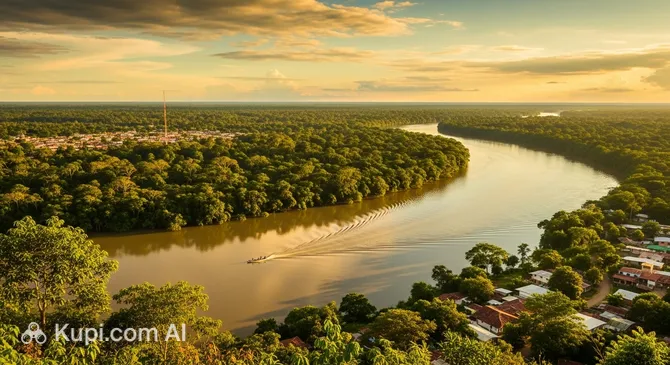
San Jose del Guaviare. Source: Kupi.Binoculars

Situated along the banks of the Guaviare River, the city is home to a population of approximately 68,000 residents. Its geographical location creates a fascinating ecological transition zone, offering a warm, tropical climate year-round that is perfect for outdoor adventures. The surroundings are characterized by dramatic rock formations, dense jungles, and winding rivers that define the local way of life.

While the city itself has grown significantly in recent decades, the region is steeped in ancient heritage. Travelers can delve into the history of San Jose del Guaviare by visiting nearby archaeological sites that feature prehistoric rock art dating back thousands of years. These ancient paintings, found on massive tepuis (table-top mountains), provide a glimpse into the lives of the indigenous peoples who have inhabited this land for millennia.

Nature lovers and adventurers flock here to witness the stunning rock formations of the Serranía de la Lindosa and the majestic Puerta de Orión, a natural stone arch that frames the sky. Another highlight is the colorful river of Caño Sabana, often called the "Red River," where aquatic plants turn the water vibrant shades of pink and red. For wildlife enthusiasts, a trip to Laguna Damas del Nare offers the unforgettable opportunity to observe pink river dolphins in their natural habitat.

Whether you are seeking an eco-tourism adventure or a journey into the depths of ancient artistry, San Jose del Guaviare offers an experience unlike any other. It is a truly unmissable stop for anyone wanting to witness the raw beauty and hidden gems of the Colombian Amazon.

Weather Overview

San Jose del Guaviare enjoys a warm, tropical climate throughout the year, typical of its location between the Amazon rainforest and the Orinoquía plains. Before heading out to explore the rock paintings or the colorful rivers, it is advisable to consult the forecast for the weather in San Jose del Guaviare to plan your activities accordingly. The city maintains a consistent temperature range, creating a humid but inviting atmosphere for travelers.

Temperatures remain fairly stable year-round, with average daily values generally fluctuating between 25°C and 28°C. February tends to be the warmest month, seeing average highs reach up to 32.8°C, while the coolest period is typically around July, with averages closer to 25°C. Nights are mild and comfortable, with minimum temperatures consistently hovering around 22°C to 23°C, providing relief after sunny days of exploration.

Precipitation patterns define the local seasons, with a distinct contrast between the drier and wetter months. The period from December to February is the driest, with January seeing as few as 9 wet days, making it an excellent time for hiking. Conversely, the rest of the year sees frequent rainfall; from March through November, you can expect rain on 20 to 28 days per month. Travelers should be prepared for regular showers during this long wet season, particularly in May, which often records the highest frequency of wet days.

Interesting Facts

Beyond the lush jungles and vibrant rivers, San Jose del Guaviare hides geological mysteries and ancient stories that few travelers know about. This region is a treasure trove of secrets, ranging from prehistoric evidence to unique natural phenomena.

  • The rock formations surrounding the city are part of the Guiana Shield, which is considered one of the oldest geological structures on the planet. These massive stones date back billions of years to the Precambrian era, long before life flourished on Earth.

  • Recent studies of the local rock art in the Serranía de la Lindosa suggest that the paintings depict extinct Ice Age megafauna. Figures resembling giant sloths, mastodons, and ancient horses provide compelling evidence that humans inhabited this area more than 12,000 years ago.

  • The majestic rock arch known as the Puerta de Orión is the subject of fascinating local lore. It is said that during December, the three stars of Orion's Belt align perfectly through the rock's opening, creating a natural celestial observatory.

  • Just a short distance from the city, you can find the "Natural Pools" (Pozos Naturales), where the water has carved deep, cylindrical craters into the bedrock over millennia. These pools are renowned for their vibrant mineral colors, which can range from yellow to deep ochre depending on the light.

How to Get There

Reaching this gateway to the Amazon is the first step of your adventure in the Guaviare Department. While the region feels wonderfully remote, it is accessible via air and land routes that connect you to the heart of the transition zone between the plains and the jungle. For a complete guide on transport options and specific routes, you can read more about how to get to San Jose del Guaviare on our detailed page. Below is an overview of the primary airports and connecting hubs that serve the region.

The most convenient way to arrive is by flying directly into the local Jorge Enrique González Torres Airport (IATA: SJE). Situated just minutes from the city center, this airport receives domestic flights, primarily connecting from the capital. Flying here saves significant travel time and offers a stunning aerial view of the lush landscapes as you approach the city.

Most international travelers will first touch down at El Dorado International Airport (IATA: BOG) in Bogota, located approximately 289 km away. As the country's main international gateway, it handles a massive volume of passengers and offers connections from all over the world. From Bogota, you can easily catch a connecting flight to San Jose del Guaviare. Alternatively, for those who prefer a road trip, the overland journey from the capital takes approximately 7 hours and 30 minutes, depending on road conditions.

Another key regional hub is La Vanguardia Airport (IATA: VVC), located in the city of Villavicencio, about 207 km from San Jose del Guaviare. This facility is a common transit point for travelers moving through the plains (Llanos) region. From Villavicencio, you can either take a short flight or embark on a drive that typically takes around 5 hours and 30 minutes to reach your destination.

For clarity, here is a summary of the major airports in the wider region that serve as connection points:

Airport Name City Passenger Traffic Km from City
El Dorado International Airport Bogota Very Large 289.3
La Vanguardia Airport Villavicencio Medium 207.4
Benito Salas Airport Neiva Medium 298.2
Lamacarena La Macarena Small 134.8

Main Attractions

Attractions:

San Jose del Guaviare offers a spectacular array of natural and archaeological wonders that showcase the region's rich biodiversity and ancient history. From prehistoric art hidden in the jungle to rivers that burst with color, the local sites provide unforgettable experiences for nature enthusiasts and history buffs alike.

One of the most significant highlights is the Serranía de la Lindosa, a rocky mountain range famous for its incredible rock art. Sites like Cerro Azul and Nuevo Tolima feature thousands of ancient paintings depicting animals, humans, and geometric shapes, some believed to be over 12,000 years old. These murals offer a fascinating window into the lives of the earliest inhabitants of the Amazon and are often referred to as the "Sistine Chapel of the Ancients."

Another geological marvel is the Puerta de Orión (Orion's Gate), a massive stone structure located just a short drive from the city. Standing approximately 12 meters high, this natural rock formation features holes that frame the sky and the surrounding landscape. It is a favorite spot for photographers and hikers, especially known for the local legend that the constellation of Orion aligns perfectly with the upper hole during certain times of the year.

For those seeking the vibrant colors of the Colombian shield, Caño Sabana (often associated with the area known as Tranquilandia) is a must-visit. Much like the famous Caño Cristales, this stream transforms during the wet season when the aquatic plant Macarenia clavigera blooms, turning the water into a brilliant tapestry of pinks, reds, and greens. It is a serene location perfect for a relaxing walk and admiring the unique aquatic flora.

Finally, wildlife lovers should not miss Laguna Damas del Nare. This impressive lagoon is home to a population of pink river dolphins that are surprisingly accustomed to human presence. Visitors can take boat tours to observe these majestic creatures in their natural habitat and, under the guidance of local operators, enjoy a truly magical encounter with Amazonian wildlife in the calm waters of the jungle.

Local Cuisine

The culinary scene in San Jose del Guaviare is a fascinating reflection of its geographical position, blending the hearty traditions of the Eastern Plains (Llanos) with the exotic ingredients of the Amazon rainforest. This fusion creates a unique gastronomy where river bounty and indigenous staples take center stage. The food here is fresh, flavorful, and deeply connected to the land and the river that sustains the city.

One of the most iconic dishes you must try is Pescado Moquiado (smoked fish). This traditional preparation involves wrapping fresh river fish in banana leaves and slow-cooking it over a wood fire, sometimes underground. The process infuses the meat with a distinct, smoky aroma and keeps it incredibly tender. Other popular fish dishes feature local species like Amarilo, Dorado, and the massive Bagre, often served in rich sauces or fried to perfection.

Accompanying these main courses are staples derived from cassava (yuca), which are central to the diet of the local indigenous communities. Casabe, a large, crispy flatbread made from cassava flour, is a ubiquitous side dish, often used to scoop up food or eaten with sauces. You will also frequently encounter Fariña, a coarse, toasted cassava flour that adds a crunchy texture and nutty flavor when sprinkled over soups and stews.

To quench your thirst in the tropical heat, the region offers an abundance of exotic fruit juices that are rare to find elsewhere. Be sure to taste beverages made from Amazonian "superfruits" like Arazá, Copoazú, and Cocona. These fruits are celebrated for their intense, refreshing flavors that range from tart and citrusy to creamy and sweet. They are also widely used in delicious local desserts, ice creams, and jellies.

The best place to experience authentic local flavors is along the banks of the Guaviare River. The port area and the "Malecón" are lined with casual restaurants and food stalls where you can enjoy a hearty meal with a view of the water. For a more immersive experience, a visit to the local market allows you to see the fresh produce arriving from the jungle and sample traditional snacks prepared by locals who are always eager to share their culinary heritage.

Travel Tips

Visiting San Jose del Guaviare is an adventure into a unique frontier where the Amazon rainforest meets the vast plains, and being well-prepared ensures you can fully enjoy this incredible experience. To help you navigate the local environment and culture with ease, here are some essential practical tips for your journey.

  1. Clothing and Gear: Due to the warm and humid tropical climate, lightweight and breathable clothing is essential. However, it is highly recommended to wear long sleeves and long trousers to protect yourself from sun exposure and insect bites, especially during jungle treks. Sturdy, waterproof hiking boots are a must for visiting sites like the Serranía de la Lindosa, as the terrain can be uneven and muddy. Don't forget a hat, sunglasses, and a high-quality raincoat or poncho, as showers can occur unexpectedly.

  2. Transportation: Within the urban area, mototaxis and taxis are the most common and affordable ways to get around. For visiting the major natural attractions located outside the city, such as the rock paintings or the rivers, public transport is limited. It is best to hire a 4x4 vehicle with a driver or book organized tours through local agencies, as the roads can be rough and difficult to navigate without local knowledge.

  3. Finances: The local currency is the Colombian Peso (COP). While some hotels and larger tour operators may accept credit cards, cash is definitely king in San Jose del Guaviare. Small shops, restaurants, and transport providers often only take cash. There are ATMs available in the city center (mostly near the main square), but it is wise to withdraw enough money before heading out on day trips to rural areas.

  4. Health and Safety: Since this is a gateway to the Amazon, carrying strong insect repellent is non-negotiable to prevent tropical diseases. It is also advisable to have your Yellow Fever vaccination certificate handy, as authorities may check it at the airport. Drink only bottled or purified water. In terms of safety, the region has opened up to tourism significantly; however, always stick to established tourist routes and hire certified local guides for excursions into remote areas.

  5. Communication: Spanish is the primary language, and English is not widely spoken, especially by local drivers and shopkeepers. Learning a few basic phrases or having a translation app downloaded on your phone will be very helpful. Mobile signal is generally good in the city center (Claro and Movistar have the best coverage) but expect to lose connectivity once you venture into the jungle or towards the rock formations.

  6. Local Etiquette: The locals, a mix of Llanero and Amazonian cultures, are known for their warmth and hospitality. A simple greeting of "Buenos días" or "Buenas tardes" when entering a shop or meeting someone is polite and appreciated. If you interact with indigenous communities, always ask for permission before taking photographs of people, as this is considered a sign of respect.

  7. What to Avoid: Never touch the ancient rock paintings. The oils and bacteria on human skin can cause irreversible damage to these thousands-of-year-old artworks. Additionally, avoid leaving any trash behind in natural reserves; eco-tourism is vital here, and preserving the pristine environment is a shared responsibility.

  8. Guided Tours are Essential: Unlike some other destinations where you can explore independently, many of San Jose del Guaviare's top sites, such as Cerro Azul or Caño Sabana, are best experienced—and often only accessible—with a local guide. These guides not only ensure your safety and handle logistics but also provide invaluable context about the history, botany, and legends of the region.

By keeping these practical tips in mind, you will be well-equipped to embrace the wild beauty and rich heritage of this fascinating part of Colombia. Prepare for early mornings, breathtaking sunsets, and the warm welcome of a community proud to share its natural treasures with the world.

Entertainment & Nightlife

As the sun sets over the Guaviare River, San Jose del Guaviare transitions from a gateway for jungle expeditions into a lively hub of social activity. The nightlife here is authentic and unpretentious, driven by the Colombian love for "rumba" (party), music, and gathering with friends. While it may not have the high-tech mega-clubs of bigger metropolises, the city offers a warm and energetic atmosphere where travelers are welcomed to dance the night away alongside locals.

The heart of the action is undoubtedly the Zona Rosa, a designated district where most bars, discotheques, and late-night eateries are concentrated. This area comes alive on weekends, pulsating with a mix of Latin rhythms ranging from salsa and merengue to vallenato and reggaeton. For a more relaxed evening, the Malecón along the riverbank provides a breezy setting to enjoy a cold beer and watch the world go by, often accompanied by music spilling out from nearby kiosks.

For those looking to experience the local club scene, Crucero del Amor is a well-known venue in the city. It is celebrated for its festive environment and is a popular spot for dancing until the early hours. If you prefer a place that combines good drinks with a dining experience, Salvaje Gastrobar offers a more modern vibe, perfect for enjoying cocktails and conversation before the party heats up. Another local favorite is El Mirador Cafe-bar, which provides a great vantage point and a sociable atmosphere to start your night.

The atmosphere in these venues is generally informal and inclusive. There is no strict dress code; jeans and a nice shirt are perfectly acceptable. The crowds are typically friendly, and it is common for locals to invite visitors to join in the dancing. Most bars and clubs stay open until around 2:00 AM or 3:00 AM on weekends. Prices are quite affordable compared to larger Colombian cities, with beers and cocktails costing a fraction of what you might pay in Bogota or Medellin.

When enjoying the nightlife, safety should be a priority. The Zona Rosa is generally safe due to the high volume of people, but it is advisable to stay within the well-lit, busy streets. To get around, mototaxis are the most common and efficient mode of transport at night; however, for added safety, you might prefer to call a formal taxi service or ask your venue to call one for you. Always carry small denominations of cash (Colombian Pesos), as cards are not accepted everywhere.

While the city is famous for its natural surroundings, daytime entertainment within the urban area offers a slower pace. You won't find large amusement parks or grand museums here. Instead, cultural life revolves around the Centro Cultural, which occasionally hosts exhibitions and events showcasing the region's history and indigenous heritage. The main square and the Parque de la Vida are central gathering spots where families enjoy the afternoon, offering a glimpse into the daily life of this resilient and welcoming Amazonian capital.

Parks & Museums

In San Jose del Guaviare, the distinction between urban green spaces and the untamed wilderness is beautifully blurred. The city does not rely on manicured gardens or grand indoor museums to showcase its heritage; instead, its most profound cultural and natural treasures are integrated directly into the landscape. Visitors here will find that the forests serve as living reserves and the rock faces of the mountains act as ancient galleries preserving thousands of years of history.

For those looking to enjoy nature without straying too far from the urban center, Parque de la Vida is the city's primary recreational hub. It serves as a green lung for the community, offering sports facilities, walking paths, and shaded areas where families gather in the afternoons. It is an excellent place to observe local life, watch a game of football, or simply relax under the trees after a day of excursions. The atmosphere here is vibrant and friendly, reflecting the social culture of the region.

Just a short distance from the city lies the Reserva Natural Playa Güio, a magnificent natural area that offers a more immersive jungle experience. This ecotourism project is dedicated to conservation and allows visitors to navigate through flooded forests and tranquil waters. It is a sanctuary for diverse bird species, monkeys, and turtles. Walking its interpretive trails or gliding by canoe through its waterways provides a serene encounter with the Amazonian ecosystem, making it a perfect "natural park" for eco-conscious travelers.

When it comes to museums, San Jose del Guaviare redefines the concept with its world-renowned "open-air galleries." The Serranía de la Lindosa is effectively the region's largest and most important museum. Here, archaeological sites like Cerro Azul and Nuevo Tolima display thousands of pre-Columbian pictographs on massive rock walls. These ancient murals function as a vast historical archive, depicting hunting scenes, rituals, and extinct megafauna, offering a direct visual connection to the indigenous cultures that have inhabited this land for millennia.

Within the town itself, the Centro Cultural serves as the focal point for contemporary artistic and historical expression. While not a traditional museum with permanent collections, this venue is the heart of the city's cultural activities. It frequently hosts exhibitions, workshops, and performances that celebrate the Llanero and indigenous traditions, including the energetic Joropo dance. It is a valuable resource for tourists wishing to understand the living heritage and the artistic pulse of the local community.

For a truly authentic experience, take a walk along the Malecón at sunset. While technically a riverside promenade rather than a museum or park, it offers the best "exhibition" of local life against the backdrop of the Guaviare River. Watching the sun dip below the horizon while fishermen return with their catch provides a quiet, unscripted moment of beauty that captures the essence of this riverside city.

Getting Around

Navigating San Jose del Guaviare is relatively straightforward, offering travelers a mix of authentic local experiences and practical options for reaching the surrounding natural wonders. While the urban area is compact and easy to get around, the logistics change significantly when you plan to visit the major tourist attractions located in the rural outskirts. Understanding the local transport dynamics is key to a smooth trip in this gateway to the Amazon.

For moving within the city limits, mototaxis (motorcycle taxis) are the most popular and efficient mode of transport. You will see them everywhere, and they are by far the quickest way to get from your hotel to a restaurant or the main square. They are very affordable, with set rates for short trips within town. It is standard practice to agree on the fare before hopping on. For those who prefer more comfort or are traveling with luggage, traditional yellow taxis are also available, though they may be less frequent than mototaxis on the streets. It is advisable to have your accommodation call one for you, especially at night.

The city center itself is quite walkable, particularly around the Parque Principal and the commercial streets. Walking allows you to soak in the local atmosphere, visit the markets, and stroll down to the Malecón along the Guaviare River. However, due to the tropical heat, you might find yourself opting for a ride during the hottest parts of the day.

When it comes to visiting the famous archaeological and natural sites—such as the rock paintings at Serranía de la Lindosa, the Puerta de Orión, or the colorful rivers—standard public transport is not a viable option. These attractions are located on unpaved roads that can be rough and muddy, requiring rugged vehicles. As a result, the primary way to reach these destinations is by hiring a 4x4 vehicle (often referred to locally as a "campero") or booking a package with a local tour agency. These organized tours typically include transportation in suitable off-road vehicles, ensuring you reach the sites safely.

River transport also plays a role in the local ecosystem. To visit spots like the Laguna Damas del Nare for dolphin watching or to explore the riverside communities, you will travel by lancha (motorboat) or canoe. These trips are usually arranged from the port on the Guaviare River and are often part of guided excursions. Whether by land or water, transport here is part of the adventure, connecting you deeply with the landscapes of Colombia.

Accommodation

As an emerging eco-tourism destination, San Jose del Guaviare offers a range of accommodation options that cater primarily to adventurers and nature lovers. The hospitality infrastructure here has grown significantly in recent years, shifting from basic lodgings to more comfortable and varied choices. Generally, you will not find large international luxury chains or five-star resorts. Instead, the city and its surroundings specialize in budget-friendly hostels, mid-range family-run hotels, and increasingly popular rural eco-lodges that provide an immersive experience in the jungle.

When choosing where to stay, the decision usually comes down to a preference between convenience and nature. The city center is the most practical area for travelers who want easy access to restaurants, supermarkets, banks, and the airport. Staying downtown places you close to the main square and the commercial district, making it easy to arrange transport or find a mototaxi for your daily excursions. Hotels here are typically functional, offering air conditioning and Wi-Fi, serving as a comfortable base for sleeping after a long day of hiking.

For those seeking a deeper connection with the environment, the rural outskirts offer fantastic alternatives. Several eco-lodges, cabins, and "glamping" sites have sprung up near major attractions like the Serranía de la Lindosa or along the riverbanks. These accommodations often feature rustic architecture that blends with the landscape, allowing you to wake up to the sounds of birds and monkeys. While they may be further from town amenities, they offer tranquility and often provide meals on-site, creating a convenient package for relaxation.

Booking and Prices: Accommodation in San Jose del Guaviare is generally very affordable compared to Colombia's larger cities. Prices typically range from budget to mid-range. While major booking platforms are beginning to list more local properties, many smaller hostels and rural lodgings still operate via direct contact (phone or WhatsApp) or social media. It is highly recommended to book in advance if you plan to visit during the dry season (December to February), as the best-rated places fill up quickly. Additionally, while some hotels accept transfers or credit cards, it is wise to carry sufficient cash, as connectivity issues can sometimes affect card terminals.

Nearby Cities

For those looking to explore the surroundings, San Jose del Guaviare serves as an excellent base for day trips or short excursions to several interesting nearby locations. While the distances in the vast plains and jungle regions can be significant, the following destinations offer unique experiences that complement a visit to Guaviare.

La Macarena is arguably the most famous neighbor in the region. Located approximately 134 km away, it is the gateway to the world-renowned Caño Cristales, often called the "River of Five Colors." Like San Jose del Guaviare, this town is a hub for eco-tourism, offering access to the Serranía de la Macarena National Park. It is a destination where the ecosystems of the Andes, the Amazon, and the Orinoquía converge, making it a paradise for nature photographers and hikers seeking pristine landscapes.

To the north lies Villavicencio, the bustling capital of the Meta department. Known as the "Gateway to the Llanos," it sits about 207 km from San Jose del Guaviare. Villavicencio offers a more urban experience with a deep connection to the cowboy (Llanero) culture. Visitors can enjoy authentic mamona (barbecue), listen to traditional joropo music, and visit the Bioparque Los Ocarros to see the region's diverse fauna up close.

Another interesting stop in the wider region is Puerto Lopez. This town is geographically significant as it is home to the Alto de Menegua, known as the "Navel of Colombia," which marks the exact geographic center of the country. An obelisk stands at this site, offering panoramic views of the endless rolling plains. It is a place that captures the vastness of the Colombian landscape and provides a different perspective on the geography of the Eastern Plains.

City Population Distance (km)
Villavicencio 664148 207
Acacias 75252 201
Puerto Gaitan 41017 203
La Macarena 36781 134
Puerto Lopez 35097 172

These nearby destinations offer a glimpse into the diverse culture and landscapes of the region, ranging from the dense biodiversity of the Macarena mountain range to the cultural heart of the Eastern Plains.

Shopping & Souvenirs

Shopping in San Jose del Guaviare is a humble yet rewarding experience that focuses more on local authenticity than high-end luxury. The city does not boast the sprawling retail complexes found in Colombia's larger metropolises; instead, it offers a vibrant commercial atmosphere driven by small businesses and family-run shops. Visitors will find that the best purchases here are those that reflect the region's unique position as a meeting point between the Eastern Plains and the Amazon rainforest, particularly regarding food and indigenous craftsmanship.

The primary commercial activity is concentrated in the city center (El Centro), particularly along the streets surrounding the Parque Principal (Main Square). Carrera 22 and the adjacent blocks serve as the bustling heart of the town, lined with clothing stores, pharmacies, hardware shops, and general supply stores. This is where locals do their daily shopping, and it is the best place to find travel essentials, camping gear for jungle excursions, or simple apparel suitable for the tropical climate.

Travelers expecting large, modern shopping malls will not find them here. San Jose del Guaviare relies on smaller commercial galleries and standalone storefronts rather than enclosed shopping centers. While there are supermarkets and department-style stores for groceries and basic needs, the retail landscape is traditional. This absence of global chains adds to the town's charm, encouraging visitors to support local merchants and explore the streets on foot.

For a true taste of the region, the Plaza de Mercado (Market Place) is an essential stop. It is here that the agricultural bounty of the Amazon and the Llanos comes to life. You can wander through stalls overflowing with exotic fruits that are rarely seen elsewhere, such as arazá, copoazú, and cocona. It is also the best place to see the catch of the day from the Guaviare River. The market is vibrant, noisy, and colorful, offering an unfiltered look at daily life in the department.

When it comes to souvenirs, the most meaningful items to bring back are indigenous handicrafts. The region is home to several indigenous communities, including the Nukak and Jiw people, who create beautiful items from natural materials. Look for intricate jewelry made from seeds (such as chochos), woven baskets, and traditional bags. Additionally, processed local treats make excellent gifts; jars of exotic fruit jams, spicy sauces made from Amazonian peppers, or sweets made from copoazú are delicious reminders of your trip.

Most shops in the city open around 8:00 AM and close between 7:00 PM and 8:00 PM, Monday through Saturday. On Sundays and public holidays, business hours are often reduced, and some smaller shops may remain closed, although the market stays active in the morning. Regarding payment, cash is king in San Jose del Guaviare. While some larger supermarkets and hotels accept credit cards, most market stalls, souvenir vendors, and small shops operate exclusively with Colombian Pesos (COP). It is highly advisable to carry sufficient cash with you when shopping.

Tourists should be aware that the formal tax-free (VAT refund) shopping schemes available in major Colombian cities like Bogota or Cartagena are generally not applicable or easily processed in San Jose del Guaviare. The shopping experience here is informal, and visitors should not expect to find "duty-free" style stores or refund processing desks. The value here lies in the low cost of living and the uniqueness of the local products rather than tax incentives.

Reached the end of the page?

That means the route is fully explored