Support

Villavicencio

About

Known affectionately as the Gateway to the Llanos (La Puerta al Llano), Villavicencio is a vibrant city that serves as the transition point between the majestic Andes Mountains and the vast eastern plains of Colombia. As the capital of the Meta Department, this bustling urban center combines the conveniences of a modern city with the rustic charm of the cowboy culture that defines the region.
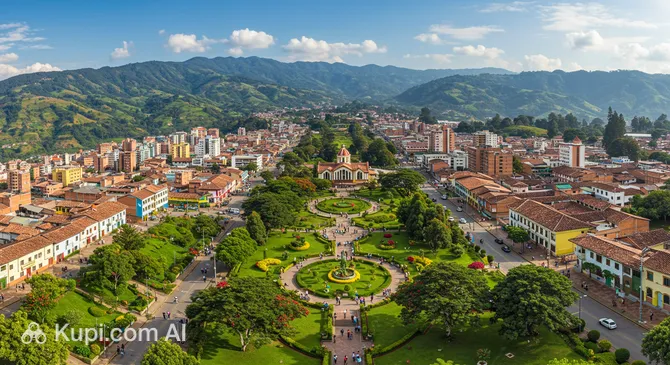
Villavicencio. Source: Kupi.Binoculars

Geographically, the city enjoys a strategic location southeast of Bogotá. The climate here is typically warm and tropical, inviting visitors to explore the outdoors year-round. With a population of over 660,000 inhabitants, it is a significant commercial and cultural hub. The landscape is characterized by lush greenery and rivers, offering a stunning backdrop to the city's daily life.

Delving into the history of Villavicencio, travelers will discover a heritage deeply rooted in cattle ranching and agriculture. This tradition is proudly kept alive through local festivals and the famous joropo dance. The city is not just a commercial center but a place where the Llanero culture—the culture of the plainsmen—thrives, visible in everything from the local cuisine to the music that fills the streets.

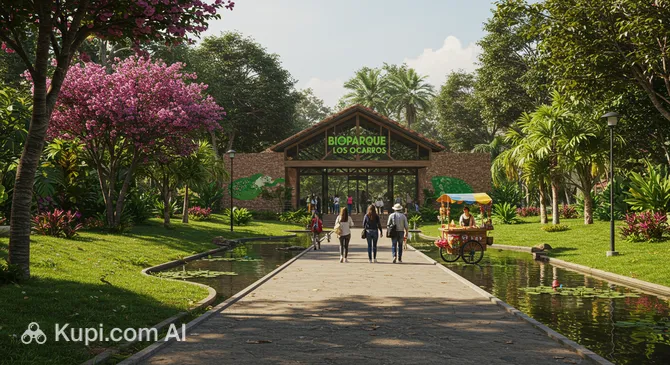
Nature lovers and culture seekers will find plenty to do. The Bioparque Los Ocarros is a must-visit, dedicated to the conservation of the region's unique flora and fauna, including armadillos and anacondas. For a panoramic view of the city and the stretching plains, a hike up to the Cristo Rey monument offers breathtaking scenery. Additionally, Parque Las Malocas provides an immersive experience into the traditions of the plains, often hosting rodeos and cultural exhibitions.

Whether you are passing through on your way to the deep savannas or planning a dedicated stay, Villavicencio offers a warm welcome. Its blend of natural beauty, cultural richness, and lively atmosphere makes it a compelling destination for any traveler seeking an authentic Colombian experience.
Weather Overview

Visitors to Villavicencio can expect a stable, tropical climate that remains comfortable year-round. The city enjoys consistent temperatures, with average daytime highs generally hovering between 23°C and 26°C. Evenings provide a refreshing cool-down, with minimum temperatures typically settling around 16°C to 17°C, making for pleasant nights after a day of exploration.

Precipitation is a common feature of the local weather patterns, so packing a raincoat is always a good idea. The region experiences frequent rainfall, particularly from March through July and again in November, where rain can occur on up to 25 days of the month. Even during the relatively drier periods like August and September, you can expect rain on about 13 to 14 days. To plan your outdoor activities around the rain showers, it is helpful to check the current weather in Villavicencio before your trip.

Interesting Facts

Beyond its reputation as a commercial hub, Villavicencio holds fascinating cultural secrets that define the identity of the Colombian plains. Here are some unique aspects of the city that travelers often overlook.

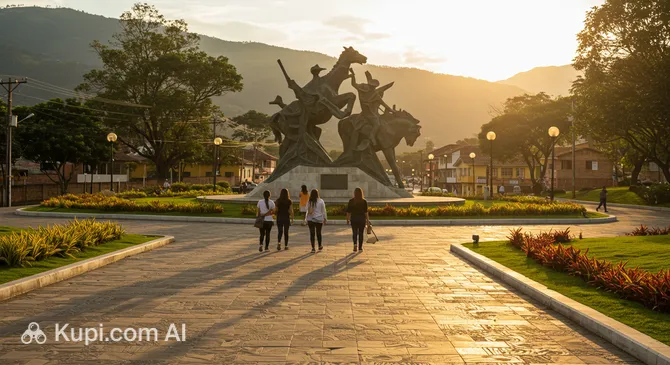
Coleo Monument. Source: Kupi.Binoculars
  • Villavicencio is known as the "World Capital of Coleo," a traditional sport born from the daily work of cattle ranching. This cultural heritage is so vital that the city features the Coleo Monument, a striking tribute celebrating the bravery and skill of the local Llanero cowboys.

  • The city is home to Founders Park, which serves as the largest public space in Villavicencio. Unlike typical colonial plazas, this modern park spans nearly six hectares and features a futuristic monument honoring the diverse families who originally established the settlement.

  • While many cities have festivals, Villavicencio hosts the International Joropo Tournament, where thousands of dancers take to the streets simultaneously. They perform the intricate, fast-paced steps of the region's traditional dance in a massive parade known as the "Joropodromo," turning the asphalt into a giant dance floor.

  • Geographically, the city sits on a unique fault line where the massive Andes mountain range abruptly ends and the flat Eastern Plains begin. This location creates a distinct ecological transition zone, allowing for an incredible blend of mountain and savanna biodiversity that is rare elsewhere in the country.

How to Get There

Reaching the capital of the Meta Department is an adventure in itself, offering travelers a chance to witness the dramatic transition from the Andean mountains to the eastern plains. Whether you are arriving by air or road, you can find detailed information on how to get to Villavicencio to help you plan the most convenient route for your trip.

For those looking to fly directly into the city, La Vanguardia Airport (IATA: VVC) is the primary option. Located just 2.6 km from the city center, this regional hub is incredibly convenient, with a short taxi ride taking approximately 25 minutes to reach downtown. It mainly serves domestic flights, connecting the region with other parts of Colombia.

International travelers often choose to land at El Dorado International Airport (IATA: BOG) in Bogota, which is about 84 km away. As the country's busiest airport, it welcomes flights from all over the world. From Bogota, the journey to Villavicencio involves a scenic drive down the mountains, which typically takes around 2.5 hours by taxi or bus, depending on traffic conditions on the famous Vía al Llano.

For clarity, here is a summary of the main airports:

Airport Name City Passenger Traffic Km from City
El Dorado International Airport Bogota Very High 83.9
La Vanguardia Airport Villavicencio Medium 2.6
El Yopal Airport Yopal Medium 189.1
Ibague Airport Ibague Small 169.7
Lamacarena La Macarena Small 219.2

Currently, there is no passenger railway service connecting to Villavicencio. Travelers relying on ground transport typically use the extensive bus network or private cars. The road infrastructure is the main artery for travel in this region, making buses a reliable and frequent alternative for those coming from Bogota or other nearby cities.

Main Attractions

Villavicencio offers a delightful mix of urban parks, cultural plazas, and modern entertainment centers that reflect the city's growth and its deep-rooted Llanero traditions. While the surrounding nature is a major draw, the city itself boasts several key spots where tourists can immerse themselves in local life, history, and leisure.

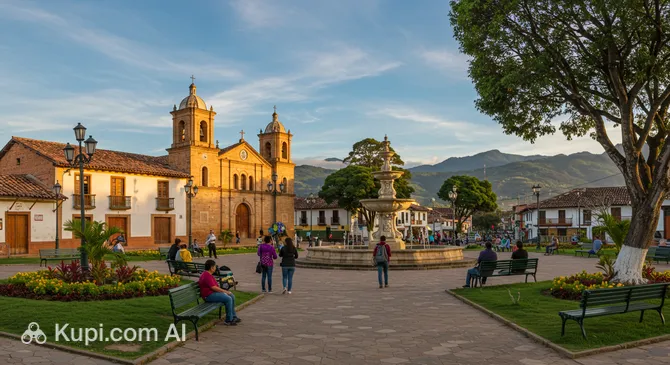
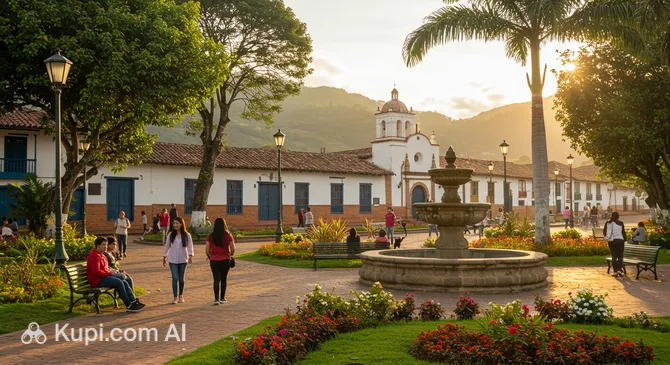
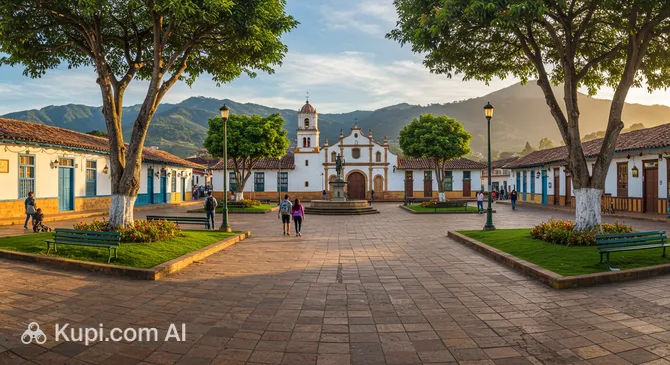
One of the most historically significant locations in the city is Los Libertadores Square. Regarded as the main square of Villavicencio, it serves as the administrative heart of the department, flanked by important government buildings and the majestic Cathedral of Our Lady of Carmen. For tourists, this is an excellent starting point to admire the local architecture and soak in the bustling atmosphere of the city center. The square is often a venue for official ceremonies and cultural events, making it a vibrant hub of activity.

Los Libertadores Square. Source: Kupi.Binoculars

For those seeking relaxation and family-friendly fun within the urban area, Parque de la Vida is a favorite destination. This expansive recreational complex is designed for leisure and sports, offering visitors a refreshing escape from the city's tropical heat. It features swimming pools, lush green areas for picnics, and various sports courts. It is particularly interesting for tourists traveling with children or anyone looking to enjoy a peaceful afternoon surrounded by well-maintained gardens and water features.

Another cultural landmark worth visiting is Plaza Los Centauros. This plaza is deeply symbolic, paying homage to the "Centaurs" of the plains—the brave llaneros who played a crucial role in Colombia's independence. It is a lively meeting place where locals gather to socialize, often accompanied by the sounds of traditional music. Visitors will appreciate the authentic vibe and the chance to observe daily life in the Gateway to the Plains, often with street vendors selling local snacks nearby.

Plaza Los Centauros. Source: Kupi.Binoculars

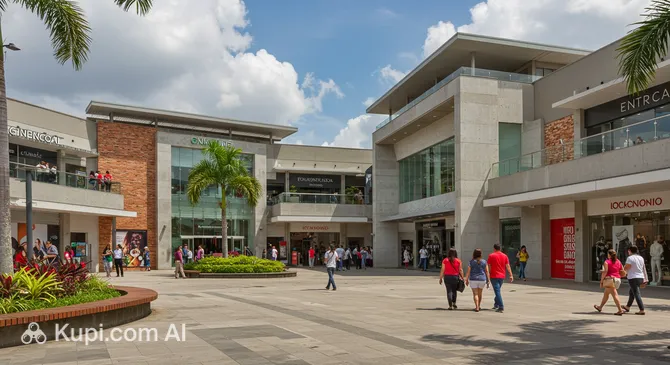
If you are looking for a modern shopping and entertainment experience, the Viva Shopping Mall stands out as one of the premier commercial centers in the region. Far more than just a place to shop, it serves as a social hub with a wide array of restaurants, a cinema, and entertainment zones. For tourists, it offers a comfortable, air-conditioned environment to sample local and international cuisine or simply unwind after a day of exploring the outdoor attractions.

Local Cuisine

The gastronomy of Villavicencio is a direct reflection of its deep-rooted cattle-ranching heritage, offering a culinary experience that is robust, flavorful, and centered around high-quality meat. The undisputed star of the local table is Ternera a la Llanera, often affectionately referred to as Mamona. This traditional dish consists of tender cuts of veal threaded onto long metal skewers and slow-roasted over a wood fire for hours. The result is a smoky, succulent meat that is typically served in generous portions, meant to be shared communally in true Llanero style.

No authentic feast in the region is complete without its classic accompaniments. The roasted meat is usually paired with boiled cassava (yuca), steamed potatoes, and sweet plantains to balance the savory flavors. For a unique regional snack, visitors must try Pan de Arroz. These crunchy, ring-shaped baked goods are made from rice flour and curd cheese, creating a distinct texture and taste that pairs perfectly with a morning coffee. Another local favorite is the Tungo, a sweet bun made from rice dough and sour milk, traditionally wrapped and cooked in bijao leaves.

When it comes to beverages, the city offers refreshing options to combat the tropical heat. Limonada de Panela (sugar cane lemonade) is a staple non-alcoholic drink, often served ice-cold. For something more traditional, you might encounter Masato, a fermented rice drink. On the spirited side, the region is famous for Aguardiente Llanero, an anise-flavored liquor that is the drink of choice for celebrations and festivals. It is widely regarded as a symbol of the region's festive spirit.

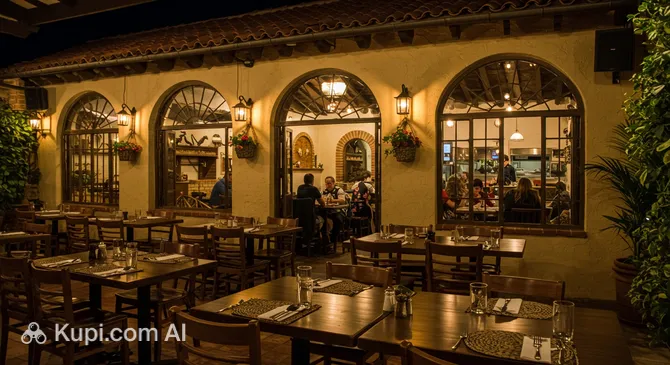
Avemaría. Source: Kupi.Binoculars

The dining culture in Villavicencio is vibrant and unpretentious, ranging from rustic roadside asaderos (grill houses) to contemporary city spots. Locals love to eat in open-air environments where the smell of wood smoke stimulates the appetite. For a delightful meal that captures the essence of the city's hospitality, you can visit Avemaría, a popular restaurant among residents. If you are looking for a hearty meal with a casual vibe, Papa al Kilo is another excellent venue to explore the local food scene.

Travel Tips

Villavicencio is a welcoming destination, but being prepared for its distinct tropical environment and unique culture will make your visit much more enjoyable. Here are some essential practical tips to help you navigate the "Gateway to the Plains" like a seasoned traveler.

  1. Clothing and Gear: The climate is warm and humid, so pack light, breathable fabrics like cotton or linen. However, sudden downpours are common, so carrying a compact umbrella or a light raincoat is essential. If you plan to visit ecological parks like Bioparque Los Ocarros, bring comfortable walking shoes and a hat for sun protection.

  2. Transportation: Yellow taxis are the most convenient and affordable way to get around the city; they are abundant and generally use meters, though it is wise to confirm the estimated fare before starting. Public buses (busetas) cover most routes but can be confusing for first-time visitors. Ride-hailing apps are available but less dominant than in the capital.

  3. Finances: The local currency is the Colombian Peso (COP). While large shopping malls and modern restaurants accept credit cards, cash is absolute king for taxis, street food, and smaller shops. ATMs are widely available in commercial areas, but it is best to withdraw money during the day in secure locations like malls.

  4. Health and Safety: Due to the tropical setting, insect repellent is a must-have to prevent mosquito bites, especially during nature excursions. It is also recommended to drink bottled water instead of tap water. Villavicencio is generally safe, but standard precautions apply: avoid poorly lit areas at night and keep your valuables secure in crowded places.

  5. Communication: Spanish is the primary language, and English is not widely spoken outside of major hotels. downloading a translation app or learning basic phrases like "Buenas" (a common greeting) and "Gracias" will be very helpful. You can easily buy a prepaid SIM card from providers like Claro or Tigo at the airport or shopping centers for reliable data.

  6. Local Etiquette: Llaneros (people of the plains) are known for their warm hospitality. A handshake is the standard greeting, and it is polite to greet shopkeepers and drivers when you interact with them. The local cowboy culture is a source of great pride, so showing interest and respect for their traditions, music, and food will be greatly appreciated.

  7. What to Avoid: Avoid the local mistake of "giving papaya" (dar papaya)—a Colombian expression meaning don't make yourself an easy target by flashing expensive jewelry or phones on the street. Also, try not to schedule tight connections for road travel back to Bogota on holiday weekends, as traffic can be extremely heavy.

  8. Souvenir Tip: Take advantage of the region's reputation for high-quality leather work. Villavicencio is an excellent place to buy authentic leather goods, such as bags, belts, and traditional cotizas (woven sandals), often at much better prices than you would find in larger cities.

By keeping these practical tips in mind, you will be well-equipped to relax and fully enjoy the vibrant atmosphere of Villavicencio. Embrace the local rhythm, savor the unique flavors, and let the spirit of the Colombian plains create unforgettable memories for your journey.

Entertainment & Nightlife

When the sun sets over the vast plains, Villavicencio transforms into a lively hub of music and celebration. The city is famous for its vibrant "rumba" culture, where the warmth of the day extends into the night through energetic dancing and socializing. Whether you are looking for a high-energy nightclub, a relaxed pub, or a place to enjoy live music, the Gateway to the Llanos offers a diverse nightlife scene that caters to all tastes.

The epicenter of nightlife in Villavicencio is arguably the 7 de Agosto neighborhood, widely considered the city's "Zona Rosa." This district is packed with bars, discotheques, and restaurants, making it the perfect place to bar-hop and experience the local party atmosphere. Another popular area is La Grama, known for its scenic views and a variety of establishments where locals gather to unwind. In these districts, the music is typically "Crossover," a Colombian mix that blends salsa, merengue, vallenato, reggaeton, and occasionally the traditional llanero beats.

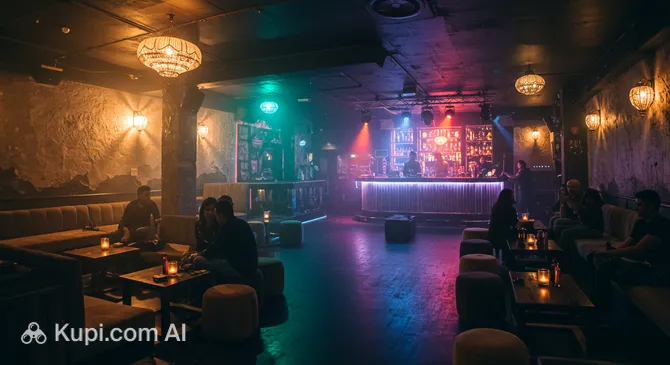
For those seeking a classic nightclub experience, Palosanto Discoteca Bar is a standout venue. It is well-regarded for its modern atmosphere, impressive lighting, and a DJ lineup that keeps the dance floor full until the early hours. It is an excellent spot to mingle with locals and experience the authentic energy of a Colombian night out.

Palosanto Discoteca Bar. Source: Kupi.Binoculars

If you prefer a more laid-back environment where conversation flows as easily as the drinks, El Burgués Pub Bar Restaurant offers a different vibe. This venue combines the rustic charm of a pub with a solid menu, making it ideal for starting the night with friends, enjoying craft beers, or listening to rock and pop classics before heading to a dance club.

Regarding practicalities, the nightlife in Villavicencio usually kicks off around 9:00 PM, with clubs filling up by midnight. The dress code is generally "smart casual"—while the weather is tropical, locals tend to dress up a bit for a night out, so avoid beachwear. Prices are generally more affordable than in major capitals like Bogota, but it is always wise to carry some cash for smaller cover charges or tips.

Safety is a priority for a worry-free evening. It is highly recommended to stick to the main entertainment districts and avoid walking alone in poorly lit areas late at night. The safest way to get around is by using yellow taxis. You can easily hail one in busy areas, but using a phone dispatch service or a ride-hailing app is often more secure and reliable for returning to your accommodation.

While the nights are for dancing, daytime entertainment in Villavicencio offers a mix of modern leisure and culture. If you need a break from the outdoor heat, the city's shopping centers provide a cool refuge. Places like the Urban Spring Shopping Mall feature modern cinemas, game arcades, and food courts, offering a relaxing way to spend an afternoon before the night's festivities begin.

Parks & Museums

Villavicencio is known as a green city where urban life seamlessly blends with the lush biodiversity of the Eastern Plains. While the city may not have a vast array of traditional indoor museums, its parks serve as open-air galleries of culture, history, and nature. These spaces allow visitors to engage with the region's heritage while enjoying the tropical climate.

For those interested in the local fauna, the Bioparque Los Ocarros is an essential stop. Located just a short distance from the city, this sprawling biological park is dedicated exclusively to the wildlife of the Orinoquía region. Visitors can observe majestic species such as jaguars, anacondas, and the park's namesake, the ocarro (giant armadillo), in habitats designed to mimic their natural environments. It is more than a zoo; it is a center for conservation and education that showcases the ecological richness of the plains.

One of the city's most versatile recreational spaces is La Llanura Park. Formerly known as Parque Sikuani, this area has been revitalized to offer a mix of sports facilities, green areas, and cultural venues. It is a popular spot for families and athletes, featuring tennis courts, basketball courts, and walking trails. The park also serves as a setting for community events, making it a vibrant place to experience the daily rhythm of local life.

La Llanura Park. Source: Kupi.Binoculars

To truly understand the cowboy culture of the region, a visit to Parque Las Malocas is indispensable. This theme park acts as a living museum of the Llanero traditions. Here, travelers can explore a replica of a traditional plains village, witness cattle herding demonstrations, and learn about the folklore that defines the Meta Department. The park often hosts agricultural fairs and equestrian shows, offering an immersive dive into the identity of the Colombian cowboy.

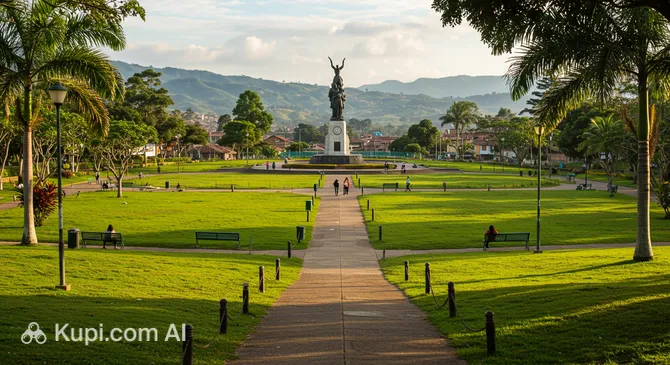
Another landmark that combines modern design with nature is Founders Park. Spanning several hectares, it is the largest urban park in the city and a favorite location for relaxation. Beyond its impressive monument, the park features extensive gardens, pedestrian paths, and a scenic fountain that lights up at night. It is an ideal sanctuary for a peaceful afternoon walk, offering a quiet escape from the bustling city streets while remaining right in the heart of Villavicencio.

Founders Park. Source: Kupi.Binoculars

Smaller green spaces like Guayuriba Park also dot the cityscape, providing neighborhoods with fresh air and community gathering spots. These parks, along with the larger reserves, highlight the city's commitment to maintaining a balance between development and nature, ensuring that the "Gateway to the Plains" remains a green and welcoming destination for all.

Getting Around

Navigating Villavicencio is a relatively straightforward experience, as the public transport system is less complex than those found in larger metropolitan areas. The city does not have a metro, tram, or train service. Instead, the public transportation network relies heavily on a fleet of buses, locally known as busetas or colectivos, which cover the majority of neighborhoods and main avenues. These vehicles are the primary mode of transit for residents and offer an authentic way for visitors to move around the urban area.

The payment system for public transport is strictly cash-based. There are no travel cards, digital passes, or mobile payment options for the bus network. When boarding a bus, passengers pay the fare directly to the driver or an assistant. It is essential to carry local currency in small denominations, as drivers often have difficulty changing large bills. The fares are fixed and generally very affordable, making it an economical choice for getting from one side of the city to the other.

For tourists, identifying the right bus can be an adventure in itself. Routes are typically displayed on colorful placards placed in the front windshield, listing the major neighborhoods and landmarks the bus passes. While there are designated bus stops in the city center and along major roads, it is common practice in residential areas to hail a bus simply by waving your hand. Operating hours usually run from the early morning, around 5:00 AM, until approximately 9:00 PM or 10:00 PM, after which frequency drops significantly.

Taxis are a highly popular and convenient alternative to buses. The city is serviced by a large number of yellow taxis that are generally safe and inexpensive by international standards. Most taxis are equipped with taximeters, and it is advisable to ensure the driver turns it on at the start of the journey. If you are traveling to outlying areas or tourist sites on the periphery, it is common to negotiate a fixed price before departing. Ride-hailing apps are available but are less dominant here than in the capital; traditional radio taxis or hailing a yellow cab on the street remain the most reliable methods.

While the city is walkable, especially around the downtown area and the main plazas, the tropical heat can make walking long distances tiring. Consequently, locals often prefer motorized transport for anything beyond a few blocks. There is no official public bike-sharing scheme, so if you prefer cycling, you would typically need to rent a bicycle from a private tour operator or a specialized shop, often geared more towards recreational mountain biking in the surrounding hills than urban commuting.

Accommodation

Finding the perfect place to stay in Villavicencio is a straightforward experience, offering a range of options that cater to different travel styles and budgets. As the gateway to the plains, the city provides everything from modern business hotels in the urban core to rustic country estates on the outskirts. Whether you are looking for the convenience of city living or the tranquility of nature, you will find suitable accommodations here.

For travelers who prioritize convenience and easy access to commerce, the City Center is a practical choice. Staying here places you within walking distance of government buildings, banks, and bustling market streets. However, for a more upscale and relaxed atmosphere, the neighborhoods of El Buque and La Grama are highly recommended. These residential areas are known for their safety, tree-lined streets, and proximity to some of the city's best restaurants and nightlife spots.

One of the most unique accommodation experiences in the region is staying at a Finca Turística (tourist farm) or a country hotel. Located just a short drive from the city center, often along the roads leading to Restrepo or Acacías, these properties allow visitors to immerse themselves in the Llanero culture. Many of these rural lodgings feature swimming pools, hammocks, and vast green spaces, making them ideal for families or anyone looking to escape the tropical heat.

Parque de la Vida. Source: Kupi.Binoculars

If you prefer to stay within the city limits but still want access to green spaces, looking for hotels near Parque de la Vida is a great strategy. This area offers a balance between urban amenities and recreational facilities, allowing you to enjoy a morning jog or a swim nearby. The accommodation sector in Villavicencio is generally very affordable compared to Colombia's larger capitals, with a wide selection of budget hostels and mid-range hotels available.

Booking Tip: While finding a room is usually easy, the city fills up quickly during major events, particularly during the International Joropo Tournament in late June or early July. If you plan to visit during this festival or on a holiday weekend, it is highly advisable to book your accommodation several weeks in advance. Most properties are listed on major online booking platforms, but for smaller rural estates, contacting them directly can sometimes secure a better rate.

Nearby Cities

Nearby Cities:

Villavicencio serves as the perfect base camp for exploring the wider Meta Department and the stunning landscapes of the Orinoquía region. The surrounding towns offer a rich variety of experiences, from ecological tourism and river adventures to deep immersions in the Llanero culture. A short trip from the city allows travelers to discover the geographic center of Colombia, vibrant festivals, and the serene beauty of the plains.

Here is a list of cities located within a short distance, making them ideal for day trips or weekend getaways:

City Population Distance (km)
Acacias 75,252 23
Guamal 28,277 34
La Calera 28,908 73
Puerto Lopez 35,097 75
Ciudad Bolivar 27,458 76

Acacías

Located just a quick drive from Villavicencio, Acacías is the second most important city in the department. It is renowned for its friendly atmosphere and is often called the "Tourist City of Meta." Visitors flock here to enjoy its refreshing rivers, classic Llanero gastronomy, and the famous Festival of the Return (Festival del Retorno), which celebrates local music and traditions.

Puerto López

Traveling a bit further east into the plains, you will reach Puerto López. This town is geographically significant as it is home to the Alto de Menegua, where the Obelisk stands marking the exact geographic center of Colombia. It is known as the "Navel of Colombia" and offers spectacular sunrises and a true connection with the vastness of the savanna.

Guamal

Situated nearby, Guamal is another charming destination known for its agricultural roots and ecotourism potential. It is a great spot for those looking to enjoy natural pools and rivers, offering a quieter, more rural experience compared to the bustling capital of the department.

Shopping & Souvenirs

Shopping Overview:

Shopping in Villavicencio offers a vibrant mix of modern convenience and traditional charm, reflecting its status as the commercial hub of the Eastern Plains. Visitors can find everything from high-end fashion brands in contemporary malls to authentic artisanal crafts in bustling street markets. The city is particularly famous for its leather goods and cowboy-themed apparel, making it the perfect place to pick up items that embody the spirit of the Llanero culture.

Main Shopping Areas:

The heart of the city's commercial activity is located in the downtown area, particularly along the "Cielos Abiertos" (Open Skies) boulevard. This pedestrian-friendly zone is lined with a multitude of shops, boutiques, and cafes, creating a lively open-air shopping experience. It is an excellent spot to wander, window shop for clothes and shoes, and soak in the energetic atmosphere of the city center without the confinement of a closed building.

Shopping Malls:

For those who prefer a modern, air-conditioned environment, the city features impressive shopping centers that rival those in larger capitals. The Viva Shopping Mall is the largest and most popular complex in the region. It houses major national and international brands, a large food court, and entertainment facilities, serving as a primary meeting point for locals.

Viva Shopping Mall. Source: Kupi.Binoculars

Another standout location is the Urban Spring Shopping Mall (known locally as Primavera Urbana). This mall is unique for its ecological design, integrating lush gardens and water features into its architecture. It offers a more relaxed, upscale shopping experience where visitors can browse fashion outlets and dine in restaurants surrounded by nature, right in the middle of the city.

Markets:

To experience the authentic flavors and colors of the region, a visit to the local market plazas is a must. The Plaza de Mercado San Isidro and the Plaza de Mercado del Barrio Popular are bustling centers of trade where farmers sell fresh exotic fruits, vegetables, and local meats. These markets are also excellent places to find traditional snacks and observe the daily life of the residents away from the polished corridors of the malls.

Souvenirs:

When looking for the perfect keepsake, focus on items that represent the region's cowboy heritage. Villavicencio is the ideal place to buy cotizas (traditional woven sandals), leather boots, and authentic hats used by the plainsmen. Leather goods here are generally of high quality and reasonably priced. Additionally, food items like pan de arroz (rice bread) or coffee produced in the nearby foothills make for delicious edible souvenirs to bring back home.

Opening Hours and Payment:

Most shops in the shopping malls operate from 10:00 AM to 8:00 PM or 9:00 PM, seven days a week. Street shops in the downtown area typically open earlier, around 9:00 AM, and close by 7:00 PM, with many closing on Sundays or having reduced hours. While major malls and supermarkets widely accept credit and debit cards, smaller boutiques and market vendors often prefer or strictly require cash, so it is advisable to carry Colombian Pesos for smaller purchases.

Tax-Free Shopping:

Foreign tourists visiting Colombia may be eligible for a VAT (sales tax) refund on certain goods such as clothing, footwear, perfumes, and craftwork. To qualify, purchases must be made with a foreign credit or debit card at affiliated stores that display the "Tax Free" signage. Be sure to ask the merchant for a specialized electronic invoice and check the current minimum purchase requirements to claim your refund at the airport upon departure.

Reached the end of the page?

That means the route is fully explored