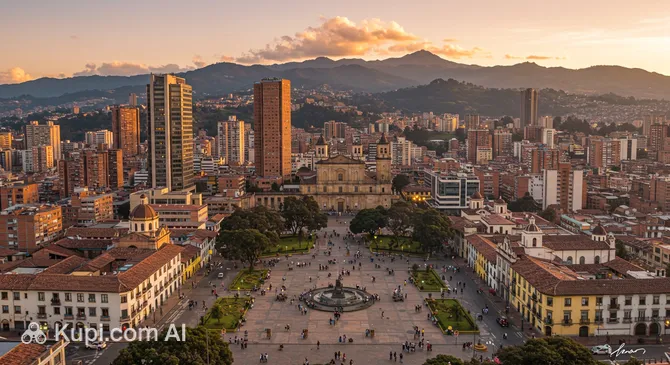
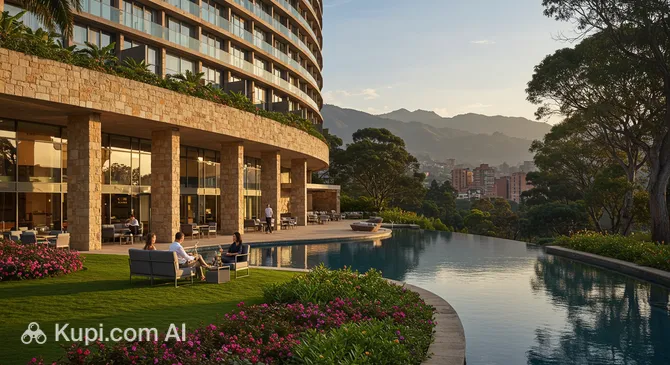
Welcome to Bogotá, the vibrant and sprawling capital that serves as the beating heart of Colombia. This high-altitude metropolis is a place where modern sophistication meets colonial charm, offering visitors a unique atmosphere filled with energy, culture, and contrast.
Nestled high in the Andes Mountains at approximately 2,640 meters (8,660 feet) above sea level, the city is known for its cool, "eternal autumn" climate. As one of the most populous cities in South America, with around 8 million residents, it acts as the nation's dynamic political, economic, and cultural center.
Bogota. Illustration.
Source: Kupi.com AI
The city's past is etched into the cobblestone streets of La Candelaria, the historic downtown district. Visitors fascinated by the past should delve into the history of Bogota to fully appreciate the architectural heritage and the stories behind the colorful colonial facades and ancient churches found here.
Travelers are often captivated by the world-renowned Gold Museum (Museo del Oro), which houses an extraordinary collection of pre-Hispanic gold artifacts. For breathtaking panoramic views, a trip to the summit of Monserrate is a must, offering a spectacular vantage point over the vast urban landscape below.
Whether you are exploring its thriving art scene, tasting world-class coffee, or simply wandering its lively streets, Bogotá promises an unforgettable experience. It is a destination that invites you to linger and discover its many hidden treasures.
Weather Overview
Due to its high altitude in the Andes, the climate in Bogotá remains remarkably consistent throughout the year, creating an environment often described as a perpetual autumn. Average temperatures are stable, typically hovering around 14°C to 15°C, with daytime highs reaching up to 19°C and nights cooling down to approximately 10°C.
Rainfall is a constant feature of the local weather, characterized by a high frequency of wet days rather than heavy downpours. The city sees rain often, with the number of wet days ranging from about 16 in August to as many as 29 in March. To help plan your activities and packing list, you can check the detailed forecast and weather in Bogota.
Expect cool, cloudy conditions mixed with sunny spells regardless of the month. Since the temperature varies little between seasons, bringing layers and a sturdy umbrella is the best strategy for staying comfortable during your visit.
Average monthly temperature
Average monthly precipitation
Interesting Facts
Beyond the main attractions, Bogota holds many fascinating secrets that reveal the city's unique character and history. From urban legends to impressive records, these details offer a deeper look into the daily life and heritage of the Colombian capital.
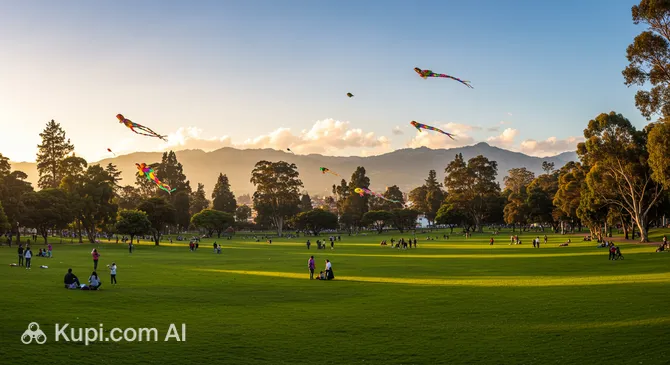
Simón Bolívar Metropolitan Park. Illustration.
Source: Kupi.com AI
Traveler photos:
While New York's Central Park is famous worldwide, the Simón Bolívar Metropolitan Park in Bogotá is actually larger in size. This massive green space serves as the true "lungs" of the city and is a favorite gathering spot for concerts, festivals, and outdoor recreation.
Bogotá is a global pioneer of the "Ciclovía," a weekly tradition that transforms the city's rhythm. Every Sunday and on public holidays, over 100 kilometers of main roads are closed to cars, allowing cyclists, runners, and skaters to take over the streets freely.
Art lovers can enjoy a world-class experience without spending a penny at the Botero Museum. The famous Colombian artist Fernando Botero donated his immense collection to the country with one strict condition: admission must remain free for everyone, forever.
The charming Chorro de Quevedo Square is widely considered the specific site where the city was founded in 1538. Located in the historic district, it retains a bohemian atmosphere where storytellers and street performers keep old traditions alive.
How to Get There
Reaching the Colombian capital is the first step of your adventure, and for most international and domestic travelers, air travel is the most convenient method. As a major hub in South America, the city is well-connected, making the journey relatively straightforward. You can find detailed information on routes and transport options in our guide on how to get to Bogota.
The primary gateway to the city is El Dorado International Airport (BOG). Located directly in Bogota, just 8.4 km from the city center, it is the busiest and most significant airport in the country. It handles a massive volume of passengers annually, serving as a key connection point for flights from around the globe. A taxi or transfer from here to the main districts typically takes around 35 minutes, depending on traffic.
While most visitors fly directly into the capital, there are other regional airports nearby, though they are located in different cities and require a longer ground transfer. For instance, La Vanguardia Airport (VVC) is situated in Villavicencio, approximately 78.7 km away. Traveling from there to Bogota by road would take roughly 2 hours and 20 minutes. Another alternative is Ibague Airport (IBE) in the city of Ibague, located about 122 km from the capital, with a travel time of around 3.5 hours by car.
For clarity, here is a summary of the main airports:
Bogotá offers a diverse array of experiences, ranging from deep dives into history to relaxing escapes in nature. While the Gold Museum and the Botero Museum are well-known highlights, the city is packed with other remarkable sites that showcase its rich cultural heritage and modern vibrancy.
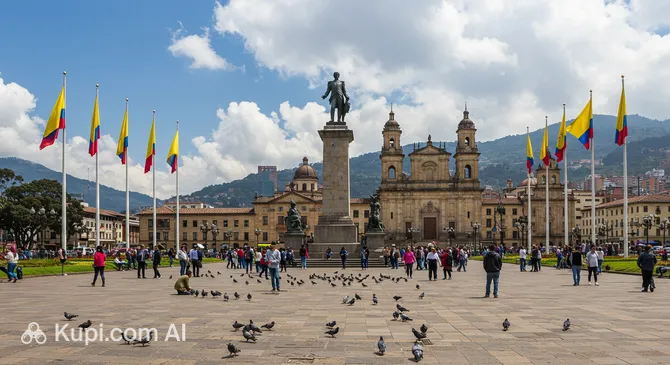
The beating heart of the city is undoubtedly Bolívar Square (Plaza de Bolívar). Located in the historical center, this grand plaza is surrounded by some of the nation's most important buildings, including the Palace of Justice, the National Capitol, and the Primary Cathedral of Bogotá. It is a lively gathering place where tourists can witness the convergence of Colombia's political and religious history while observing the daily rhythm of local life.
Bolívar Square. Illustration.
Source: Kupi.com AI
Traveler photos:
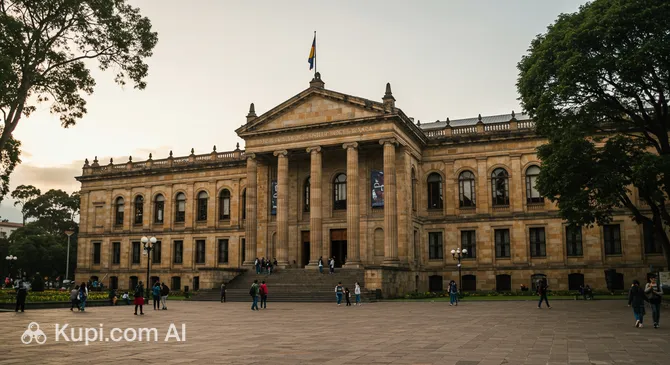
For those interested in the country's past, the National Museum of Colombia is an essential stop. Housed in a fortress-like building that was once a prison known as the "Panóptico," it is the oldest museum in the country. Its extensive collection spans archaeology, history, and art, offering a comprehensive narrative of the Colombian identity from pre-Hispanic times to the present day.
National Museum of Colombia. Illustration.
Source: Kupi.com AI
Traveler photos:
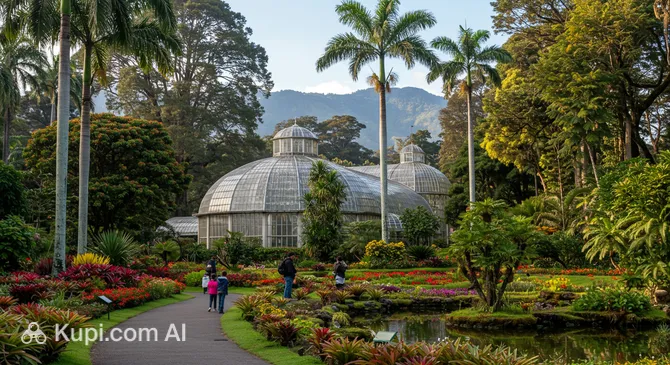
Nature lovers will find a sanctuary at the Bogotá Botanical Garden José Celestino Mutis. As the largest botanical garden in Colombia, it specializes in the preservation of Andean and Páramo ecosystems. Visitors can wander through beautifully landscaped paths, greenhouses, and specialized collections, making it a perfect spot to enjoy the region's unique biodiversity away from the urban bustle.
Bogotá Botanical Garden José Celestino Mutis. Illustration.
Source: Kupi.com AI
Traveler photos:
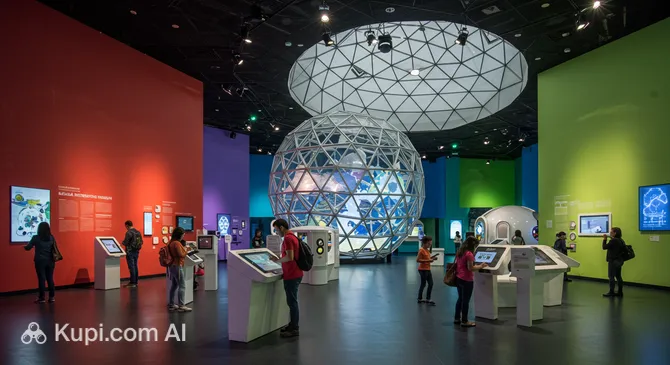
If you are traveling with family or simply enjoy science and technology, the Maloka Interactive Museum offers a fascinating experience. This underground architectural marvel is dedicated to science learning through interactive exhibits. It features a dome theater and various thematic rooms that encourage curiosity and hands-on exploration, making it a favorite destination for visitors of all ages.
Maloka Interactive Museum. Illustration.
Source: Kupi.com AI
Traveler photos:
Local Cuisine
The culinary landscape of Bogotá is a comforting reflection of its cool Andean climate, characterized by hearty soups, warming drinks, and fresh ingredients sourced from the surrounding fertile mountains. The absolute star of the local kitchen is Ajiaco Santafereño, a thick and flavorful chicken soup made with three different types of potatoes, corn on the cob, and a local herb called guascas, which gives the dish its distinctive taste. It is typically served with a side of rice, avocado, capers, and a dollop of heavy cream, making it a must-try experience for any visitor.
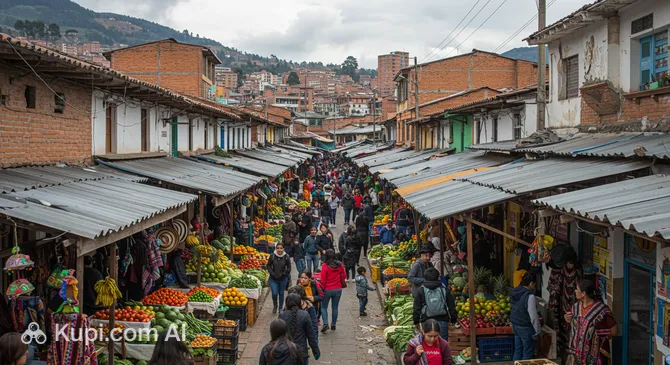
For a true taste of the city's traditional food culture, you should visit one of the bustling marketplaces. Here, you can find the famous Fritanga, a communal platter laden with fried meats, blood sausage (morcilla), chorizo, potatoes, and plantains, often enjoyed by groups of friends or families. A great place to explore these local ingredients and authentic flavors is the Restrepo Market, where the vibrant colors of exotic fruits and the aroma of freshly cooked meals fill the air.
Restrepo Market. Illustration.
Source: Kupi.com AI
Traveler photos:
When it comes to beverages, the locals have a unique way to beat the chill. A classic Bogotano tradition is drinking hot chocolate with cheese. It might sound unusual to outsiders, but dipping a piece of savory cheese into a cup of sweet, frothy hot chocolate until it melts is a beloved afternoon ritual. On the spirited side, you should try a Canelazo, a hot alcoholic drink made from aguardiente (anise liqueur), panela (unrefined sugar cane), and cinnamon water, often sold by street vendors in the historic center.
The city also boasts a sophisticated modern dining scene, particularly in areas known as Zona G and Zona T. These districts are packed with upscale restaurants that fuse Colombian heritage with international techniques. If you are looking for a stylish evening out, places like Storia D'Amore Zona T offer an elegant atmosphere to enjoy high-quality cuisine. Alternatively, for those seeking a drink with a view, the Vista Bar Bogotá provides a perfect setting to sip a cocktail while overlooking the city lights.
Travel Tips
Preparing for a trip to Bogota requires a bit of insider knowledge to navigate its high altitude, bustling streets, and unique culture smoothly. Here is a collection of essential tips to help you travel with confidence and enjoy the local rhythm of the Colombian capital.
Clothing and Gear: Bogota is known for its "eternal autumn," so the key to comfort is dressing in layers. Mornings can be crisp, afternoons sunny, and evenings chilly, often accompanied by sudden rain showers. Pack a warm jacket, sweaters, and a sturdy umbrella or raincoat. Leave the shorts and flip-flops at home; locals dress in a smart-casual style, and you will want comfortable, closed-toe shoes for walking on the cobblestone streets.
Transportation: The city's main public transport system is the TransMilenio, a rapid bus network that uses dedicated lanes; you will need to purchase a rechargeable Tullave card to use it. However, buses can get extremely crowded during rush hours. For more comfort and safety, especially at night, use ride-hailing apps like Uber or Cabify rather than hailing yellow taxis on the street.
Finances: The local currency is the Colombian Peso (COP). While credit cards are widely accepted in hotels, malls, and modern restaurants, carrying cash in smaller denominations is essential for street food, small shops, and public transport. In restaurants, a voluntary tip of 10% (propina) is often included in the bill; it is polite to pay it if the service was good.
Health and Safety: At 2,640 meters above sea level, altitude sickness can affect travelers. Take it easy on your first day, drink plenty of water, and eat light meals. Regarding safety, stick to the well-lit tourist zones like Zona T and La Candelaria (the latter is best explored during the day). Pharmacies, known as droguerías, are ubiquitous and can provide advice for minor ailments.
Communication: Spanish is the official language, and while staff at major hotels may speak English, it is not widely spoken by the general public. Learning a few basic phrases or having a translation app ready is very helpful. You can easily buy a prepaid SIM card from providers like Claro, Tigo, or Movistar at the airport or shopping centers to stay connected.
Local Etiquette: Colombians are generally polite and formal. Greetings are important; always say "Buenos días" (Good morning) or "Buenas tardes" (Good afternoon) when entering a shop or getting into a car. Handshakes are common, and people often use the formal "usted" when addressing strangers to show respect.
What to Avoid: A local rule of thumb is "No dar papaya" (Don't give papaya), which means do not make yourself an easy target. Avoid displaying expensive cameras, smartphones, or jewelry in crowded public spaces. Also, try to avoid bringing up the topic of drug cartels or Pablo Escobar casually; for many locals, this is a painful part of history, not pop culture entertainment.
Sunday Tradition: If you are in the city on a Sunday, take advantage of the Ciclovía. Major roads are closed to cars until 2:00 PM, allowing pedestrians and cyclists to take over the streets. It is a festive, safe, and unique way to see the city, so consider renting a bike and joining the locals.
By keeping these practical tips in mind, you will be well-equipped to handle the altitude and the urban energy of this fascinating metropolis. Bogota is a city that rewards the prepared traveler with warm hospitality and unforgettable cultural experiences.
Entertainment & Nightlife
As the sun sets over the Andes, Bogotá transforms into a bustling hub of energy and excitement. The city is famous for its "rumba" (party) culture, offering a nightlife scene that rivals any major global metropolis. From sophisticated rooftop lounges to pounding electronic clubs and cozy pubs, the Colombian capital caters to every nocturnal taste.
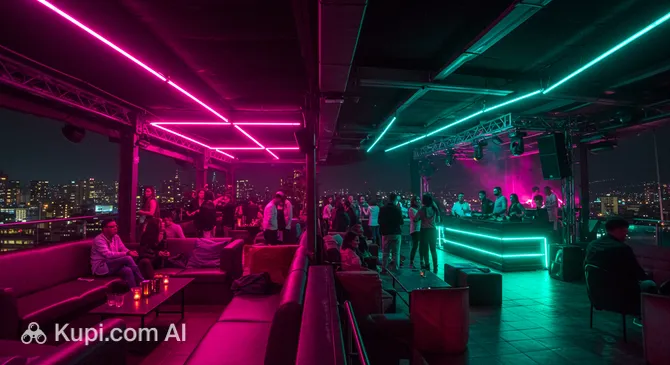
The epicenter of nightlife is undoubtedly the Zona T (also known as Zona Rosa) in the north of the city. This T-shaped pedestrian area is lined with upscale bars, restaurants, and clubs where the city's fashionable crowd gathers to see and be seen. Here, you can find venues like the Presea Rooftop, which offers a vibrant atmosphere perfect for enjoying cocktails with a view of the urban skyline. The dress code in this district tends to be "dress to impress," so it is worth putting on your best outfit.
Presea Rooftop. Illustration.
Source: Kupi.com AI
Traveler photos:
For a more alternative and bohemian vibe, the Chapinero district is the place to go. This area is known for its diversity, hosting everything from legendary electronic music venues to relaxed indie bars. It is a favorite among students and the artistic community. If you are looking for a spot to enjoy a casual drink and good conversation, Lakasta is a welcoming option to experience the local bar culture.
Lakasta. Illustration.
Source: Kupi.com AI
Traveler photos:
Music lovers should also keep an eye on the schedule at the Bogotá Arena (Movistar Arena). This major venue hosts large-scale concerts and international acts, serving as a cornerstone of the city's entertainment calendar. Tickets for big events often sell out quickly, so checking ahead is recommended.
When planning a night out, keep in mind that the party typically starts late. Bars may open earlier, but clubs usually fill up after midnight, with Thursday through Saturday being the busiest nights. Prices vary significantly; exclusive clubs in Zona T often charge a cover fee (entry fee), while local pubs in other areas are more affordable. For safety, it is highly recommended to use ride-hailing apps like Uber or Cabify rather than hailing taxis on the street, especially late at night. Stick to populated areas and avoid walking long distances alone in the dark.
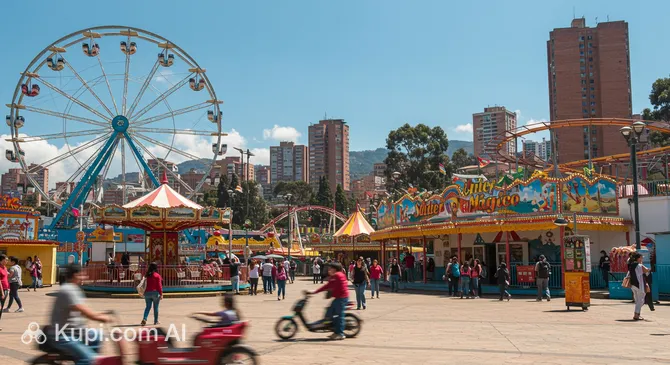
Beyond the nightlife, Bogotá offers plenty of daytime entertainment for thrill-seekers and families. Salitre Mágico is one of the city's most popular amusement parks, featuring roller coasters and attractions that provide an adrenaline rush against the backdrop of the mountains. Whether you prefer the screams of a roller coaster or the beats of a nightclub, the city ensures there is never a dull moment.
Salitre Mágico. Illustration.
Source: Kupi.com AI
Traveler photos:
Parks & Museums
Parks and Museums:
Bogotá is a city where concrete skyscrapers coexist with lush mountain backdrops and a rich tapestry of history. For travelers, this means an effortless transition from exploring world-class galleries to relaxing in expansive green corridors that offer a breath of fresh air amidst the urban energy.
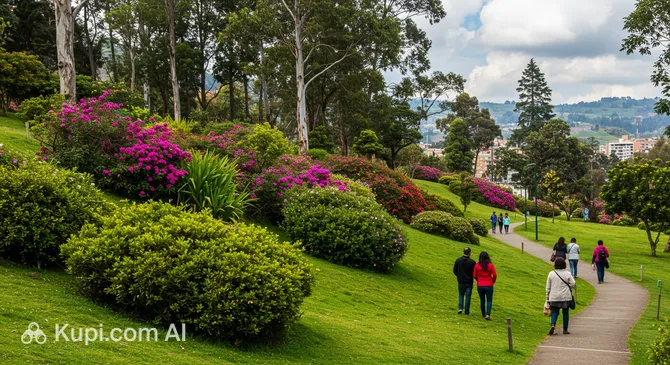
One of the most emblematic natural spaces is the Enrique Olaya Herrera National Park. Located at the foot of the Eastern Hills, this historic park is a favorite among locals for its ample green fields, sports facilities, and winding paths. It serves as a vital recreational hub where families gather for picnics and athletes train in the high-altitude air, offering a perfect slice of local life.
Enrique Olaya Herrera National Park. Illustration.
Source: Kupi.com AI
Traveler photos:
For a more modern and upscale outdoor experience, Virrey Park (Parque El Virrey) provides a beautiful linear stretch of nature in the north of the city. Following a creek, this park is lined with trees and pedestrian paths, making it an ideal spot for jogging, walking dogs, or simply enjoying a quiet moment near the trendy restaurants of the surrounding neighborhood.
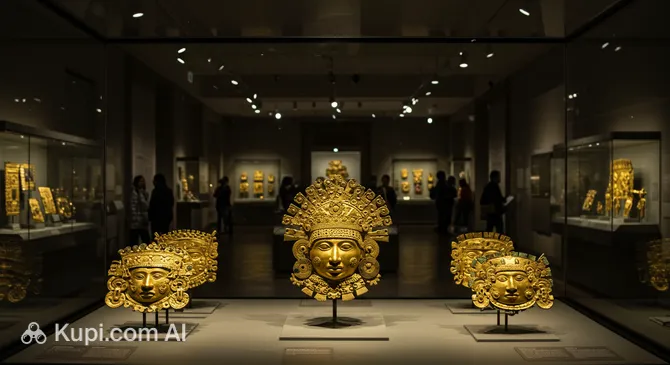
When it comes to culture, the city boasts treasures of global significance. The Gold Museum is an absolute must-visit, housing the world's largest collection of pre-Hispanic gold artifacts. Visitors are often mesmerized by the intricate craftsmanship of indigenous cultures, with thousands of pieces that tell the spiritual and social stories of Colombia's ancestors.
Gold Museum. Illustration.
Source: Kupi.com AI
Traveler photos:
Architecture and literature converge at the Gabriel García Márquez Cultural Center. Named after Colombia's Nobel Prize-winning author, this stunning brick structure features open-air walkways, a large library, and exhibition spaces. It is a peaceful retreat in the historic center where you can browse books, enjoy a coffee, and admire views of the cathedral and mountains.
Art enthusiasts should also explore the Miguel Urrutia Art Museum (MAMU). This venue displays a vast collection of Colombian and international art, ranging from colonial times to contemporary works. It offers a comprehensive look at the artistic evolution of the region in a spacious and well-curated setting.
For a truly authentic local vibe, take a stroll through The Parkway in the La Soledad neighborhood. This green boulevard is more than just a park; it is a cultural corridor lined with independent theaters, cafes, and bohemian bars, where the city's artistic community gathers to socialize under the canopy of towering trees.
Getting Around
Navigating Bogotá is an adventure in itself, with a public transport network that relies heavily on an integrated bus system rather than a traditional underground train. The backbone of the city's mobility is the TransMilenio, a Bus Rapid Transit (BRT) system that functions much like a surface metro. These distinct red buses run on dedicated lanes, bypassing mixed traffic and stopping at elevated stations. It is generally the fastest way to cover long distances across the metropolis from north to south.
Complementing the rapid transit lines is the SITP (Integrated Public Transport System), which consists primarily of blue urban buses. While TransMilenio covers the main arteries, the blue SITP buses weave through neighborhoods and connect areas not reached by the main corridors. You will also see smaller green "feeder" buses (alimentadores) that circulate around the major portals, designed specifically to bring passengers into the main system without an additional fare.
A standout feature of the local transport landscape is the TransMiCable, a modern cable car system located in the southern part of the city. Connected to the network at the Tunal station, it serves as both a vital commute option for residents and a scenic ride for visitors. Soaring over the Ciudad Bolívar district, it offers impressive aerial views of the city's vast urban sprawl and the surrounding Andes mountains.
To use any part of this integrated system (TransMilenio, SITP, or TransMiCable), you must acquire a rechargeable smart card known as TuLlave. You can purchase this card at ticket windows in any TransMilenio station or major transport portal for a nominal fee. Fares are very affordable, and transfers between buses within a certain time window are often free or heavily discounted. It is practical to load your card with enough credit for several days to avoid long queues at peak times.
The system typically operates from very early in the morning, around 4:00 AM, until 11:00 PM, though schedules are reduced on Sundays and public holidays. A crucial tip for tourists is to avoid the TransMilenio during peak rush hours (roughly 6:00 AM to 9:00 AM and 4:30 PM to 7:30 PM), as the buses and stations can become extremely crowded. To validate your trip, simply tap your TuLlave card on the turnstile readers when entering a station or boarding a blue bus.
For those seeking a more direct alternative, yellow taxis are ubiquitous throughout the city. While they use meters, it is widely recommended for tourists to order taxis through mobile apps or have a hotel/restaurant call one for you, rather than hailing them on the street, to ensure safety and fair pricing. Ride-sharing apps like Uber, Cabify, and DiDi are also very popular and effective, offering the convenience of fixed rates and route tracking.
Bogotá also prides itself on being a bike-friendly city, boasting one of the most extensive networks of bicycle paths (Ciclorrutas) in Latin America. Aside from the famous Sunday Ciclovía, these permanent lanes allow for safe daily travel. Renting a bike can be a fantastic way to explore the flatter northern districts or the historic center, allowing you to move at your own pace while avoiding traffic entirely.
Accommodation
Finding the perfect place to stay in Bogotá is easy, thanks to a diverse range of accommodation options that cater to every budget and travel style. The city offers everything from vibrant backpacker hostels in historic colonial houses to sleek, world-class luxury hotels and modern serviced apartments. Whether you are looking for a budget-friendly bunk or a five-star suite with mountain views, the Colombian capital has something to suit your needs.
Choosing the right neighborhood is key to your experience, as traffic in the city can be heavy. For those interested in history and museums, the downtown district of La Candelaria is the most convenient choice, placing you within walking distance of the main cultural sites. However, travelers seeking nightlife, high-end shopping, and fine dining often prefer the northern districts like Zona T (Zona Rosa), Parque 93, or Chapinero. These areas are generally considered safer at night and offer a more modern urban atmosphere with excellent connectivity to restaurants and bars.
For travelers seeking luxury and exceptional service, the city boasts several renowned properties. A standout option is the Grand Hyatt Bogotá, located relatively close to the airport and the Corferias convention center, making it a favorite for business and leisure travelers alike who appreciate modern amenities and expansive views.
Grand Hyatt Bogotá. Illustration.
Source: Kupi.com AI
Traveler photos:
Another exquisite choice for those who appreciate architectural heritage is Casa Medina. Operated by the Four Seasons, this hotel is housed in a beautifully preserved historic building that blends colonial charm with contemporary elegance, offering a unique stay in the gastronomic heart of the city.
The price range for accommodation varies significantly. Budget travelers can find hostel beds or simple rooms for very affordable rates, while mid-range hotels offer great value with comfortable amenities. Luxury resorts and boutique hotels are priced according to international standards but often remain cheaper than similar properties in North America or Europe. It is highly recommended to book your accommodation in advance, especially if you plan to visit during major festivals or business conventions. Most bookings can be easily made through major online platforms, which often offer flexible cancellation policies.
Nearby Cities
For those looking to explore the surroundings, Bogota serves as an excellent base for day trips to several interesting nearby locations:
City
Population
Distance
Cota
24 916
10 km
La Calera
28 908
11 km
Funza
90 671
16 km
Mosquera
128 012
17 km
Chía
97 896
17 km
Among these destinations, Chía is particularly popular for its vibrant culinary scene. Known as the "City of the Moon" from its indigenous roots, it draws visitors every weekend who come to enjoy its traditional restaurants and the famous Castillo Marroquín. It offers a perfect blend of history, gastronomy, and nightlife just a short drive north of the capital.
To the southwest lies Soacha, a city that serves as the gateway to one of the region's most spectacular natural wonders: the Salto del Tequendama. This majestic waterfall drops approximately 157 meters into a mist-filled canyon and is overlooked by a historic mansion-turned-museum, making it a fascinating spot for photography and learning about local legends.
These nearby destinations offer a glimpse into the diverse culture and landscapes of the region.
Shopping & Souvenirs
Shopping in Bogotá is a diverse and exciting experience that caters to every taste and budget. As a major commercial hub in the Andes, the city offers a fascinating mix of ultra-modern retail complexes, sophisticated fashion districts, and vibrant traditional markets. Whether you are looking for high-end international brands, high-quality leather goods, or unique artisanal handicrafts, the Colombian capital provides an abundance of options to satisfy any shopper.
For those seeking luxury and style, the area known as Zona T (part of the Zona Rosa) is the city's premier fashion district. Here, pedestrian-friendly streets are lined with exclusive boutiques and designer stores, making it the perfect place to update your wardrobe. Another charming destination is the district of Usaquén, where colonial architecture meets modern retail. Its cobblestone streets are filled with independent design shops, art galleries, and quaint stores offering one-of-a-kind jewelry and home decor.
The city is also home to impressive shopping centers that serve as major entertainment hubs for locals. One of the most popular destinations is the Titan Plaza Shopping Mall, located in the northwest. It features a vast array of stores, a food court, and cinema facilities, all housed within a modern architectural structure. Similarly, the Multiplaza Shopping Center offers a comprehensive retail experience with numerous international brands and leisure activities for the whole family.
Titan Plaza Shopping Mall. Illustration.
Source: Kupi.com AI
Traveler photos:
To truly understand the local commerce, visiting a market is essential. The Restrepo Market and its surrounding neighborhood are famous citywide for leather goods. This is the best place to find high-quality boots, jackets, and bags at very competitive prices, often sold directly by the artisans. On Sundays, the flea market in Usaquén transforms the area into a bustling bazaar where you can find everything from antiques to handmade crafts and local delicacies.
When it comes to souvenirs, Bogotá has several signature items worth bringing home. Colombia is the world's leading producer of emeralds, and you can find reputable jewelers near the Candelaria district (always ask for a certificate of authenticity). Leather goods are another top buy due to their quality and price. Additionally, colorful hand-woven Wayuu mochilas (bags) and, of course, bags of premium Colombian coffee are classic gifts that capture the essence of the country.
Most shopping malls and major stores operate daily from roughly 10:00 AM to 8:00 PM or 9:00 PM, including Sundays. While credit and debit cards are widely accepted in malls, boutiques, and supermarkets, it is advisable to carry cash (Colombian Pesos) when visiting traditional markets or street vendors. Bargaining is common in markets and smaller independent shops, but prices in malls and chain stores are fixed.
International tourists should also be aware of the tax refund (VAT refund) system. If you purchase certain goods like clothing, jewelry, or electronics from participating stores, you may be eligible to claim a refund of the 19% sales tax (IVA) at the airport before leaving the country. Be sure to ask the merchant for the necessary "Tax Free" documentation and keep your receipts organized to present them at the DIAN customs office upon departure.