Support

San Vicente

About

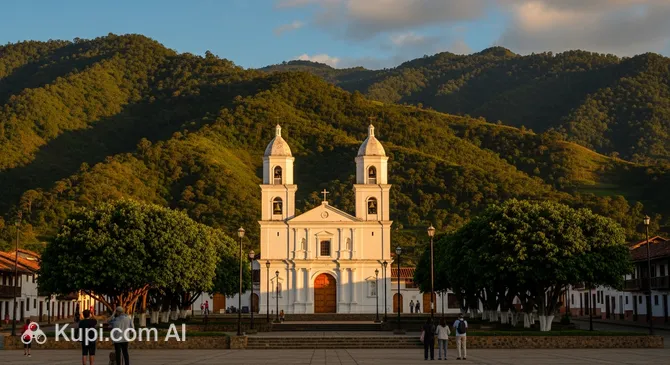
Nestled in the lush, rolling mountains of the Antioquia department, San Vicente offers visitors a peaceful retreat into the heart of traditional "Paisa" culture. This charming town is defined by its friendly atmosphere, vibrant agricultural life, and scenic landscapes that characterize this region of Colombia. It is a destination where the pace of life slows down, allowing travelers to truly appreciate the serenity of the Andean countryside.

San Vicente. Source: Kupi.Binoculars

Geographically, San Vicente is situated at an altitude that provides a cool and refreshing climate year-round, making it a pleasant escape from the heat of the lower valleys. With a population of approximately 18,000 residents, the town maintains a cozy, close-knit community feel while still being accessible for those exploring the Eastern Antioquia subregion. The surrounding terrain is a patchwork of green hills and vegetable crops, highlighting the area's importance as an agricultural hub.

Exploring the history of San Vicente reveals a municipality with deep roots in colonial and republican traditions, evident in its well-preserved architecture. One of the main attractions is the striking Parish Church of San Vicente Ferrer, which dominates the central square with its imposing structure and beautiful interior. Nature lovers will also find plenty to admire, particularly the Cerro de Morro, a natural viewpoint that offers breathtaking panoramic views of the town and the verdant valleys stretching out towards the horizon.

Whether you are interested in hiking through ecological trails, admiring traditional balconies adorned with flowers, or simply enjoying a cup of local coffee in the main plaza, San Vicente is a delightful stop. We invite you to discover the authentic charm and natural beauty of this hidden gem in the Colombian mountains.

Weather Overview

San Vicente enjoys a mild and stable climate year-round, characteristic of the mountainous Antioquia region. The average temperatures are remarkably consistent, generally hovering between 17°C and 18°C regardless of the month. Visitors can expect pleasant daytime highs reaching approximately 21°C to 23°C, while nights are cooler, with minimum temperatures dipping to around 12°C or 13°C.

Rainfall is a frequent occurrence in this area, contributing to the lush green landscapes. The region sees a significant number of wet days, particularly in March, October, and November, which can experience rain on up to 28 days of the month. Conversely, January and July are typically the driest periods, though showers are still possible. To plan your trip with the most current forecasts, we recommend checking the detailed report on the weather in San Vicente. Given the patterns, packing a waterproof jacket and dressing in layers is always a good idea.

Interesting Facts

Beyond the main attractions, San Vicente holds many fascinating secrets that reveal the depth of its cultural and natural heritage. From geological marvels to forgotten industries, these unique features offer a deeper glimpse into the identity of this charming mountain town.

  • The "White Town" of the Region: San Vicente is affectionately known as the "Pueblo Blanco de Antioquia" (White Town of Antioquia) due to the pristine white facades that characterize its streets. Among its architectural highlights is the vibrant Calle 30, a picturesque staircase featuring 73 steps beautifully decorated with colorful mosaics, part of a local artistic project known as "Callejones de Colores."

  • A Hidden Monolith: While the massive Rock of Guatapé is world-famous, San Vicente boasts its own geological wonder known as El Peñolcito. Located in a rural district, this smaller monolith is a favorite for adventure seekers and climbers. Remarkably, it features two tunnels carved directly into the rock, adding an element of mystery to its imposing structure.

  • A Tribute to Gold Mining: Although the town is now celebrated for its agriculture, its origins are deeply rooted in gold mining. This history is immortalized in the main park by La Negra de la Pila, a striking fountain statue depicting a woman carrying a traditional mining pan (batea) on her head, honoring the laborers who founded the settlement.

  • The Capital of Fique: For generations, the economy of San Vicente revolved around the production of cabuya, a tough fiber extracted from the fique plant. This tradition earned the town the reputation as a premier producer of sacks and ropes in Colombia, a legacy that is still preserved by local artisans who weave rugs and crafts from this natural material.

How to Get There

Reaching San Vicente is a straightforward journey, primarily involving a scenic drive through the mountainous landscapes of Antioquia. The town is well-connected by road to major urban centers in the region. For a complete guide on all available transport options, including driving directions and bus schedules, you can read more about how to get to San Vicente.

Since San Vicente does not have its own airport, most travelers arrive via the air hubs serving the nearby capital of the department. The most convenient option is Jose Maria Cordova International Airport (IATA: MDE), located in the municipality of Rionegro but serving Medellín. It is situated just 16.6 km from San Vicente, making it an exceptionally close entry point. The transfer by taxi or car typically takes around 45 minutes, depending on traffic. Another option is the Enrique Olaya Herrera Airport (IATA: EOH), located directly in Medellín. This regional hub is approximately 29.3 km away, with a travel time of about 1 hour and 5 minutes by road.

For clarity, here is a summary of the main airports located in the vicinity:

Airport Name City Passenger Traffic Km from City
Jose Maria Cordova International Airport Medellín Large 16.6
Enrique Olaya Herrera Airport Medellín Medium 29.3
La Nubia Airport Manizales Small 139.7
El Carano Airport Quibdo Small 159.0
Matecana International Airport Pereira Medium 169.0

San Vicente does not have a railway station, as train travel is not a primary mode of transport in this part of Colombia. Visitors typically rely on the robust network of buses and colectivos (shared taxis) that operate from the transport terminals in Medellín and Rionegro. The roads are paved and offer beautiful views of the surrounding countryside, making the bus ride an enjoyable part of the travel experience.

Main Attractions

While the iconic church and the vibrant mosaic streets often steal the spotlight, San Vicente hides a wealth of other treasures waiting to be discovered. Travelers venturing beyond the main square will find a delightful array of natural escapes and cultural hubs that offer a deeper connection to the local lifestyle and the stunning Andean landscape.

For a refreshing immersion in nature, the Valle de Corrientes is a favorite among locals and visitors alike. This picturesque valley is renowned for its crystal-clear river and natural pools, locally known as charcos. It is the perfect setting for a relaxing swim, a riverside picnic, or simply enjoying the tranquility of the flowing water surrounded by lush vegetation.

Nature lovers should not miss the opportunity to visit the Cascada de Los Cachos, a stunning waterfall tucked away in the mountains. Accessible via ecological trails, this natural attraction provides a refreshing escape into the wild. The hike to the waterfall allows tourists to immerse themselves in the region's biodiversity, offering chances to spot local bird species and enjoy the soothing sounds of the cascading water.

Those seeking panoramic vistas will be rewarded by a trip to the Mirador de la Montera. This viewpoint offers a spectacular perspective of the town nestled in the valley and the rolling green hills of Colombia that stretch to the horizon. It is an ideal spot for photography enthusiasts to capture the majesty of the Antioquian geography, especially during the golden hours of sunrise or sunset.

To understand the artistic and historical soul of the town, a visit to the Casa de la Cultura is essential. This cultural center serves as the guardian of San Vicente's heritage, frequently hosting art exhibitions, workshops, and historical displays. It provides a quiet space to learn about the traditions that have shaped the community and to appreciate the talent of local artists.

Finally, no trip is complete without experiencing the vibrant energy of the Mercado de los Ferrer. Held primarily on Sundays, this traditional market transforms the town into a bustling hub of commerce and social interaction. Here, farmers from the surrounding veredas bring their freshest produce, from exotic fruits to organic vegetables. It is the best place to taste local flavors, buy handmade crafts, and witness the authentic daily life of the region.

Local Cuisine

The gastronomy of San Vicente is a proud reflection of the wider Antioquian culinary tradition, known for its hearty portions, rich flavors, and reliance on locally grown ingredients. Being an agricultural hub, the town offers food that is exceptionally fresh, with many restaurants serving dishes made from crops harvested in the surrounding hills. The most iconic meal to try here is the Bandeja Paisa, a generous platter that typically includes beans, white rice, ground meat, chicharrón (fried pork belly), chorizo, a fried egg, ripe plantain, avocado, and an arepa. It is a feast designed to fuel the hard-working locals and satisfy even the hungriest travelers.

Another staple of the local diet is Sancocho, a thick and savory soup usually made with chicken, beef, or pork ribs, simmered with potatoes, yuca, plantains, and corn on the cob. This dish is often enjoyed on weekends and is considered a comfort food that brings families together. For a lighter option, or a classic breakfast, the simple white corn arepa is ubiquitous. In San Vicente, it is often served with fresh local cheese (quesito) and butter, accompanying almost every meal.

When it comes to drinks, the region offers unique traditional beverages. A favorite non-alcoholic option is Mazamorra, a drink made from well-cooked corn kernels in milk, served with a chunk of bocadillo (guava paste) or panela (unrefined cane sugar) to sweeten it. Coffee, or tinto, is consumed throughout the day and is renowned for its quality in this mountainous area. For those looking to toast with a local spirit, Aguardiente is the anise-flavored liquor of choice in Antioquia, often shared among friends in the town square during social gatherings.

The food culture in San Vicente revolves around the main plaza and the bustling Mercado de los Ferrer. On market days, particularly Sundays, the town comes alive with stalls selling fresh empanadas, buñuelos (cheese fritters), and an array of exotic fruits like lulo, tree tomato, and blackberries, which are often blended into refreshing juices. Visitors can find charming, family-run restaurants near the church and along the colorful streets, where the atmosphere is welcoming and the food tastes like a home-cooked meal.

Travel Tips

Visiting San Vicente is a delightful immersion into the authentic lifestyle of the Antioquian mountains, but a little preparation goes a long way in a town where tradition runs deep. To ensure your trip is as relaxing and enjoyable as the scenery, we have compiled a list of essential practicalities to keep in mind before you arrive.

  1. Pack for "Eternal Spring" with a Twist: While the climate is generally mild, the altitude keeps temperatures cool, often hovering around 17°C (63°F). Bring layers—a light sweater or fleece is essential for the evenings. Since rain is frequent in this region, a waterproof jacket or a sturdy umbrella is a must. Comfortable walking shoes with good grip are highly recommended for navigating the sloping streets and cobblestones.

  2. Getting Around: The town center is compact and best explored on foot. For trips to the surrounding rural areas (veredas) or natural attractions like the waterfalls, you can rely on local chivas (colorful rustic buses) or tuk-tuks. If you are driving, be aware that parking in the narrow streets can be difficult, so look for designated parking lots near the main square.

  3. Cash is King: While some larger establishments may accept credit cards, San Vicente is largely a cash-based economy. Ensure you carry sufficient Colombian Pesos (COP) for small purchases, meals, and transport. There are ATMs located near the main park, but they can occasionally run out of cash on weekends, so it is wise to withdraw money in larger cities like Rionegro or Medellín before arriving.

  4. Health and Safety: San Vicente is a safe and peaceful town, but standard travel precautions apply—keep an eye on your belongings in crowded areas like the Sunday market. Pharmacies (droguerías) are available around the town square for basic medicines. For more serious medical issues, there is a local hospital, but comprehensive care is best sought in nearby Rionegro.

  5. Language Barrier: English is not widely spoken outside of the tourism industry. Knowing basic Spanish phrases will be incredibly helpful and appreciated by the locals. We recommend downloading a translation app for offline use. If you need a SIM card for data, major providers like Claro or Tigo have good coverage here and can be purchased at local corner stores.

  6. Local Etiquette: The people of Antioquia are known for their warmth and politeness. It is customary to greet people with a friendly "Buenos días" or "Buenas tardes" when entering shops or passing on the street. Residents take great pride in their town's cleanliness and "White Town" aesthetic, so be respectful of public spaces and dispose of trash properly.

  7. What to Avoid: Avoid refusing an offer of coffee or food (like an arepa) if you can help it; hospitality is a core value here, and refusal can sometimes be seen as a slight. Also, avoid wearing revealing clothing if you plan to enter the Parish Church of San Vicente Ferrer, as it is an active place of worship.

  8. Sunday Market Tip: If you want to see the town at its most vibrant, visit on a Sunday. This is when farmers from the countryside bring their produce to the main square. It is the perfect opportunity to buy fresh fruit or local handicrafts, but be prepared for crowds and a bustling atmosphere.

By keeping these tips in mind, you will be well-equipped to navigate the charming streets of San Vicente with ease. Embrace the slower pace of life, engage with the friendly locals, and enjoy the unique experience of this hidden gem in Colombia.

Entertainment & Nightlife

As the sun sets over the Andean mountains, the peaceful agricultural town of San Vicente transitions into a lively yet relaxed evening atmosphere. Unlike the bustling metropolises of Colombia, nightlife here is not about massive clubs or neon districts, but rather about community, traditional music, and sharing a drink with friends in the cool mountain air. The heart of all evening activity is undoubtedly the Parque Principal (Main Square), where locals gather to socialize after a day of work.

The nightlife scene is concentrated almost entirely around the main square and the immediate surrounding blocks. Here, you will find a mix of traditional "fondas" (rustic bars), cafeterias that stay open late, and small discotheques playing a "crossover" mix of Vallenato, Salsa, Reggaeton, and Ranchera music. The vibe is incredibly authentic and welcoming; visitors are often greeted with curiosity and warmth. The dress code is casual and practical—jeans and a warm jacket are standard, as the temperature drops significantly at night.

For those looking to experience the local party spirit, Discoteca Eclipse is a well-known spot near the square where the music volume goes up, and dancing continues into the night. It is a classic example of a town disco where the energy is high and the aguardiente flows freely. Another staple of the local scene is Bar Alaska, located directly on the Parque Principal. It offers a prime vantage point to watch the town's nightlife unfold while enjoying a cold beer or a "media" (half-bottle) of rum. For a more traditional experience, Bar Los Tangos provides a setting that often feels like a trip back in time, perfect for conversation and listening to classic hits.

If you prefer a quieter start to your evening, the town offers charming cafes that bridge the gap between daytime exploration and nightlife. A visit to La Parada Cafeteria on Calle 30 is recommended for excellent local coffee and pastries before heading out for drinks. Speaking of Calle 30, a night walk along this famous "Mosaic Street" is a must; the illuminated colorful steps create a magical atmosphere perfect for a romantic stroll or photography.

Practical advice for enjoying San Vicente at night includes carrying cash, as many smaller bars and late-night food stalls do not accept cards. Prices are generally very affordable compared to larger cities. The town is safe for walking around the center, but if your accommodation is on the outskirts or in a rural vereda, it is best to arrange a tuk-tuk (motocarro) or taxi in advance, as transport options decrease after midnight. Weekends, particularly Saturdays, are when the town is most vibrant, often coinciding with local market preparations for Sunday morning.

While nightlife is the main evening draw, daytime entertainment in San Vicente is deeply rooted in its culture and nature. Visitors can explore the Casa de la Cultura to see local art or take a short trip to the Piedra de El Peñolcito for climbing and hiking. Whether day or night, the charm of San Vicente lies in its simplicity and the genuine hospitality of its people.

Parks & Museums

San Vicente offers a delightful mix of open-air serenity and deep-rooted heritage, where green spaces serve as community living rooms and cultural venues preserve the town's identity. While it may not have the sprawling museum districts of a large city, its parks and cultural centers provide an intimate look into the daily life and artistic traditions of the Antioquian mountains.

Key Parks and Green Spaces

The heart of local life beats in the Parque Principal. Unlike typical city parks, this central square functions as a vibrant social hub surrounded by traditional architecture and lush trees that offer shade during the day. It is the perfect spot to sit on a bench, watch the world go by, and admire the statue of "La Negra de la Pila," which honors the town's mining past. The park is meticulously maintained, reflecting the locals' pride in their "White Town," and serves as the starting point for almost every activity in San Vicente.

For those seeking a deeper connection with nature, the Cerro de Morro stands out as a premier natural area. This hill is not just a geographical landmark but a favorite recreational spot for hikers and families. The climb to the top is rewarded with fresh mountain air and sweeping views of the urban center and the surrounding agricultural patchwork. It acts as a natural balcony over the region, offering a peaceful escape from the town's activity without requiring a long journey.

Museums and Galleries

The cultural soul of the municipality is housed within the Casa de la Cultura. This venue acts as the town's primary museum and artistic space, dedicated to preserving the history and traditions of San Vicente. Visitors can often find rotating exhibitions featuring local painters, historical photographs documenting the town's evolution, and displays of traditional crafts. It is a welcoming space where the staff are eager to share stories about the region's heritage.

While not a museum in the secular sense, the Parish Church of San Vicente Ferrer functions as a magnificent gallery of religious art and architecture. Stepping inside, visitors are treated to an impressive display of woodwork, stained glass, and religious iconography that rivals many formal collections. The church is a testament to the artistic dedication of the community and offers a quiet, contemplative atmosphere for appreciating the intricate details of its design.

Historical and Architectural Sites

San Vicente transforms its streets into an open-air gallery, most notably at Calle 30. This famous staircase is more than just a thoroughfare; it is an artistic landmark adorned with colorful mosaics that depict local flora, fauna, and cultural symbols. Walking up these steps feels like moving through a living painting, making it a must-visit for art lovers and photographers alike.

Another significant site is El Peñolcito, a geological formation that holds historical importance for the area. This monolith serves as a natural monument, celebrated not only for its imposing presence but also for the tunnels carved into it. It stands as a symbol of the rugged terrain that has shaped the character and history of the local people.

Authentic Experiences/Insider Tips

For a truly authentic experience, take a walk along the rural roads leading to the veredas (rural districts) just outside the town center. Here, you can see the traditional "fincas" (farms) up close and perhaps witness the extraction of fique fibers, a craft that has defined the local economy for generations. These unpaved paths offer a raw and beautiful glimpse into the agrarian lifestyle that sustains this charming corner of Colombia.
Getting Around

As a small and traditional municipality in the mountains of Antioquia, San Vicente does not have a complex mass transit system like a metro, tram, or train. Instead, the public transport network is entirely road-based, relying on a combination of buses, shared taxis, and smaller vehicles designed to navigate the steep topography. For visitors, getting around is generally straightforward, as the town center is compact enough to explore on foot, while motorized options are readily available for longer distances or trips to the surrounding countryside.

The primary mode of transport connecting San Vicente to the outside world—specifically to Rionegro and Medellín—is the bus system operated by local cooperatives, often referred to as "flotas." These buses depart regularly from the town's main transport terminal or designated stops near the central square. Supplementing the buses are colectivos (shared taxis), which offer a faster, slightly more expensive service. They typically wait until they have a full load of four passengers before departing. Within the town limits, the most popular and convenient way to get around is by motocarro (tuk-tuk). These three-wheeled vehicles are nimble, affordable, and perfect for navigating the narrow and hilly streets.

For those venturing into the rural districts (veredas) to visit farms or natural attractions, the iconic Chiva buses (also known as escaleras) are the standard. These are brightly colored, open-sided rustic buses built on truck chassis, designed to handle rough, unpaved mountain roads. Riding a Chiva is considered a cultural experience in itself. In some steeper areas, sturdy Jeeps known as "Willys" also operate as shared transport, carrying passengers and cargo to the more remote farming communities.

Regarding payment, the system in San Vicente is almost exclusively cash-based. There are no electronic travel cards, transport apps, or tap-to-pay systems for local transit. You must pay the driver or the assistant (ayudante) directly in Colombian Pesos (COP). For inter-municipal buses, you may buy a ticket at the office in the terminal before boarding, but for motocarros, chivas, and urban taxis, you simply pay at the end of the ride. It is highly advisable to carry small bills and coins, as drivers often have difficulty changing large denomination notes.

Practical advice for tourists includes verifying the return schedules if you plan to visit rural areas, as transport back to the town center often stops in the late afternoon or early evening. While motocarros operate throughout the day, they become scarce late at night. Taxis are available and usually congregate around the Parque Principal; they do not typically use meters, so it is standard practice to agree on the fare with the driver before starting your journey to avoid misunderstandings.

Finally, while there are no ride-sharing apps like Uber operating within the town, the local taxi and motocarro services are reliable and safe. If you are planning a day trip to a specific waterfall or viewpoint, you can often negotiate a round-trip price with a driver who will wait for you or return at a set time. This personalized approach is common in San Vicente and offers a flexible way to see the sights without the constraints of a fixed schedule.

Accommodation

Accommodation in San Vicente caters primarily to travelers seeking authenticity and immersion in nature rather than international luxury hotel chains. The options here are characteristically rustic and welcoming, ranging from modest, family-run guesthouses in the urban center to scenic vacation rentals and eco-lodges scattered across the surrounding hills. This variety allows visitors to choose between the convenience of staying near the main plaza or the tranquility of the Andean countryside.

For those who prefer to be close to the action, the area around the Parque Principal offers several small hotels and residencias. Staying here places you within walking distance of the Parish Church, the bustling Sunday market, and local restaurants. These establishments typically offer basic but comfortable amenities, making them a practical choice for travelers who plan to spend most of their time exploring the town's streets and cultural sites.

However, the true charm of lodging in San Vicente is found in its rural outskirts, known as veredas. The region has seen a rise in glamping sites and traditional fincas (country estates) available for rent. These options are perfect for nature lovers, offering stunning views of the green mountains, cooler evening temperatures, and often, direct access to hiking trails or waterfalls. Many of these rural accommodations focus on eco-tourism, providing a peaceful retreat where the only sounds are the birds and the wind in the trees.

Regarding costs and booking, San Vicente is generally very affordable compared to major cities like Medellín. Prices range from budget-friendly for town-center hostels to mid-range for private glamping domes or larger fincas. While some of the more modern rural lodgings can be booked via major online platforms, many smaller local hotels operate more informally. It is often helpful to contact them directly or have cash on hand, as card payment facilities may not always be available. Since the town is a popular weekend getaway for locals, it is advisable to book in advance if you plan to visit during a holiday weekend or festival.

Nearby Cities

For those looking to explore the surroundings, San Vicente serves as an excellent base for day trips to several interesting nearby locations:

Just a short drive away lies the vibrant city of Medellín, the capital of the Antioquia department. Known globally as the "City of Eternal Spring," it offers a dynamic contrast to the quiet rural atmosphere of San Vicente. Visitors can explore cultural landmarks such as the Plaza Botero, ride the innovative Metrocable for sweeping views of the Aburrá Valley, or enjoy the diverse culinary scene in the El Poblado and Laureles districts. It is an ideal destination for those seeking urban excitement, shopping, and world-class museums.

Even closer is the historical city of Rionegro, often referred to as the "Cradle of Liberty" due to its significance in Colombia's independence history. This city features beautiful colonial architecture, including the imposing Cathedral of San Nicolás. A highlight for many travelers is the nearby area of San Antonio de Pereira, which is famous throughout the region for its traditional desserts and sweets. It is a perfect spot for a relaxing afternoon stroll and a taste of local confectionery.

City Population Distance (km)
Medellín 2,529,403 26
Bello 495,483 26
Itagui 276,744 34
Envigado 228,848 31
Rionegro 135,465 16

These nearby destinations offer a glimpse into the diverse culture and landscapes of the region, ranging from bustling metropolitan hubs to charming historical towns.

Shopping & Souvenirs

Shopping in San Vicente offers a refreshing departure from the commercialized experience of large cities. Instead of sprawling malls and international chain stores, visitors will find a commercial landscape deeply rooted in tradition and local necessity. The shopping scene here is authentic and intimate, characterized by family-run businesses, agricultural supply stores, and small boutiques that cater to the daily lives of the residents. For tourists, it is an excellent opportunity to discover the rural charm of Antioquia and purchase goods that are genuinely made in the region.

The heart of commercial activity is concentrated around the Parque Principal (Main Square) and the immediate blocks radiating from it. This area acts as an open-air shopping district where you can find everything from clothing and shoes to hardware and groceries. Walking through these streets provides a lively atmosphere, especially on weekends when the town fills with locals running errands and socializing. The storefronts here are modest but welcoming, often displaying their wares directly on the sidewalk, inviting passersby to browse.

Travelers looking for a modern shopping mall experience will not find one within the town limits of San Vicente, as the municipality preserves its small-town character. However, for those in need of branded fashion, electronics, or a cinema, the city of Rionegro is just a short drive away. There, large commercial centers like the San Nicolás Shopping Center offer a comprehensive retail experience. In San Vicente, the "malls" are the small commercial galleries (pasajes) that house a collection of independent vendors under one roof.

The most vibrant shopping experience in town is undoubtedly the Mercado de los Ferrer, or the local farmers' market. This is not just a place to buy food; it is a cultural event, particularly on Sundays. Farmers from the surrounding veredas descend upon the town center to sell their fresh harvest. Here, you can purchase exotic fruits like granadilla, lulo, and tree tomato at incredibly low prices. It is also the best place to find traditional snacks and witness the bustle of rural commerce in its purest form.

When it comes to souvenirs, San Vicente has a unique specialty: cabuya (fique fiber). Known historically as a major producer of this tough natural fiber, the town offers various handicrafts made from the plant. Visitors should look for handmade rugs, bags (mochilas), and decorative items woven by local artisans. Additionally, buying a traditional Antioquian poncho (ruana) or a leather carriel (satchel) is a great way to take a piece of the "Paisa" culture home. Bags of locally grown coffee and traditional sweets are also popular and consumable gifts.

Regarding practicalities, it is essential to know that cash is king in San Vicente. While a few larger supermarkets or drugstores might accept credit cards, the vast majority of small shops, market stalls, and artisan vendors deal exclusively in Colombian Pesos (COP). Store hours typically run from around 8:00 AM to 6:00 PM or 7:00 PM. Unlike in big cities, Sunday is often the busiest commercial day due to the market, although some shops may close earlier in the afternoon once the crowds disperse.

As for tax-free shopping (VAT refund), this is generally not applicable in the small local shops of San Vicente. The tax refund system in Colombia is typically reserved for large designated stores in major tourist cities or duty-free zones at international airports. Therefore, tourists should not expect to process tax-free forms for purchases made within the town.

Reached the end of the page?

That means the route is fully explored