Support

Montelibano

About

Welcome to Montelibano, a bustling municipality located in the northern part of Colombia. Situated in the department of Córdoba, this city serves as a crucial economic hub for the region, largely known for its significant mining industry and strategic importance. However, beyond its industrial identity, Montelibano possesses a unique charm characterized by the genuine warmth of its people and the vibrancy of its daily life.

Geographically, the city sits in the fertile valley of the San Jorge River, which plays a central role in the local ecosystem and economy. The climate is typically tropical, offering warm temperatures year-round that perfectly complement the energetic spirit of the locals. With a population of approximately 88,000 residents, it balances the dynamic feel of a growing urban center with the traditional hospitality of the Caribbean region.
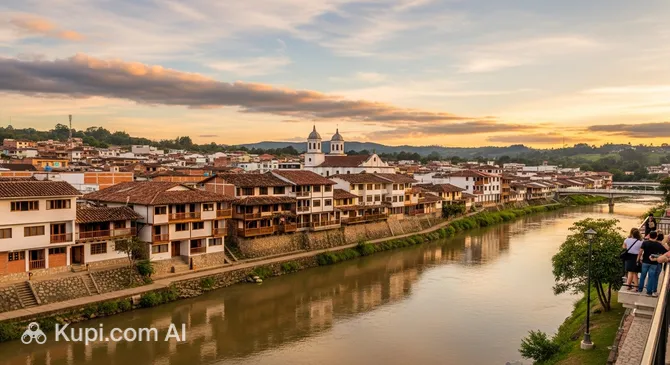
Montelibano. Source: Kupi.Binoculars

Although it is a relatively young city, the history of Montelibano is fascinating, marking its evolution from a small river settlement to a major regional player. Visitors can experience the local atmosphere at the Parque Ecológico de Montelibano, a green oasis that offers a refreshing escape and a place to observe local flora. The majestic San Jorge River is another highlight, providing scenic views and a glimpse into the traditional fishing culture that still thrives along its banks.

Whether you are interested in the economic pulse of Córdoba or simply wish to experience an authentic, non-touristy side of the country, Montelibano is worth a visit. Its lively festivals, rich local cuisine, and the welcoming nature of its inhabitants make it an interesting stop for those exploring the diverse landscapes of this beautiful region.

Weather Overview

Travelers visiting this region should prepare for a consistently hot tropical climate. The temperatures in the city remain high year-round, with daily averages generally hovering between 27°C and 31°C. The heat tends to peak in February and March, where maximum temperatures can climb to nearly 36°C, while minimums rarely drop below 24°C, ensuring warm evenings regardless of the month.

Precipitation patterns play a significant role in the local rhythm of life. While rainfall volume is generally low from December through March, the frequency of rain varies. The months with the fewest wet days are specifically January and February, offering the clearest skies. December, despite having low rainfall totals, still experiences precipitation on approximately 18 days. In contrast, the period from April to November is characterized by frequent rainfall, with rain occurring on up to 29 days in October. To help you pack appropriately for your specific travel dates, you can check the detailed forecast for weather in Montelibano before your trip.

Expect intense heat throughout the year with a distinct dry window in the first two months and consistent, frequent rainfall during the rest of the year.

Interesting Facts

Beyond the main attractions, Montelibano holds fascinating secrets that reveal its transformation from a humble riverside settlement to a regional industrial powerhouse. Here are some intriguing facts that define the unique character of this Colombian city:

  • The "Mucha Jagua" Origin: Before adopting its current name, the town was locally known as "Mucha Jagua". This moniker came from the early settlers who found an abundance of Jagua trees in the area, a plant traditionally used for extracting black dye and for its medicinal properties.

  • The Nickel Capital: Montelibano is home to Cerro Matoso, one of the largest open-pit ferronickel mines in the world. Its immense mineral wealth has earned the city the title of the "Nickel Capital of America," a distinction that drives its economy and attracts workers from all over the country.

  • A Unique Cultural Festival: The city celebrates its industrial identity with the Festival Folclórico y Cultural del Níquel. This event is a rare blend of mining heritage and Caribbean folklore, where locals showcase traditional dances and music to honor the resource that put their city on the map.

  • A Strategic River Hub: Although modern transport relies heavily on roads, Montelibano was historically a critical port on the San Jorge River. It served as a key trading post connecting the rich agricultural lands of the interior with the Caribbean coast, a legacy still visible in the bustling activity along its riverbanks.

How to Get There

Reaching this municipality typically involves a combination of air travel and a scenic drive through the department of Córdoba. While the city itself is tucked away in the San Jorge River valley, it is accessible via major regional transport hubs. For a complete overview of routes and transportation options, you can read more about how to get to Montelibano on our detailed page.

The city of Montelibano does not have its own airport, so most travelers fly into Los Garzones Airport (MTR) in the city of Monteria, which is approximately 104 km away. This is the primary gateway for the region, handling a significant volume of domestic flights. From the airport, the journey by taxi or bus takes about 3 hours, winding through the lush landscapes of the department. Another option is the Enrique Olaya Herrera Airport (EOH) in Medellín. Although it is a major hub, it is located about 195 km from Montelibano, making the ground transfer significantly longer, taking roughly 5 hours.

For clarity, here is a summary of the main airports:

Airport Name City Passenger Traffic Km from City
Los Garzones Airport Monteria High 103.9
Enrique Olaya Herrera Airport Medellín High 195.2
Apartado Airport Apartado Medium 144.4
Tolu Airport Tolu Medium 170.5
Corozal Airport Corozal Low 150.7

Currently, there are no railway stations serving the immediate vicinity of Montelibano. The most common and reliable way to arrive is by road. Regular bus services connect the municipality with Monteria and other nearby cities, offering a practical and affordable means of transport for visitors.

Main Attractions

While Montelibano is primarily known as an industrial and mining hub, it offers several interesting spots for visitors who want to experience the local culture and natural beauty of the Córdoba department. The city's tourism is closely linked to its rivers and green spaces, providing a relaxing atmosphere for those passing through.

One of the most popular recreational areas is the Parque Ecológico de Montelibano. This expansive green space serves as the city's "lungs" and is a favorite getaway for families and nature lovers. The park features a large lake where visitors can enjoy boat rides, as well as designated areas for picnics and observing local wildlife. It is an excellent place to disconnect from the urban bustle and enjoy the tropical flora that characterizes this region of Colombia.

The majestic San Jorge River is the lifeblood of the municipality and a key attraction in itself. Tourists can take a traditional "paseo en planchón" (a slow river barge trip) to admire the scenic landscapes along the banks. The river is not only scenic but also culturally significant, as it has supported fishing communities for generations. During the dry season, sandy beaches often form along the river, becoming popular gathering spots for locals to cool off and socialize.

In the heart of the city, you will find the Plaza de la Santa Cruz, which anchors the social life of Montelibano. This central square is home to the main cathedral, the Catedral de la Santa Cruz, a modest yet important religious structure for the community. The plaza is a perfect place to experience the daily rhythm of the city, grab a local snack, and watch the world go by in the shade of the trees.

For sports enthusiasts, the Villa Deportiva is a notable complex that highlights the local passion for athletics. It serves as a gathering point for community events and offers facilities that reflect the city's development. Whether you are walking through its parks or navigating its river, Montelibano offers a genuine glimpse into the authentic lifestyle of the Colombian Caribbean plains.

Local Cuisine

The local cuisine of Montelibano is a flavorful reflection of its location in the fertile San Jorge River valley, blending the hearty traditions of the Colombian Caribbean plains with the abundance of fresh river catch. Food here is unpretentious, generous in portion, and deeply rooted in the agricultural wealth of the Córdoba department. Visitors can expect a gastronomic experience that revolves around savory soups, grilled meats, and an impressive variety of fish dishes that define the daily rhythm of the city.

One of the absolute must-try dishes in Montelibano is Bocachico, a fish native to the Magdalena and San Jorge river basins. It is prepared in various ways, but the most traditional method is "en viuda," where the fish is steamed with plantains, yuca (cassava), and pumpkin, allowing the natural flavors to meld perfectly. Another regional classic is Mote de Queso, a rich and creamy soup made from yam (ñame) and salty coastal cheese (queso costeño), seasoned with a sauté of onions and garlic (hogao). It is a comfort food staple that perfectly captures the soul of the region.

Given the area's strong cattle ranching heritage, grilled meats or asados are also a significant part of the culinary landscape. You will often find restaurants serving large cuts of beef accompanied by bollo de maíz (steamed corn rolls) or crispy patacones (fried green plantains). These dishes are almost always served with a side of suero costeño, a fermented sour cream-like sauce that is ubiquitous in this part of the country and adds a tangy kick to any meal.

To beat the tropical heat, locals turn to refreshing beverages made from exotic tropical fruits. A favorite is Jugo de Corozo, a bright red juice made from a small, tart palm fruit that is boiled and sweetened to create a refreshing drink. You might also encounter guarapo, a cold drink made from sugar cane and lime, or the classic Aguapanela served ice-cold. For a social evening, it is common to share a Refajo, a mix of beer and Colombiana soda that is sweet, fizzy, and very popular at gatherings.

The food culture in Montelibano is informal and welcoming. You won't find many high-end dining establishments; instead, the best food is often found in open-air family restaurants and vibrant market stalls. Eating near the banks of the San Jorge River offers a scenic backdrop, where the breeze complements the meal. In the evenings, street food vendors near the main plaza sell fried snacks like carimañolas (meat-filled yuca fritters) and arepas, providing a quick and delicious taste of local life.

Travel Tips

Visiting Montelibano offers a unique glimpse into the industrial and river life of the Colombian Caribbean, but navigating a non-touristy municipality requires a bit of local know-how. To help you travel with confidence and ease, we have compiled a set of practical tips designed to make your stay in this vibrant city as smooth as possible.

  1. Dress for the Heat: The climate in Montelibano is tropical and often intensely hot. Pack lightweight, breathable fabrics like cotton or linen to stay comfortable. A wide-brimmed hat, high-SPF sunscreen, and sunglasses are essential for sun protection. Since the region can experience sudden heavy showers, especially in the afternoons, carrying a compact umbrella or a light rain poncho is also a smart move.

  2. Getting Around: Public transportation options like metros or large bus systems do not exist here. The most common and efficient way to navigate the city is by mototaxi (motorcycle taxi), which is fast and inexpensive. Standard yellow taxis are also available and are safer for carrying luggage. Always agree on the fare with the driver before starting your journey, as taximeters are rarely used.

  3. Cash is King: While larger supermarkets and hotels may accept credit cards, daily life in Montelibano runs on cash. You will need Colombian Pesos (COP) for transport, small restaurants, and shops. ATMs are available, primarily around the central plaza and commercial areas, but it is wise to carry small bills, as finding change for large denominations can be difficult for street vendors.

  4. Health and Hydration: Due to the high temperatures, staying hydrated is critical, but you should never drink tap water. Always opt for bottled or purified water to avoid stomach issues. Additionally, since the city is located in a warm river valley, mosquitoes can be a nuisance, especially at dusk. Bring a good insect repellent to protect yourself from bites.

  5. Language Barrier: English is not widely spoken in Montelibano. Most locals speak only Spanish, often with a rapid Caribbean accent that can be tricky even for intermediate speakers. It is highly recommended to download an offline translation app and learn a few basic phrases. A simple "Buenos días" (Good morning) or "Gracias" (Thank you) goes a long way in establishing a friendly connection.

  6. Social Etiquette: The people of Córdoba are known for their warmth and informality. Greetings are important; it is polite to greet shopkeepers and drivers when you interact with them. Do not be surprised by the volume of music or conversation in public spaces; the local culture is lively and expressive, and loud music is often considered a sign of joy rather than a disturbance.

  7. What to Avoid: Avoid displaying expensive electronics, jewelry, or large amounts of cash in public, as you would in any unfamiliar city. Also, try to avoid walking in poorly lit or desolate areas on the outskirts of the city at night; stick to the bustling center where there is more activity and safety in numbers.

  8. Respect the Siesta: Life in Montelibano adapts to the heat. You may find that some smaller independent shops and businesses close for a couple of hours around midday (roughly 12:00 PM to 2:00 PM) for lunch and a rest from the peak sun. Plan your errands for the morning or late afternoon to ensure everything is open.

By keeping these practical tips in mind, you will be well-prepared to embrace the authentic atmosphere of Montelibano. Whether you are there for business or to explore the San Jorge valley, a little preparation will ensure your experience is safe, comfortable, and enjoyable.

Entertainment & Nightlife

As the sun sets over the San Jorge Valley, Montelibano shifts from its industrious daytime rhythm to a lively, authentic Caribbean evening. The nightlife here is not defined by polished tourist clubs or high-end cocktail lounges, but rather by the vibrant energy of "estaderos"—open-air venues where music, dancing, and socializing spill out onto the streets. The atmosphere is undeniably tropical and festive, driven by the loud, infectious beats of Vallenato, Champeta, and Reggaeton that echo through the warm night air.

The heart of the action typically centers around the main avenues and the areas surrounding the central plaza. Here, locals gather after work to unwind with cold beers and conversation. The dress code is casual and comfortable, suited to the warm weather; you will see most people in jeans, t-shirts, and light fabrics. The vibe is welcoming but loud—expect music to be played at high volumes, which is a staple of the local culture rather than a nuisance.

For those looking to experience the local bar scene, El Vendaval is a popular choice. It operates as a restaurant-bar that transitions into a lively spot for drinks as the night progresses, offering outdoor seating that allows you to enjoy the evening breeze. Another authentic option is Estadero El Congo, which offers a true taste of the region's "rumba" culture. These venues are less about exclusivity and more about community, where groups of friends share bottles of "aguardiente" or buckets of beer while singing along to popular tracks.

If you are planning a night out, the best time to go is on Friday or Saturday when the atmosphere is at its peak. Prices in Montelibano are generally very affordable compared to larger Colombian cities. A beer might cost just a few thousand pesos, and cover charges are rare unless there is a special live music event. For transportation, mototaxis are the standard way to get around, but at night, it is safer and more comfortable to ask the venue to call a trusted taxi or "raton" (small car taxi) for you, especially if you are heading back to your accommodation late.

Regarding safety, while the central commercial areas are generally bustling and safe during the early evening, it is advisable to stay within well-lit, populated zones. Avoid walking alone in remote neighborhoods after dark. The locals are friendly, but standard travel precautions apply: keep an eye on your belongings and avoid flashing expensive items.

During the daylight hours, entertainment in Montelibano is more low-key and nature-oriented. While you won't find large amusement parks or grand museums, the Parque Ecológico provides a serene environment for walking and relaxing by the water. For a bit of culture, the local Casa de la Cultura occasionally hosts events or exhibitions showcasing the region's artistic talent. The city's proximity to the river also offers opportunities for boat trips, which are a favorite pastime for families on weekends.

Parks & Museums

While Montelibano is primarily an industrial center rather than a traditional tourist destination, it offers several refreshing green spaces and cultural venues that reflect the daily life and spirit of the Córdoba department. Visitors here can expect functional, community-centered public spaces rather than grand historical monuments, providing an authentic look at how locals relax and celebrate their heritage.

Parque Ecológico de Montelibano is undoubtedly the city's premier natural attraction. Located on the outskirts of the urban area, this extensive park serves as a vital sanctuary for local flora and fauna. It features a large, serene lake that is perfect for contemplative walks or small boat rides. For tourists, it offers a much-needed respite from the tropical heat, with shaded paths and areas designated for picnics. It is a fantastic spot to observe regional bird species and enjoy a quiet afternoon surrounded by nature.

Another key green space is the area surrounding the Villa Olímpica (Sports Complex). While primarily a destination for athletics, the grounds are spacious and serve as a gathering point for families and youth. It is a great place to witness the local passion for sports, particularly football and skating, which are central to the community's social life. The energy here is contagious, making it an interesting stop for those who want to see the active side of the city.

In terms of museums and cultural institutions, Montelibano does not have large permanent museums, but the Casa de la Cultura (House of Culture) stands as the guardian of the municipality's artistic soul. This venue is the epicenter for workshops, dance rehearsals, and musical training, focusing heavily on the region's traditional rhythms like Porro and Fandango. Visitors might be lucky enough to catch a rehearsal or a temporary exhibition of local art, offering a deep dive into the folklore that defines the Colombian Caribbean plains.

Architecturally, the most significant landmark is the Catedral de la Santa Cruz. Situated on the main plaza, this church is the spiritual heart of Montelibano. Its architecture is relatively modern and modest, reflecting the functional growth of the city, but it remains a pivotal meeting place. The plaza in front of the cathedral acts as an open-air living room where residents congregate, making it an excellent location for people-watching and soaking in the local atmosphere.

For a truly authentic experience, head to the banks of the San Jorge River in the late afternoon. While not a formal park, the riverfront transforms into a natural promenade where locals go to cool off and watch the sunset. It is a raw, unpolished experience that connects you directly with the geographical importance of the river to this mining and agricultural community.

Getting Around

Public transportation in Montelibano differs significantly from the structured systems found in larger metropolitan areas. There is no metro, tram, or extensive municipal bus network. Instead, the city relies on an informal yet highly efficient network of road-based transport that adapts to the needs of the local population. For visitors, this means navigating a system that is flexible and ubiquitous, though it lacks fixed schedules and designated stops.

The most common and popular mode of transport is the mototaxi (motorcycle taxi). You will see these everywhere; they are the quickest way to get around the city's streets. Drivers usually wear vests or have marked helmets, but they operate independently. For those who prefer more stability or protection from the sun and rain, traditional yellow taxis are available, though they are less numerous than motorcycles. In some neighborhoods, you may also encounter moto-carros (small three-wheeled vehicles similar to tuk-tuks), which are ideal for short distances with grocery bags or light luggage.

The payment system is entirely cash-based. There are no travel cards, passes, or mobile apps for paying fares. You must pay the driver directly in local currency upon reaching your destination. Prices are generally low and often fixed by custom for travel within specific zones, but there are no taximeters. A typical ride within the urban area costs a modest amount, but fares can increase slightly at night or for longer distances to the outskirts.

For tourists, the most important piece of advice is to agree on the fare before the trip begins. Since there are no meters, confirming the price upfront prevents misunderstandings later. It is also crucial to carry small bills and coins, as drivers rarely have change for large denominations. While mototaxis operate from early morning until late at night, availability drops significantly after dark, so it is safer and more reliable to arrange a standard taxi through your hotel or a restaurant if you are traveling late.

Walking is a viable alternative for getting around the central commercial district and the main plaza, as the city center is relatively compact. However, given the intense tropical heat, most visitors prefer motorized transport for anything beyond a few blocks. Rideshare apps are generally not active or reliable in this municipality, so do not rely on them. While there are no historic trains or cable cars, the transport experience here offers an authentic look at the daily rhythm of life in the region.

Accommodation

Accommodation in Montelibano is primarily designed to cater to the needs of business travelers and contractors visiting the region's mining and industrial sectors. As a result, the hospitality landscape is functional and practical rather than tourism-oriented. You will not find sprawling all-inclusive resorts or luxury hotel chains here; instead, the city offers a selection of reliable mid-range hotels, budget-friendly guesthouses, and simple "residencias" that provide a comfortable place to rest after a day of work or exploration.

The most convenient area to stay is undoubtedly the city center (El Centro). Choosing a hotel near the Plaza de la Santa Cruz or along the main commercial avenues places you within walking distance of restaurants, supermarkets, and the primary transport pick-up points. Staying centrally also ensures you are in a well-lit area with easy access to taxis and mototaxis, which is particularly helpful if you plan to head out for dinner in the evening.

For travelers, it is important to note that while the standard of service is generally warm and welcoming, amenities are often modest. Mid-range hotels typically offer air conditioning—a non-negotiable necessity given the tropical heat—private bathrooms, and Wi-Fi. Budget options may be more basic, sometimes offering only a fan, so it is wise to confirm the availability of air conditioning before booking.

Booking Tip: Because Montelibano is a hub for the nickel mining industry, hotels can become unexpectedly busy during the workweek (Monday to Thursday) with engineers and corporate visitors. It is highly recommended to book your room in advance to secure your preferred spot. While some of the larger establishments appear on major online booking platforms, many smaller local hotels still operate best via direct phone calls or WhatsApp inquiries.

Prices in Montelibano are generally very affordable compared to major Colombian tourist cities. Most stays fall into the budget to mid-range price bracket. When it comes to payment, while the top-tier hotels accept credit cards, smaller establishments often prefer or strictly require cash (Colombian Pesos). Carrying sufficient cash is advisable to avoid any inconvenience upon check-in or check-out.

Nearby Cities

For those looking to explore the surroundings, Montelibano serves as an excellent base for day trips to several interesting nearby locations:

One of the most prominent destinations is Monteria, the capital of the Córdoba department. Known as the "Pearl of the Sinú," it offers a blend of urban amenities and natural beauty. Visitors can stroll along the famous Ronda del Sinú, a linear park that runs alongside the river, teeming with iguanas, monkeys, and lush vegetation. It is the cultural and commercial heart of the region, providing a wider range of shopping, dining, and historical sites compared to smaller towns.

Just a short distance away lies Caucasia, located in the neighboring department of Antioquia. As the second most important city in the Bajo Cauca region, it is a bustling commercial hub situated on the banks of the powerful Cauca River. Its proximity makes it an easy trip for those interested in seeing the dynamic river trade and the lively atmosphere of a key transit city connecting the coast with the interior.

Another worthwhile stop is Planeta Rica, often referred to as the "Beautiful and Cordial City." Historically significant for the region's cattle industry, it offers a quieter, more traditional atmosphere. It is a great place to experience the authentic rural culture of the Caribbean plains, with local festivals and a strong connection to Vallenato music history.

City Population Distance (km)
Monteria 505,334 100
Caucasia 90,213 24
Planeta Rica 69,285 52
Cienaga de Oro 64,226 102
San Marcos 59,976 82

These nearby destinations offer a glimpse into the diverse culture and landscapes of the region.

Shopping & Souvenirs

Shopping in Montelibano offers a genuine slice of local commerce in the Córdoba department of Colombia. While it may not be a massive metropolis filled with high-end designer boutiques, the city provides a lively and authentic shopping environment where visitors can find everything from daily necessities to unique regional treasures. The experience here is less about luxury brands and more about connecting with the local culture and finding practical goods.

The heart of shopping activity is found in the downtown area, often referred to as El Centro. Here, the streets are lined with a variety of small shops, clothing boutiques, and general stores. A stroll through these bustling avenues offers a chance to mingle with locals and discover small businesses selling footwear, electronics, and household goods at affordable prices. It is the best place to soak up the energetic atmosphere of the city.

Unlike the major capitals, Montelibano does not feature gigantic international shopping complexes. Instead, you will find smaller commercial centers and arcades that house a collection of stores under one roof. These spots are convenient for finding fashion items, mobile accessories, and quick bites, offering a slightly more relaxed atmosphere compared to the busy streets outside.

For a truly immersive experience, a visit to the local marketplace is a must. The municipal market is vibrant and colorful, overflowing with fresh exotic fruits, vegetables, and local snacks. It is the perfect place to taste the agricultural richness of the region, purchase fresh ingredients, and observe the daily rhythm of life in the city.

When looking for keepsakes, keep an eye out for traditional handicrafts typical of the Córdoba region. The most iconic item to look for is the Sombrero Vueltiao, a traditional woven hat that is a national symbol of Colombia and originates from this department. You might also find beautifully woven hammocks and artisanal leather goods that make for practical and meaningful gifts to take home.

Most shops in Montelibano generally open around 8:00 AM and close by 6:00 PM or 7:00 PM. It is common for smaller independent businesses to close for a lunch break between 12:00 PM and 2:00 PM, known as the "siesta" time. While larger supermarkets and established stores often accept credit and debit cards, cash is still the preferred method of payment for market vendors and smaller shops, so it is wise to carry some Colombian Pesos with you.

While the formal tax refund system is typically associated with large international retailers in major tourist hubs, travelers will find that prices in Montelibano are generally very reasonable. Bargaining is often acceptable in markets and with street vendors, allowing you to get great value for your money without the need for formal tax-free procedures.

Reached the end of the page?

That means the route is fully explored