Support

Corozal

About

Corozal is a vibrant municipality located in the Sucre Department, often celebrated as the "Pearl of the Savannah" (La Perla de la Sabana). It offers a unique blend of Caribbean flair and traditional savannah culture, making it a delightful stop for travelers seeking an authentic experience away from the most crowded tourist paths.

Situated in the northern part of Colombia, the city enjoys a tropical climate with warm temperatures year-round, perfect for exploring its streets. With a population of approximately 70,000 residents, Corozal maintains a friendly, community-focused atmosphere while serving as an important agricultural and commercial hub in the region.

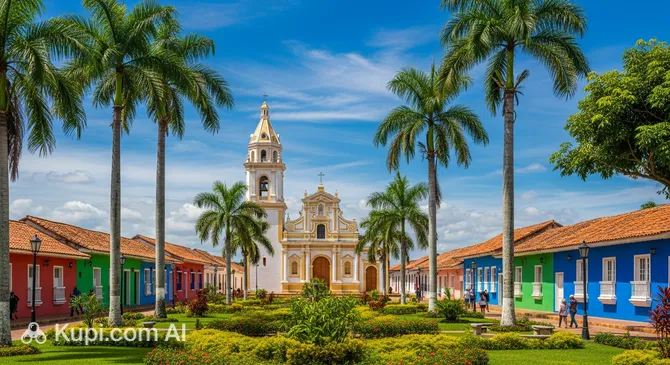
Corozal. Source: Kupi.Binoculars

The city is renowned for its beautiful Republican-style architecture, which can be admired while strolling through the downtown area. For those interested in the past, the history of Corozal reveals a rich heritage that has shaped its current identity. The central square is dominated by the impressive Saint Joseph Cathedral (Catedral de San José), a focal point for both faith and social gatherings.

Culture thrives here, especially during the famous Corozal Carnival, a colorful celebration that rivals those of larger cities in spirit and joy. Whether you are exploring its architectural gems or enjoying the local gastronomy, Corozal invites you to experience the genuine warmth and hospitality of its people.

Weather Overview

Travelers visiting this region can expect a tropical climate with consistent warmth throughout the year. Average temperatures typically range from 26°C to 29°C, with the hottest days occurring in February and March when highs can reach up to 33.7°C. Nights remain comfortable and balmy, usually staying above 23°C, making the city pleasant for evening activities.

Precipitation patterns vary significantly depending on the time of year. The weather in Corozal features a distinct dry season from January to March, offering sunny skies and very few rainy days. Conversely, the period from April to November brings frequent rainfall, with wet days occurring almost daily during the peak of the season, so expect warm days mixed with regular showers if you visit during these months.

Interesting Facts

Beyond its colonial architecture and lively festivities, Corozal holds several fascinating details and local traditions that often surprise visitors. Here are a few unique aspects of the "Pearl of the Savannah" that define its character.

  • The city is widely famous as the capital of the Diabolín, a traditional crunchy snack made from yuca (cassava) starch and cheese. These globular treats are an iconic culinary symbol of the region, and buying them fresh in Corozal is a must for any traveler.

  • There is a mystical story behind the local transport hub, Las Brujas Airport, which translates to "The Witches Airport." Local urban legends claim that before the airport was constructed, the specific site was known historically as a meeting place for witches, giving the terminal its intriguing name.

  • The name "Corozal" itself is a direct reference to the local landscape's history. It is derived from the Corozo palm, a tree that was once incredibly abundant in the area; the name essentially describes a place covered in these specific fruit-bearing palms.

How to Get There

Reaching this charming municipality in the Sucre Department is relatively straightforward, with several options depending on your starting point. For travelers planning their itinerary, you can find more about how to get to Corozal and choose the route that best suits your schedule.

The city is served directly by Corozal Airport (IATA: CZU), locally known as Las Brujas. It is conveniently located just 1.5 km from the city center. Due to its close proximity, a taxi ride to the downtown area is very quick, taking approximately 5 to 10 minutes. While it is a smaller regional hub, it offers the most direct access for domestic travelers.

For international visitors or those connecting from major hubs, Rafael Nunez International Airport (IATA: CTG) in Cartagena is a significant gateway. The city of Corozal does not have its own international airport, but you can fly into Cartagena, which is about 126 km away. The overland journey from there typically takes around 3.5 hours by bus or taxi. Alternatively, Los Garzones Airport (IATA: MTR) in Monteria is another viable option, situated roughly 80 km from Corozal, with a transfer time of approximately 2 hours and 20 minutes.

For clarity, here is a summary of the main airports:

Airport Name City Passenger Traffic Km from City
Rafael Nunez International Airport Cartagena Large 126.1
E Cortissoz Airport Barranquilla Large 182.2
Los Garzones Airport Monteria Medium 80.4
Tolu Airport Tolu Small 38.0
Corozal Airport Corozal Small 1.5

The city of Corozal does not have a railway station, and passenger train services are not a primary mode of transport in this region. Most visitors arriving by land rely on the extensive network of interdepartmental buses or private car services, which connect the city efficiently with neighboring capitals and towns in the Colombian Caribbean region.

Main Attractions

While Corozal is often viewed as a gateway to the Colombian Caribbean, the city itself possesses a distinct charm defined by its history and culture. Visitors taking the time to explore its streets will discover a destination proud of its heritage, offering a more authentic and relaxed experience than the bustling tourist hubs nearby.

The most iconic landmark in the city is the Saint Joseph Cathedral (Catedral de San José). Dominating the skyline near the central plaza, this church is a stunning example of religious architecture that differs significantly from the colonial styles found elsewhere in the region. Its unique façade and well-preserved interior make it a must-visit for architecture enthusiasts and those seeking a moment of peace. The cathedral serves not only as a place of worship but also as a symbol of the community's resilience and faith.

Directly adjacent to the cathedral lies the Main Square (Parque Principal), which functions as the social heart of Corozal. This leafy public space is where the true "savannah" atmosphere can be felt. It is the perfect spot to rest under the shade of large trees, enjoy a local snack, and observe the daily rhythm of the locals. In the late afternoons and evenings, the square becomes a lively gathering point for families, offering a genuine slice of local life.

For those who enjoy walking, the Historic Center offers a delightful open-air museum of Republican-style architecture. Unlike the colonial walled cities, Corozal’s downtown is characterized by spacious homes from the late 19th and early 20th centuries. These structures, with their high ceilings, ornate window grilles, and pastel-colored walls, reflect the city's prosperous past. Strolling through these streets allows travelers to admire the craftsmanship and aesthetic that earned the city its reputation as the "Pearl of the Savannah."

Local Cuisine

The gastronomy of Corozal is a delicious representation of the Colombian Caribbean savannah, characterized by the use of locally grown tubers, fresh cheese, and rich meats. The food scene here is unpretentious and deeply traditional, offering travelers a genuine taste of the region's agricultural heritage distinct from the coastal seafood-heavy diet.

One dish you absolutely cannot miss is Mote de Queso. This thick, creamy soup is the culinary emblem of the Sucre department. It is prepared with distinct varieties of yam (ñame), sautéed onions, garlic, and generous cubes of queso costeño (salty coastal cheese). Another staple is the Sancocho de Gallina, a hearty hen stew often served with coconut rice, avocado, and fried plantains, providing a comforting meal that locals typically enjoy during lunch.

For snacking, Corozal is famous as the capital of the Diabolín. These crunchy, baked, globular treats made from yuca starch, cheese, and milk are the city's signature food. While you might find them elsewhere in the country, tasting them fresh from traditional local ovens is a unique experience. You will also find an array of fried delights known as fritos, such as carimañolas (meat or cheese-stuffed yuca fritters) and arepas de huevo, sold by street vendors around the main plaza.

To quench your thirst in the tropical heat, try the local Jugo de Corozo. Since the city is named after the Corozo palm, it is fitting to enjoy the refreshing, slightly tart, burgundy-colored juice made from its fruit. Dining in Corozal is mostly a casual affair; the best flavors are often found in small, family-run restaurants or bustling market stalls where the focus is on generous portions and authentic, home-cooked seasoning.

Travel Tips

Welcome to Corozal! To make the most of your visit to this charming corner of the Sucre Department, a little local knowledge goes a long way. Here are some practical tips to help you navigate the city smoothly and enjoy the warm hospitality of the "Pearl of the Savannah" without any hassles.

  1. Dress for the Tropical Heat. The climate here is consistently warm and humid, so pack lightweight, breathable clothing made of cotton or linen. Comfortable walking shoes are a must for exploring the streets, and if you plan to enter the Saint Joseph Cathedral, remember to dress modestly by covering your shoulders and knees.

  2. Local Transportation. Within the city, mototaxis (motorcycle taxis) are the most common and agile way to get around, perfect for short trips. Regular yellow taxis are also available and are recommended for trips to Las Brujas Airport or if you are carrying luggage; it is always best to agree on the fare before starting your journey.

  3. Cash is Essential. While major supermarkets might accept credit cards, most small businesses, traditional restaurants, and street vendors operate exclusively with Colombian Pesos (COP). Keep small bills handy for buying snacks like Diabolines, and use the ATMs located primarily around the main square for withdrawals.

  4. Stay Hydrated and Protected. The savannah sun can be intense, so carry a reusable water bottle and stick to drinking bottled or purified water. Since it is a tropical area, applying insect repellent is highly recommended, especially during the late afternoon and evening to avoid mosquito bites.

  5. Language and Communication. English is not widely spoken in Corozal, so downloading an offline translation app or learning basic Spanish phrases like "Buenas" (Hello) and "¿Cuánto vale?" (How much is it?) will be very useful. You can easily buy a prepaid SIM card at local corner stores to stay connected.

  6. Social Etiquette. The culture in Sucre is warm and polite; it is customary to greet people with a friendly "Buenos días" or "Buenas tardes" when entering a shop or asking for directions. Locals appreciate this courtesy, and it often leads to better service and friendlier interactions.

  7. Safety Precautions. Corozal is generally a peaceful town, but you should practice common sense and avoid "giving papaya" (a local expression for flashing valuables). Keep your phone and camera discreetly stored when not in use, and avoid walking in unlit or isolated areas on the outskirts of the city at night.

  8. Respect the Siesta. Life here follows a relaxed rhythm, and many smaller shops and independent businesses may close for a lunch break, typically between 12:00 PM and 2:00 PM. Plan your shopping or errands for the morning or late afternoon to ensure everything is open.

By keeping these simple tips in mind, you will be well-prepared to embrace the authentic lifestyle of Corozal. Enjoy the relaxed pace, the friendly faces, and the unique cultural flavor that makes this city a special destination in the Colombian Caribbean.

Entertainment & Nightlife

The nightlife in Corozal reflects the authentic, joyous spirit of the Colombian Caribbean. Unlike the massive, commercialized scenes in larger cities, the evening entertainment here is deeply rooted in local culture, revolving around music, dance, and social connection. The atmosphere is typically informal and welcoming, characterized by the rhythmic beats of Vallenato, Porro, and Champeta that fill the air as the sun goes down.

The heart of the action often centers around the Zona Rosa and the streets surrounding the Main Square (Parque Principal). Here, you will find a mix of open-air liquor stores known as estancos—where locals gather around plastic tables to share a bottle and talk—and more enclosed dance clubs. Carrera 28 is particularly notable for having several popular spots where the party continues late into the night. It is the place to be if you want to experience a genuine "rumba" alongside friendly residents.

For those looking to dance, Atypical Disco Bar is a well-known venue that offers a modern atmosphere with a mix of crossover music, perfect for moving to Latin beats. Another popular option is Bar Ruta 69, which provides a lively setting for enjoying cocktails and cold beers with friends. If you prefer a more traditional vibe, Los Balcones is often cited by locals as a great spot to enjoy the evening breeze and a good view while sipping on a drink.

The nightlife usually kicks off around 9:00 PM, with the peak energy occurring between 11:00 PM and 2:00 AM, especially on Fridays and Saturdays. The dress code is generally casual but neat; men often wear jeans and polo shirts, while women dress up a bit more for the clubs. Prices are quite affordable compared to major tourist hubs, with a beer costing just a few thousand pesos. It is standard practice to pay with cash, as many smaller bars and estancos do not accept cards.

Safety in Corozal is generally good, but it is always wise to take precautions at night. Stick to the busy, well-lit areas like the Zona Rosa and avoid walking alone in quiet outskirts after dark. When you are ready to return to your accommodation, it is best to call a yellow taxi or use a trusted mototaxi service recommended by the venue staff, rather than hailing a random ride on the street.

During the day, entertainment is more laid-back. While Corozal does not have large amusement parks, visitors can enjoy the relaxed pace of the Parque Principal or visit local recreational centers with swimming pools, which are popular on hot weekends. For a dose of culture, the city's streets themselves serve as a gallery of Republican architecture, and a short trip to the nearby town of Morroa offers a chance to see traditional hammock-weaving workshops.

Parks & Museums

While Corozal may not be famous for vast botanical gardens or sprawling national museums, the city itself serves as a living gallery of tradition and nature. Its charm lies in the well-preserved public spaces where social life flourishes, and in the cultural institutions that keep the region's artistic heritage alive. Visitors here will find that the true "museum" experience is found in the architecture of the streets and the warmth of the plazas.

The heartbeat of the city is undoubtedly the Parque Principal (Main Square). More than just a park, this leafy expanse serves as the community's living room, shaded by large trees that offer a welcome respite from the savannah heat. It is a place where nature and culture intersect; you can watch iguanas resting in the branches or observe locals engaging in animated conversations, a custom deeply rooted in the Caribbean lifestyle. In the evenings, the park transforms into a breezy promenade, perfect for experiencing the relaxed pace of life that defines the Sucre Department.

For those seeking a deeper understanding of local artistic expressions, the Casa de la Cultura (House of Culture) is an essential stop. Located in a traditional building, this venue acts as the guardian of Corozal’s folklore. It frequently hosts workshops, art exhibitions, and dance rehearsals, focusing on traditional rhythms like Porro and Fandango. It is a fantastic place to witness the creative energy of the local youth and learn about the musical roots that are so vital to the city's identity.

Although not a museum in the conventional sense, the Historic Center acts as an impressive open-air gallery. Walking through these streets allows you to admire one of the best-preserved collections of Republican architecture in the region. The grand houses, with their high ceilings, pastel facades, and intricate window grilles, tell the story of Corozal's prosperous agricultural past. Photography enthusiasts will find this area particularly captivating, as every corner offers a glimpse into a bygone era of elegance.

For a truly authentic experience, look for the small, family-run bakeries scattered near the center that specialize in Diabolín. While not formal museums, these workshops allow you to see the artisanal process of creating the city's most famous snack from yuca dough and cheese. Watching the trays come out of the wood-fired ovens provides a sensory connection to the local culture that no display case could match.

Getting Around

Public transport in Corozal operates differently from the complex systems found in large metropolitan areas. As a smaller municipality, the city does not have a metro, tram, or extensive public bus network within its urban limits. Instead, the transport system is informal, agile, and heavily reliant on road-based vehicles, reflecting the relaxed pace and local culture of the Sucre region.

The most common and popular way to get around the city is by mototaxi (motorcycle taxi). You will see these everywhere; they are the primary mode of transport for locals due to their speed and low cost. They are ideal for short trips within the town or for navigating narrow streets where cars might move slower. While they offer a very authentic local experience, they are informal services, so there are no fixed stops—you simply flag one down on the street.

For those who prefer a more traditional and comfortable ride, yellow taxis are available and are the recommended option for tourists, especially when carrying luggage or traveling to Las Brujas Airport. Unlike in bigger cities where you might hail them easily on any corner, in Corozal it is often more reliable to call a dispatch company or head to designated stands (acopios) near the main plaza or the market. Taxis here generally do not use meters, so it is standard practice to negotiate and agree on the fare with the driver before getting in.

Regarding larger vehicles, there is no internal municipal bus system for moving between neighborhoods. However, there is a frequent service of small buses and vans (busetas or colectivos) that connect Corozal with the neighboring capital city of Sincelejo. These are very affordable and run continuously throughout the day along the main highway, making them a practical choice if you plan to visit the nearby commercial centers.

The payment system across all modes of transport is exclusively cash. There are no travel cards, passes, or digital ticketing apps. You must pay the driver directly in local currency (Colombian Pesos) at the end of the ride. It is highly advisable to carry small bills (2,000, 5,000, or 10,000 peso notes) and coins, as drivers often do not have change for large denominations.

Ride-sharing apps like Uber or Cabify are not widely used or reliable in Corozal due to the city's size. Walking is a viable and pleasant alternative for exploring the downtown area, as the Historic Center and the Main Square are compact and easily navigable on foot. For safety and convenience at night, stick to yellow taxis rather than walking or using motorcycles, and always ask your hotel reception to call a trusted driver for you.

Accommodation

Accommodation in Corozal is characterized by its unpretentious, practical, and welcoming nature. Unlike major tourist destinations in Colombia that feature sprawling luxury resorts or international hotel chains, this municipality offers a selection of independent hotels and family-run guesthouses. The focus here is on providing comfortable, clean, and affordable lodging that caters primarily to business travelers and visitors exploring the Sucre region.

The most convenient area for tourists to stay is undoubtedly the City Center (El Centro). Choosing a hotel near the Main Square (Parque Principal) places you within walking distance of the Saint Joseph Cathedral, the best local restaurants, and the main transport pick-up points. Staying in this central zone also ensures you are in a well-lit, lively area where the social life of the city unfolds, making it safer and more enjoyable for evening strolls.

Travelers should expect a range of options that lean heavily towards the budget to mid-range categories. Most establishments provide essential amenities, with the most critical feature being air conditioning. Given the tropical heat of the savannah, ensuring your room has a working A/C unit rather than just a fan is highly recommended for a good night's sleep. While you won't find five-star amenities, the local hospitality is warm, and staff are generally very helpful with local tips.

Booking Tip: While some of the larger local hotels are listed on major international booking platforms, many smaller establishments in Corozal still operate offline. It is often possible to find a room by simply walking in, especially on weekdays. However, during the Corozal Carnival or major holidays, the city fills up quickly, so booking well in advance is essential during those peak times.

Regarding costs, accommodation in Corozal is very wallet-friendly compared to coastal cities like Cartagena. Prices typically range from budget (simple rooms with basic facilities) to mid-range (modern rooms with private baths, TV, and Wi-Fi). It is important to note that payment methods can be limited; while the top hotels may accept credit cards, smaller guesthouses often prefer or require payment in cash (Colombian Pesos).

Nearby Cities

For those looking to explore the surroundings, Corozal serves as an excellent base for day trips to several interesting nearby locations. The region offers a mix of bustling commercial hubs and culturally significant towns, all within a reasonable distance.

Just a short drive away lies Sincelejo, the bustling capital of the Sucre department. As the region's commercial hub, it offers a wider array of dining, shopping, and entertainment options, making it perfect for a quick urban change of pace. Further afield is San Andrés de Sotavento, a destination of great cultural significance as the cradle of the Zenú indigenous people; it is the ideal place to learn about the origins of the iconic sombrero vueltiao. Alternatively, El Carmen de Bolívar offers a gateway to the Montes de María, famous for its rich agricultural heritage and scenic landscapes.

City Population Distance (km)
Sincelejo 286,716 11
Sahagún 90,487 44
El Carmen de Bolívar 66,001 48
Chinú 50,313 27
San Andrés de Sotavento 47,282 31

These nearby destinations offer a glimpse into the diverse culture and landscapes of the region, allowing visitors to easily expand their itinerary beyond the city limits.

Shopping & Souvenirs

Shopping:

Shopping in Corozal offers an authentic glimpse into the daily life of the Colombian Caribbean savannah. Unlike the high-end luxury districts found in major metropolises, the commercial scene here is humble, traditional, and deeply connected to the region's agricultural roots. Visitors will not find designer boutiques, but rather a bustling collection of local businesses, family-run stores, and street vendors that define the town's vibrant character.

The primary commercial activity is concentrated in the City Center (El Centro), particularly in the blocks surrounding the Main Square and the Cathedral. This area serves as an open-air shopping district where you can find everything from clothing and footwear to household goods. Walking through these streets is a lively experience, with music often playing from storefronts and vendors showcasing their wares on the sidewalks. It is the best place to soak up the local atmosphere and interact with the friendly residents.

Corozal does not have large, modern shopping malls within its municipal limits. For a comprehensive retail experience involving cinema complexes, international fashion brands, and extensive food courts, locals and visitors typically take the short 15-minute drive to the neighboring capital of Sincelejo, which hosts major centers like Centro Comercial Guacarí. However, within Corozal, you will find smaller commercial galleries and well-stocked supermarkets like Olímpica or Ara that cater to all basic travel needs.

For a truly traditional experience, a visit to the Mercado Público (Public Market) is essential. Located near the downtown area, this market is a sensory explosion of colors and smells. Here, farmers from the surrounding savannah sell fresh produce, including yam (ñame), cassava, and exotic fruits like corozo and mango. It is not a place for souvenirs, but rather a spot to observe the local trade in its rawest form and perhaps buy some fresh fruit for a snack.

When it comes to souvenirs, there is one item that stands above the rest: the Diabolín. As the "World Capital of the Diabolín," Corozal is the best place to buy these crunchy, globular snacks made from yuca starch and cheese. You can purchase them fresh from traditional bakeries or from street vendors around the main plaza. Additionally, the region is known for its weaving traditions; while the nearby town of Morroa is the hub for hammocks, you can often find beautiful, locally woven hammocks and artisan crafts sold in Corozal's center.

Store hours in Corozal typically follow a split schedule due to the tropical heat. Most shops open early, around 8:00 AM, and close for a lunch break (siesta) between 12:00 PM and 2:00 PM. They reopen in the afternoon until roughly 6:00 PM or 7:00 PM. Supermarkets may stay open later and do not always close for lunch.

Cash is the preferred payment method for almost all transactions. While larger supermarkets and a few hotels may accept credit cards, small shops, market stalls, and street vendors deal exclusively in Colombian Pesos (COP). It is highly recommended to carry small bills, as getting change for large denominations can sometimes be difficult in smaller establishments. Tax-free shopping (VAT refunds) is generally not available in the small local businesses of Corozal.
Reached the end of the page?

That means the route is fully explored