Support

Santiago de Tolu

About

Santiago de Tolu is a captivating coastal town located on the shores of the Gulf of Morrosquillo in Colombia. Often referred to simply as Tolú, this municipality in the Sucre department is a cherished destination for both locals and international travelers seeking a relaxed Caribbean atmosphere. With a population of approximately 35,000 residents, it offers the perfect balance between a lively tourist hub and a peaceful seaside community.

The town holds a significant place in the region's past, being one of the oldest urban centers on the coast. Exploring the history of Santiago de Tolu reveals a fascinating journey from its indigenous roots and colonial founding in the 16th century to its current status as a recreational haven. This deep heritage adds a unique cultural layer to its sun-soaked streets.

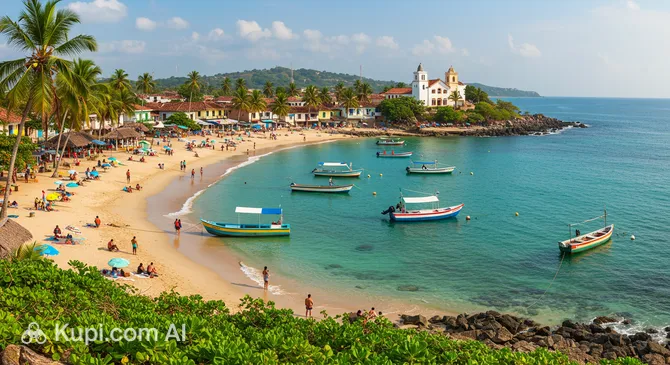
Santiago de Tolu. Source: Kupi.Binoculars

Travelers are primarily drawn to Santiago de Tolu for its scenic waterfront promenade, known as the Malecón, where one can enjoy gentle sea breezes and vibrant sunsets. The city serves as the main gateway to the stunning San Bernardo Archipelago, a group of islands famous for their crystal-clear turquoise waters and coral reefs. Nature lovers can also explore the nearby mangrove ecosystems, which are rich in biodiversity and offer excellent opportunities for eco-tourism.

Whether you are planning to embark on an island-hopping adventure or simply wish to savor fresh local seafood by the beach, Santiago de Tolu welcomes you with open arms. Its warm tropical climate and friendly hospitality make it an essential stop for anyone wishing to experience the authentic charm of the Colombian Caribbean.

Weather Overview

Santiago de Tolu enjoys a warm, tropical climate throughout the year, making it an inviting destination for sun-seekers. Temperatures remain remarkably consistent, generally hovering between 25°C and 31°C regardless of the month. This steady warmth ensures that the waters of the Gulf of Morrosquillo remain pleasant for swimming and water activities at any time.

When planning your trip, it is helpful to consider the distinct seasonal rainfall patterns. The early months of the year, specifically from January to March, typically bring the driest conditions with very few wet days, making this the ideal time for uninterrupted beach days. In contrast, the period from May to November is characterized by frequent rainfall, with precipitation occurring on most days. For a more detailed breakdown to help you decide when to travel, you can check the weather in Santiago de Tolu.

Interesting Facts

Beyond its sun-drenched beaches and calm waters, Santiago de Tolu holds a treasure trove of history and local lore that many visitors overlook. This coastal gem is not just a vacation spot but a place deeply rooted in the cultural and historical fabric of Colombia.

  • One of Colombia's Oldest Towns: Founded in 1535 by the conquistador Alonso de Heredia, Santiago de Tolu is one of the oldest urban settlements in the country. It was established even before major cities like Bogota, making its streets a living museum of colonial history.

  • Sanctuary of the Mangroves: A stone's throw from the town lies the Ciénaga de la Caimanera, a sprawling mangrove estuary and protected nature reserve. Visitors can navigate its serene channels by canoe to observe a rich diversity of bird species, reptiles, and the unique floating house built within the lagoon, offering a stark and peaceful contrast to the bustling beaches.

  • Land of the Blue Crab: The Cangrejo Azul (Blue Crab) is a true icon of the city, symbolizing its rich coastal ecosystems. The town is so proud of this crustacean that there is a dedicated monument to it in the city center, and locals celebrate the natural phenomenon when thousands of crabs migrate from the mangroves to the sea.

  • Indigenous Origins: While the "Santiago" part of its name honors the Spanish patron saint, "Tolú" is derived from the name of the indigenous Zenú chief who ruled the region before the arrival of the Spanish. This blend of names perfectly represents the mestizo heritage of the local population.

  • The Bicitaxi Culture: Due to the town's flat terrain, the most popular and authentic way to get around is by bicitaxi (bicycle taxi). These vehicles are not just transport; they are often elaborately decorated and equipped with sound systems, becoming a vibrant part of the town's street culture.

How to Get There

Reaching this charming coastal destination is relatively straightforward, with options ranging from direct regional flights to scenic overland drives from major nearby cities. Travelers can choose the route that best fits their itinerary and budget. For a comprehensive guide on all available transport modes, you can read more about how to get to Santiago de Tolu.

The most convenient entry point is the local Tolu Airport (TLU), situated just 2.0 km from the city center. This small airport allows visitors to land practically on the doorstep of their vacation, though it primarily handles regional traffic with limited capacity. A taxi or moto-taxi from here to the main hotels takes only about 5 to 10 minutes.

For international travelers, the most common gateway is Rafael Nunez International Airport (CTG) in Cartagena. Located approximately 101.5 km from Santiago de Tolu, this major hub receives flights from around the world. The journey from Cartagena to Tolú by road typically takes between 2.5 to 3 hours, offering a chance to see the changing landscapes of the Colombian Caribbean coast. Another nearby option is Los Garzones Airport (MTR) in Monteria, roughly 82.3 km away, which serves as a practical alternative for domestic connections.

For clarity, here is a summary of the main airports:
Airport Name City Passenger Traffic Km from City
Rafael Nunez International AirportCartagenaHigh101.5
E Cortissoz AirportBarranquillaHigh174.3
Los Garzones AirportMonteriaMedium82.3
Tolu AirportToluSmall2.0
Corozal AirportCorozalSmall39.0

Main Attractions

Santiago de Tolu offers a delightful mix of natural wonders and cultural landmarks. While the town itself is charming with its laid-back coastal vibe, it serves as the perfect base for exploring some of the Colombian Caribbean's most spectacular ecosystems and historical sites. Here are the top attractions that define the experience in this region.

Undoubtedly the most famous draw for visitors is the San Bernardo Archipelago. Located approximately an hour by boat from the town's docks, this group of ten islands is part of the Corales del Rosario and San Bernardo National Natural Park. Tourists flock here to experience pristine white sandy beaches and crystal-clear turquoise waters that are perfect for snorkeling and diving. Highlights include Isla Múcura and Isla Tintipán, known for their tranquility, as well as Santa Cruz del Islote, which is famous for being one of the most densely populated artificial islands in the world.

For nature enthusiasts, the Ciénaga de la Caimanera is an unmissable eco-tourism destination. This sprawling mangrove swamp, located just a short distance from the town center, offers a stark contrast to the open sea. Visitors can take guided canoe tours through the winding tunnels of red, black, and white mangroves, observing a rich variety of bird species and crabs. A unique feature of this excursion is the "Casa Flotante" (Floating House), a wooden structure in the middle of the lagoon where you can relax and taste fresh local oysters.

The heart of the town's social and cultural life is the Parque Principal and the Church of Santiago el Mayor. The square is a vibrant gathering place shaded by large trees, where locals and tourists mingle. The church itself is a beautiful example of colonial architecture and stands as a testament to the town's long history. It is an ideal spot to visit in the late afternoon to admire the facade, enjoy a local snack from a street vendor, and soak in the authentic atmosphere of a Colombian coastal town.

Finally, no trip to Tolu is complete without spending time on the Malecón. This waterfront promenade runs along the city's beaches and is the center of activity day and night. It is lined with craft stalls, restaurants serving fresh seafood, and small bars. Walking here offers the best views of the sunset over the Gulf of Morrosquillo. It is also the best place to hop on a "bicitaxi," the town's signature colorful bicycle taxis, for a fun and breezy tour of the streets.

Local Cuisine

The culinary scene in Santiago de Tolu is a delightful reflection of its Caribbean location, offering a rich blend of fresh seafood, tropical fruits, and indigenous flavors. The local gastronomy revolves heavily around the catch of the day, with dishes prepared using traditional methods that highlight the natural taste of the ingredients. Coconut is a star component here, used not only in sweets but as a fundamental base for savory rice dishes and sauces.

When visiting, the must-try dish is undoubtedly the classic Fried Red Snapper (Pargo Rojo Frito). This iconic meal is typically served as part of a hearty platter that includes coconut rice (arroz con coco), savory fried plantains known as patacones, and a fresh salad. For something richer, the Cazuela de Mariscos is a creamy seafood stew packed with shrimp, squid, clams, and fish, often cooked in a coconut milk base that gives it a velvety texture and a sweet-savory balance.

Street food is also an integral part of the experience in Santiago de Tolu. As you walk along the beach or the town squares, you will likely encounter vendors selling Arepa de Huevo, a deep-fried corn cake filled with an egg and sometimes ground meat. Another popular snack is the Carimañola, a yucca fritter stuffed with cheese or meat. For those with a sweet tooth, look for Cocadas, traditional coconut candies that come in various flavors like pineapple, guava, or brown sugar (panela).

To quench your thirst in the tropical heat, local drinks are essential. Limonada de Coco (coconut lemonade) is a refreshing favorite, blending the tartness of lime with the creamy sweetness of coconut milk. Another unique beverage to try is Jugo de Corozo, a bright red juice made from a small, tart palm fruit native to the region. It is served ice-cold and offers a distinct flavor profile that is hard to find outside the Colombian coast.

The food culture in Tolu is relaxed and unpretentious, with the best dining experiences often found right by the water. The Malecón is lined with open-air restaurants and kiosks where tourists and locals alike gather to eat while watching the sunset. Here, the atmosphere is lively yet laid-back, allowing you to enjoy a meal with your feet in the sand and the sound of the Caribbean waves in the background.

Travel Tips

Welcome to the sunny streets of Santiago de Tolu! To ensure your Caribbean getaway is as smooth as the calm waters of the Gulf of Morrosquillo, we have compiled a list of essential practical tips that will help you navigate the local culture and logistics with ease.

  1. Clothing and Essentials: Given the tropical heat and high humidity, pack lightweight, breathable fabrics like cotton or linen. A wide-brimmed hat, high-SPF sunscreen, and sunglasses are mandatory for protection against the strong Caribbean sun. Bring comfortable sandals for the beach and sturdy walking shoes if you plan to explore the mangroves. Don't forget a Type A or B power adapter if your devices don't fit Colombian sockets.
  2. Getting Around: The most authentic and convenient way to navigate the town is by bicitaxi (bicycle taxi). These colorful, three-wheeled vehicles are everywhere and perfect for short distances. For trips to the outskirts or the airport, standard yellow taxis and moto-taxis are available. Walking is also a great option within the town center, as most attractions are close to each other.
  3. Money Matters: The local currency is the Colombian Peso (COP). While some hotels and larger restaurants accept credit cards, cash is king in Tolú. You will need small bills for bicitaxis, street food, and beach vendors. ATMs are available near the main square (Parque Principal), but it is wise to withdraw cash during the day and keep a reserve, as machines can occasionally run out of money during busy weekends.
  4. Health and Safety: It is highly recommended to drink bottled water rather than tap water to avoid stomach issues. Since the town is near mangroves, bring strong insect repellent to protect against mosquitoes, especially at dawn and dusk. Pharmacies, known as droguerías, are easy to find in the center for basic medical supplies. The town is generally safe, but always keep an eye on your belongings in crowded beach areas.
  5. Communication: Spanish is the primary language, and English is not widely spoken outside of major tour agencies. Learning a few basic phrases like "Hola" (Hello) and "¿Cuánto cuesta?" (How much?) will go a long way. Buying a local SIM card (Claro or Tigo generally have good coverage) is recommended for internet access, as public Wi-Fi can be spotty.
  6. Local Etiquette: Colombians are warm and polite. It is customary to greet people with a friendly "Buenos días" or "Buenas" when entering a shop or boarding transport. Life here moves at a slower, relaxed pace known as tranquilo; patience and a smile are your best tools when service takes a little longer than expected.
  7. What to Avoid: Be cautious with "free samples" offered by beach vendors, such as massages or oysters. Always politely decline or clearly ask for the price before accepting anything to avoid being overcharged later. Also, avoid walking alone in poorly lit areas of the beach late at night.
  8. Local Insight: Before hopping into a bicitaxi, always agree on the fare with the driver to avoid misunderstandings upon arrival. It is a standard practice and ensures a hassle-free ride.

With these practical tips in mind, you are fully prepared to embrace the laid-back rhythm and vibrant culture of this coastal gem. Relax, soak up the sun, and enjoy every moment of your authentic Colombian adventure in Santiago de Tolu!

Entertainment & Nightlife

Nightlife in Santiago de Tolu is defined by its laid-back Caribbean charm, distinct from the high-energy club scenes of larger Colombian cities. The heart of the action beats along the Malecón (Avenida Primera), the waterfront promenade that transforms into a vibrant social hub as the sun sets. Here, the "party" is often open-air, with locals and tourists gathering on the beach or in small kiosks to enjoy cold beers, cocktails, and the rhythmic sounds of Vallenato and Champeta music mixing with the crashing waves.

One of the most unique features of Tolu's nightlife is the "Bicitaxi" culture. These bicycle taxis are not just for transport; at night, many are equipped with elaborate LED lights and powerful sound systems, effectively becoming mobile mini-discos. Taking a ride along the boardwalk in one of these illuminated vehicles is a quintessential Tolu experience, offering a fun and breezy way to see the town while enjoying loud, festive music.

For those looking for a specific place to sit and enjoy a drink, Canela, Caña & Cava is a well-regarded spot known for its good selection of liquors and friendly service, often doubling as a relaxed meeting point. Another popular venue is Casa del Mar, located towards the end of the Malecón, which offers a lovely atmosphere right by the water, perfect for sipping a cocktail while enjoying the sea breeze. For a more tranquil start to the evening, Café Sunrise Tolu provides a tropical and elegant setting to enjoy coffee or lighter beverages before the night heats up.

The atmosphere in Santiago de Tolu is consistently casual and unpretentious. There is no strict dress code; shorts, sandals, and light shirts are the norm everywhere. The festivities usually kick off around sunset and can last until 1:00 or 2:00 AM on weekends. Prices are generally very affordable compared to Cartagena or Medellin. In terms of safety, the Malecón and the main square (Parque Principal) are safe for night walks, but it is advisable to stay within these well-lit tourist areas and use a bicitaxi or standard taxi if heading to accommodations on the outskirts.

Regarding daytime entertainment, do not expect large theaters or amusement parks within the town limits. Santiago de Tolu is primarily a destination for nature and outdoor activities. However, for a touch of culture, visitors can take a short trip to the nearby municipality of San Antero to visit the Museo del Calabazo, a fascinating small museum displaying intricate handicrafts made from gourds. Within Tolu itself, the entertainment is organic: watching street performers in the main square or enjoying the simple pleasure of a beach day under the palm trees.

Parks & Museums

Santiago de Tolu is a destination where nature and living history take precedence over traditional enclosed exhibitions. While you may not find grand national museums here, the city itself serves as an open-air gallery of colonial charm, while its parks and natural surroundings offer immersive experiences in the biodiversity of the Colombian Caribbean.

Parque Principal (Main Square) is the beating heart of the town and a perfect starting point for any visitor. Shaded by large, leafy trees that offer respite from the midday sun, this square is where the local community comes together. It is an excellent spot for "people watching," enjoying a local snack from a street vendor, or simply soaking in the relaxed atmosphere. The park is surrounded by historic buildings and serves as the atrium for the town's most important church, making it a central hub of social and cultural life.

For those who prefer a scenic walk with a view, the Malecón (Avenida Primera) functions as the city's most vital linear park. Stretching along the waterfront, this promenade offers uninterrupted views of the Gulf of Morrosquillo and is the ideal place to witness the region's spectacular sunsets. It is more than just a walkway; it is a vibrant recreational space where artisans display their crafts, children play, and families gather to enjoy the cool sea breeze in the evenings.

Just a short distance from the urban center lies the Ciénaga de la Caimanera, a protected natural area that serves as a living museum of coastal ecology. This extensive mangrove swamp is a sanctuary for diverse bird species, crustaceans, and reptiles. Visitors can take guided canoe tours through its tranquil tunnels of red and black mangroves, offering a stark and peaceful contrast to the bustling beaches. It is a must-visit for nature lovers interested in understanding the delicate ecosystems that sustain the region.

In terms of cultural institutions, the Casa de la Cultura stands as a beacon for local artistic expression. This venue is dedicated to preserving the traditions of the region, offering workshops in painting, music, and dance to the community. For tourists, it provides a glimpse into the authentic artistic soul of Sucre, often hosting small exhibitions or cultural events that highlight the talents of local youth and the rich folklore of the Caribbean coast.

While not a museum in the strict sense, the Church of Santiago el Mayor is the town's most significant repository of history and art. Located on the main square, this architectural landmark dates back to the colonial era and houses valuable religious imagery and statues that are central to the town's identity. The interior offers a serene environment where visitors can admire the craftsmanship of the altars and learn about the deep-rooted religious traditions that define the local culture, particularly during the famous Holy Week celebrations.

For a truly unique cultural experience nearby, many visitors make the short trip to the Museo del Calabazo in the neighboring area. This fascinating small museum is dedicated to the artistic transformation of the "totumo" (gourd). It displays an intricate collection of handicrafts, from household items to elaborate sculptures, all created from this humble local fruit. It is an excellent place to appreciate the ingenuity and resourcefulness of the region's artisans.

Insider Tip: Keep an eye out for the "bicitaxis" (bicycle taxis) roaming the streets. Many of these vehicles are elaborately customized with vibrant artwork, neon lights, and sound systems, effectively functioning as mobile pieces of pop art that reflect the joyful and expressive spirit of the locals.

Getting Around

The public transport system in Santiago de Tolu is refreshingly simple and informal, reflecting the town's relaxed coastal atmosphere and compact size. Unlike larger metropolises, you will not find complex metro networks, trams, or large urban bus fleets here. Instead, the city relies on a unique mix of small-scale, flexible transportation options that are perfectly suited to the flat terrain and narrow streets.

The undisputed king of local transport is the bicitaxi (bicycle taxi). These three-wheeled, pedal-powered vehicles are the primary way locals and tourists move around the town. They are essentially pedicabs with a shaded seat for two passengers behind the driver. For faster trips or if you are traveling alone, mototaxis (motorcycle taxis) are widely available and can zip through traffic more quickly, though they offer less protection from the sun and rain compared to the covered bicitaxis.

Regarding payment, the system is entirely cash-based. There are no travel passes, magnetic cards, or mobile ticketing apps for local transport in this municipality. You simply pay the driver directly at the end of your journey. Prices are generally very affordable, often ranging from a couple of thousand pesos for a short ride to slightly more for longer distances or night trips. It is essential to carry small bills and coins, as drivers often do not have change for large denominations.

For tourists, the most important piece of practical advice is to always agree on the fare before boarding. Since bicitaxis and mototaxis do not use meters, the price is subject to negotiation. A polite "How much to [destination]?" (¿Cuánto vale a...?) before you sit down will prevent any misunderstandings upon arrival. Operating hours are quite flexible; while transport is most abundant during the day, you can usually find bicitaxis operating late into the night, especially near the tourist areas along the waterfront.

Standard yellow taxis are available but are less common than the smaller alternatives for short hops within the town center. They are typically used for trips to the airport, carrying heavy luggage, or traveling to neighboring municipalities. Car-sharing apps are generally not active or reliable in this specific area, so it is best not to rely on them. Walking is a viable and pleasant alternative for most of your needs, as the town center, main square, and beach promenade are all within easy walking distance of each other.

A special feature of the transport scene in Santiago de Tolu is the cultural significance of the bicitaxi itself. Many of these vehicles are not just functional tools but rolling pieces of art. Drivers often customize them with vibrant colors, elaborate designs, and, particularly at night, LED lighting and portable sound systems playing local music. Riding in one of these "party bikes" along the Malecón is considered a quintessential part of the visitor experience, blending transportation with entertainment.

Accommodation

Accommodation in Santiago de Tolu is diverse and generally caters to a relaxed, family-oriented crowd. The options range from budget-friendly hostels and simple guesthouses to comfortable mid-range hotels and charming beachfront cabins known as cabañas. While you will not find massive international resort chains here, the town offers a variety of boutique lodgings that provide a cozy and authentic Caribbean experience, often with direct access to the sea.

When choosing where to stay, location is key depending on the type of trip you prefer. The most popular area is along the Malecón (Avenida Primera) and the surrounding streets in the town center. Staying here keeps you close to the restaurants, the main square, and the docks for island tours, though it can be livelier and noisier. For travelers seeking peace and quiet, the El Francés sector, located a short drive along the coast, is an excellent alternative. This area is known for its serene beaches and more secluded vacation rentals surrounded by nature.

Prices in Santiago de Tolu are generally very affordable compared to larger Colombian destinations like Cartagena. Travelers can expect a wide selection of budget and mid-range options. While major online booking platforms are effective for securing rooms at established hotels, many smaller, family-run establishments and apartment rentals may offer better rates or availability through direct booking or local listings.

Booking Tip: Santiago de Tolu is a favorite destination for Colombian tourists. Consequently, accommodation can sell out weeks in advance during peak seasons, specifically Holy Week (Semana Santa) and the Christmas holiday period (mid-December to mid-January). It is highly advisable to book your stay well ahead of time if you plan to visit during these dates to ensure you get your preferred location.

Nearby Cities

For those looking to explore the surroundings, Santiago de Tolu serves as an excellent base for day trips to several interesting nearby locations. The region of Sucre and the neighboring department of Córdoba offer a mix of architectural heritage, bustling commercial hubs, and natural beauty just a short drive away.

One of the most culturally significant stops is Santa Cruz de Lorica, often simply called Lorica. Known as a Colombian "Heritage Town," it is famous for its stunning Republican architecture influenced by Syrian and Lebanese immigrants. A walk through its historic market on the banks of the Sinú River offers a journey back in time. Closer to the coast lies San Onofre, a municipality that serves as the gateway to the pristine beaches of Rincón del Mar, ideal for those seeking a rustic and quiet seaside escape. For a more urban experience, Sincelejo, the capital of the Sucre department, provides a lively contrast with its commercial streets and deep-rooted musical traditions, representing the heart of the savannah culture.

City Population Distance (km)
Sincelejo28671632
Corozal7085339
Lorica5277141
San Onofre5199125
Chinu5031351

These nearby destinations offer a glimpse into the diverse culture and landscapes of the region.

Shopping & Souvenirs

Shopping in Santiago de Tolu is a delightful, low-key experience that centers around local craftsmanship, beach necessities, and regional delicacies rather than high-end fashion or sprawling commercial complexes. The town offers a relaxed retail atmosphere where visitors can browse through colorful stalls and small boutiques at their own pace. The focus here is on authentic souvenirs and practical items that reflect the coastal lifestyle and the rich cultural heritage of the Sucre department.

The primary hub for tourist shopping is undoubtedly the Malecón (Avenida Primera). Running parallel to the beach, this bustling promenade is lined with numerous kiosks and open-air stands selling everything from swimwear and sunglasses to intricate handmade jewelry. It is the perfect place to stroll in the late afternoon, enjoying the sea breeze while hunting for gifts. For more general needs, the Town Center (El Centro), particularly around the main square and the commercial streets like Carrera 2, offers a variety of pharmacies, clothing stores, and supermarkets where locals do their daily shopping.

Travelers should be aware that Santiago de Tolu does not have large, modern shopping malls or cinema complexes found in major cities. The retail scene is characterized by small, independent businesses and chain supermarkets like Olímpica or Ara, which are excellent for stocking up on groceries, snacks, and beverages. For a full-scale shopping mall experience with international brands, residents and visitors typically travel to the nearby capital city of Sincelejo.

While there isn't a designated central craft market building, the collection of artisan stalls along the waterfront functions as the town's most vibrant market. Here, you can find the region's most iconic products. Foodies might also want to peek into the local Mercado Público in the morning to see the fresh catch of the day and an abundance of tropical fruits, offering a genuine glimpse into the daily life of the "Toludeños."

When it comes to souvenirs, the most prestigious item to purchase is the Sombrero Vueltiao. Although originally from the nearby Zenú indigenous territories, these iconic black-and-beige woven hats are a symbol of the Colombian Caribbean and are widely available here. Other popular keepsakes include artesanías made from coconut shells, wood, and seashells, as well as colorful hammocks. Do not leave without trying or buying cocadas, traditional coconut sweets that come in various flavors like pineapple, guava, or milk, often sold by friendly ladies carrying trays on their heads.

Store opening hours in Tolu are generally from 8:00 AM to 8:00 PM, though many shops in the center may close for a lunch break (siesta) between 12:30 PM and 2:00 PM. However, the souvenir stalls along the Malecón often stay open much later, especially on weekends and during holiday seasons. regarding payment, cash is essential. While supermarkets and some hotels accept credit cards, the vast majority of artisan stalls, beach vendors, and small shops only deal in Colombian Pesos. It is advisable to carry small bills to make transactions smoother.

Regarding tax refunds, the tax-free shopping schemes available in large Colombian cities are generally not applicable in the small, informal shops of Santiago de Tolu. Visitors should not expect VAT (IVA) refunds on purchases made at street stalls or local boutiques.
Reached the end of the page?

That means the route is fully explored