Support

Barranquilla

About

Welcome to Barranquilla, a vibrant metropolis often referred to as the "Golden Gate" of Colombia due to its pivotal role in the nation's maritime and aviation development. Located in the Atlántico department, this bustling city sits strategically where the mighty Magdalena River meets the Caribbean Sea, creating a unique atmosphere that blends industrial energy with Caribbean warmth.

Home to approximately 1.3 million people, Barranquilla features a tropical climate that keeps the city sunny and warm throughout the year. While it serves as a major commercial hub, the city's true spirit is found in its rich cultural tapestry. Travelers interested in the local heritage can explore the fascinating history of Barranquilla, tracing its evolution from a humble river port into a cosmopolitan center of progress and folklore.
Barranquilla. Source: Kupi.Binoculars

The city is globally renowned for the spectacular Carnival of Barranquilla, one of the largest carnivals in the world and a designated UNESCO Masterpiece of the Oral and Intangible Heritage of Humanity. Beyond the colorful festivities, visitors can enjoy a relaxing stroll along the Gran Malecón, a beautiful riverwalk that offers stunning views and a refreshing breeze, or visit the Museo del Caribe to dive deeper into the region's diverse identity.

Whether you are drawn by the rhythm of the cumbia, the welcoming nature of the locals, or the seamless blend of modern urban life and tradition, Barranquilla offers an unforgettable experience. It is a destination that invites every traveler to immerse themselves in the authentic joy and vibrancy of the Colombian coast.
Weather Overview

Barranquilla experiences a tropical climate defined by consistent warmth, ensuring a summer-like atmosphere regardless of when you visit. The average temperatures remain remarkably stable throughout the year, generally fluctuating between lows of 25°C and highs of 29°C, creating a hot environment perfect for enjoying the coastal vibe.

Travelers should expect hot days year-round, with a marked difference between the dry and rainy periods. The beginning of the year, specifically from January to March, is notably dry with almost zero precipitation, making it an excellent time for outdoor exploration. In contrast, the season from May through November brings more frequent showers, with October typically seeing the highest number of wet days. For a more detailed breakdown of what to expect during your trip, you can consult the guide to the weather in Barranquilla.

Interesting Facts

Beyond its reputation for industrial prowess and festive spirit, Barranquilla holds a treasure trove of historical firsts and cultural milestones that many visitors overlook. This city has been a pioneer in countless ways, serving as the launchpad for modernity in the nation.
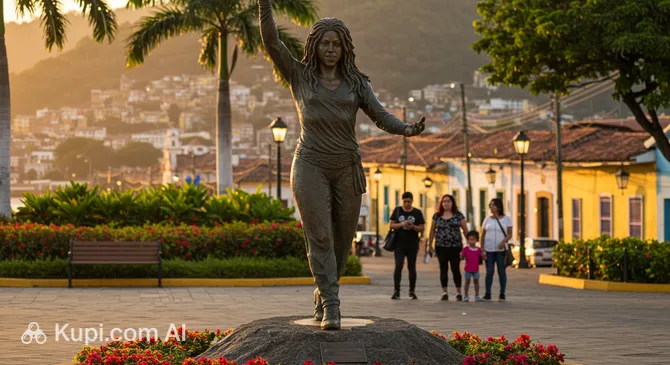
Shakira Statue. Source: Kupi.Binoculars
  • Barranquilla is widely known as the "Golden Gate of Colombia" (Puerta de Oro), a nickname that signifies its role as the entry point for progress. It was in this city that Colombians experienced their first telephone calls, navigated the first traffic lights, and even witnessed the country's first organized football match.

  • The city holds the prestigious title of being the cradle of commercial aviation in the Americas. The second oldest airline in the world, originally known as SCADTA (now Avianca), was founded here in 1919, revolutionizing transport across the continent.

  • Cultural enthusiasts should know that the famous "Barranquilla Group" of intellectuals and artists, including Nobel Prize winner Gabriel García Márquez, held their meetings here. Their favorite gathering spot was La Cueva Restaurant, which remains a bohemian landmark and a guardian of the city's literary heritage.

  • As the hometown of the global pop icon Shakira, the city has paid tribute to her with an impressive monument. The Shakira Statue, cast in bronze, stands tall as a symbol of the artistic talent that has emerged from these streets to conquer the world.

How to Get There

Reaching the vibrant city of Barranquilla is quite convenient, thanks to its strategic location on the Caribbean coast and its well-connected transportation network. Whether you are arriving for business or to enjoy the famous carnival, you can find more about how to get to Barranquilla and choose the option that best suits your itinerary. The most common way to arrive is by air, with the city's own international airport serving as the primary gateway.

The main entry point is the E Cortissoz Airport (BAQ), which is conveniently located just 13 km from the city center. As a key regional hub, it handles a significant volume of passengers annually. Upon arrival, a taxi or shuttle bus ride to downtown Barranquilla typically takes around 40 minutes, depending on traffic conditions. This airport offers the most direct access to the city and is the preferred choice for most travelers.

Alternatively, visitors can fly into neighboring cities and travel to Barranquilla by land. The Simón Bolívar International Airport (SMR) in Santa Marta is situated approximately 64 km away. The journey from there to Barranquilla takes about 2 hours by road. Another option is the Rafael Nunez International Airport (CTG) in Cartagena, located about 99 km from Barranquilla. Since this is a larger airport with high passenger traffic, it often offers more international flight connections. The transfer from Cartagena to Barranquilla usually takes close to 3 hours.

For clarity, here is a summary of the main airports serving the region:

Airport Name City Passenger Traffic Km from City
Rafael Nunez International Airport Cartagena High 99.1
Simón Bolívar International Airport Santa Marta Medium 64.3
E Cortissoz Airport Barranquilla Medium 13.0
Valledupar Airport Valledupar Low 181.6
Tolu Airport Tolu Low 186.0

Main Attractions

Barranquilla offers a dynamic mix of historical sites, modern recreational spaces, and cultural hubs that reflect the city's joyful spirit. From riverside promenades to bustling plazas, there is plenty to explore beyond the famous carnival season, allowing visitors to connect with the authentic daily life of the Colombian Caribbean.

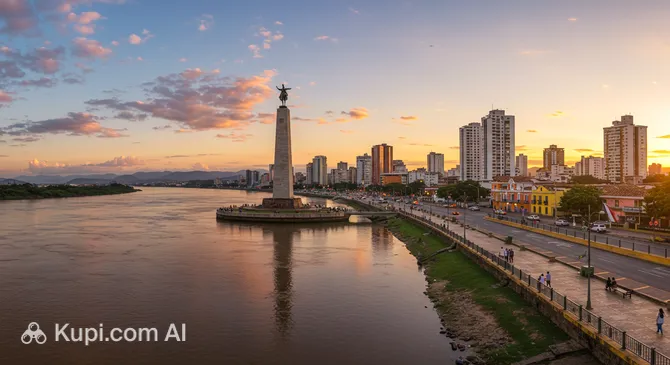
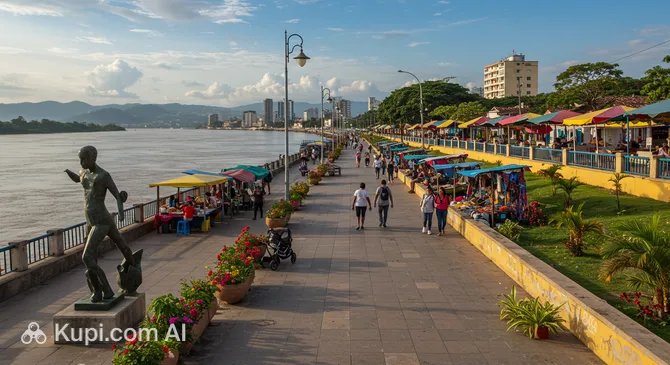
A must-visit destination is the Gran Malecón. This expansive boardwalk stretches along the western bank of the Magdalena River and has quickly become the city's favorite gathering spot. It is the perfect place to enjoy a refreshing breeze, watch ships navigate the river, and witness stunning sunsets. The area is lined with gastronomic options and spaces for outdoor activities, making it ideal for families and couples alike.

Gran Malecón. Source: Kupi.Binoculars

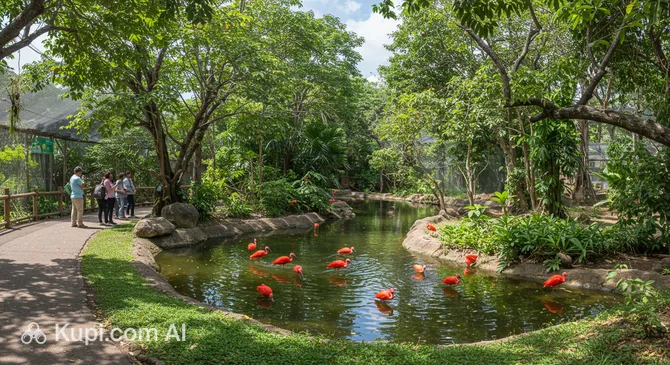
For nature lovers, the Barranquilla Zoo provides a wonderful escape within the city. It is home to a wide variety of species from Colombia and around the world, including elephants, lions, and manatees. The zoo focuses on conservation and education, offering a lush, green environment that serves as a sanctuary for wildlife and a fun educational experience for visitors of all ages.

Barranquilla Zoo. Source: Kupi.Binoculars

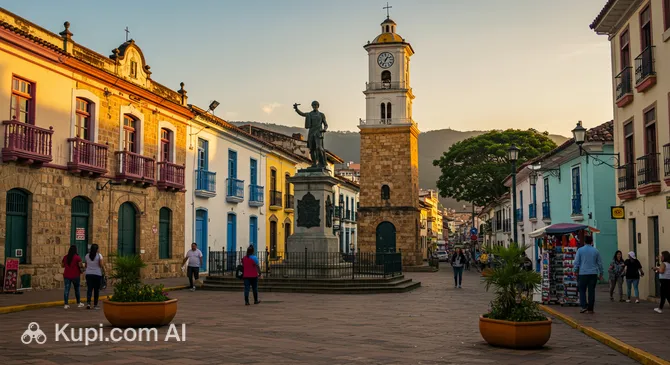
To understand the historical heart of the city, take a stroll down the Paseo de Bolívar. Located in the downtown area, this avenue is the central axis of Barranquilla's commercial and civic life. At its end stands the statue of Simon Bolívar, surrounded by important architectural landmarks. It is a bustling area where the city's past meets its energetic present.

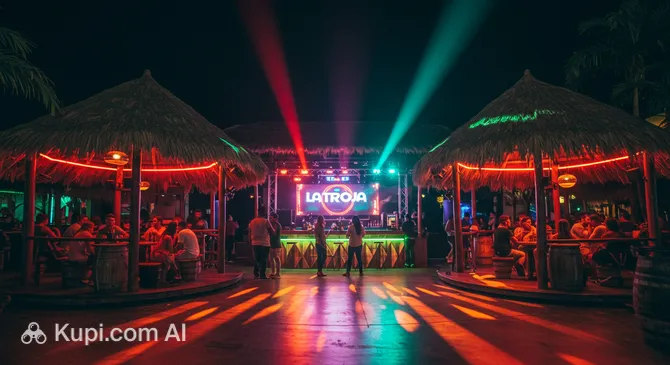
No trip to Barranquilla is complete without experiencing its musical soul at La Troja. More than just a nightlife venue, this iconic spot is a cultural institution declared a Cultural and Musical Heritage of the city. It is famous for its authentic salsa and Caribbean rhythms, offering an open-air atmosphere where locals and tourists come together to dance and enjoy the true "Curramba" vibe.

La Troja. Source: Kupi.Binoculars

Another significant landmark is the Plaza de la Paz John Paul II. This large urban square is dominated by the striking Metropolitan Cathedral, an architectural gem with modern stained glass windows. The plaza serves as a venue for major events and a peaceful place to admire the city's architecture and relax in the open space.

Local Cuisine

The culinary landscape of Barranquilla is a vibrant reflection of its Caribbean soul, blending indigenous ingredients with European, African, and Middle Eastern influences. The city’s location near the sea and the river ensures a steady supply of fresh seafood, which forms the backbone of many local delicacies. Visitors will find that food here is flavorful, often fried, and served in generous portions, perfect for fueling up before a day of exploration.

One of the most iconic dishes you must try is mojarra frita, a whole fried fish typically served with arroz de coco (coconut rice), patacones (fried green plantains), and a fresh salad. Another staple of the region is the hearty sancocho de guandú, a rich soup made with pigeon peas and salted meat, often enjoyed during family gatherings or as a comforting lunch. For those who enjoy street snacks, the butifarra soledeña, a seasoned pork sausage served with a slice of lime and a bun (bollo de yuca), is an absolute essential.

Barranquilla is also famous for its "fritos" (fried snacks), which are available on almost every corner. The king of these is the arepa de huevo, a cornmeal cake filled with an egg and deep-fried to golden perfection. You should also taste carimañolas, torpedo-shaped yucca fritters stuffed with cheese or ground meat. These treats are best enjoyed with suero costeño, a fermented milk-based dip similar to sour cream but with a distinct tangy flavor.

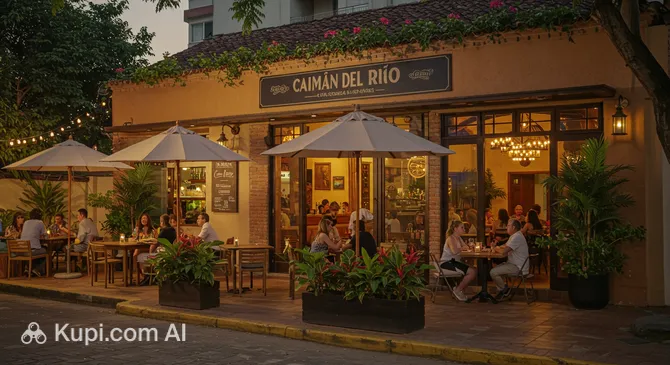
Caimán del Río. Source: Kupi.Binoculars

To quench your thirst in the tropical heat, locals turn to refreshing fruit juices. Jugo de corozo, made from a small red palm fruit, is a sweet and tart favorite that is unique to the region. Agua de panela with lime is another popular non-alcoholic choice. When the sun goes down, the local culture dictates enjoying a frosty beer, which is almost a ritual in this warm climate, or sipping on a glass of rum.

For a dining experience that combines excellent food with beautiful views, the Caimán del Río is the place to be. Located on the Gran Malecón, this gastronomic market offers a wide variety of kitchens serving everything from traditional coastal dishes to international cuisine, all in an open-air setting facing the Magdalena River. It is a perfect spot to sample the diverse flavors of the city in one convenient location.

Travel Tips

Visiting Barranquilla is an exciting immersion into the joyful heart of the Colombian Caribbean, but like any bustling metropolis, it requires a bit of local know-how to navigate smoothly. To help you make the most of your stay in "Curramba la Bella," here are some practical tips designed to keep your trip safe, comfortable, and full of authentic experiences.

  1. Clothing and Gear: Barranquilla is hot and humid year-round, so pack light, breathable fabrics like cotton or linen to stay cool. Comfortable walking shoes are essential for exploring areas like the Gran Malecón or the downtown district. Don't forget high-SPF sunscreen, sunglasses, and a wide-brimmed hat, as the equatorial sun can be intense. If you plan to visit churches like the Metropolitan Cathedral, dress modestly (avoiding swimwear or overly revealing outfits).

  2. Transportation: The city has an integrated mass transit system called Transmetro, which is reliable and connects major areas; you will need to purchase a rechargeable card to use it. Yellow taxis are abundant, but for safety and fair pricing, it is best to use ride-hailing apps (like Uber or Cabify) or have your hotel/restaurant call one for you rather than hailing them on the street at night. If you do take a street taxi, ensure the taximeter is on or agree on the fare beforehand.

  3. Finances: The local currency is the Colombian Peso (COP). While credit cards are widely accepted in malls, hotels, and modern restaurants, cash is absolute king for street food, small vendors, and taxis. ATMs are easy to find in shopping centers and supermarkets. A service charge (tip) of 10% is often included voluntarily in restaurant bills; if not, leaving a similar amount is standard etiquette for good service.

  4. Health and Safety: Stick to the local rule of "not giving papaya" (no dar papaya), which means not flashing expensive jewelry, cameras, or phones in public to avoid attracting attention. Stick to well-populated tourist areas like El Prado and Alto Prado, especially after dark. Pharmacies (droguerías) are plentiful and often have a pharmacist who can recommend over-the-counter remedies for minor ailments. Always drink bottled or purified water to avoid stomach issues.

  5. Communication: Spanish is the primary language, and English proficiency is not very high outside of major hotels and business circles. Learning a few basic phrases like "Buenos días" (Good morning) and "¿Cuánto cuesta?" (How much?) will go a long way. Buying a local SIM card (from providers like Claro, Tigo, or Movistar) is cheap and easy at any mall, ensuring you have data for maps and translation apps.

  6. Local Etiquette: Barranquilleros are incredibly warm and informal. It is polite to greet people with a smile and a "Buenas" when entering a shop or elevator. Locals often speak loudly and passionately; this is just their friendly Caribbean nature, not a sign of aggression. When buying from street vendors, a little friendly haggling is common, but always keep it respectful.

  7. What to Avoid: Avoid wandering into the southern neighborhoods or the remote downtown areas late at night unless you are with a local who knows the area well. Also, refrain from bringing up sensitive topics regarding the country's past conflicts or drug history casually, as locals prefer to focus on the positive transformation of their country.

  8. Carnival Insight: If you are lucky enough to visit during the famous Carnival of Barranquilla (usually in February or March), be aware that the entire city shuts down for the party. Prices for accommodation skyrocket, and streets are closed for parades. You must book your hotel months in advance, and be prepared to get messy—throwing cornstarch and foam is a beloved part of the festivities!

By keeping these practical tips in mind, you will be well-prepared to embrace the warmth and chaos of this fascinating city. Barranquilla is a place that rewards those who approach it with an open mind and a smile, guaranteeing you memories filled with music, flavor, and Caribbean hospitality.

Entertainment & Nightlife

When the sun sets over the Caribbean, Barranquilla transforms into a vibrant hub of music, dance, and celebration. The city's nightlife is legendary, fueled by a deep-rooted passion for salsa, vallenato, and champeta. Unlike the more reserved atmosphere of some interior cities, the "Curramba" spirit ensures that the party here is loud, joyful, and welcoming. The locals, known as Barranquilleros, love to socialize, making the nightlife scene an inclusive experience where visitors can easily mingle with residents.

The city offers distinct nightlife districts, each with its own character. For a more upscale and sophisticated evening, head to the neighborhoods of Alto Prado and El Prado. Here, you will find trendy rooftop bars, chic lounges, and international restaurants where the dress code is generally smart casual. In contrast, Carrera 8 offers a raw and authentic experience. This bustling street is famous for its open-air estaderos (dance halls) where salsa music blasts from massive sound systems, and the dancing spills out onto the sidewalks.

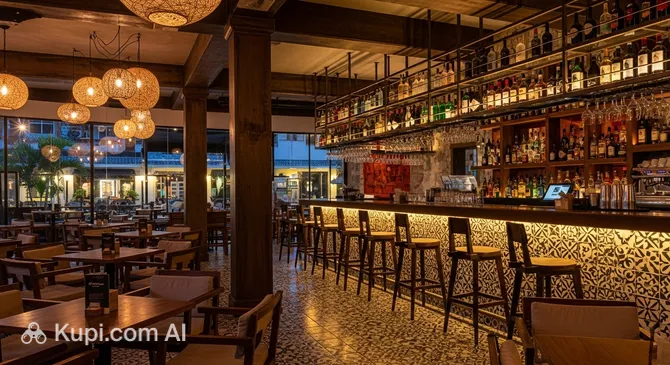
For those looking to experience the local bar scene, Moratto Barranquilla is a popular choice. It offers a lively atmosphere perfect for enjoying cocktails and music with friends. If you prefer a venue dedicated to dancing late into the night, Patio Barranquilla provides an energetic setting where the rhythms of the coast take center stage. These venues typically start filling up after 9:00 PM, with the peak action occurring around midnight.

Moratto Barranquilla. Source: Kupi.Binoculars

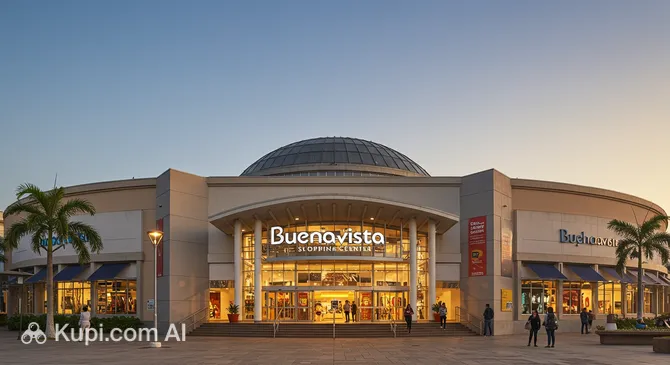
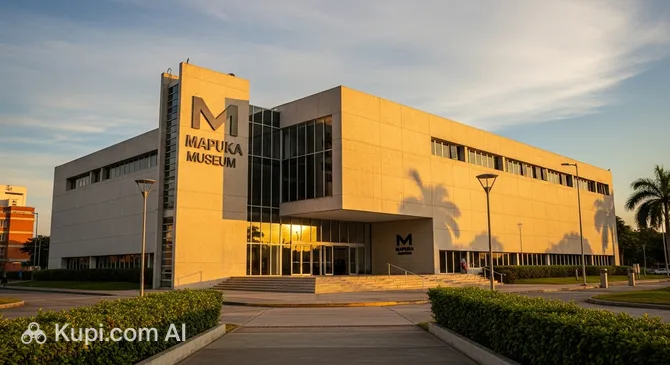
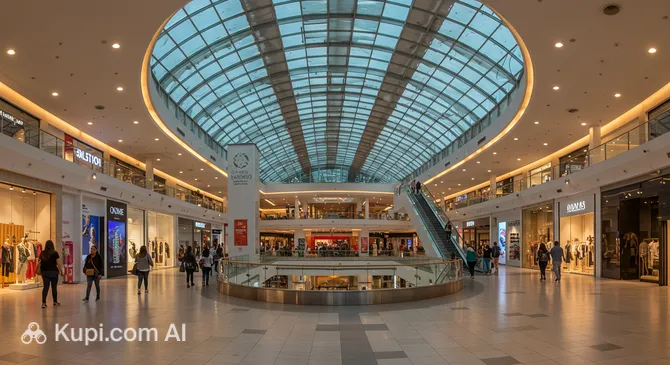
While nightlife is the main attraction, Barranquilla also offers engaging daytime entertainment. Culture enthusiasts should visit the Mapuka Museum, which offers a fascinating insight into the archaeological and cultural history of the Colombian Caribbean. For a more relaxed afternoon of shopping and cinema, the Buenavista Shopping Center is the city's premier mall, featuring international brands, a food court, and air-conditioned comfort away from the midday heat.

Buenavista Shopping Center. Source: Kupi.Binoculars

To enjoy Barranquilla's entertainment safely, it is best to travel by taxi or ride-hailing apps like Uber or Cabify, especially at night. Avoid walking long distances between venues in the dark. Prices for drinks and cover charges are generally reasonable compared to Cartagena, but it is always wise to carry small denominations of cash. Most clubs operate from Thursday to Saturday, with Friday being the most popular night for locals to unwind.

Parks & Museums

While Barranquilla is famous for its industrial prowess and lively festivals, the city also boasts a surprising array of green spaces and cultural institutions that offer a quieter perspective on local life. Visitors looking to escape the urban bustle or dive deeper into the region's heritage will find several parks and museums that beautifully showcase the natural and historical richness of the Colombian Caribbean.

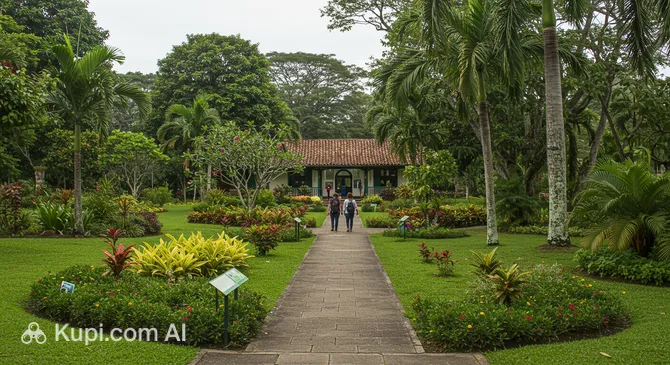
For a refreshing encounter with nature, the Botanical Garden of Barranquilla is a must-visit sanctuary. This expansive green area is dedicated to the conservation of the region's dry tropical forest ecosystem. It features walking trails surrounded by native flora, making it an educational and peaceful retreat where you can observe local plant species and enjoy a break from the city heat.

Botanical Garden of Barranquilla. Source: Kupi.Binoculars

Another popular urban oasis is the Sacred Heart Park (Parque Sagrado Corazón). Located in a residential area, this park is a favorite among locals for morning jogs, family picnics, and outdoor exercise. Its well-maintained gardens and iconic statue of the Sacred Heart create a serene atmosphere, perfect for a leisurely afternoon stroll to observe the daily rhythm of the Barranquilleros.

On the cultural front, the Mapuka Museum stands out as a fascinating destination for history buffs. Located within the Universidad del Norte, this modern museum is dedicated to the archaeological and ethnohistorical heritage of the Caribbean region. Through its interactive exhibits, visitors can journey through thousands of years of history, learning about the indigenous cultures that inhabited the area long before the arrival of the Spanish.

Mapuka Museum. Source: Kupi.Binoculars

To understand the city's commercial origins, a visit to the Customs Square (Plaza de la Aduana) is essential. This historic complex was once the hub of Barranquilla's booming trade and has been beautifully restored. It serves as an open-air museum of sorts, featuring the Cultural Complex of the Old Customs House, which hosts art exhibitions and preserves the architectural legacy of the city's "Golden Gate" era.

Customs Square. Source: Kupi.Binoculars

Architectural enthusiasts should also take a moment to admire the Immaculate Conception Parish. This elegant white church is a stunning example of the city's religious architecture and offers a peaceful environment for reflection amidst the busy streets. Its classic design and inviting interior make it a noteworthy stop on any cultural tour of the city.

For an authentic local experience, head to Washington Park in the Alto Prado district. It is a charming spot surrounded by restaurants and cafes, often bustling with young people and families enjoying the cool evening breeze, offering a perfect slice of modern Barranquilla life.

Getting Around

Navigating Barranquilla is an experience that blends modern infrastructure with traditional Caribbean informality. The backbone of the city's public transportation is the Transmetro, a Bus Rapid Transit (BRT) system similar to those found in other major Colombian cities. It consists of articulated buses running on dedicated lanes along main arteries, supported by a network of feeder buses (rutas alimentadoras) that connect residential neighborhoods to the main stations. This is generally the fastest and most organized way to move between the north and south of the city.

In addition to the Transmetro, the streets are filled with traditional public buses (TPC). These are operated by various private companies and are easily engaging due to their colorful route signs displayed on the windshields. While they lack the dedicated lanes of the Transmetro, they offer extensive coverage, reaching corners of the city that the mass transit system does not. They travel in mixed traffic, so travel times can be longer, but they are often the only option for direct routes between specific neighborhoods without transferring.

The payment systems for these two modes of transport differ significantly. To use the Transmetro, you must acquire a smart card, which can be purchased and recharged at ticket windows in the main stations. Cash is not accepted on board these buses. Conversely, the traditional buses operate exclusively on cash. You pay the driver directly upon boarding; it is highly recommended to carry small bills (such as 2,000 or 5,000 COP notes) or coins, as drivers often struggle to make change for large denominations.

Public transport generally operates from 5:00 AM to 10:00 PM, with reduced frequency on Sundays and holidays. For tourists, the most practical advice is to purchase your Transmetro card at a major hub like the Joe Arroyo Station, which is central and safe. When using traditional buses, keep in mind that stops are not always strictly marked; you can often flag a bus down by waving your hand, and you request a stop by pressing a buzzer near the exit door.

For a more comfortable and direct alternative, yellow taxis are ubiquitous. While they are legally required to use taximeters, it is common practice to negotiate or confirm the fare before the ride begins to avoid misunderstandings. Ride-hailing apps are also extremely popular and are often recommended for tourists as they provide a fixed price and the security of GPS tracking. Bike rentals are not a major part of the public transport network due to the heat and traffic conditions, so motorized transport is usually preferred.

A recent and special addition to the city's mobility landscape is the RioBús (also known as Karakalí). This river ferry utilizes the Magdalena River as a transport corridor, connecting the Gran Malecón with nearby areas. While it serves a functional purpose, it also offers a scenic perspective of the city from the water, acting as a bridge between Barranquilla's urban life and its river roots.

Accommodation

Finding the perfect place to stay in Barranquilla is relatively easy, as the city offers a wide spectrum of accommodation options to suit every budget and travel style. From luxury chains and modern business hotels to charming boutique guesthouses and budget-friendly hostels, the "Golden Gate of Colombia" is well-equipped to host its visitors. Unlike the heavily tourist-centric walled city of Cartagena, accommodation here tends to be more geared towards business travelers and locals, which often translates to better value for money and more spacious rooms.

For the majority of tourists, the most recommended areas to stay are the neighborhoods of El Prado and Alto Prado. These districts are known for their safety, leafy streets, and beautiful republican architecture. Staying here places you within walking distance of some of the city's best restaurants, shopping centers, and nightlife spots. The area surrounding Washington Park is particularly popular, acting as a central hub where travelers can find a variety of hotels nestled among lively cafes and bars.

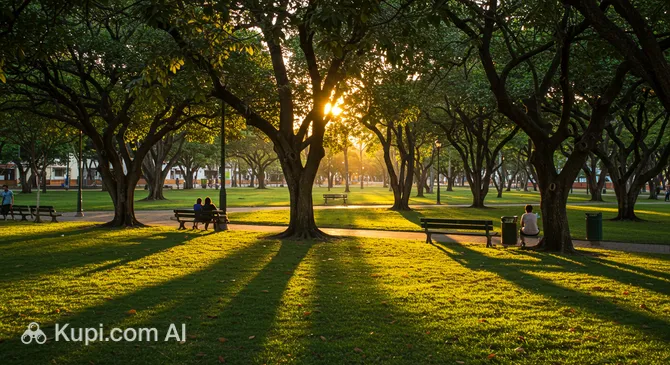
Washington Park. Source: Kupi.Binoculars

Another excellent option is the northern part of the city, specifically the Riomar and Buenavista districts. This is the modern face of Barranquilla, characterized by high-rise buildings and contemporary infrastructure. Visitors who prefer luxury amenities and proximity to major shopping malls often choose this area. Conversely, while the downtown area (Centro) offers cheaper accommodation, it is generally less recommended for tourists due to safety concerns at night and the chaotic bustle during the day.

Booking Tips: If you are planning to visit during the famous Carnival of Barranquilla, booking in advance is not just a tip—it is a necessity. During this period, prices can triple, and hotels often sell out months ahead of time. For the rest of the year, rates are quite stable and generally lower than in other Caribbean destinations. Most properties can be booked easily via major online platforms, but for smaller guesthouses during peak season, confirming your reservation directly is always a good practice.

Nearby Cities

For those looking to explore the surroundings, Barranquilla serves as an excellent base for day trips to several interesting nearby locations that highlight the region's history and culture.

One of the most fascinating stops is Cienaga, located approximately an hour away towards Santa Marta. This heritage town is renowned for its well-preserved colonial architecture and its historical significance as a setting that inspired parts of Gabriel García Márquez's One Hundred Years of Solitude. Visitors can admire the Templete del Centenario, stroll through the historic center, and experience the unique atmosphere where the fresh waters of the Ciénaga Grande meet the Caribbean Sea.

Just a stone's throw from Barranquilla lies Soledad, a city deeply integrated with the metropolitan area. While it is home to the region's airport, it is culturally famous for its gastronomy, specifically the butifarra soledeña. Food lovers often make the short trip specifically to taste this authentic spiced sausage in its place of origin. Additionally, the town houses the Bolivariano Museum of Soledad, where the liberator Simón Bolívar spent his final days.

Another charming option is Baranoa, known as the "Heart of the Atlantic." This town is celebrated for its vibrant cultural scene, particularly the famous Banda de Baranoa, a massive marching band that represents Colombian folklore internationally. It is a great destination to witness the joyful spirit of the department's interior and enjoy local festivals.

City Population Distance (km)
Soledad 698,852 10
Cienaga 129,414 61
Malambo 129,148 17
Baranoa 50,261 26
Pivijay 33,225 63

These nearby destinations offer a glimpse into the diverse culture and landscapes of the region, providing a perfect complement to the urban energy of Barranquilla.

Shopping & Souvenirs

Shopping in Barranquilla is a delightful experience that mirrors the city's role as a commercial powerhouse in the Caribbean. As a major port city, it has long been a point of entry for goods and trends, resulting in a retail landscape that blends modern, high-end fashion with vibrant traditional markets. Whether you are looking for international brands, local designer wear, or authentic Colombian handicrafts, the city offers a diverse range of options to satisfy every shopper.

For those seeking a modern and comfortable shopping experience, the northern part of the city is home to the most exclusive commercial centers. The most prominent destination is the complex formed by the Buenavista Shopping Center and its neighboring expansion, the Buenavista II Shopping Center. Connected by a climate-controlled skybridge, these malls offer a vast selection of clothing stores, technology outlets, and department stores. It is the perfect place to escape the midday heat while browsing through both global franchises and renowned Colombian fashion labels.

Buenavista II Shopping Center. Source: Kupi.Binoculars

If you prefer a more authentic and bustling atmosphere, the downtown area (Centro) provides a stark contrast to the air-conditioned malls of the north. The Paseo de Bolívar serves as the main artery for this type of commerce. Here, the streets are packed with vendors selling everything from electronics and fabrics to shoes and household goods at bargain prices. It is a chaotic but fascinating sensory experience where bargaining is common, and the energy of the city is palpable.

When it comes to souvenirs, Barranquilla is the best place in Colombia to buy items related to its famous Carnival. Visitors should look for marimonda masks, colorful costumes, and accessories that celebrate the festival's folklore. Additionally, you can find traditional Colombian handicrafts such as the sombrero vueltiao (woven hat) and mochilas (indigenous bags) in specialized artisan shops like those found in the Galería 72 or within the larger shopping malls.

Most shopping centers and major stores operate daily, typically opening around 10:00 AM and closing between 8:00 PM and 9:00 PM. While credit and debit cards are widely accepted in malls and established boutiques, carrying cash is essential if you plan to explore the downtown markets or buy from street artisans. Furthermore, international tourists should be aware that Colombia offers a VAT refund (Devolución de IVA) system. If you purchase taxable goods from participating stores and meet the minimum purchase requirement, you can apply for a tax refund at the airport before leaving the country, so be sure to ask for an electronic invoice (factura electrónica) when you shop.

Reached the end of the page?

That means the route is fully explored