Shopping in Riohacha is a vibrant cultural experience that centers almost entirely on the exquisite craftsmanship of the indigenous Wayuu people. Unlike other Caribbean cities known for luxury boutiques or duty-free perfumes, this coastal capital offers visitors the chance to purchase authentic, hand-woven goods directly from the artisans who make them. The city serves as the primary commercial hub for the La Guajira region, meaning you will find the widest variety and best prices for local handicrafts here.
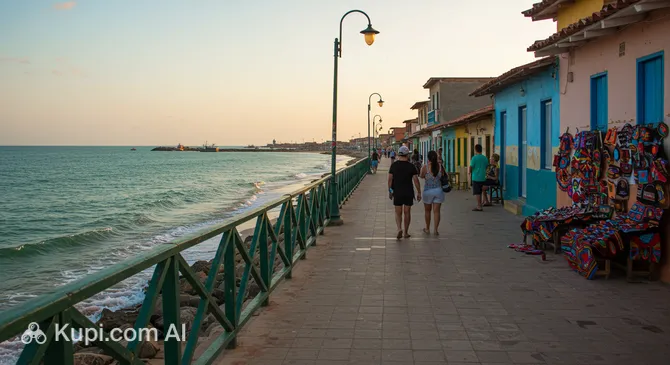
The most important shopping district for tourists is undoubtedly the Riohacha Seafront Promenade, locally known as the "Camellón." This bustling avenue functions as an open-air market where hundreds of Wayuu women display their colorful creations along the beach. Walking down this palm-lined street, you can browse endless stalls and interact with the weavers. For more conventional shopping, Calle 2 (La Primera) runs parallel to the waterfront and is lined with shops selling clothes, shoes, and jewelry, as well as several dedicated souvenir stores.
For those seeking a modern retail experience with air conditioning—a welcome relief from the desert heat—the city has a few shopping centers. Sushiimma Mall is a popular spot that offers a mix of national clothing brands, technology stores, and a supermarket. It provides a comfortable environment for browsing and is a good place to find travel essentials or pharmacy items that you might not find in the street markets. Another option is the Viva Wajiira shopping center, which features similar amenities and a large food court.
While there isn't a traditional central market building that caters to tourists, the artisan stalls along the beach effectively serve this purpose. The atmosphere here is lively and colorful, with merchandise hanging from kiosks and spread out on blankets. It is the best place to find unique pieces, and unlike in high-end galleries, the money you spend here often goes directly to the indigenous families.
When it comes to souvenirs, the Wayuu Mochila (bag) is the undisputed icon of the region. These bags come in vibrant geometric patterns and varying qualities; "single thread" bags take longer to make and are more expensive but higher quality than "double thread" ones. Other excellent items to bring back include Chinchorros, which are elaborate, heavy-duty hammocks featuring intricate fringes, and Wayuu sandals decorated with colorful pompoms. You can also find Mantas Guajiras, the flowing, airy dresses worn by local women, which make for beautiful beach cover-ups.
Standard store hours in Riohacha typically run from 9:00 AM to 7:00 PM, although many smaller independent shops may close for a lunch break between 12:30 PM and 2:00 PM. Shopping malls usually stay open until 8:00 PM or 9:00 PM. In terms of payment, cash is king, especially when buying from street vendors along the promenade. While the malls and larger stores accept credit cards, you will need Colombian Pesos (COP) to purchase handicrafts from the artisans.
Tourists visiting Colombia are eligible for a VAT (sales tax) refund on certain goods purchased in authorized stores, provided the purchase amount meets a minimum threshold. To take advantage of this, look for stores that display a "Tax-Free" sign and ensure you ask for an electronic invoice (factura electrónica). You can then apply for the refund at the DIAN offices in the international airport upon your departure from the country.