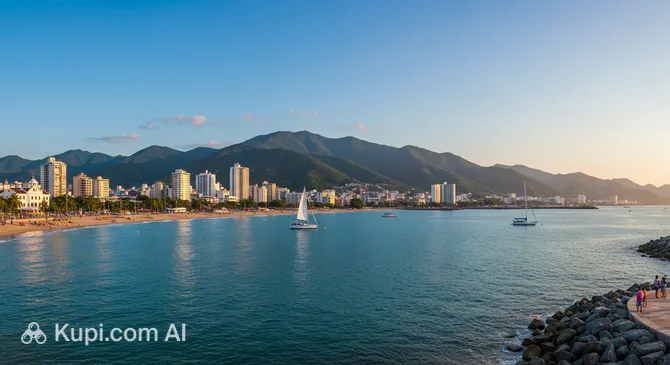
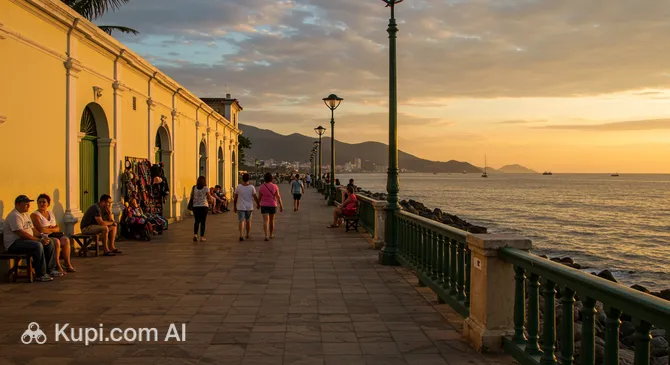
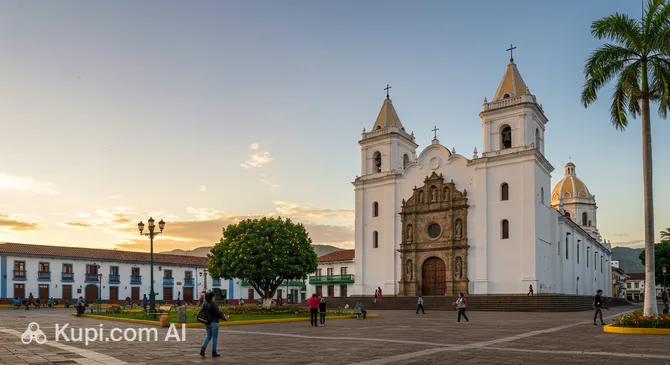
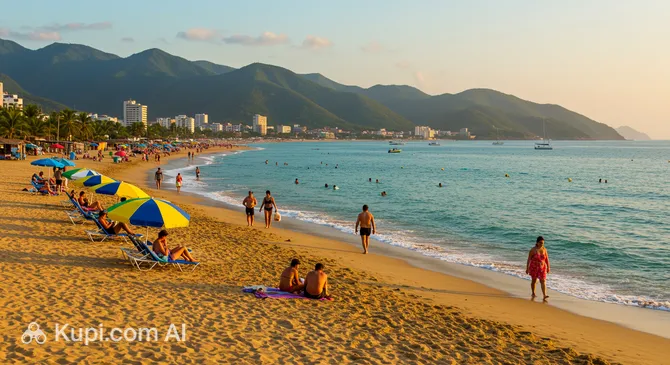
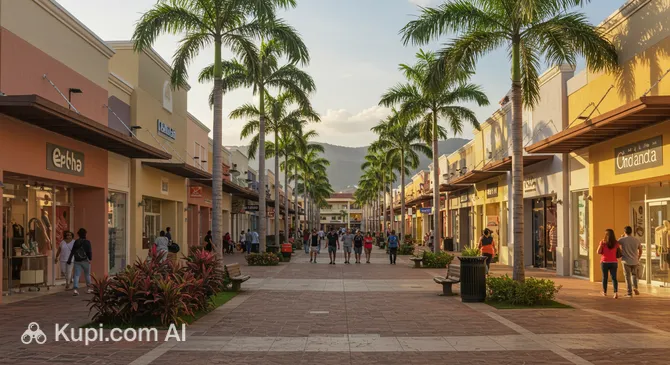
Santa Marta is a captivating destination where the turquoise waters of the Caribbean Sea meet the towering peaks of the Sierra Nevada mountains. As one of the most diverse cities in Colombia, it offers a unique blend of colonial charm, vibrant urban life, and breathtaking natural landscapes. The city serves as the capital of the Magdalena Department and acts as a bustling port and tourism hub for the region.
Geographically, Santa Marta holds a privileged position, boasting a warm tropical climate that makes it an attractive destination year-round. It is home to a population of approximately 515,000 residents, creating a lively atmosphere that balances the energy of a growing city with the relaxed vibe of a coastal town.
Santa Marta. Illustration.
Source: Kupi.com AI
Founded in 1525, this city is the oldest surviving Spanish settlement in the country. Visitors can delve deeper into the fascinating history of Santa Marta by exploring its restored historic center, where whitewashed buildings, the cathedral, and lively plazas tell the stories of the past. Beyond its heritage, the city is world-renowned as the gateway to the Tayrona National Natural Park, a sanctuary of pristine beaches and lush jungles, and the starting point for treks to the ancient Ciudad Perdida (Lost City).
Whether you are looking to relax on the sandy shores of El Rodadero, hike through biodiversity hotspots, or enjoy the local Samarian cuisine, Santa Marta promises an unforgettable adventure. It is a place where nature and history coexist, inviting every traveler to discover its magic.
Weather Overview
Santa Marta enjoys a warm and consistent tropical climate, making it an inviting destination throughout the year. The temperature remains remarkably stable, with averages hovering between 24°C and 25°C across all seasons. Days are generally pleasant, with maximum temperatures rarely exceeding 27°C, ensuring a comfortable atmosphere for beach activities and exploration.
Rainfall patterns define the city's seasons more than temperature changes do. Travelers can expect dry conditions with clear skies from December through March, where precipitation is minimal. In contrast, the period from May to November brings frequent showers, particularly in October, which sees the highest number of wet days. For a more comprehensive forecast to help plan your trip, you can check the detailed weather in Santa Marta.
Average monthly temperature
Average monthly precipitation
Interesting Facts
Beyond the main attractions, Santa Marta holds many fascinating secrets that highlight its unique position in history and geography. Here are some intriguing facts about this coastal gem:
Snow near the Caribbean: Santa Marta is one of the few places in the world where you can see snow-capped peaks while standing on a tropical beach. The Sierra Nevada de Santa Marta is the highest coastal mountain range on the planet, rising from sea level to over 5,700 meters just 42 kilometers inland.
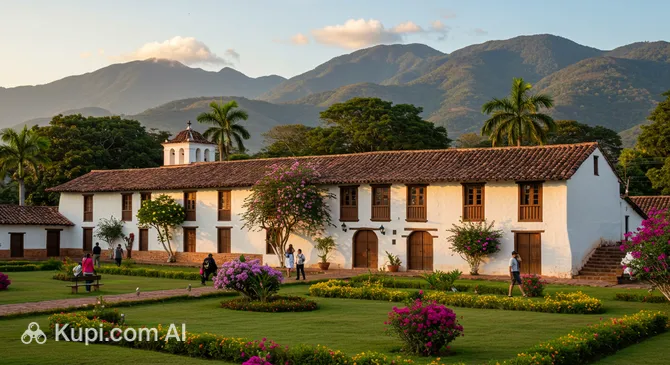
The Liberator's Final Days: The city is the final resting place of Simón Bolívar, the revolutionary leader who liberated much of South America. He spent his last days at Quinta de San Pedro Alejandrino, a historic hacienda that is now a museum dedicated to his life and legacy.
"La Loca" Winds: Residents have a special nickname for the strong trade winds that breeze through the city typically between December and March. They affectionately call this phenomenon "La Loca" (The Crazy One) because of the unpredictable and refreshing gusts that cool down the streets.
The Mother of Churches: The Cathedral Basilica of Santa Marta claims the title of the first cathedral built in continental South America. Although it has been rebuilt and restored several times due to pirate attacks and earthquakes, it remains a symbol of religious endurance.
Quinta de San Pedro Alejandrino. Illustration.
Source: Kupi.com AI
Traveler photos:
How to Get There
Reaching this coastal paradise is relatively straightforward, thanks to its connectivity with major transport hubs in the region. Whether you are arriving directly or exploring the Caribbean coast by road, you have several options. For a detailed breakdown of routes and transport modes, you can read more about how to get to Santa Marta.
The most convenient entry point is the local Simón Bolívar International Airport (SMR). It is situated just 13.5 km from the city center, right next to the Caribbean Sea. As the primary gateway, it handles a significant volume of domestic flights and select international connections. A taxi or bus ride from the terminal to the downtown area or the popular El Rodadero district typically takes around 40 minutes, depending on traffic.
For travelers finding better flight deals or schedules elsewhere, the E Cortissoz Airport (BAQ) is a viable alternative. Located in the city of Barranquilla, it is approximately 73.4 km away from Santa Marta. The overland journey between the airport and Santa Marta usually takes about 1.5 to 2 hours by bus or private transfer. Another major regional hub is the Rafael Nunez International Airport (CTG) in Cartagena. Although it is further away at roughly 167.5 km, many tourists combine a visit to Cartagena with Santa Marta, making the 4 to 5-hour drive a common route.
For clarity, here is a summary of the main airports serving the region:
Santa Marta offers a diverse array of sights, ranging from historical treasures to sun-soaked beaches. Exploring these landmarks provides a deeper understanding of the city's rich heritage and its vibrant coastal lifestyle.
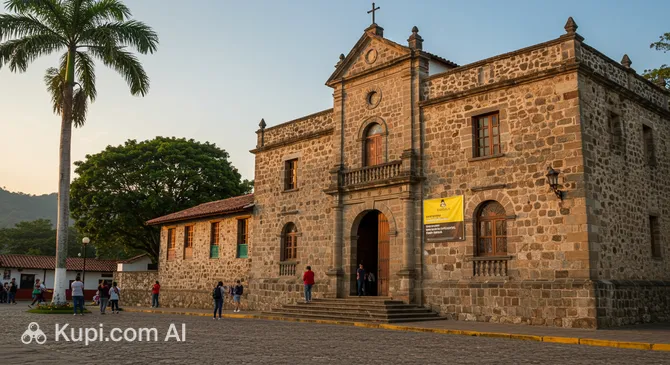
One of the most significant cultural stops is the Tayrona Gold Museum – Customs House. Housed in a beautifully restored colonial building, this museum showcases an impressive collection of gold and pottery from the indigenous Tayrona people. It serves as a window into the region's ancestral past and is strategically located near the historic center, making it an easy addition to any walking tour.
Tayrona Gold Museum – Customs House. Illustration.
Source: Kupi.com AI
Traveler photos:
For those seeking sun and sand, El Rodadero Beach is the city's most popular seaside destination. Located just a short drive from downtown, this bustling area is lined with high-rise hotels, restaurants, and bars. It is the perfect spot to enjoy water sports, taste local street food, or simply relax by the calm Caribbean waters while watching the sunset.
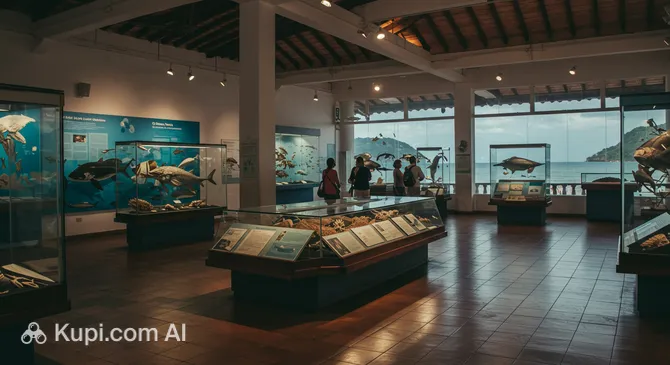
Nature lovers and families should not miss the Rodadero Sea Aquarium and Museum. Accessible by a short boat ride from El Rodadero, this attraction allows visitors to see sharks, turtles, and dolphins up close. It plays a vital role in marine conservation and education, offering a fun yet informative experience about the biodiversity of the Colombian Caribbean.
Rodadero Sea Aquarium and Museum. Illustration.
Source: Kupi.com AI
Traveler photos:
When the sun goes down, the heart of the city's social life beats at Parque de los Novios. Also known as Santander Park, this lively plaza is surrounded by colonial buildings that have been converted into trendy restaurants, cafes, and bars. It is the ideal place to experience the local nightlife, enjoy a delicious meal, and soak in the energetic atmosphere of Santa Marta.
Local Cuisine
The culinary landscape of Santa Marta is a vibrant reflection of its Caribbean setting, blending Indigenous, Spanish, and African influences into a unique gastronomic experience. The local food is characterized by an abundance of fresh seafood, tropical fruits, and the versatile use of green bananas. Dining here is not just about sustenance; it is a celebration of bold flavors and fresh ingredients sourced directly from the nearby sea and fertile mountains.
A trip to this city would be incomplete without trying Cayeye, the undisputed signature dish of the region. Also known as mote de guineo, it consists of boiled green bananas mashed into a silky texture with butter and cheese, typically topped with a savory tomato and onion sauce called hogao. While traditionally a breakfast staple, it is enjoyed at any time of day. Another classic meal is the fried fish platter, usually featuring fresh red snapper or mojarra, served alongside coconut rice, patacones (fried plantains), and a crisp salad.
To beat the tropical heat, locals turn to a variety of refreshing beverages. The region is famous for its exotic fruit juices, particularly zapote and níspero, which have a distinct, sweet flavor profile. Agua de panela (sugarcane water) served ice-cold with plenty of lime is another popular non-alcoholic thirst quencher. For those looking to relax, enjoying a cold beer or a coconut-based cocktail by the beach is a quintessential part of the Santa Marta experience.
The food culture in Santa Marta ranges from bustling street stalls to elegant dining establishments. Street food is an essential part of daily life, with vendors selling fried delights like arepas de huevo and carimañolas on nearly every corner. For a more formal sit-down meal that highlights local ingredients with a contemporary twist, visitors can head to Guasimo. This restaurant is well-regarded for its creative approach to traditional Caribbean flavors.
Guasimo. Illustration.
Source: Kupi.com AI
Traveler photos:
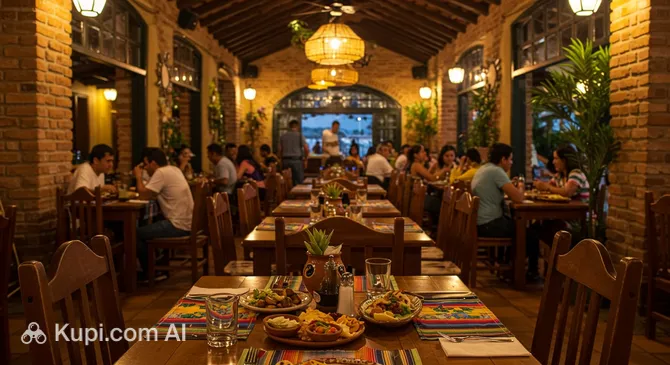
For a lively atmosphere, the area around the historic center offers numerous options where you can dine alfresco. Places like Artesanal Restobar provide a cozy setting to enjoy artisanal dishes and drinks while soaking in the warm evening breeze. Whether you are grabbing a quick snack on the go or settling in for a multi-course seafood dinner, the city's culinary scene promises to be a highlight of your visit.
Travel Tips
Welcome to Santa Marta! To ensure your trip to this vibrant Caribbean hub is as smooth and enjoyable as possible, we have compiled a list of essential practical advice to help you navigate the city with confidence.
Clothing and Gear: Santa Marta is hot and humid year-round, so pack lightweight, breathable fabrics like cotton or linen. Comfortable walking sandals are perfect for the city, but if you plan to trek in Tayrona National Park or to the Lost City, sturdy hiking boots are a must. Don't forget a hat, sunglasses, and a high-SPF sunscreen. For religious sites, modest dress covering shoulders and knees is respectful.
Transportation: The city has a network of blue buses that are affordable and cover most main routes, including the trip to El Rodadero and the entrance to Tayrona. Yellow taxis are abundant; however, they often do not use meters, so it is crucial to agree on the fare before getting in. Ride-hailing apps are available but operate in a legal gray area, so passengers are often asked to sit in the front seat.
Finances: The official currency is the Colombian Peso (COP). While major hotels, supermarkets, and restaurants accept credit cards, cash is king for street food, local transport, and small shops. ATMs are widely available in the city center and malls. A tip of around 10% is customary in restaurants if service is good, often included as "servicio" on the bill.
Health and Safety: Tap water in Santa Marta is generally not safe to drink; always buy bottled water or use a purifier. Pharmacies (droguerías) are easy to find and well-stocked; chains like La Rebaja often have 24-hour locations. Regarding safety, stick to well-lit tourist areas like the Historic Center and El Rodadero at night, and avoid displaying expensive jewelry or electronics in public.
Communication: Spanish is the primary language. While staff in high-end hotels and tour agencies may speak English, it is not widely spoken by the general public. Learning basic phrases like "Hola" (Hello) and "¿Cuánto cuesta?" (How much?) goes a long way. You can easily purchase a prepaid SIM card from providers like Claro, Tigo, or Movistar at local stores with your passport.
Local Etiquette: Colombians are warm and polite. It is customary to greet people with a "Buenos días" (Good morning) or "Buenas tardes" (Good afternoon) when entering a shop or boarding a taxi. When addressing locals, using "Señor" or "Señora" shows respect. Being friendly and patient is highly valued in the coastal culture.
What to Avoid: Do not leave your belongings unattended on the beach, even for a moment. Also, avoid walking alone on empty stretches of beach after dark, as these areas can be unsafe. It is best to stay in groups or stick to the busy promenades.
Additional Tip: Be prepared for the "Brisas del Alisios" or trade winds, especially from December to March. These strong gusts can kick up sand on the beach and make the evenings surprisingly breezy, so bringing a light scarf or windbreaker for night walks is a smart idea.
By keeping these tips in mind, you will be well-prepared to embrace the laid-back rhythm of Santa Marta. Enjoy the sun, the culture, and the unforgettable landscapes of the Colombian Caribbean!
Entertainment & Nightlife
Entertainment and Nightlife:
As the sun sets over the Caribbean, Santa Marta transforms from a laid-back beach town into a vibrant hub of nocturnal activity. The city offers a diverse nightlife scene that caters to all tastes, from those seeking a quiet cocktail with a view to travelers looking to dance until dawn. The atmosphere is generally relaxed and tropical, with a dress code that leans towards "casual chic"—breathable fabrics and comfortable footwear are the norm, though some upscale clubs may expect a slightly more polished look.
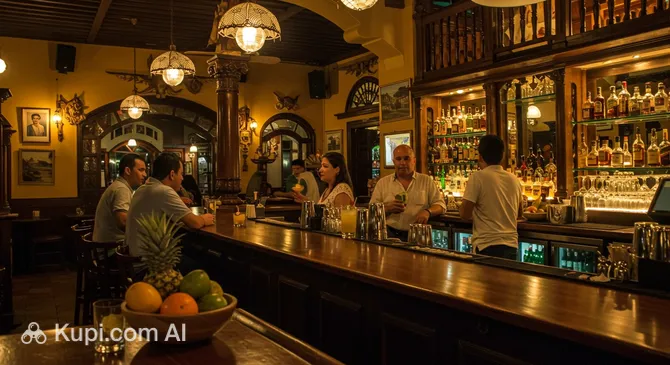
The epicenter of the city's nightlife is undoubtedly the Historic Center, particularly the area surrounding the Parque de los Novios. By day, it is a pleasant plaza, but by night, the colonial buildings hosting bars and restaurants spill out onto the streets with music and laughter. Nearby, the narrow pedestrian streets, such as the Callejón del Correo, are packed with venues offering everything from live salsa and champeta to electronic beats.
For a quintessential Samarian night out, La Puerta is a legendary venue among both locals and tourists. Known for its eclectic decor and energetic vibe, it is the perfect place to experience a mix of Latin rhythms and international hits in a friendly setting. If you prefer rock and roll over reggaeton, Crab's Bar offers a fantastic alternative with its classic rock playlist and a charming terrace that overlooks the bustling streets below.
La Puerta. Illustration.
Source: Kupi.com AI
Traveler photos:
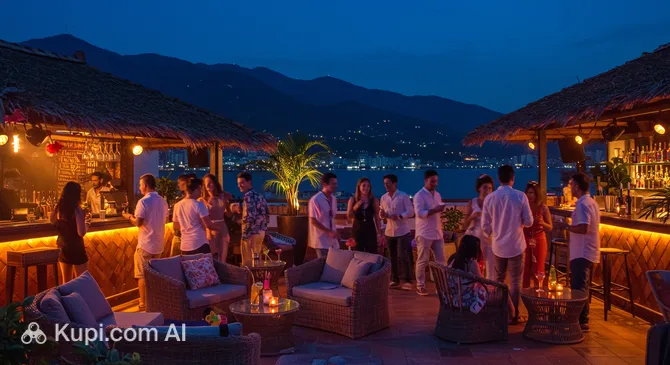
Those looking for a more elevated experience should head to La Azotea Disco Bar. Situated on a rooftop in the historic district, this club provides stunning views of the cathedral and the city skyline. It is a hotspot for electronic and crossover music, attracting a trendy crowd ready to enjoy signature cocktails under the stars. For a different vibe, the district of El Rodadero offers a more traditional coastal party scene, often featuring live vallenato bands performing right on the beach or in the surrounding open-air bars.
La Azotea Disco Bar. Illustration.
Source: Kupi.com AI
Traveler photos:
Safety is an important consideration when enjoying the nightlife. The area around Parque de los Novios is generally safe and well-patrolled, but it is advisable to stay within the busy, well-lit streets. When it is time to return to your accommodation, always use official yellow taxis or ride-hailing apps rather than hailing a car on a dark corner. Most bars and restaurants will happily call a cab for you. Prices for drinks and cover charges are generally reasonable compared to other major Colombian cities, making a night out here accessible for most budgets.
While the nights are for partying, Santa Marta also offers daytime entertainment beyond the beaches. For a break from the heat, visitors can explore modern shopping venues like the Buenavista Shopping Center or the Ocean Mall, which feature cinemas, food courts, and a variety of retail stores. Additionally, a stroll along the Marina Santa Marta offers a sophisticated atmosphere where you can admire luxury yachts and enjoy a quiet coffee by the water.
Parks & Museums
Santa Marta balances its coastal beauty with a wealth of green spaces and cultural institutions that celebrate its rich heritage. Beyond the beaches, the city invites visitors to explore shaded plazas, modern recreational complexes, and venues dedicated to preserving the region's history and biodiversity.
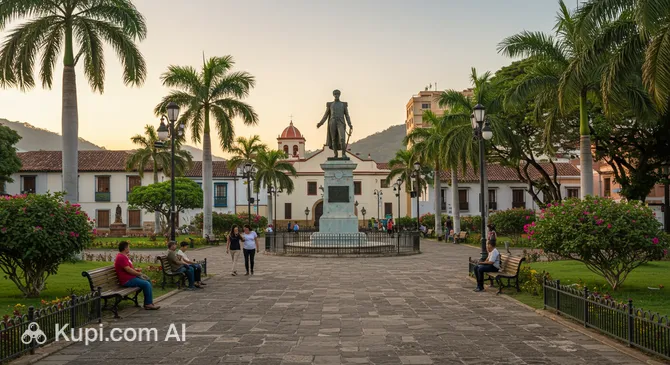
In the heart of the historic center lies Bolívar Park, a quintessential gathering spot for locals and tourists alike. Surrounded by colonial architecture and the Mayor's office, this leafy square offers a welcome respite from the midday sun. It is an excellent place to sit on a bench, enjoy a local snack, and observe the daily rhythm of the city, all while being just steps away from the waterfront.
Bolívar Park. Illustration.
Source: Kupi.com AI
Traveler photos:
For a more modern recreational experience, families often head to Parque del Agua. This large urban park is designed with a focus on water features, sports facilities, and green areas. It serves as a community hub where visitors can enjoy synchronized fountain shows in the evening or simply take a relaxing stroll along its well-maintained paths, offering a different perspective on the city's urban planning.
Another scenic area perfect for walking is the Bastidas Boardwalk, locally known as the "Camellón." Recently renovated, this promenade runs parallel to the bay and is lined with palm trees, sculptures, and seating areas. It provides stunning views of the marina and the famous Morro island, making it a favorite spot for sunset walks.
Bastidas Boardwalk (Malecón de Bastidas). Illustration.
Source: Kupi.com AI
Traveler photos:
When it comes to museums and cultural learning, the Mundo Marino Aquarium offers a fascinating educational experience. Located at the Jorge Tadeo Lozano University in El Rodadero, this facility differs from the open-sea aquarium by focusing heavily on research and conservation. Visitors can view a variety of marine species native to the Colombian Caribbean and learn about the importance of protecting these fragile ecosystems through interactive exhibits.
Architecturally and historically, the Cathedral Basilica of Santa Marta stands as a monument to the city's endurance. As the first cathedral built in South America, its whitewashed facade and towering spire are iconic landmarks. Inside, the serene atmosphere and religious art provide a glimpse into the spiritual history of the oldest surviving Spanish settlement in Colombia.
Cathedral Basilica of Santa Marta. Illustration.
Source: Kupi.com AI
Traveler photos:
For an authentic local experience that combines exercise with panoramic views, consider hiking the trail at Ziruma Hill. The "Sendero Peatonal Ziruma" is a popular fitness route for residents, connecting the city center with the El Rodadero district. Walking this path early in the morning or late in the afternoon rewards you with breathtaking vistas of the coastline and the cactus-studded hills.
Getting Around
Navigating Santa Marta is an experience that immerses you directly into the local rhythm of life. The city does not have a metro, tram, or train system; instead, public mobility relies heavily on a network of buses and taxis that connect the historic center with residential areas and popular tourist districts like El Rodadero and Taganga.
The backbone of the public transport system is the SETP (Strategic Public Transport System), which consists primarily of blue buses. These vehicles are easy to identify and serve as the most economical way to get around. Routes are typically displayed on a placard in the front windshield, listing key landmarks and neighborhoods the bus passes through. To board, simply wave your hand to signal the driver as the bus approaches. While there are designated stops, drivers often pick up and drop off passengers along the route if it is safe to do so.
Payment for buses is straightforward but strictly cash-based. There are no travel cards or digital passes for tourists. You pay the fare directly to the driver upon boarding. The cost is fixed regardless of the distance traveled, making it very affordable. It is highly recommended to carry small denominations of the local currency, as drivers may not have change for large bills. Once you have paid, you pass through a turnstile to find a seat.
Taxis are a ubiquitous and convenient alternative, especially for moving between the airport, the city center, and outlying beaches. Official taxis are yellow and can be hailed on the street or found at designated ranks. While legal taxis are supposed to use a taximeter (taxímetro), it is common practice in Santa Marta to negotiate a fixed price before starting the journey, particularly for longer trips or routes to the airport. Mobile apps are also widely used to secure rides and agree on fares in advance, offering an added layer of security and price transparency.
Given the city's coastal geography, water taxis (lanchas) are a unique and essential part of the transport mix. These boats operate like shuttles, ferrying passengers from the main docks in El Rodadero or Taganga to inaccessible beaches like Playa Blanca or specific bays within Tayrona National Natural Park. Tickets for these maritime routes are usually purchased at official kiosks at the departure points, and prices are fixed based on the destination.
For those preferring more autonomy, car rentals are available, though traffic can be chaotic and parking scarce in the historic district. Walking is often the best option for exploring the narrow streets of the city center itself. Public transport generally operates from early morning, around 5:00 AM, until approximately 10:00 PM. If you are traveling late at night, opting for a taxi or a ride-share app is the safest and most reliable choice.
Accommodation
Finding the perfect place to stay in Santa Marta is easy, as the city offers a wide spectrum of accommodation options to suit every travel style and budget. From lively backpacker hostels and charming boutique hotels in the colonial center to all-inclusive resorts and modern vacation rentals along the coast, travelers are spoiled for choice. The diverse geography of the region allows you to choose between sleeping in the heart of the city's action, waking up to the sound of waves, or retreating to an eco-lodge nestled in the jungle foothills.
For those who want to be immersed in culture and nightlife, the Historic Center is the ideal location. Here, many beautifully restored colonial houses have been converted into stylish boutique hotels and hostels. Staying in this area puts you within walking distance of the best restaurants, the cathedral, and the marina. Just a short drive away is the fishing village of Taganga Beach, which has long been a favorite among backpackers and divers for its relaxed atmosphere and budget-friendly guesthouses offering spectacular sunset views.
Travelers seeking a classic beach vacation often prefer the El Rodadero district. This bustling area is characterized by high-rise apartment buildings and large hotels lining the waterfront. It is particularly popular with families and Colombian tourists due to its proximity to El Rodadero Beach, where calm waters and a plethora of dining options create a convenient and fun environment. For a more exclusive and tranquil experience, the zones of Bello Horizonte and Pozos Colorados, located closer to the airport, offer upscale resorts with private beach access.
El Rodadero Beach. Illustration.
Source: Kupi.com AI
Traveler photos:
If you are planning to visit during the peak seasons—specifically from December to January, during Holy Week (Easter), or mid-year holidays—it is highly recommended to book your accommodation well in advance. Santa Marta is a premier domestic destination, and the best properties tend to fill up quickly during these periods. Conversely, traveling during the low season can unlock excellent deals and a quieter atmosphere.
In terms of pricing, Santa Marta is generally very affordable compared to other Caribbean destinations. Budget travelers can find comfortable hostel dorms or simple rooms for very reasonable rates, while mid-range hotels offer great value with amenities like pools and air conditioning. Luxury options are available but remain competitively priced. Most accommodations can be easily booked through major online platforms, though some smaller, family-run guesthouses may prefer direct contact via WhatsApp or their websites.
Nearby Cities
For those looking to explore the surroundings, Santa Marta serves as an excellent base for day trips to several interesting nearby locations. The region offers a mix of historical towns, bustling urban centers, and cultural landmarks that provide a deeper insight into the Colombian Caribbean identity.
One of the most culturally significant stops is Ciénaga, located just a short drive from Santa Marta. Often referred to as the "Capital of Magical Realism," this heritage town is famous for its well-preserved Republican architecture and its historical connection to the banana boom era. Visitors can stroll through its historic center, admire the Templete, and soak in the atmosphere that inspired parts of Gabriel García Márquez's literary world. It offers a quieter, more nostalgic experience compared to the bustle of the main cities.
For a more vibrant urban experience, a trip to Barranquilla is highly recommended. Known as the "Golden Gate of Colombia," it is the largest city in the region and famous worldwide for its spectacular Carnival. Even outside the carnival season, Barranquilla offers plenty to see, including the impressive Gran Malecón along the Magdalena River, the Caribbean Museum, and a lively culinary scene. It is a place where modernity meets tradition, offering a stark contrast to the laid-back beach vibe of Santa Marta.
These nearby destinations offer a glimpse into the diverse culture and landscapes of the region, making them perfect additions to your travel itinerary.
Shopping & Souvenirs
Shopping:
Shopping in Santa Marta is a delightful mix of modern convenience and traditional charm, offering visitors everything from high-end fashion to authentic local craftsmanship. While it may not have the massive commercial expanse of a capital city, it provides a unique retail experience where you can find colorful handicrafts, tropical beachwear, and fresh local produce all within a short distance. Whether you are looking to browse through air-conditioned malls or haggle with street vendors under the Caribbean sun, the city has something to satisfy every shopper.
For a taste of the local hustle and bustle, the area along Carrera 5 (Avenida Campo Serrano) serves as the commercial artery of the downtown district. This vibrant street is lined with hundreds of shops selling clothes, shoes, and electronics at affordable prices. Closer to the waterfront, the Historic Center offers a more curated experience. Here, amidst the colonial architecture, you will find boutique stores offering designer swimwear, emerald jewelry, and art galleries that showcase the work of local creators.
Travelers seeking international brands and a break from the heat should head to the city's modern shopping centers. The Buenavista Shopping Center is the largest and most popular mall in the region. Located near the Quinta de San Pedro Alejandrino, it features a wide array of retail stores, a cinema, and a food court. Another excellent option is the Ocean Mall, which is conveniently situated closer to the city center and offers a relaxed atmosphere for shopping and dining.
Buenavista Shopping Center. Illustration.
Source: Kupi.com AI
Traveler photos:
To truly connect with the culture of the region, a visit to the local markets is essential. The Mercado Público de Santa Marta is a sensory explosion of sights and smells, where locals buy fresh seafood, exotic fruits like zapote and lulo, and traditional ingredients. For handicrafts, the artisan markets in El Rodadero and near the Parque de los Novios are the best places to browse. These stalls are packed with handmade accessories, vibrant textiles, and wooden carvings that make for perfect gifts.
When it comes to souvenirs, the most iconic item to bring home is a Mochila Arhuaca or Wayuu. These hand-woven bags are crafted by the indigenous communities of the Sierra Nevada and La Guajira, and each design carries a specific meaning related to their cosmology. Other popular items include organic coffee produced in the nearby mountains, cacao-based products, and coconut sweets known as cocadas. Purchasing these goods often supports local artisans and sustains traditional practices.
Most shops in Santa Marta open around 9:00 AM or 10:00 AM and close between 7:00 PM and 9:00 PM. Shopping malls typically stay open later, especially on weekends. While credit and debit cards are widely accepted in malls, supermarkets, and restaurants, it is highly recommended to carry cash (Colombian Pesos) when visiting street markets or buying from smaller vendors. Haggling is common and expected in informal markets, so do not hesitate to negotiate a fair price politely.
International tourists should also be aware of the VAT refund (Devolución del IVA) policy. If you purchase physical goods such as clothing, footwear, or handicrafts with a credit card in affiliated stores, you may be eligible for a sales tax refund at the airport before leaving the country. Look for the "Tax Free" signage in store windows and be sure to keep your official invoices to present at the customs office.