Support

Cartagena

About

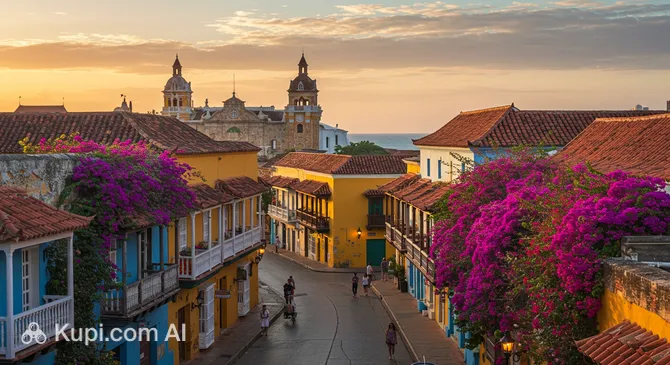
Cartagena de Indias is a captivating destination that perfectly blends historical charm with the vibrant energy of the Caribbean. Renowned for its stunning colonial architecture, colorful streets, and romantic atmosphere, it stands as one of the most visited cities in South America. The city offers a unique mix of old-world heritage and modern beach resort vibes, making it a favorite for travelers seeking both culture and relaxation.

Located on the northern coast of Colombia, Cartagena serves as the capital of the Bolívar department. With a population of over 1 million inhabitants, it is a bustling economic hub and a major port. The city enjoys a tropical climate, ensuring warm and sunny weather year-round, which is perfect for enjoying its coastal location.

Cartagena. Source: Kupi.Binoculars

The heart of the city is the famous Walled City (Ciudad Amurallada), a UNESCO World Heritage site filled with plazas, churches, and mansions. Exploring the history of Cartagena is essential to understanding its significance as a former key port of the Spanish Empire. Visitors can marvel at the imposing Castillo San Felipe de Barajas, a fortress that once defended the city against pirates and foreign fleets.

Beyond the historic walls, the trendy neighborhood of Getsemaní offers vibrant street art and a lively nightlife scene. For those looking to escape the city, the nearby Rosario Islands provide crystal-clear turquoise waters and white sandy beaches. Whether you are a history enthusiast or a sun-seeker, Cartagena invites you to experience its magic and warmth.

Weather Overview

Cartagena enjoys a tropical climate that brings consistent heat and humidity, making it a perfect destination for beach lovers at any time of the year. The temperature remains remarkably stable, with average daily values hovering between 27°C and 29°C. Days are typically hot, with maximum temperatures reaching up to 32°C in February and March, while evenings remain balmy, as lows rarely dip below 25°C.

Rainfall patterns define the seasons more than temperature changes do. The beginning of the year, particularly from January to March, represents the dry season, where precipitation is virtually non-existent and wet days are rare. Conversely, the period from May through November sees a significant shift; while the total volume of rain might vary, the frequency of wet days increases dramatically, peaking in October with around 29 wet days. To help you decide when to travel, you can check the detailed report on the weather in Cartagena.

Overall, you can expect tropical warmth year-round, characterized by dry, sunny months early in the year and a humid season with frequent rainfall from May to November.

Interesting Facts

Beyond the sun-soaked walls and vibrant plazas, Cartagena hides fascinating stories that add depth to its colonial beauty. Discover these unique details that offer a glimpse into the city's rich and sometimes surprising past.
  • The historic door knockers, or aldabas, found throughout the Walled City were once symbols of social status. In colonial times, a lizard shaped knocker indicated the home of royalty, a lion represented military personnel, and a sea creature signified that a wealthy merchant lived inside.

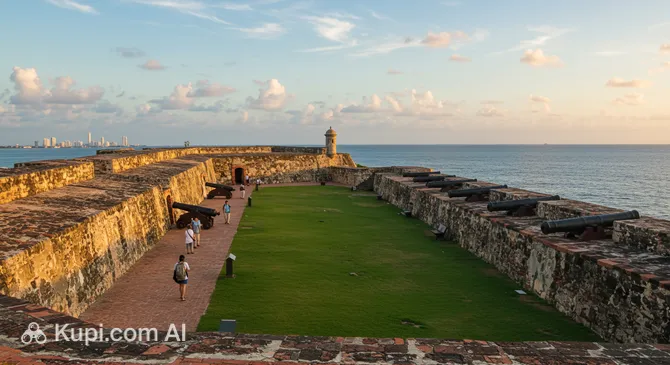
  • The massive Castillo San Felipe de Barajas features a complex network of underground tunnels designed with advanced acoustics. The passageways were constructed so that even the slightest footstep would echo loudly, allowing guards to hear approaching enemies long before they could be seen.

  • Cartagena is home to a quirky artistic tribute known as The Old Boots Monument. This giant sculpture of worn-out shoes is dedicated to the local poet Luis Carlos López, who famously compared his love for the city to the comfortable familiarity of an old pair of boots.

  • To protect the city from pirate attacks, the Spanish built an underwater wall known as La Escollera between the island of Tierra Bomba and the Bocagrande peninsula. This submerged barrier was designed to destroy the hulls of enemy ships attempting to enter the bay, and parts of it still exist today.

Castillo San Felipe de Barajas. Source: Kupi.Binoculars

How to Get There

Reaching this Caribbean gem is relatively straightforward, thanks to its popularity as a major tourist destination. Whether you are arriving from international hubs or other Colombian cities, you can find all ways to reach the city and choose the one that suits your itinerary best.

The most convenient gateway is Rafael Nunez International Airport (CTG), located directly in Cartagena, just about 6.3 km from the historic center. It is a major hub serving millions of passengers annually, connecting the city with key destinations in the Americas and Europe. A taxi ride to the Walled City or Bocagrande typically takes around 30 minutes.

Travelers can also opt to fly into nearby coastal cities and take ground transport. E Cortissoz Airport (BAQ) in Barranquilla is approximately 94.5 km away; the overland journey to Cartagena takes about 2 hours and 40 minutes. Another option is Simón Bolívar International Airport (SMR) in Santa Marta, located roughly 159 km away, with a travel time of around 4 hours and 20 minutes by bus or shuttle.

For clarity, here is a summary of the main airports:

Airport Name City Passenger Traffic Km from City
Rafael Nunez International Airport Cartagena High 6.3
Simón Bolívar International Airport Santa Marta Medium 158.8
E Cortissoz Airport Barranquilla Medium 94.5
Tolu Airport Tolu Low 98.4
Corozal Airport Corozal Low 119.3

Cartagena does not have a passenger railway station, as train travel is not a common mode of intercity transport in this region. Visitors who do not fly typically arrive by bus or private car, utilizing the well-connected road network that links the city with Barranquilla and other destinations along the coast.

Main Attractions

While the famous Walled City is the crown jewel of the region, Cartagena offers a variety of other fascinating sites that showcase its rich culture and natural beauty. Exploring these landmarks provides a deeper understanding of the city's heritage and offers unique experiences beyond the colonial streets.

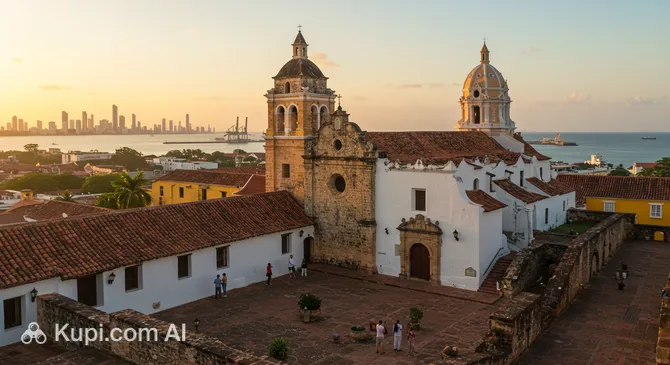
Standing atop the highest hill in the city, the Convent of Santa Cruz de la Popa offers the most spectacular panoramic views of Cartagena and the Caribbean Sea. Built in the early 17th century, this religious complex features a beautiful flower-filled courtyard and a museum displaying religious art and artifacts. It is a peaceful retreat from the bustling city center and a perfect spot for capturing breathtaking photos of the skyline.

Convent of Santa Cruz de la Popa. Source: Kupi.Binoculars

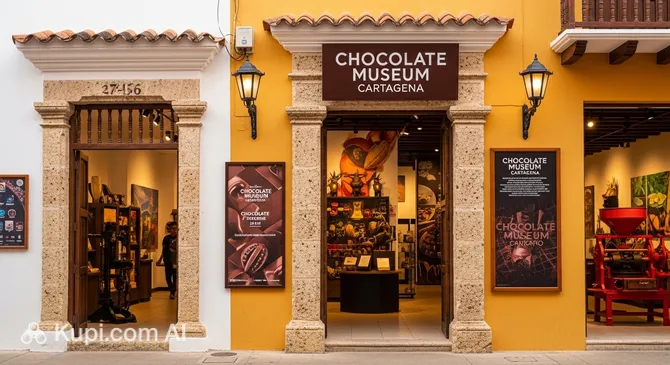
For a delightful cultural experience, the Chocolate Museum Cartagena invites visitors to dive into the world of Colombian cacao. Located in the historic center, this interactive venue allows you to learn about the history of chocolate production and even participate in workshops to make your own treats. It is a fantastic stop for families and foodies looking to taste some of the finest local chocolate while learning about its origins.

Chocolate Museum Cartagena. Source: Kupi.Binoculars

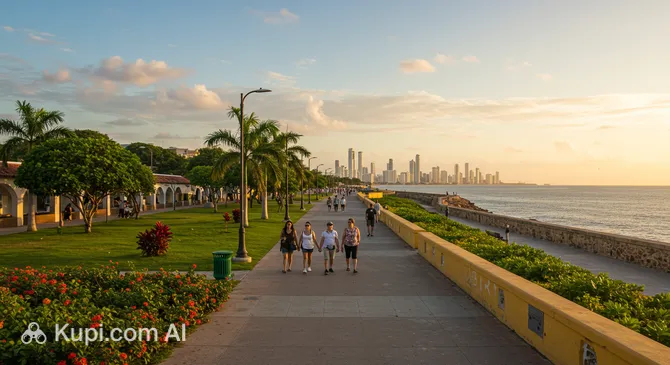
Travelers seeking a modern outdoor space should visit Crespo Linear Park. This extensive waterfront park features walking paths, cycling lanes, and recreational areas, all set against the backdrop of the ocean. It is an excellent place to enjoy a relaxing sunset walk or a morning jog, offering a refreshing contrast to the colonial architecture of the old city.

Crespo Linear Park. Source: Kupi.Binoculars

Local Cuisine

Cartagena’s culinary scene is a vibrant reflection of its cultural melting pot, blending indigenous, African, and Spanish influences into a unique Caribbean gastronomy. The city is a paradise for seafood lovers, where fresh catches are often paired with the region's staple ingredient: coconut. Dining here ranges from eating fried treats at bustling street corners to enjoying sophisticated meals in restored colonial mansions.

One of the must-try dishes is the Cazuela de Mariscos, a rich and creamy seafood stew made with coconut milk, shrimp, squid, and clams. It is traditionally served with fried green plantains, known as patacones, and savory coconut rice. For a taste of authentic local comfort food, look for Posta Negra Cartagenera, a tender beef eye of round roast cooked in a dark, sweet-and-savory sauce containing panela (unrefined cane sugar) and spices.

Street food is an essential part of the local experience, particularly the famous "fritos." You cannot leave without tasting an Arepa de Huevo, a deep-fried corn cake filled with a whole egg and often ground meat. These are found at frying stands throughout the city, often sold alongside carimañolas, which are yucca fritters stuffed with cheese or meat.

To cool down in the tropical heat, the signature drink is Limonada de Coco, a refreshing blend of fresh lime juice and coconut cream that is both tart and sweet. Visitors should also try juices made from exotic local fruits like corozo, a small red fruit that produces a tangy, wine-colored beverage.

For a memorable dining experience, the city offers spectacular settings that combine history with fine dining. You can enjoy exquisite seafood with a view of the marina at the San Sebastián del Pastelillo Fort Restaurant (Club de Pesca), which is located within a historic fortification, offering a romantic open-air atmosphere.

San Sebastián del Pastelillo Fort Restaurant (Club de Pesca). Source: Kupi.Binoculars

If you prefer a hearty grilled meal, Restaurante D'Res provides a robust menu perfect for meat lovers. For a more laid-back vibe suitable for a quick and delicious bite, Henrys La Placita Food Truck offers casual options that capture the modern spirit of the city's evolving food scene.

Travel Tips

Welcome to Cartagena, a city where history and Caribbean flair come together to create an unforgettable travel experience. To help you navigate the cobblestone streets and vibrant culture with ease, we have compiled a list of essential practical tips for your journey.

  1. Clothing and Gear: Given the tropical heat and humidity, pack lightweight, breathable fabrics like cotton or linen to stay cool. Comfortable walking shoes are a must for navigating the historic center's cobblestones, while a hat and high-SPF sunscreen are essential for protection against the strong Caribbean sun. If you plan to visit churches, remember to dress modestly. Colombia uses Type A and B power outlets (the same as in the US), so bring an adapter if your devices have different plugs.
  2. Transportation: The best way to explore the Walled City is on foot, as most attractions are close to one another. For longer distances, yellow taxis are abundant; however, they often do not use meters, so it is crucial to negotiate and agree on the fare before getting in. Ride-hailing apps are available and offer a more transparent pricing structure. There is no metro system, so taxis or walking are your best options.
  3. Finances: The local currency is the Colombian Peso (COP). While credit cards are widely accepted in hotels, upscale restaurants, and malls, carrying cash is necessary for street food, taxis, and small souvenir shops. ATMs are widely available throughout the city. Tipping is customary; in restaurants, a voluntary 10% service charge (servicio) is often included in the bill, but it is polite to check and leave extra for exceptional service.
  4. Health and Safety: Cartagena is generally safe for tourists, especially within the Walled City and Bocagrande, but standard precautions apply: avoid wearing flashy jewelry and keep an eye on your belongings in crowded areas. Tap water is treated but can be hard on sensitive stomachs, so sticking to bottled water is recommended. Pharmacies (droguerías) are easy to find, and many larger chains operate 24/7.
  5. Communication: The official language is Spanish. While staff in major tourist hubs usually speak English, it is less common among taxi drivers and street vendors. Learning a few basic phrases like "Buenos días" (Good morning) and "¿Cuánto cuesta?" (How much?) goes a long way. For mobile data, you can easily purchase a prepaid SIM card from providers like Claro or Tigo at the airport or malls. WhatsApp is widely used for everything from restaurant reservations to tour bookings.
  6. Local Etiquette: Colombians are warm and polite people who value greetings. Always say "hello" or "good morning" when entering a shop or starting a conversation. It is common to be approached by street vendors; if you are not interested, a polite but firm "No, gracias" with a smile is the best response. Aggressive refusals are considered rude.
  7. What to Avoid: Do not take photos of the iconic Palenqueras (women in colorful dresses balancing fruit bowls) without asking first. They make their living from these photos and expect a tip in exchange; taking a picture without paying is considered disrespectful and can lead to a conflict. Always negotiate the price beforehand.
  8. Beat the Heat: The midday sun between 12:00 PM and 3:00 PM can be intense. Adopt the local rhythm by exploring early in the morning or late in the afternoon. Use the hottest hours of the day to enjoy a long lunch, visit air-conditioned museums, or take a siesta at your hotel, just like many locals do.

By keeping these tips in mind, you will be well-prepared to embrace the rhythm of Cartagena and enjoy its magic without worry. Have a wonderful trip filled with sunshine, history, and delicious flavors!

Entertainment & Nightlife

The nightlife in Cartagena is legendary, fueled by Caribbean rhythms and a festive spirit known locally as "rumba." As the sun sets, the city transforms into a vibrant playground where colonial plazas fill with music, and the warm breeze carries the sound of salsa, champeta, and reggaeton. Whether you prefer sipping cocktails on a sophisticated rooftop or dancing until dawn in a lively local joint, the city offers an electric atmosphere for every type of traveler.

The action is primarily concentrated in two main areas: the historic Walled City and the trendy neighborhood of Getsemaní. The historic center is home to upscale gastro-pubs and chic rooftop terraces where you can enjoy a drink with a view of the illuminated cupolas and the sea. In contrast, Getsemaní offers a more bohemian and authentic vibe. Here, the nightlife spills out onto the streets, particularly around Plaza de la Trinidad, where locals and tourists gather to drink beer, eat street food, and enjoy impromptu performances before heading to the nearby clubs.

For those looking to experience the true rhythm of the city, Vueltabajero Salsa Cartagena is a must-visit. This venue is dedicated to salsa lovers, offering a classic atmosphere where the music takes center stage and the dance floor is always busy with skilled dancers. If you prefer a more relaxed evening with a view, La Tertulia Lounge Bar & Rooftop provides a perfect setting to unwind with a signature cocktail while soaking in the night skyline.

La Tertulia Lounge Bar & Rooftop. Source: Kupi.Binoculars

Another popular spot for a fun night out is Avatar Disco Bar, known for its energetic ambiance and mix of musical genres. The crowd in Cartagena is generally diverse, ranging from well-dressed locals to international travelers. While the Walled City tends to have a stricter "tropical chic" dress code—think linen shirts and summer dresses—Getsemaní is more relaxed, allowing for shorts and sandals in many places.

Most bars open around 7:00 PM, but the real party in clubs often doesn't start until after 11:00 PM. Prices can vary significantly; rooftop bars in the historic center charge international rates, while beer in a neighborhood shop is very affordable. Cover charges are common at larger nightclubs on weekends. For safety, it is best to take a taxi or use a ride-sharing app when moving between districts late at night, rather than walking through quieter, unlit streets.

Before the sun goes down, there are plenty of ways to entertain yourself beyond the beaches. Shopaholics can explore modern retail centers like El Castillo Shopping Mall or the extensive Caribe Plaza Shopping Mall, both offering a mix of international brands, local goods, and cinema complexes. For a more scenic afternoon, a stroll along Manga Bay offers peaceful water views and a chance to see the city from a different perspective before the evening festivities begin.

Manga Bay. Source: Kupi.Binoculars

Parks & Museums

While Cartagena is famous for its stone walls and colonial streets, the city also boasts refreshing green spaces and profound cultural institutions that offer a break from the tropical heat. Exploring these parks and museums allows visitors to connect with the local lifestyle, witness the region's biodiversity, and dive deeper into the fascinating history of the Colombian Caribbean.

One of the most scenic spots to enjoy the waterfront is Pastelillo Park. Located in the Manga neighborhood, this park offers stunning views of the bay and the city skyline, making it a favorite location for watching the sunset. It sits adjacent to the historic pastelillo fort, providing a blend of natural beauty and heritage. The calm atmosphere here is perfect for a leisurely stroll or simply sitting by the water to watch the boats pass by.

Pastelillo Park. Source: Kupi.Binoculars

For a taste of local community life, Lácides Segovia Park serves as a central gathering place in the Manga district. This park is less about tourism and more about authentic daily living, where families bring their children to play and neighbors catch up in the shade. It is surrounded by restaurants and cafes, making it a convenient stop for a relaxing evening after a day of sightseeing.

Another significant green space worth mentioning is the Centennial Park (Parque del Centenario). situated just outside the Walled City. This park is a hidden gem for nature lovers, as it is home to a surprising variety of wildlife, including iguanas, monkeys, and even wild sloths that hang from the tall trees. It acts as a green lung connecting the historic center with the Getsemaní neighborhood.

Cartagena's museums are custodians of its rich and often complex past. The Palace of the Inquisition is one of the most important historical buildings in the city. Housing the Historical Museum of Cartagena, it displays artifacts related to the Spanish Inquisition and the city's independence. The architecture itself is a highlight, featuring a magnificent baroque stone entrance and wooden balconies that are considered some of the finest in the city.

For art and history enthusiasts, the Zenú Gold Museum (Museo del Oro Zenú) is an essential stop. It showcases a dazzling collection of gold and pottery from the indigenous Zenú people, who inhabited the region before the Spanish arrival. The museum provides valuable insight into the sophisticated goldsmithing techniques and the hydraulic engineering systems developed by these ancient cultures.

Insider Tip: If you visit Centennial Park, look up! The resident sloths are masters of camouflage, but if you are patient and quiet, you can often spot them moving slowly through the canopy, especially in the early morning or late afternoon.

Getting Around

Public Transport:

Navigating Cartagena is an adventure in itself, with a transport system that ranges from modern buses to traditional modes of travel. Unlike some other major South American capitals, the city does not have a metro or train network. Instead, the public transportation backbone is the Transcaribe, a Bus Rapid Transit (BRT) system designed to connect key areas efficiently. These large, air-conditioned buses run on dedicated lanes, making them the fastest and most comfortable way to travel between the historic center, the hotel districts, and residential neighborhoods.

To use Transcaribe, you must purchase and load a rechargeable smart card, which is available at the ticket windows of any main station. The fare is affordable, typically costing around 3,000 COP (less than 1 USD) per ride. You validate your trip by tapping the card on the turnstiles at station entrances or card readers inside the bus. It is important to note that you cannot pay the driver with cash, so ensure your card has sufficient credit before boarding. The system generally operates from early morning, around 5:30 AM, until roughly 10:00 PM or 11:00 PM on weekends.

For areas not covered by the main Transcaribe lines, you will see smaller, colorful buses and minibuses known locally as busetas. These are a more traditional and chaotic form of transport. They do not always have fixed stops; you often hail them from the side of the road by waving your hand. Payment on these buses is strictly cash only, paid directly to the driver or an assistant. While they offer a more authentic local experience, they can be crowded, lack air conditioning, and are generally slower due to traffic.

Taxis are a very popular alternative for tourists, especially for moving between the Walled City and Bocagrande or the airport. Cartagena’s yellow taxis are plentiful and easy to flag down. However, they typically do not use meters. It is crucial to negotiate and agree on the fare before getting into the vehicle to avoid disputes later. Ride-hailing apps are also widely used and can provide a more transparent pricing structure, though traditional taxis remain the official standard.

Given Cartagena's coastal geography, water transport is a unique and essential feature. Small boats and speedboats, known as lanchas, serve as water taxis connecting the mainland to the island neighborhoods of Tierra Bomba and the popular Rosario Islands. These depart primarily from the La Bodeguita pier. Additionally, within the Walled City, you will find horse-drawn carriages, which serve more as a romantic tourist attraction than practical transport, offering a nostalgic way to see the colonial streets at night.

For short distances, especially within the historic center and Getsemaní, walking is the best option as many streets are pedestrian-only or very narrow. Bicycle rentals are also becoming increasingly popular, allowing visitors to explore the coastline and parks at their own pace. Whether you choose the modern comfort of Transcaribe or the breeze of a coastal walk, getting around the city is generally straightforward once you know the basics.
Accommodation

Finding the perfect place to stay in Cartagena is part of the adventure, as the city offers a diverse array of accommodation options to suit every traveler's style and budget. From luxurious boutique hotels housed in restored colonial mansions to modern high-rise resorts and lively backpacker hostels, the hospitality scene here is as vibrant as the culture itself. Whether you prefer the charm of history or the comfort of contemporary amenities, you will find a welcoming home base for your Caribbean getaway.

The choice of location largely depends on the experience you are seeking. The Walled City (Ciudad Amurallada) is the most coveted area, ideal for those who want to step back in time and stay in romantic, historic settings close to the main sights. Just outside the walls, the neighborhood of Getsemaní has evolved into a hip cultural hub, popular for its colorful streets, affordable hostels, and boutique stays that attract a younger, more bohemian crowd. Alternatively, travelers looking for a modern beach experience often choose Bocagrande or Laguito, districts known for their skyscrapers, international hotel chains, and direct access to the sea.

For visitors interested in a blend of comfort and local style, the city features several inviting properties. One such example is Bahia 79, a hotel that provides a relaxing atmosphere for guests looking to unwind after a day of exploration. Many such establishments in the city offer amenities like swimming pools and rooftop terraces, which are essential for cooling off during the warm tropical afternoons.

Bahia 79. Source: Kupi.Binoculars

Prices in Cartagena can vary significantly depending on the season and the neighborhood. The historic center tends to be the most expensive, offering high-end luxury, while Getsemaní and the newer residential areas provide more mid-range and budget-friendly choices. Booking methods are straightforward, with most properties available on major online travel platforms. However, for smaller, family-run guesthouses, contacting them directly can sometimes yield better rates.

Booking Tip: Cartagena is a premier tourist destination, and the best accommodations fill up quickly, especially during the peak season from December to January and during Holy Week (Semana Santa). It is highly recommended to book your stay several months in advance to secure your preferred location and avoid inflated last-minute prices.

Nearby Cities

For those looking to explore the surroundings, Cartagena serves as an excellent base for day trips to several interesting nearby locations.

Located just a short drive from the coast, Turbaco offers a refreshing change of pace with its slightly cooler climate and lush green hills. It is a favorite spot for nature lovers, largely due to the nearby Guillermo Piñeres Botanical Garden, which showcases the rich biodiversity of the Colombian Caribbean through its extensive collection of native plants and trees.

Further south lies San Onofre, a municipality that serves as the gateway to the hidden gem of Rincón del Mar. This charming fishing village is renowned for its pristine, quiet beaches and relaxed atmosphere, providing a more authentic and tranquil seaside experience compared to the bustling city shores.

City Population Distance (km)
Turbaco 115,000 10
Arjona 75,615 22
Turbana 72,168 14
San Onofre 51,991 72
Maria la Baja 49,462 49

These nearby destinations offer a glimpse into the diverse culture and landscapes of the region.

Shopping & Souvenirs

Shopping in Cartagena is a delightful mix of vibrant local culture and modern retail convenience. The city offers a wide range of options, from high-end boutiques nestled in colonial mansions to bustling street markets filled with colorful handicrafts. Visitors will find that the city is an excellent place to purchase high-quality Colombian products, particularly emeralds, leather goods, and world-renowned coffee.

For those looking for authentic souvenirs, the historic center is the perfect hunting ground. Here, street vendors and small shops sell traditional items such as the mochila (a handwoven bag made by indigenous communities) and the iconic sombrero vueltiao. A visit to Las Bóvedas, a series of former dungeons converted into souvenir stalls, is a classic stop for finding local art, hammocks, and trinkets. Remember that while bargaining is common with street vendors, prices in established stores and malls are fixed.

Travelers seeking a contemporary shopping experience will appreciate the city's modern malls, which also provide a cool escape from the Caribbean heat. Caribe Plaza Shopping Mall is one of the most prominent centers in the city. It features a vast selection of national and international brands, a large food court, and cinema facilities, making it a hub for both fashion and entertainment.

Another notable destination is El Castillo Shopping Mall. Situated in a convenient location, this center offers a variety of stores ranging from clothing outlets to specialty shops. It is a great place to browse for fashion or pick up travel essentials while enjoying a relaxed atmosphere.

Colombia is famous for producing the world's finest emeralds, and Cartagena has numerous reputable jewelry stores where you can admire and purchase these green gems. When buying expensive jewelry, it is advisable to visit certified shops to ensure authenticity. Additionally, chocolate lovers should not miss the opportunity to buy premium Colombian cacao products, which make for delicious gifts to take home.

Reached the end of the page?

That means the route is fully explored