Support

Monteria

About

Welcome to Monteria, the vibrant capital of the Córdoba Department and one of the most important cities in the Caribbean region of Colombia. Often referred to as the "Pearl of the Sinú" (La Perla del Sinú), this city offers a unique blend of urban development and natural beauty, characterized by its warm hospitality and lush surroundings. With a population of over 500,000 inhabitants, it serves as a bustling commercial and cultural hub for the surrounding area.

The city is geographically defined by the majestic Sinú River, which winds through the urban landscape and provides a refreshing breeze to contrast the region's tropical heat. Monteria is famous for its distinct atmosphere where modernity meets tradition, celebrated particularly for its status as the livestock capital of the country. Visitors are often charmed by the seamless integration of nature into the city center, making it a surprisingly green and pleasant destination to explore.
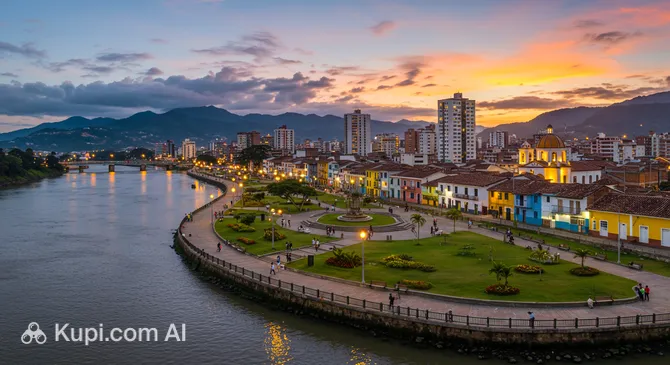
Monteria. Source: Kupi.Binoculars

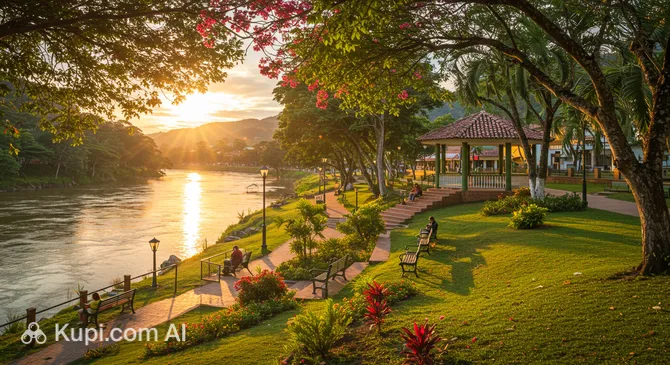
One of the city's main attractions is the Ronda del Sinú, a massive linear park that runs parallel to the river. It is the perfect place for a leisurely stroll under the shade of giant trees, where you can often spot local wildlife such as iguanas, sloths, and monkeys in their natural habitat. For a truly local experience, travelers should take a ride on a planchón, a traditional roofed raft that ferries passengers across the river, offering a peaceful perspective of the city from the water.

While Monteria is a modern city today, its roots run deep in the region's agricultural traditions. Those interested in how this riverside settlement evolved into a major economic center can delve deeper into the history of Monteria to understand its heritage. Whether you are visiting for business or pleasure, the city's lively culture, delicious local cuisine, and beautiful river sunsets make it a memorable stop on any Colombian itinerary.
Weather Overview

Travelers planning a trip to this region should be prepared for a consistently hot and tropical climate. The weather in Monteria remains warm throughout the year, with average daily temperatures generally hovering between 27°C and 30°C. The heat tends to peak around February, where maximum temperatures can reach up to 34°C, so staying hydrated and wearing sun protection is essential.

The city's climate is defined by distinct dry and wet periods rather than drastic temperature changes. The months of January and February are typically the driest, with very few wet days, making them excellent for outdoor activities along the Sinú River. In contrast, the period from May through October is characterized by frequent rainfall, with rain occurring on nearly every day of the month. Visitors arriving during this time should expect warm days accompanied by regular showers.

Interesting Facts

Beyond the main attractions and the bustling riverfront, Monteria holds many fascinating secrets that surprise even seasoned travelers. Here are some intriguing details about this Caribbean gem that reveal its unique character and transformation.
  • Despite its roots as a cattle-ranching hub, Monteria has been internationally recognized for its environmental efforts. It was named one of the world's most sustainable cities by UN-Habitat and has received accolades for its "Green City" initiatives, particularly for transforming the riverbanks into ecological public spaces.

  • The famous Ronda del Sinú Park is cited as one of the longest linear parks in Latin America. While walking along its paths, visitors are often delighted to find that the park is a natural sanctuary where wild iguanas, sloths, and monkeys roam freely among the pedestrians.

  • The traditional rafts known as "planchones" are not just a tourist novelty but an eco-friendly public transport system that has operated for nearly a century. These roofed boats glide across the river without motors, using a manual cable system and the river's current to ferry passengers silently from bank to bank.

  • Monteria is officially known as the "Livestock Capital of Colombia." To celebrate this heritage, the city hosts the National Livestock Reign (Reinado Nacional de la Ganadería) every June, a massive cultural festival that combines beauty pageants with agricultural exhibitions and parades.

Ronda del Sinú Park. Source: Kupi.Binoculars

How to Get There

Reaching this vibrant Caribbean city is relatively straightforward, with air travel being the most convenient method for the majority of visitors. While the region is well-connected by road, flying saves significant time and offers a comfortable entry point. For a complete overview of all travel options, including bus routes and driving directions, you can read more about how to get to Monteria.

The primary gateway to the city is Los Garzones Airport (IATA: MTR), located just outside the urban area. It is the most convenient option, situated only about 10 km from the city center. Travelers landing here can expect a quick transfer, with a taxi ride taking approximately 30 to 40 minutes depending on traffic. This airport handles a significant volume of domestic flights, connecting the region with major Colombian hubs like Bogotá and Medellín.

For international travelers who cannot find a direct connection to Monteria, a common alternative is flying into Rafael Nunez International Airport (IATA: CTG) in the city of Cartagena. However, it is important to note that this airport is located about 191 km away from Monteria. After arriving in Cartagena, you would need to continue your journey by bus or private transfer, a trip that typically takes around 4 to 5 hours. Despite the distance, it is a major hub with numerous international connections, making it a viable option for those exploring the wider Caribbean coast.

For clarity, here is a summary of the main airports:

Airport Name City Passenger Traffic Km from City
Rafael Nunez International Airport Cartagena Large 191.3
Los Garzones Airport Monteria Large 9.9
Apartado Airport Apartado Medium 138.9
Tolu Airport Tolu Medium 89.9
Corozal Airport Corozal Small 91.7

Currently, there are no passenger railway services connecting to Monteria. The city does not have an active train station for tourists, and rail travel is not a common mode of transport in this part of Colombia. Visitors relying on ground transportation typically use the extensive network of intercity buses or private car services to navigate the region.

Main Attractions

While the famous riverfront park is the city's most recognizable landmark, Monteria offers several other destinations that showcase its cultural vibrancy and commercial growth. Visitors looking to explore beyond the riverbanks will find a mix of modern entertainment centers, cultural spaces, and natural spots that reflect the diversity of the Córdoba region.

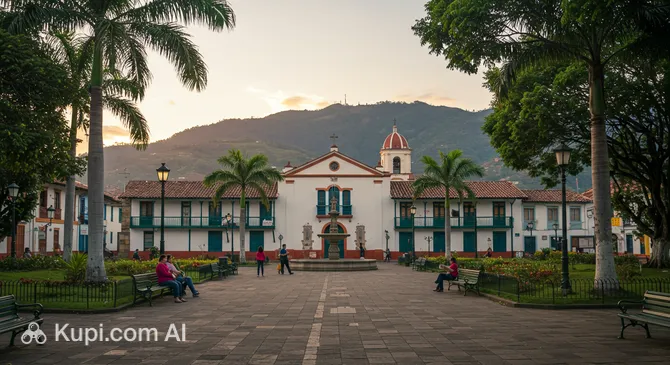
For those interested in local arts and community gatherings, the Sinú Cultural Plaza is a must-visit destination. This spacious public square often serves as the venue for concerts, festivals, and cultural events that celebrate the region's folklore. It is also an excellent place to find local handicrafts and souvenirs, offering tourists a chance to connect with the artistic traditions of the Sinú valley in a lively, open-air setting.

Sinú Cultural Plaza. Source: Kupi.Binoculars

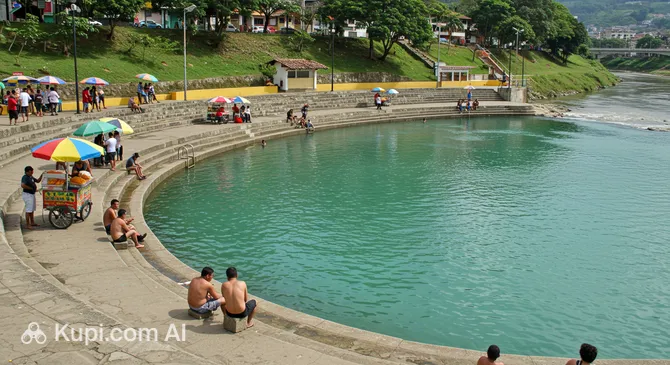
Nature lovers seeking a tranquil escape near the city should consider visiting La Poza Turística de Montería. This recreational area provides a peaceful environment where families and friends can enjoy the outdoors. It is a popular spot for relaxation, offering a different perspective on the region's natural beauty away from the bustling city center, making it ideal for a quiet afternoon surrounded by greenery and water.

La Poza Turística de Montería. Source: Kupi.Binoculars

Monteria has also developed into a significant commercial hub, and the Alamedas Shopping Mall stands as a testament to this modernization. As one of the city's premier shopping destinations, it offers a wide variety of national and international brands, a modern cinema, and an extensive food court. It is the perfect place to enjoy air-conditioned comfort, grab a bite to eat, or indulge in some retail therapy after a day of sightseeing.

Alamedas Shopping Mall. Source: Kupi.Binoculars

Local Cuisine

The culinary scene in Monteria is a delightful reflection of the fertile Sinú Valley, offering a rich blend of Caribbean flavors and hearty agricultural produce. Known as the "Cattle Capital," the city serves high-quality meats, but its gastronomy is most famous for its distinctive soups and river fish. The absolute must-try dish here is Mote de Queso, a thick, creamy soup made from yam (ñame) and salty coastal cheese (queso costeño), typically garnished with a sautéed mix of onions and garlic. It is the soul of the region's cuisine and is usually served with white rice and avocado.

Another staple of the local diet is the Bocachico, a fish caught directly from the Sinú River. Locals enjoy it prepared in various ways, but the most traditional method is "en cabrito," where the fish is stuffed with vegetables, wrapped in bijao leaves, and grilled to perfection. No meal in Monteria is complete without a side of Suero Costeño, a fermented milk dip similar to sour cream but with a punchier, saltier flavor, perfect for dipping patacones (fried green plantains) or yuca.

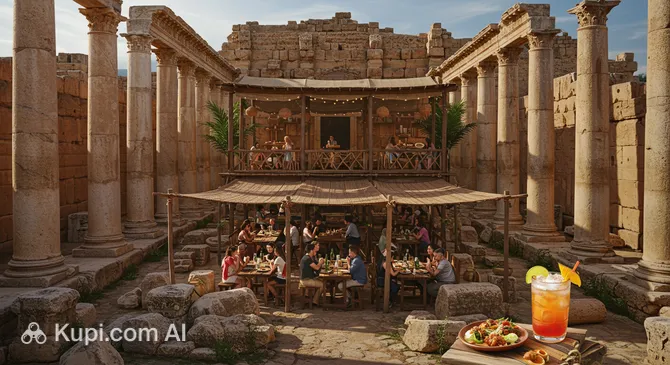
Interestingly, Monteria and the wider Córdoba region have a strong Middle Eastern influence due to historical migration from Lebanon and Syria. This has integrated dishes like kibbeh (locally spelled quibbe) and tabbouleh into the local palate. For travelers wishing to experience this unique fusion of cultures, Baalbeck is a notable restaurant where you can enjoy authentic Arab cuisine that has become a beloved part of the city's gastronomic identity.

Baalbeck. Source: Kupi.Binoculars

To combat the tropical heat, locals rely on refreshing, natural beverages. The most iconic drink is Jugo de Corozo, a deep red juice made from a small, tart palm fruit that grows abundantly in the region. It is sweet, tangy, and incredibly thirst-quenching. You will also find plenty of street vendors selling guarapo (sugarcane juice) with lime. In the evenings, the social scene often revolves around cold beers, which are considered essential for cooling down after a sunny day.

Dining in the city ranges from casual street food stalls selling fried snacks like carimañolas (meat-stuffed yuca fritters) to modern food courts. For those looking for a variety of dining options in a comfortable, air-conditioned setting, the Buenavista Monteria Shopping Mall offers a wide selection of restaurants and fast-food chains. Whether you are eating at a plastic table in a market or a fine dining establishment, the food in Monteria is characterized by its generous portions and bold, savory flavors.

Buenavista Monteria Shopping Mall. Source: Kupi.Binoculars

Travel Tips

To help you navigate the "Pearl of the Sinú" with confidence and ease, we have compiled a list of essential travel advice. These practical tips are designed to ensure your visit to Monteria is comfortable, safe, and culturally enriching.

  1. Clothing and Gear: Given the city's tropical climate with high humidity and temperatures often exceeding 30°C, pack lightweight, breathable fabrics like cotton or linen. A hat, sunglasses, and high-SPF sunscreen are non-negotiable essentials for protecting yourself from the strong Caribbean sun. While casual summer wear is standard, if you plan to visit churches or formal establishments, it is polite to avoid overly revealing attire. Comfortable walking shoes are a must for exploring the riverfront parks.

  2. Transportation: The most convenient way to get around Monteria is by using official yellow taxis, which are plentiful and relatively inexpensive; always ensure the taximeter is running or agree on a price beforehand. Ride-hailing apps operate in the city but may have varying availability. For a truly local experience, use the planchones (roofed rafts) to cross the Sinú River—they are a safe, cheap, and scenic mode of transport unique to this city.

  3. Finances: The official currency is the Colombian Peso (COP). While major shopping malls like Alamedas and Buenavista, as well as upscale restaurants, accept credit and debit cards, cash is king for smaller vendors, taxis, and street food stalls. It is advisable to carry small bills (2,000 to 20,000 COP notes) for easier transactions. ATMs are widely available in commercial areas and inside shopping centers.

  4. Health and Safety: Monteria is generally safe for tourists, especially in busy areas like the Ronda del Sinú and the northern neighborhoods. However, exercise standard precautions: avoid displaying expensive jewelry or electronics in public and stay in well-lit areas at night. Tap water is treated, but tourists with sensitive stomachs should stick to bottled water. Pharmacies (droguerías) are common, and many large chains operate 24/7 for minor medical needs.

  5. Communication: The primary language is Spanish, and English is not widely spoken outside of major hotels or business settings. Learning a few basic phrases like "Hola" (Hello), "Gracias" (Thank you), and "¿Cuánto cuesta?" (How much?) will go a long way. It is highly recommended to download an offline translation app or buy a local SIM card (Claro, Tigo, or Movistar) to stay connected and use maps.

  6. Local Etiquette: The people of Monteria (Monterianos) are known for their warmth and hospitality. It is customary to greet people with a polite "Buenos días" or "Buenas" when entering a shop or boarding a vehicle. Handshakes are the standard greeting for strangers. Locals are generally relaxed and friendly, so don't be surprised if strangers strike up a conversation; engaging with a smile is always appreciated.

  7. What to Avoid: Avoid bringing up sensitive topics related to Colombia's past conflicts or drug trafficking history, as these subjects can be offensive or painful for locals. Additionally, try not to lose your patience if service is slower than what you are used to; the "Caribbean pace" is more relaxed, and rushing things is often seen as rude.

  8. Mid-Day Strategy: Due to the intense heat, the city tends to slow down significantly between 12:00 PM and 2:00 PM. Many smaller shops may close for a lunch break during these hours. It is best to follow the local lead: plan your outdoor activities for the early morning or late afternoon and use the midday hours for a long lunch in an air-conditioned restaurant or a rest at your hotel.

By keeping these tips in mind, you will be well-prepared to embrace the laid-back rhythm and vibrant culture of Monteria. Whether you are crossing the river on a raft or enjoying a cold drink in a plaza, a little preparation ensures your adventure will be as smooth as it is memorable.

Entertainment & Nightlife

Entertainment and Nightlife:

When the sun sets and the tropical heat subsides, Monteria transforms into a lively hub of music and social activity. The city's nightlife is distinctly Caribbean—warm, energetic, and centered around gathering with friends. The atmosphere is generally relaxed yet festive, with locals enjoying everything from quiet conversations on open-air terraces to energetic dancing until dawn. The heart of the action is undoubtedly the northern part of the city, particularly in the neighborhood of La Castellana and the famous Pasaje del Sol (Passage of the Sun), a vibrant strip packed with bars, gastro-pubs, and restaurants.

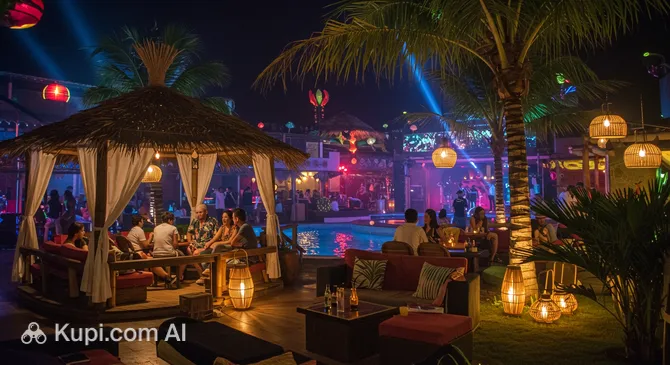
For those looking to experience the local party scene, Milagro Club is one of the premier destinations. It is known for its electric atmosphere where the DJ spins a mix of crossover music, including reggaeton, salsa, and the region's beloved vallenato. It is the perfect spot for travelers who want to dance the night away alongside a spirited local crowd. The dress code here, as in most clubs in the city, is "tropical chic"—smart but comfortable enough for the warm weather.

Milagro Club. Source: Kupi.Binoculars

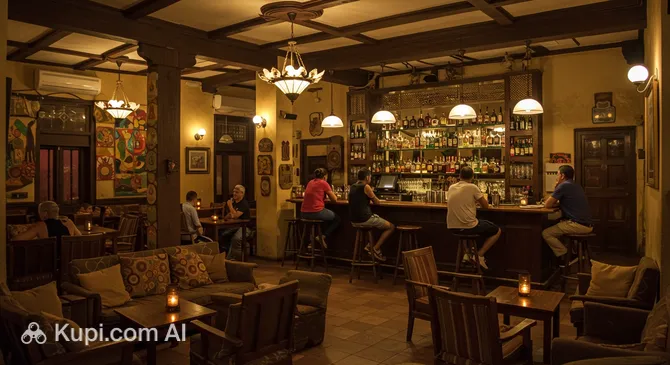
If you prefer a more laid-back evening focused on cocktails and conversation, Galería 29 Café Bar offers a sophisticated yet welcoming environment. This venue stands out for its artistic decor and excellent drink menu, making it a favorite for couples or groups of friends starting their night. The music here is usually at a volume that allows for talking, creating a cozy ambiance that contrasts with the high-energy clubs nearby.

Galería 29 Café Bar. Source: Kupi.Binoculars

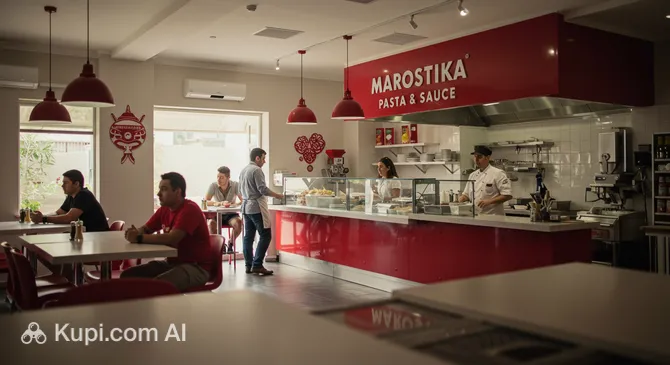
Another excellent option, particularly for combining dining with evening entertainment, is Marostika Pasta & Sauce. While primarily a place for food, its vibrant setting often serves as a great starting point for a night out in the Zona Rosa. Many locals begin their evening here with dinner and drinks before moving on to the dance floors. The area around these venues is bustling on weekends, filled with people enjoying the cool night breeze.

Marostika Pasta & Sauce. Source: Kupi.Binoculars

Practical advice for enjoying the nightlife includes arriving at bars around 8:00 PM or 9:00 PM to secure a table, while nightclubs typically get busy after 11:00 PM. Prices in Monteria are generally affordable compared to larger Colombian cities like Bogotá or Cartagena. A beer might cost between 5,000 and 10,000 COP, while cocktails range from 20,000 to 35,000 COP. Safety is generally good in the northern entertainment districts (Castellana and Recreo), which are well-lit and busy. However, it is always recommended to use official taxi apps or ask the venue to call a yellow cab for you rather than walking long distances late at night.

During the daylight hours, entertainment in Monteria is more low-key and family-oriented. The major shopping malls, such as Alamedas and Buenavista, feature modern cinema complexes showing the latest international blockbusters. For a touch of culture, the city occasionally hosts theater performances and art exhibitions, often centered around the university venues or public plazas. While there are no massive amusement parks, the riverfront parks provide ample space for recreational activities and often host small fairs or cultural events on weekends.

Parks & Museums

Monteria stands out as one of Colombia's most sustainable cities, offering visitors a refreshing blend of lush urban landscapes and preserved cultural heritage. The city has successfully integrated nature into its daily life, creating a network of green spaces that serve as both recreational areas and ecological sanctuaries for local wildlife.

The crown jewel of the city's green spaces is undoubtedly the Ronda del Sinú Park. Stretching for kilometers along the banks of the Sinú River, this linear park is more than just a scenic walkway; it is a vibrant ecological corridor. Visitors can wander beneath the shade of towering tropical trees while observing wild iguanas, sloths, and red howler monkeys in the canopy above. It offers a cool retreat from the Caribbean heat and serves as the social heart of the city, perfectly connecting the urban center with the river.

For those seeking a deeper immersion in nature slightly removed from the downtown bustle, La Poza Turística de Montería is an excellent destination. This wetland area is dedicated to conservation and eco-tourism, offering a tranquil environment centered around a large body of water. It is a favorite spot for birdwatching and picnicking, allowing tourists to appreciate the rich biodiversity of the Córdoba department in a peaceful, protected setting.

In the heart of the city lies Parque Simón Bolívar, the main square that anchors Monteria's historic center. Surrounded by important administrative buildings, this park serves as a traditional gathering point for locals. It provides a great vantage point to admire the Catedral de San Jerónimo, a striking white cathedral with a mix of Gothic and republican architectural styles. The church is a key landmark and offers a glimpse into the religious history and colonial roots of the region.

While the city does not have many large traditional museums, it celebrates its culture through dynamic public venues. The Sinú Cultural Plaza acts as a living center for the arts. This expansive venue frequently hosts handicraft markets, musical performances, and folkloric festivals. It is the best place to engage with the region's living heritage, where visitors can often find artisans displaying "sombrero vueltiaos" (the iconic Colombian hat) and other local crafts.

For art enthusiasts, the Museo Zenú de Arte Contemporáneo (MUZAC) is a significant cultural reference. Located near the riverfront, this space bridges the gap between the region's ancestral Zenú legacy and modern artistic expression. It features rotating exhibitions of local and national artists, providing valuable insight into the creative evolution of the Colombian Caribbean coast.

For an authentic insider experience, consider visiting the Mercado Público (Public Market) located near the river terminal. While it can be busy and chaotic, it offers an unfiltered look at the agricultural wealth of the Sinú Valley, showcasing mountains of fresh yams, plantains, and river fish that define the local cuisine.

Getting Around

Public transportation in Monteria is primarily road-based, relying heavily on a network of buses and taxis, as the city does not have a metro or tram system. The urban bus service is operated by private companies, most notably Metrosinú and Monteriana Móvil. These buses cover the majority of neighborhoods and key locations, including shopping malls, universities, and the city center. They are easily recognizable by their colors and destination signs displayed on the front windshield. While they may not adhere to strict minute-by-minute schedules, they run frequently during the day, making them a reliable option for getting around the main avenues.

A unique and culturally significant mode of transport in Monteria is the "planchón." These are traditional, roofed wooden rafts that ferry passengers across the Sinú River, connecting the left and right banks of the city. They do not use motors; instead, they operate using a manual cable system and the river's current, making them an eco-friendly and silent way to travel. For tourists, taking a planchón is not just a means of transport but an essential local experience, offering beautiful views of the river and the Ronda del Sinú park.

For those who prefer active mobility, Monteria is known as one of the most bike-friendly cities in the region due to its flat terrain. The city has implemented a public bicycle sharing system known as "Bisinú." This service allows users to borrow bicycles for short periods to navigate the urban area. There are several stations located at strategic points, particularly along the riverfront and near major universities. It is a fantastic way to explore the linear park and the downtown area at a leisurely pace.

Taxis are the most comfortable alternative for tourists, especially when traveling with luggage or at night. The official yellow taxis are plentiful and can be hailed on the street or booked via telephone. While many taxis have taximeters, it is not uncommon for drivers to negotiate a fixed price for specific routes, so it is advisable to confirm the fare before starting your journey. Ride-hailing apps are also present in the city, though availability can vary compared to larger capitals; yellow taxis remain the most consistent option.

Regarding payment, the public transport system in Monteria operates almost exclusively on cash. There are no electronic travel cards or integrated transport passes for tourists. When taking a bus, you pay the driver directly upon entering; the fare is fixed regardless of the distance traveled. For the planchones, the fee is incredibly low, usually just a small coin, and is paid directly to the operator on the raft. Therefore, it is highly recommended to carry small denominations of local currency (bills of 2,000 or 5,000 COP and coins) to make these transactions smooth.

Practical advice for visitors includes being mindful of operating hours. Bus services typically start around 5:00 AM and wind down by 9:00 PM or 10:00 PM. If you are out later than this, you will need to rely on taxis. While you will see many "mototaxis" (motorcycle taxis) weaving through traffic, they are an informal and unregulated means of transport. For safety reasons, tourists are generally advised to stick to official buses and yellow taxis. Always validate your destination with the bus driver if you are unsure, as locals are usually helpful in directing visitors to the right stop.

Accommodation

Accommodation in Monteria has expanded significantly in recent years, reflecting the city's growth as a commercial and tourist hub. Visitors will find a range of options that cater primarily to business travelers, but are equally suitable for vacationers seeking comfort and convenience. The selection spans from modern, high-rise hotels affiliated with international chains to smaller, budget-friendly guesthouses and apartment rentals. While the city lacks the sprawling all-inclusive resorts found in coastal destinations, it excels in offering functional, clean, and modern lodgings with excellent amenities.

The most desirable area for tourists to stay is undoubtedly the northern sector of the city, particularly neighborhoods like La Castellana and El Recreo. These districts are considered the most modern and safe, placing travelers within walking distance of major shopping centers like the Buenavista Monteria Shopping Mall and the Alamedas Shopping Mall. Staying here also offers easy access to the "Zona Rosa," where the city's best restaurants and nightlife are located. Alternatively, finding a hotel near the Ronda del Sinú places you right in the cultural heart of the city, offering scenic river views and immediate access to the famous linear park.

In terms of specific hotel types, Monteria is home to several reputable establishments that focus on providing a high standard of service. Travelers can expect to find well-known national and international hotel brands that offer air-conditioned rooms, swimming pools, and on-site dining. These hotels are typically designed to provide a cool retreat from the tropical heat, often featuring rooftop terraces where guests can enjoy the sunset over the Sinú Valley. For those on a tighter budget, there are numerous independent hotels and hostels in the downtown area that offer basic but comfortable amenities at a fraction of the cost.

Booking Tip: While accommodation is generally available year-round, it is highly recommended to book well in advance if you plan to visit during June. This is when the city hosts the National Livestock Reign (Feria de la Ganadería), and hotels fill up quickly with visitors from across the country. Outside of this peak festival season, you can often find excellent deals even with shorter notice.

Price Range and Booking: Compared to major tourist destinations like Cartagena or Medellín, accommodation prices in Monteria are quite reasonable. Budget options can start as low as $20 to $35 USD per night, while mid-range business hotels typically range from $50 to $90 USD. High-end stays are available but rarely exceed $120 USD. Booking is most easily done through major online travel platforms, which offer the best rates and user reviews, although many smaller local establishments also accept direct bookings via phone or WhatsApp.

Nearby Cities

For those looking to explore the surroundings, Monteria serves as an excellent base for day trips to several interesting nearby locations. The department of Córdoba is rich in cultural heritage and natural beauty, offering travelers the chance to experience the authentic Caribbean lifestyle beyond the capital.

One of the most recommended visits is to Lorica, often referred to as Santa Cruz de Lorica. Located near the mouth of the Sinú River, this town is part of Colombia's network of Heritage Towns (Pueblos Patrimonio). It is famous for its stunning Republican architecture and the historic market building, which reflects the strong Syrian-Lebanese influence on the region. Another great option is Cerete, situated just a short drive from Monteria. Known as the "White City" or the cultural capital of the department, it is renowned for its poetry festivals and folklore, making it a hub for artistic expression.

Here is an overview of nearby cities that are easily accessible for a day trip:

City Population Distance (km)
Sahagun 90,487 52
Cerete 83,917 18
Planeta Rica 69,285 50
Cienaga de Oro 64,226 32
Lorica 52,771 54

These nearby destinations offer a glimpse into the diverse culture and landscapes of the region, allowing visitors to discover the charm of the Colombian Caribbean countryside.

Shopping & Souvenirs

Shopping in Monteria offers a delightful mix of modern convenience and deep-rooted cultural tradition, catering to travelers looking for both international brands and authentic local craftsmanship. The city has developed a robust commercial infrastructure, making it easy to find everything from high-end fashion to unique artisanal souvenirs that reflect the heritage of the Sinú Valley.

For a modern retail experience, the city features several large commercial centers that also serve as popular escapes from the tropical heat. Alamedas Shopping Mall is a long-standing favorite among locals and visitors alike, hosting a wide variety of clothing stores, technology shops, and a lively food court. Similarly, the Buenavista Monteria Shopping Mall offers a contemporary atmosphere with an extensive selection of national and international retailers, a cinema, and comfortable spaces to relax and enjoy the air conditioning.

Travelers seeking distinct regional souvenirs should focus their attention on the local handicrafts. The most iconic item to purchase here is the sombrero vueltiao, a beautifully woven hat made from cane fiber that is a national symbol of Colombia. The best place to find these authentic pieces is the Sinú Cultural Plaza. This vibrant public space acts as an open-air market where artisans display their work, including woven hammocks, leather goods, and intricate jewelry, allowing you to buy directly from the makers.

Beyond the malls and plazas, the commercial streets near the city center are bustling with activity. Here, visitors can find small boutiques selling tropical clothing suitable for the Caribbean climate, as well as vendors offering fresh local fruits and sweets. Whether you are looking for a fashionable outfit or a piece of Zenú art to take home, Monteria provides a shopping experience that is both diverse and culturally enriching.

Reached the end of the page?

That means the route is fully explored