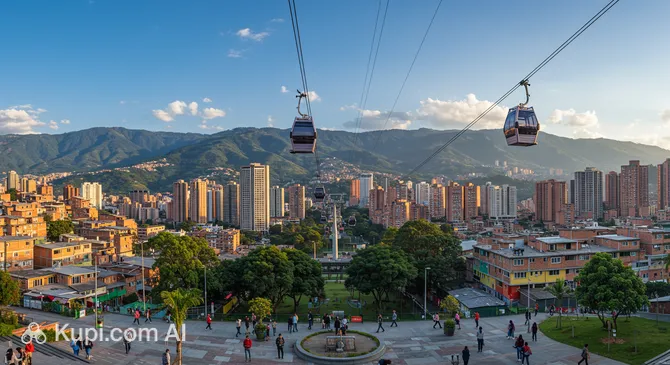
Welcome to Medellín, a vibrant metropolis nestled in the Aburrá Valley of the Andes Mountains. Often celebrated for its remarkable urban transformation and welcoming atmosphere, this dynamic city serves as the capital of the Antioquia department. With a population exceeding 2.5 million residents, it stands as the second-largest city in Colombia and a major hub for commerce, industry, and culture.
Medellín. Illustration.
Source: Kupi.com AI
One of the city's most endearing qualities is its climate, earning it the nickname the "City of Eternal Spring". The pleasant, spring-like weather year-round makes it an ideal destination for outdoor exploration. While the history of Medellín reflects a journey of resilience and reinvention, the modern city is recognized globally for its innovation, social urbanism, and efficient public transportation system.
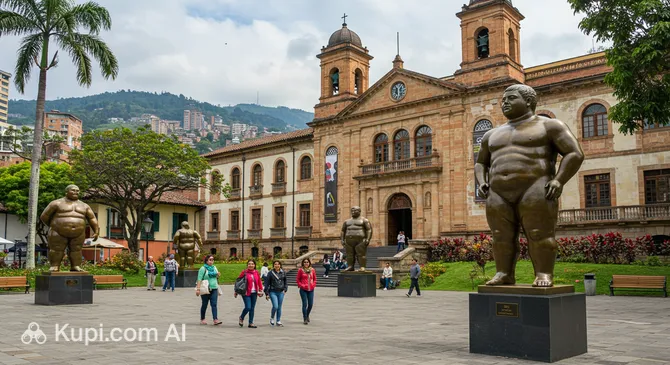
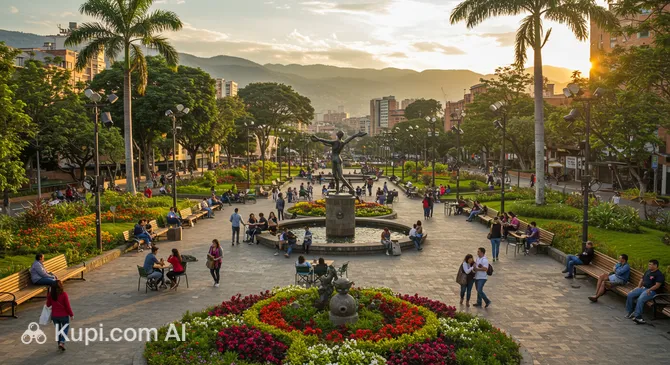
Visitors are often drawn to the iconic Plaza Botero, an outdoor park showcasing 23 oversized bronze sculptures donated by the renowned local artist Fernando Botero. Another unique feature is the Metrocable, a gondola lift system that integrates with the metro to connect hillside neighborhoods, offering passengers panoramic views of the valley. Whether you are exploring the lush landscapes of Arví Park or enjoying the local Paisa culture, Medellín offers an engaging and memorable experience for every traveler.
Weather Overview
True to its reputation, the weather in Medellín remains remarkably consistent throughout the year, offering a comfortable, spring-like atmosphere. Average temperatures hover steadily around 18°C to 19°C, with daytime highs typically reaching up to 24°C and nights cooling down to approximately 13°C.
While the temperature hardly fluctuates, rainfall is a common occurrence in the valley. The city experiences a high number of wet days, ranging from about 18 days in January to as many as 29 days during the wetter months like April, May, and October. Expect mild, agreeable warmth year-round with cool evenings and frequent showers, making it wise to carry an umbrella regardless of when you visit.
Average monthly temperature
Average monthly precipitation
Interesting Facts
Beyond the main attractions, Medellín holds many fascinating secrets that reveal the depth of its culture and innovation. These unique features highlight why the city is much more than just a scenic destination.
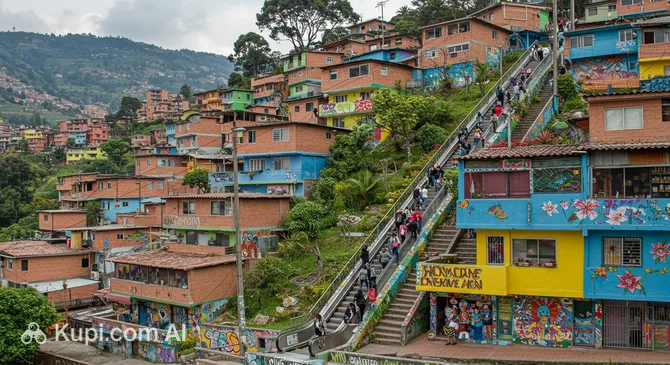
Comuna 13. Illustration.
Source: Kupi.com AI
Traveler photos:
The city is home to a remarkable urban mobility solution in Comuna 13, where a massive system of outdoor electric escalators replaced hundreds of steep concrete steps. This infrastructure project was pivotal in transforming a once-isolated neighborhood into a vibrant and accessible artistic hub.
Medellín invites visitors to connect with nature in a very literal sense at the Barefoot Park. In this Zen-inspired public space, guests are encouraged to remove their shoes and walk on sand, pebbles, and water to stimulate their senses and relax amidst the urban bustle.
Despite being deep in the Andes, the city has a profound historical connection to Tango music, stemming from the tragic death of the legendary singer Carlos Gardel at the local airport in 1935. Today, this passion lives on in dedicated plazas, festivals, and dance halls throughout the valley.
In 2013, Medellín was named the "Innovative City of the Year" by the Urban Land Institute, surpassing competitors like New York and Tel Aviv. This recognition highlighted its groundbreaking social urbanism projects, such as modern library parks and cable car systems integrated directly into the metro network.
How to Get There
Reaching the "City of Eternal Spring" is relatively straightforward, with air travel being the most convenient method for international and domestic visitors. Travelers planning their trip can find more about how to get to Medellín and the various transport options available to suit their itinerary.
The primary gateway for most arrivals is Jose Maria Cordova International Airport (IATA: MDE). Although it serves Medellín, it is situated in the nearby municipality of Rionegro, approximately 18.3 km from the city center. As the second-largest airport in Colombia, it handles a large volume of passenger traffic, connecting the region with major global hubs. The journey to downtown Medellín typically takes around 50 minutes by taxi or airport bus, depending on traffic conditions.
For regional flights and easier access to the city center, travelers might utilize Enrique Olaya Herrera Airport (IATA: EOH). Located just 4.1 km from the heart of Medellín, this airport is a convenient hub for domestic connections. Due to its proximity, a transfer to the city center is quick, taking approximately 25 to 30 minutes. While smaller than the international airport, it remains a significant entry point for those flying from other Colombian cities.
Another option for travelers exploring the wider Coffee Axis region is Matecana International Airport (IATA: PEI). However, it is important to note that this airport is located in Pereira, roughly 160 km away from Medellín. The overland journey from Pereira can take several hours, making it a less direct but viable alternative for those planning a multi-city tour.
For clarity, here is a summary of the main airports:
Regarding rail transport, Medellín does not have an intercity railway station for passenger trains connecting it to other major Colombian cities. The city is well-known for its modern Metro system, but this serves internal urban transit rather than long-distance travel. Visitors arriving by land typically do so via the extensive network of interdepartmental buses, which arrive at one of the city's two main bus terminals, Terminal del Norte or Terminal del Sur.
Main Attractions
Medellín offers a diverse array of attractions that blend nature, art, and history, making it a fascinating destination for travelers. From lush green spaces in the heart of the city to cultural institutions housing world-renowned art, there is something to capture every visitor's imagination.
A perfect escape from the urban bustle is the Medellín Botanical Garden. This sprawling sanctuary covers about 14 hectares and is famous for its "Orquideorama," a stunning architectural structure resembling a honeycomb that shelters a vast collection of orchids and butterflies. It is an ideal spot for a leisurely walk, a picnic, or simply enjoying the rich biodiversity of the region within a peaceful setting.
Medellín Botanical Garden. Illustration.
Source: Kupi.com AI
Traveler photos:
For art enthusiasts, the Museum of Antioquia is an essential stop. Located right next to Botero Plaza, this is the second-oldest museum in Colombia and houses a significant collection of works by Fernando Botero, Medellín's most famous artist. Visitors can explore galleries filled with his signature voluptuous paintings and sculptures, alongside pre-Columbian artifacts and contemporary pieces that tell the story of the region's cultural evolution.
Museum of Antioquia. Illustration.
Source: Kupi.com AI
Traveler photos:
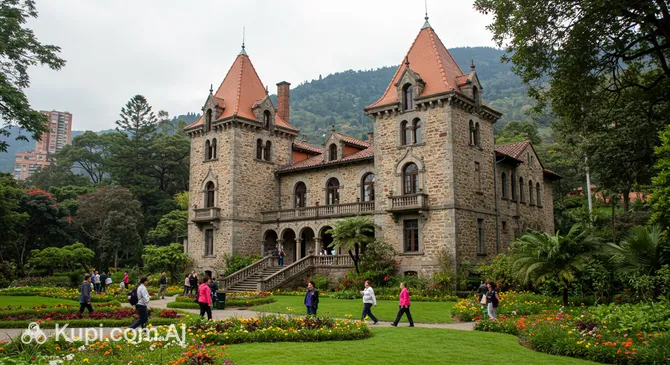
Another unique landmark is El Castillo Museum and Gardens, a medieval Gothic-style castle perched in the El Poblado district. Originally built as a private residence in the 1930s, it now serves as a museum displaying porcelain, stained glass, and antiques. The castle is surrounded by beautifully manicured French-style gardens, which are popular for picnics and offer a fairy-tale atmosphere rarely found in South America.
El Castillo Museum and Gardens. Illustration.
Source: Kupi.com AI
Traveler photos:
Nature lovers should not miss Arví Park, an expansive ecological nature preserve located in the mountains above the city. Accessible via the Metrocable, the journey itself offers spectacular views of the valley. Once there, tourists can hike through miles of trails, explore pre-Hispanic archaeological sites, and visit the local farmers' market, making it a refreshing day trip filled with fresh air and greenery.
Local Cuisine
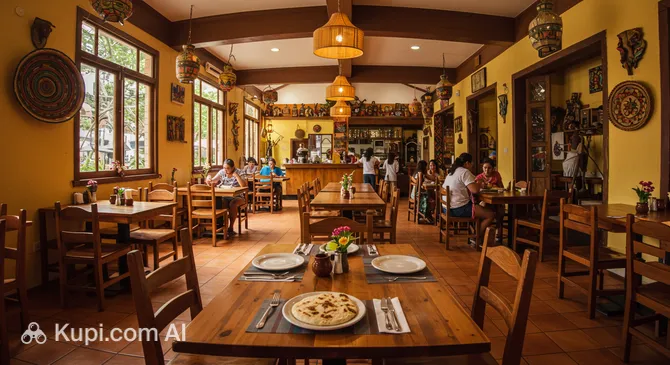
The culinary landscape of Medellín is a reflection of the region's generous hospitality and agricultural abundance. Known as comida paisa, the local cuisine is characterized by hearty portions, rich flavors, and a reliance on fresh ingredients like beans, corn, pork, and tropical fruits. For travelers, dining here is not just about sustenance; it is an immersive cultural experience that ranges from humble street stalls to sophisticated restaurants in the trendy El Poblado district.
The undisputed king of the local table is the Bandeja Paisa. This massive platter is a challenge even for the hungriest visitors, typically featuring beans, white rice, chicharrón (fried pork belly), ground beef, chorizo, a fried egg, ripe plantain, avocado, and an arepa. It was traditionally designed to fuel farmers for a long day of work in the mountains, but today it serves as a delicious symbol of regional pride that you simply must try at least once.
Another staple of the Medellín diet is hearty soup, with Mondongo being a local favorite. This tripe soup is slow-cooked with vegetables and spices, resulting in a thick, comforting broth often served with rice, avocado, and banana on the side. For an authentic taste of this classic dish, many locals and tourists head to Mondongo's, a renowned restaurant that has become an institution in the city for its traditional preparation.
Mondongo's. Illustration.
Source: Kupi.com AI
Traveler photos:
Street food culture is vibrant and accessible on nearly every corner. You will frequently encounter buñuelos, savory deep-fried cheese balls that are crispy on the outside and soft on the inside, and empanadas, which are typically filled with meat and potatoes and served with spicy aji sauce. The ubiquitous arepa paisa—a flat, white corn cake—is served with almost every meal, often topped with butter, cheese, or hogao (a tomato and onion sauce).
To wash down these savory treats, the beverage options are equally delightful. As you are in the heart of coffee country, a cup of fresh, high-quality Colombian coffee is essential. For something refreshing, try the vast array of fruit juices made from exotic fruits like lulo, maracuyá (passion fruit), or guanábana. When the sun goes down, the local spirit of choice is Aguardiente, an anise-flavored liquor affectionately known as "Guaro," which is often shared among friends during social gatherings.
Travel Tips
To help you make the most of your journey to the "City of Eternal Spring," we have compiled a set of essential guidelines that will ensure your trip is as smooth as it is memorable. By keeping these practical suggestions in mind, you can navigate Medellín with confidence and connect more deeply with its welcoming culture.
Clothing and Gear: Thanks to the city's mild, spring-like climate, your best strategy is to pack light layers. T-shirts and jeans are standard daily wear, but you should always carry a light jacket or sweater for cooler evenings. Since rain showers can occur unexpectedly, especially in the afternoons, packing a compact umbrella or a waterproof raincoat is highly recommended. Comfortable walking shoes are a must for exploring the hilly terrain.
Transportation: The pride of Medellín is its integrated public transport system. The Metro is clean, safe, and efficient; obtaining a "Cívica" card will make your transfers to the Metrocable lines seamless. For direct travel, yellow taxis are abundant and generally reliable, but using ride-hailing apps (like Uber or Cabify) is often preferred by tourists for price transparency and safety. If you use an app, it is polite to sit in the front seat.
Finances: The local currency is the Colombian Peso (COP). While major restaurants, malls, and supermarkets in areas like El Poblado accept credit cards, cash is king for street vendors, small local shops, and taxis. ATMs are widely available, but it is wise to withdraw money inside shopping centers or banks rather than on the street. Tipping is customary; check your bill for "servicio" (usually 10%), or leave a similar amount if it is not included.
Health and Safety: Medellín is generally safe for tourists who exercise common sense. The local rule of thumb is "No dar papaya" (don't give papaya), which means do not make yourself an easy target by flashing expensive jewelry or phones in public. Stick to well-populated areas like El Poblado and Laureles, especially at night. Pharmacies, known as droguerías, are easy to find, and tap water in Medellín is generally considered safe to drink, though sensitive travelers may prefer bottled water.
Communication: Spanish is the primary language, and while you will find English speakers in tourist hotspots, it is less common in everyday interactions. Learning a few basic phrases like "Buenas" (a general greeting) and "Gracias" will go a long way. WhatsApp is the main mode of communication here; even businesses and restaurants use it for reservations and inquiries. Buying a local SIM card (Claro or Tigo) is affordable and easy at the airport or local malls.
Local Etiquette: Paisas (people from this region) are incredibly warm and polite. Always greet people when entering a shop or elevator with a friendly "Buenos días" or "Buenas." It is also considered rude to slam car doors; close them gently to avoid receiving a startled look from your taxi driver.
What to Avoid: Be extremely mindful when discussing the city's turbulent history regarding the drug trade in the 80s and 90s. For many locals, this is a painful memory, not a form of entertainment. Avoid wearing merchandise featuring infamous historical figures or treating the subject casually, as this can be seen as offensive.
Sunday Tradition: If you are in the city on a Sunday or holiday morning, take advantage of the Ciclovía. Major roads are closed to cars until the early afternoon, allowing cyclists, runners, and walkers to take over the streets. It is a fantastic, energetic way to see the city alongside the locals.
Medellín is a city that rewards curiosity and respect with open arms and unforgettable experiences. By following these tips and embracing the local rhythm of life, you are sure to have a safe and enriching adventure in the heart of the Andes.
Entertainment & Nightlife
Entertainment and Nightlife:
When the sun sets over the Aburrá Valley, Medellín transforms into one of South America's most exciting nightlife destinations. The city is famous for its "rumba" (party) culture, offering everything from sophisticated rooftop cocktails to pounding reggaeton clubs and authentic salsa bars. Whether you are looking to dance until dawn or enjoy a relaxed evening with friends, the city has a district and a venue to match your mood.
The undisputed heart of nightlife in Medellín is the El Poblado district, particularly the area surrounding Lleras Park. This bustling zone, often referred to as the "Zona Rosa," is packed with an endless array of bars, nightclubs, and restaurants. The streets here are alive with music and crowds, creating an electric atmosphere that attracts both tourists and locals. Just a short walk away, the Provenza neighborhood offers a slightly more upscale and trendy vibe, featuring lush green streets lined with chic terraces and gastropubs.
Lleras Park. Illustration.
Source: Kupi.com AI
Traveler photos:
For a more traditional Colombian experience, head to La 70 (La Setenta) in the Laureles district. Unlike the international feel of El Poblado, this wide boulevard is where the locals go to party. The vibe here is unpretentious and incredibly energetic, with open-air fondas blasting vallenato and salsa music while patrons share bottles of aguardiente (the local anise-flavored liquor). It is the perfect place to immerse yourself in the authentic Paisa party spirit.
If you are keen to hit the dance floor, specific venues offer unique experiences. Dancefree is a legendary spot that functions as a dance school by day and a vibrant social club by night. It is an excellent place for beginners to learn salsa and bachata steps before practicing with a friendly, diverse crowd. For those seeking a more lounge-like atmosphere with stylish decor, Café Noir Bar & Lounge provides a sophisticated setting to enjoy expertly crafted cocktails and electronic beats.
Practical advice is key to enjoying the night safely and comfortably. The party scene typically heats up late, with clubs filling up after 11:00 PM, though bars are busy earlier. Dress codes vary; El Poblado tends to be "dress to impress" (smart casual), while Laureles is more relaxed. In terms of safety, it is always best to travel by taxi or ride-sharing apps like Uber or Cabify at night rather than walking long distances, even in popular areas. Stick to the well-lit, busy streets of the main entertainment districts and avoid wandering into quiet, unlit alleys.
While the nightlife is stellar, Medellín also offers plenty of daytime entertainment. Families and thrill-seekers can visit Parque Norte, a classic amusement park situated around a large lake, featuring roller coasters and water rides. Additionally, the city's numerous theaters and cultural centers provide a steady stream of concerts and artistic performances, ensuring that the entertainment options are as diverse as the city itself.
Parks & Museums
Beyond its bustling streets and commercial centers, Medellín boasts a wealth of cultural institutions and revitalized green spaces that tell the story of its transformation. The city has invested heavily in creating environments where nature and art coexist, offering visitors a chance to explore its heritage while enjoying fresh air and modern urban design.
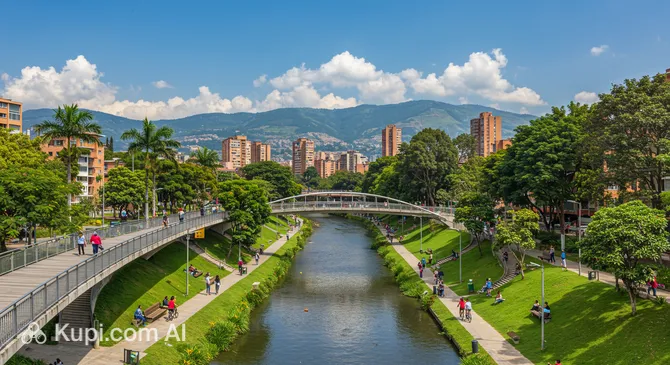
One of the most ambitious and successful urban projects is Parques del Río. This linear park runs along the Medellín River, reclaiming the waterfront for pedestrians and cyclists by burying the highway underground. It is a favorite spot for locals to jog, walk their dogs, or simply sit on the grassy knolls to watch the sunset over the valley. The park creates a green corridor through the heart of the city, symbolizing Medellín's commitment to sustainable urban living.
Parques del Río. Illustration.
Source: Kupi.com AI
Traveler photos:
For those seeking a deeper immersion in nature without straying too far from the tourist trail, the Piedras Blancas Ecological Park offers a pristine escape. Located near the famous Arví Park in the Santa Elena district, this reserve is a haven for biodiversity, featuring an insect museum and a butterfly garden. Visitors can rent rowboats on the reservoir, hike through cloud forests, or enjoy a quiet picnic surrounded by the lush vegetation of the high Andes.
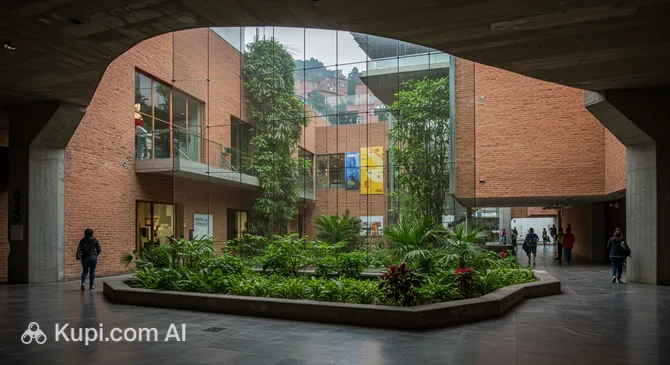
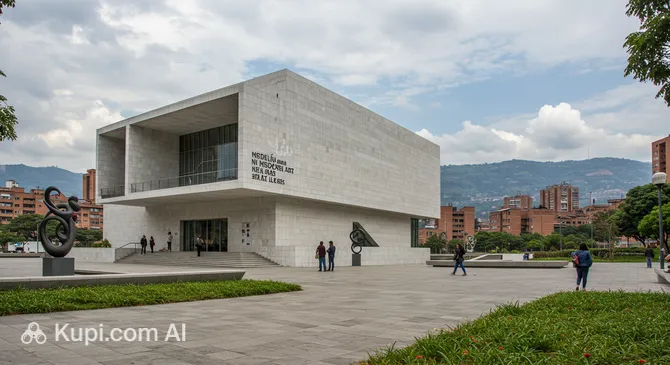
In the realm of contemporary culture, the Medellín Museum of Modern Art (MAMM) stands out as a beacon of creativity. Housed in a repurposed steel mill in the Ciudad del Río neighborhood, the building itself is a striking mix of industrial history and modern architecture. The museum showcases thought-provoking exhibitions by Colombian and international artists, and its outdoor terrace often hosts open-air cinema nights and cultural events, making it a vibrant community hub.
Medellín Museum of Modern Art. Illustration.
Source: Kupi.com AI
Traveler photos:
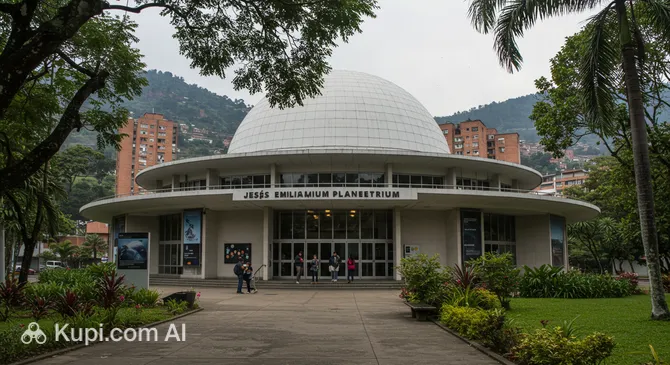
Science and astronomy enthusiasts will find plenty to discover at the Jesús Emilio Ramírez Planetarium of Medellín. Located in the northern part of the city, this facility features a modern digital dome that projects immersive shows about the cosmos. It serves as an educational center that makes science accessible and entertaining for all ages, often complementing the nearby interactive science park.
Jesús Emilio Ramírez Planetarium of Medellín. Illustration.
Source: Kupi.com AI
Traveler photos:
To step back in time, a visit to San Ignacio Square is essential. This historical plaza is flanked by colonial-era buildings, including the majestic San Ignacio Church and the Paraninfo of the University of Antioquia. It offers a glimpse into the city's educational and religious past, providing a stark but beautiful contrast to the modern skyscrapers that dominate the skyline.
For a truly authentic experience away from the crowds, venture up to the El Picacho Hill Viewpoint Ecopark. While many tourists flock to other viewpoints, El Picacho offers one of the most commanding panoramic views of the entire Aburrá Valley. Dominated by a large statue of Christ the King, it is a peaceful spot where you can appreciate the sheer scale of the city nestled among the mountains.
Getting Around
Medellín boasts one of the most efficient and comprehensive public transportation systems in South America, known locally as the SITVA (System of Integrated Transport for the Aburrá Valley). The backbone of this network is the Metro, the only rail-based urban transit system in the country. It consists of two main surface-level lines (A and B) that traverse the city from north to south and center to west. The trains are renowned for being spotless, safe, and punctual, serving as a point of immense pride for the local residents who treat the system with great respect.
A defining feature of the city's transit network is the Metrocable, a system of aerial gondolas that is fully integrated with the metro lines. Originally designed as a social innovation to connect steep, hillside neighborhoods with the valley floor, these cable cars have become a major attraction. Lines such as J and K serve residential areas, while Line L connects to the ecological nature preserve of Arví Park. Riding the Metrocable offers tourists breathtaking panoramic views of the city and the surrounding mountains for the price of a standard public transport ticket.
Complementing the trains and cable cars are the Tranvía, a modern tramway that runs through the hilly eastern districts, and the Metroplús, a Bus Rapid Transit (BRT) system that utilizes dedicated lanes to bypass traffic. There is also a network of green feeder buses (alimentadores) that bring passengers from outlying areas to the main stations. This high level of integration allows travelers to transfer between the metro, tram, and most cable car lines on a single fare, making it an incredibly economical way to explore different parts of the city.
To access the system, you will need a Cívica card, a rechargeable smart card used for payment across the entire integrated network. While single-ride paper tickets were once common, the system has largely shifted to card usage. Tourists can purchase an "Eventual" Cívica card at the ticket windows of any metro station. The card itself costs a nominal fee, and you can top it up with credit as needed. Fares are very affordable, typically ranging between 3,000 and 3,500 COP per journey, with free transfers included within a specific time window.
The transport system generally operates from approximately 4:30 AM to 11:00 PM on weekdays and Saturdays. On Sundays and holidays, service usually begins slightly later at 5:00 AM and ends around 10:00 PM. For the best experience, try to avoid the peak rush hours (roughly 6:30 AM to 8:30 AM and 5:00 PM to 7:00 PM), when trains and gondolas can become extremely crowded. Validating your ticket is simple: just tap your Cívica card on the turnstile readers when entering the station or boarding the bus.
For those preferring more direct or private transport, yellow taxis are abundant and easy to hail on the street. They generally run on meters, so ensure the driver turns it on at the start of the trip. Ride-sharing apps are also very popular and provide a convenient alternative with fixed pricing, although passengers often sit in the front seat to blend in. Additionally, the city promotes sustainability through EnCicla, a public bike-sharing system. While it is a fantastic free option, registration can sometimes be complex for short-term visitors, so most tourists opt for private bike tours or rentals for leisure riding.
Accommodation
Medellín offers a diverse array of accommodation options that cater to every type of traveler, from backpackers seeking social hostels to luxury seekers looking for five-star comfort. The city's tourism infrastructure has grown significantly, resulting in a wide selection of modern apartments, boutique hotels, and well-equipped resorts. Whether you prefer a lively district filled with nightlife or a quiet, leafy neighborhood, you will find a place that suits your style and budget.
The most popular area for international visitors is undoubtedly El Poblado. This upscale district is the heart of the city's tourism, packed with restaurants, cafes, and the famous Lleras Park. It is the most convenient location for those who want to be within walking distance of the best dining and nightlife. Alternatively, Laureles offers a more relaxed, authentic atmosphere. Known for its tree-lined streets and flat terrain, it is perfect for walking and enjoying local coffee culture, providing a slightly more residential feel than the bustling Poblado.
For travelers seeking comfortable amenities, the city boasts several reputable establishments. One notable option is Hotel Acqua Medellín, located in the El Poblado district. It places guests right in the middle of the action, offering easy access to the area's commercial and entertainment zones.
Hotel Acqua Medellín. Illustration.
Source: Kupi.com AI
Traveler photos:
Another excellent choice for visitors is Mi Hotel Sandiego. Situated near the city center and the tunnel to the international airport, this hotel provides a strategic location for those who want to balance sightseeing in the downtown area with easy logistical access.
When planning your stay, it is highly recommended to book in advance, especially if you are visiting during major events like the Feria de las Flores (Flower Festival) in August or the Christmas lighting season in December. During these peak times, the best accommodations fill up months ahead of time, and prices can rise significantly.
In terms of pricing, Medellín is generally very affordable compared to North American or European standards. Budget travelers can find high-quality hostel beds for as little as $10–$20 USD per night, while mid-range private rooms typically range from $40 to $80 USD. Luxury stays can start from $100 USD and up. Most accommodations can be easily booked via major online platforms, though contacting smaller boutique hotels directly can sometimes yield better rates or special packages.
Nearby Cities
For those looking to explore the surroundings, Medellín serves as an excellent base for day trips to several interesting nearby locations:
Just a short drive from the city, Rionegro offers a delightful change of pace with its cooler climate and rich history. Known as the "Cradle of Liberty," this city features well-preserved colonial architecture and historic cathedrals. It is also the gateway to San Antonio de Pereira, a charming village famous across the region for its mouthwatering selection of traditional desserts and sweets, making it a perfect spot for a relaxing afternoon.
Another fantastic option is Envigado, which borders Medellín to the south but maintains a distinct, traditional town vibe. It is celebrated for its commitment to culture and its exceptional gastronomy, particularly its morcilla (blood sausage) and hearty Paisa platters. The municipality is also home to the Ecological Park El Salado, where visitors can enjoy nature trails and canopy tours without traveling far from the urban center.
Although slightly further afield, many travelers make the journey to Guatapé, one of Colombia's most colorful towns. Famous for its vibrant zócalos (bas-reliefs) adorning the lower half of every building and the massive Rock of Guatapé (El Peñol) that offers breathtaking views of the surrounding reservoir, it is an iconic destination for a full-day adventure.
These nearby destinations offer a glimpse into the diverse culture and landscapes of the region.
Shopping & Souvenirs
Shopping in Medellín is a vibrant experience that reflects the city's status as the fashion capital of Colombia. The city offers a diverse mix of ultra-modern shopping centers, trendy boutique districts, and bustling traditional markets. Known for its thriving textile industry, Medellín is an excellent place to purchase high-quality clothing, leather goods, and unique designer pieces, often at very competitive prices compared to North America or Europe.
For those seeking independent design and upscale boutiques, the Vía Primavera and Provenza areas in the El Poblado district are the places to be. These tree-lined streets are packed with local fashion designers, art galleries, and concept stores offering one-of-a-kind items. In contrast, the downtown area (El Centro) offers a more chaotic but authentic experience. Walking down the pedestrianized Junín Street is a local tradition known as "juninear," where you can find affordable clothes, shoes, and traditional goods amidst the hustle and bustle of the city center.
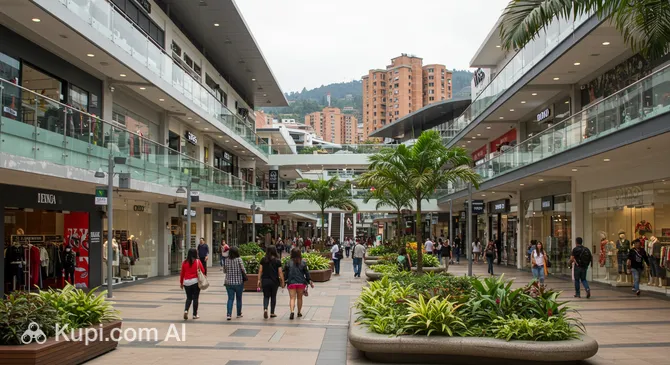
The city is famous for its impressive shopping malls, which serve as major social hubs. One of the most beautiful and popular centers is El Tesoro Shopping Mall. Located high in the hills of El Poblado, it is an open-air complex that blends retail with nature, offering stunning panoramic views of the valley alongside international brands and excellent dining options.
El Tesoro Shopping Mall. Illustration.
Source: Kupi.com AI
Traveler photos:
Another significant destination for shoppers is the Viva Envigado Shopping Mall. Situated just south of the city limits in the neighboring municipality of Envigado, it is one of the largest commercial complexes in the country. It features a vast array of stores, a massive food court, and extensive entertainment facilities, making it a favorite for families and serious shoppers alike.
For a taste of local culture and traditional commerce, the city's markets are unmissable. The San Alejo Handicraft Market, held on the first Saturday of every month in Parque Bolívar, is the best place to find handmade jewelry, antiques, and artisan crafts. For foodies, the Plaza Minorista provides a sensory explosion of exotic fruits, vegetables, and local ingredients, offering a colorful glimpse into the region's agricultural richness.
When it comes to souvenirs, coffee is naturally the top choice; look for premium beans from small local farms. Other popular items include Mochilas (handwoven bags made by indigenous communities), leather goods such as wallets and belts, and the traditional Carriel, a distinctive leather satchel used by Paisa farmers. Colorful hammocks and handcrafted jewelry also make for excellent gifts to take home.
Most shopping malls and major stores operate daily from approximately 10:00 AM to 8:00 PM or 9:00 PM, including Sundays. Payment methods are convenient, with credit and debit cards (Visa and Mastercard) widely accepted in malls, restaurants, and established shops. However, if you are visiting street markets or smaller vendors in the city center, it is essential to carry cash (Colombian Pesos) as electronic payments may not be available.
Tourists should also be aware of the tax refund (VAT refund) system available in Colombia. Foreign visitors can claim a refund on the 19% sales tax (IVA) for certain physical goods like clothing, footwear, and handicrafts purchased at participating stores. To qualify, you must present your passport during the purchase, ask for a specialized electronic invoice, and process the refund at the DIAN customs office at the international airport before leaving the country.